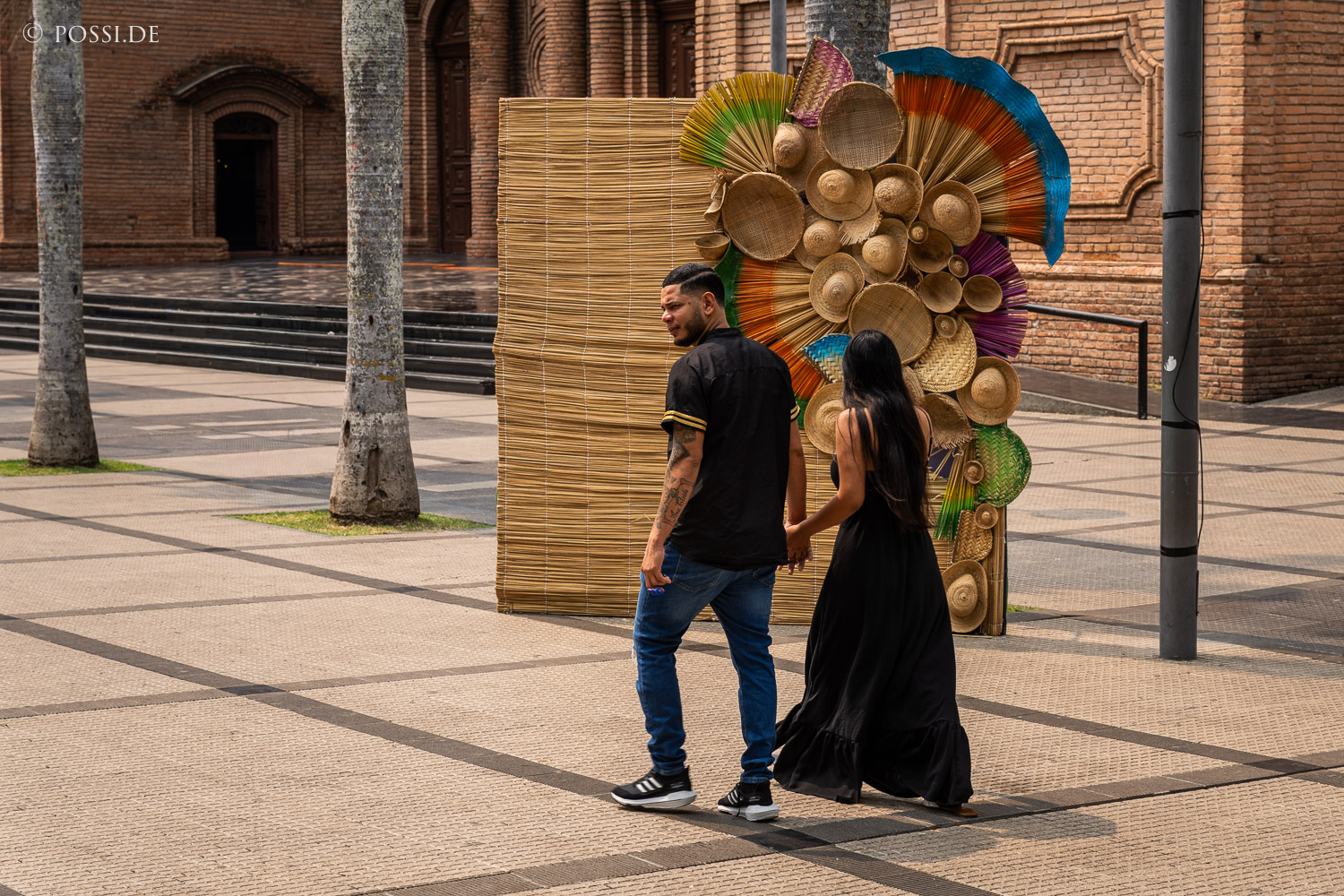
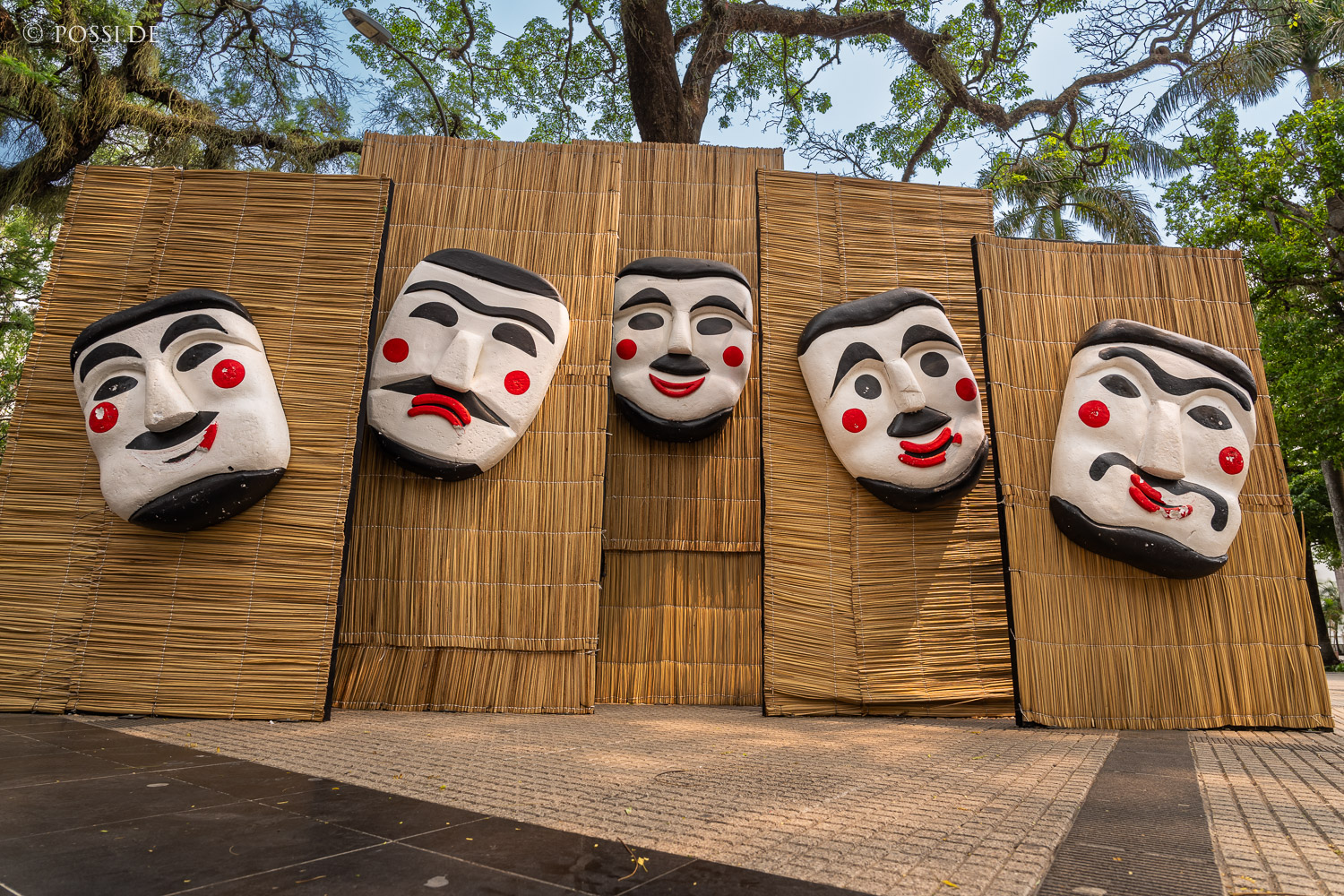
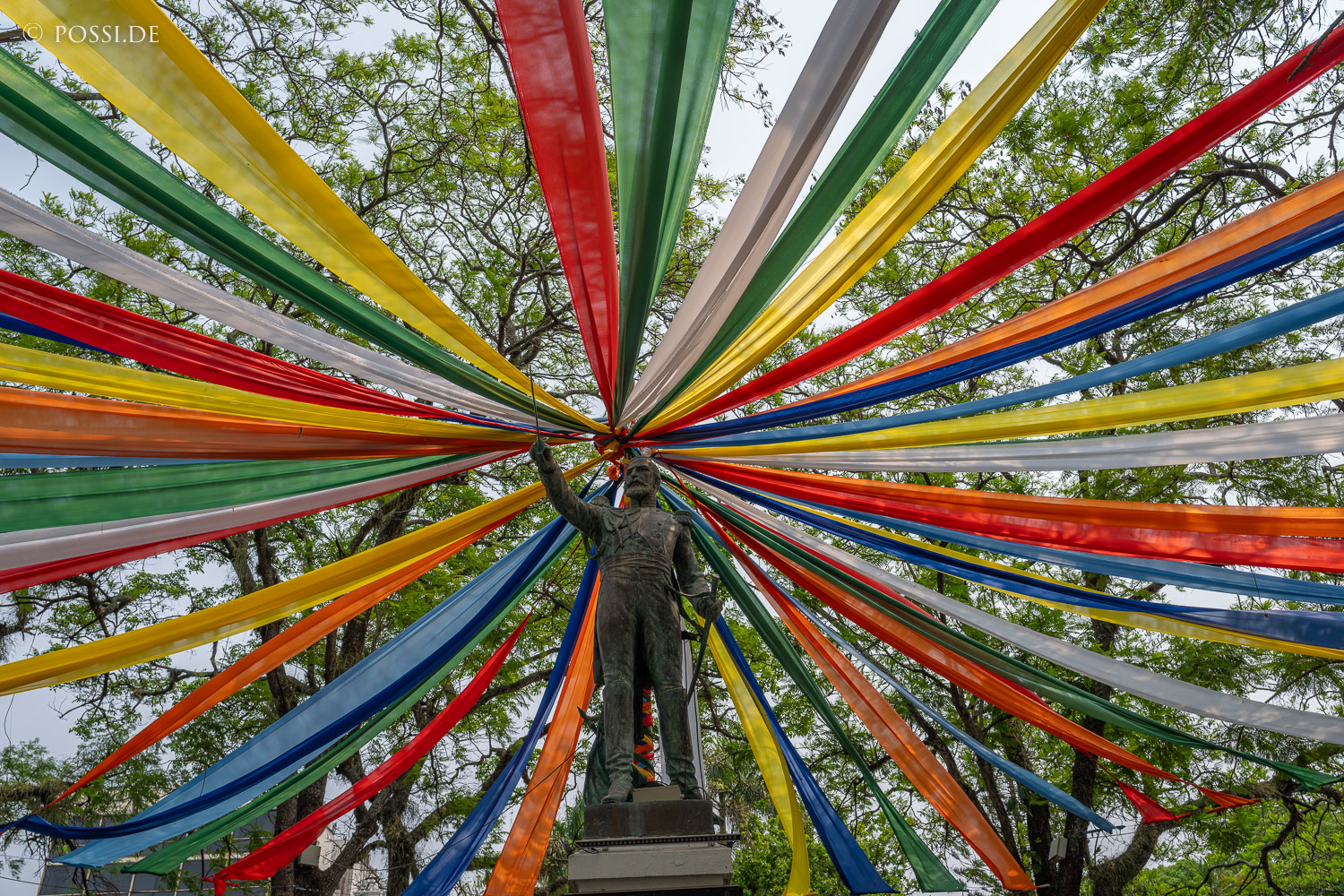
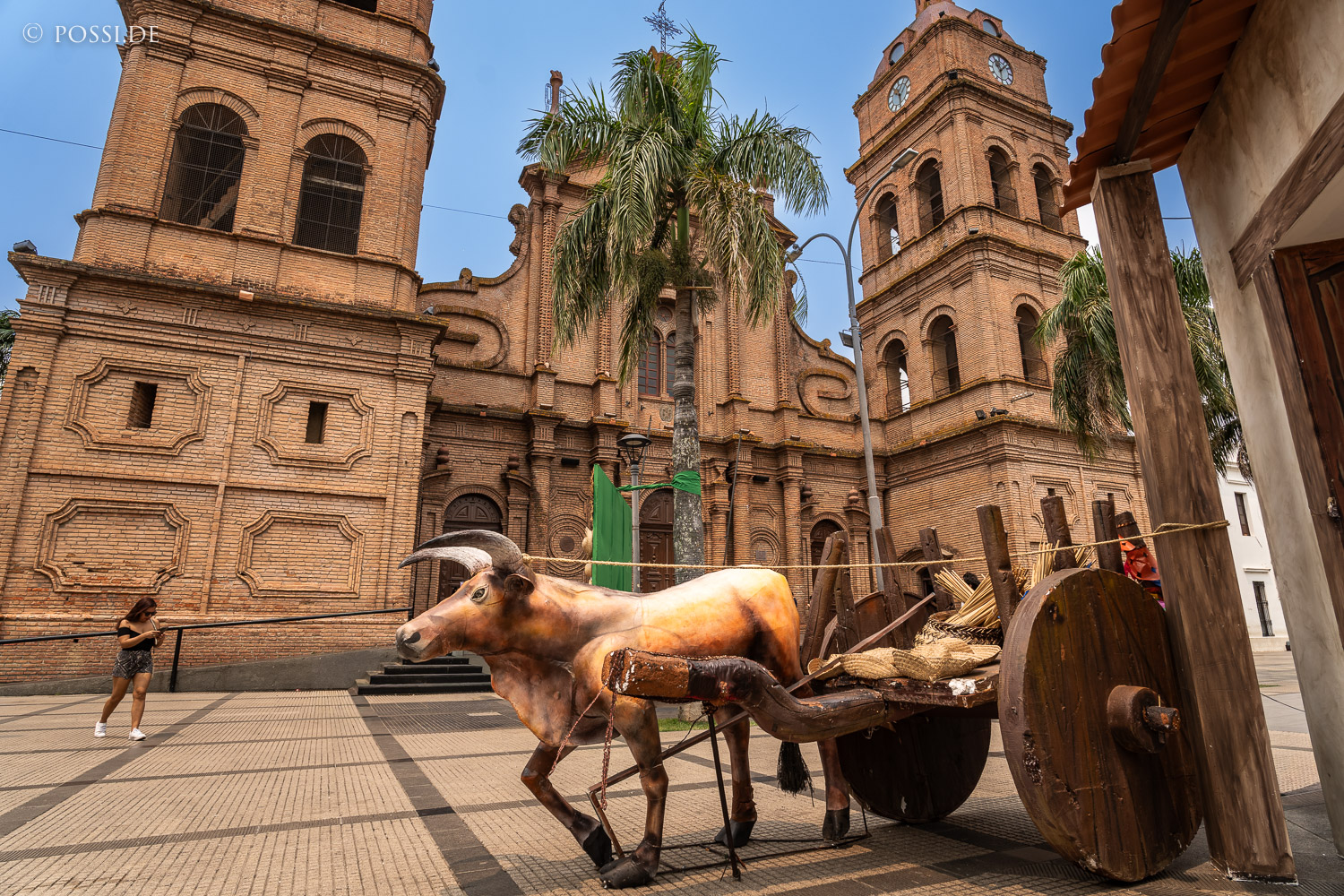
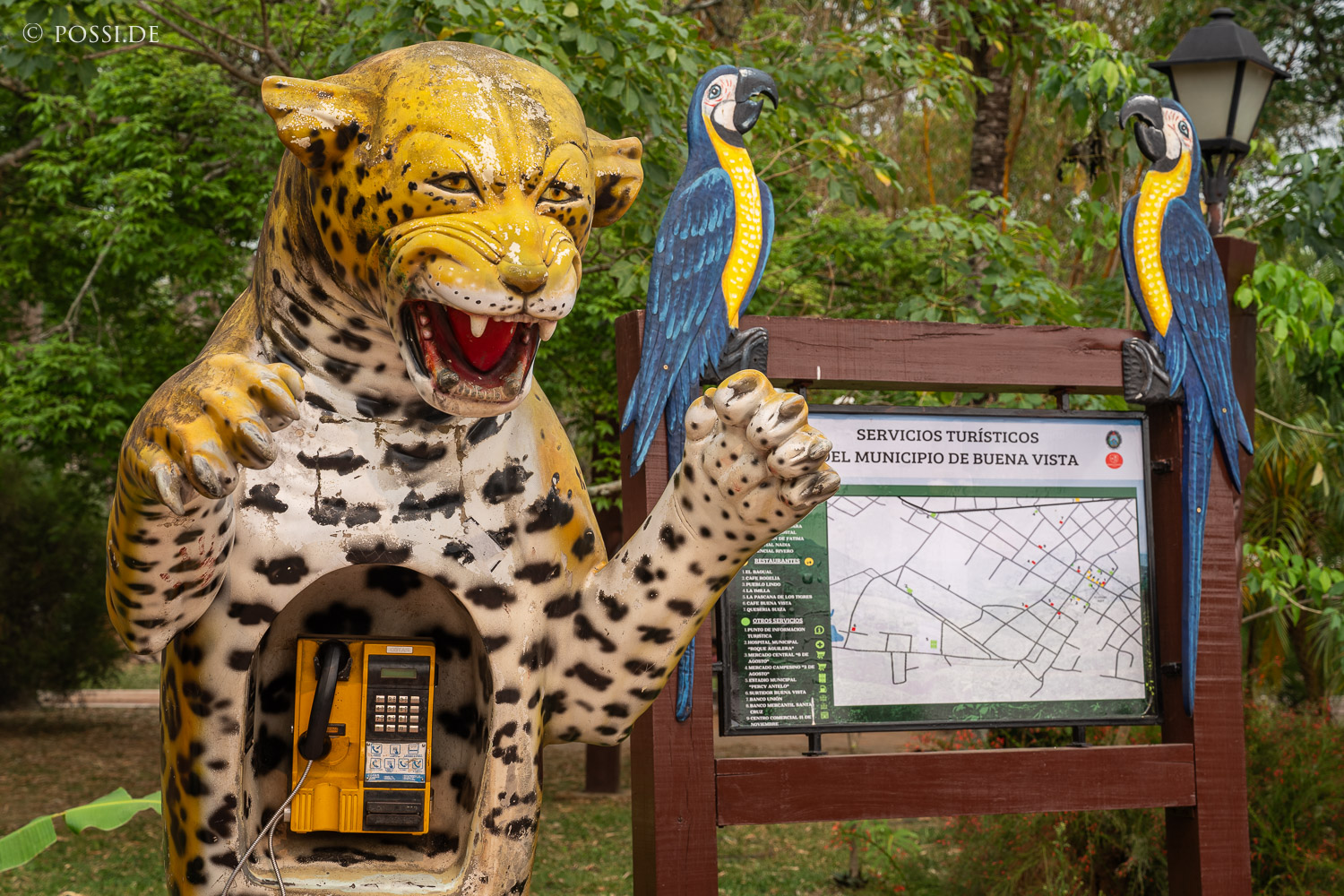
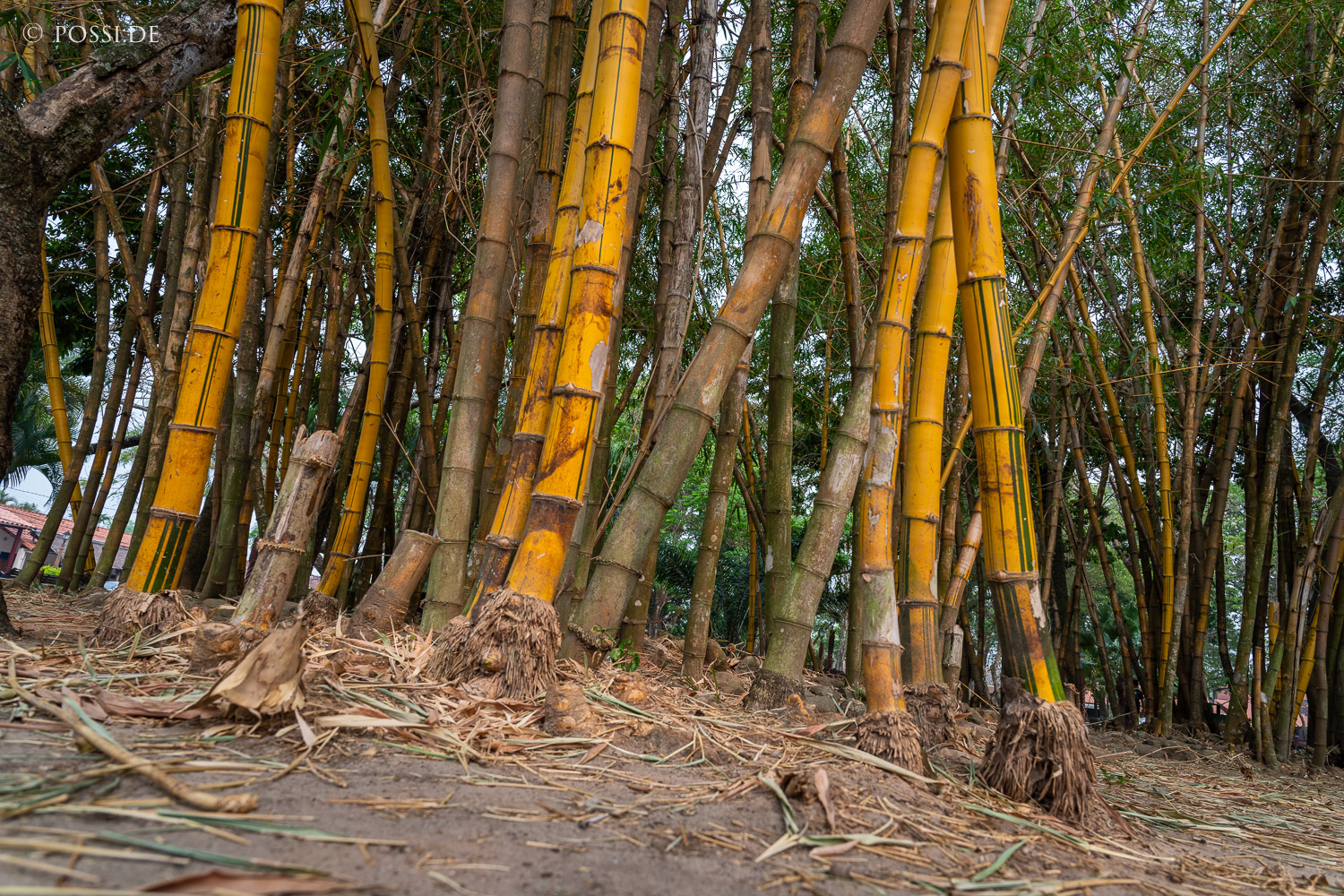
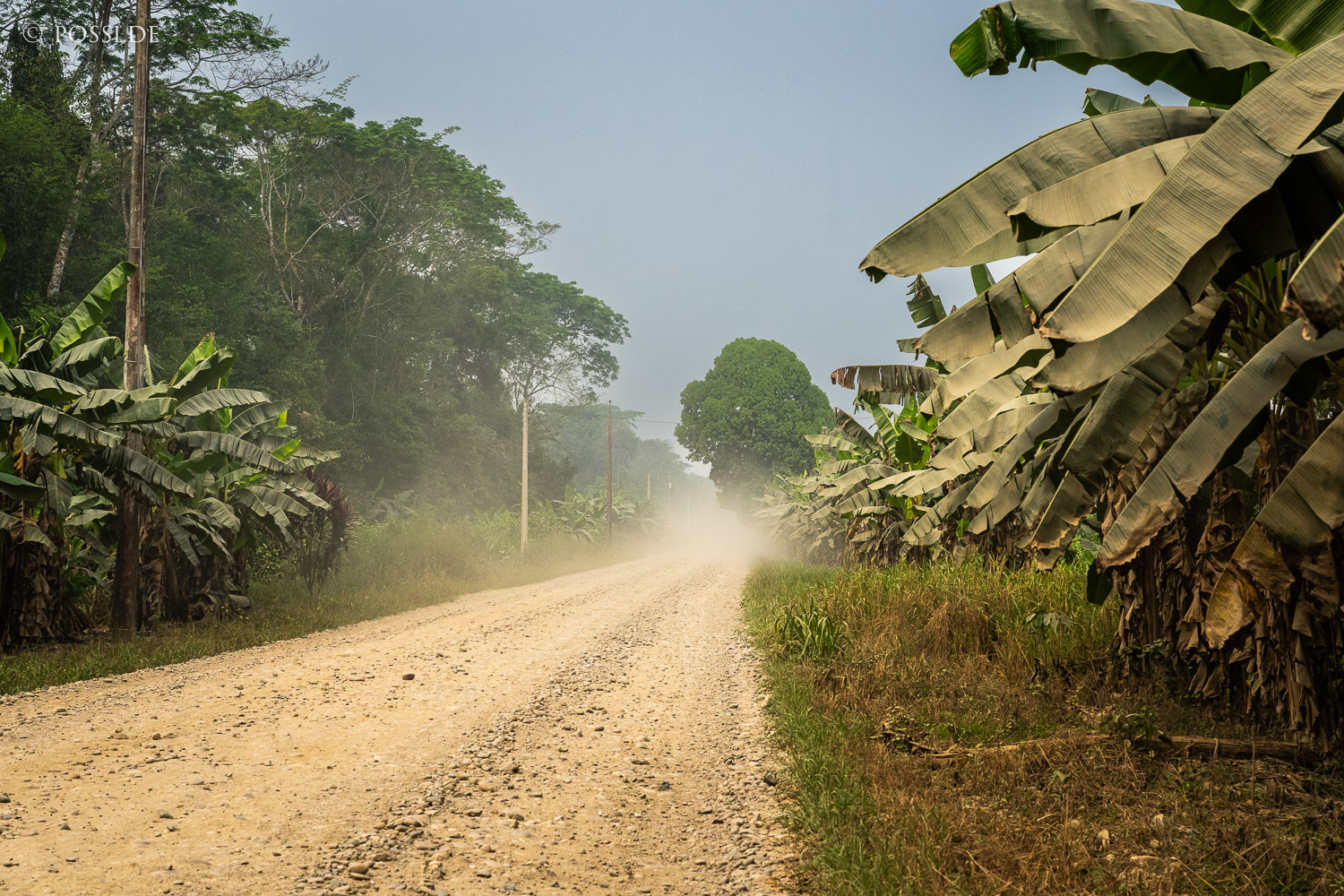
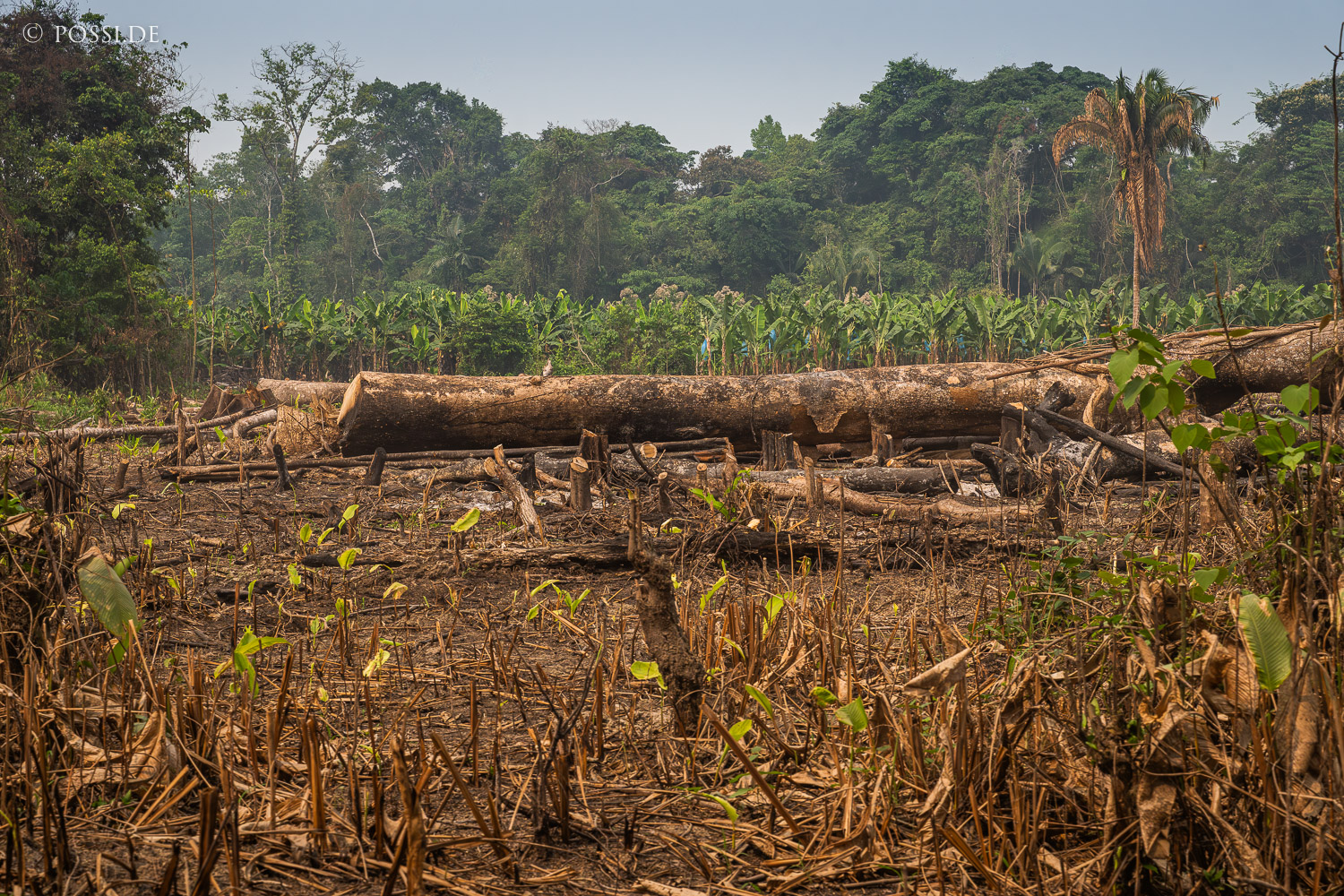
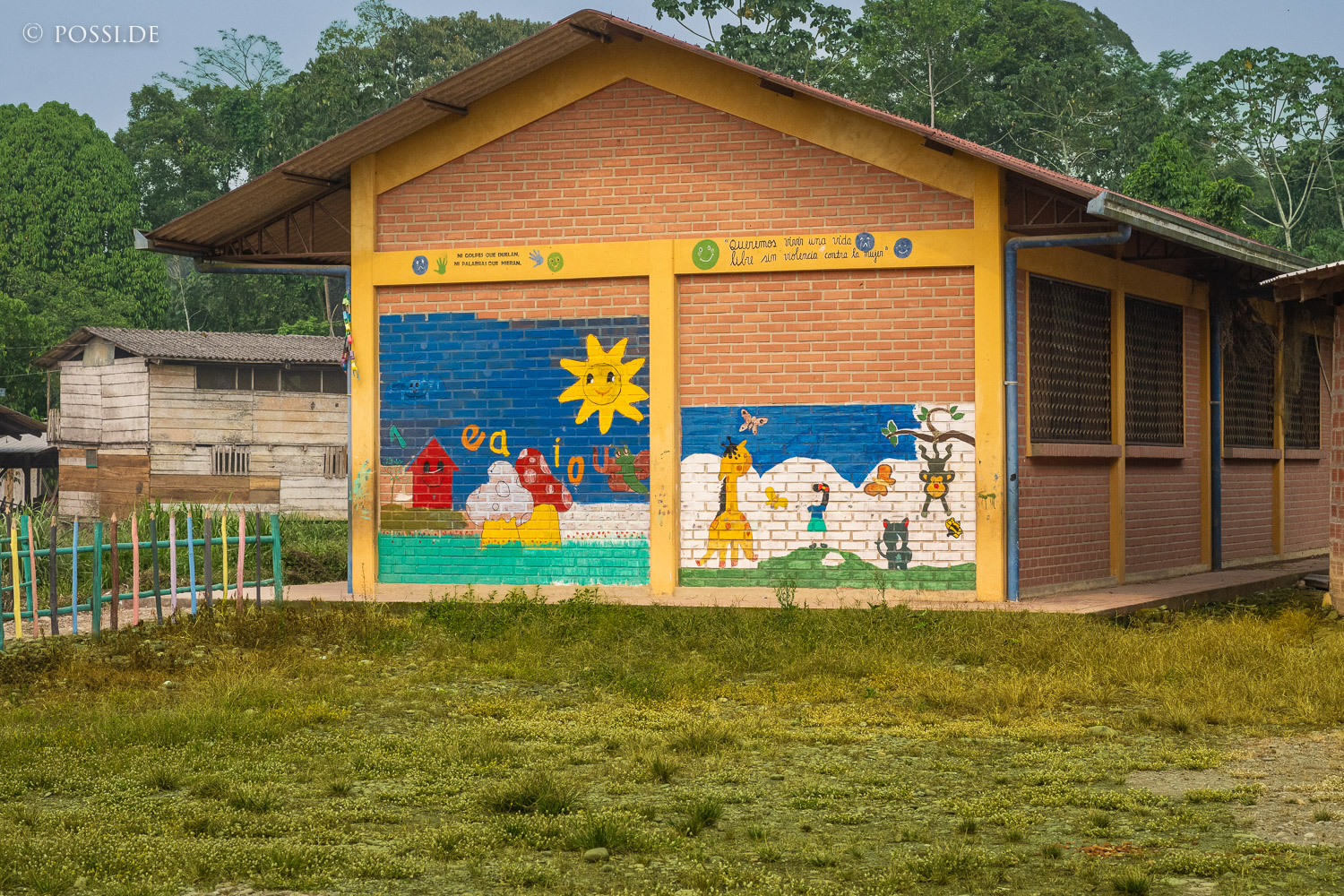
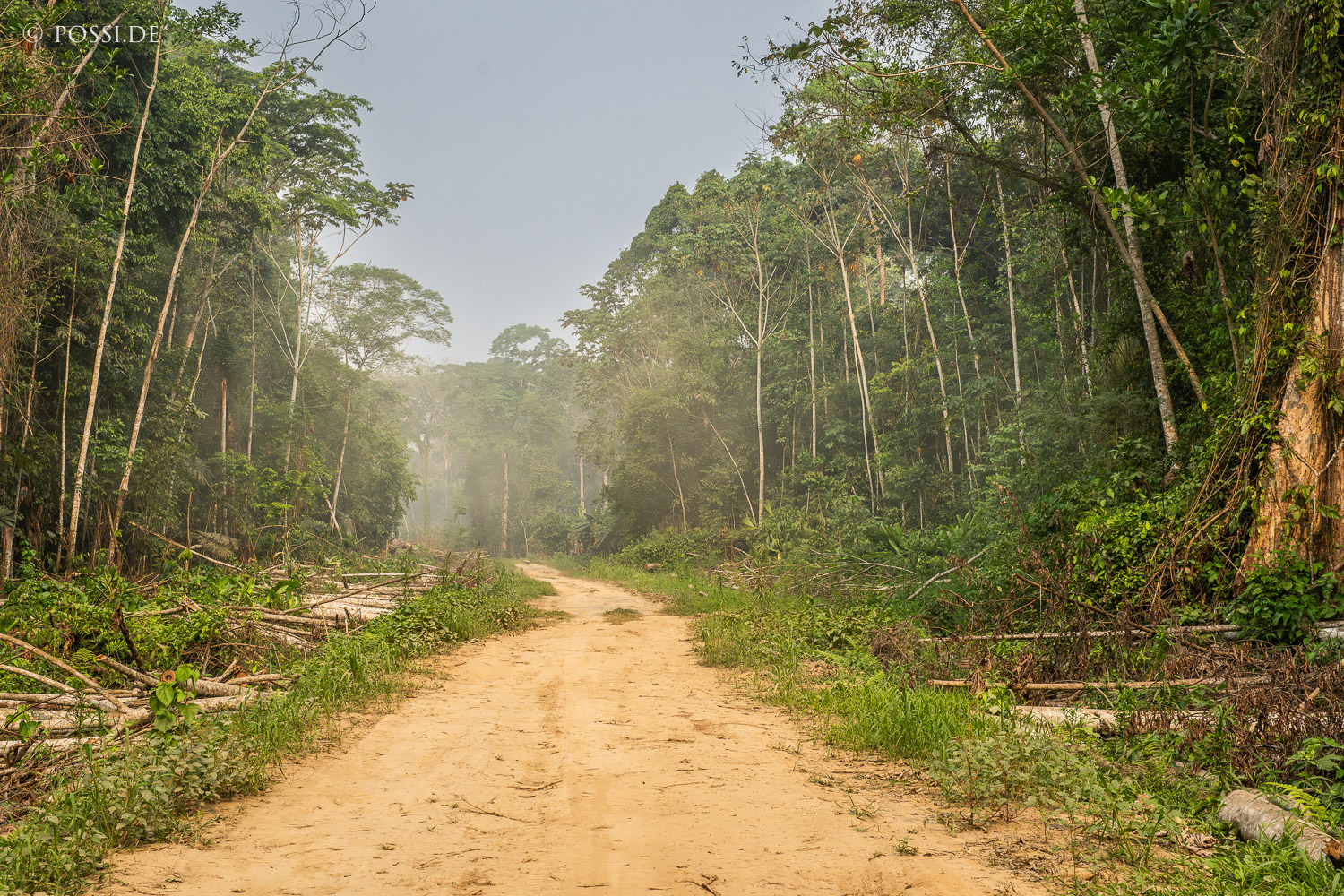
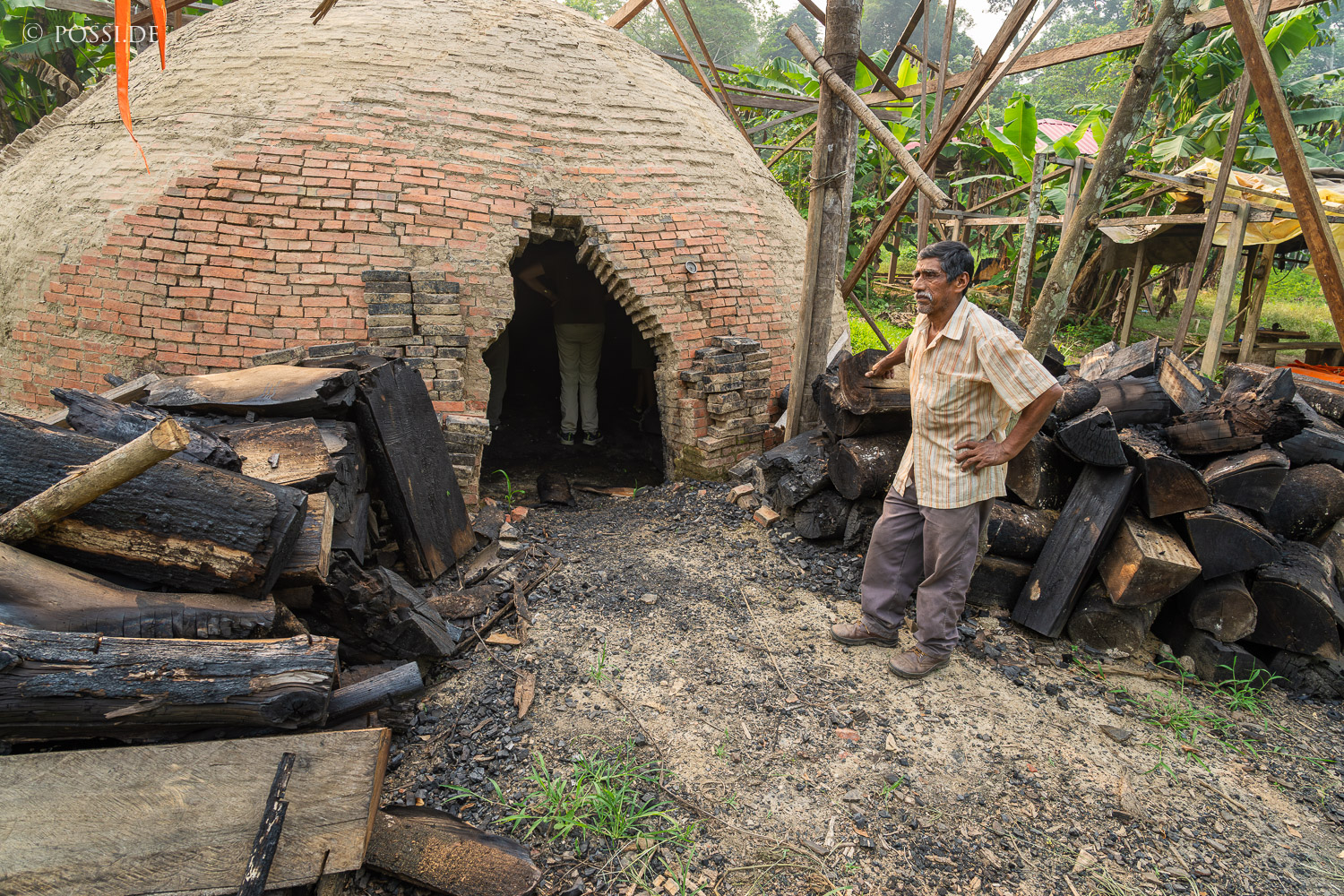
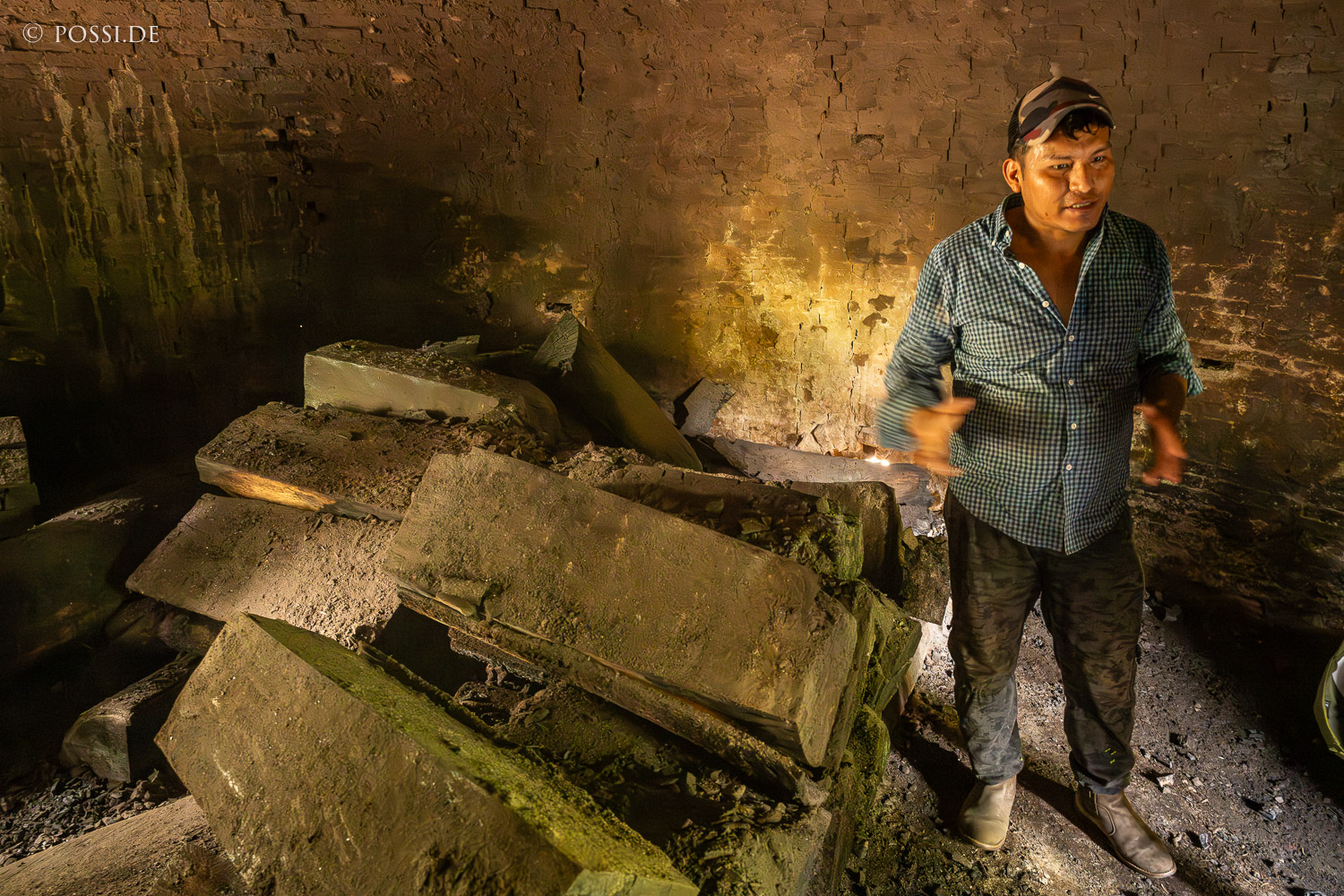
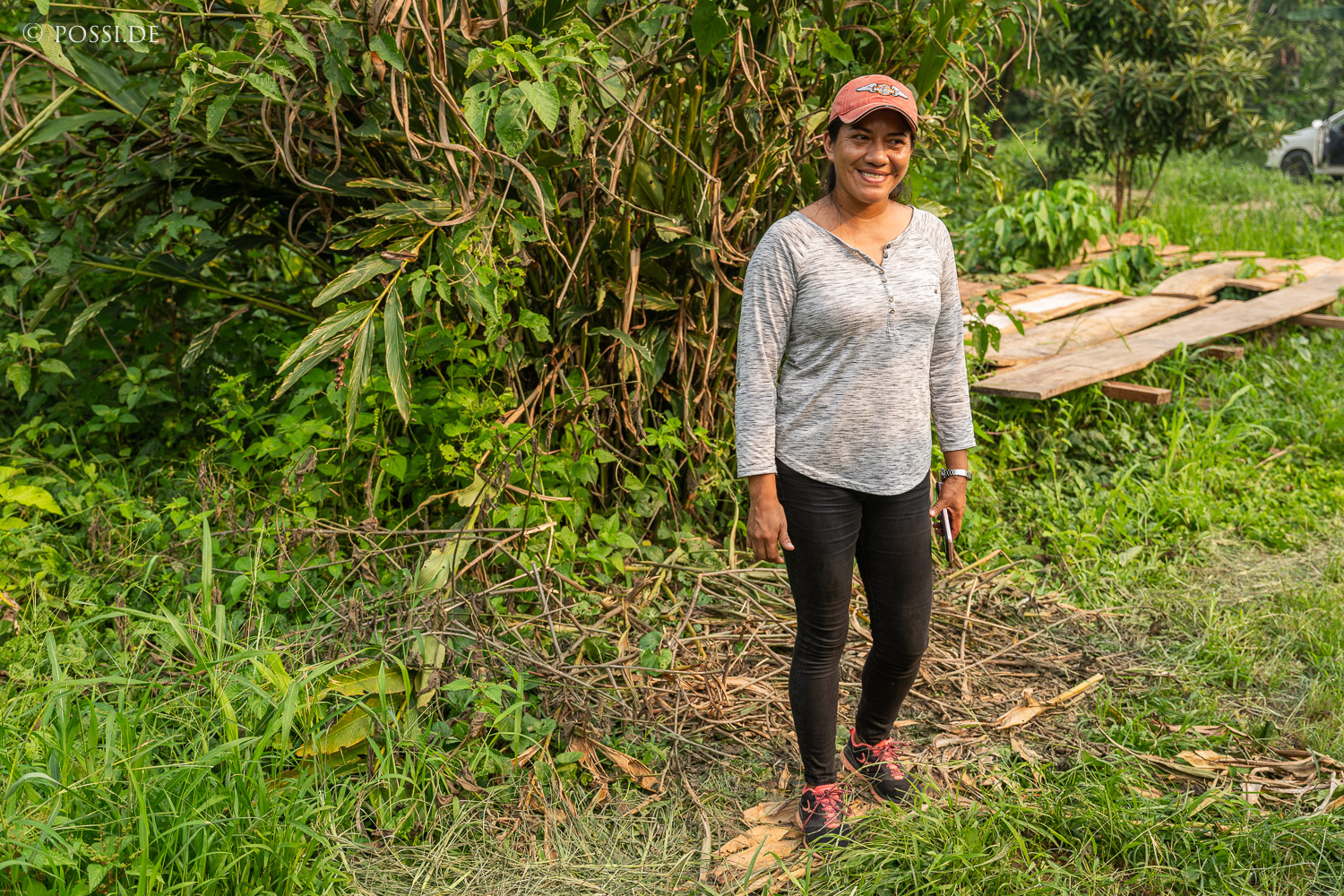
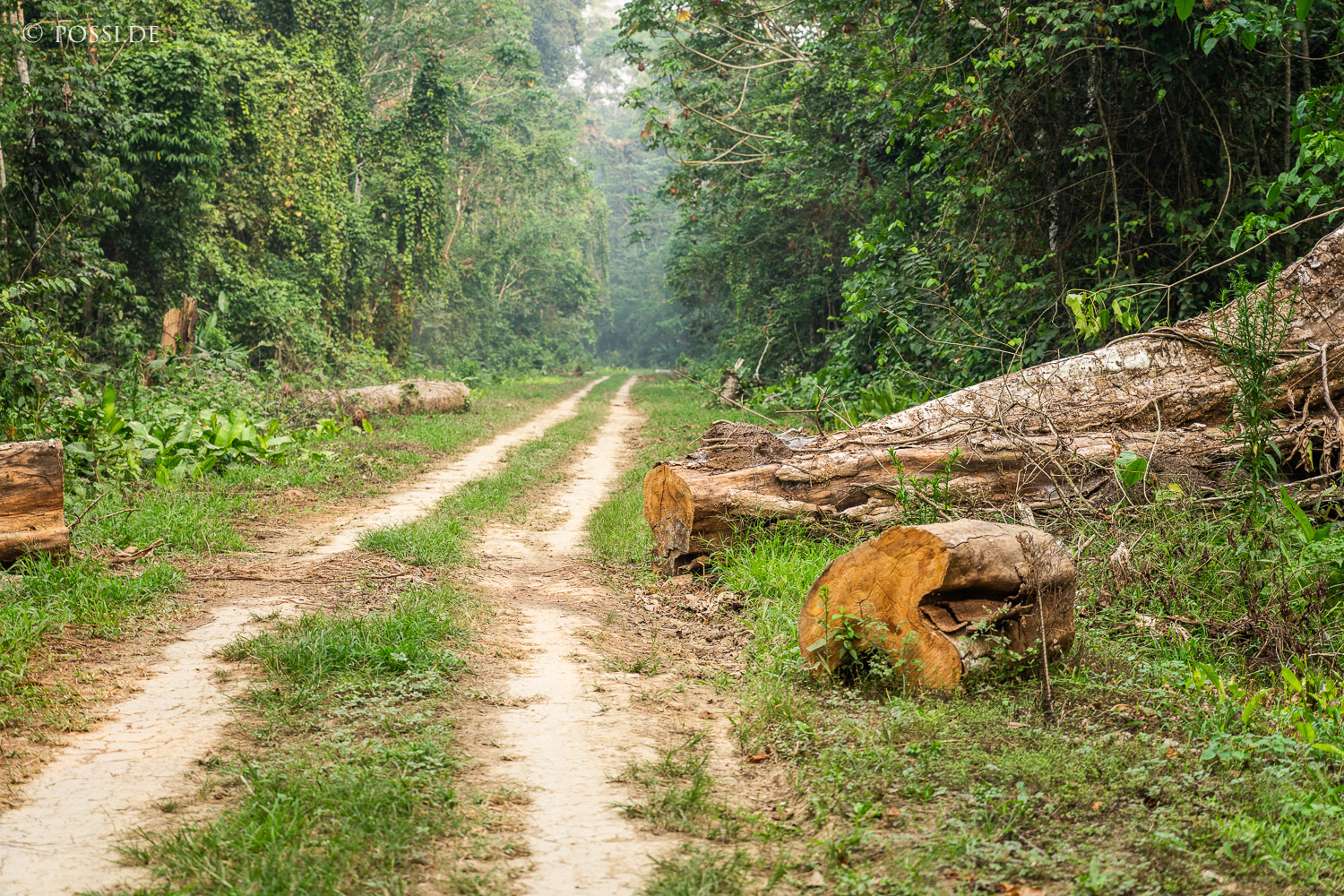
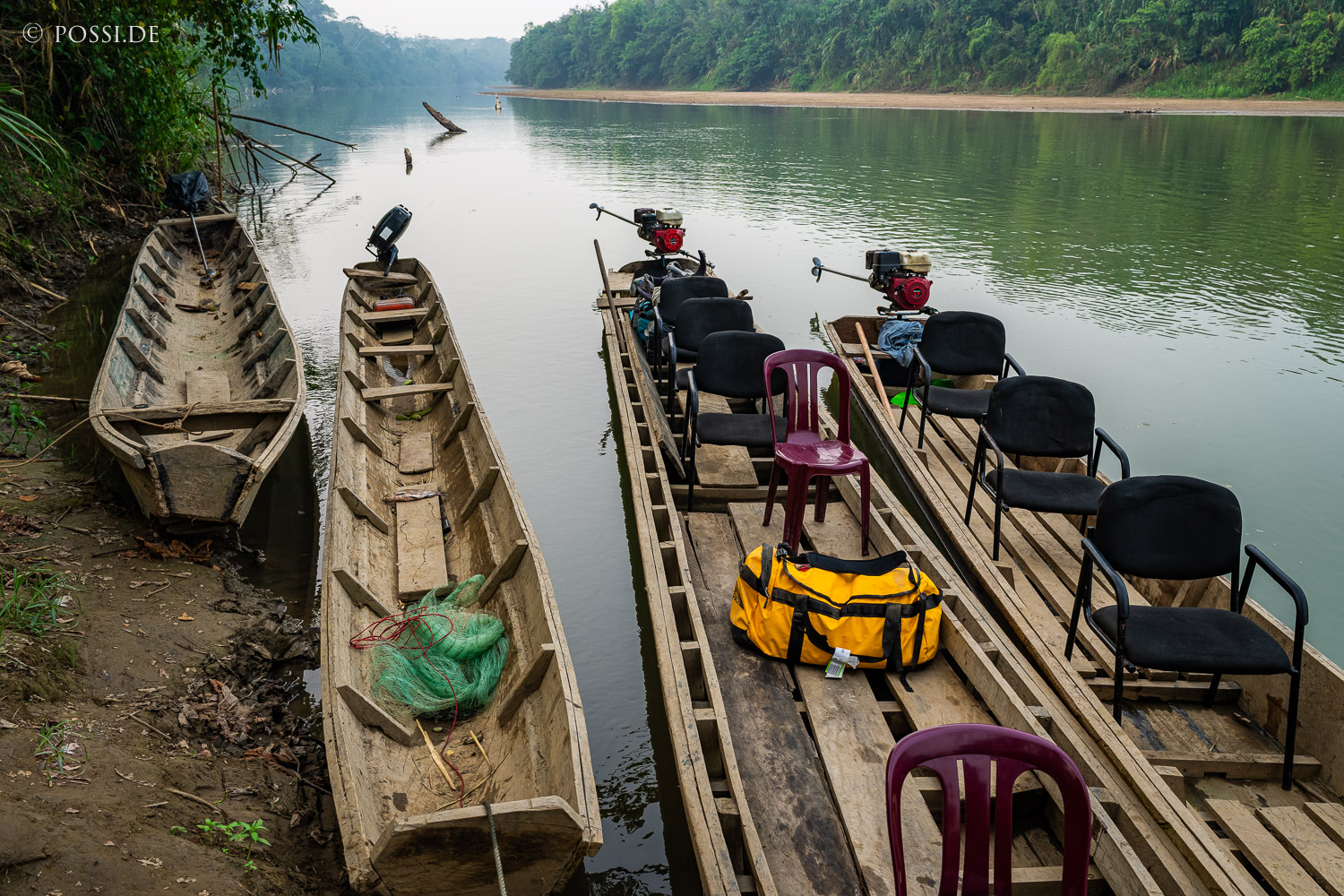
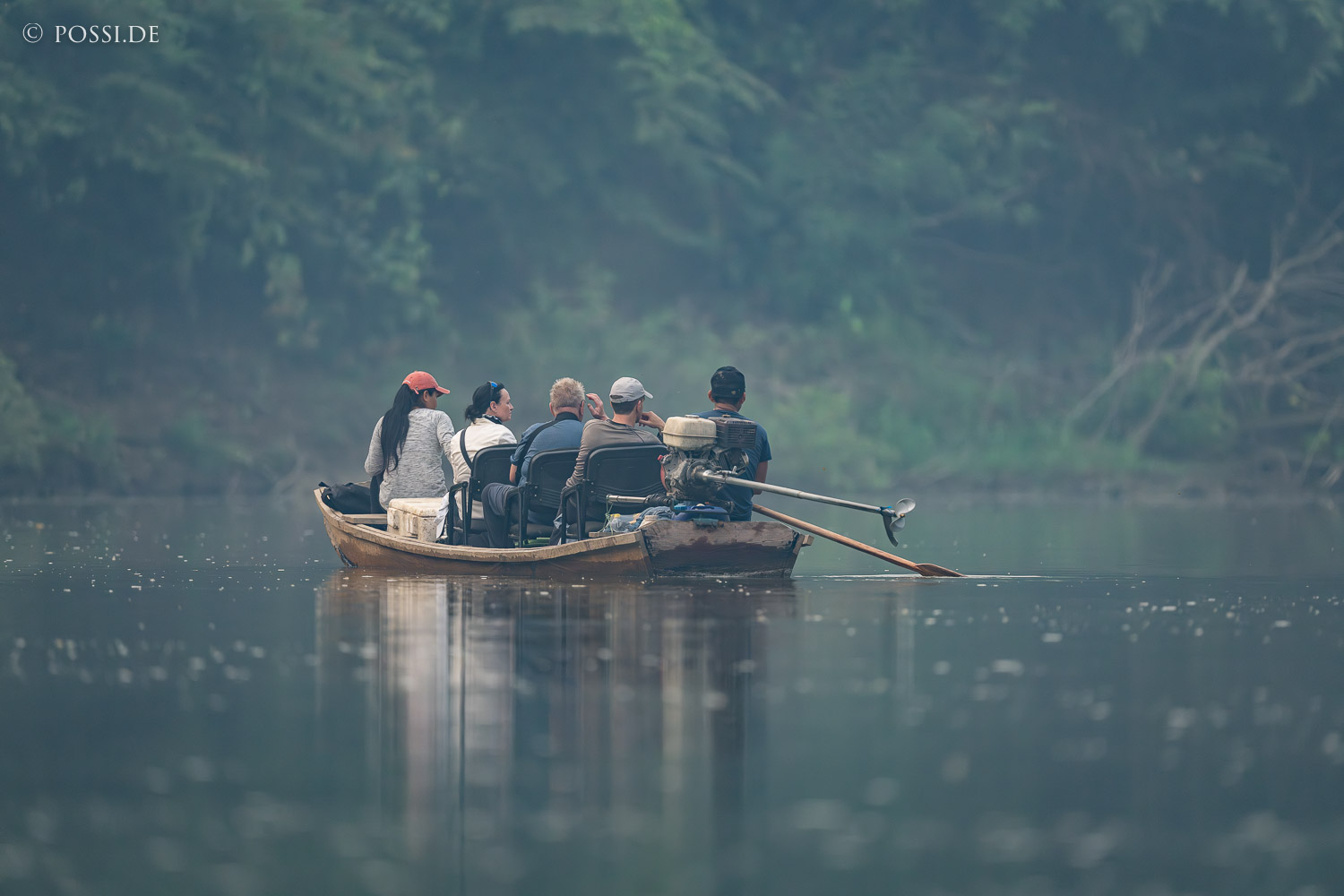
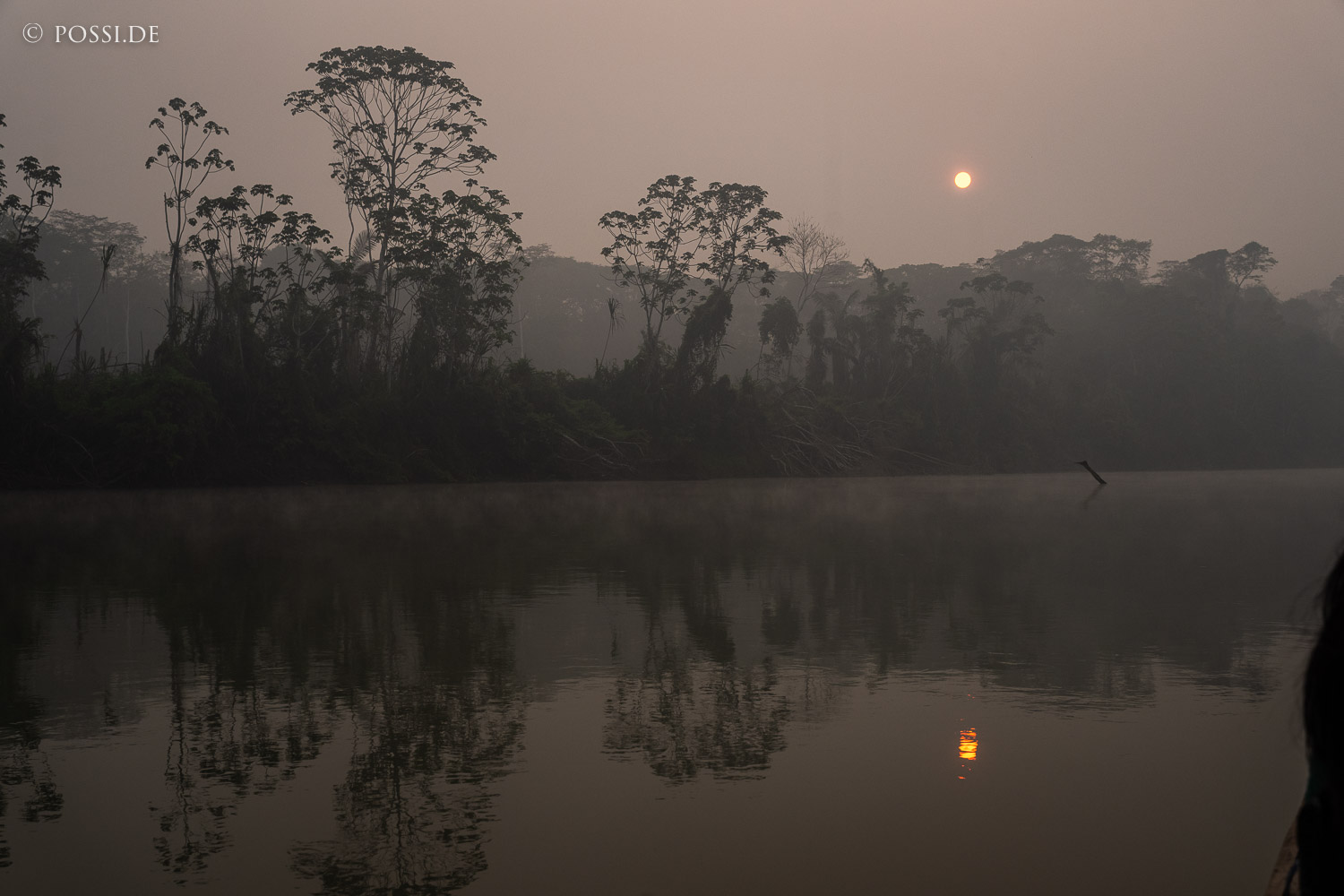
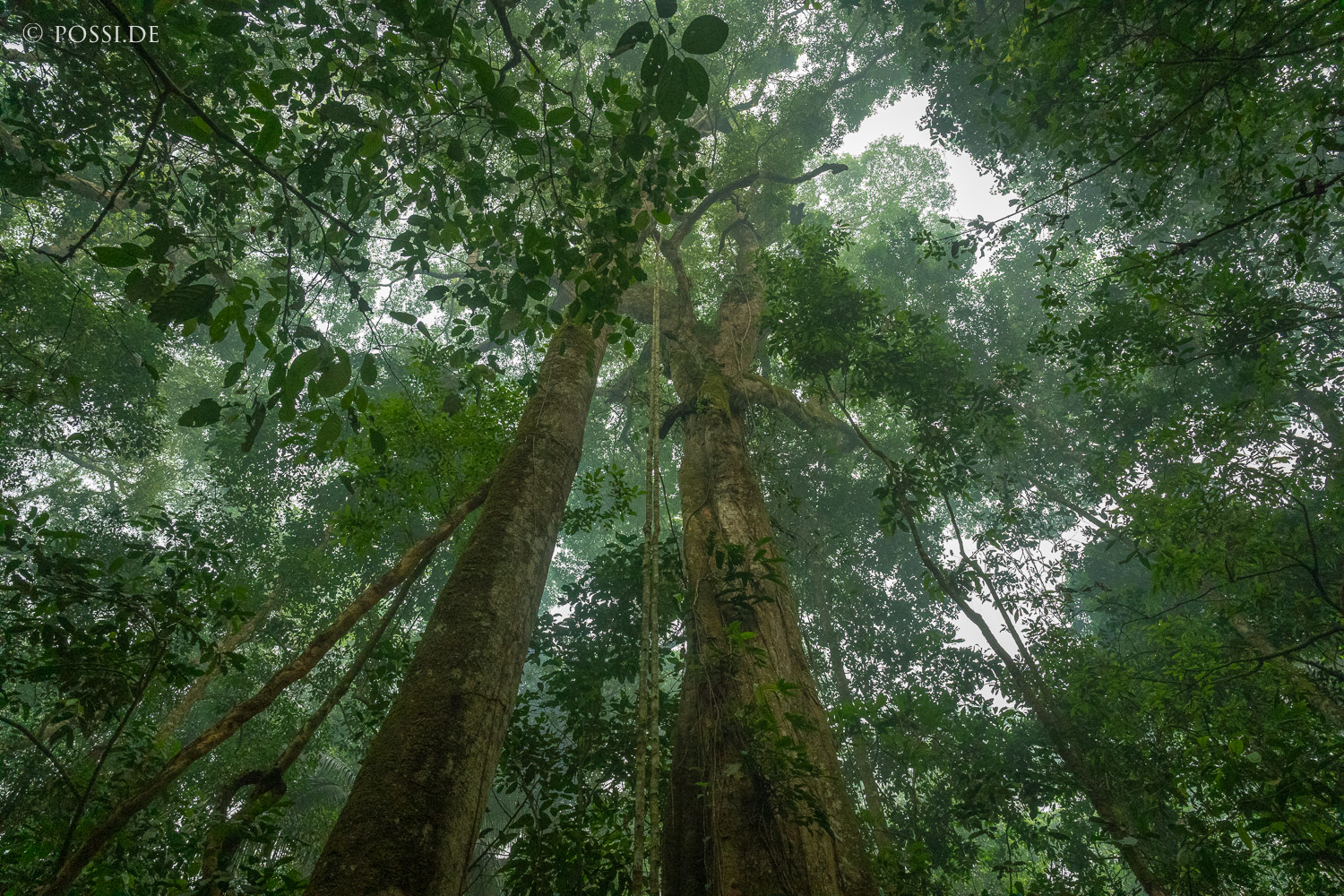
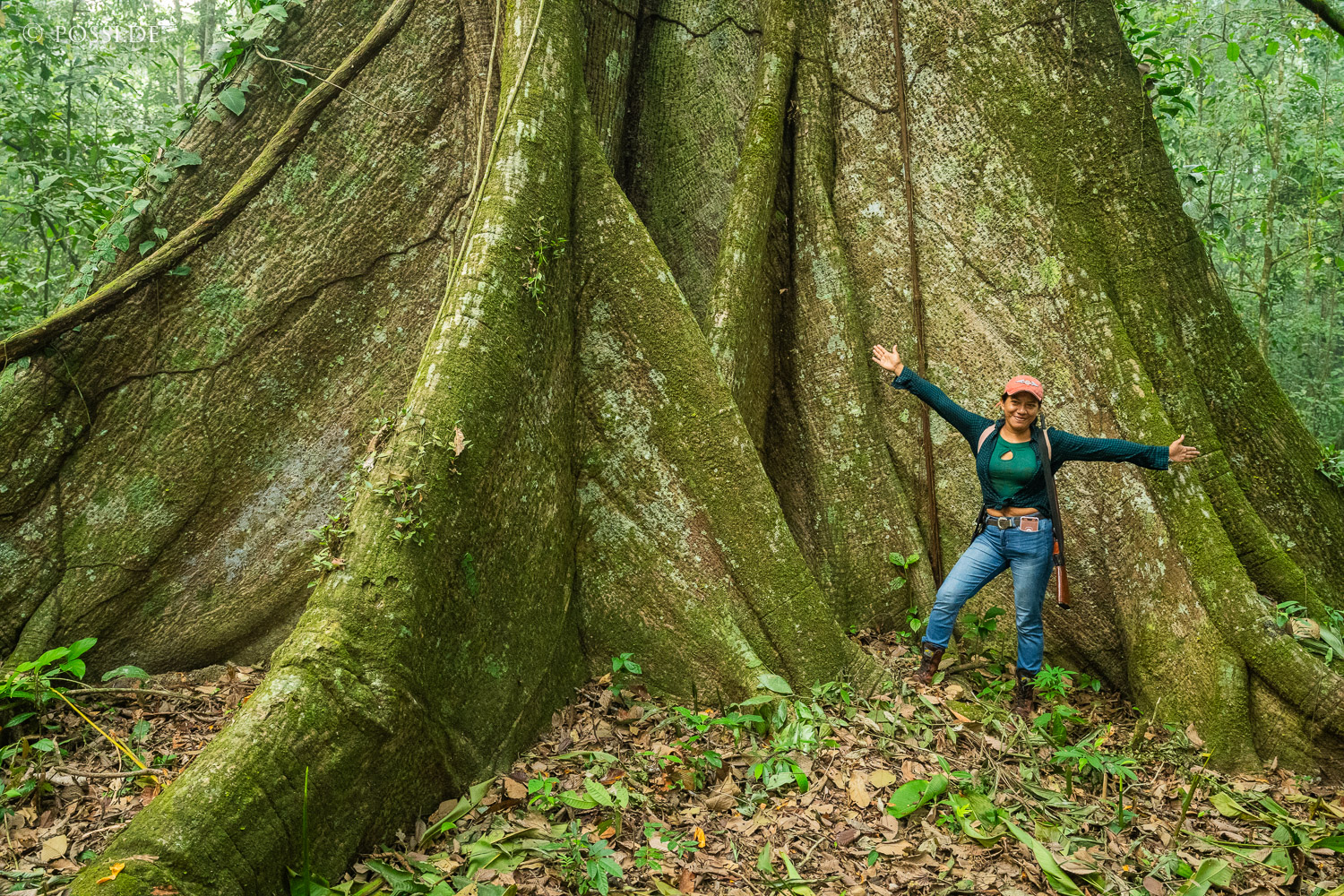
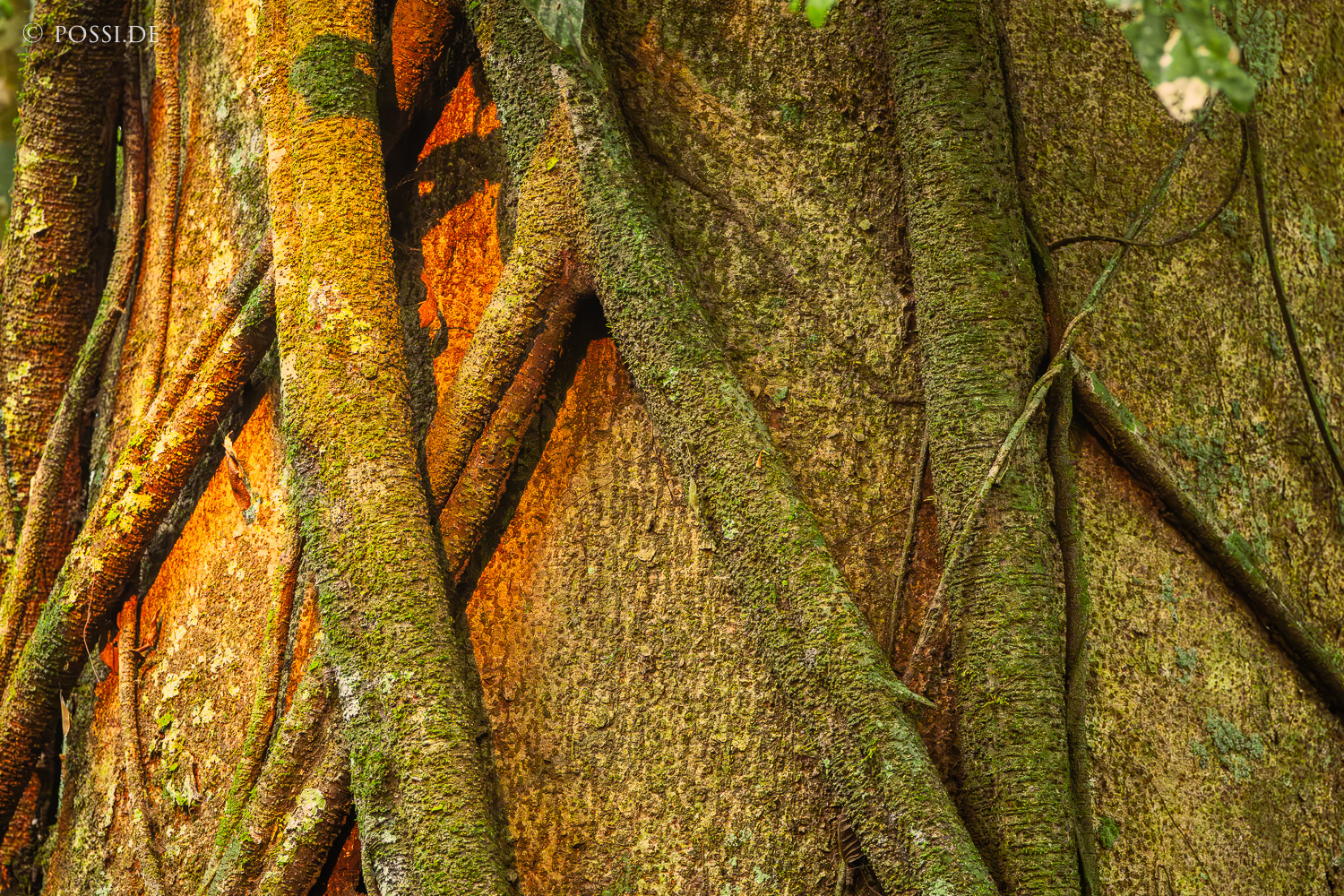
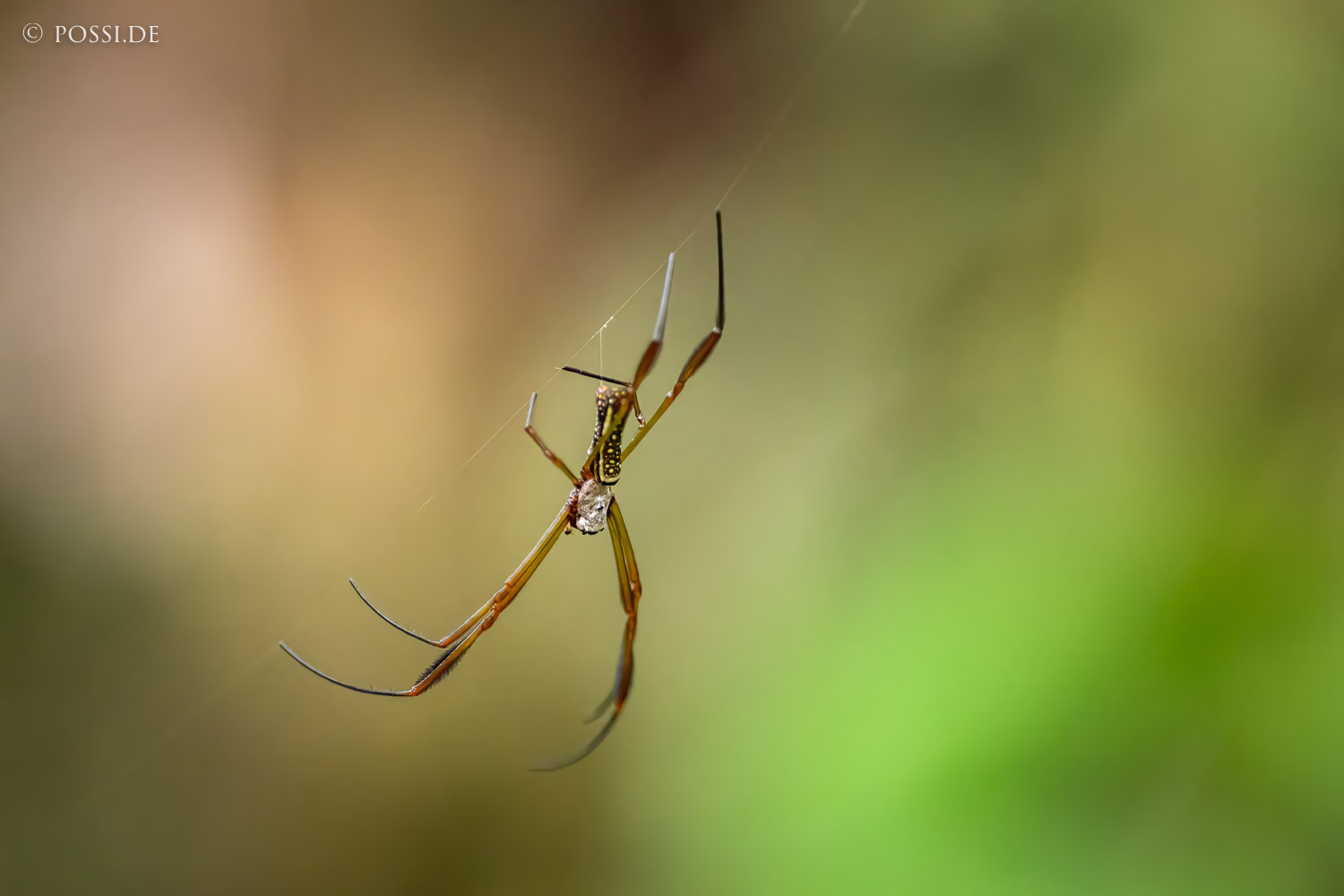
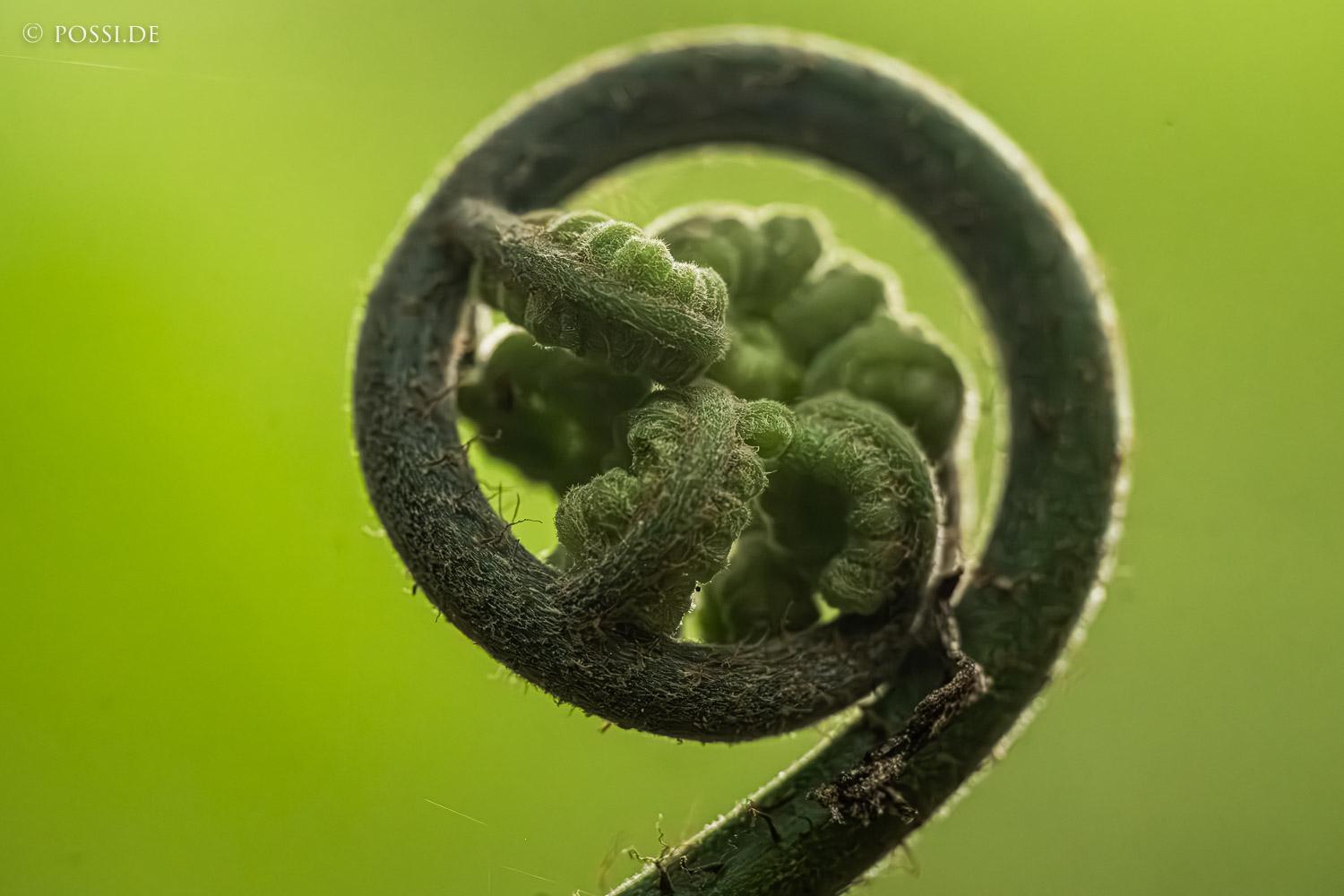
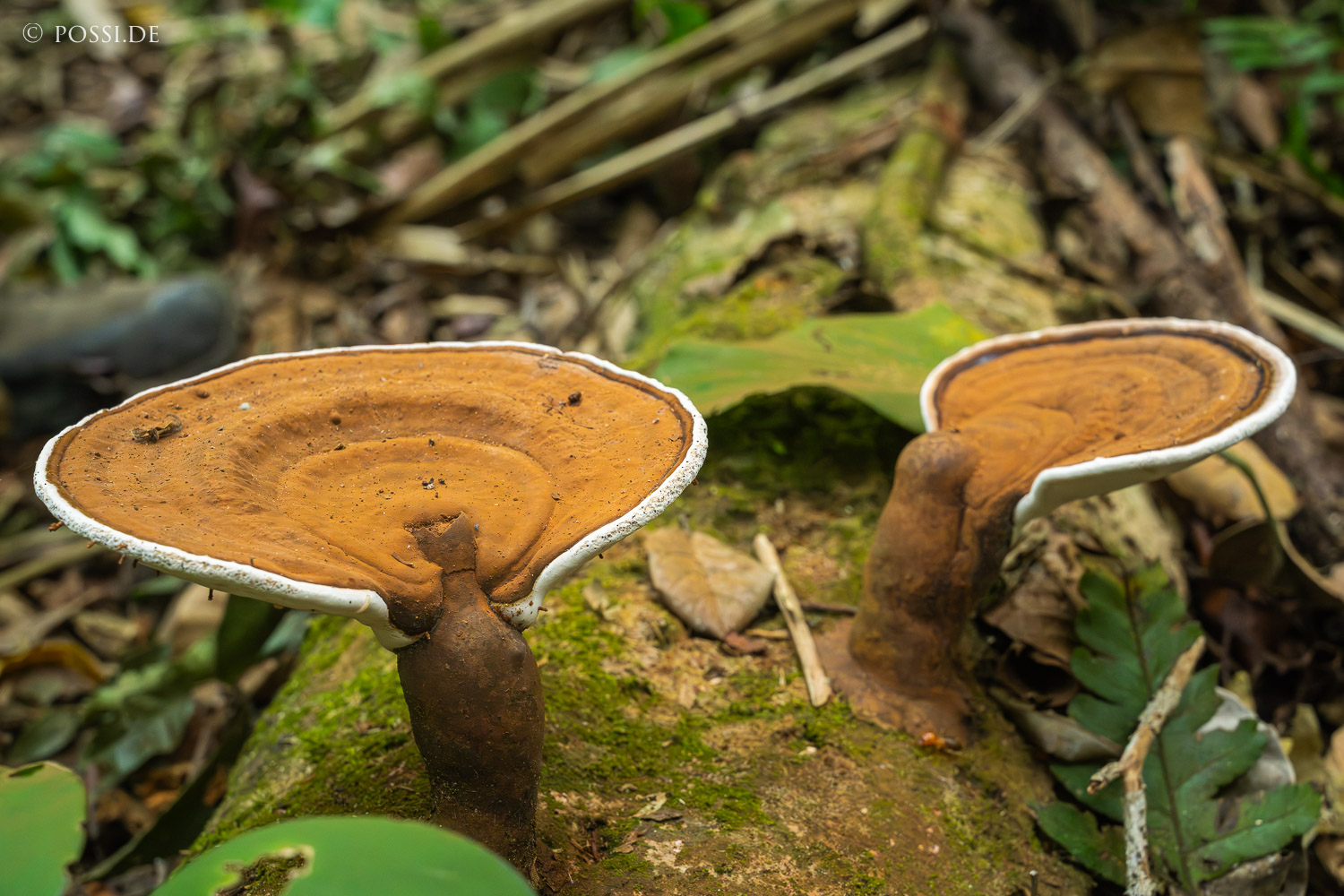
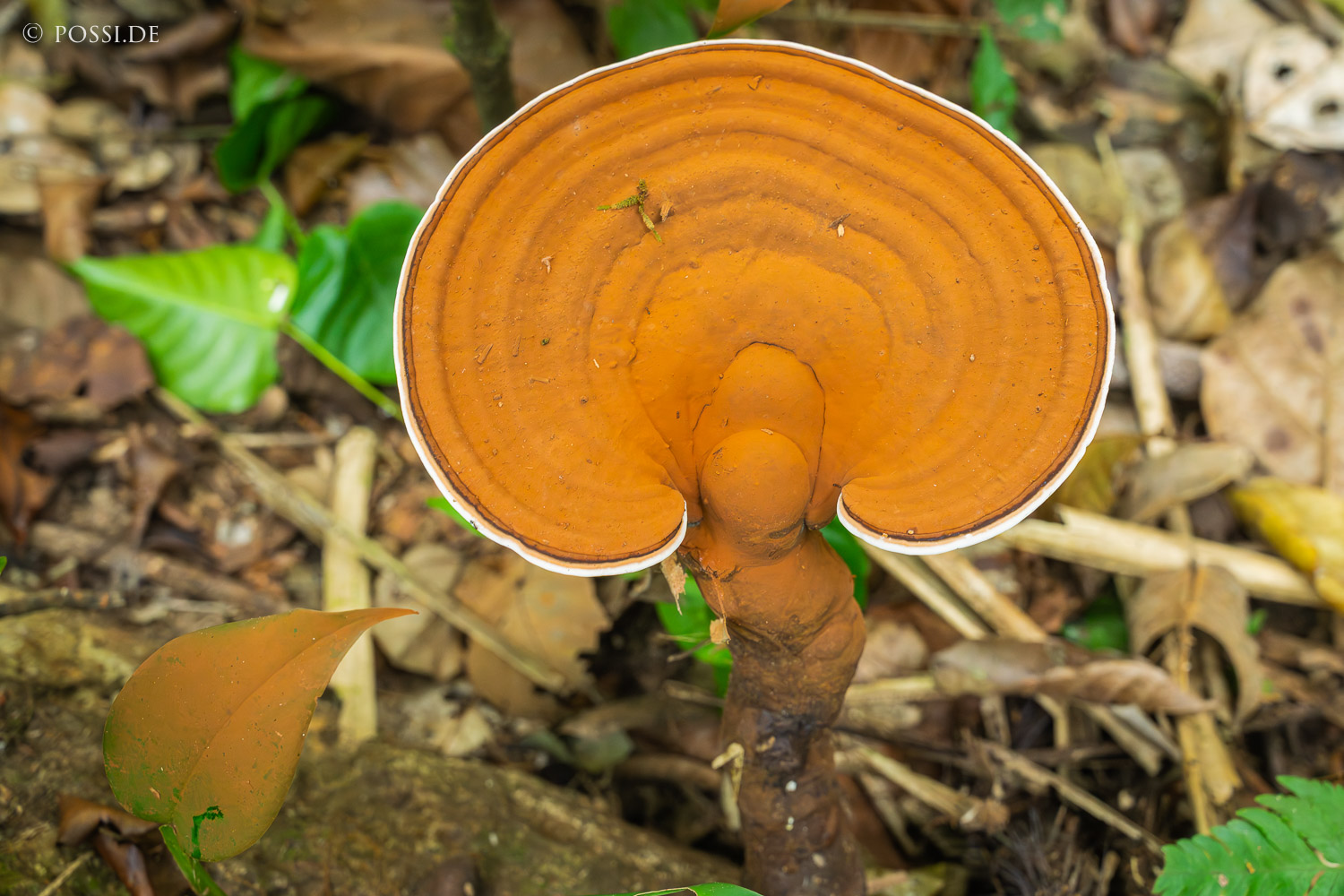
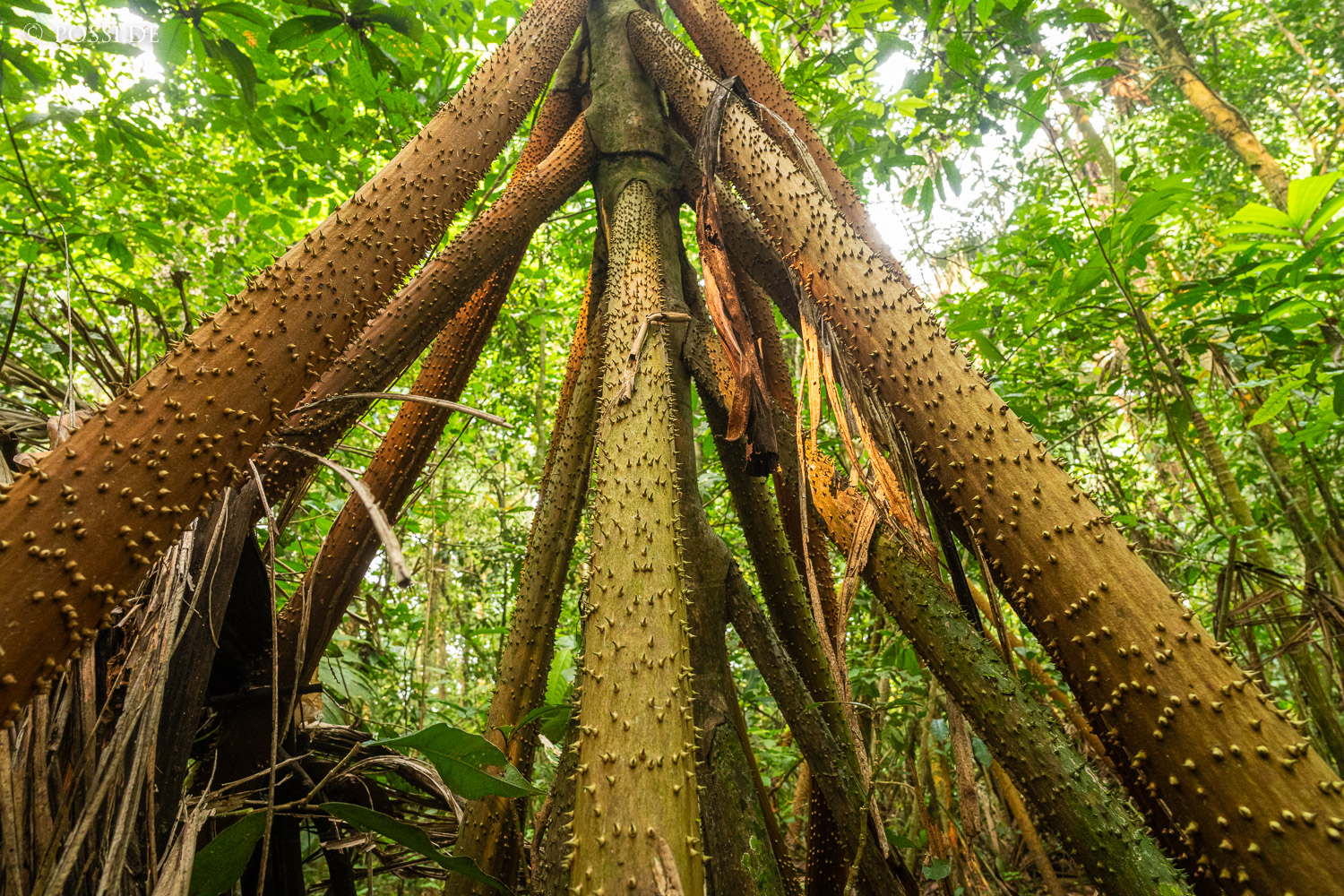
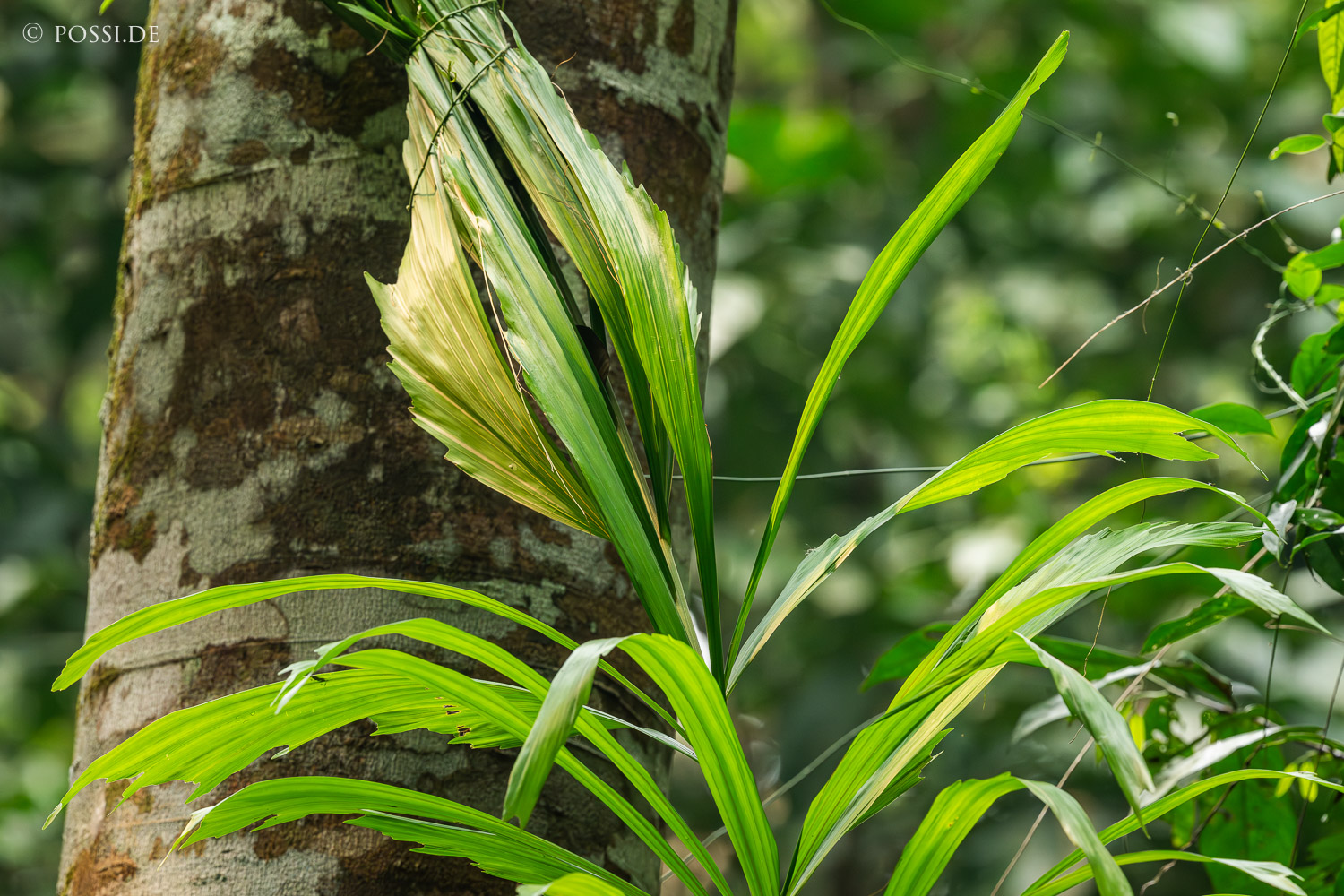
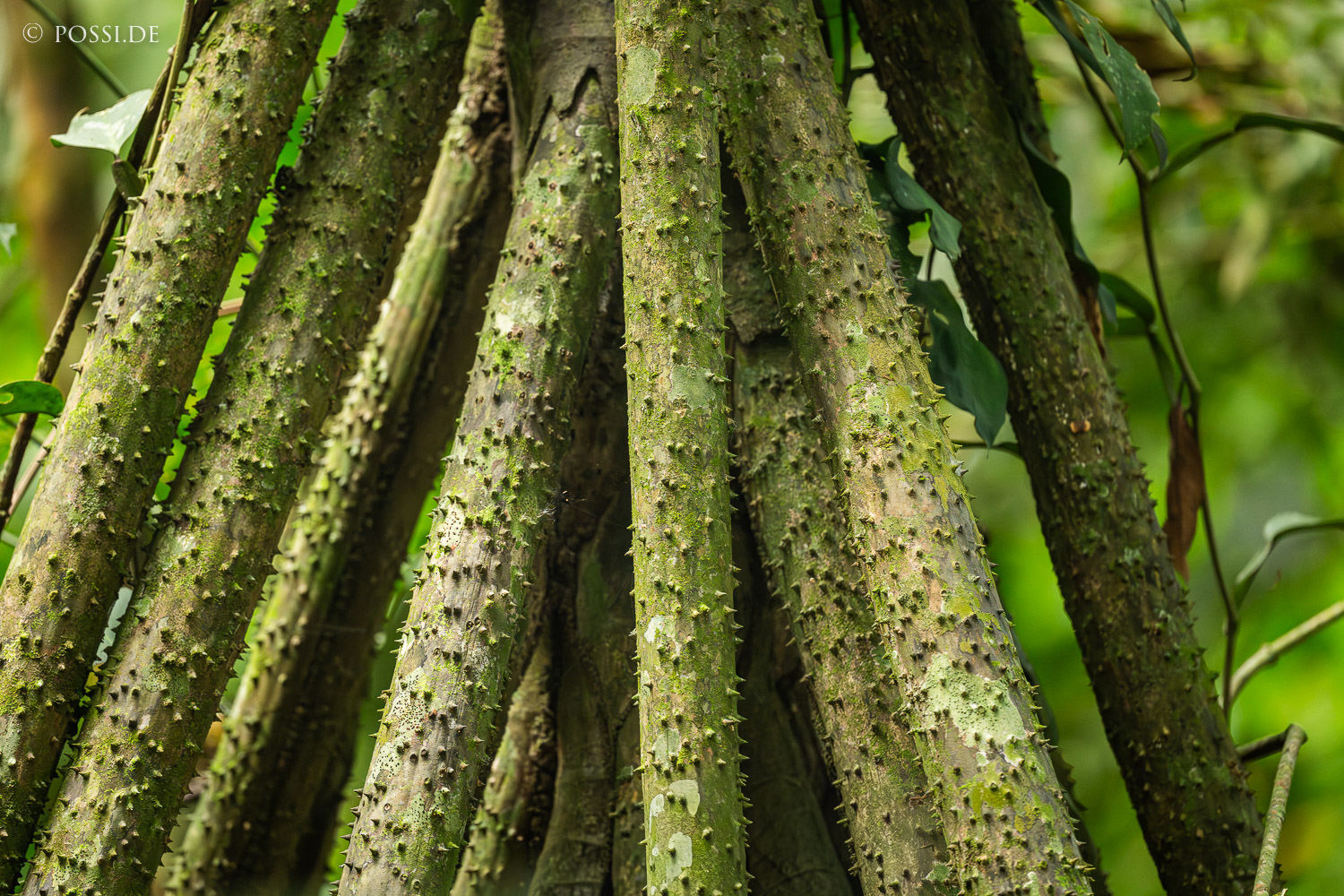
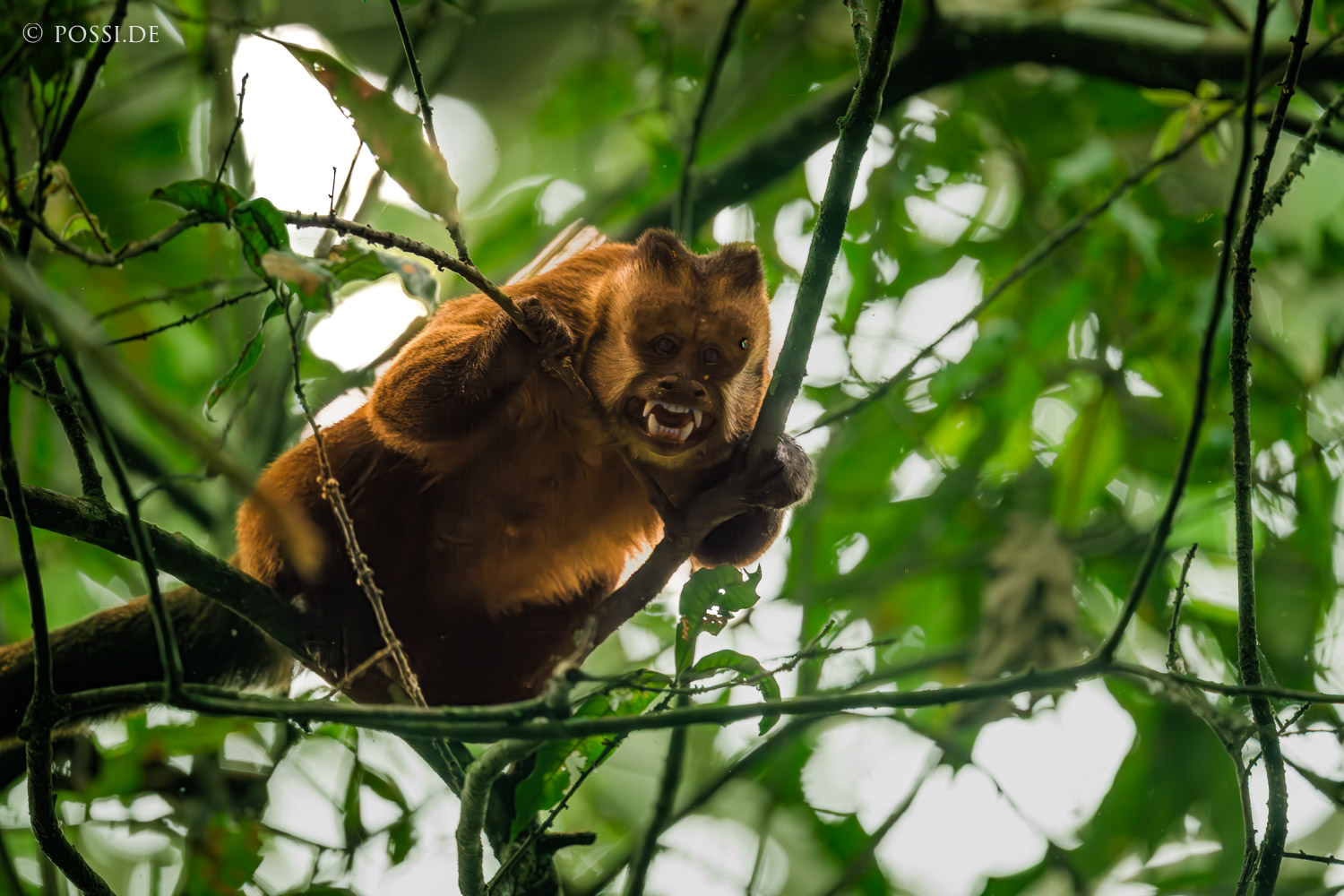
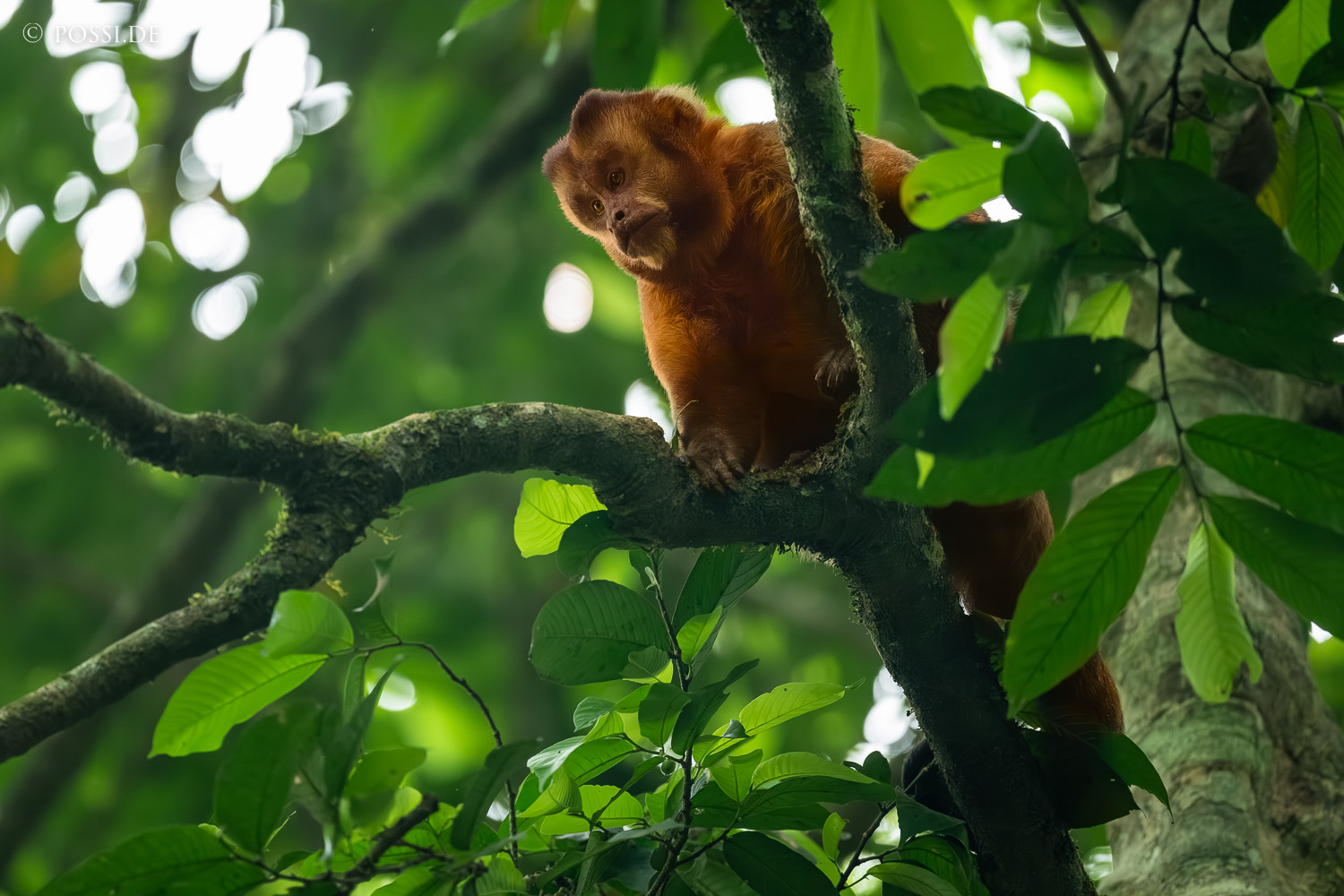
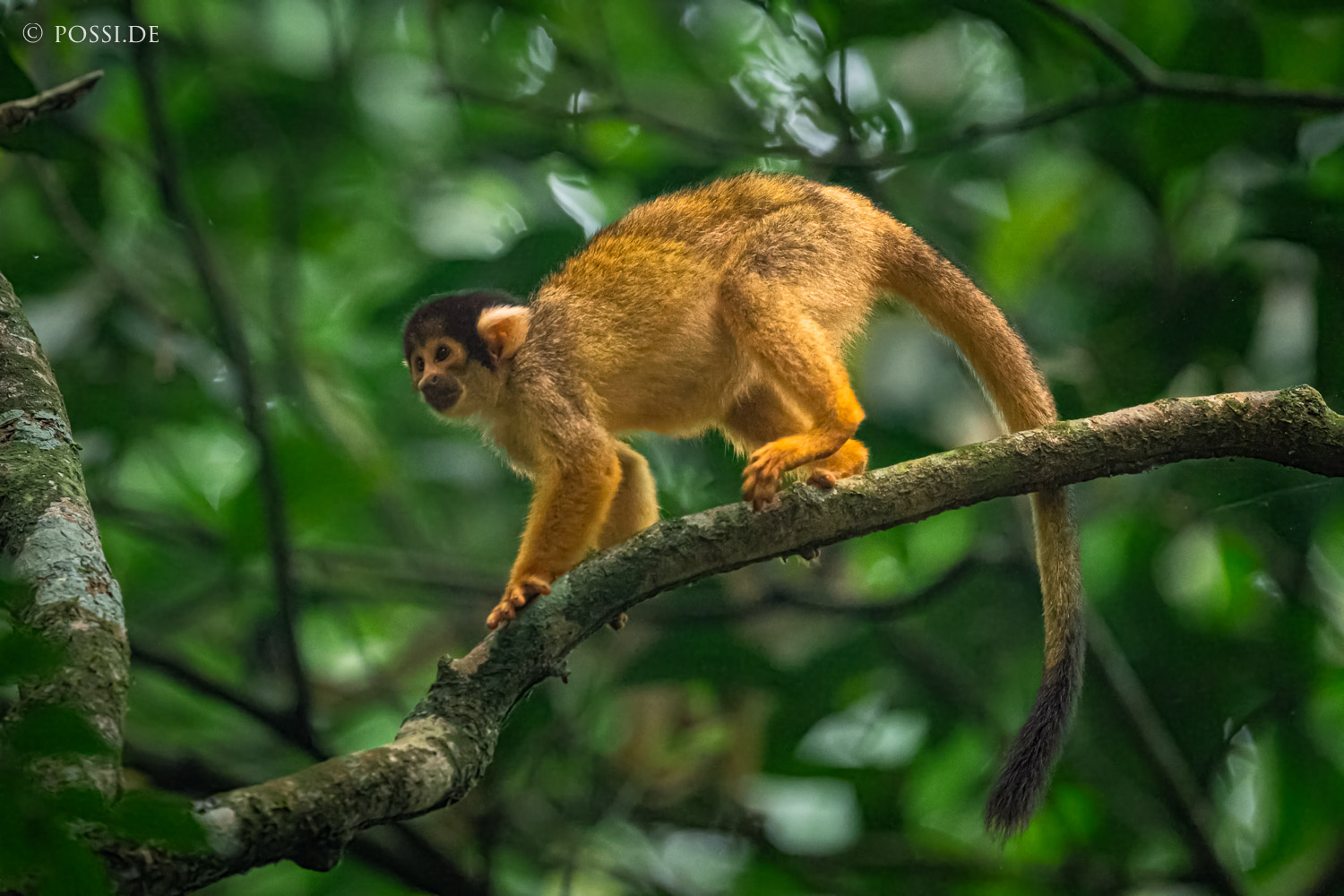
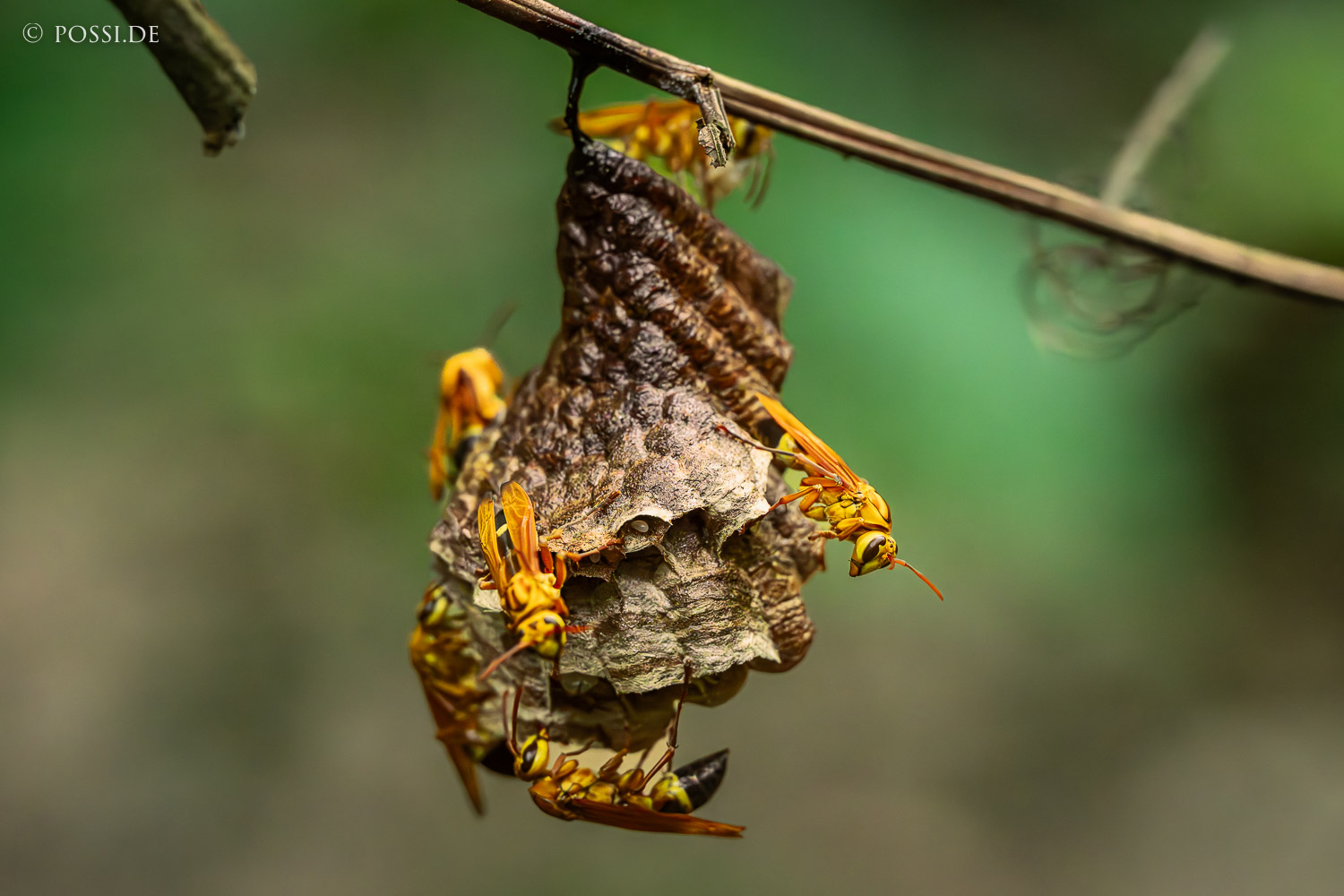
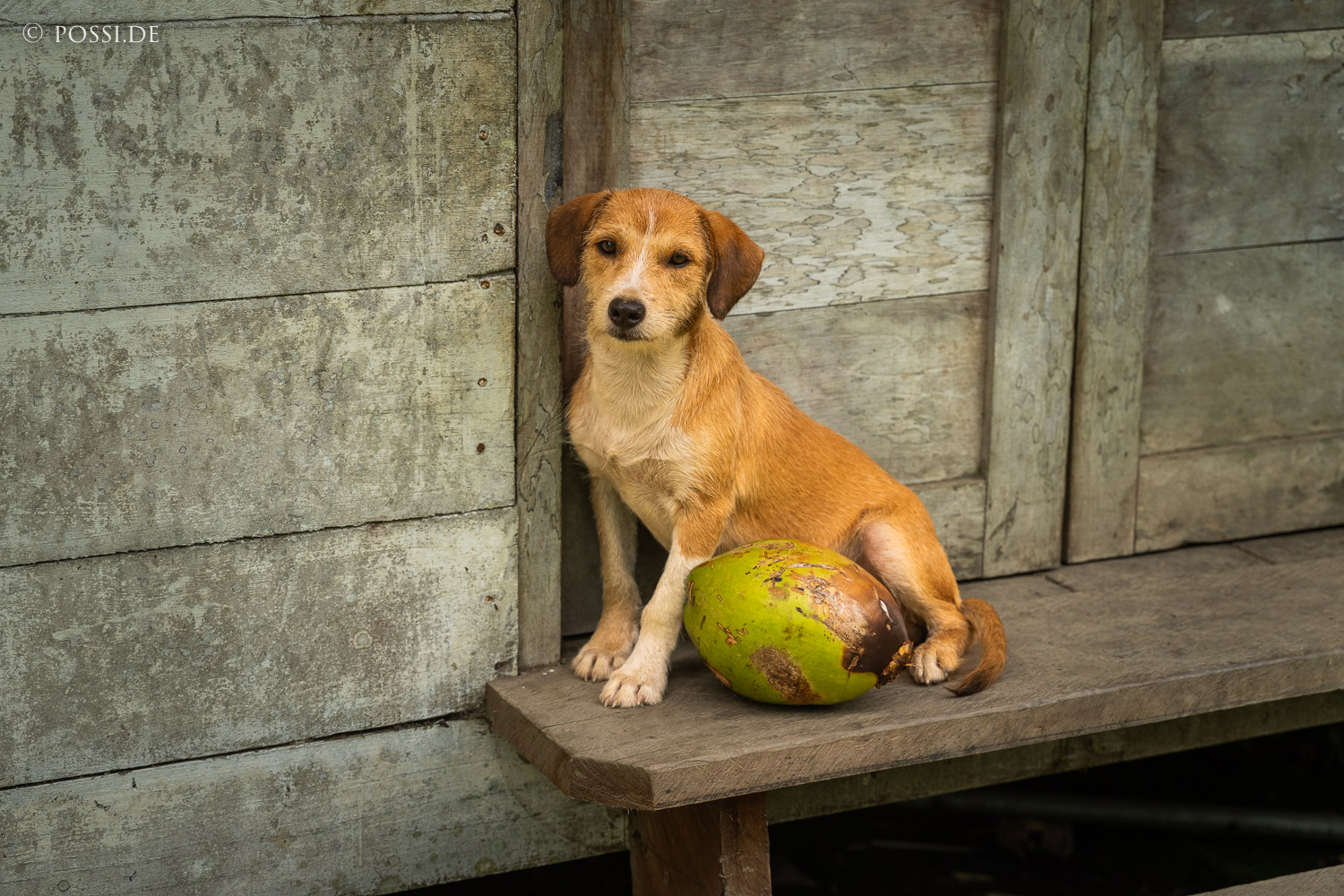
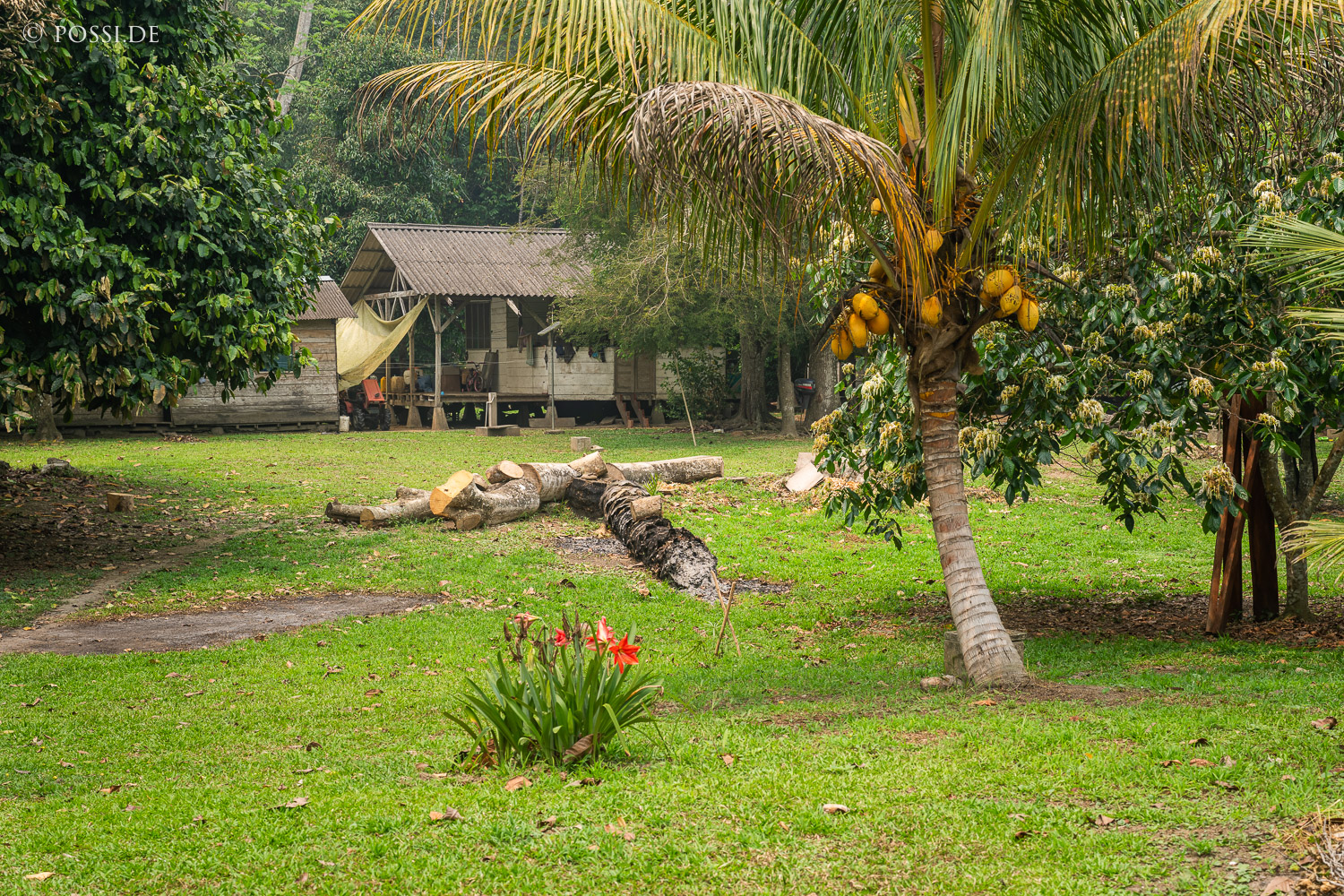
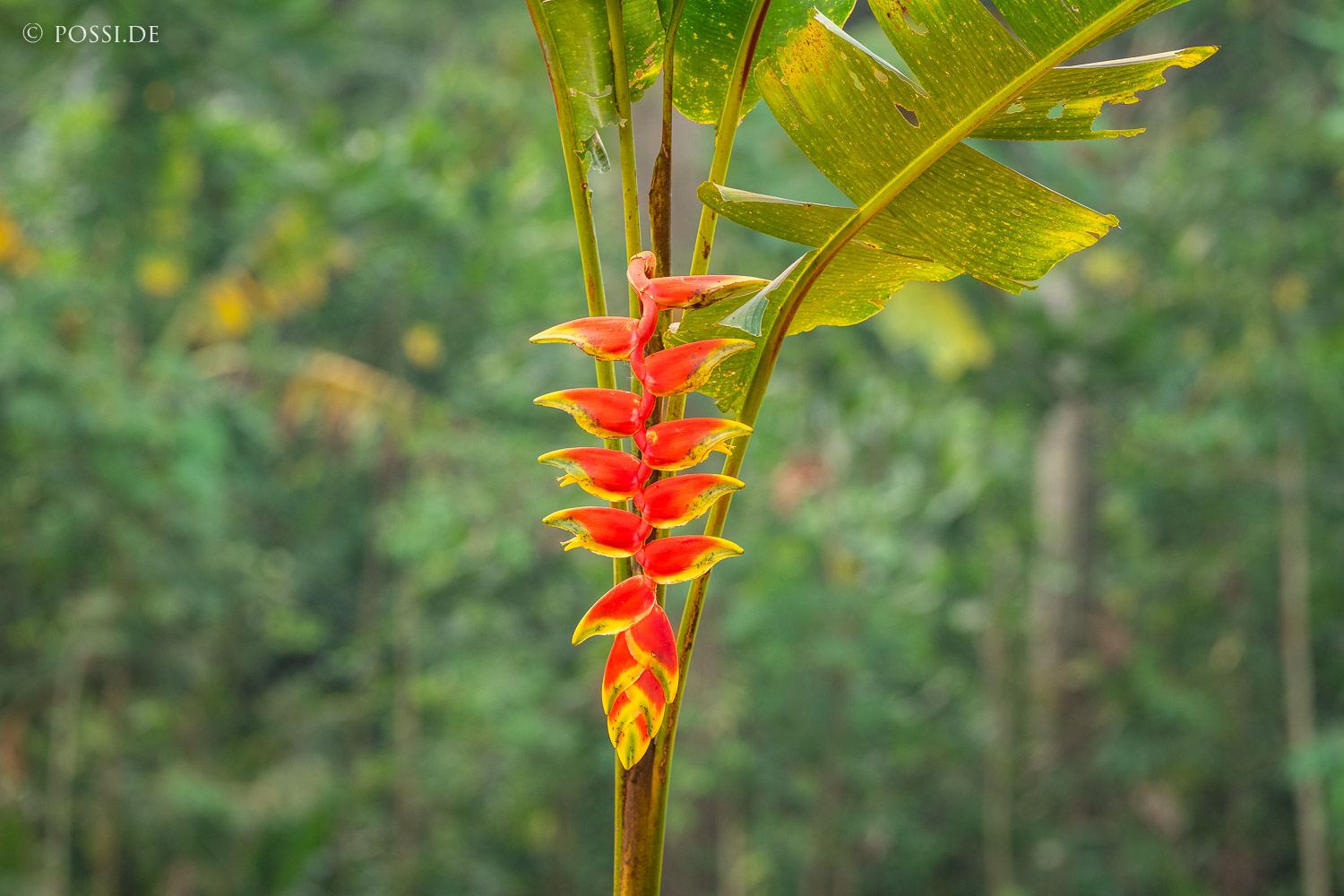
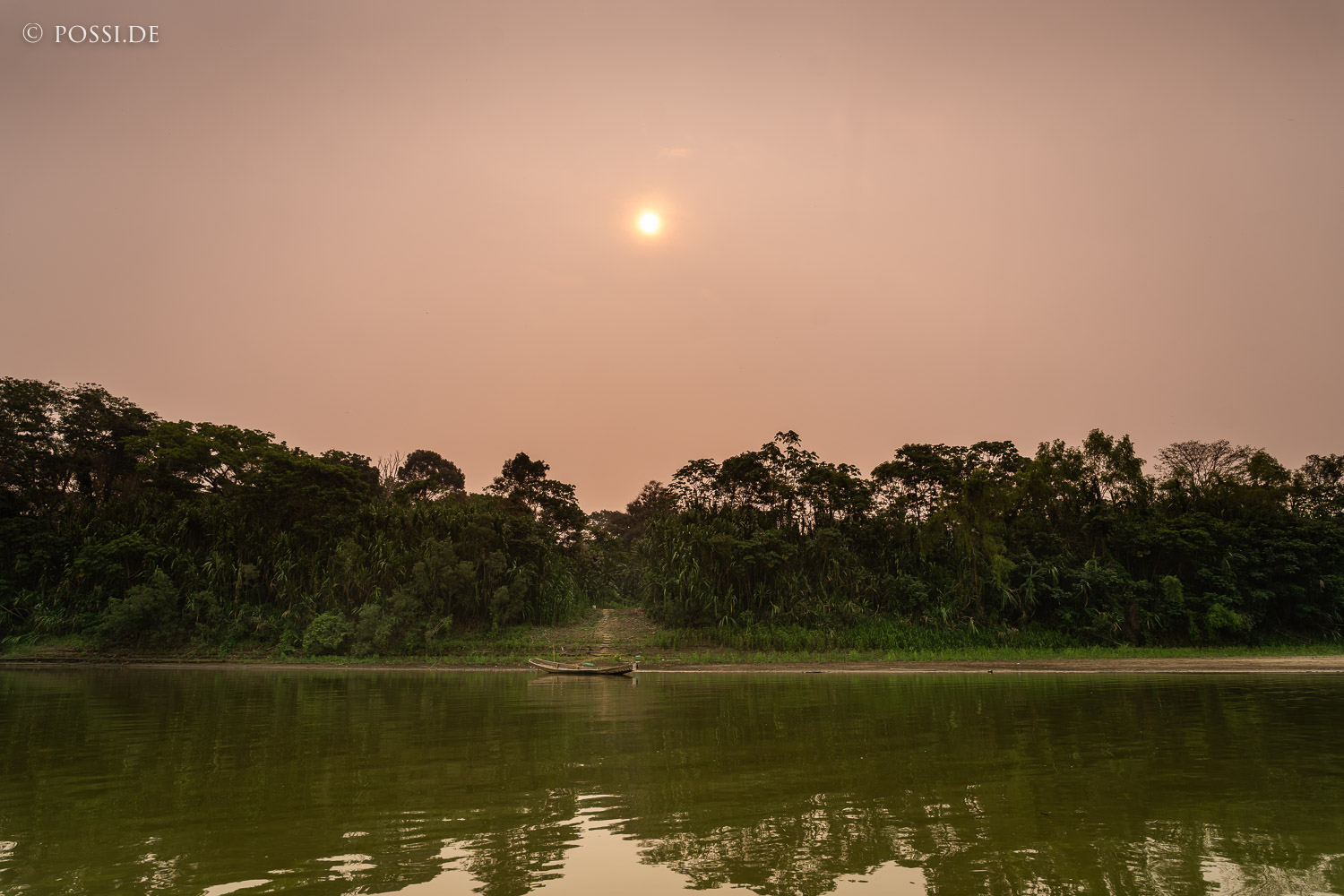
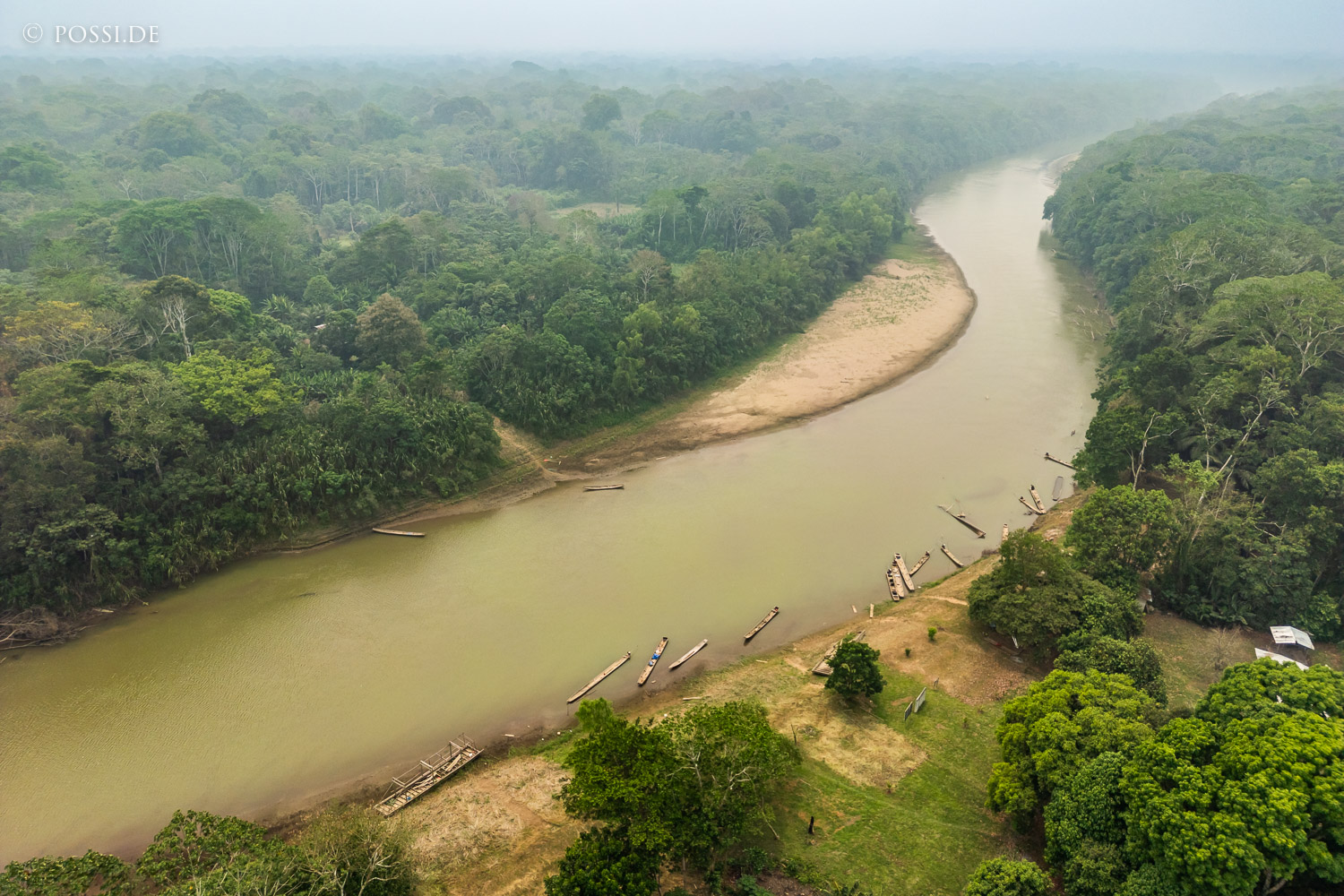
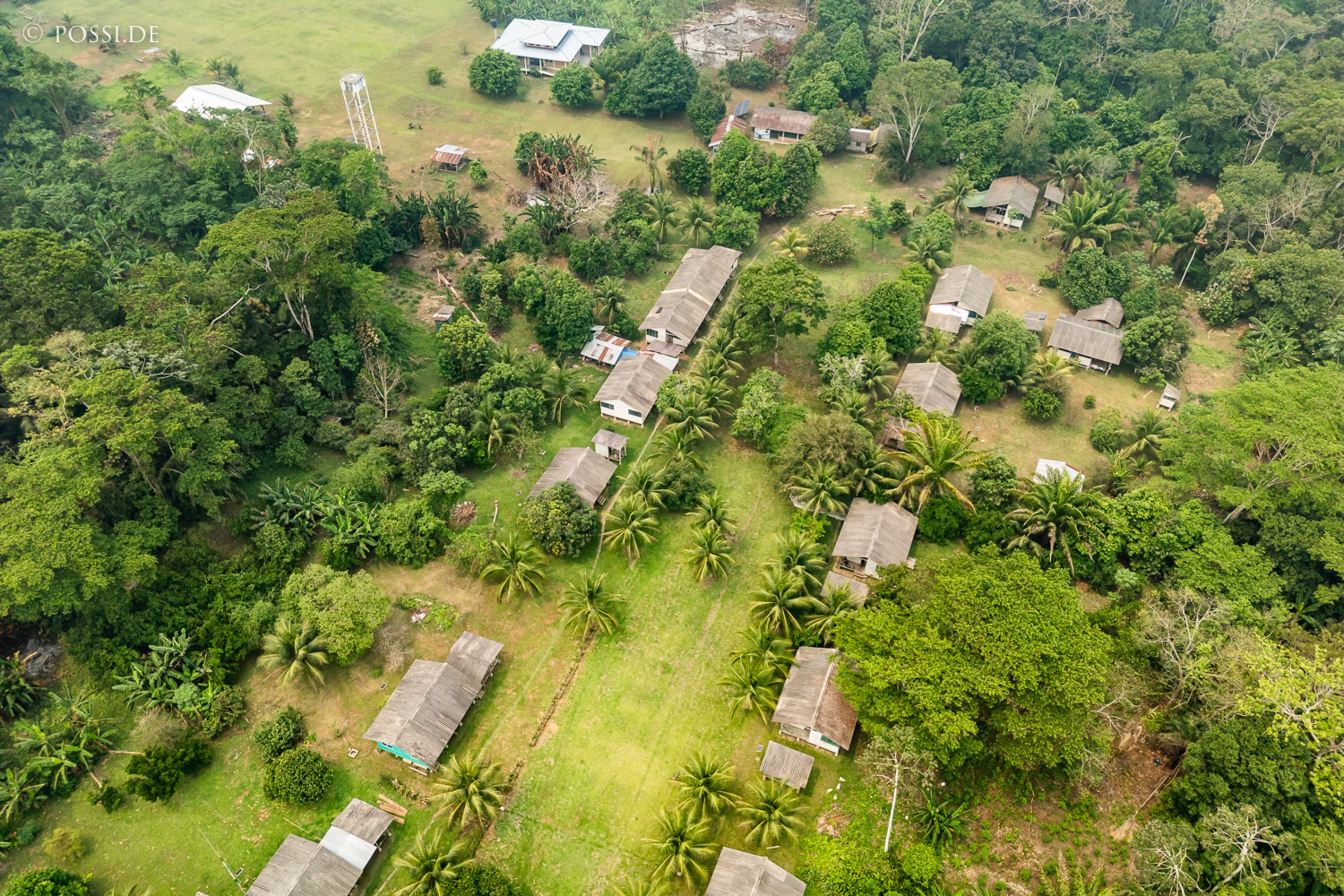
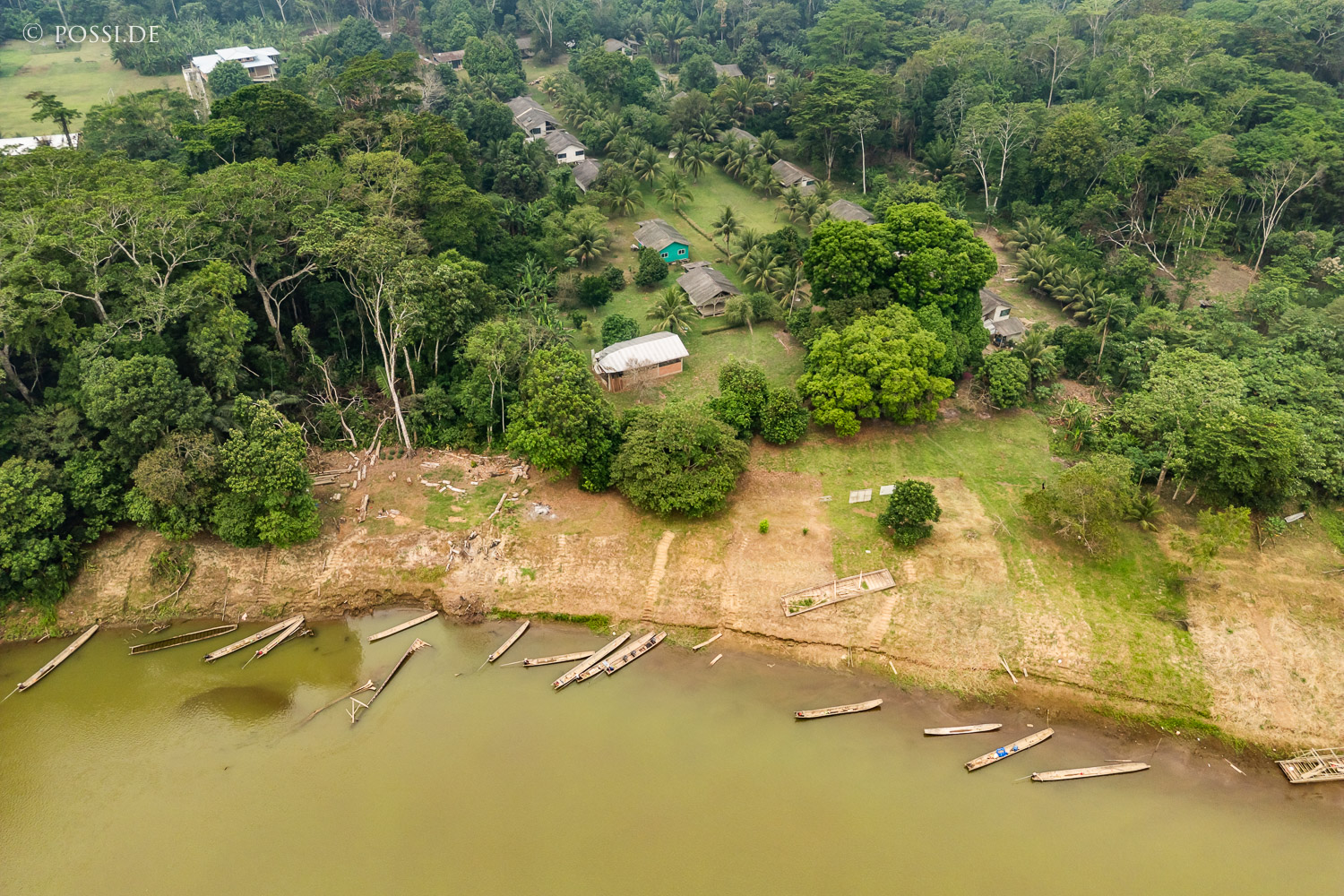
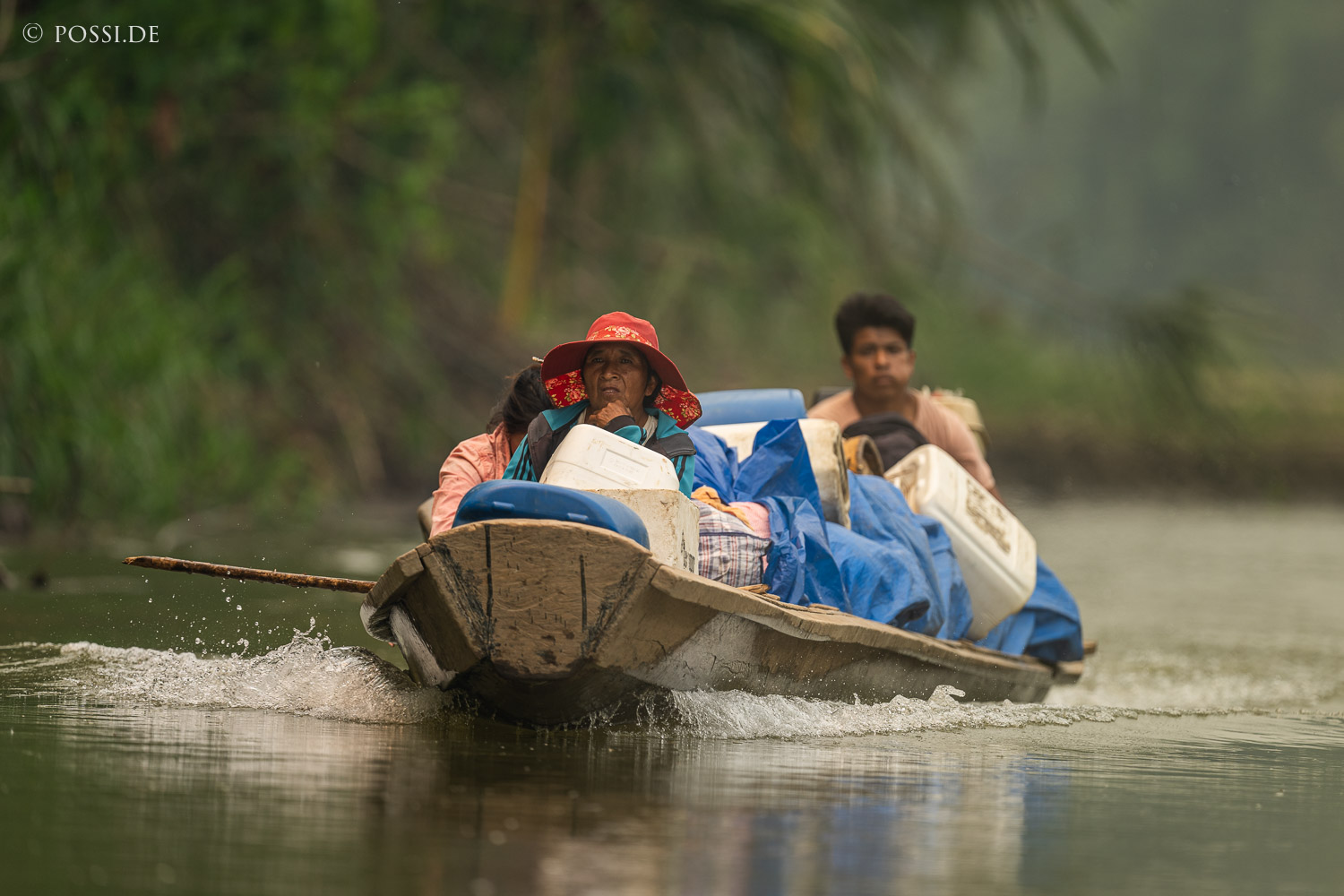
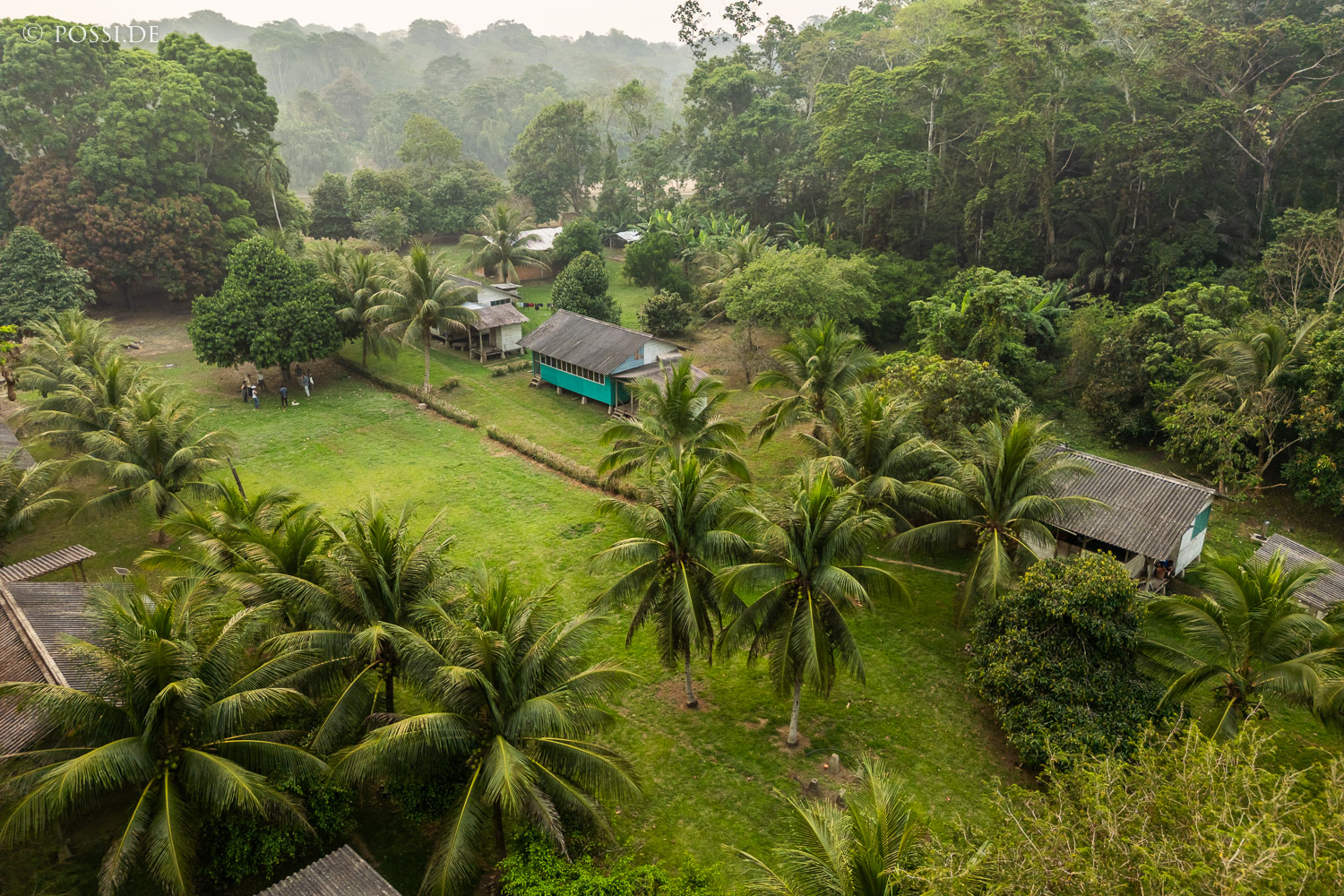
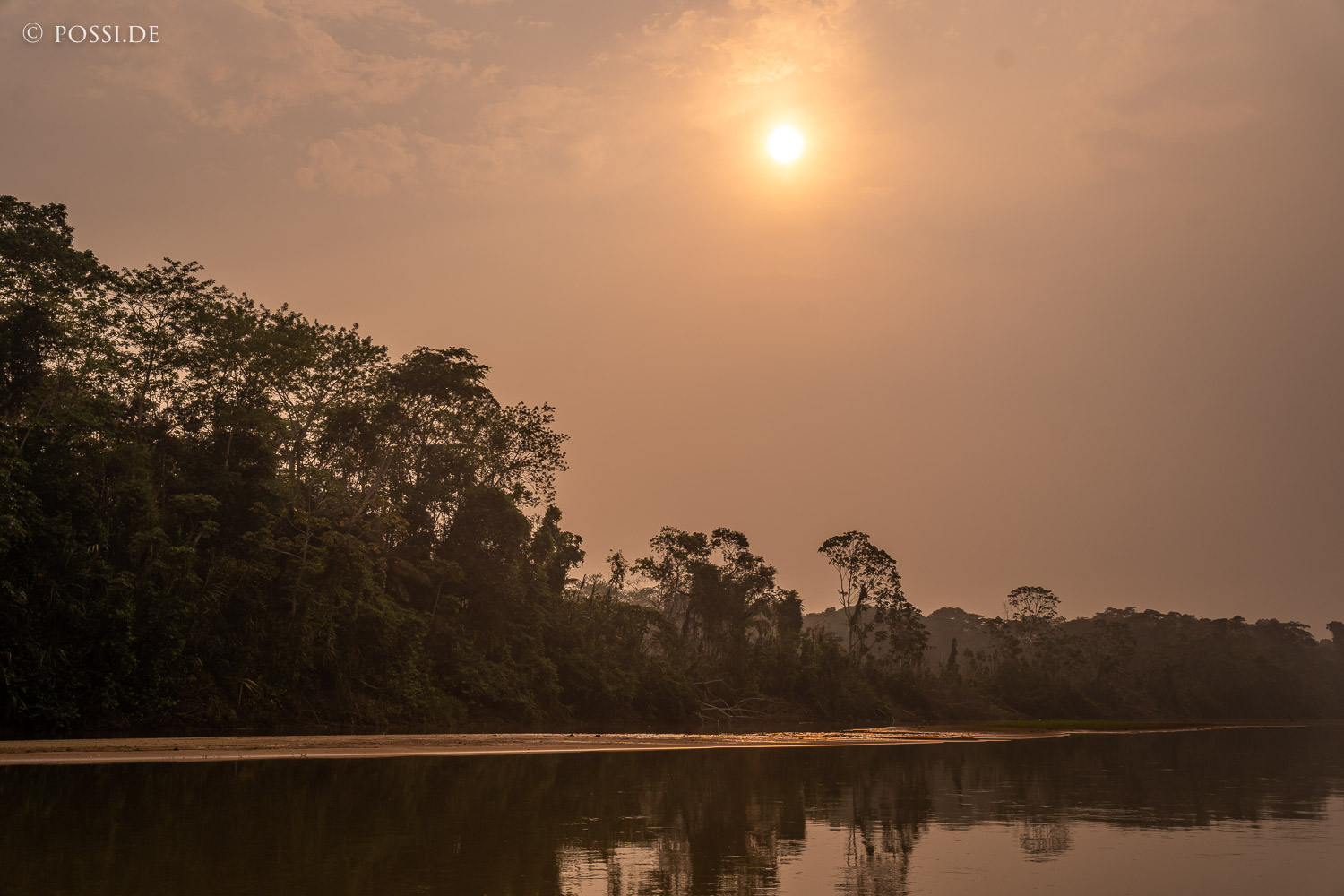
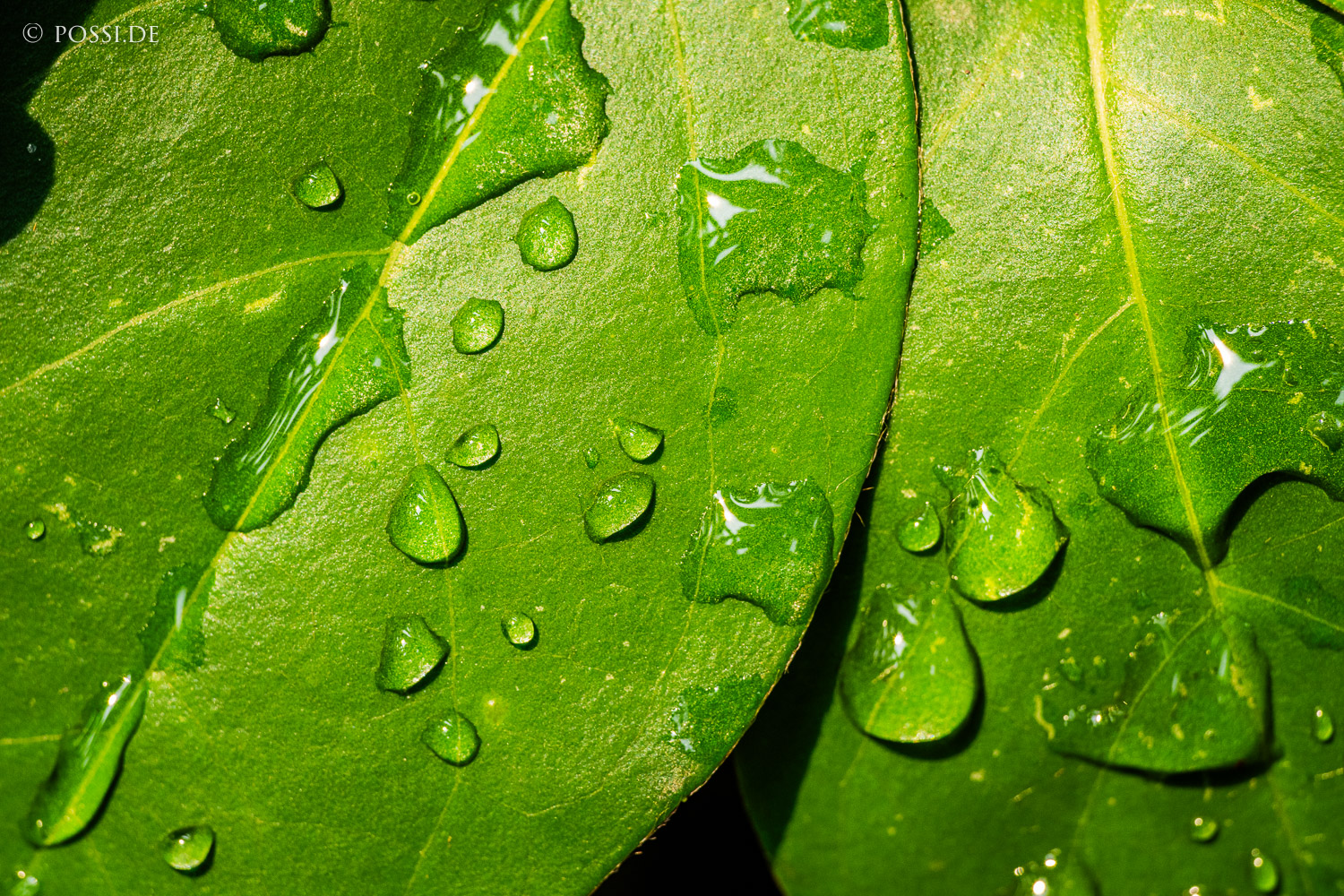
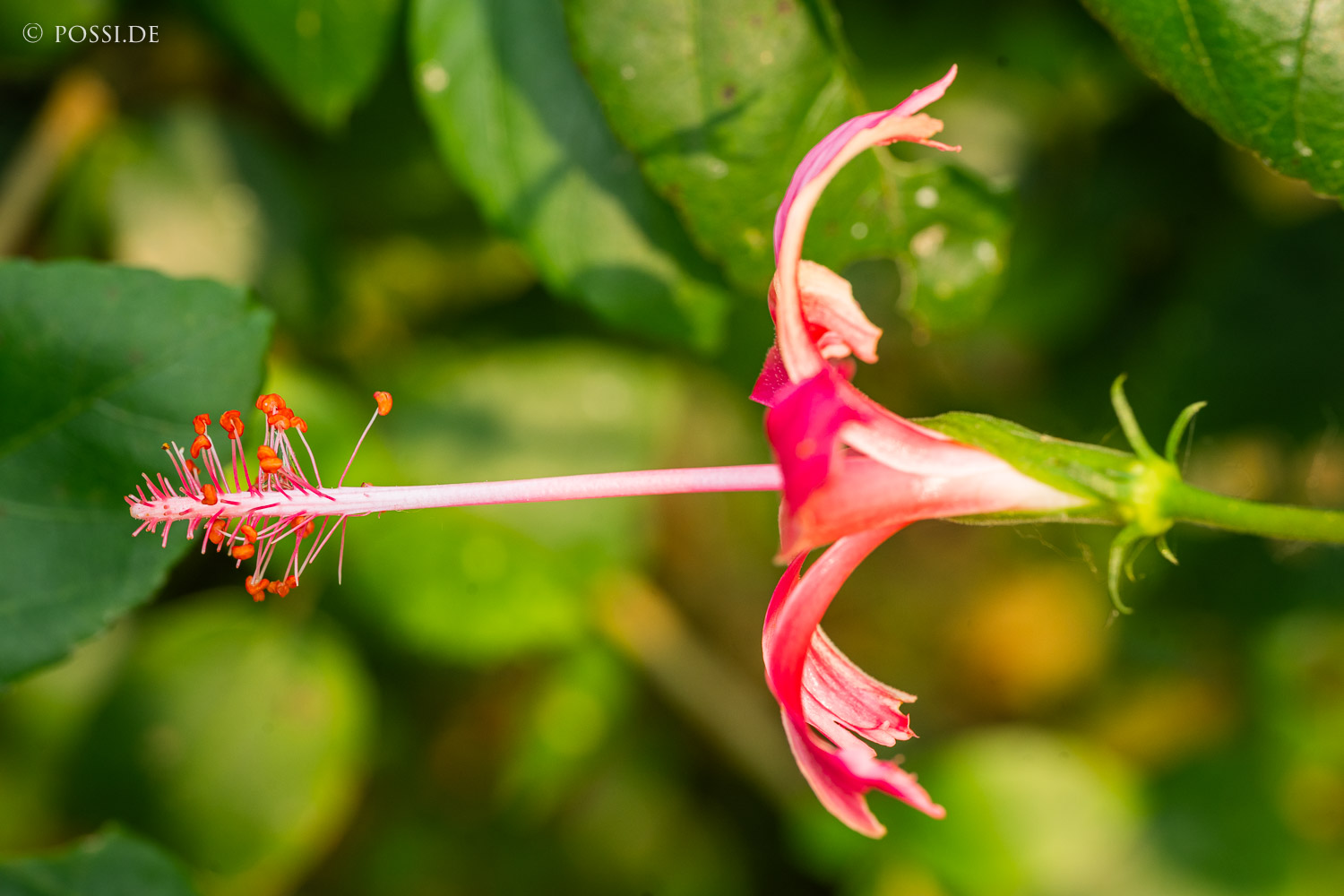
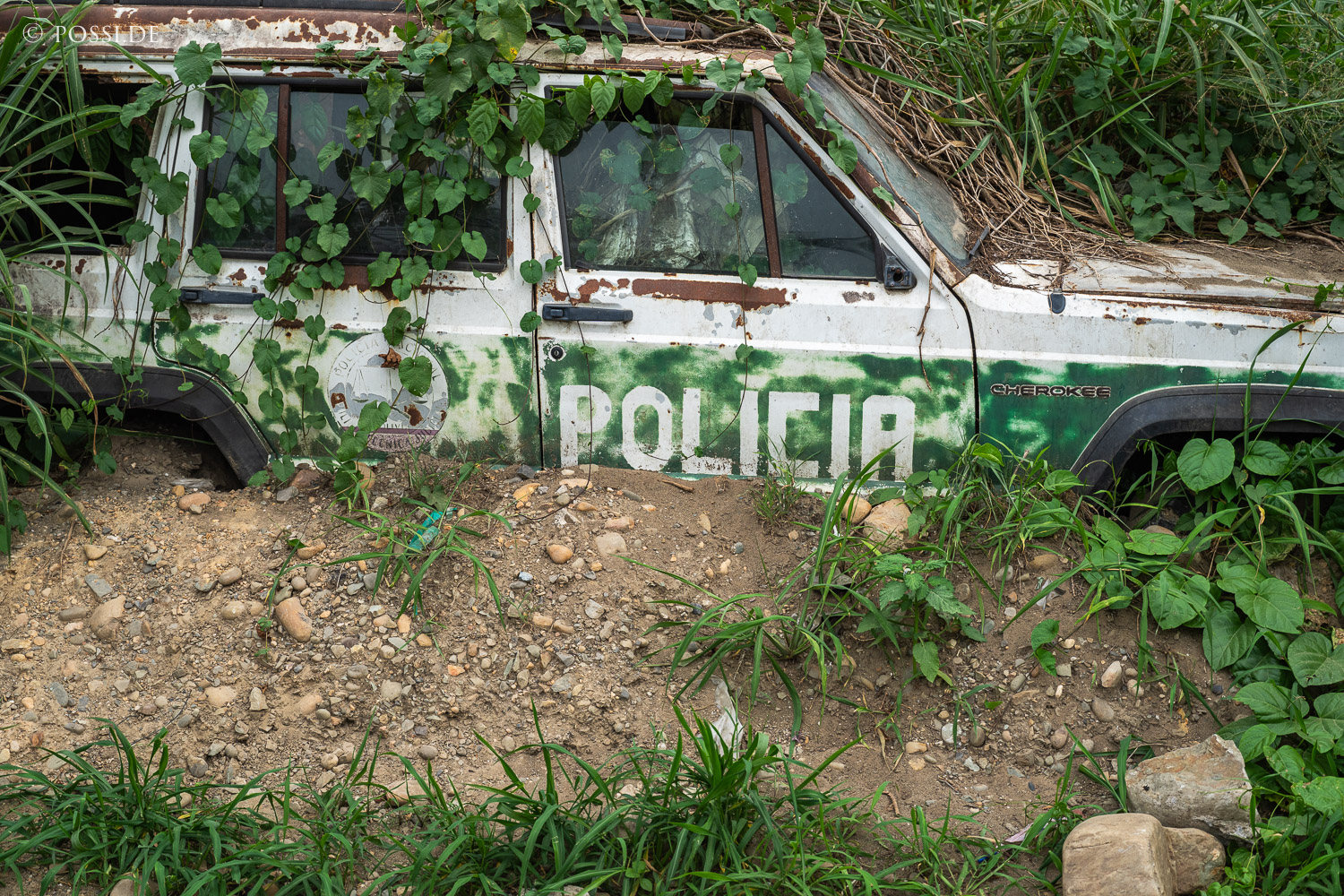
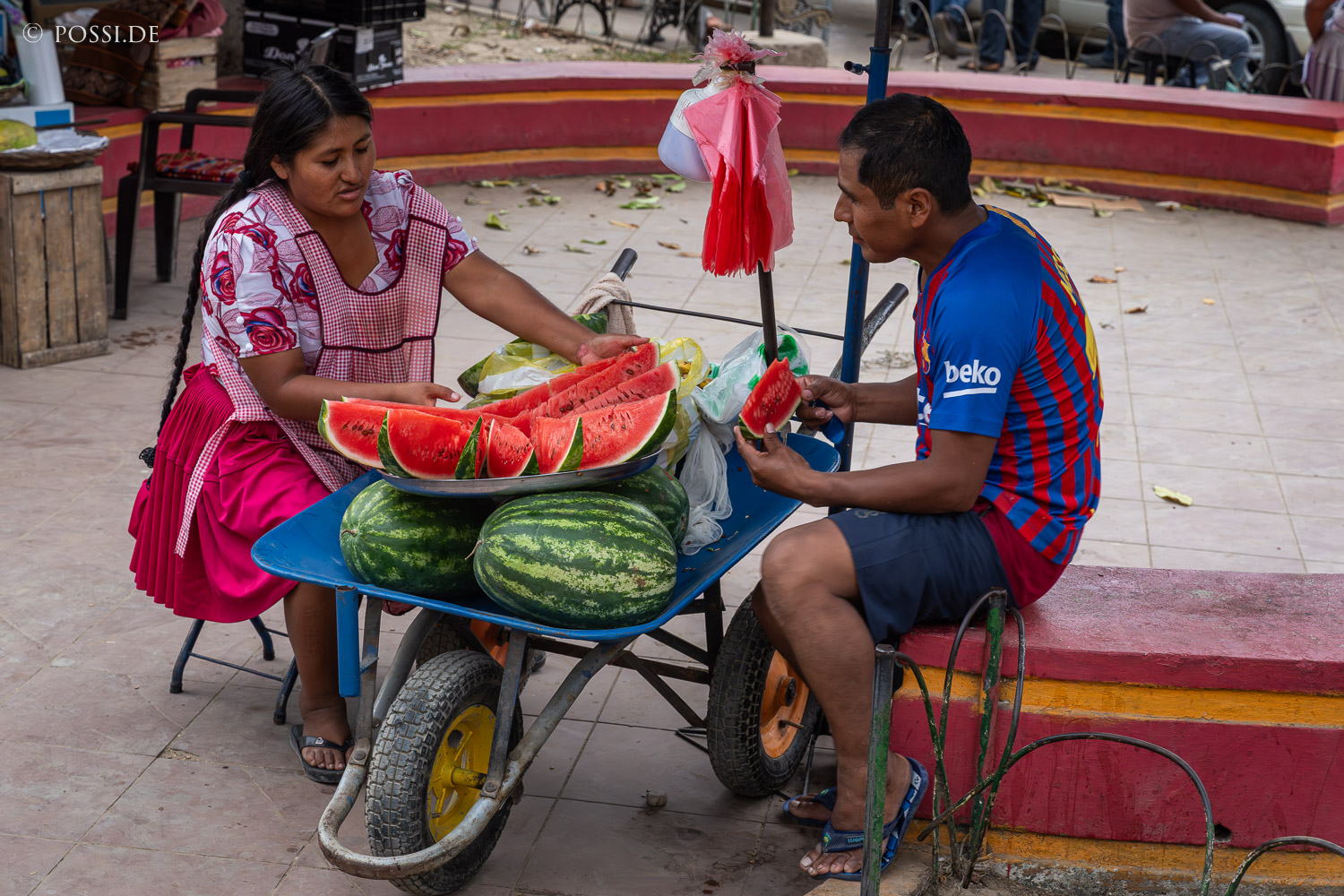
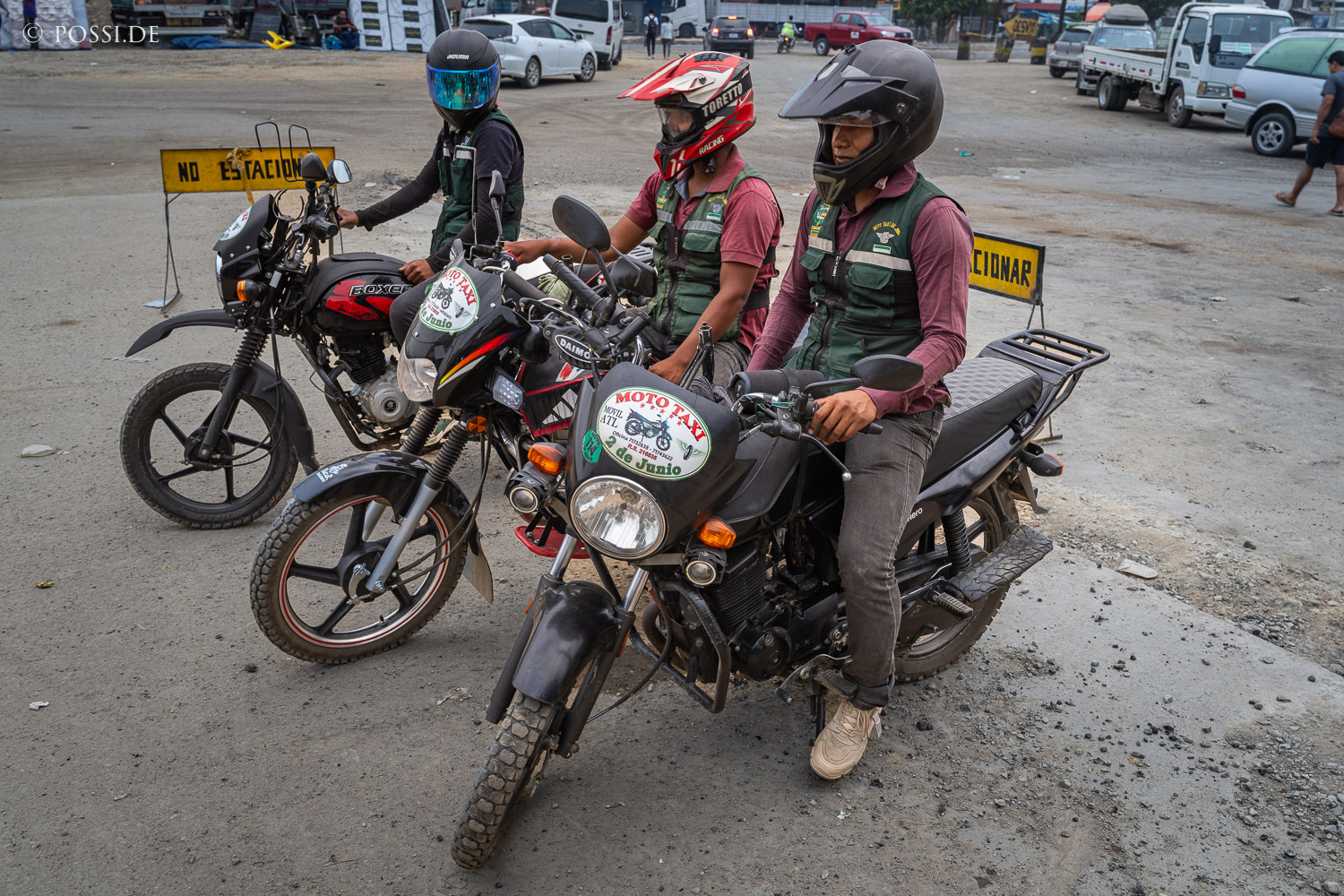
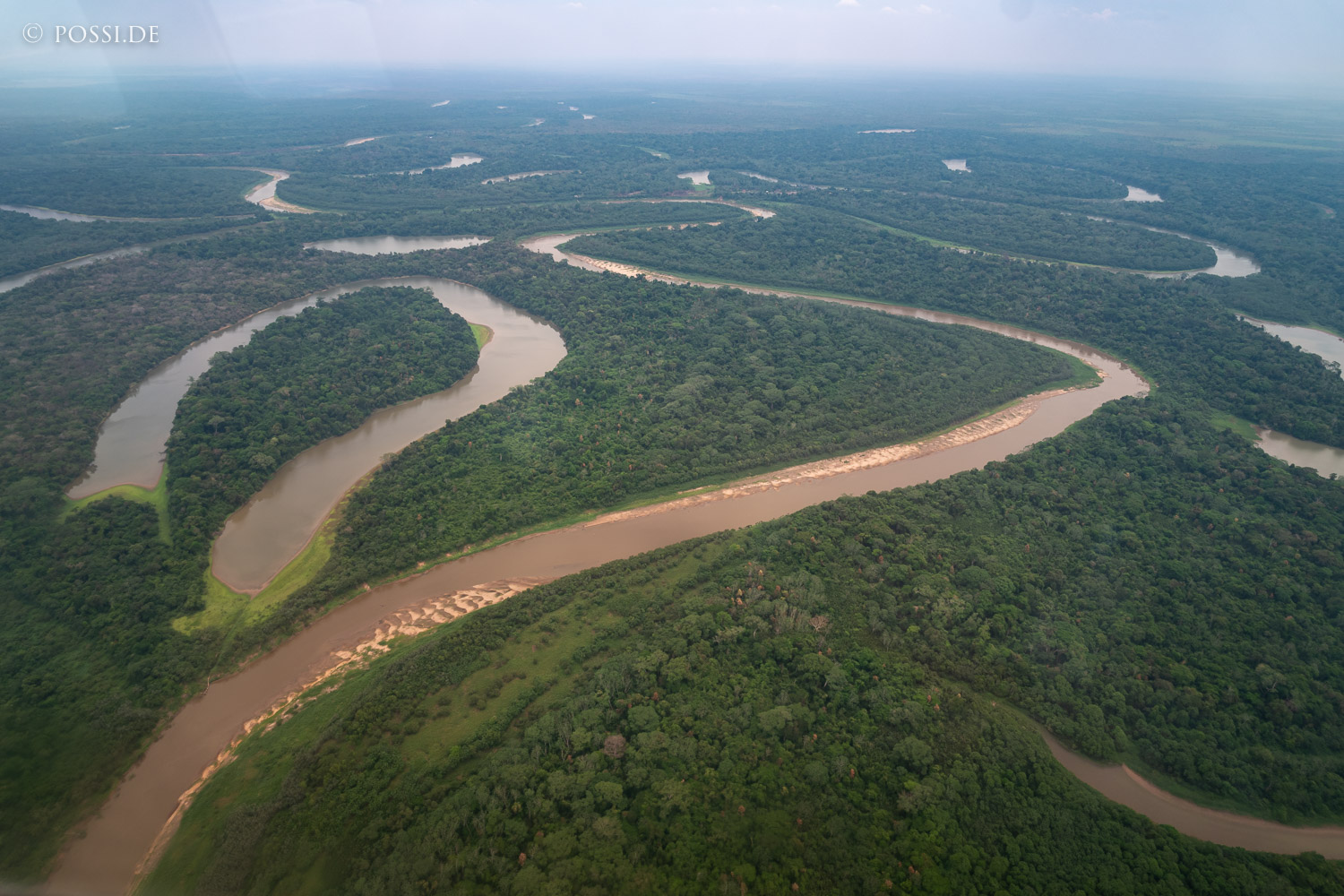
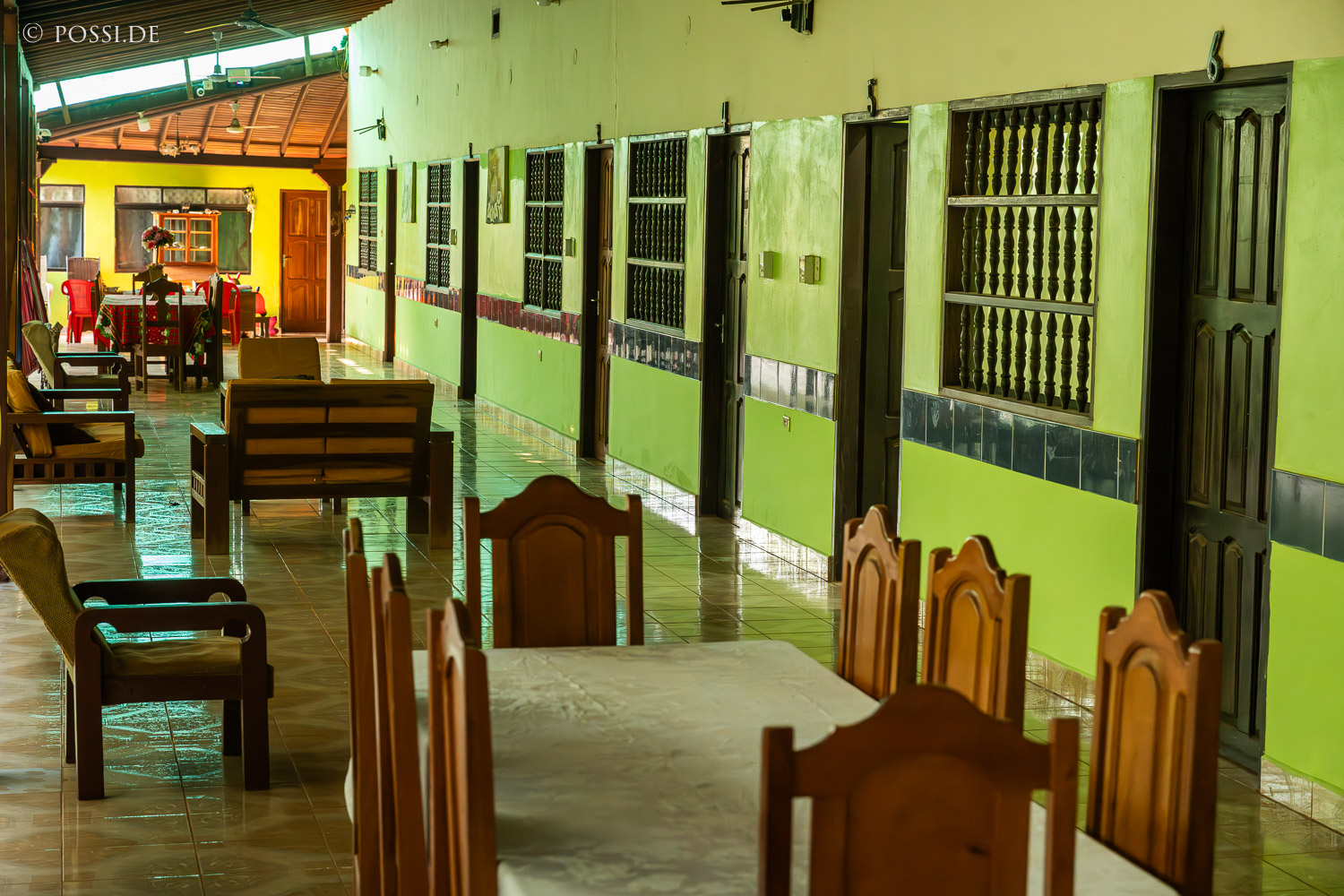
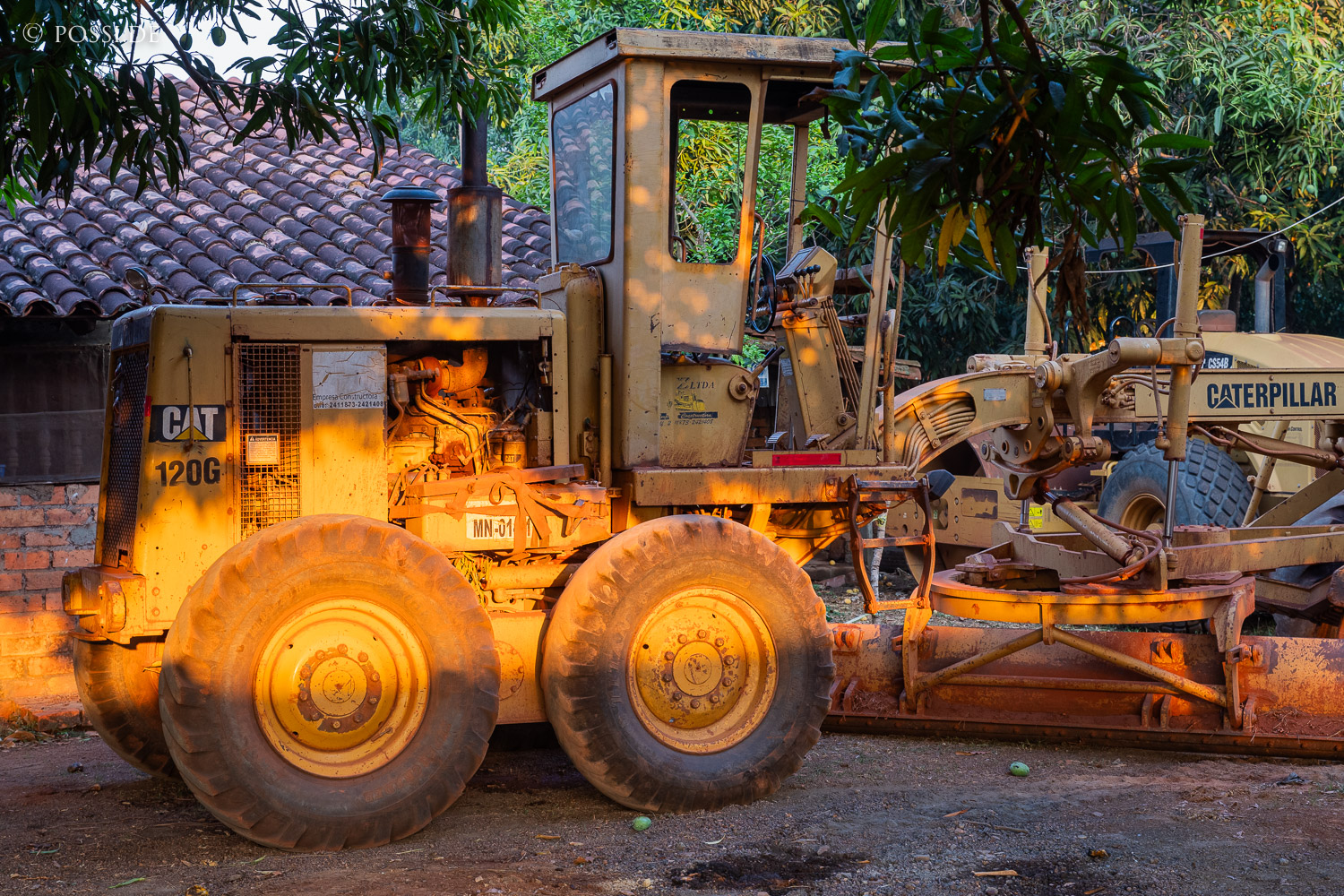
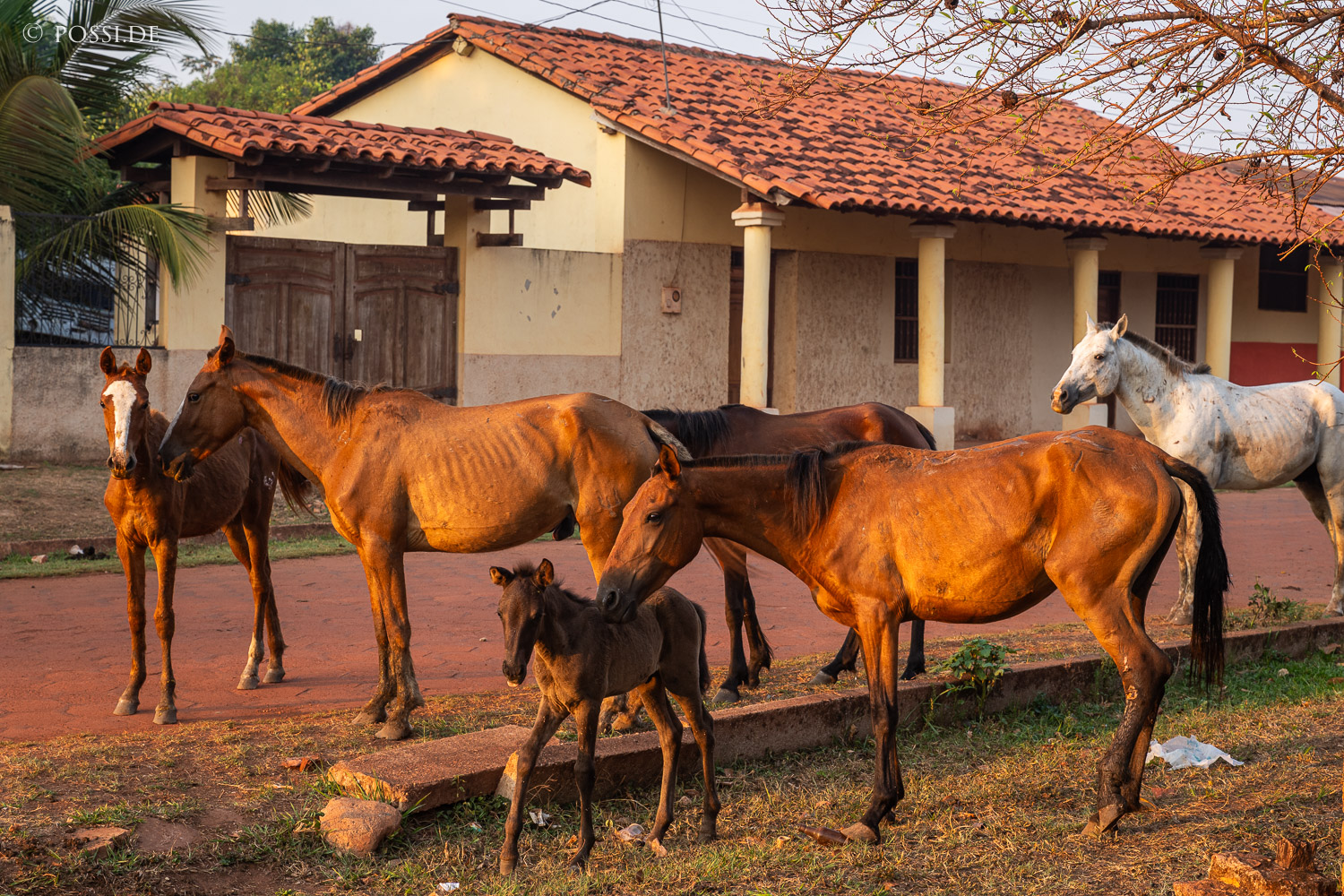
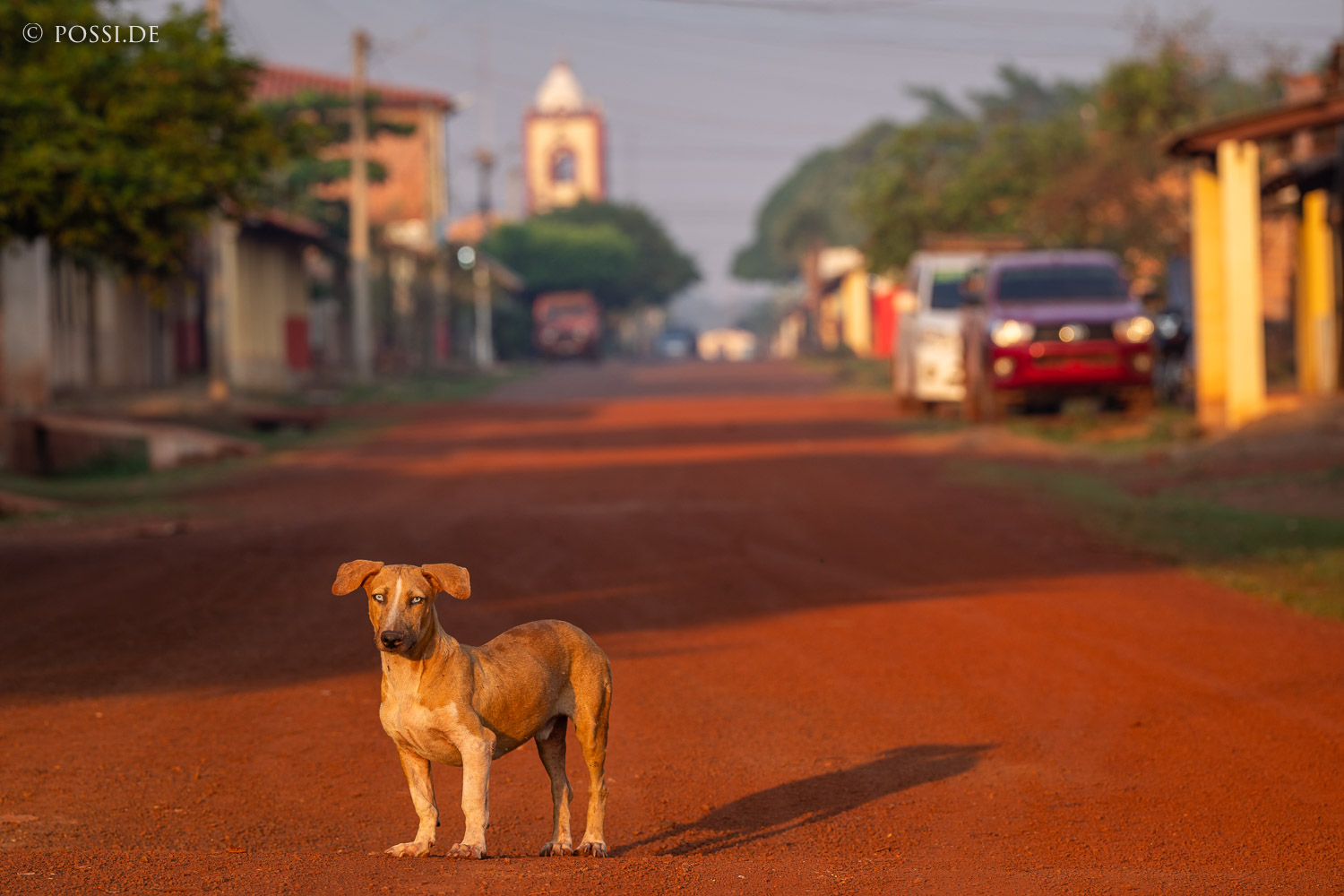
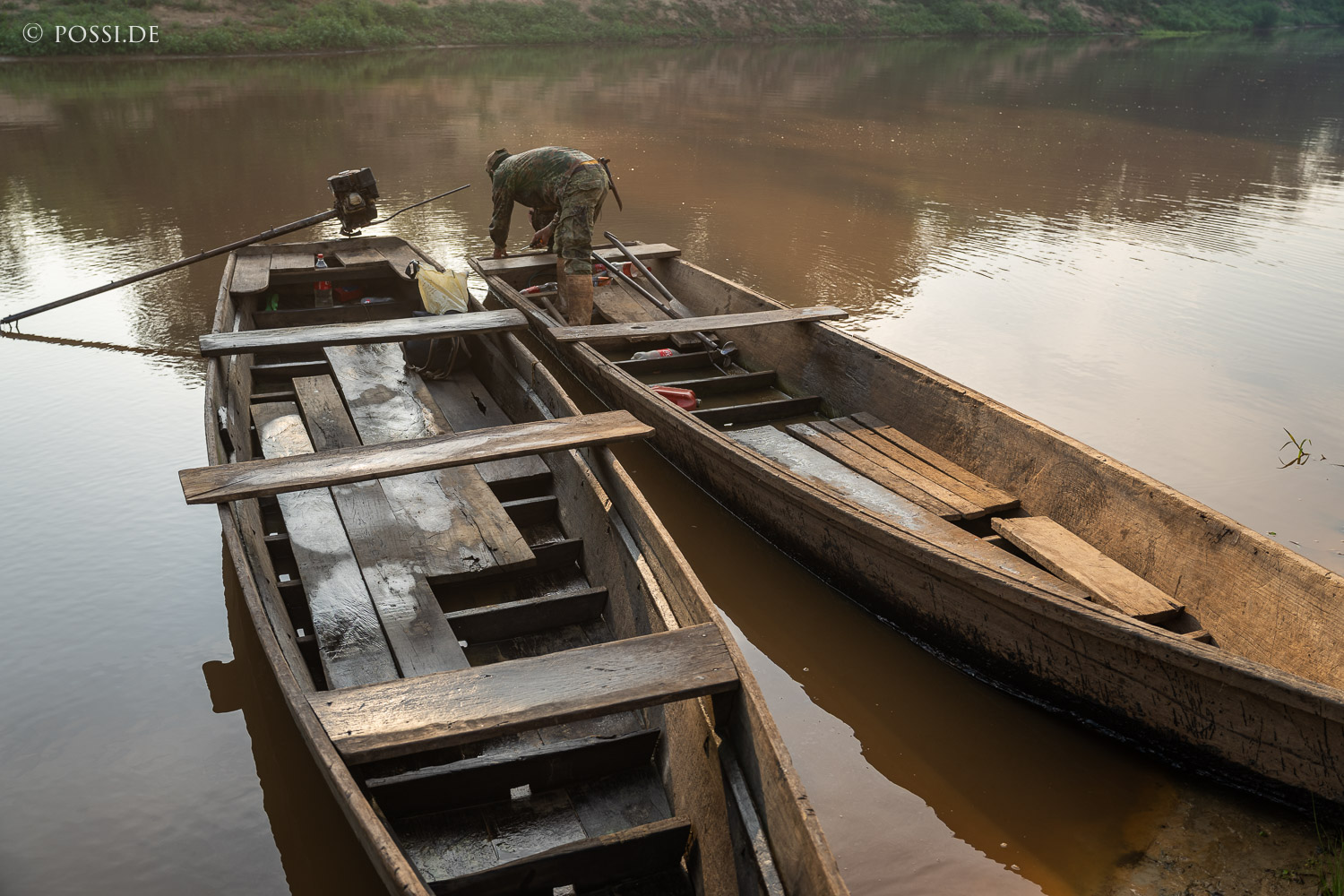
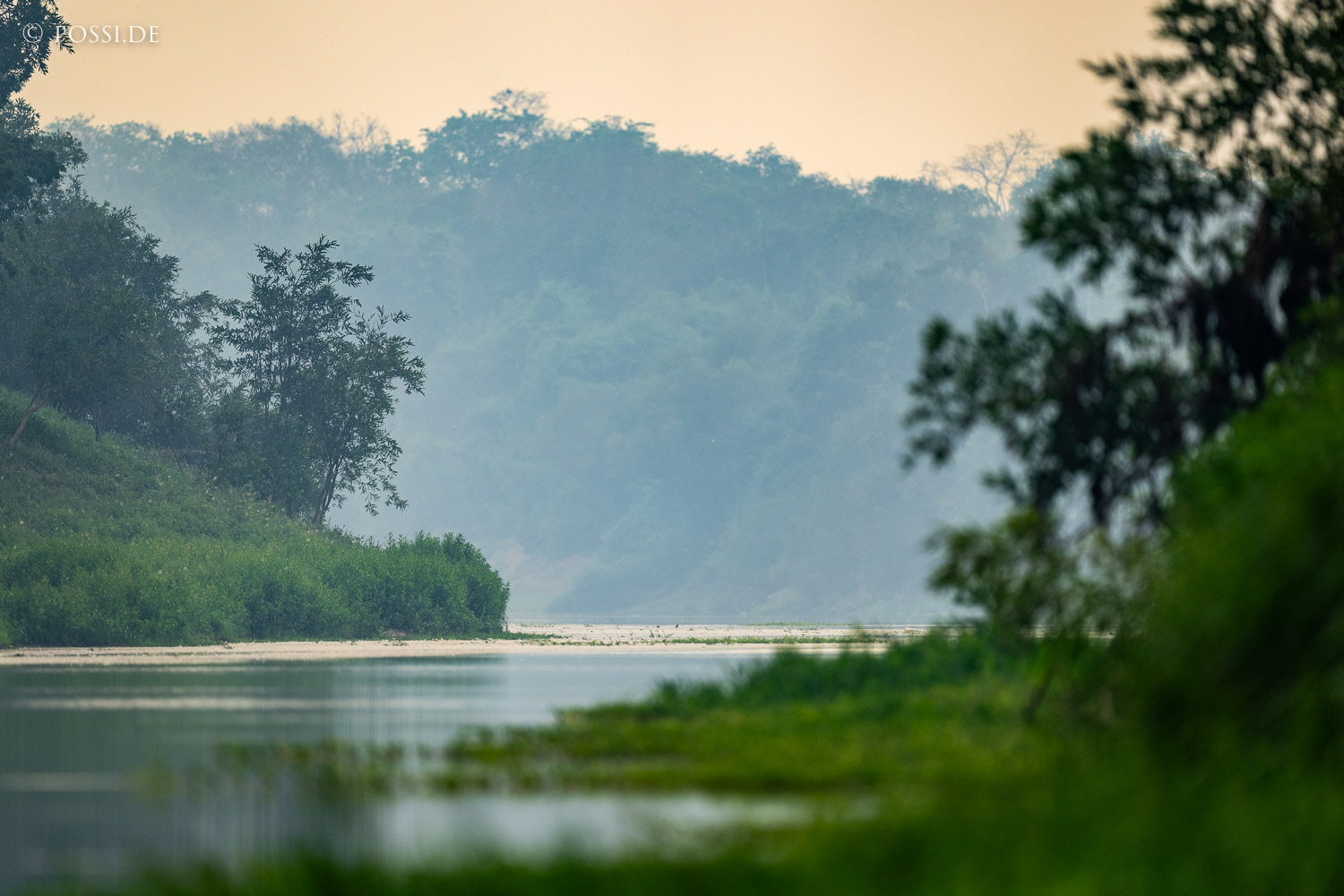
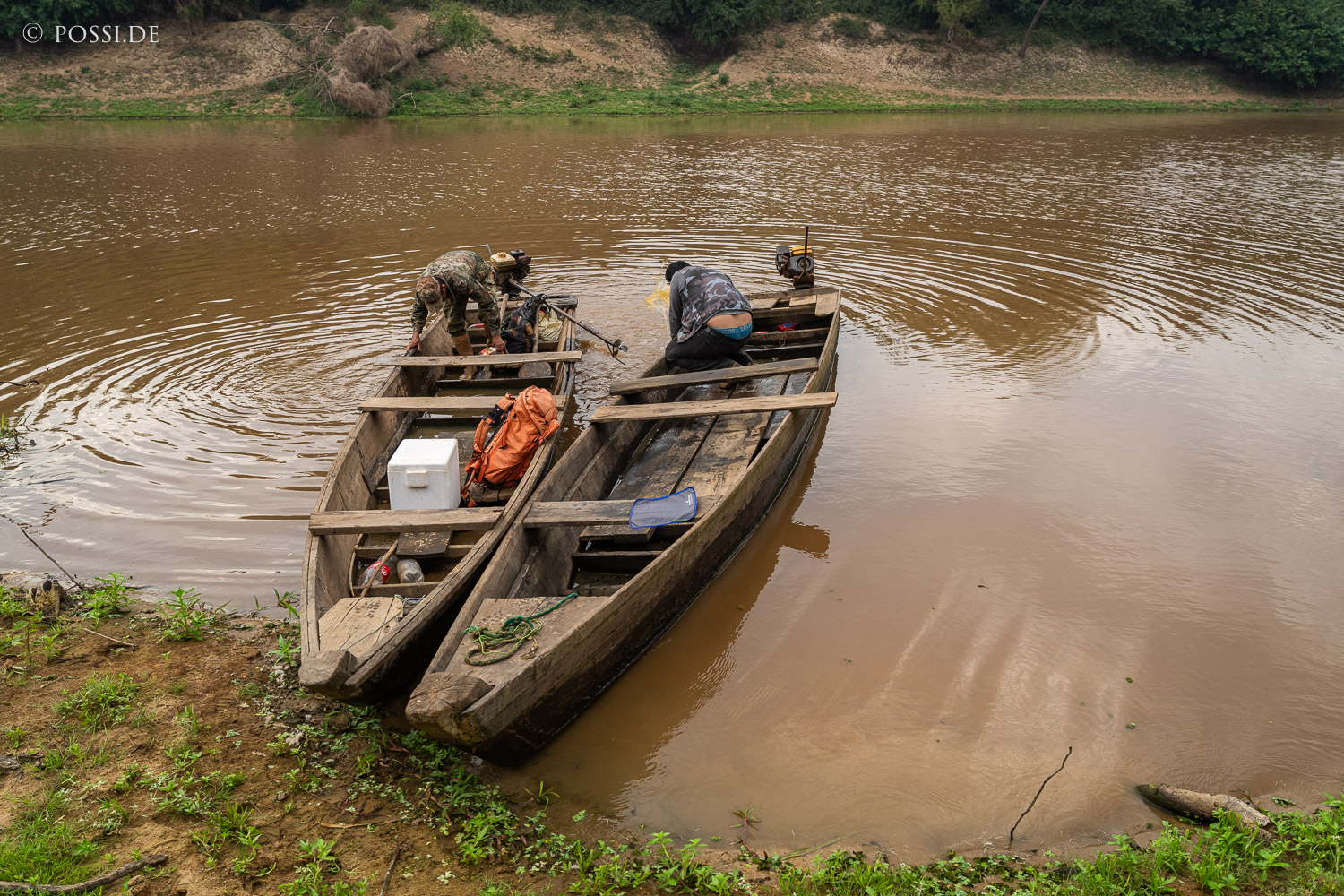
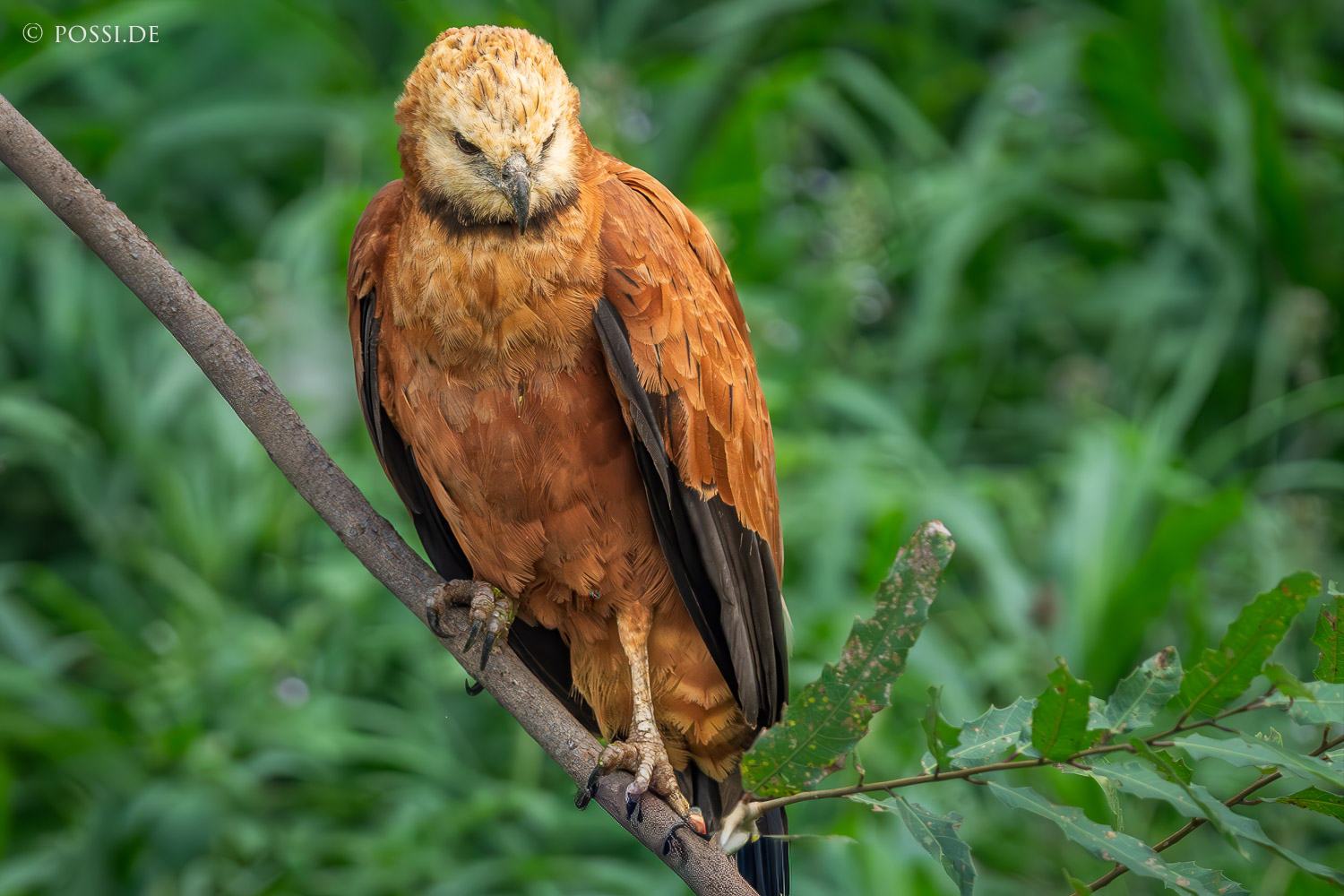
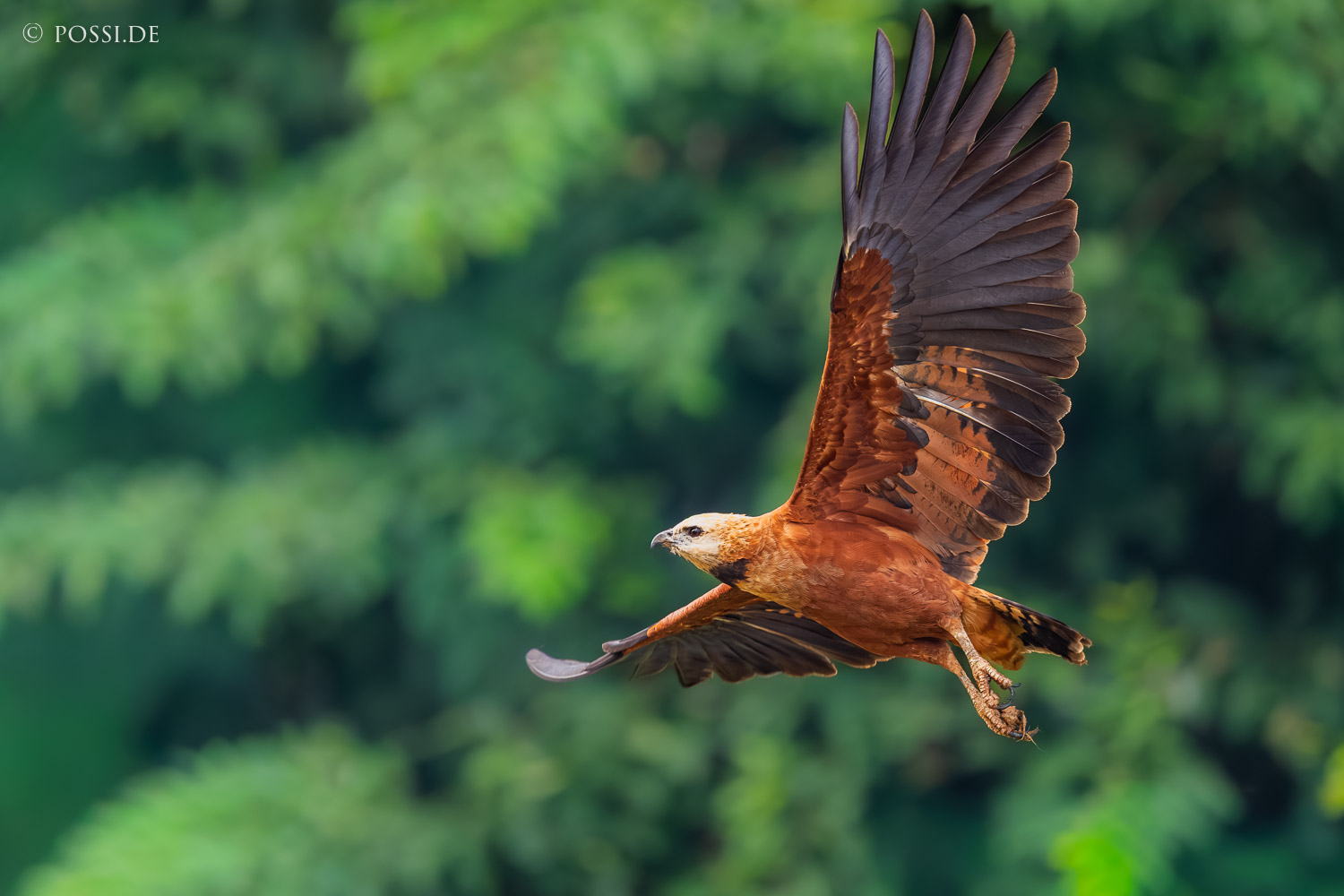
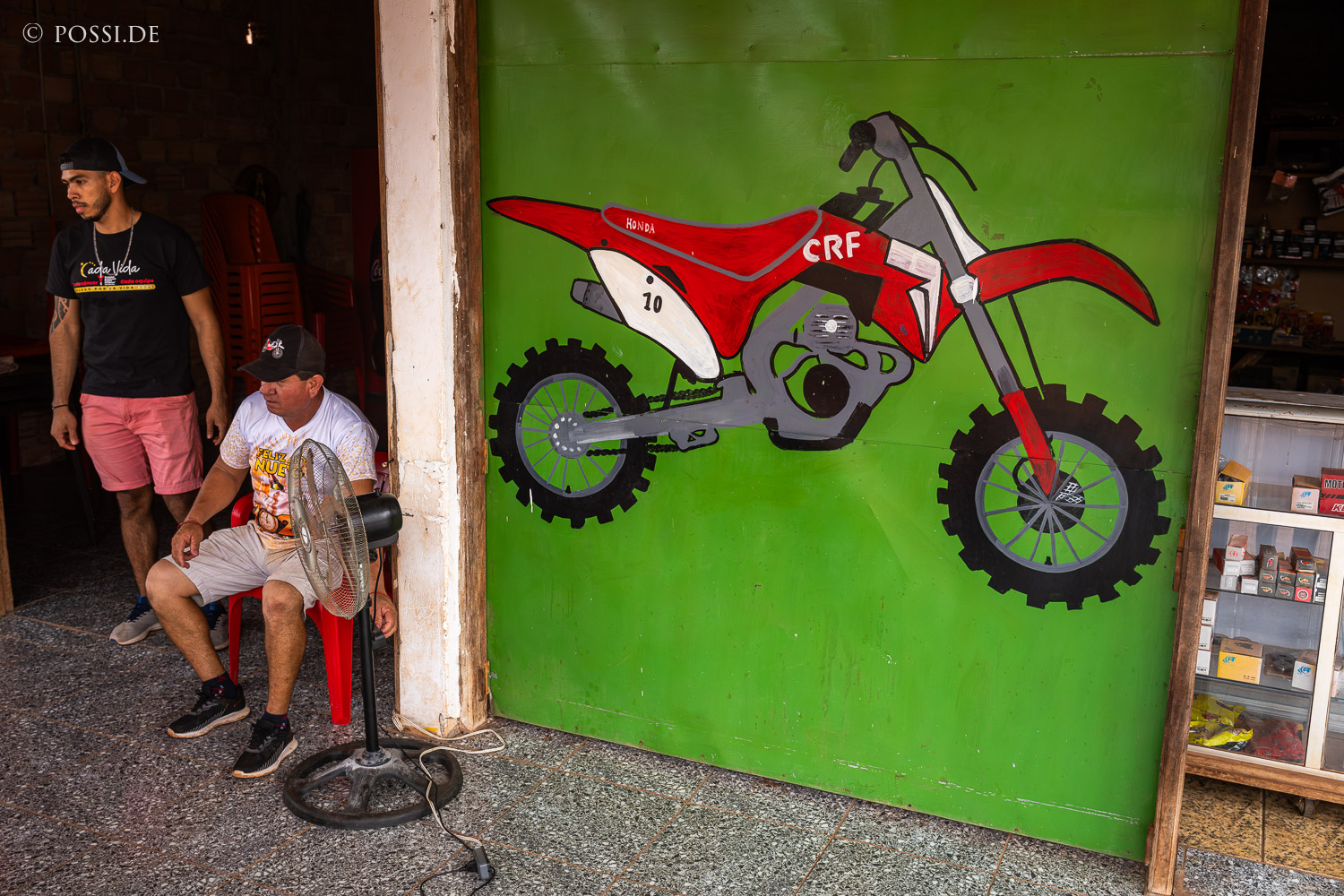
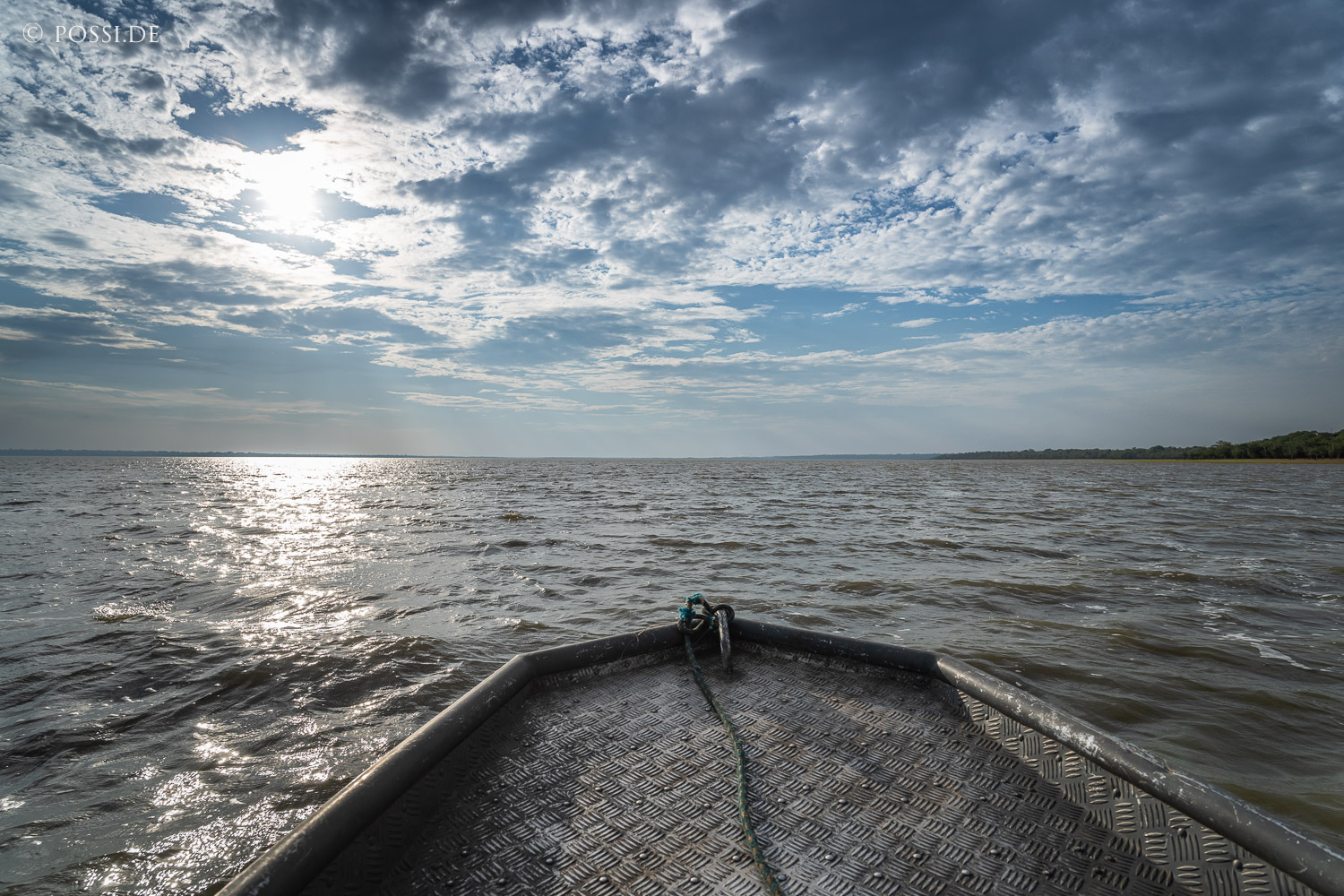
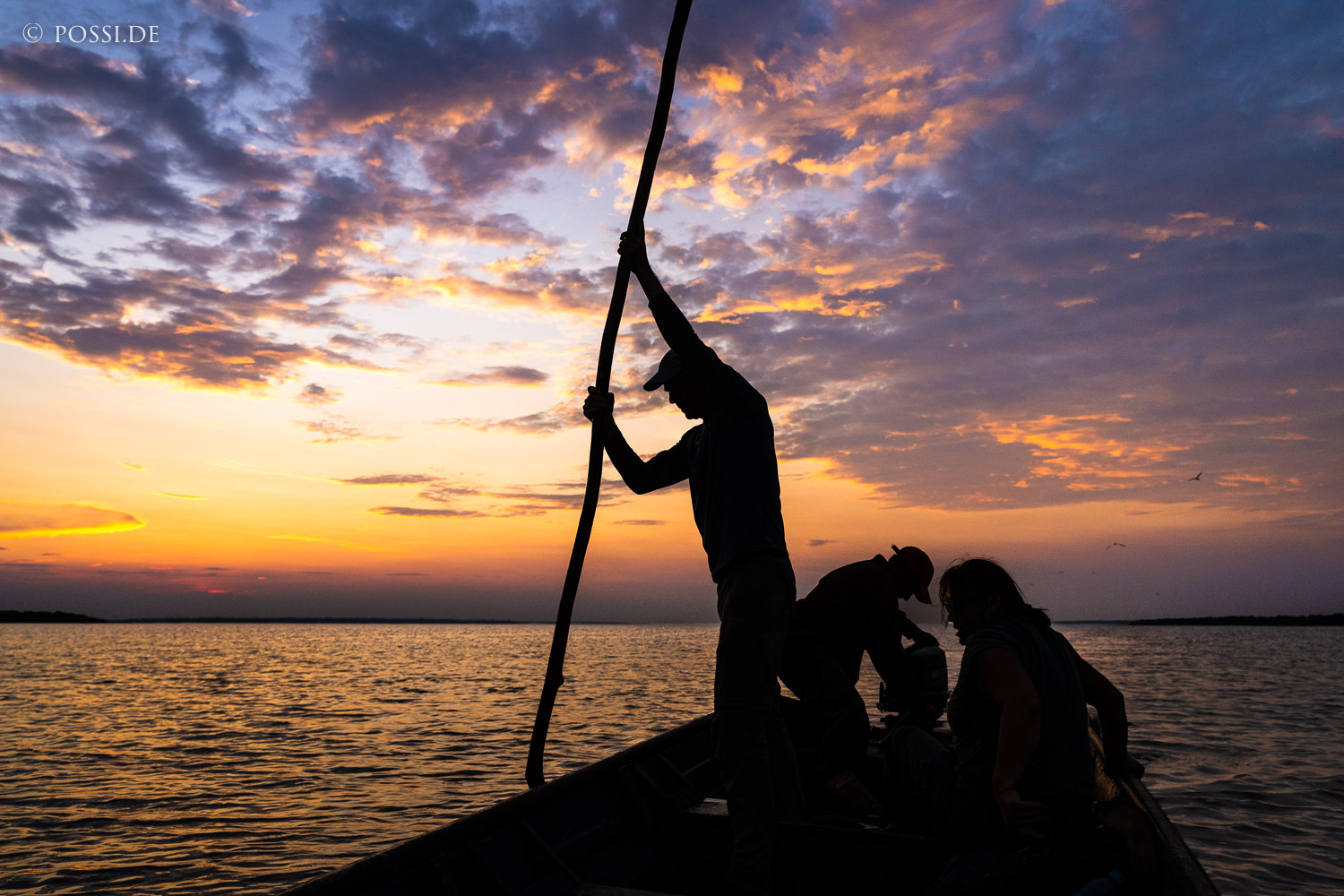
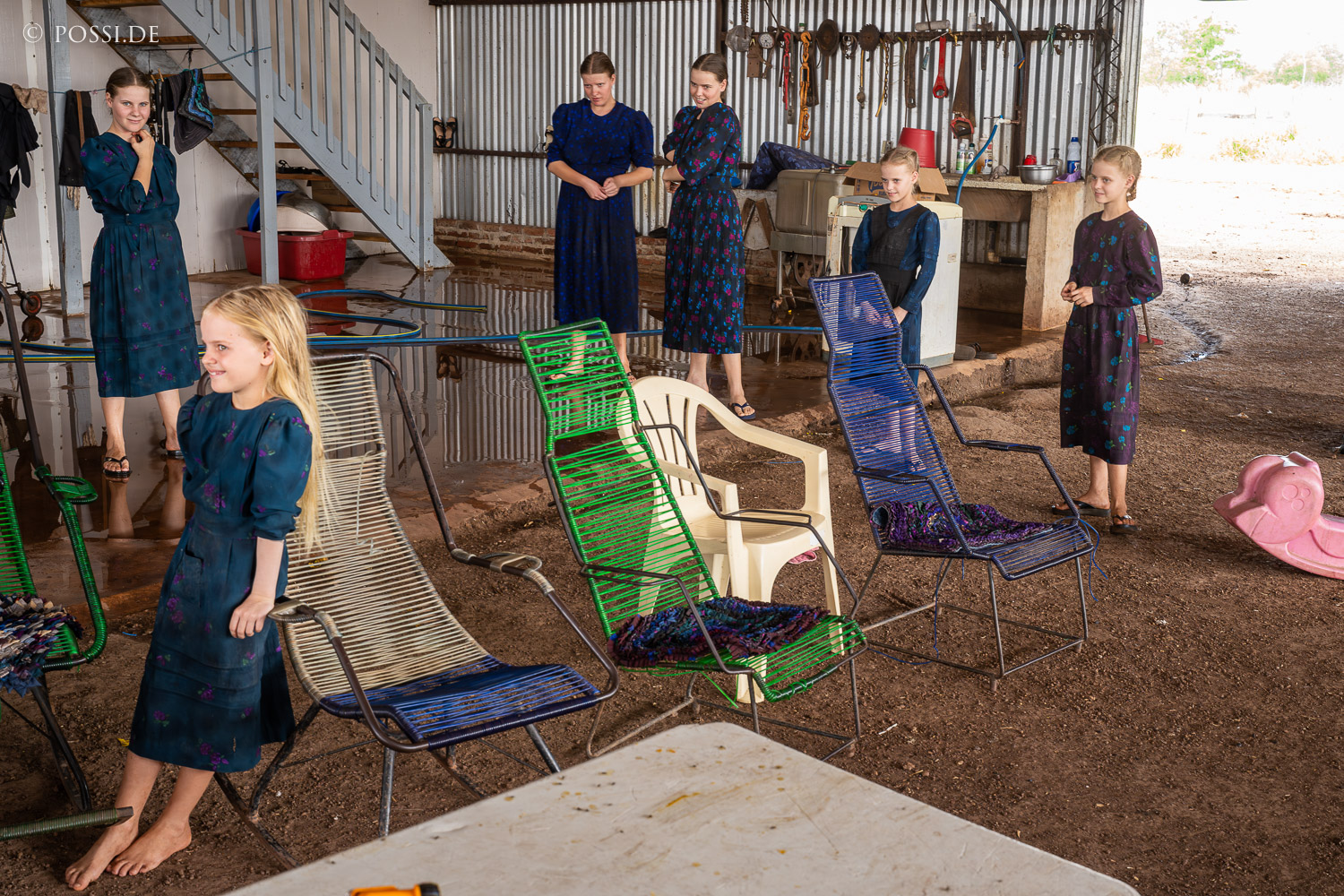
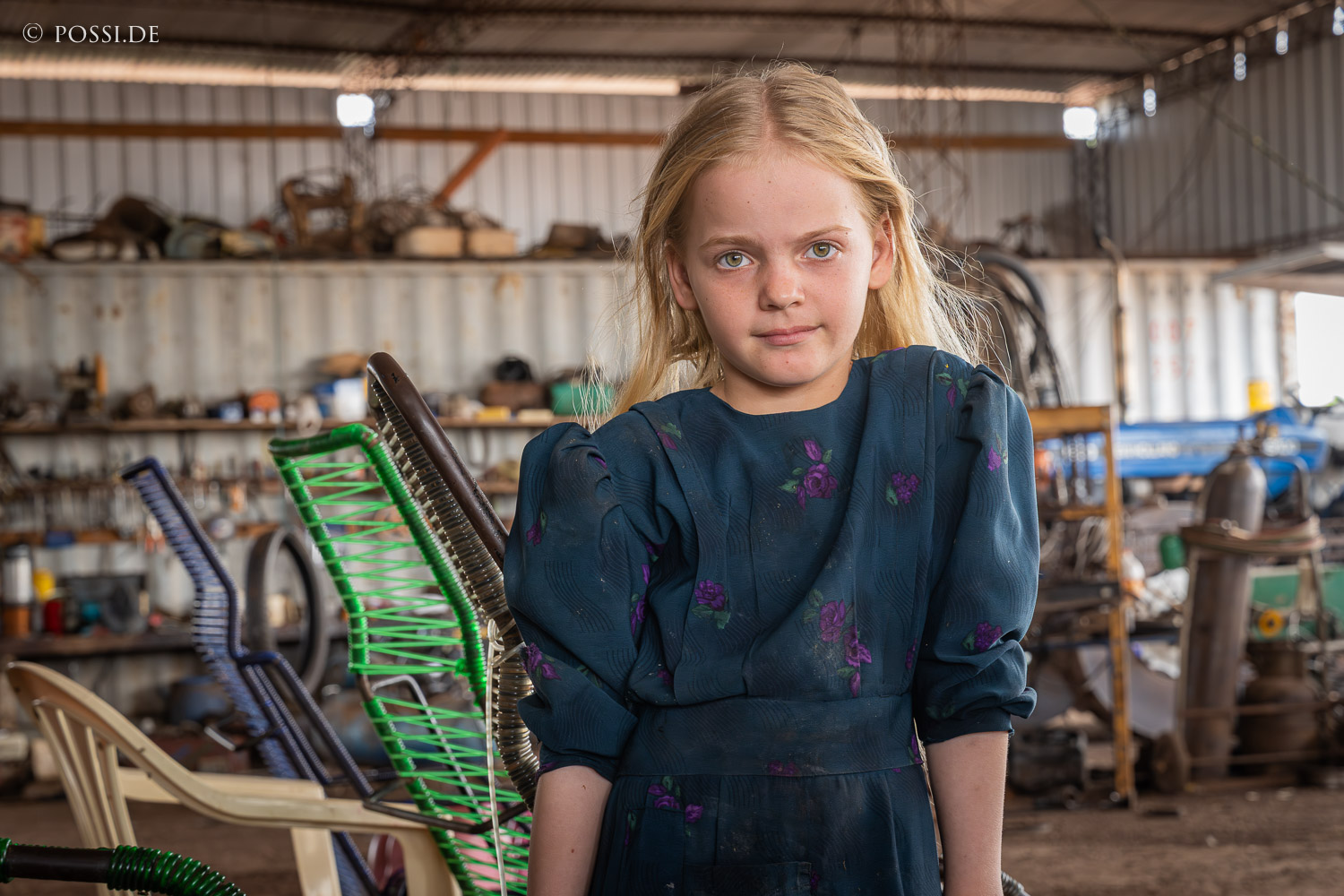
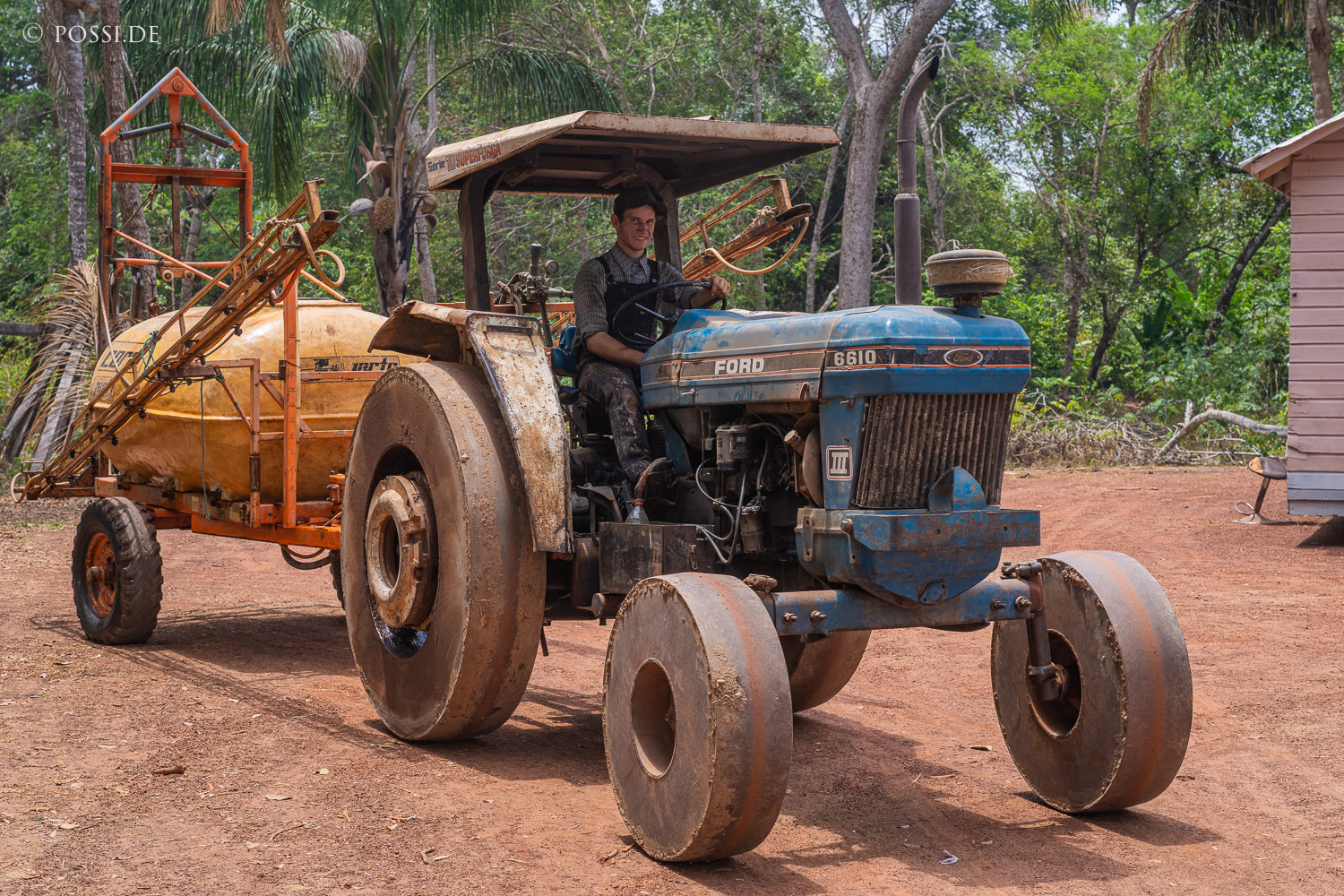
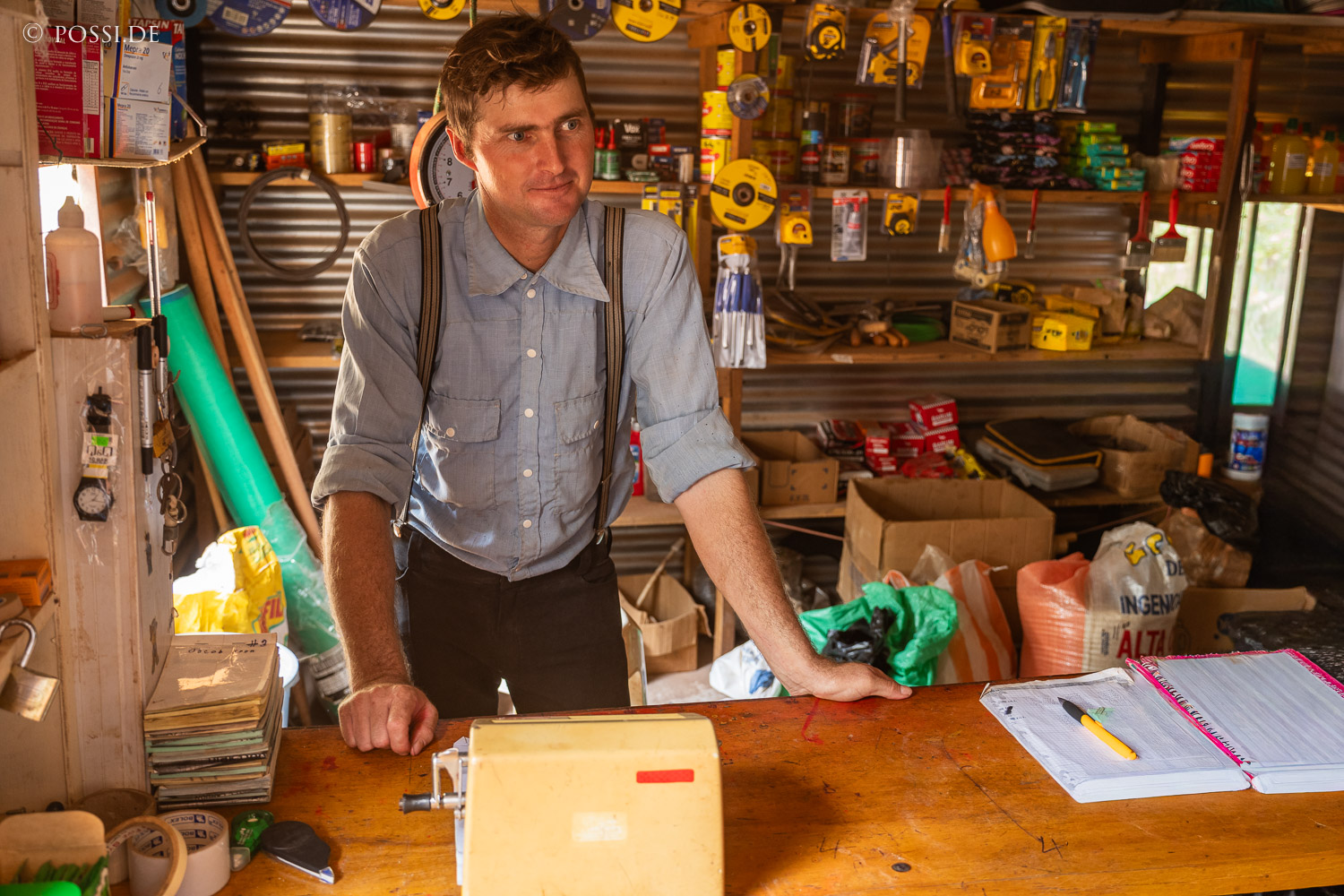
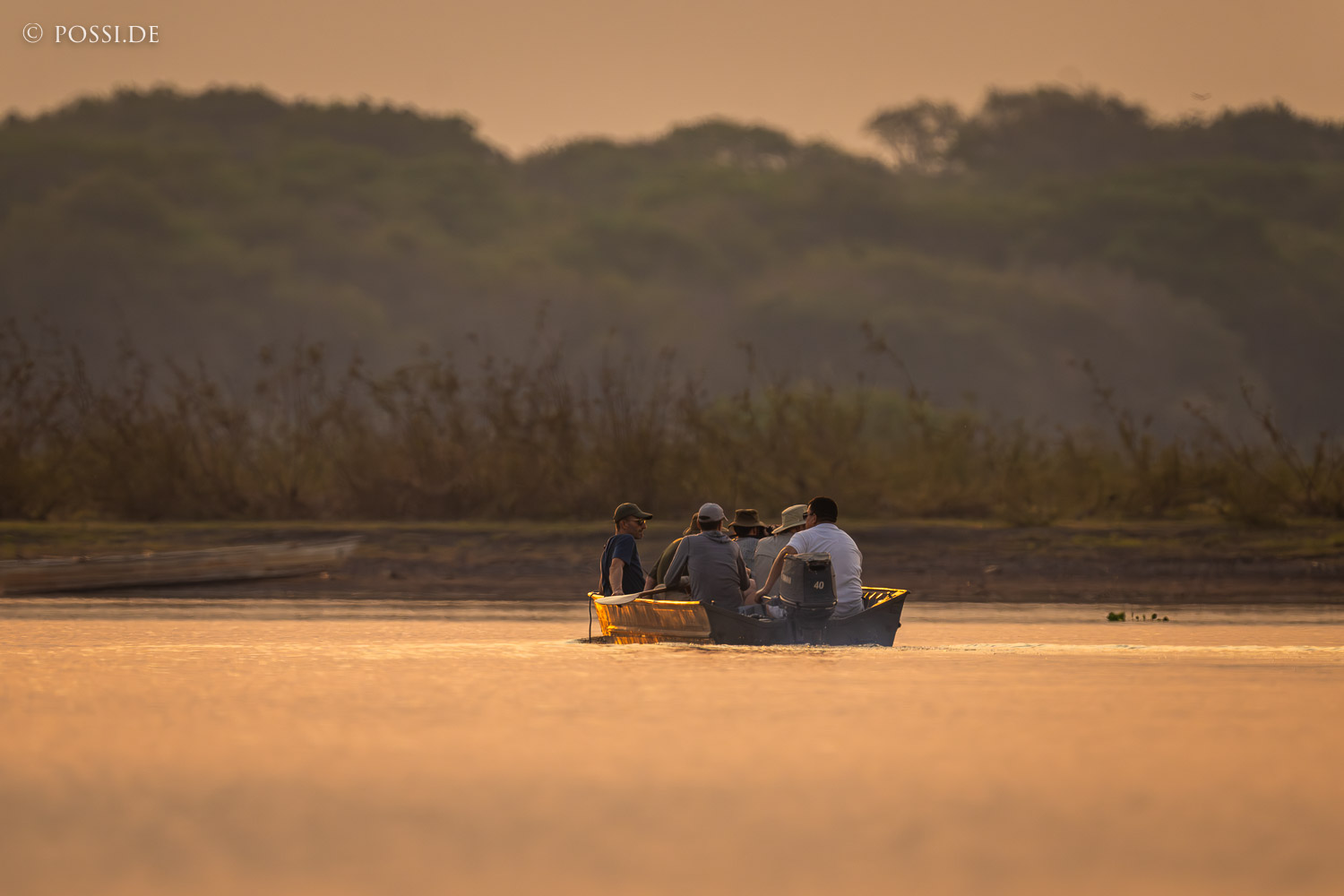
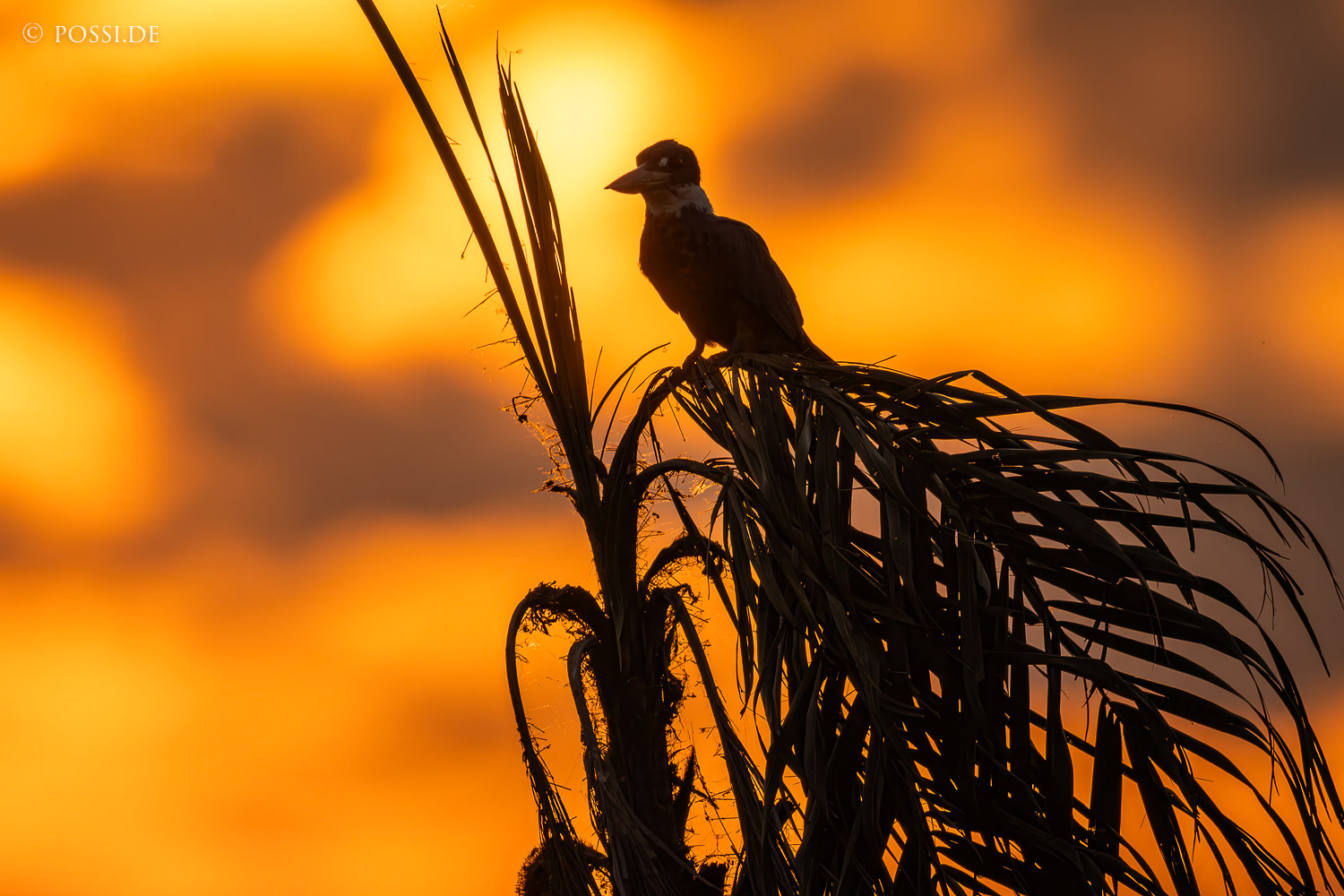
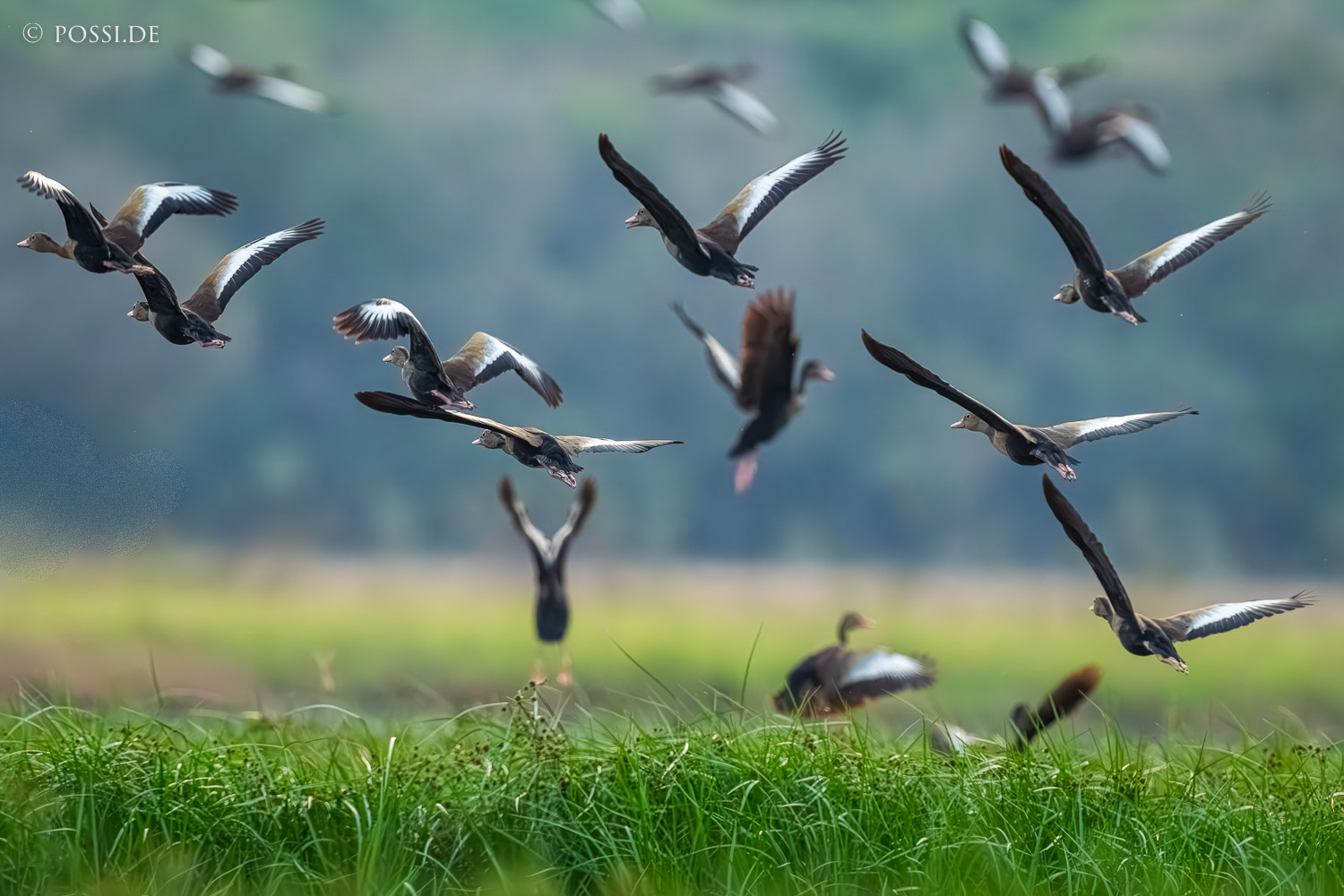
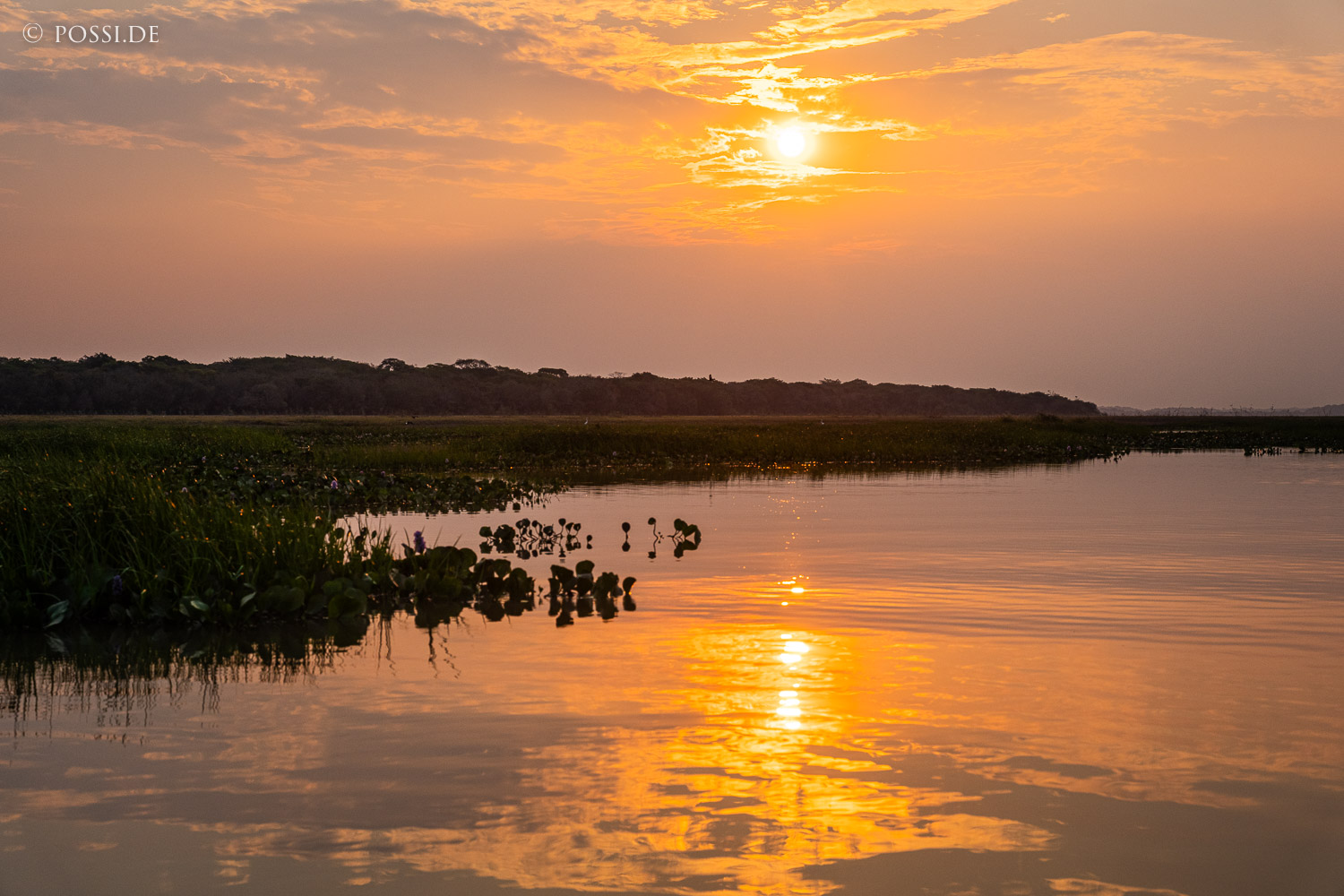
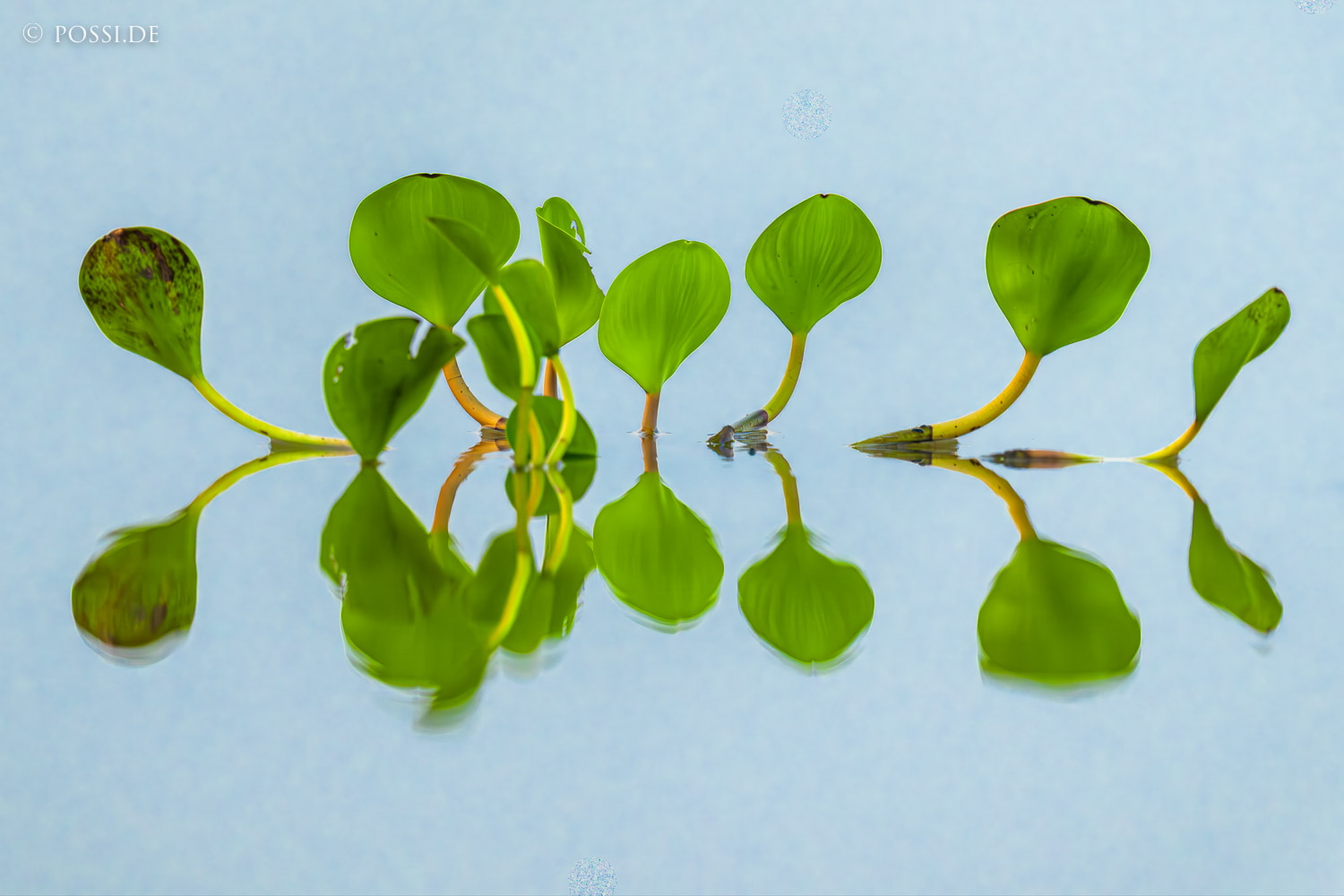
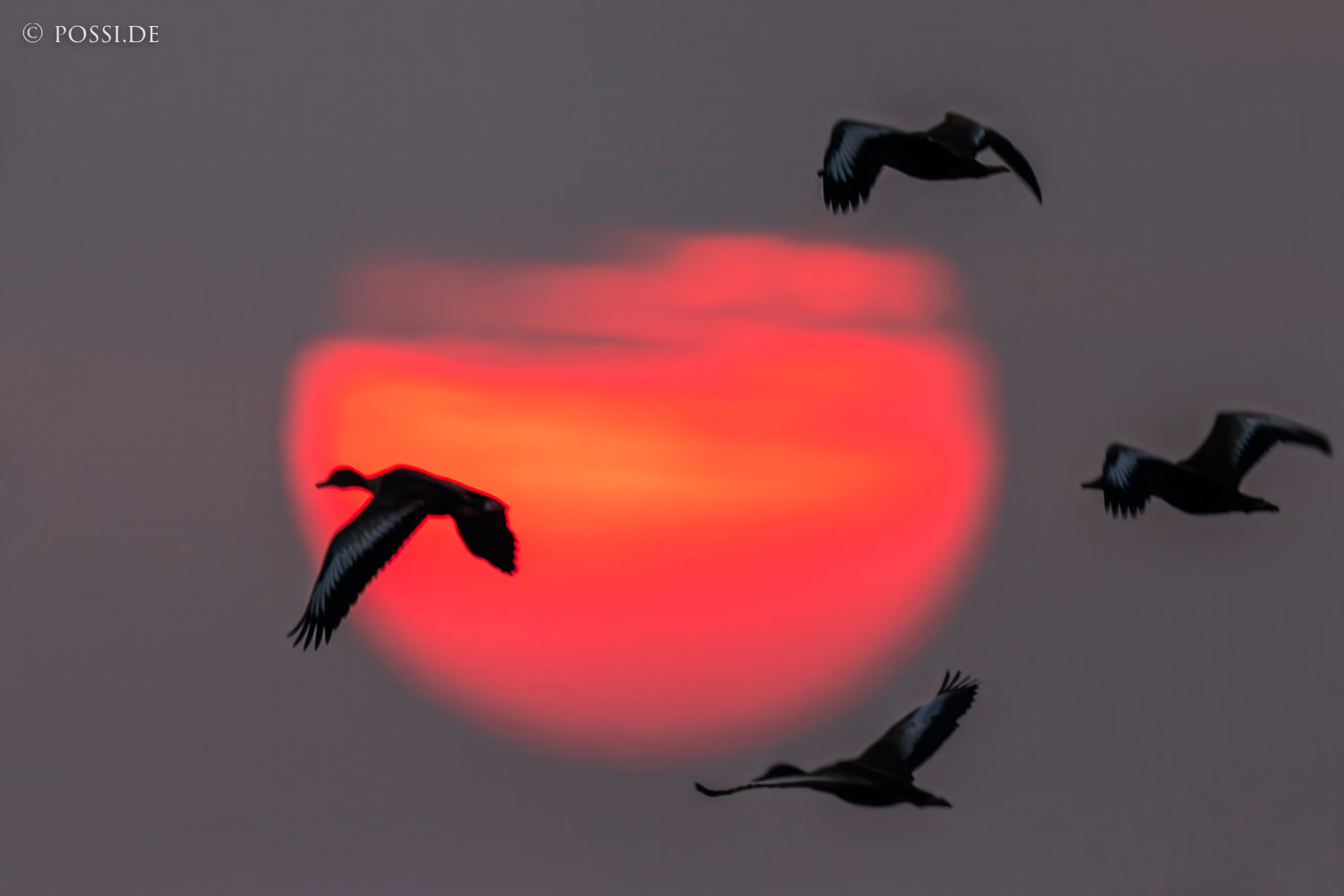
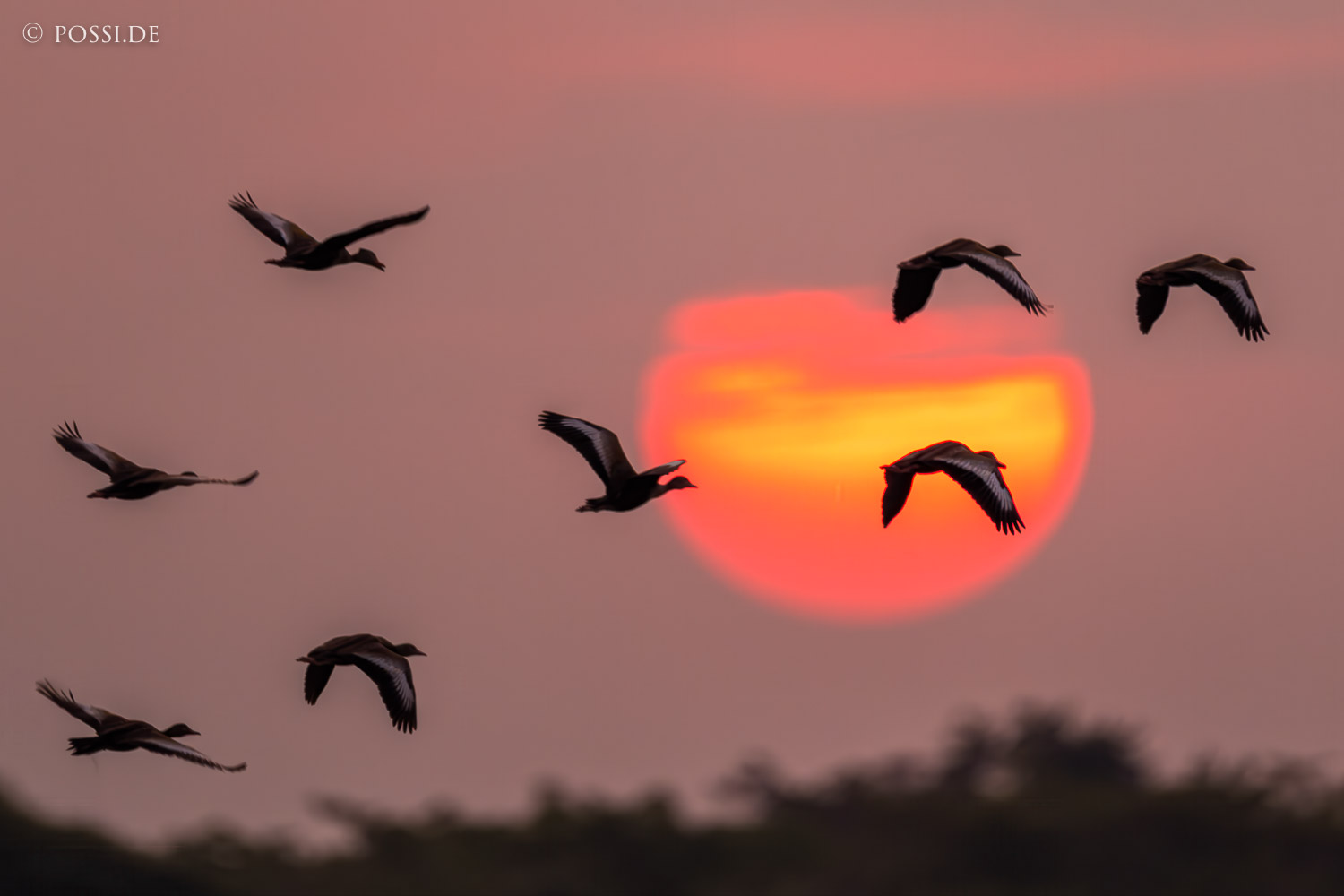
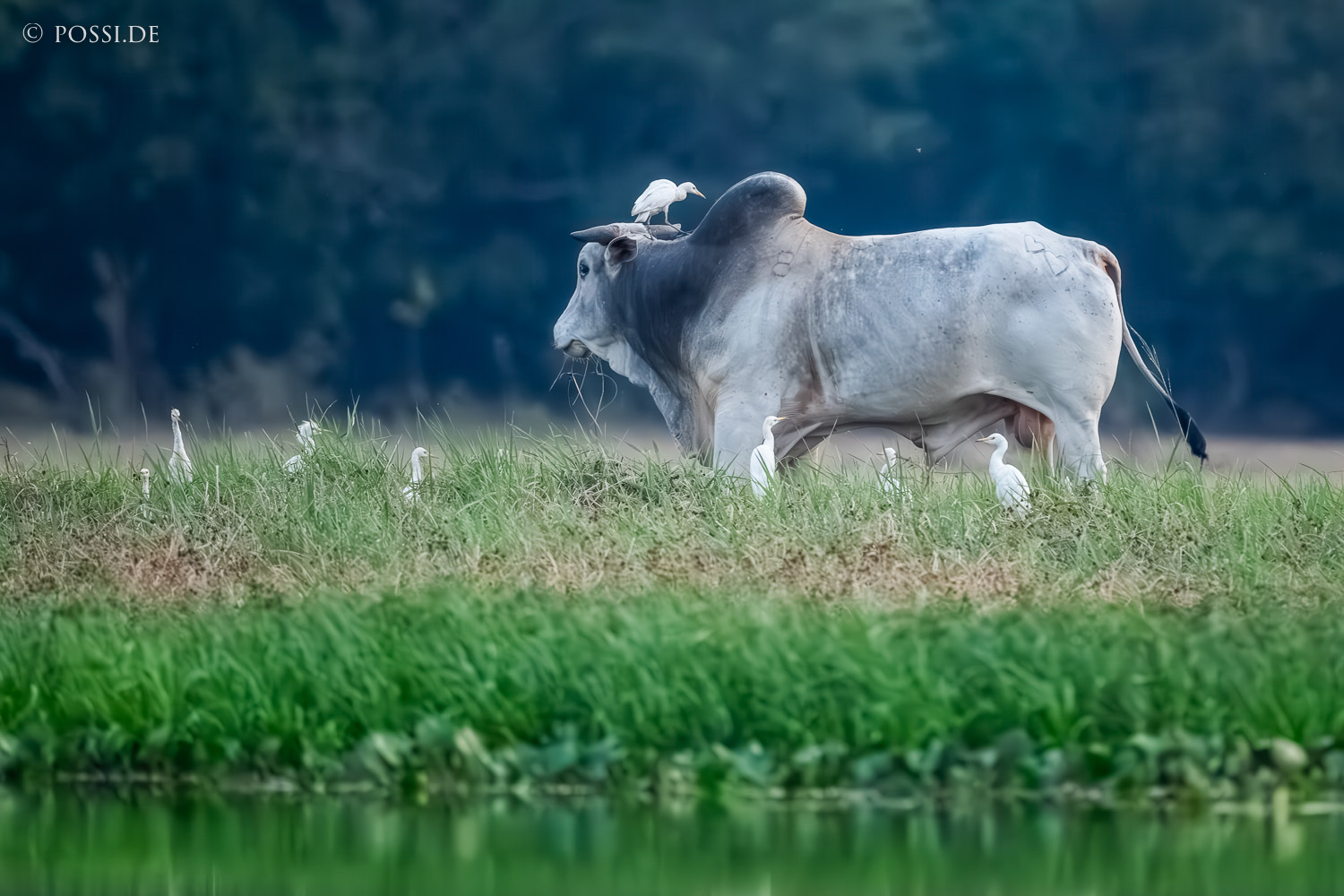
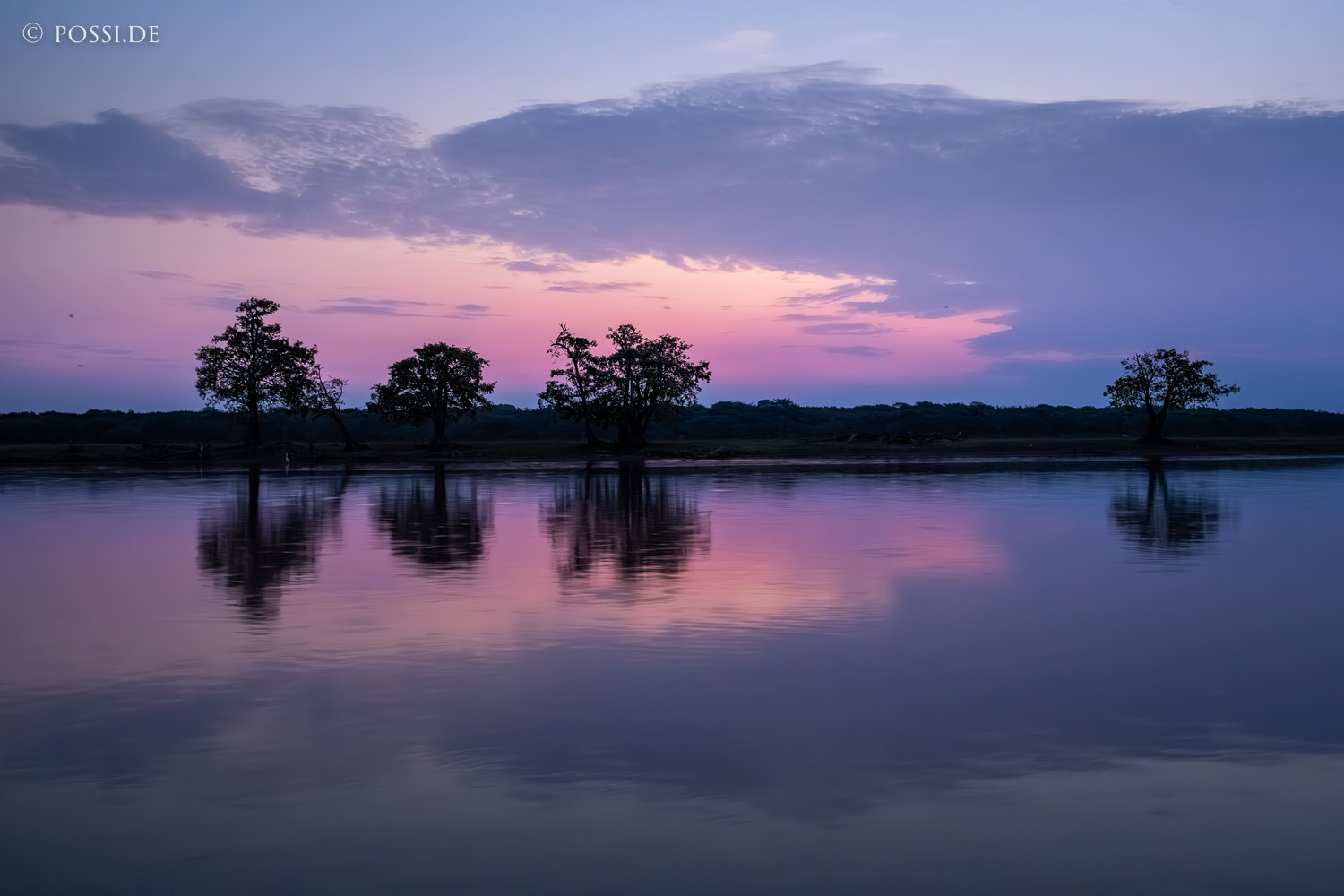
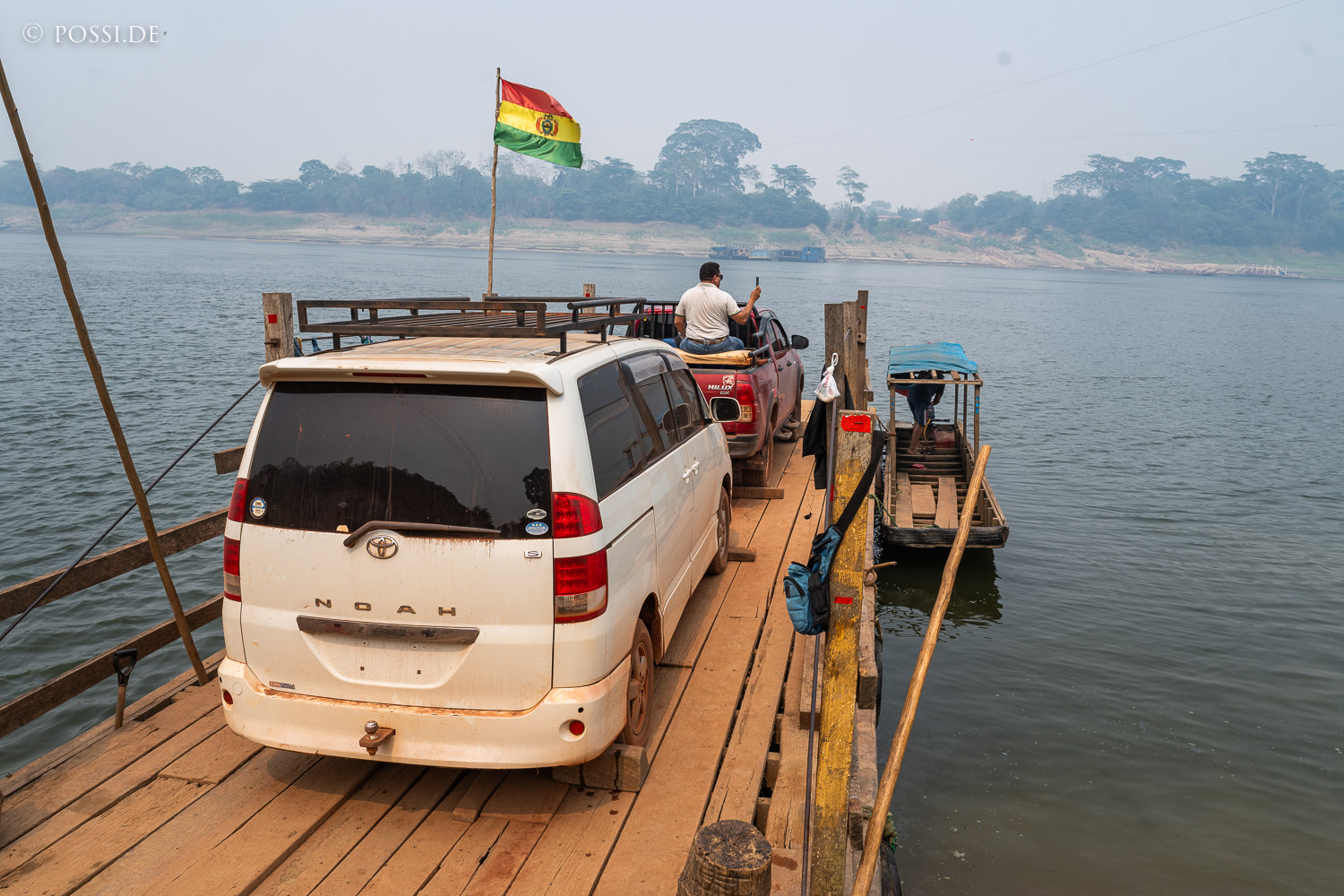
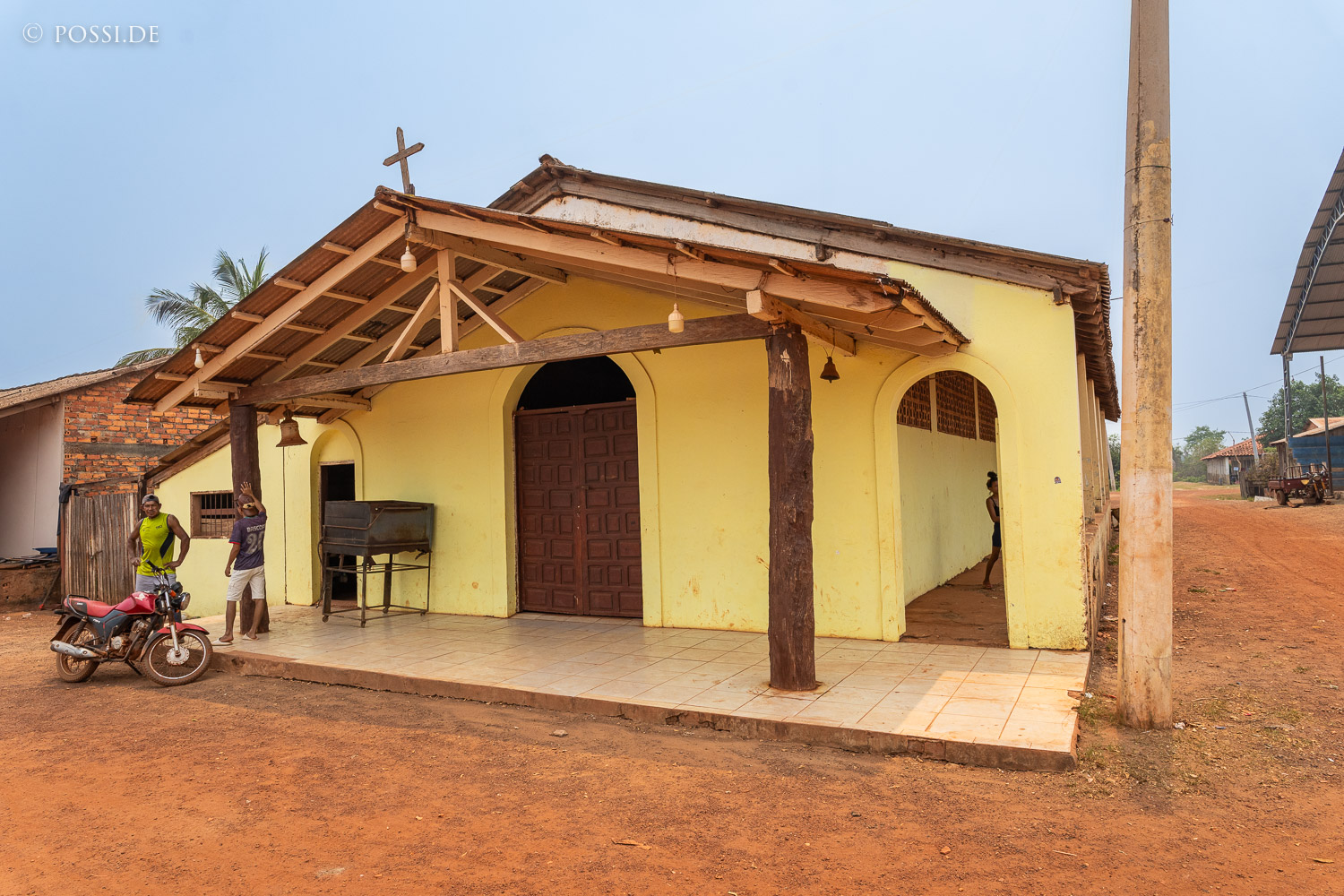
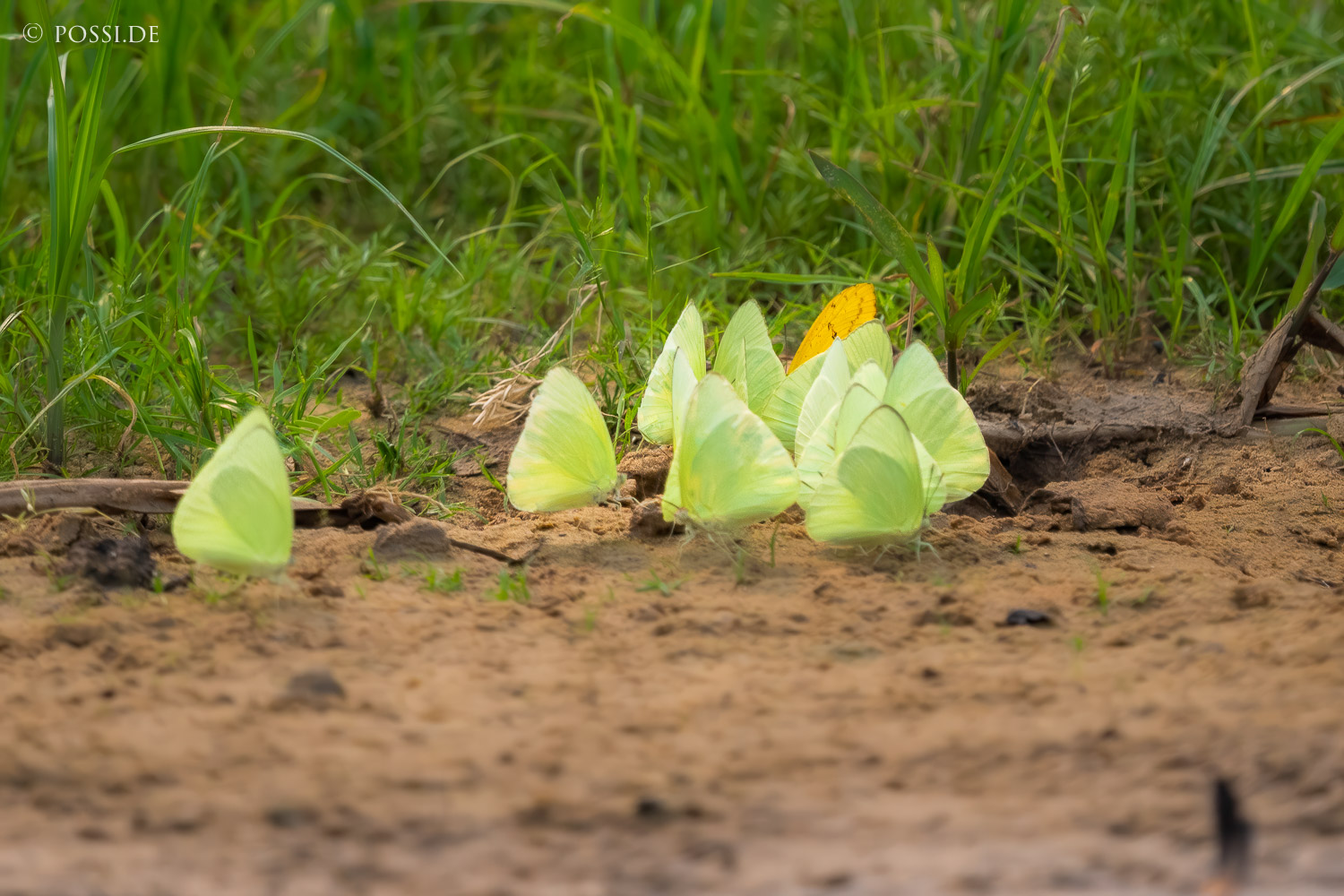
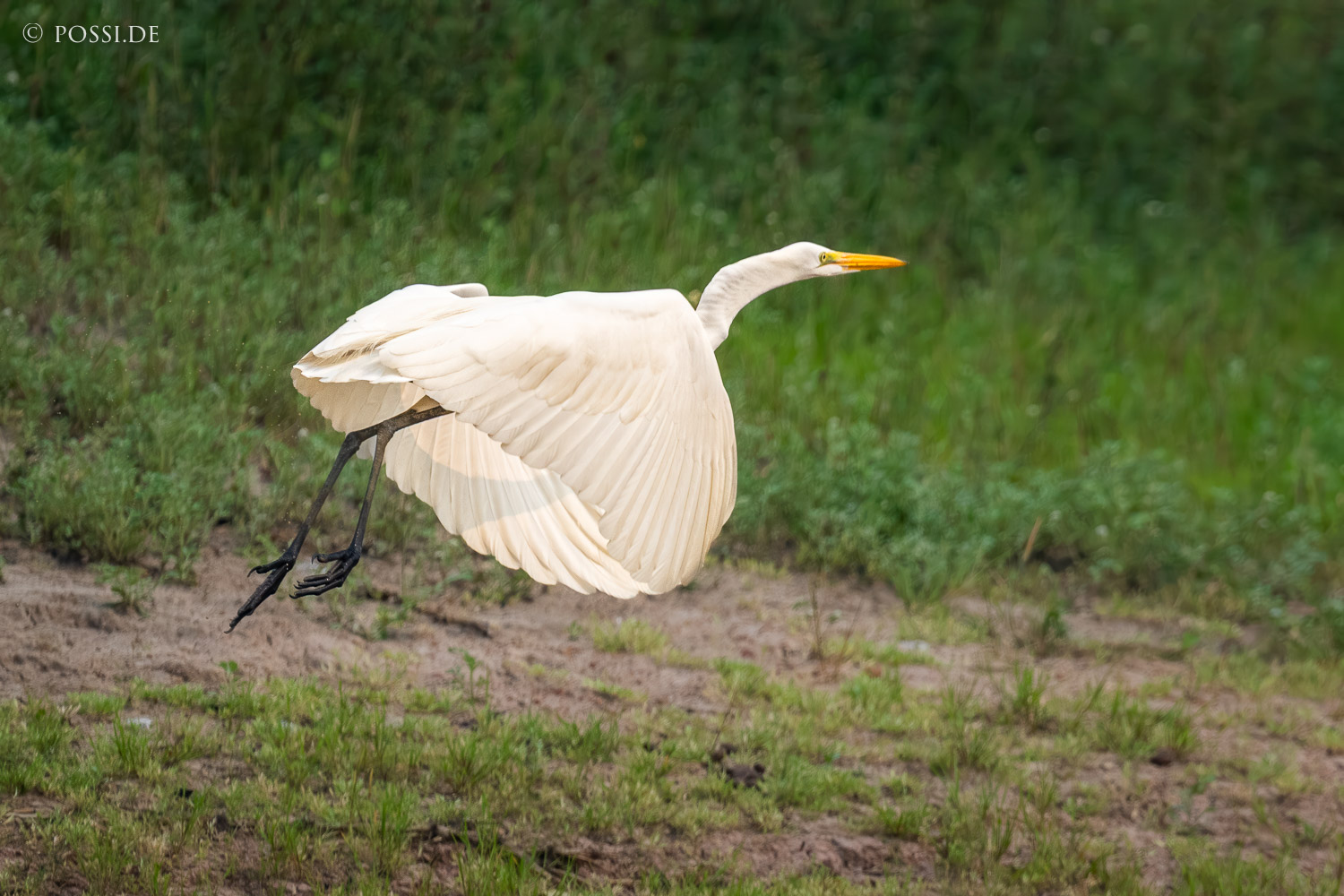
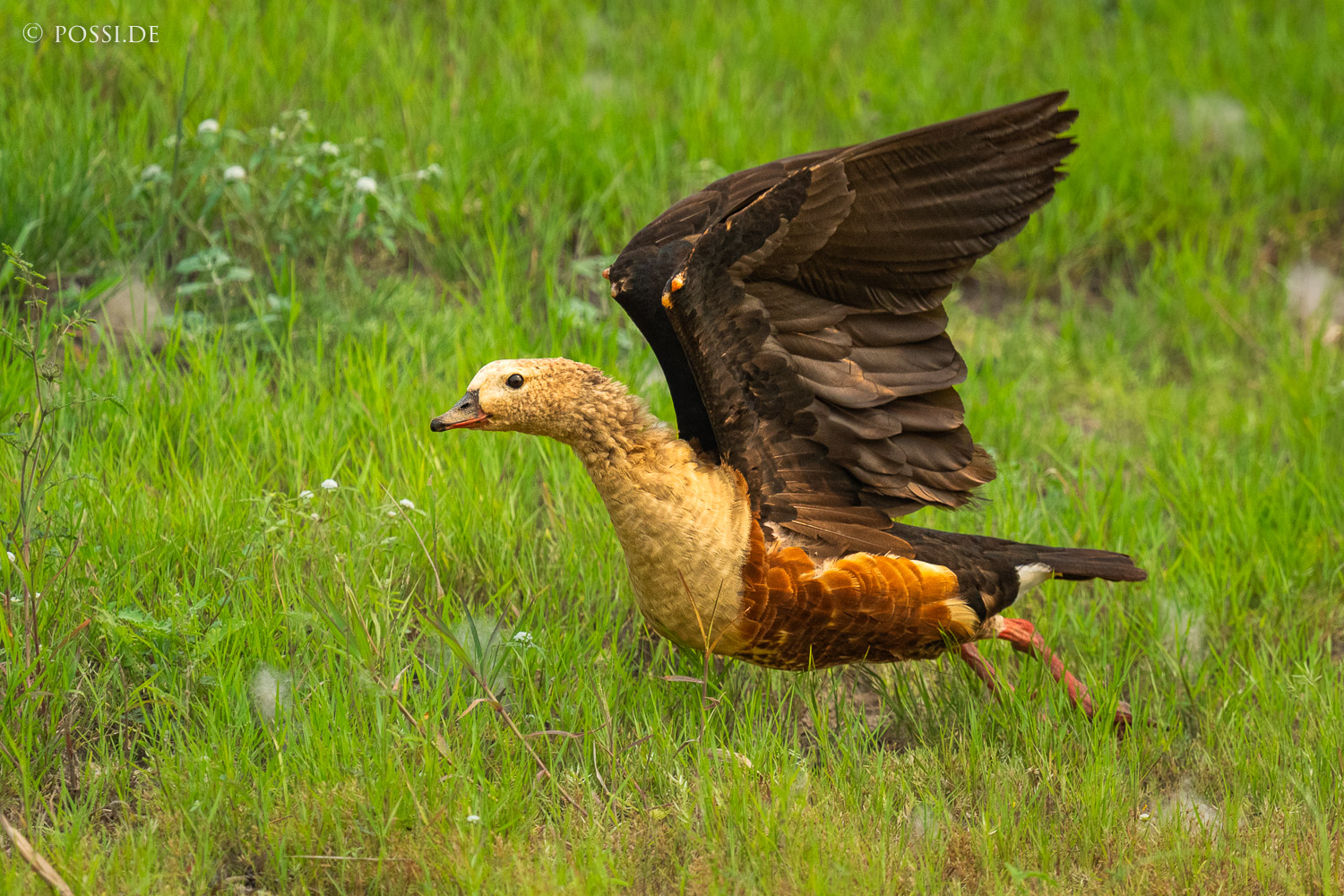
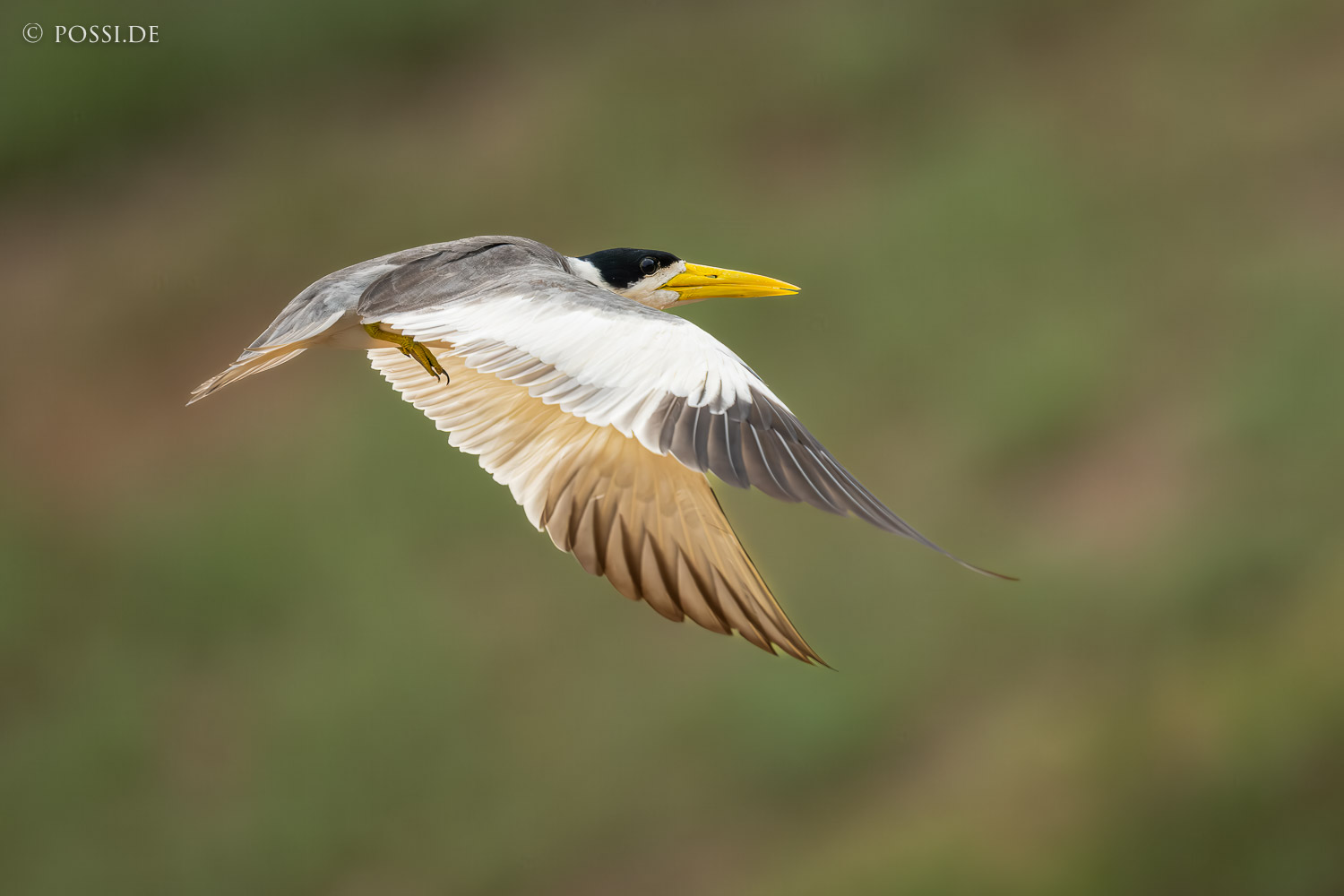
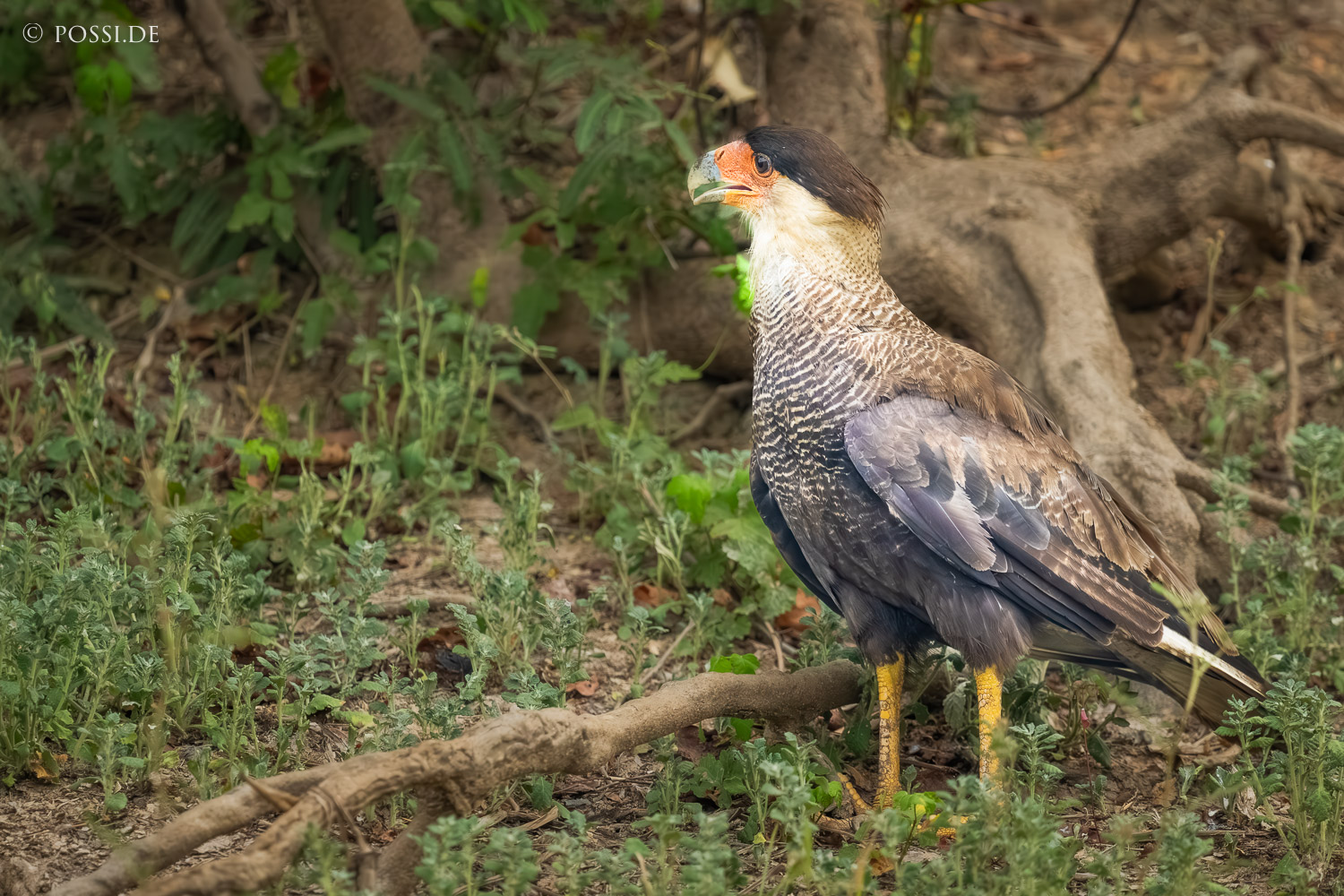
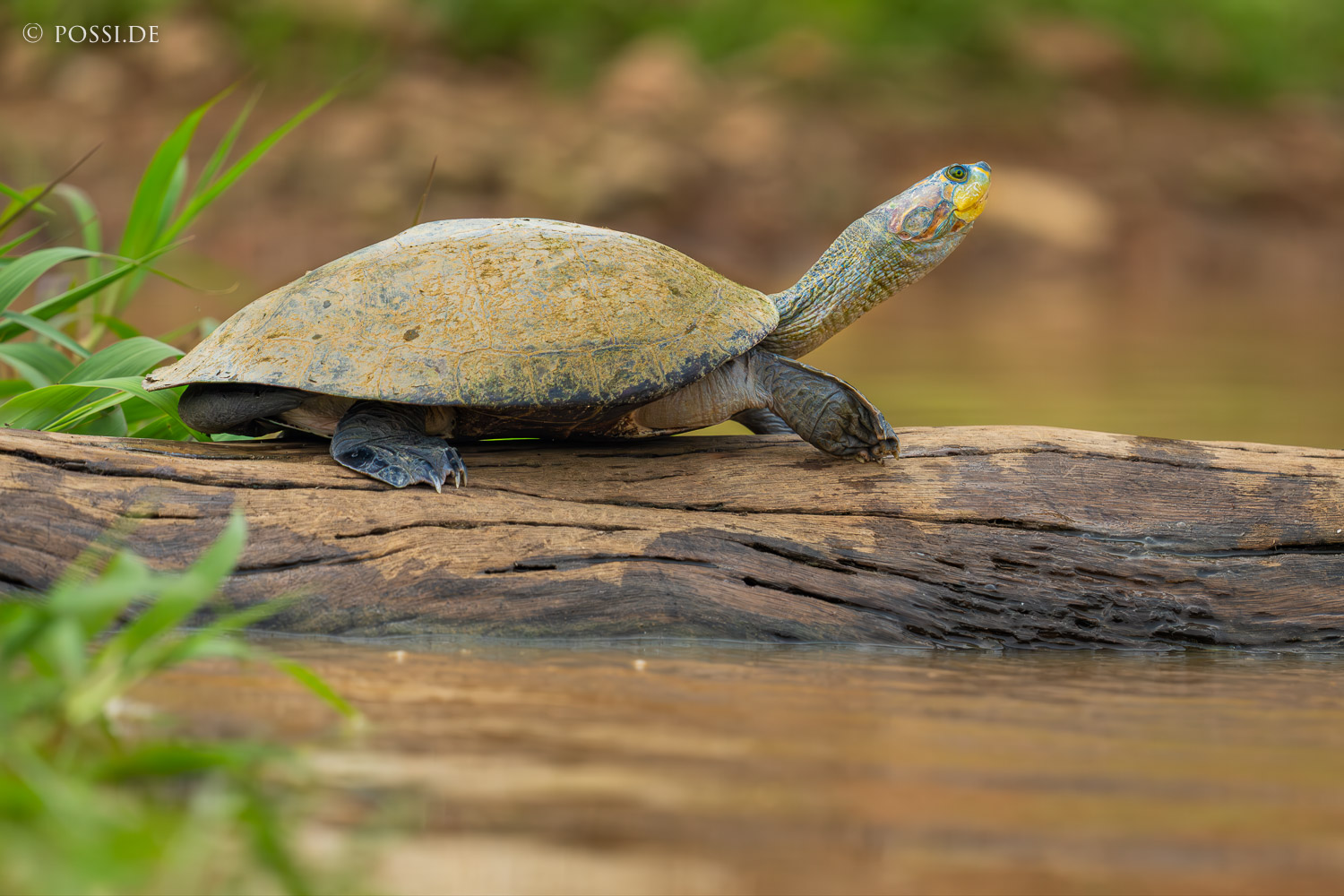
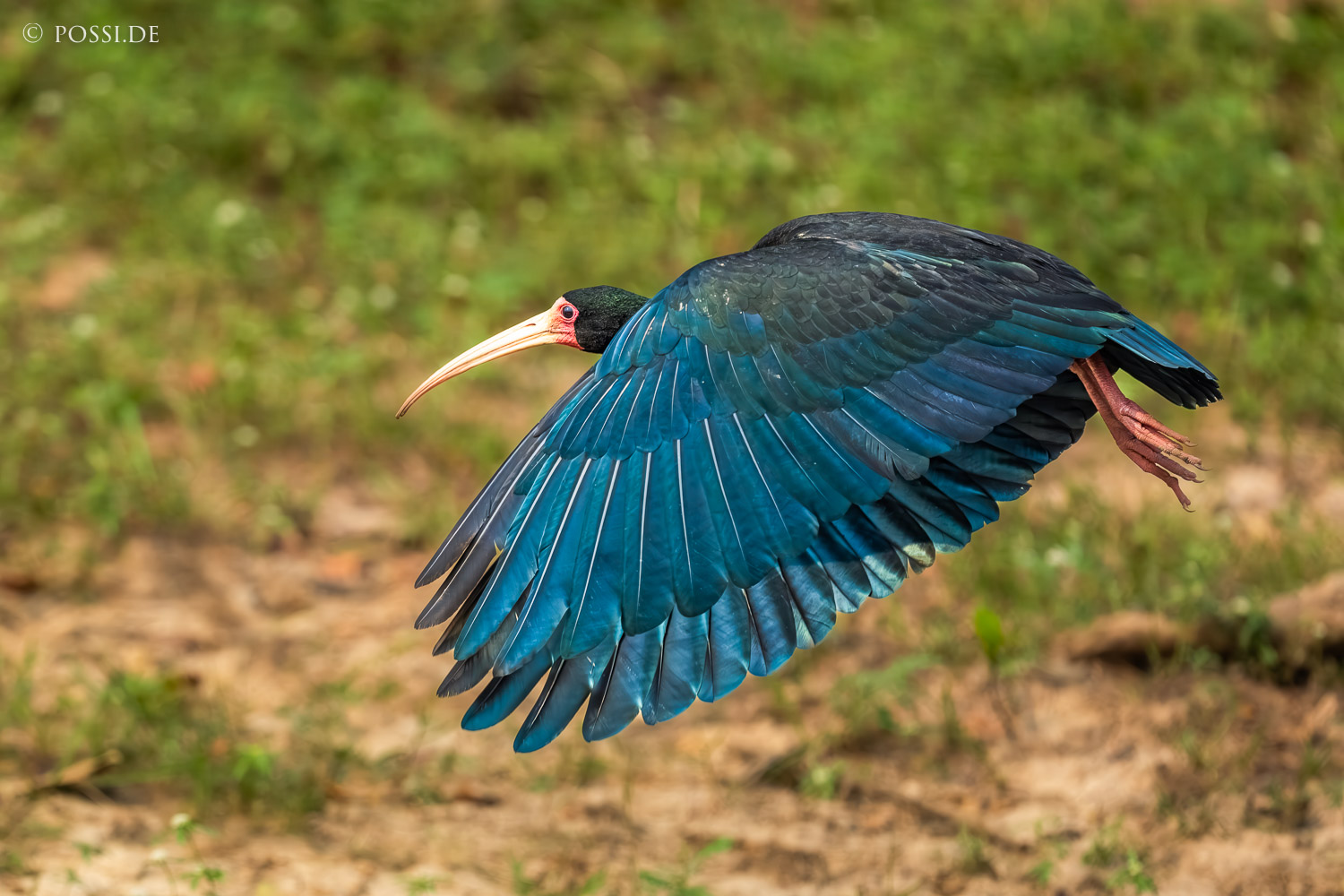
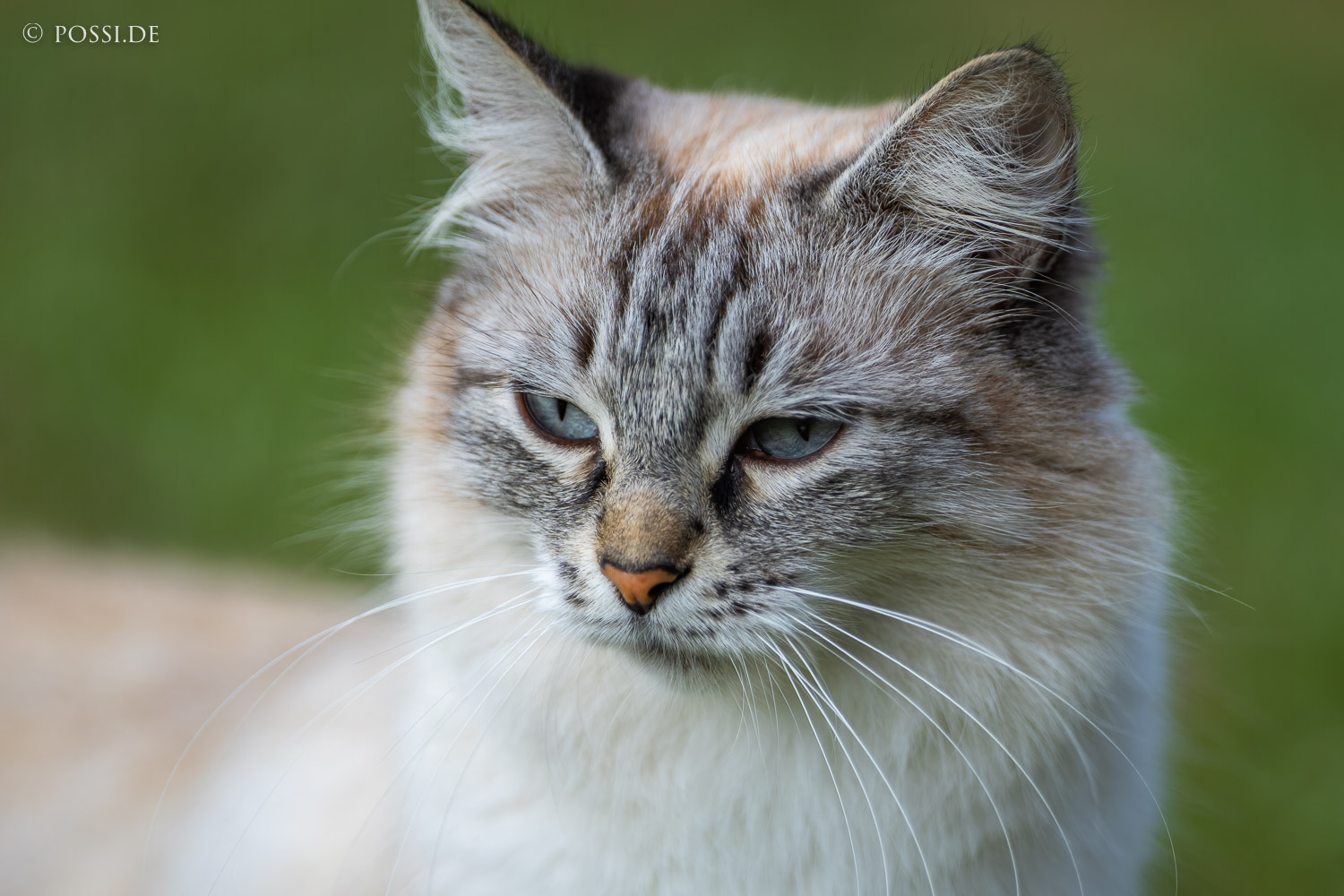
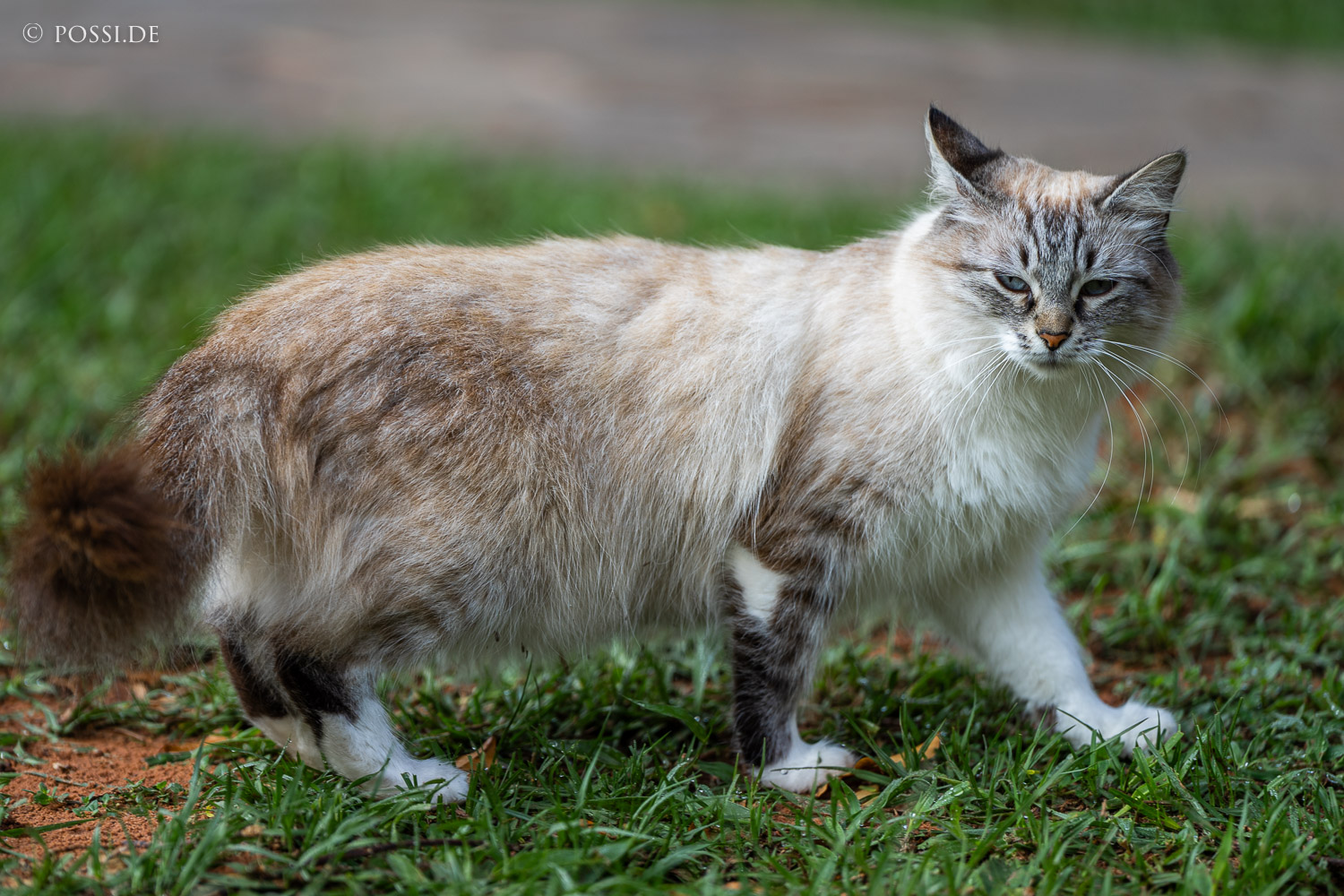
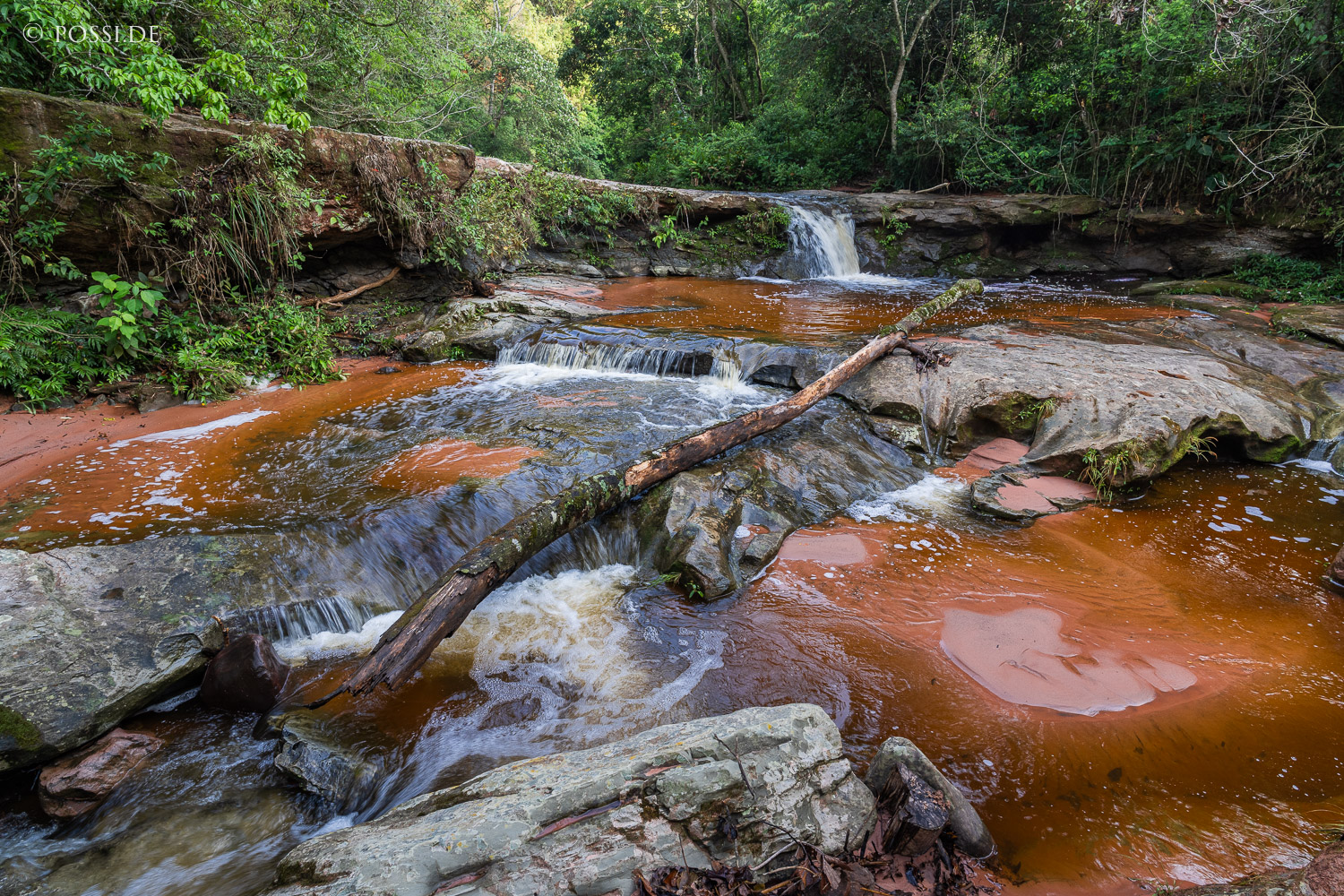
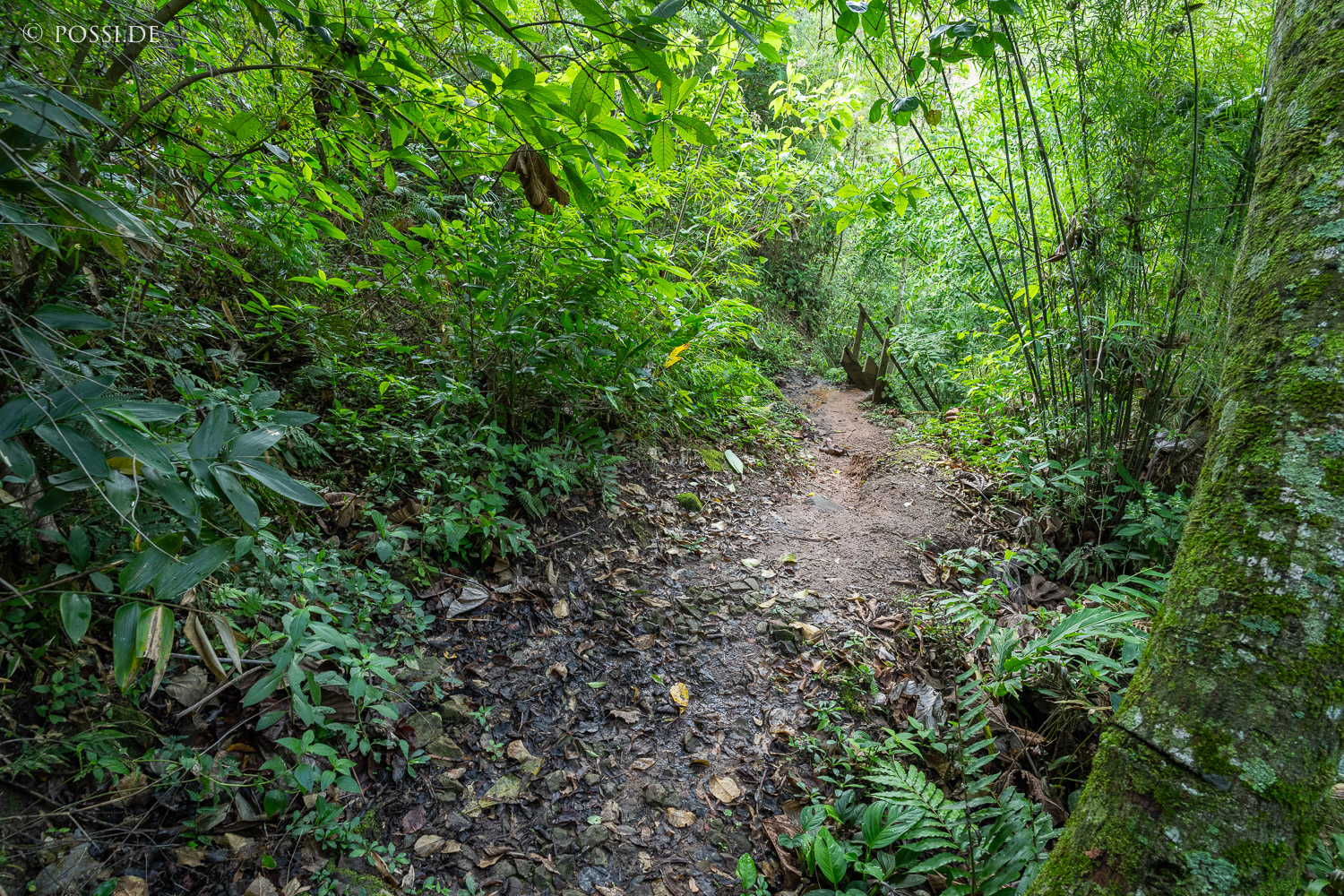
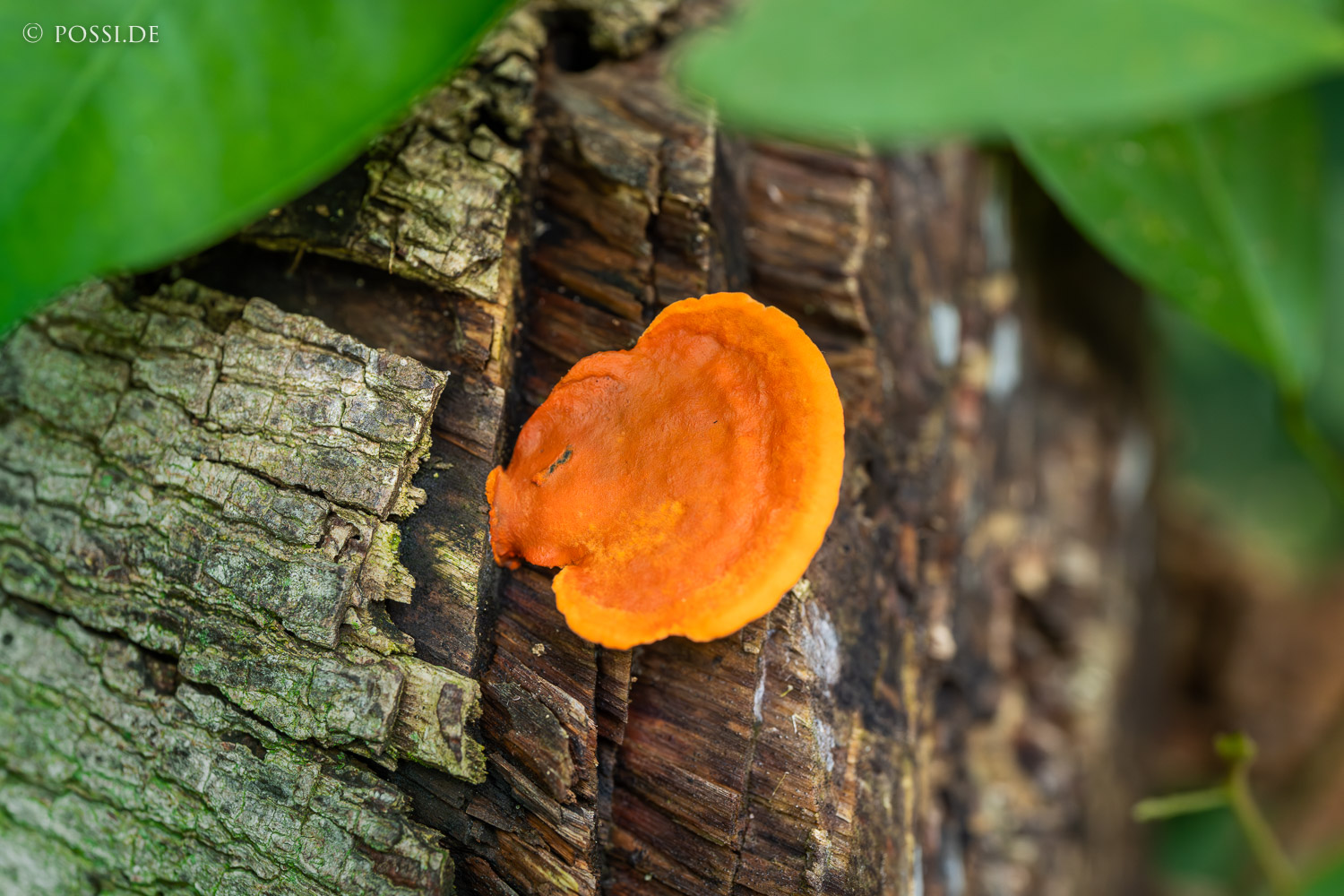
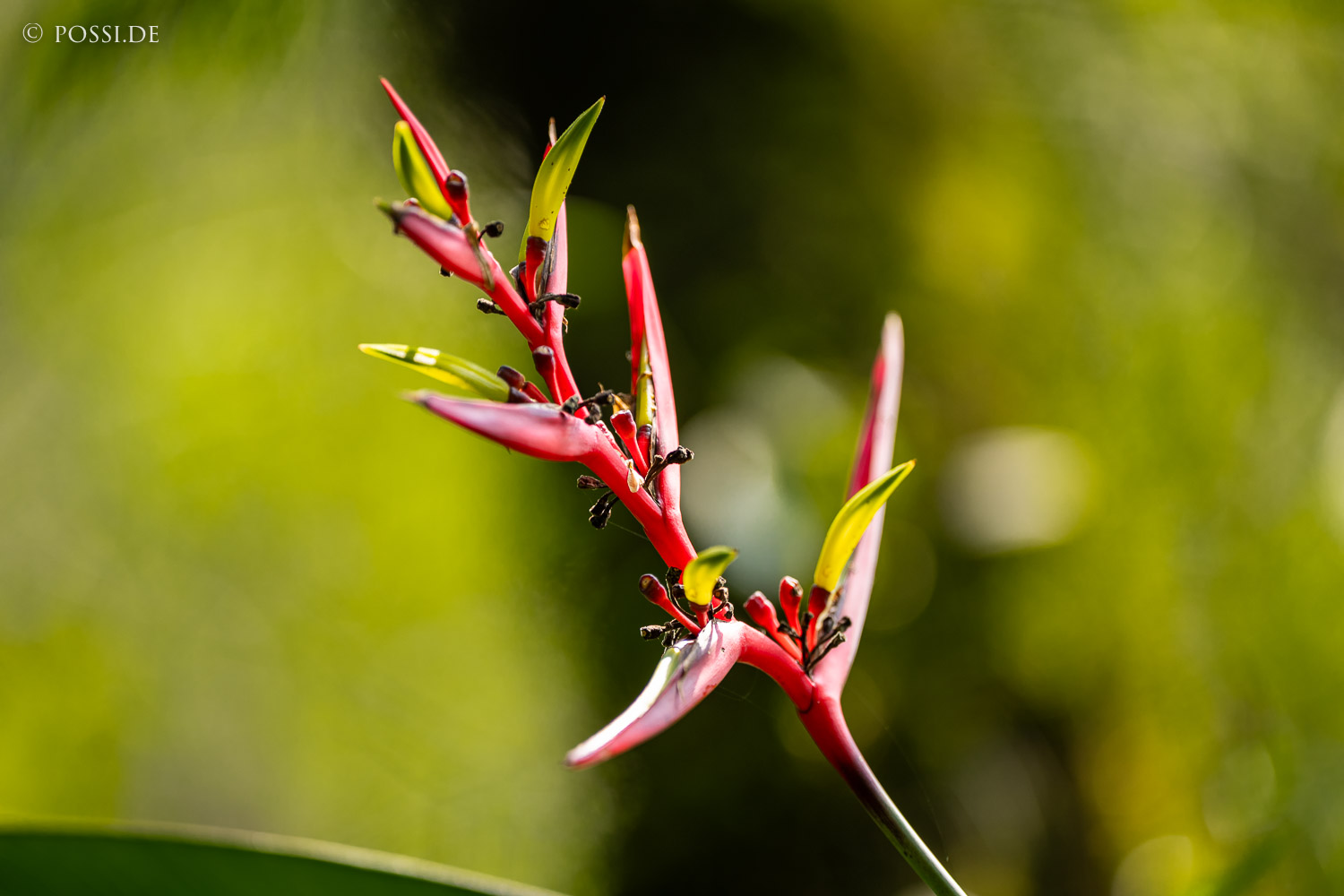
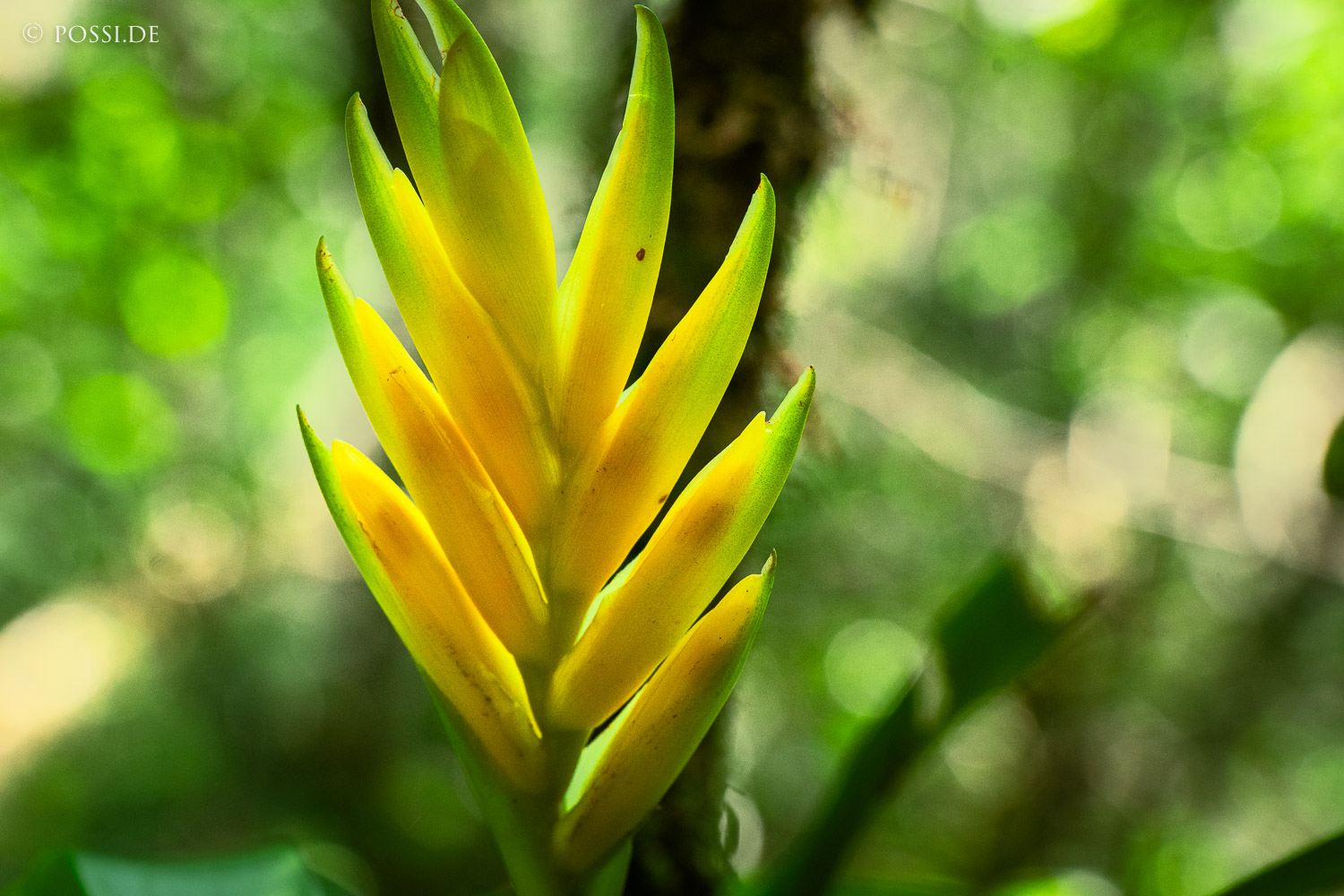
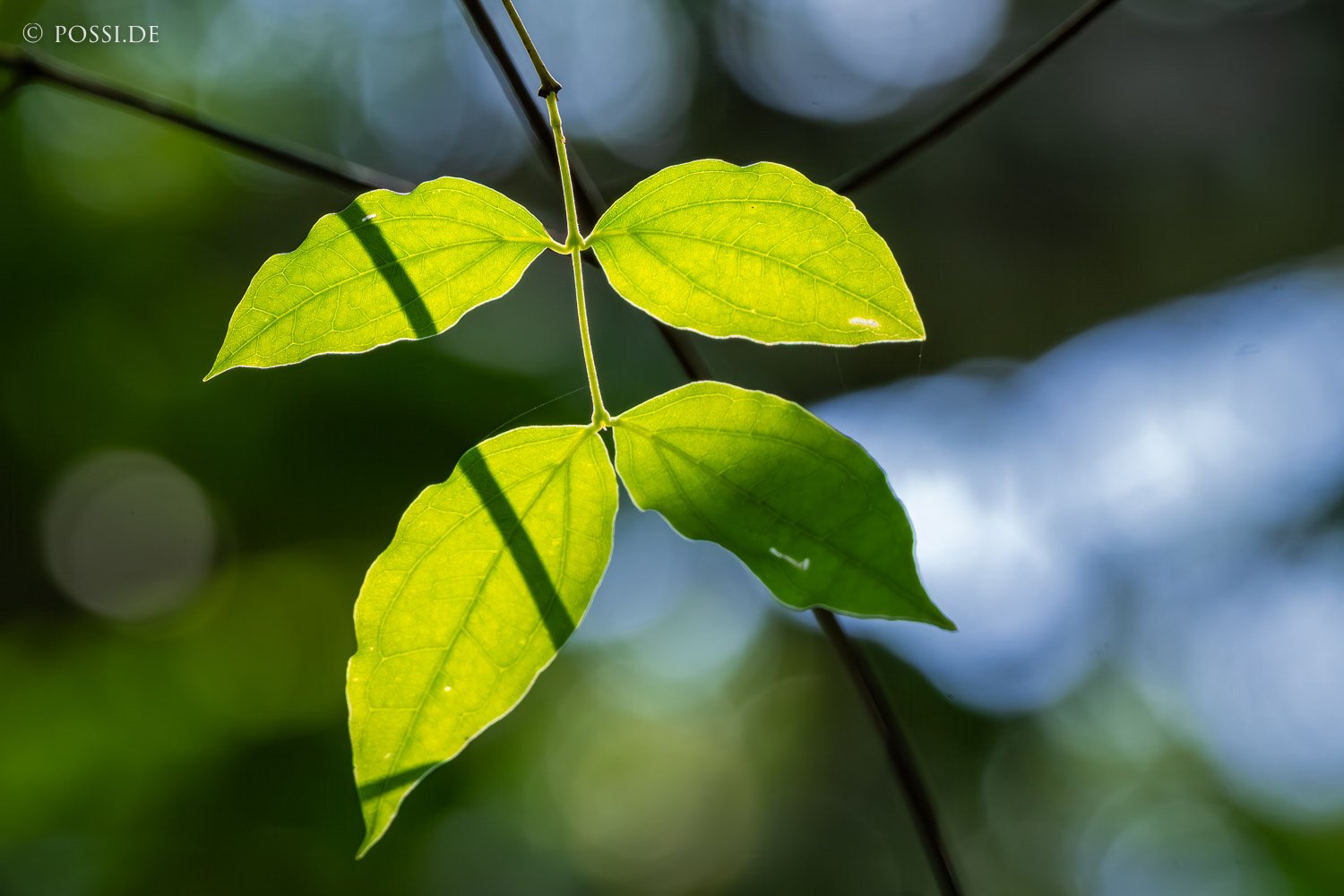
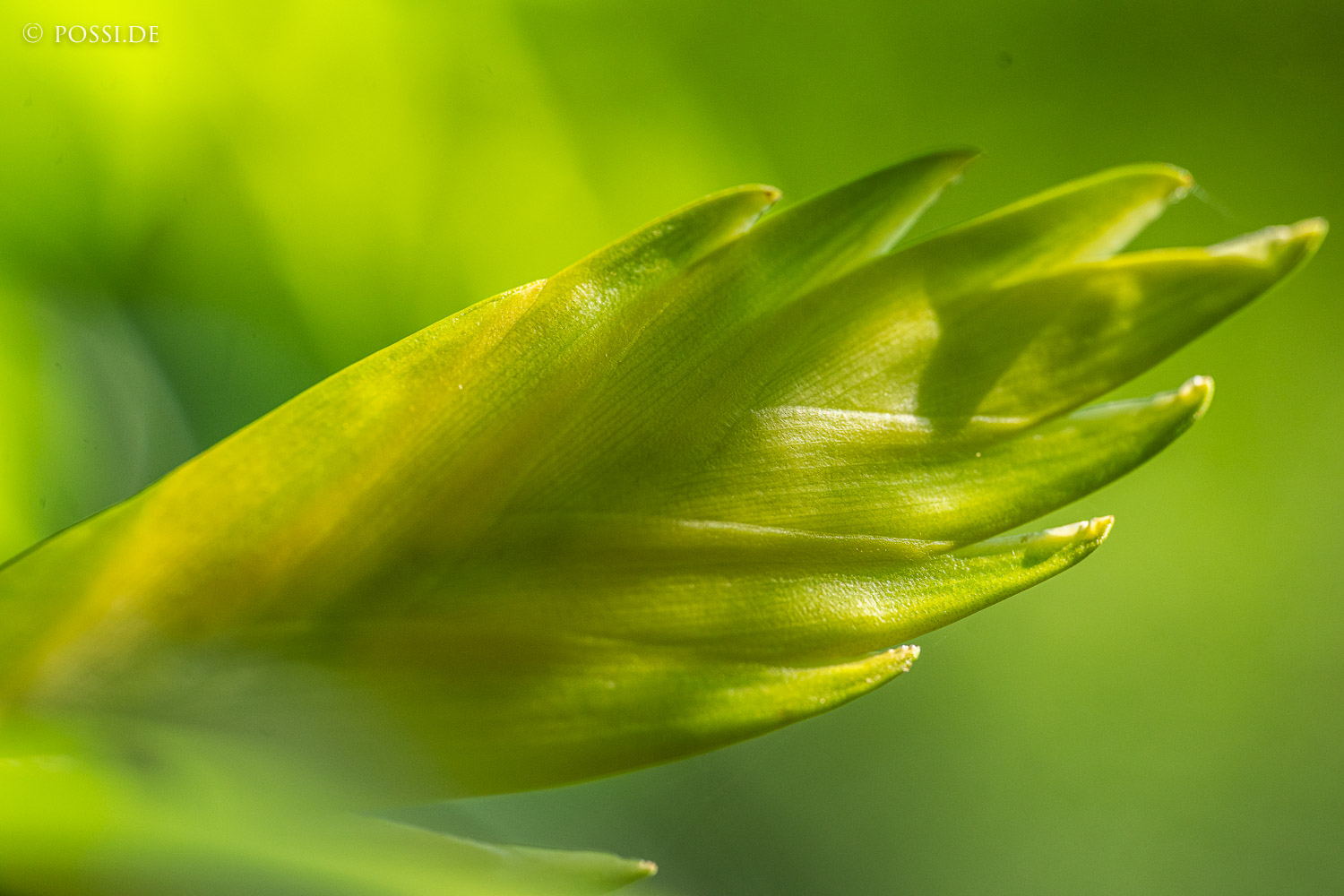
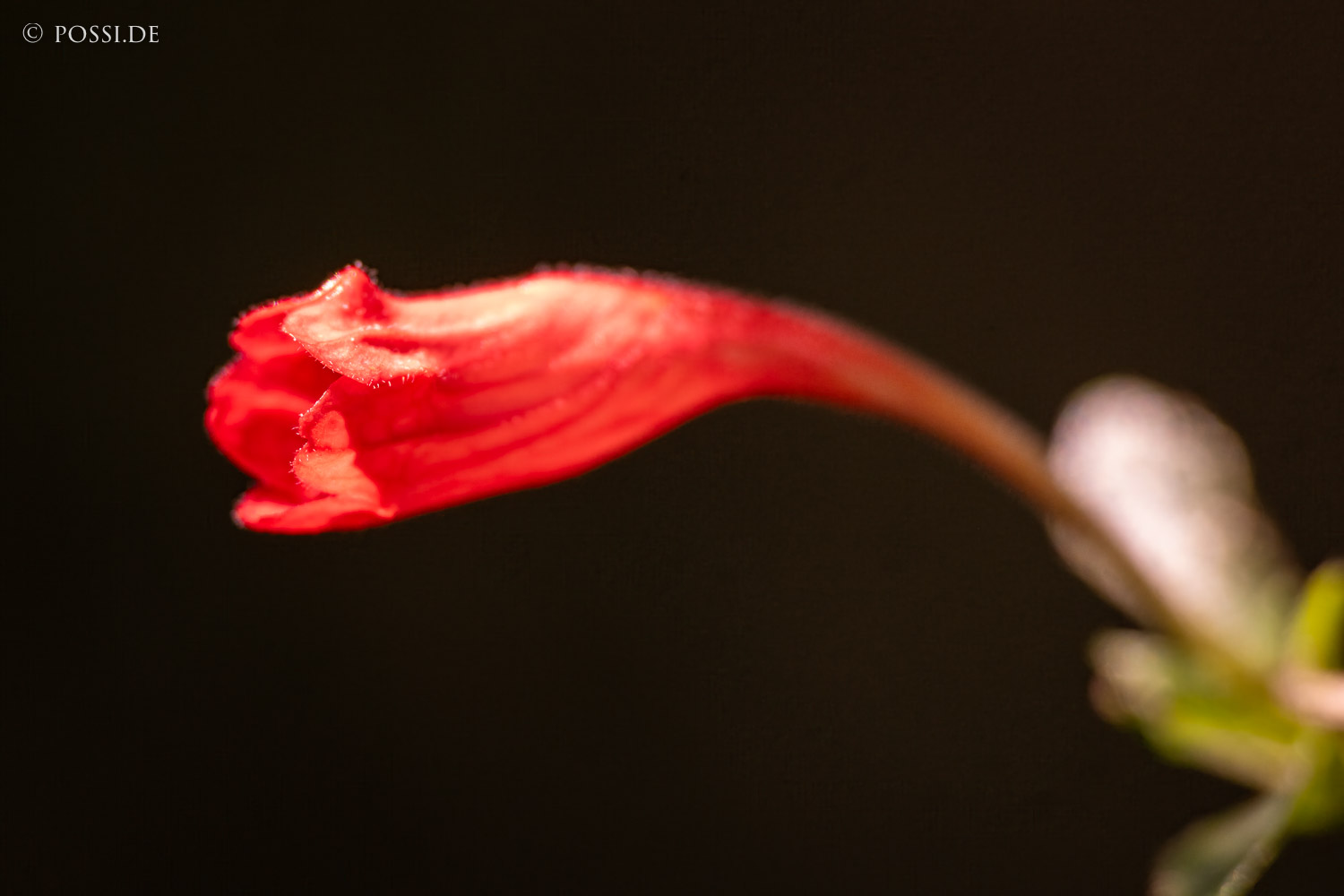
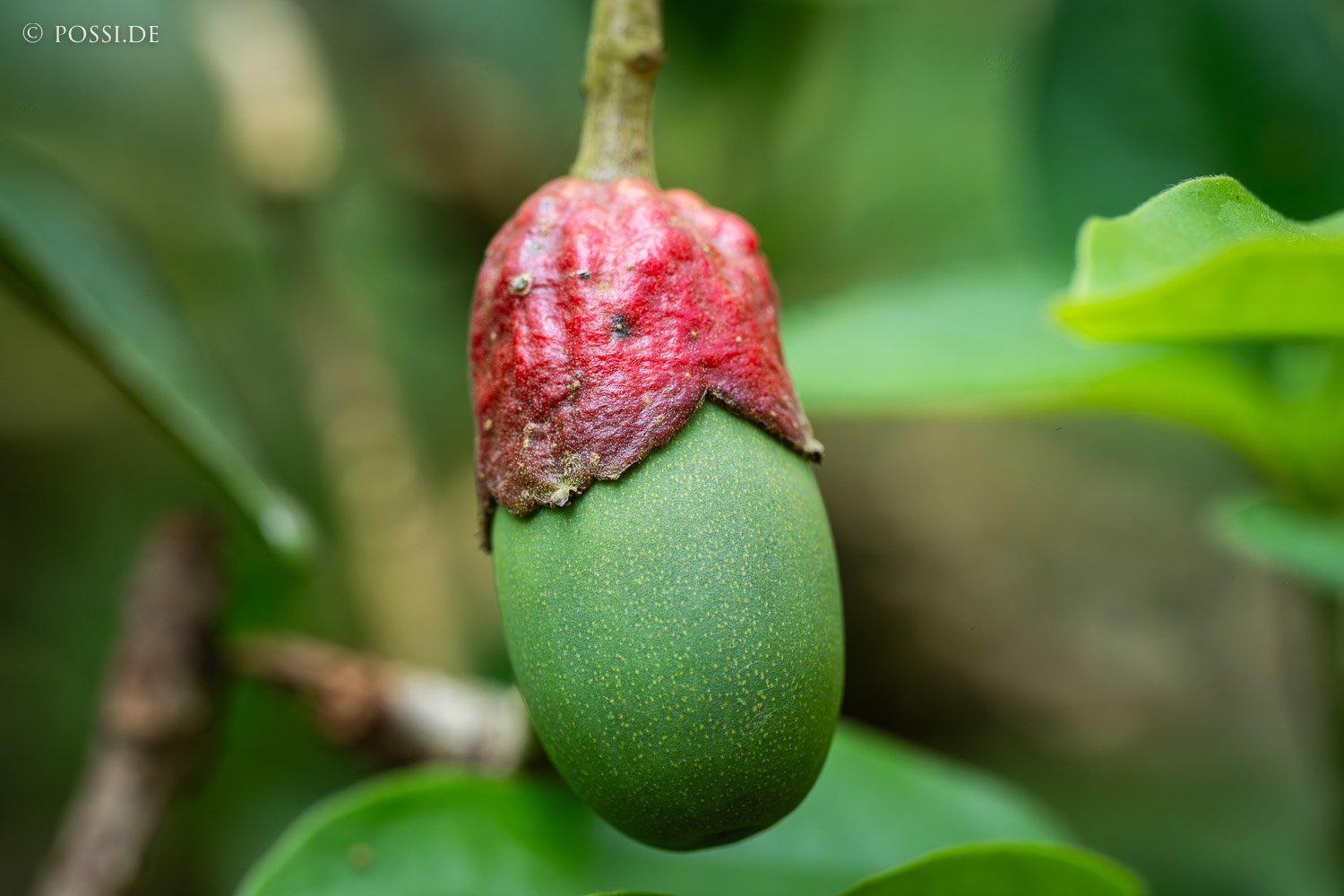
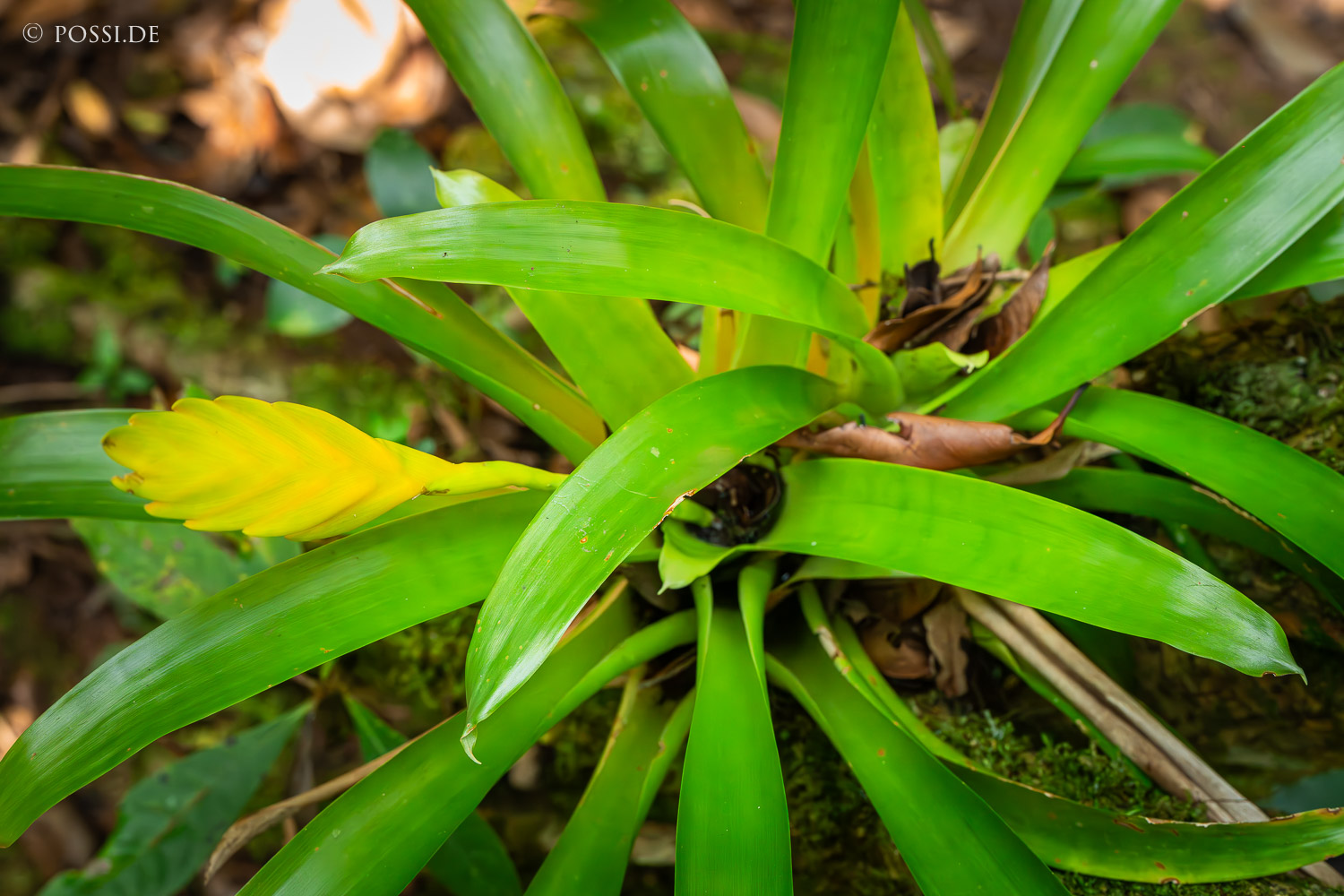
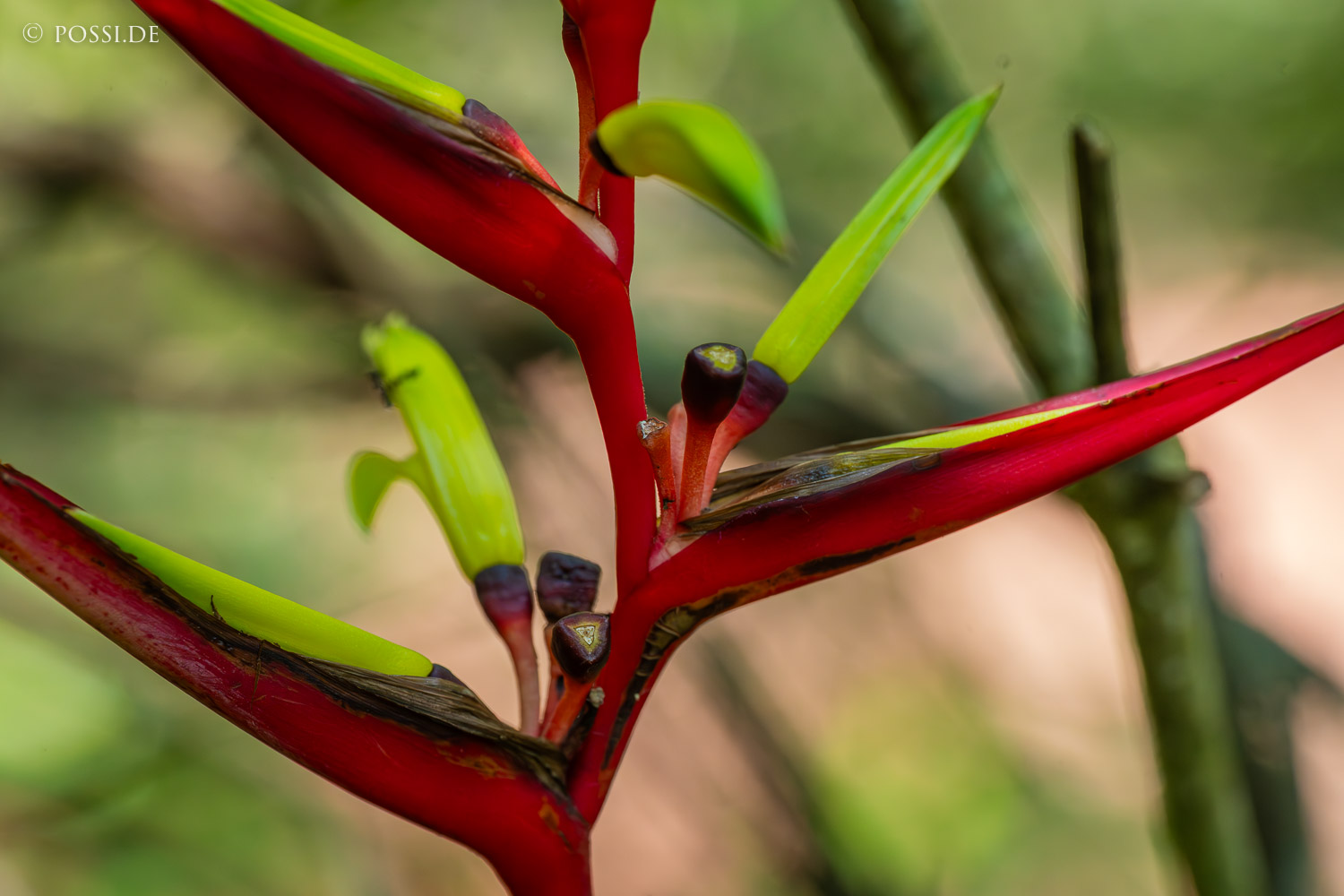
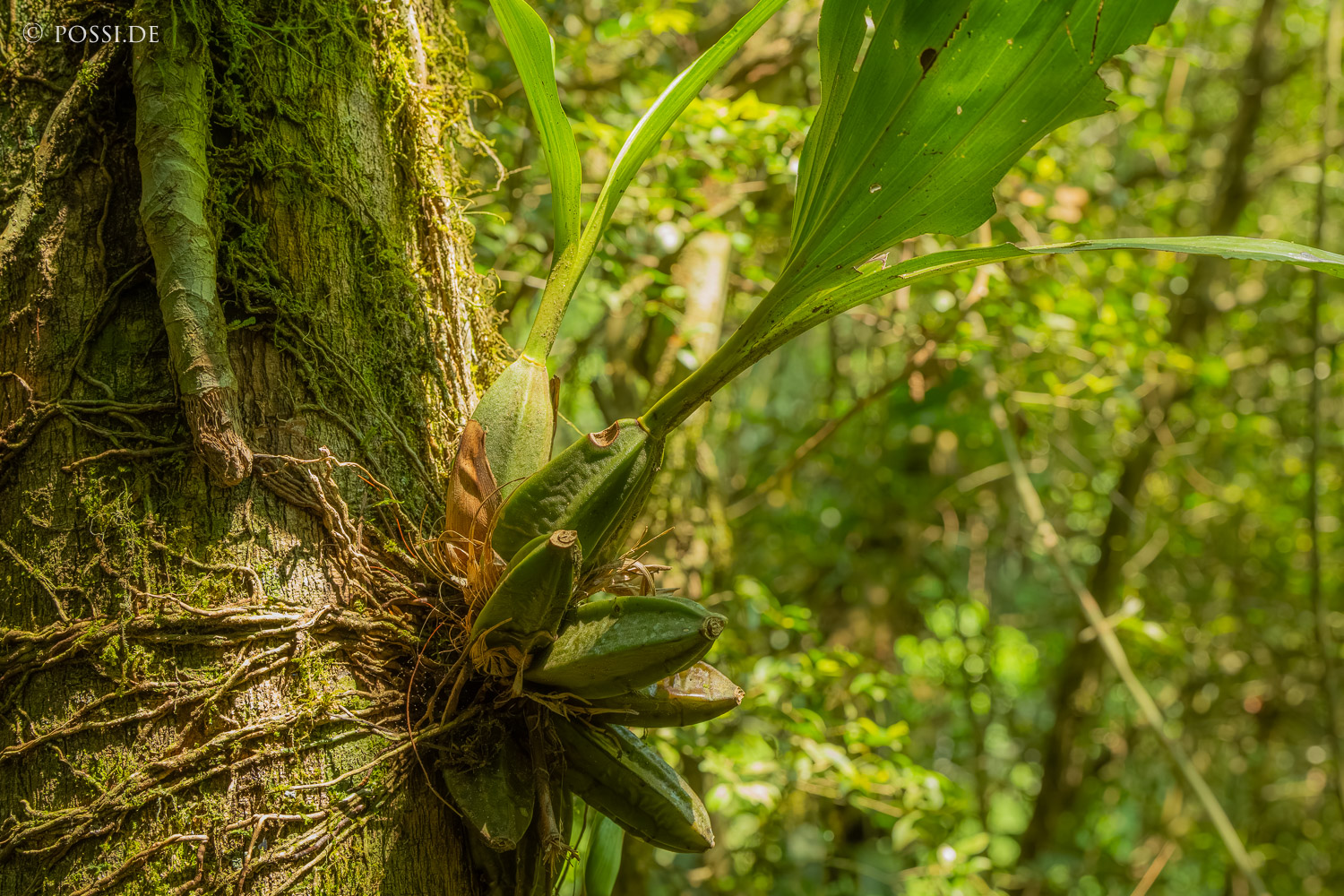
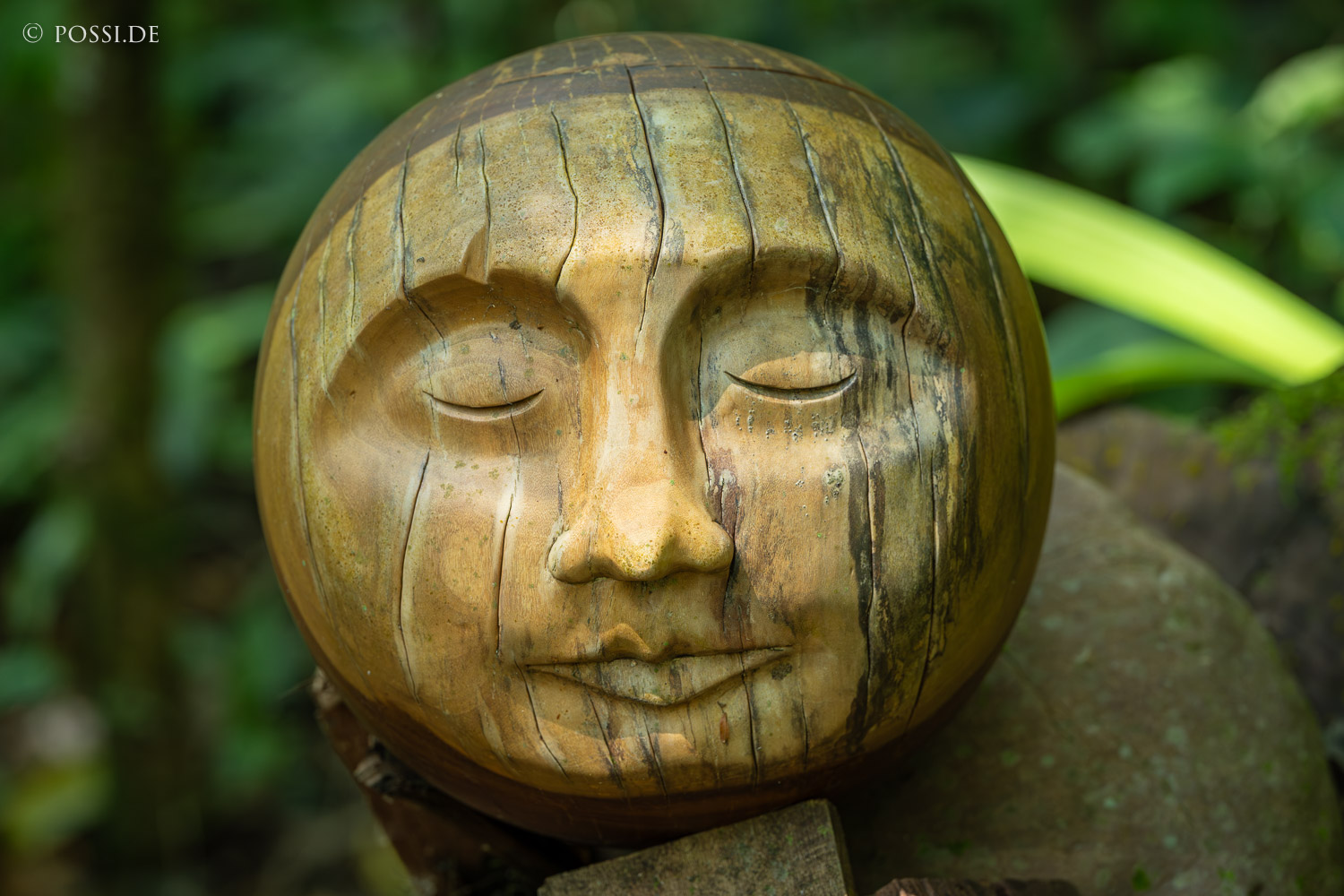
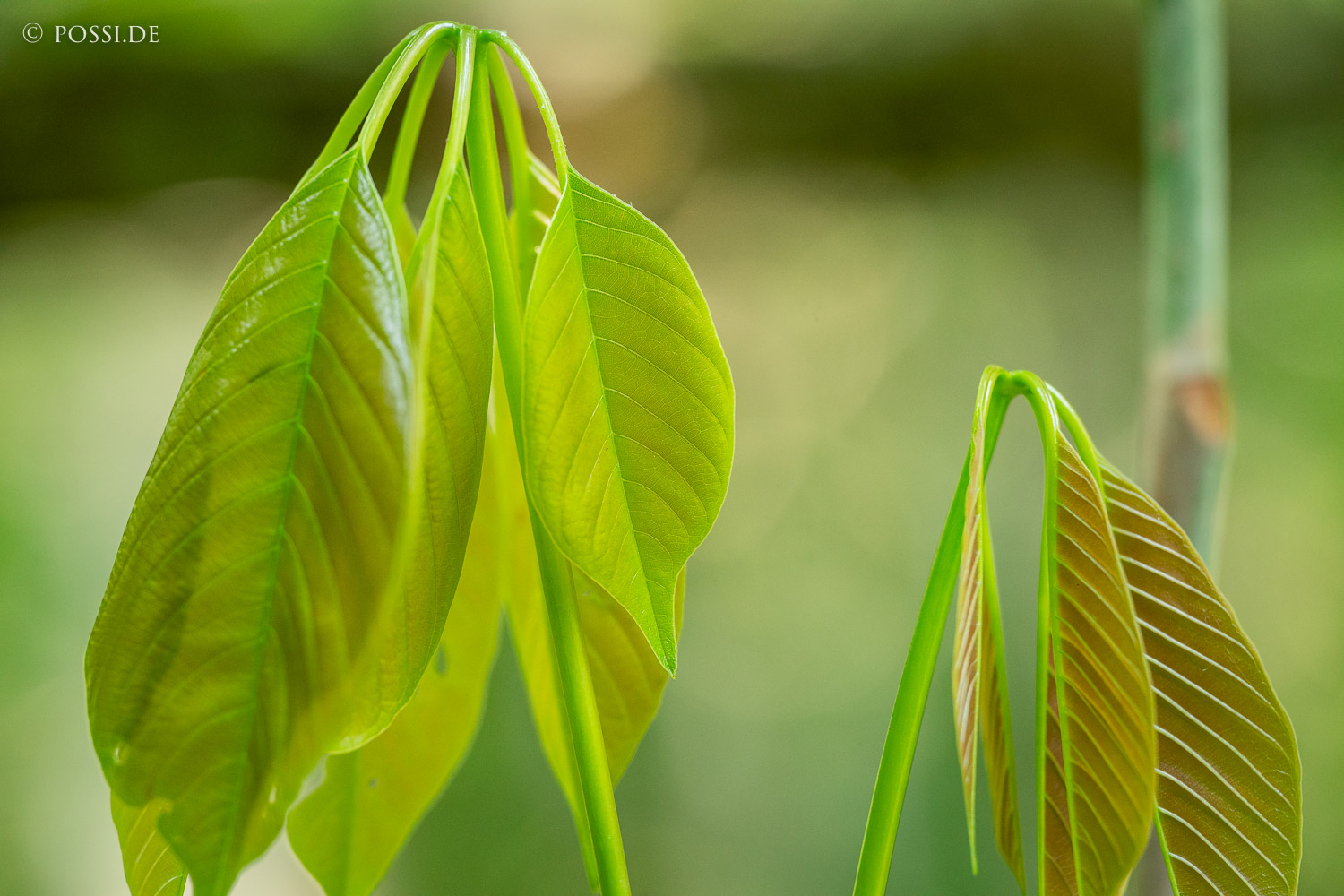
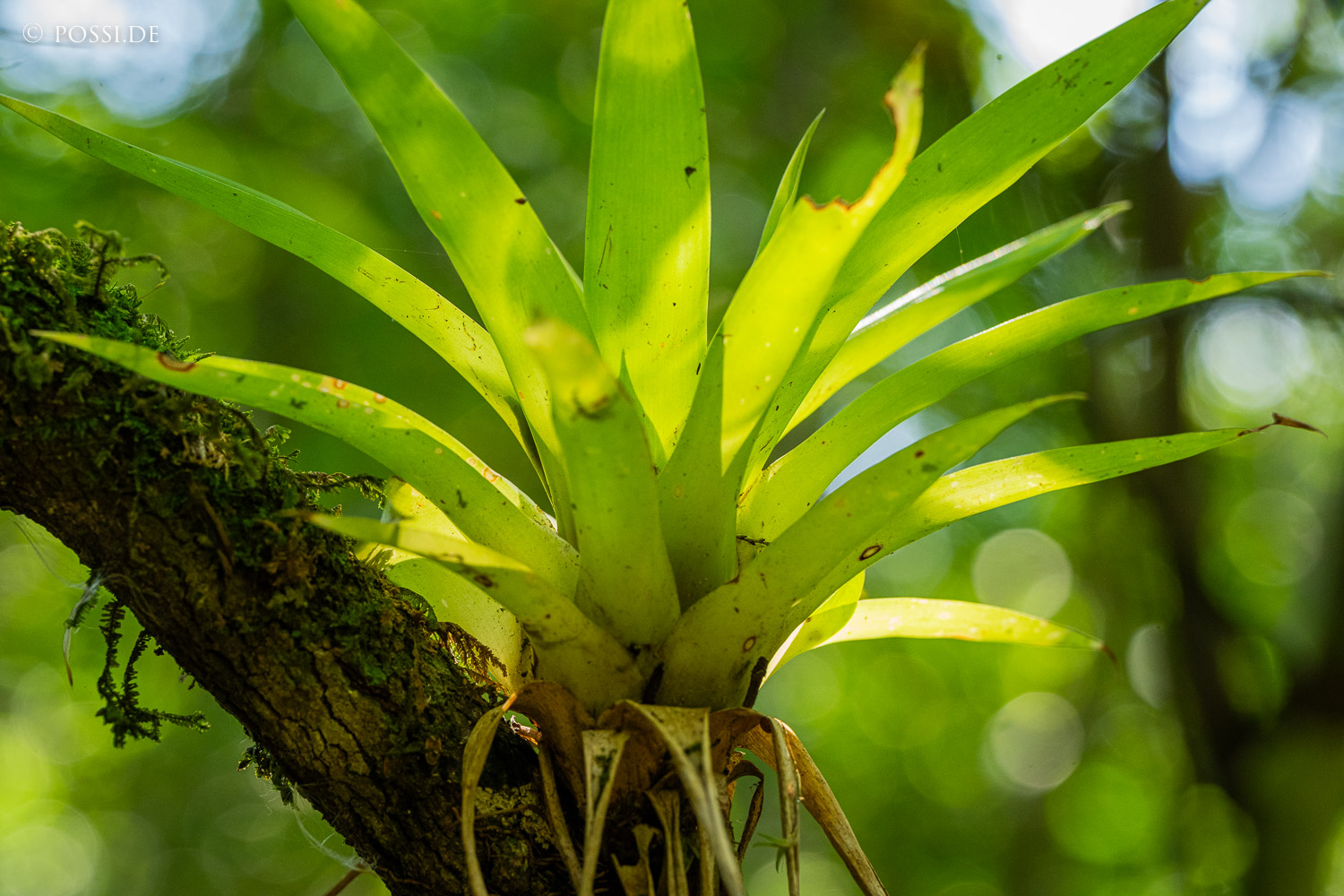
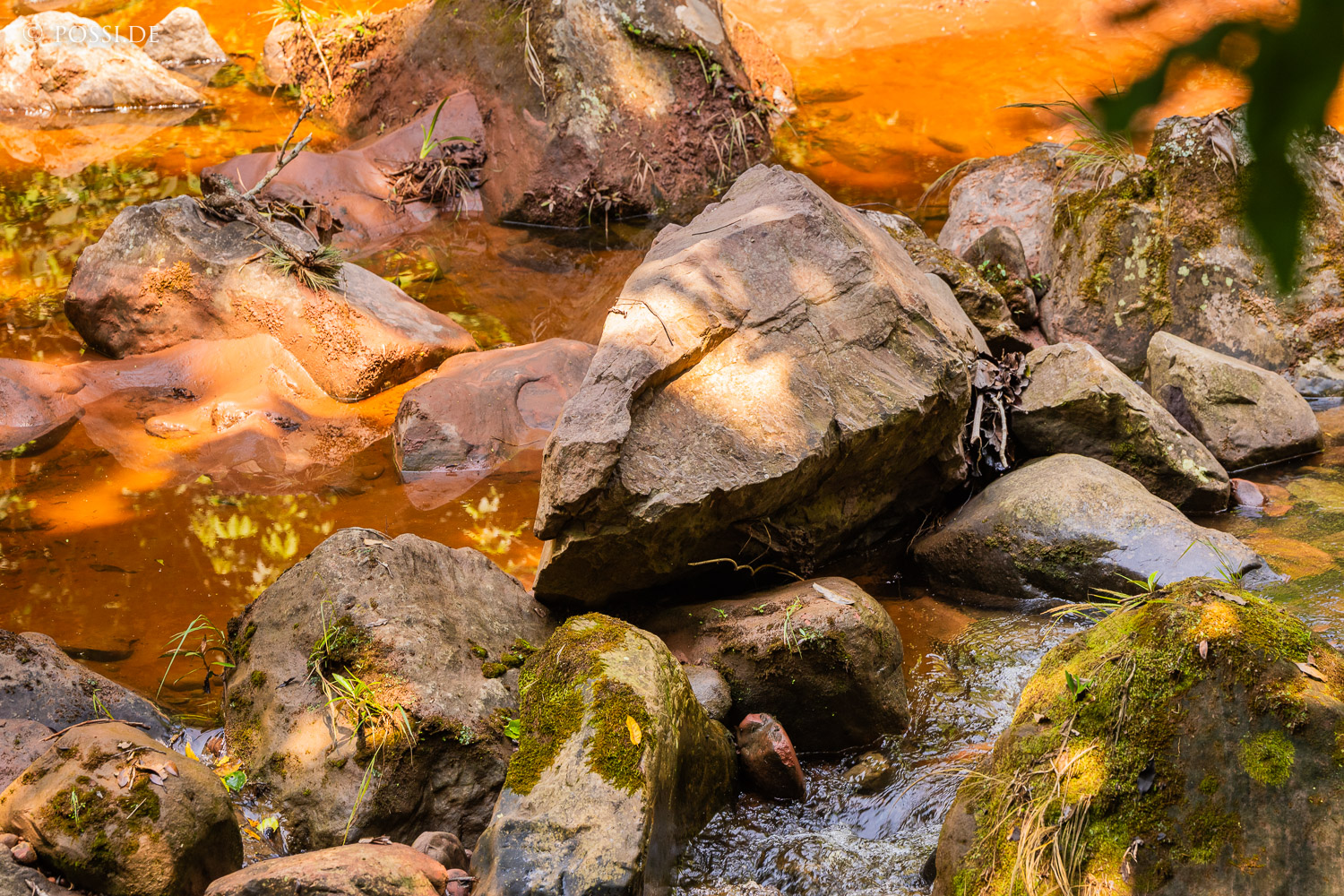
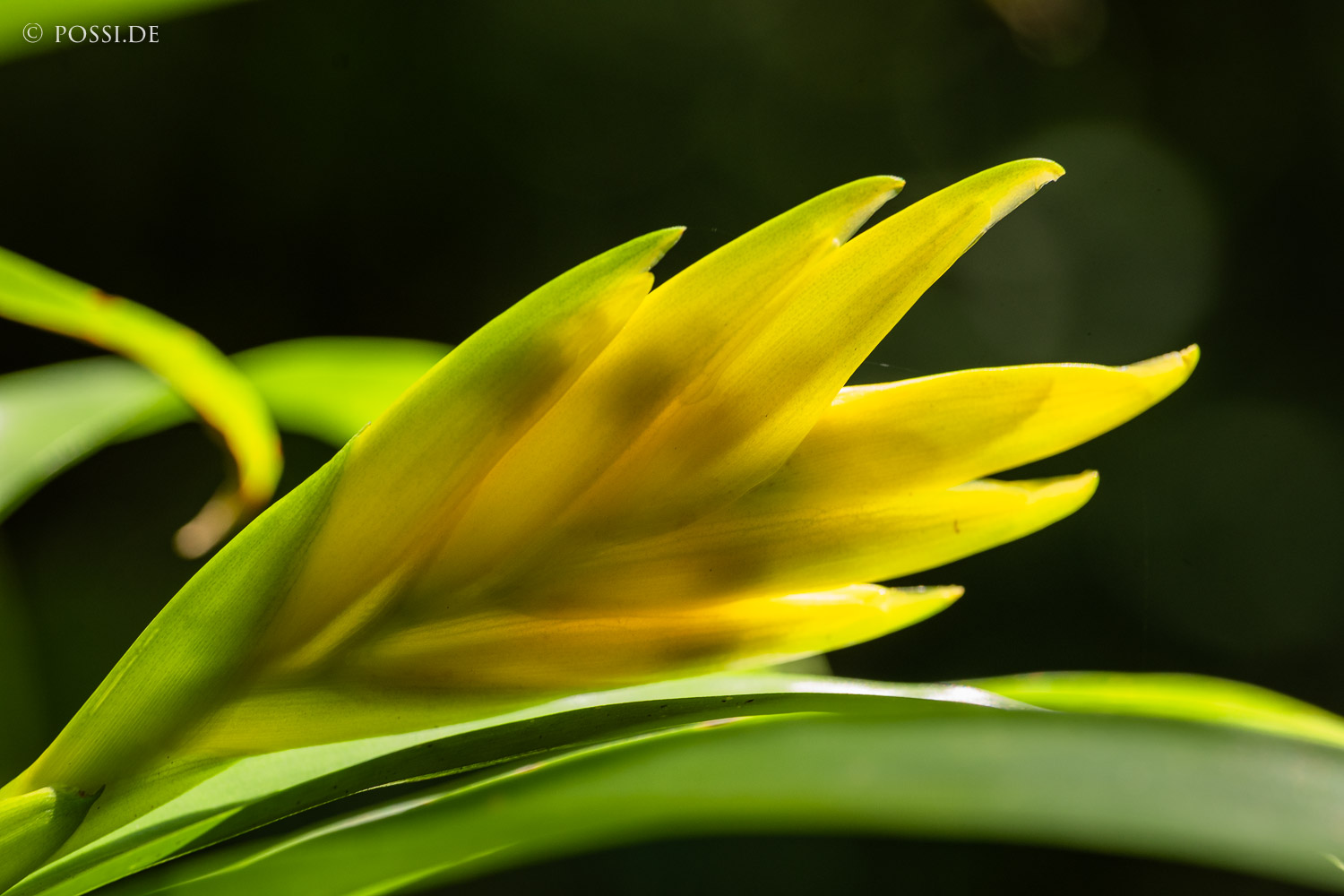
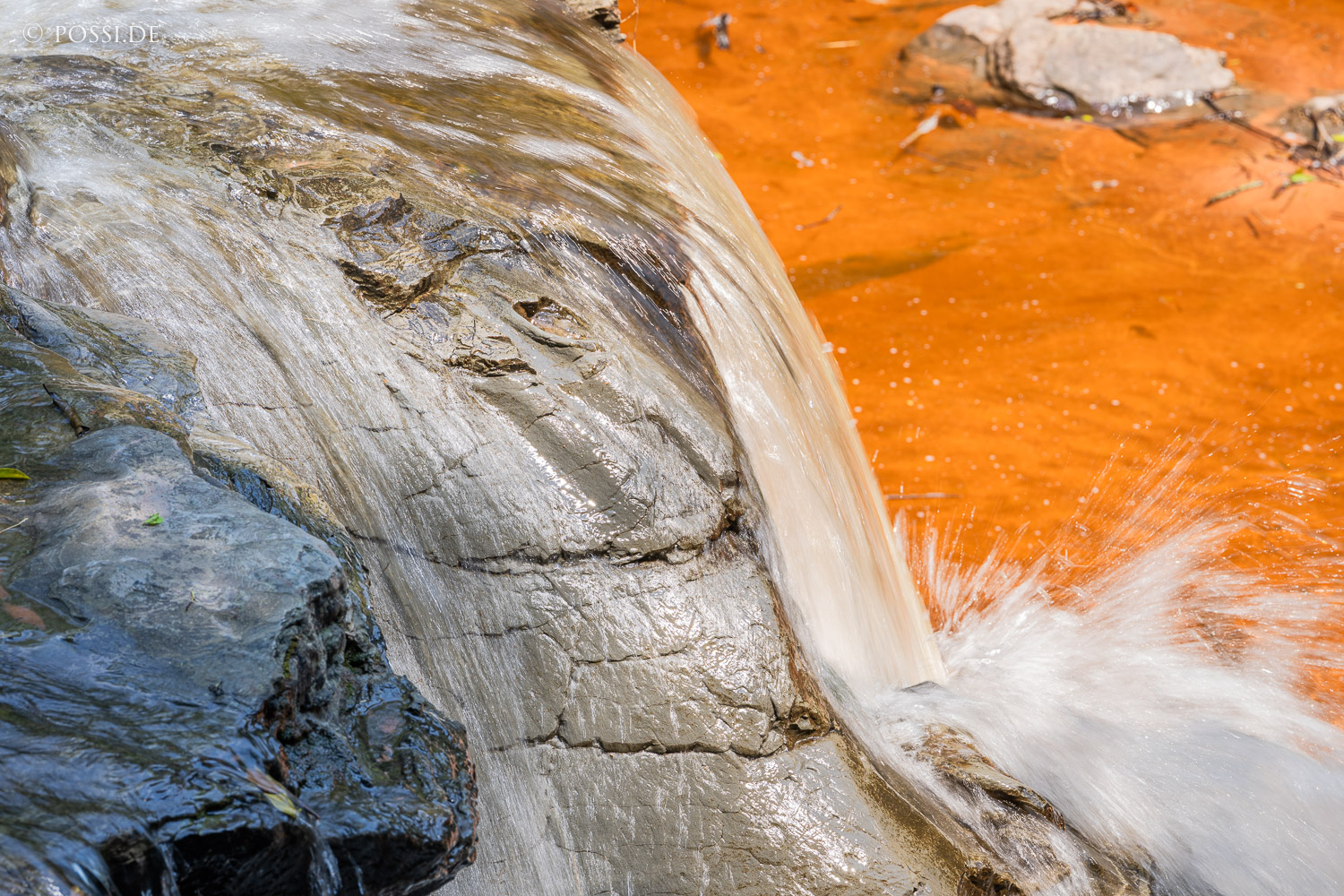
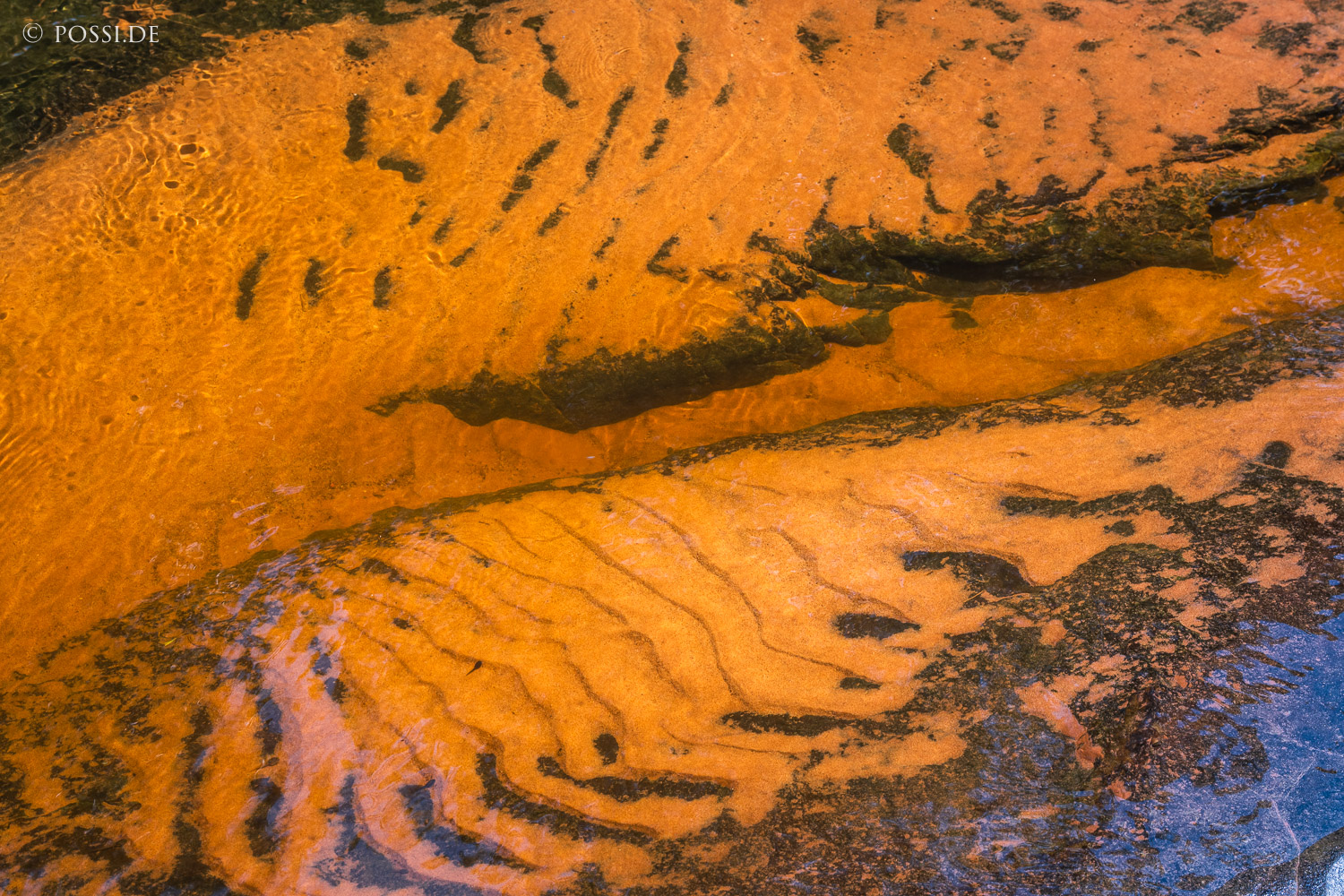
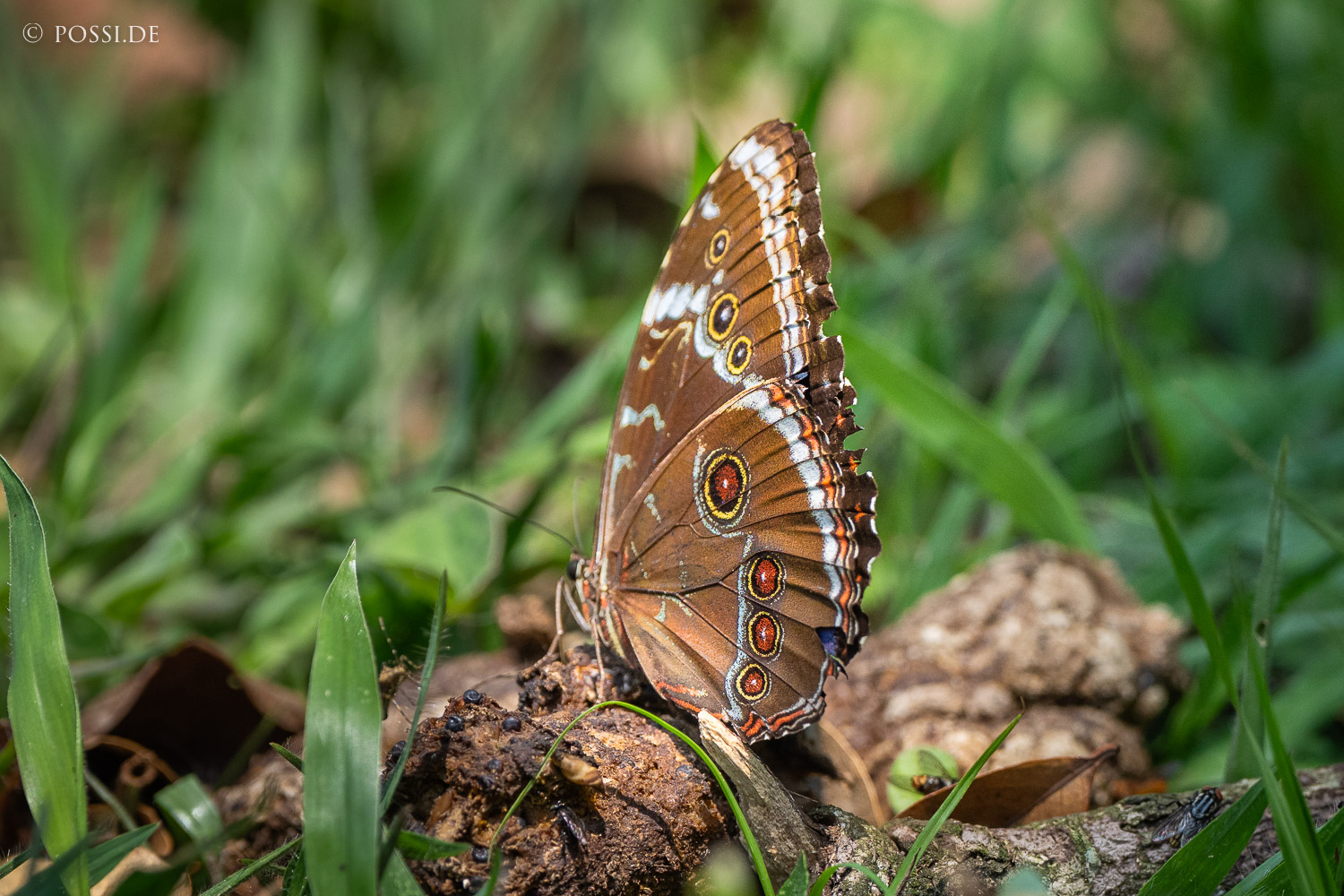
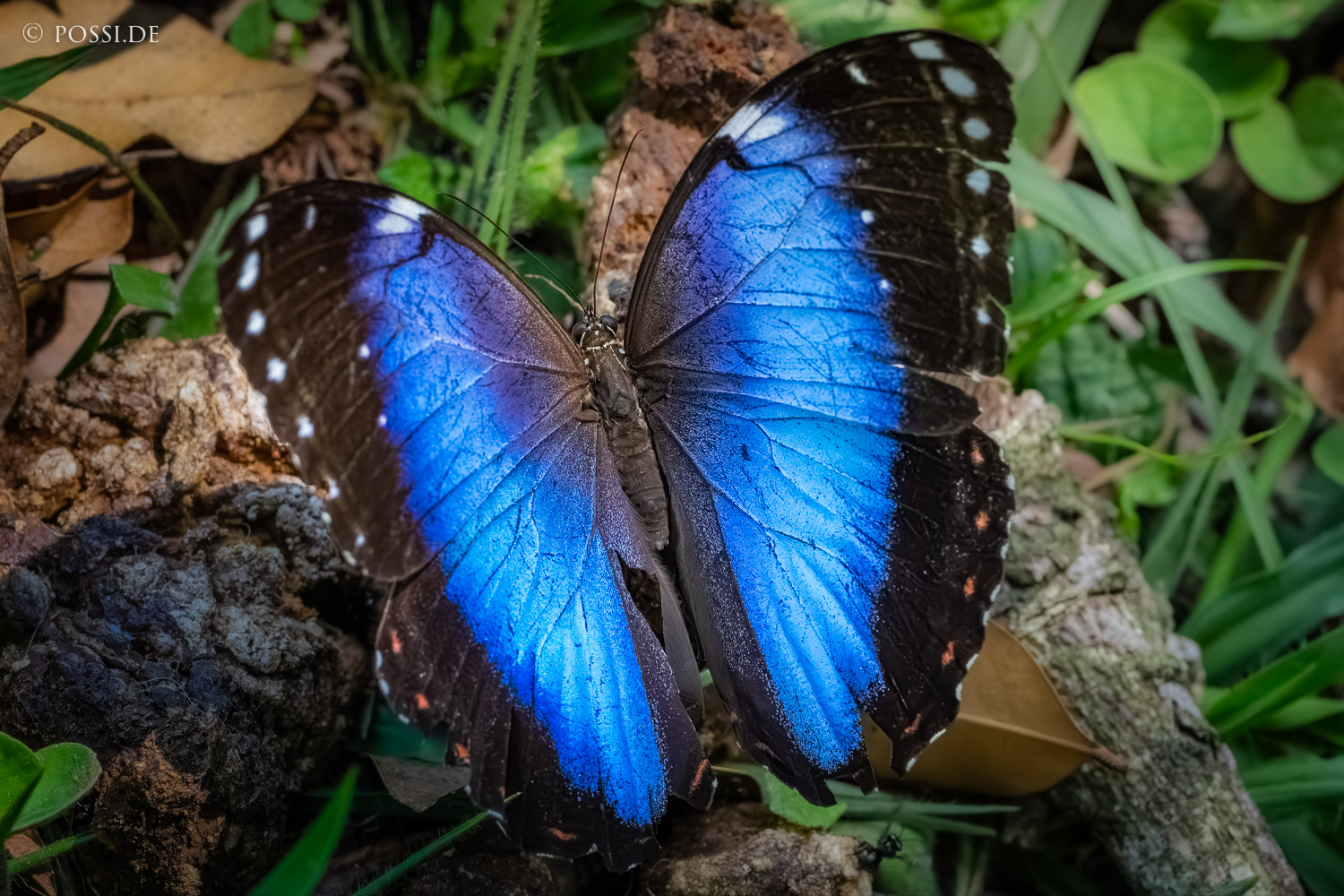
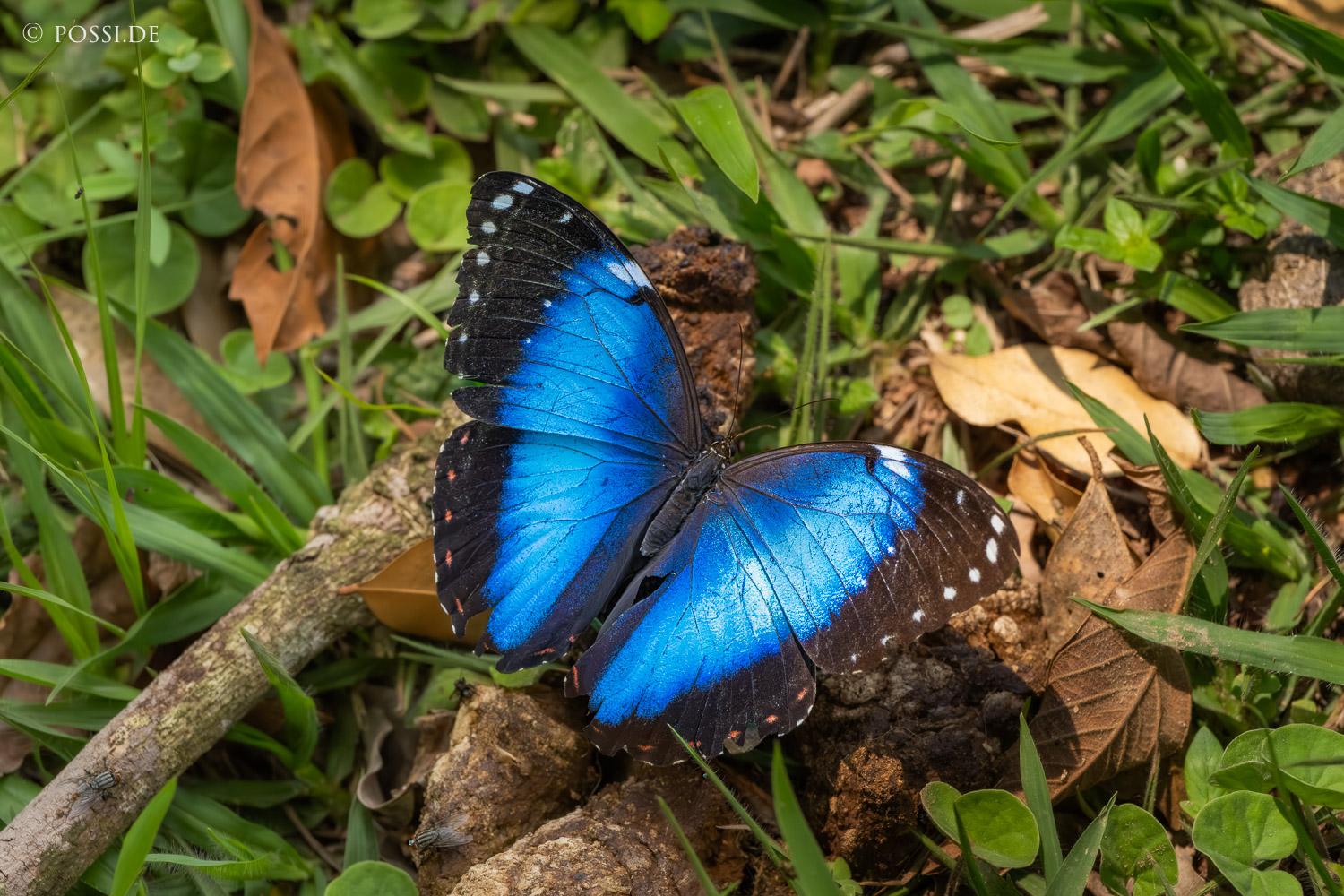
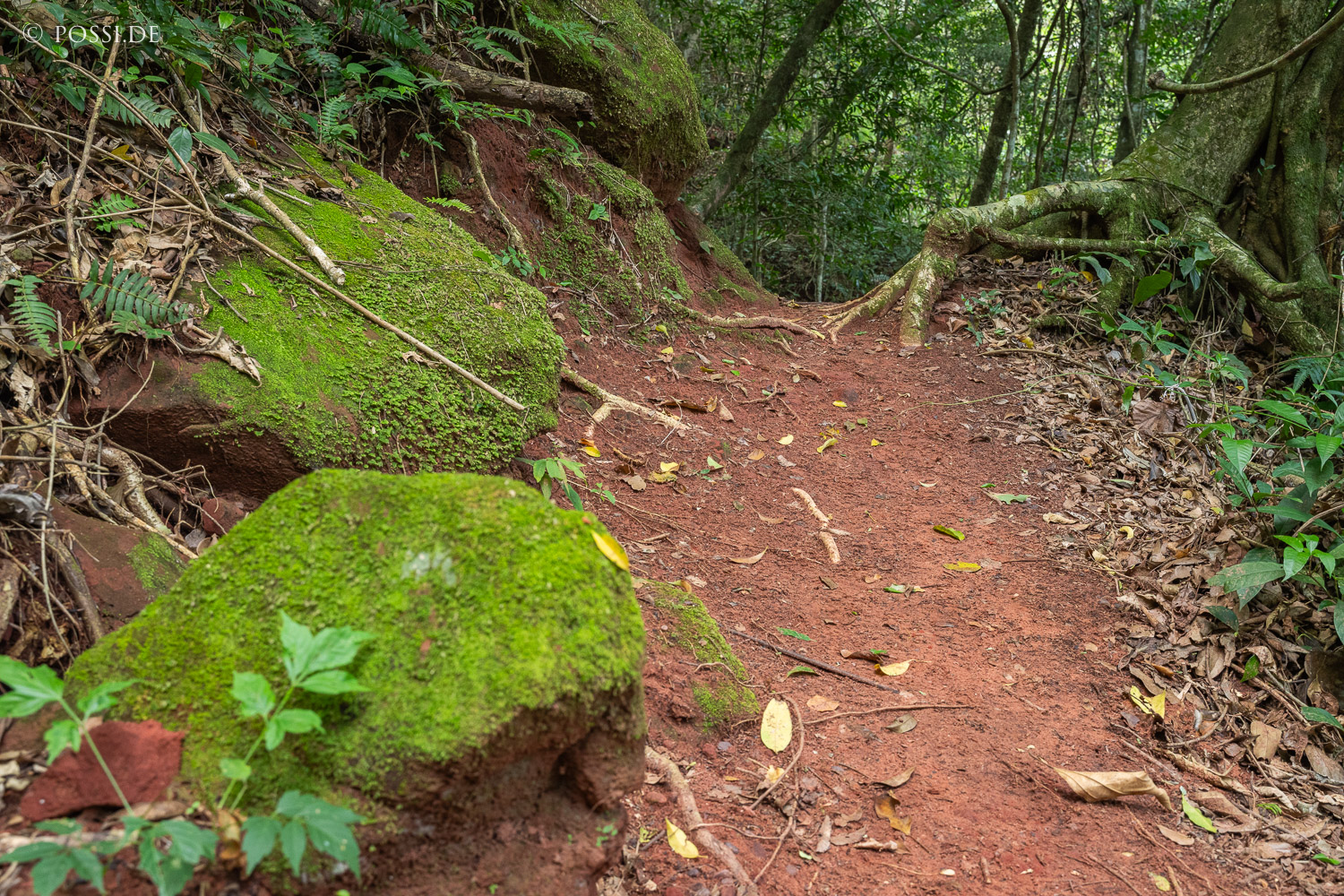
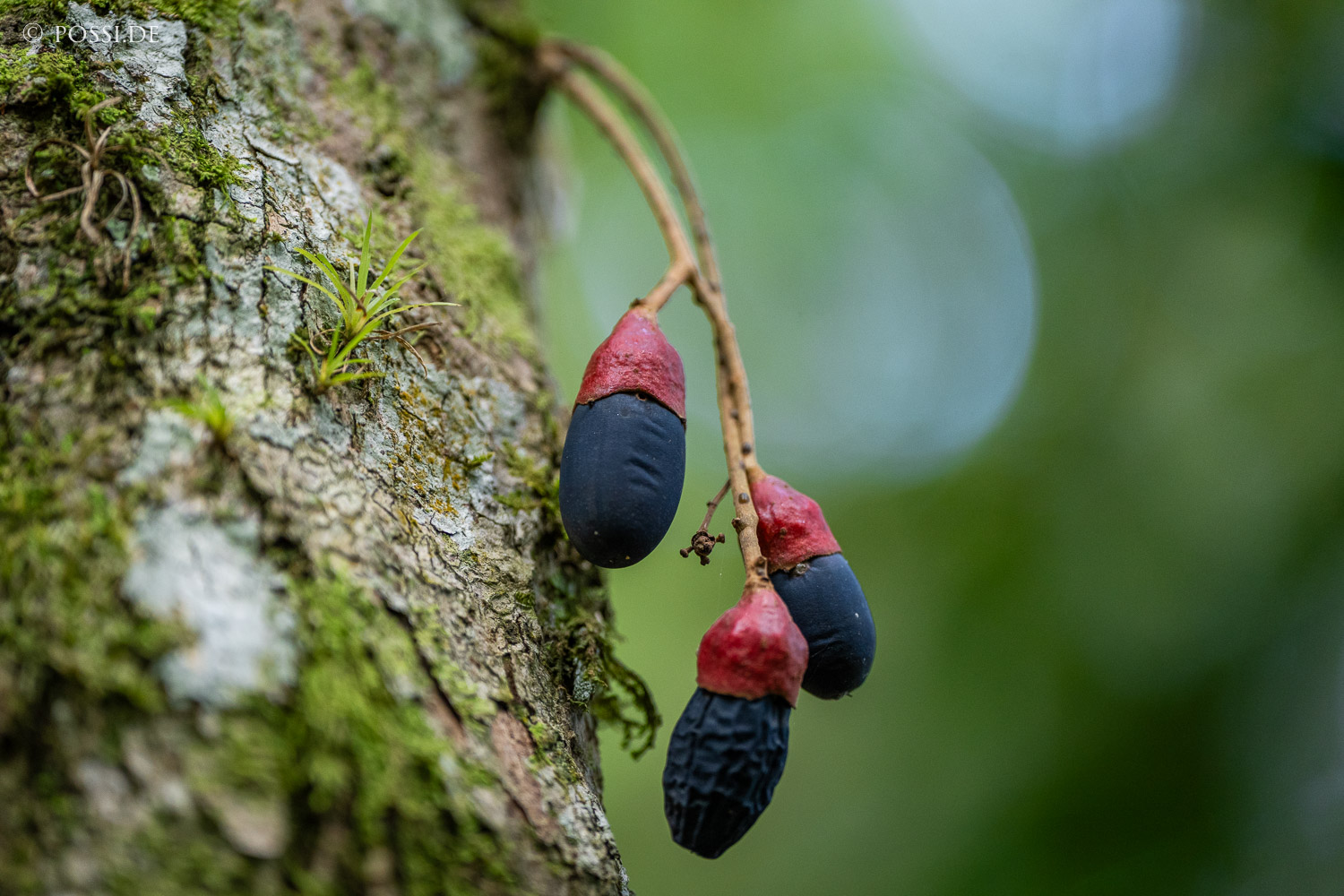
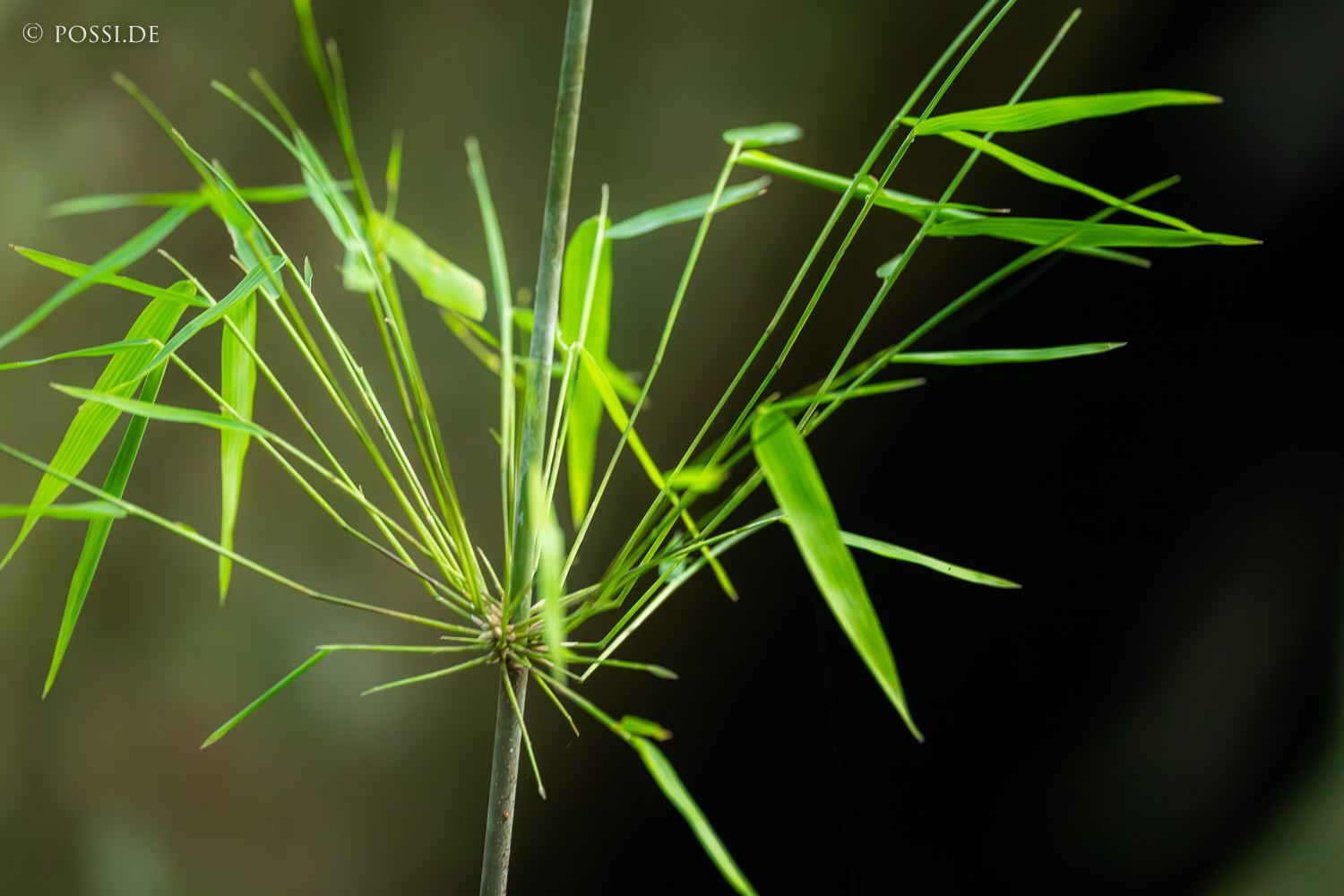
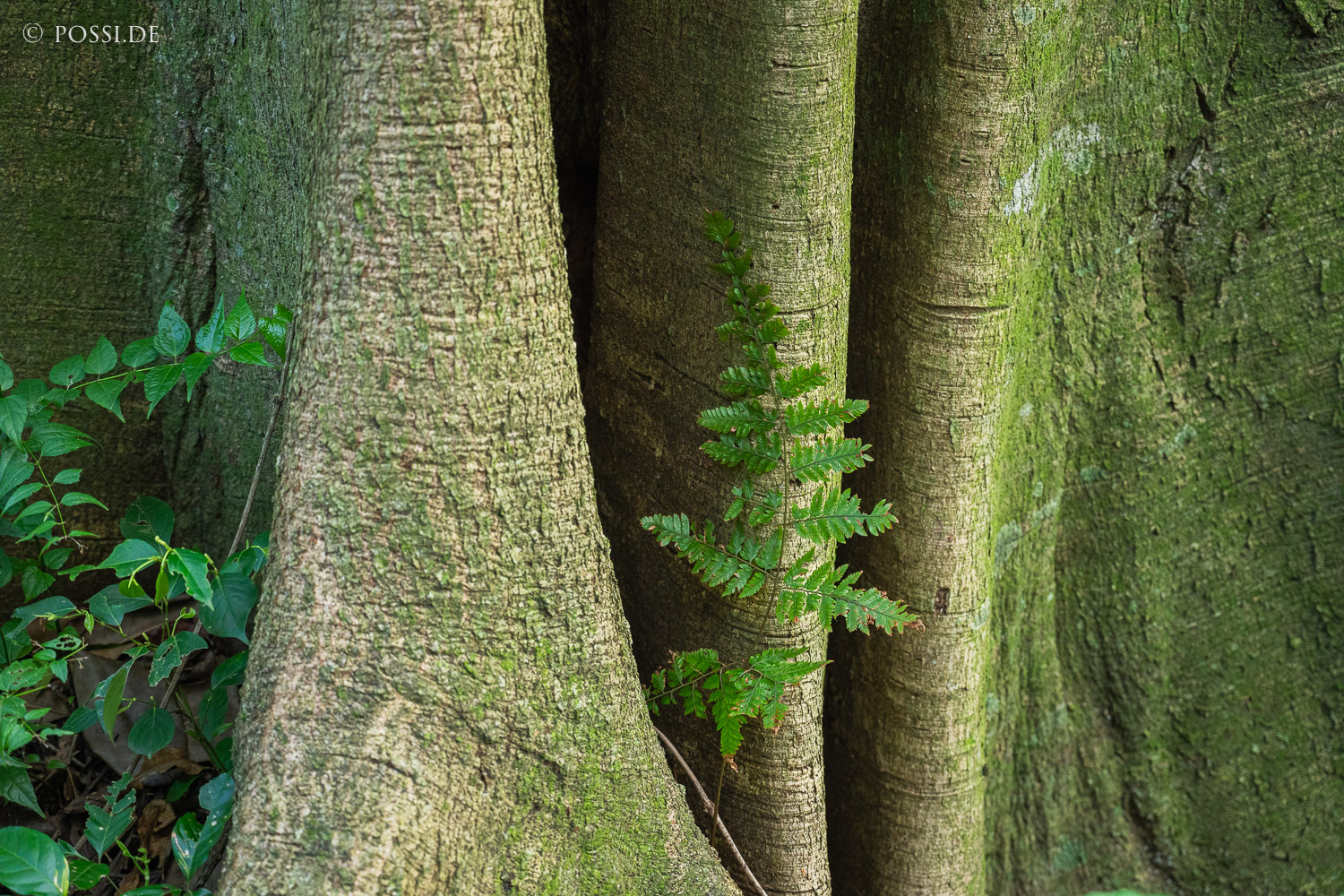
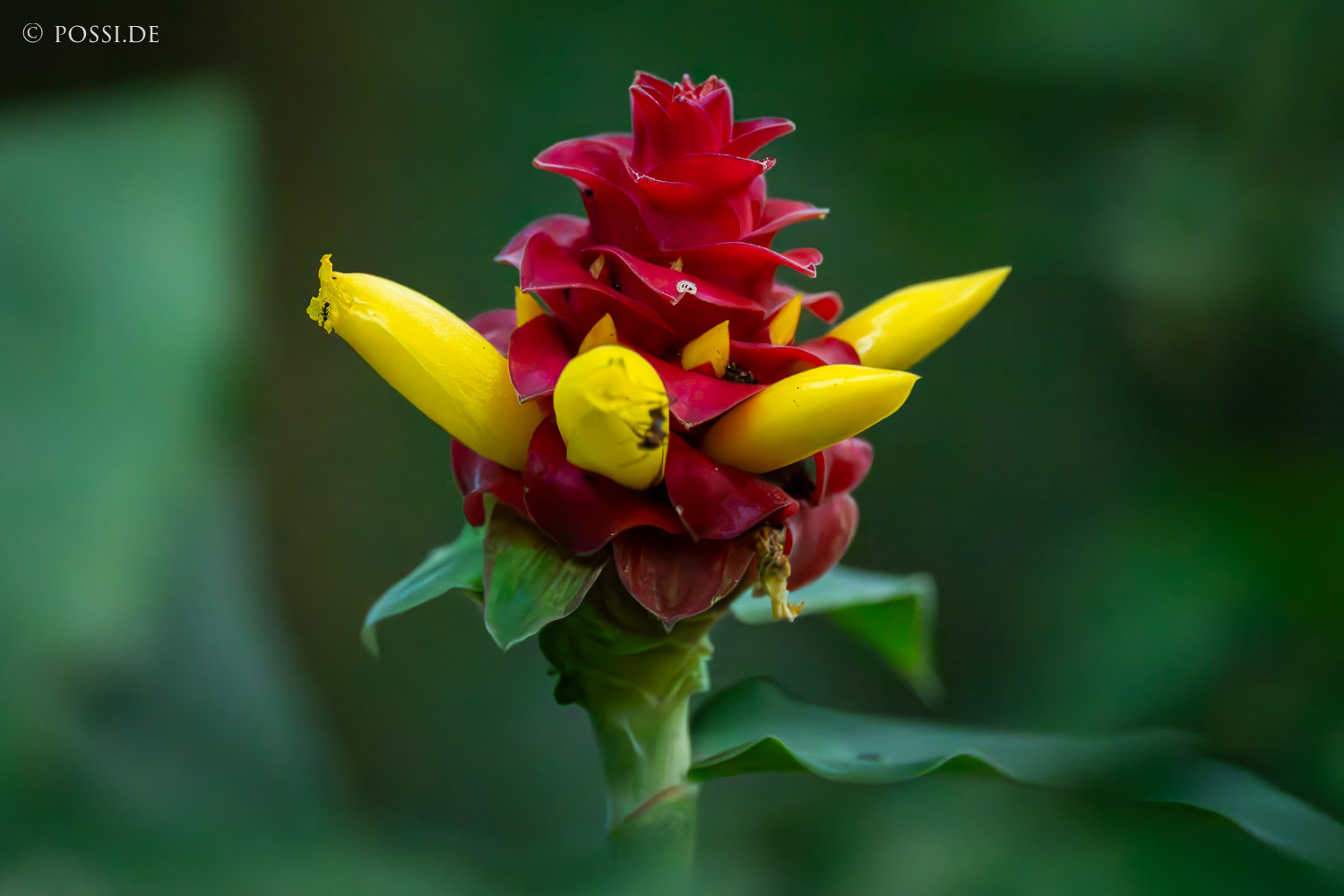
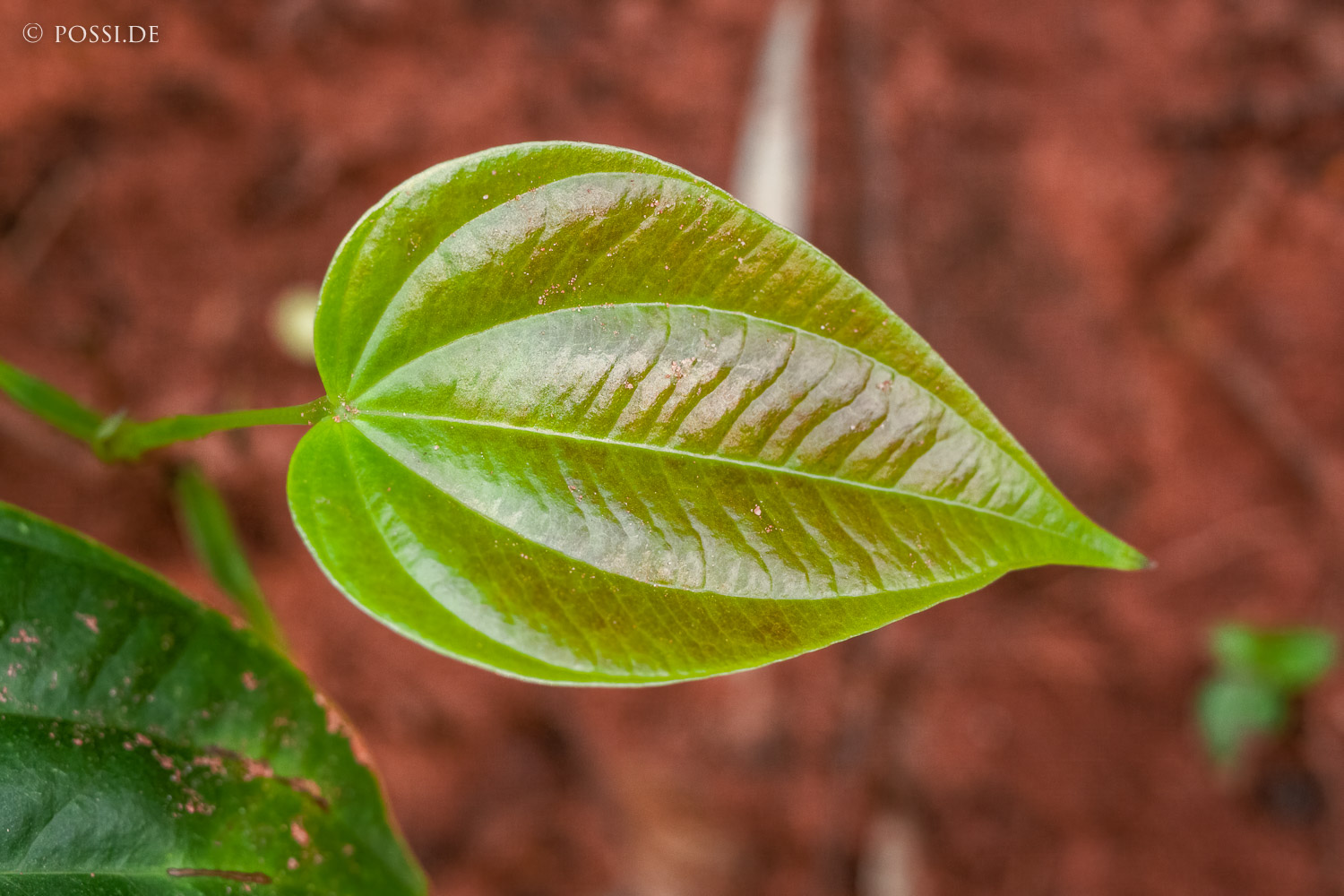
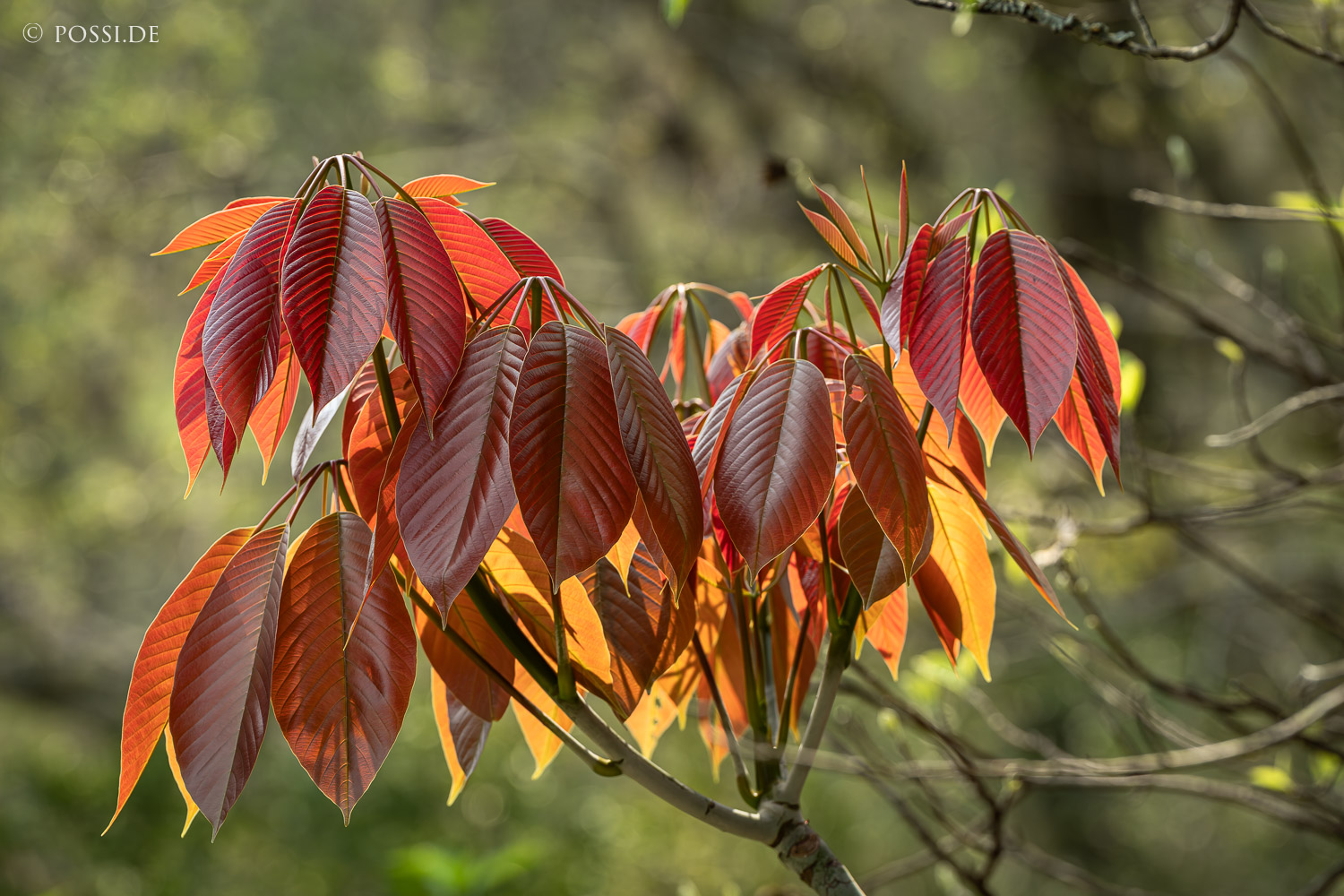
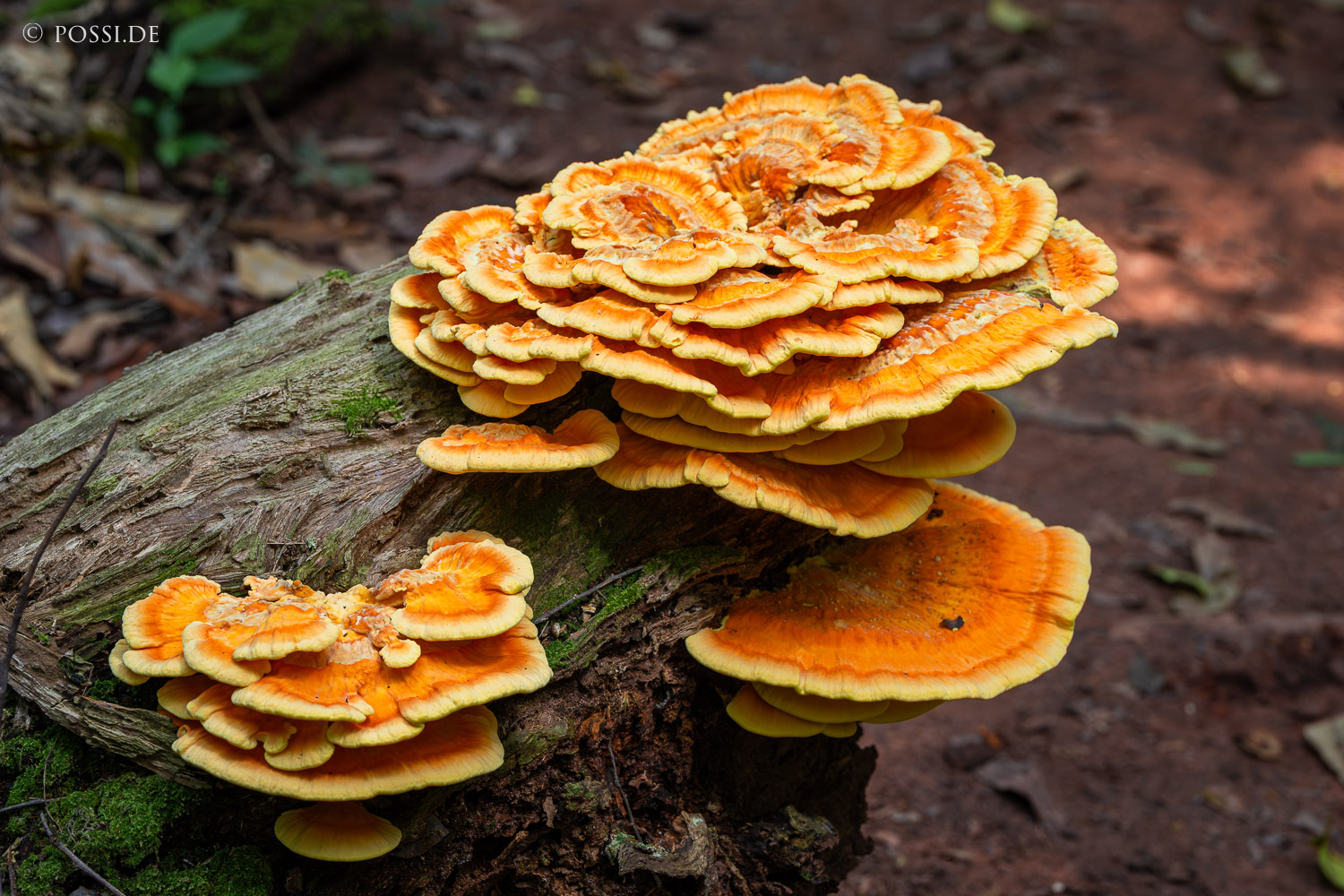
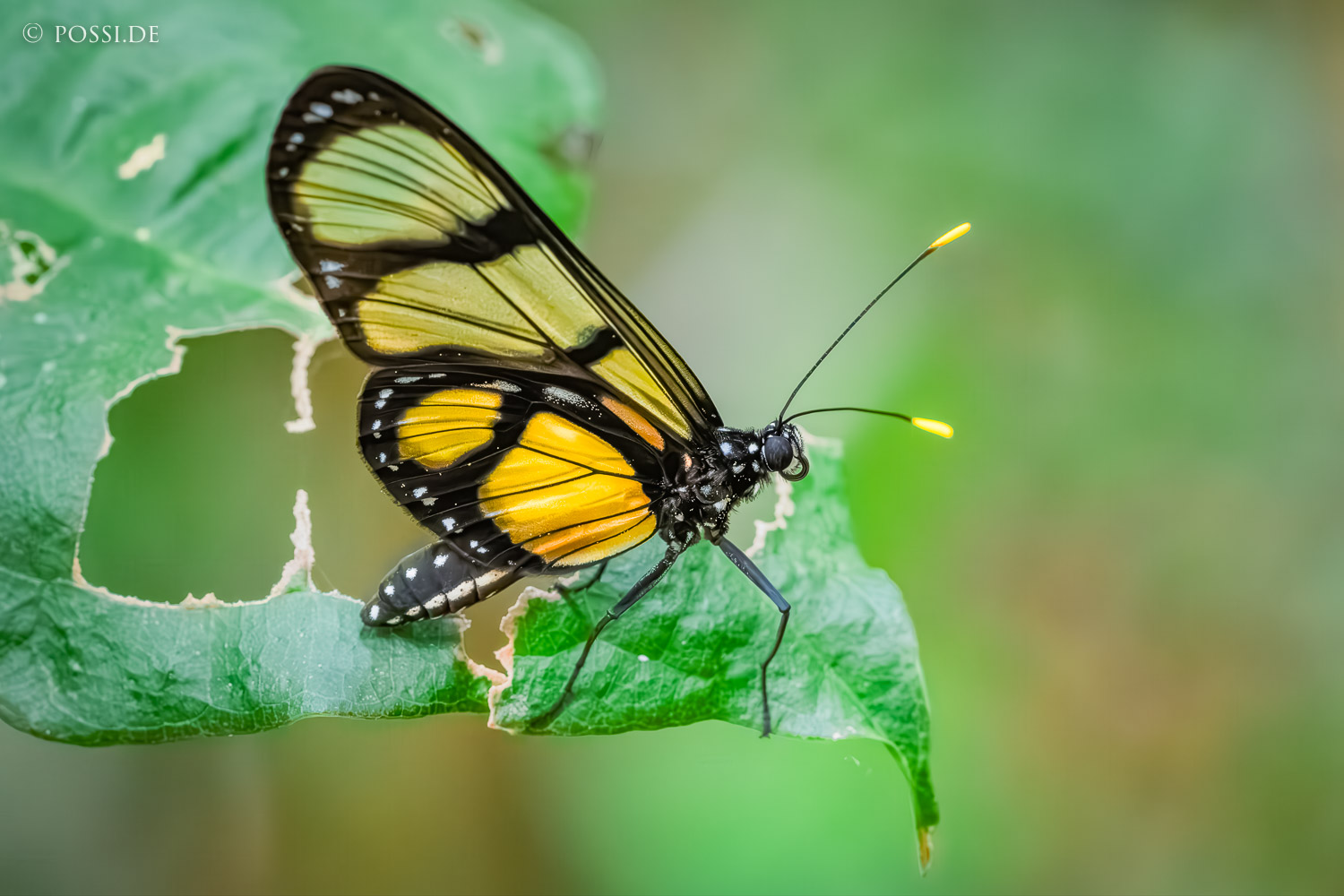
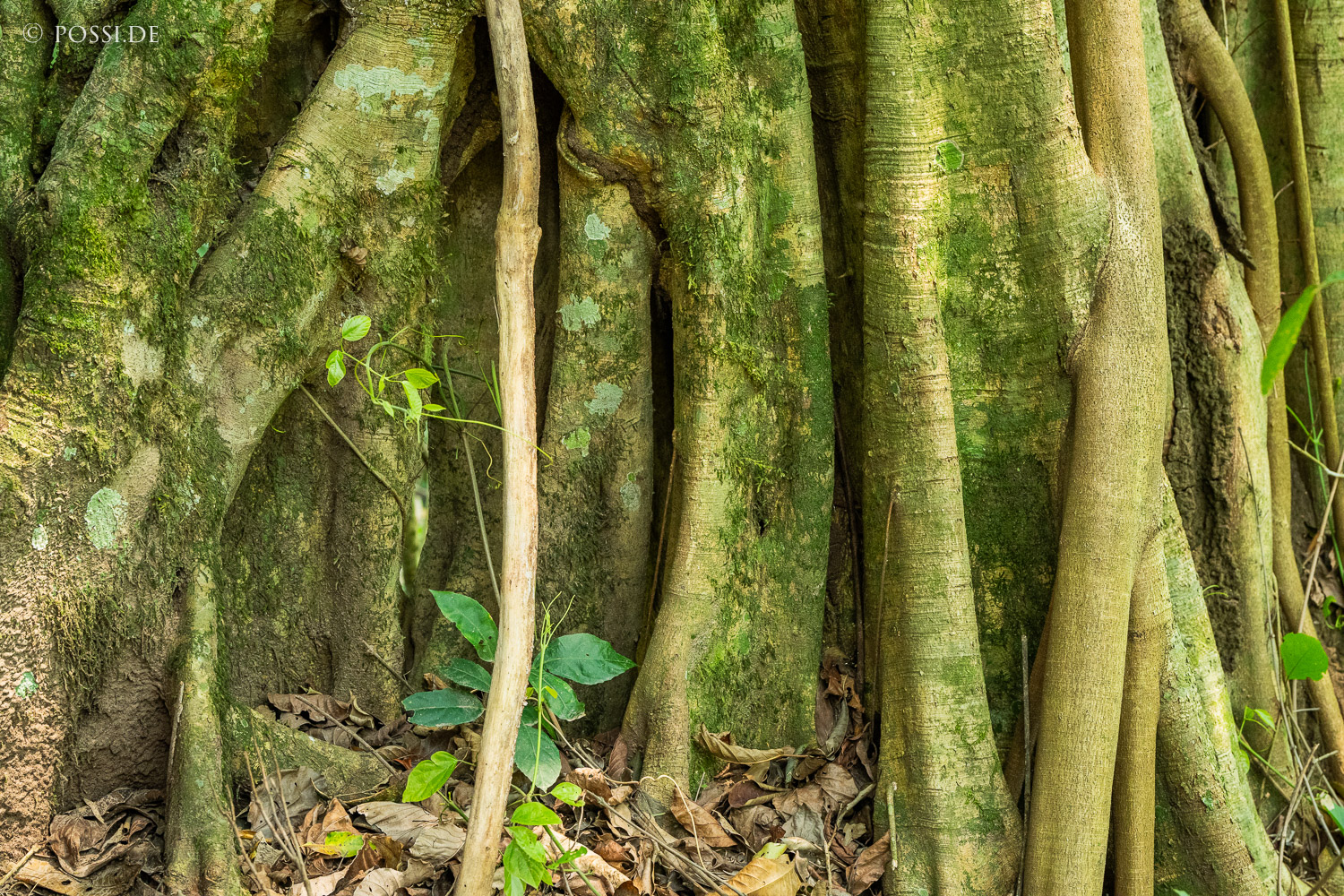
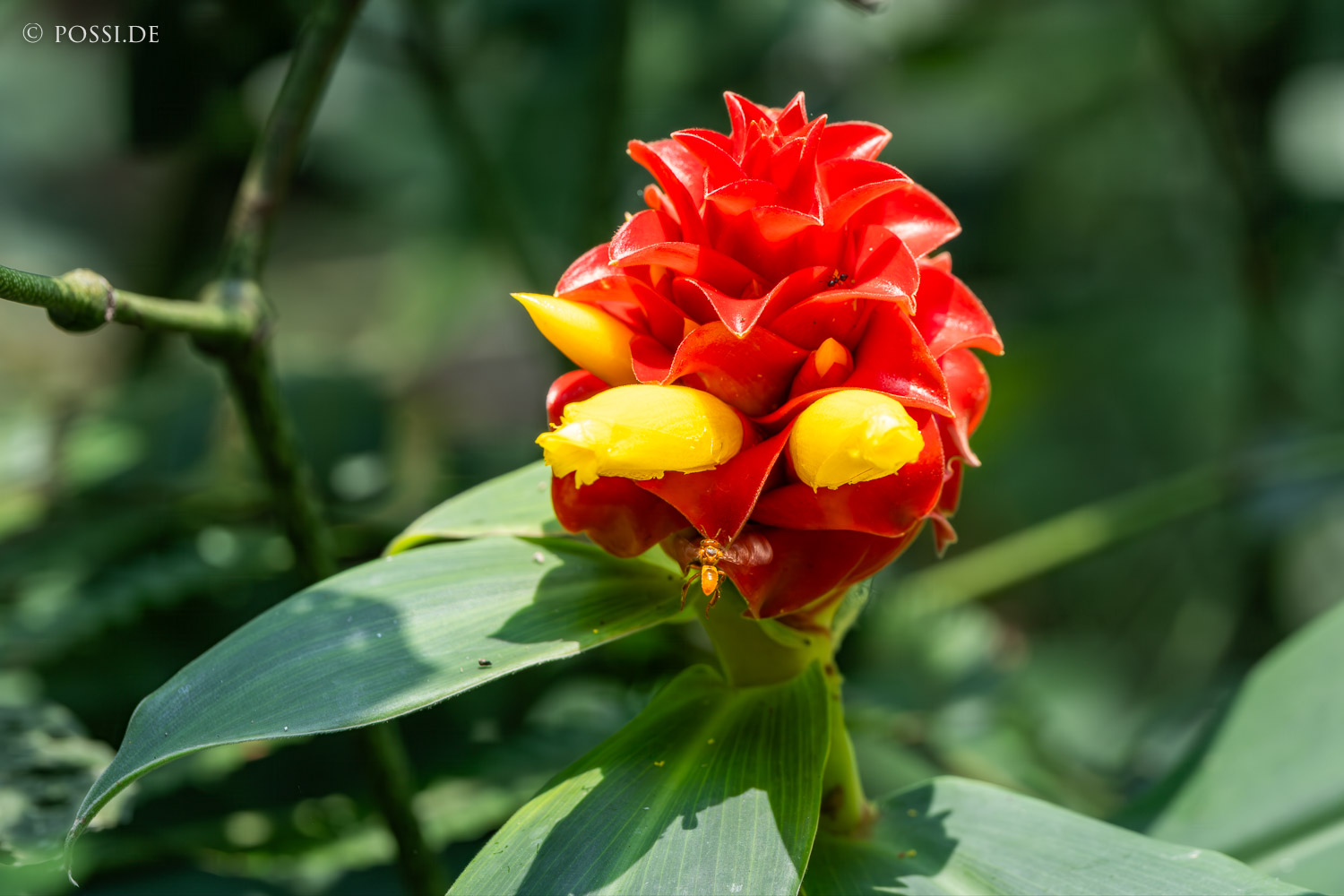
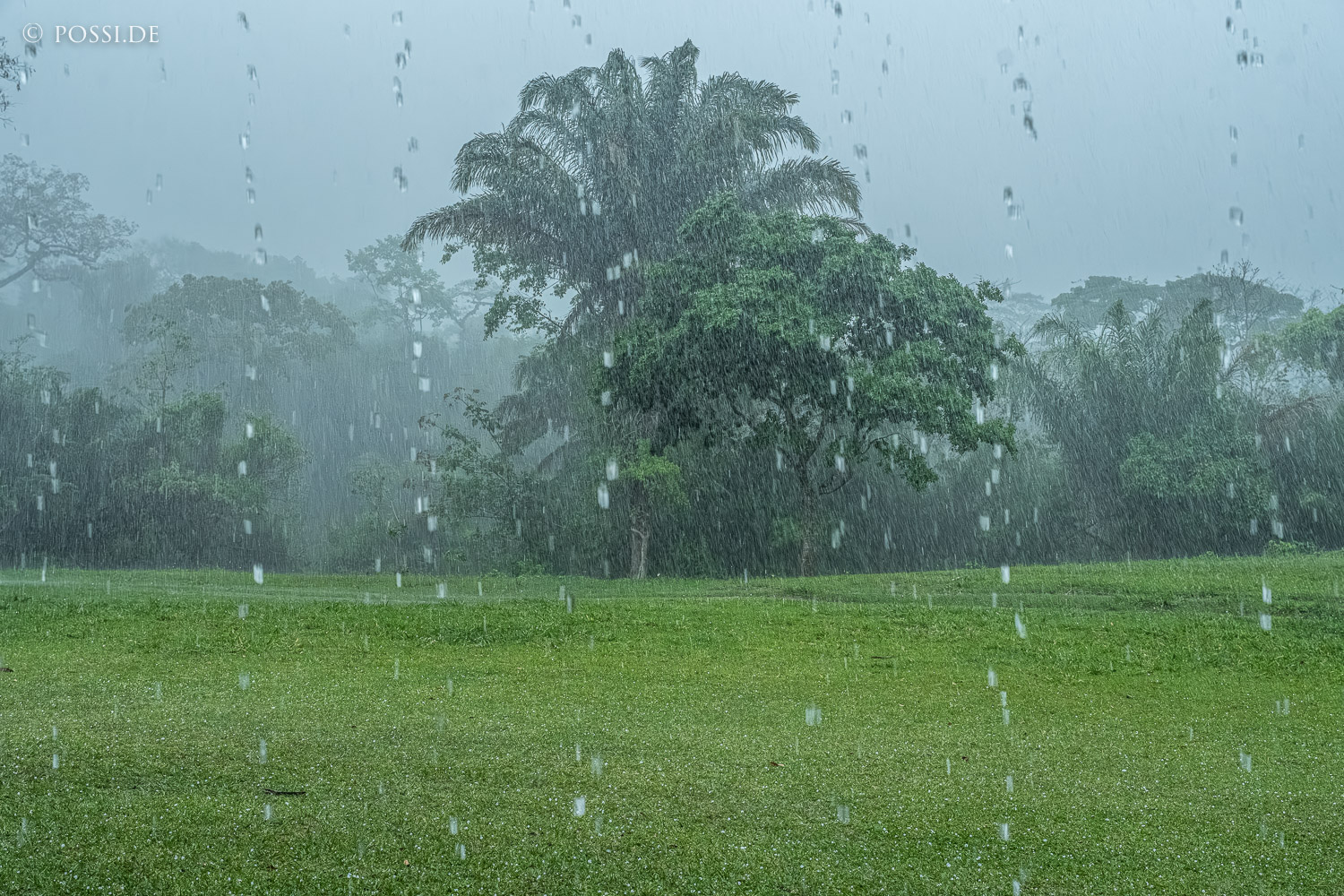
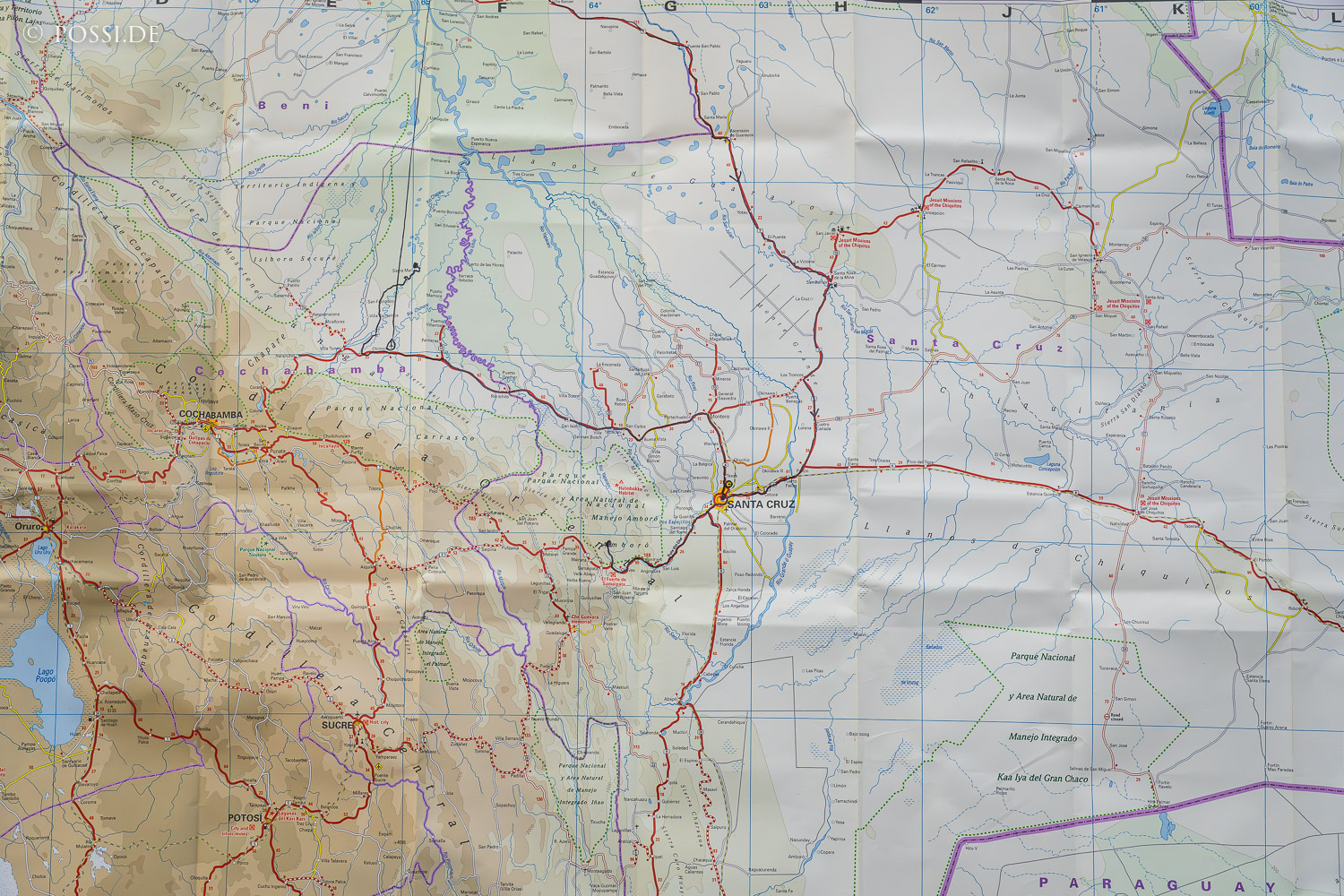
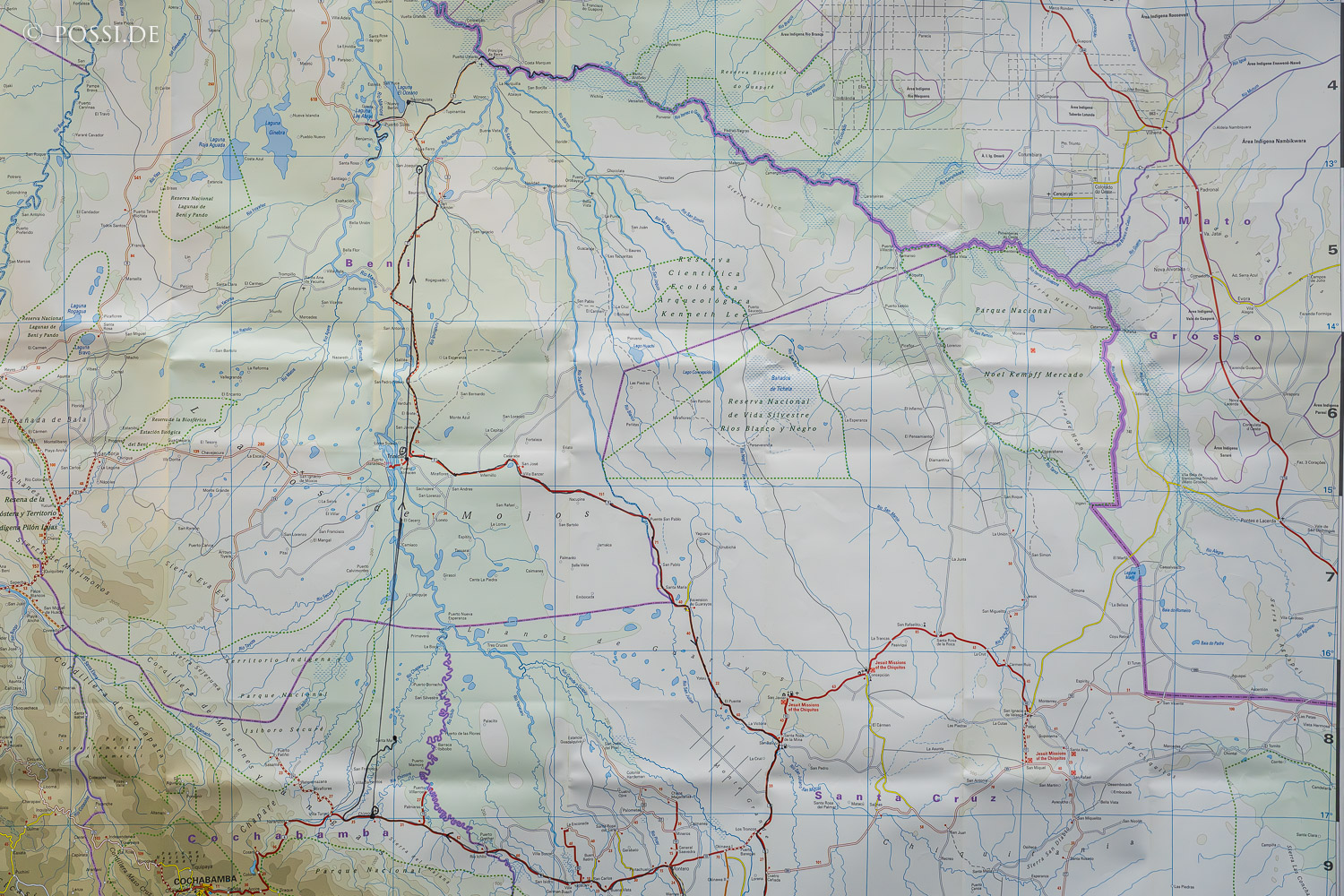
Unsere kleine Gruppe von Fotobegeisterten startete diese von Martin Skjedal organisierte Expeditionsreise in Santa Cruz. Nach einem Rundgang durch die Stadt begann das Abenteuer in Richtung der bolivianischen Urwaldregion Chapare. Über Buena Vista und Chimoré ging es per Boot über den Río Chapare in die abgelegene Yuracaré-Gemeinde Trinidadcito mitten im tropischen Regenwald – Übernachtung in einfachen Zelten, die kommenden Tage ganz im Zeichen intensiver Natur- und Tierbeobachtungen.
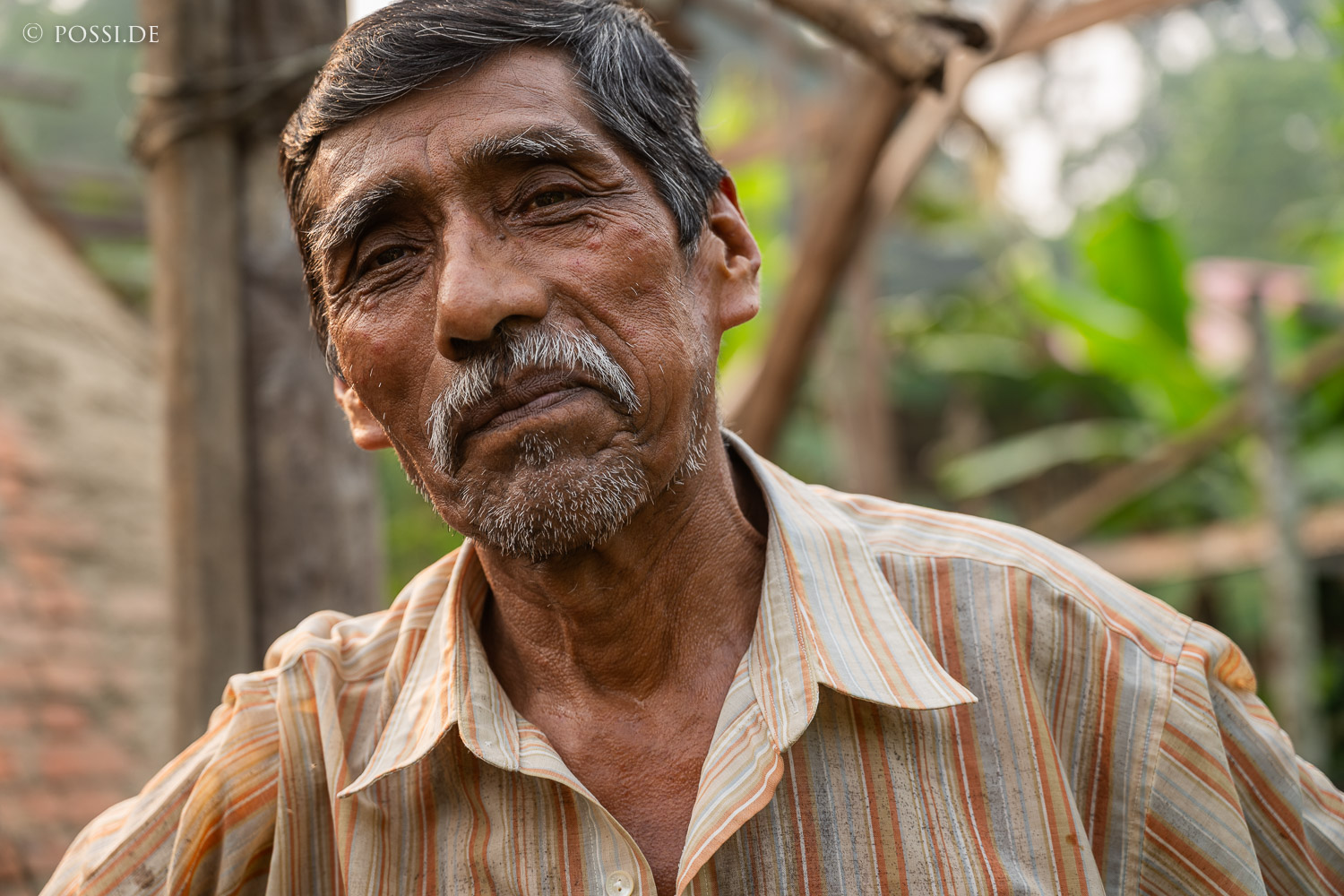
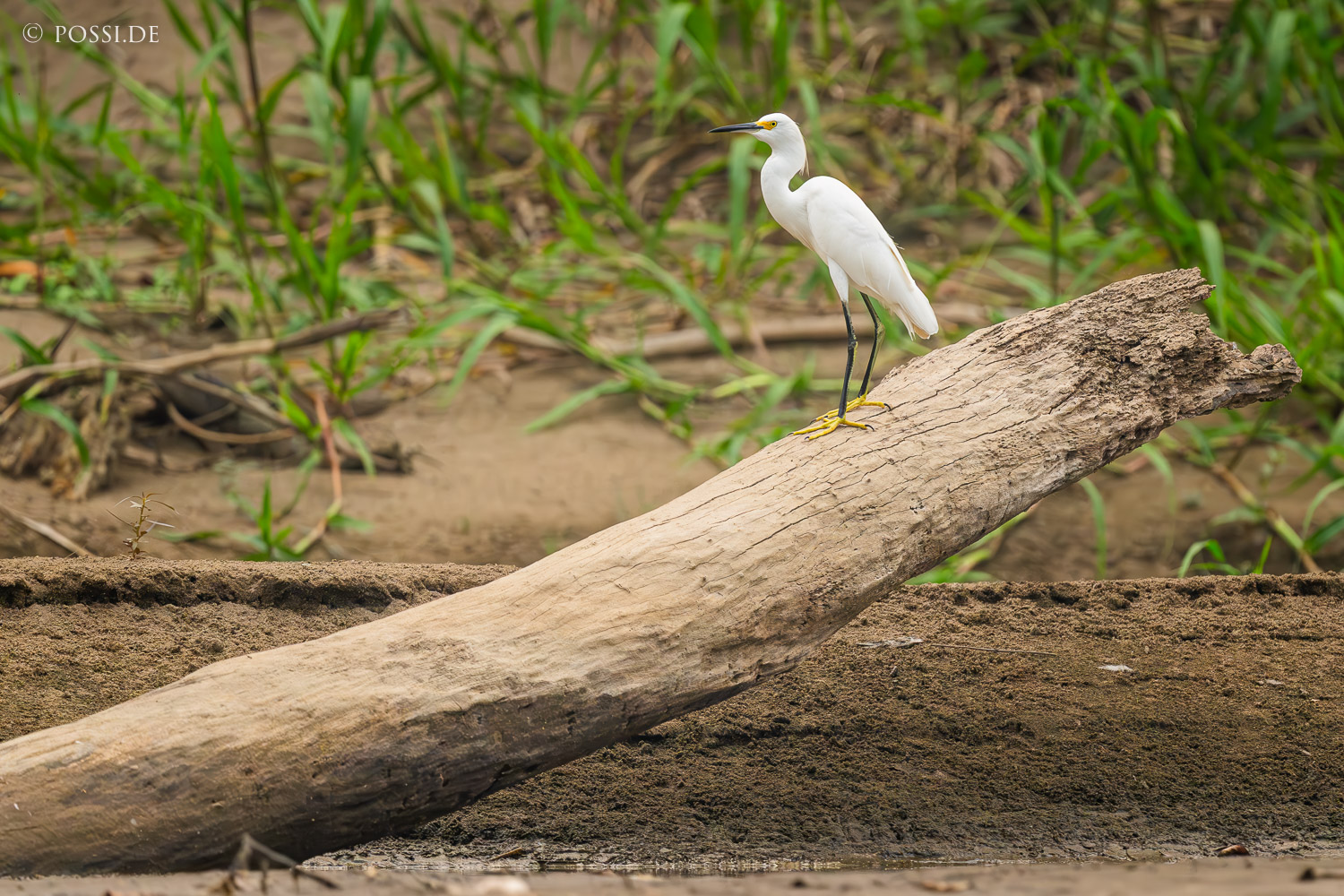
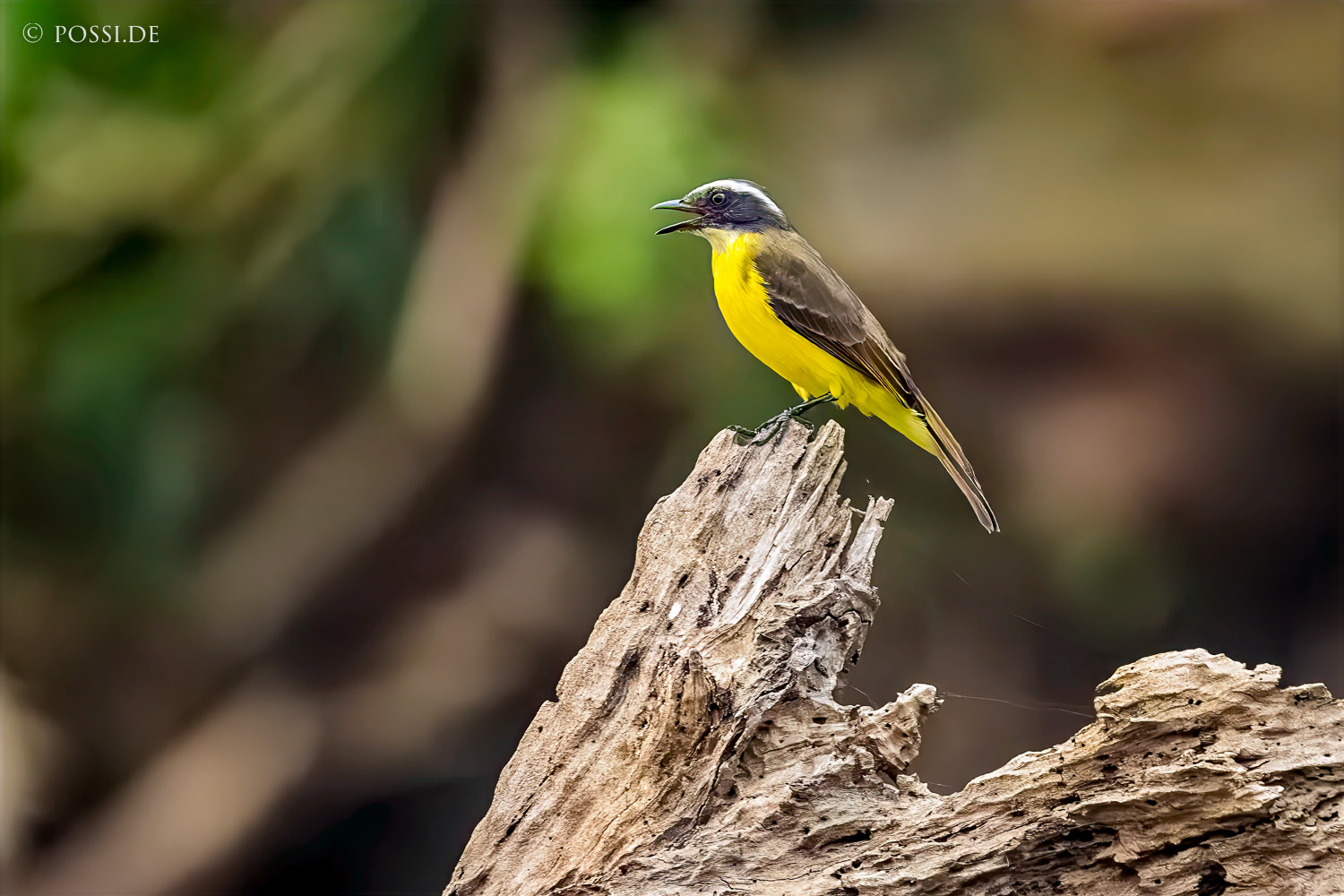
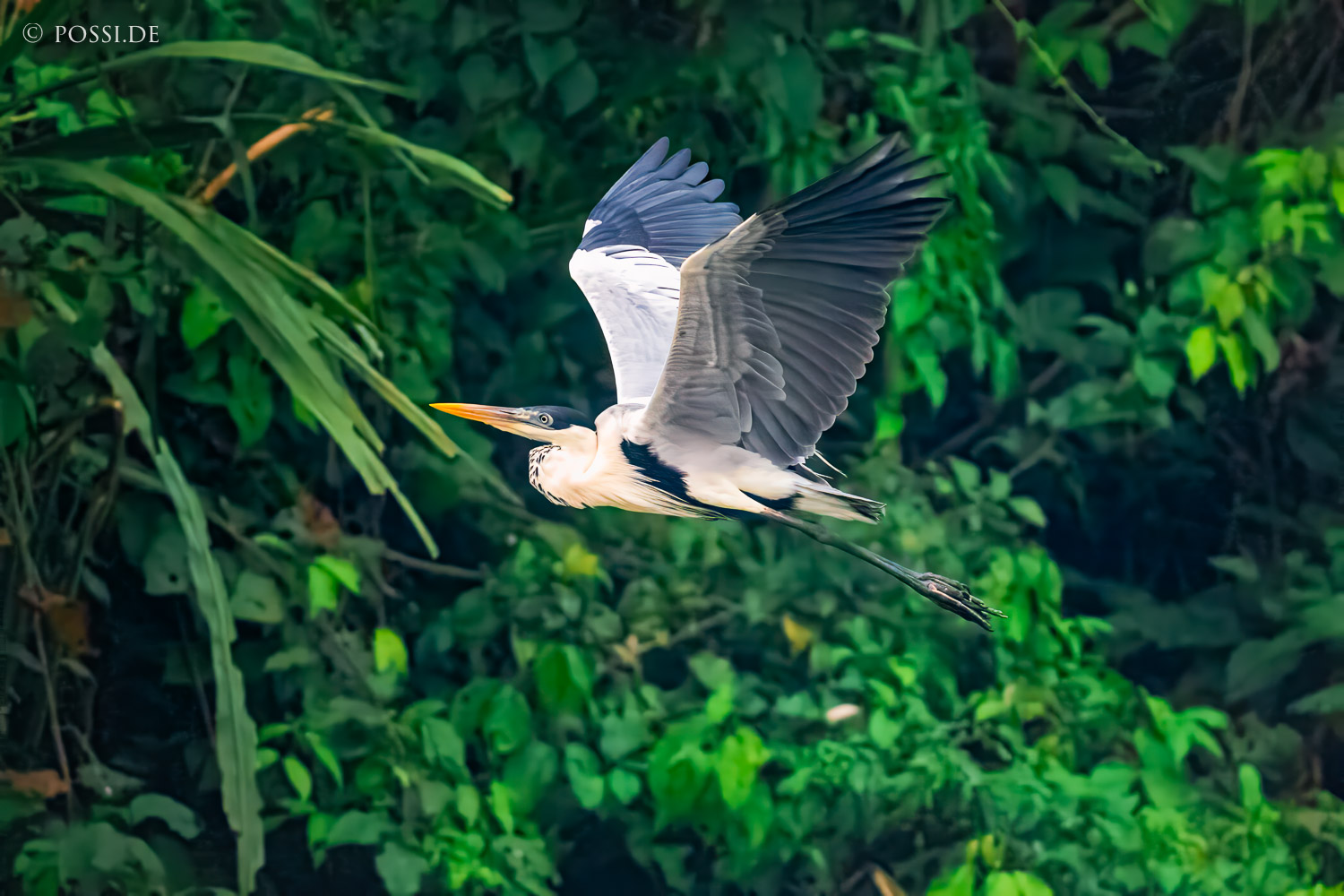
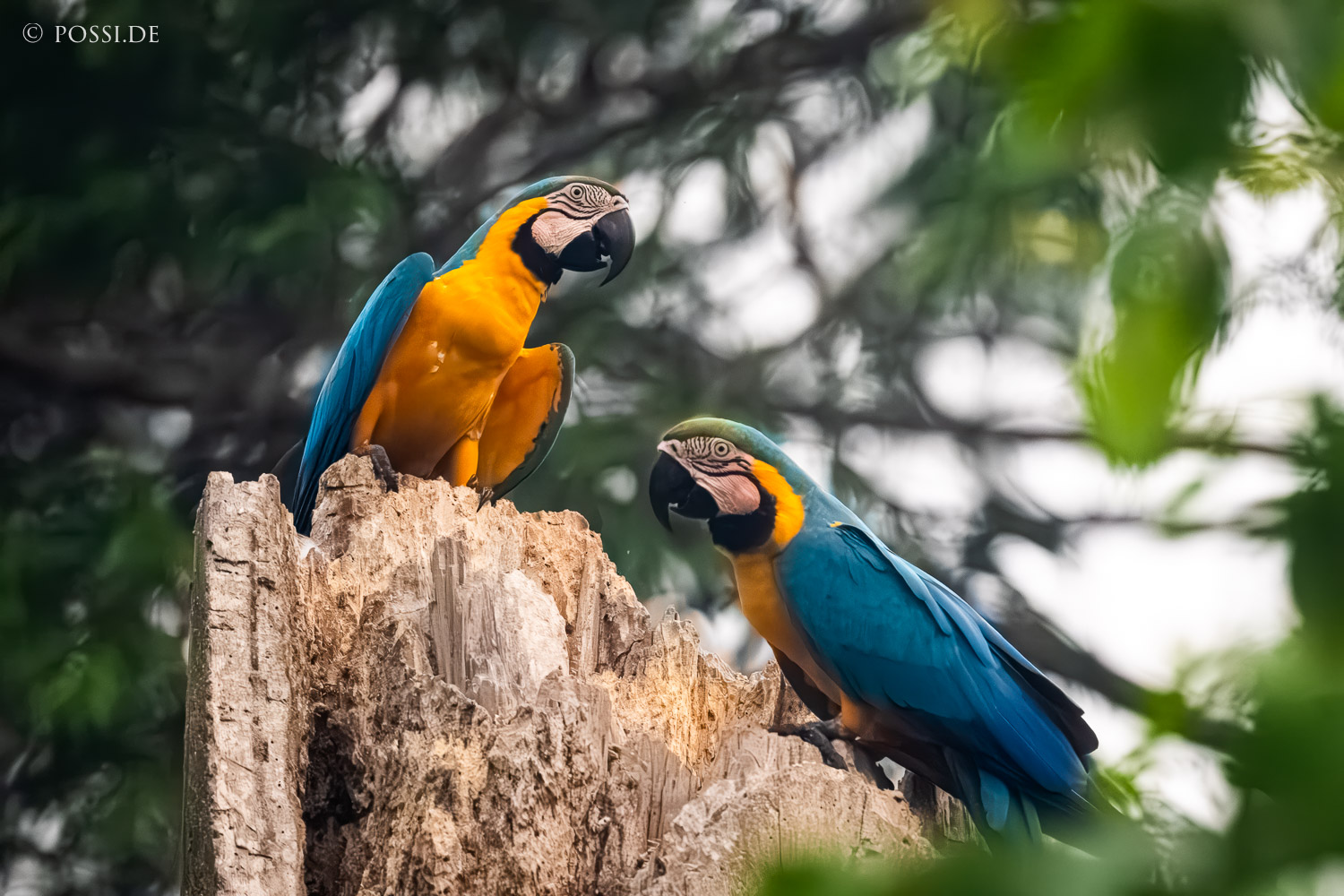
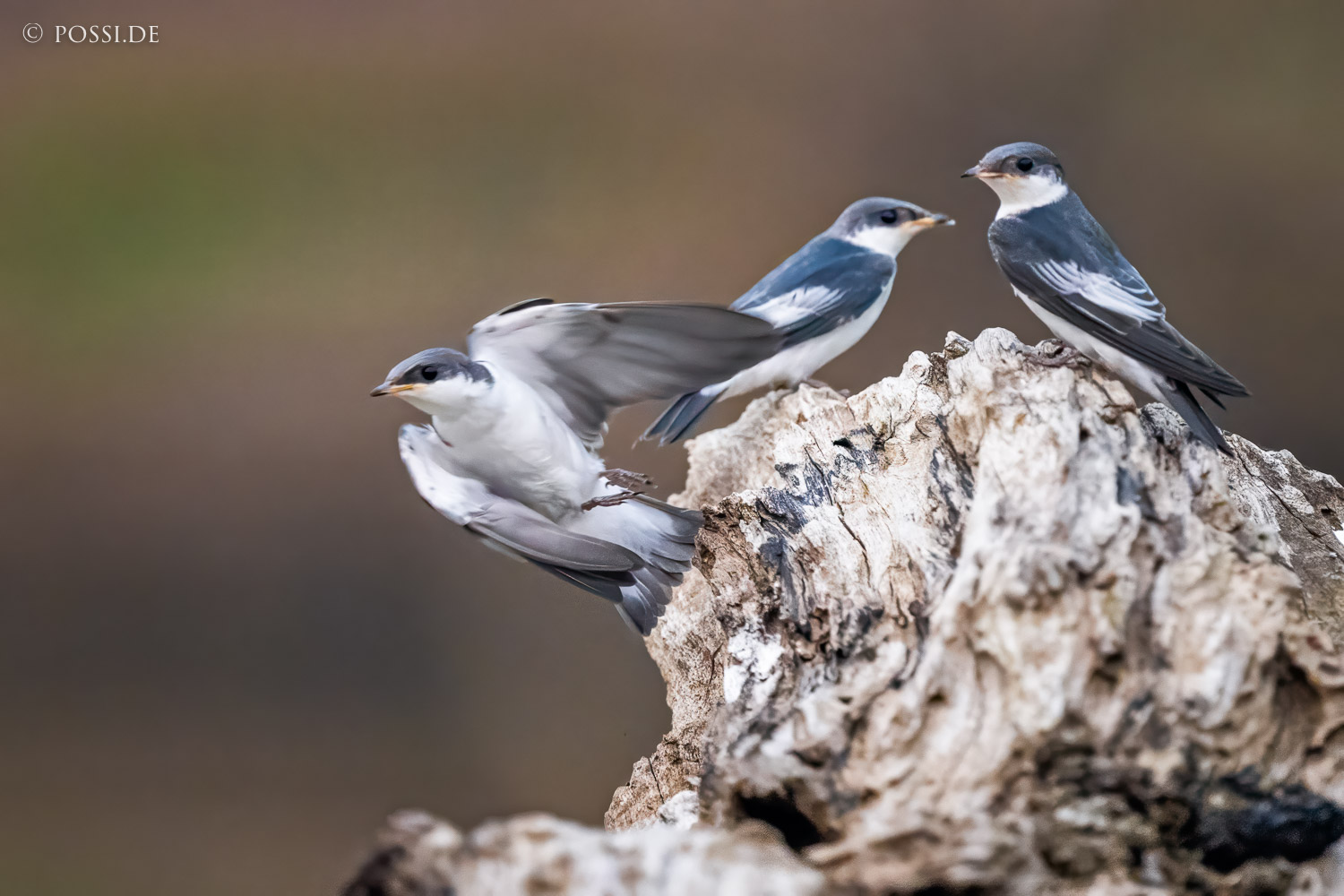
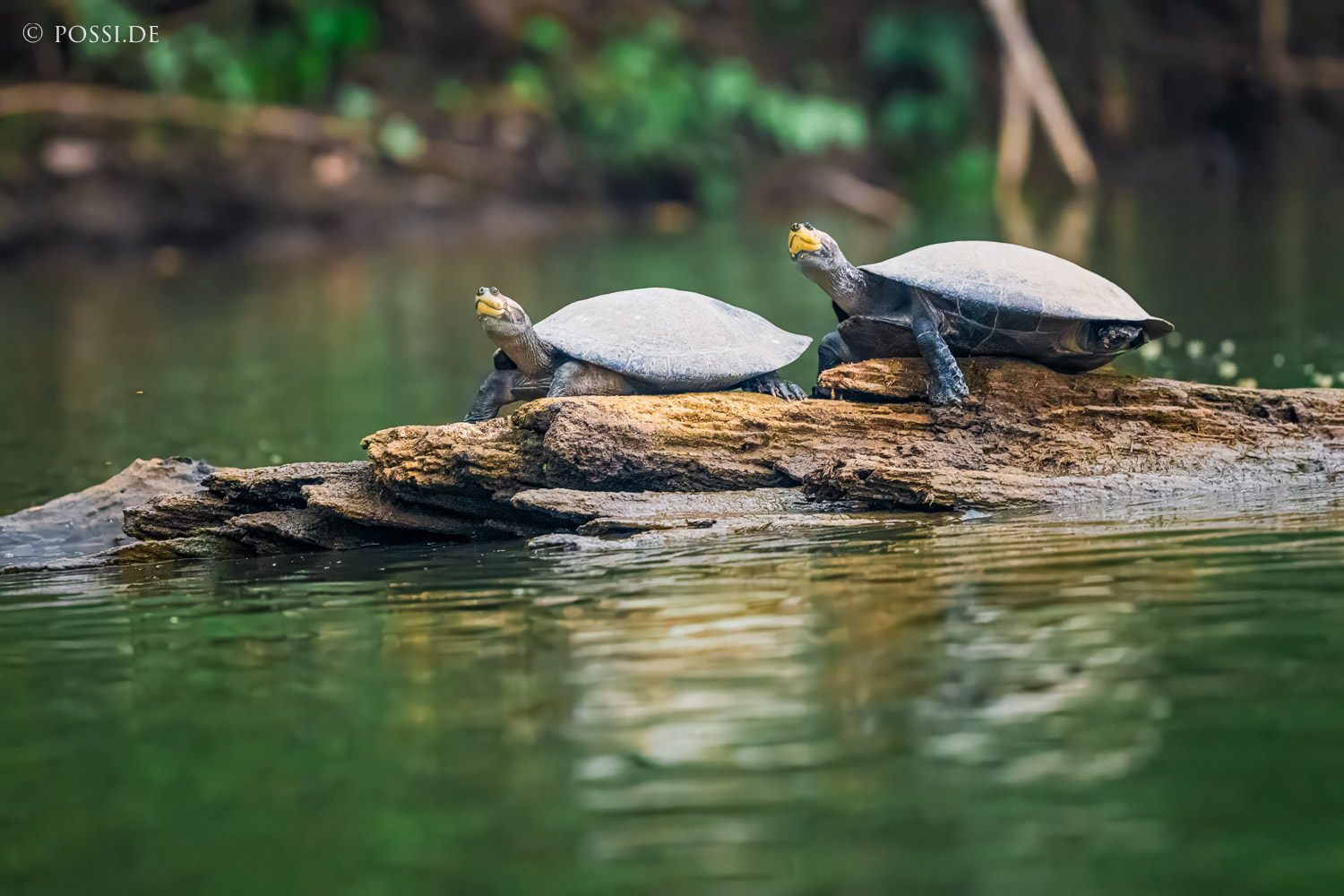
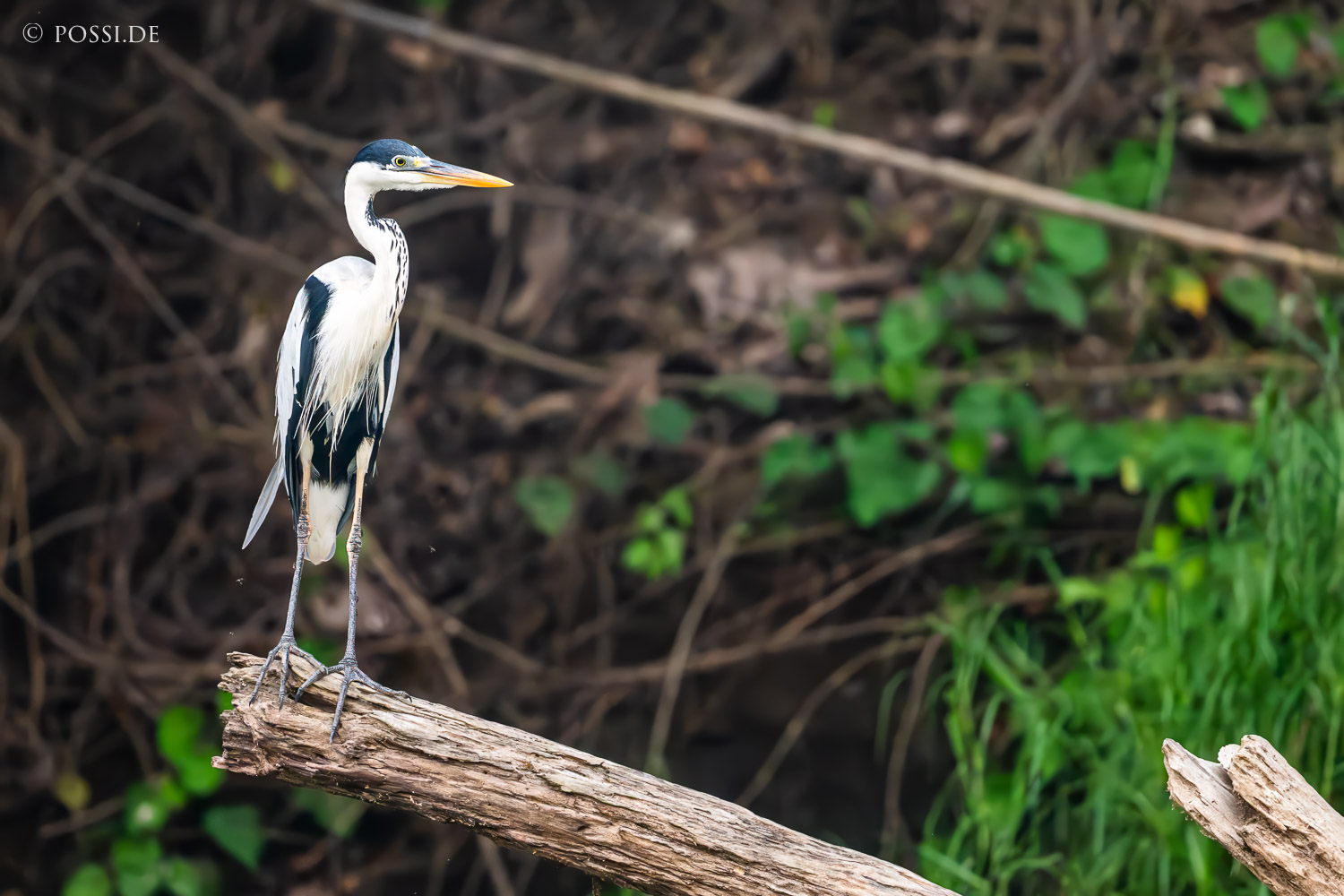
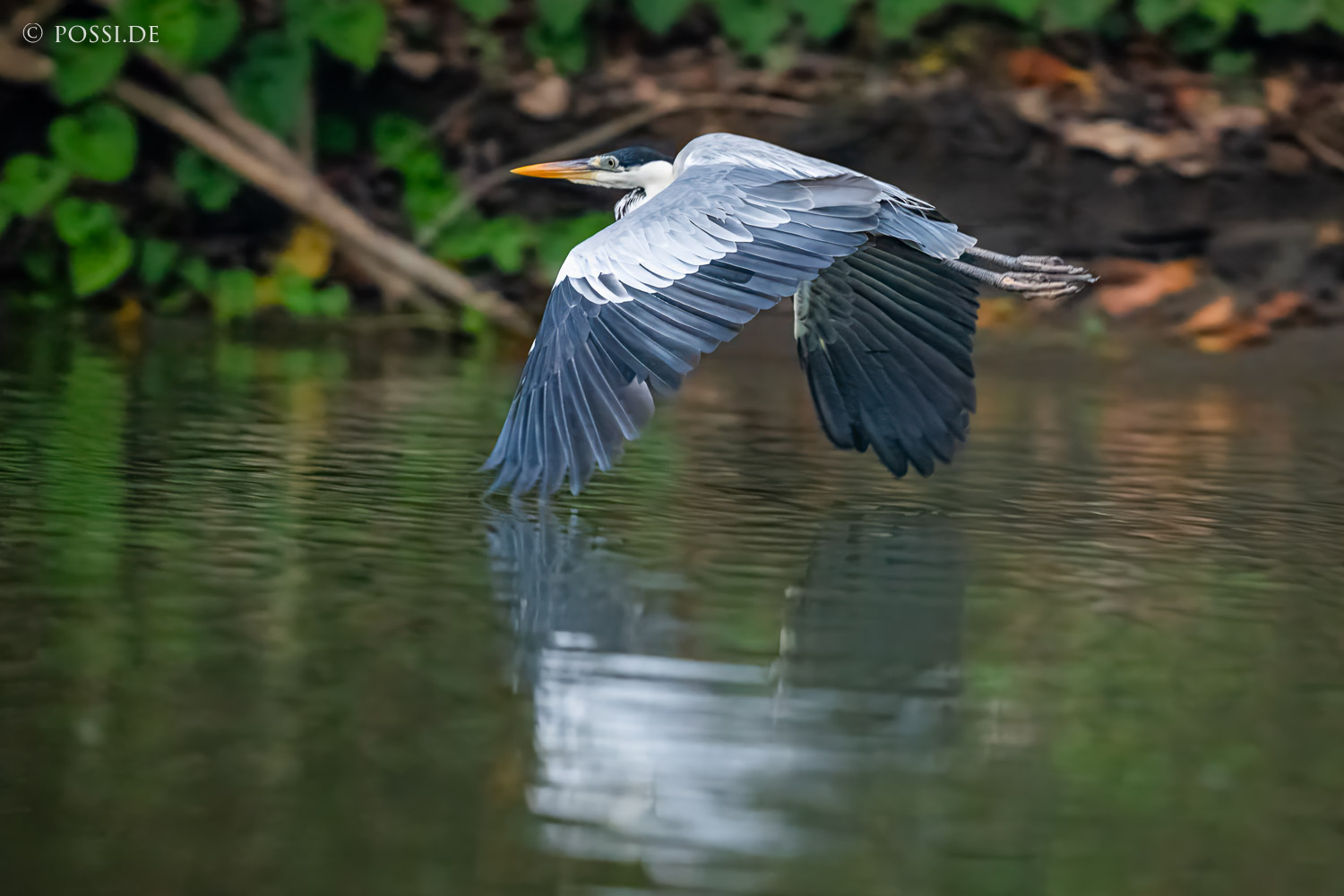
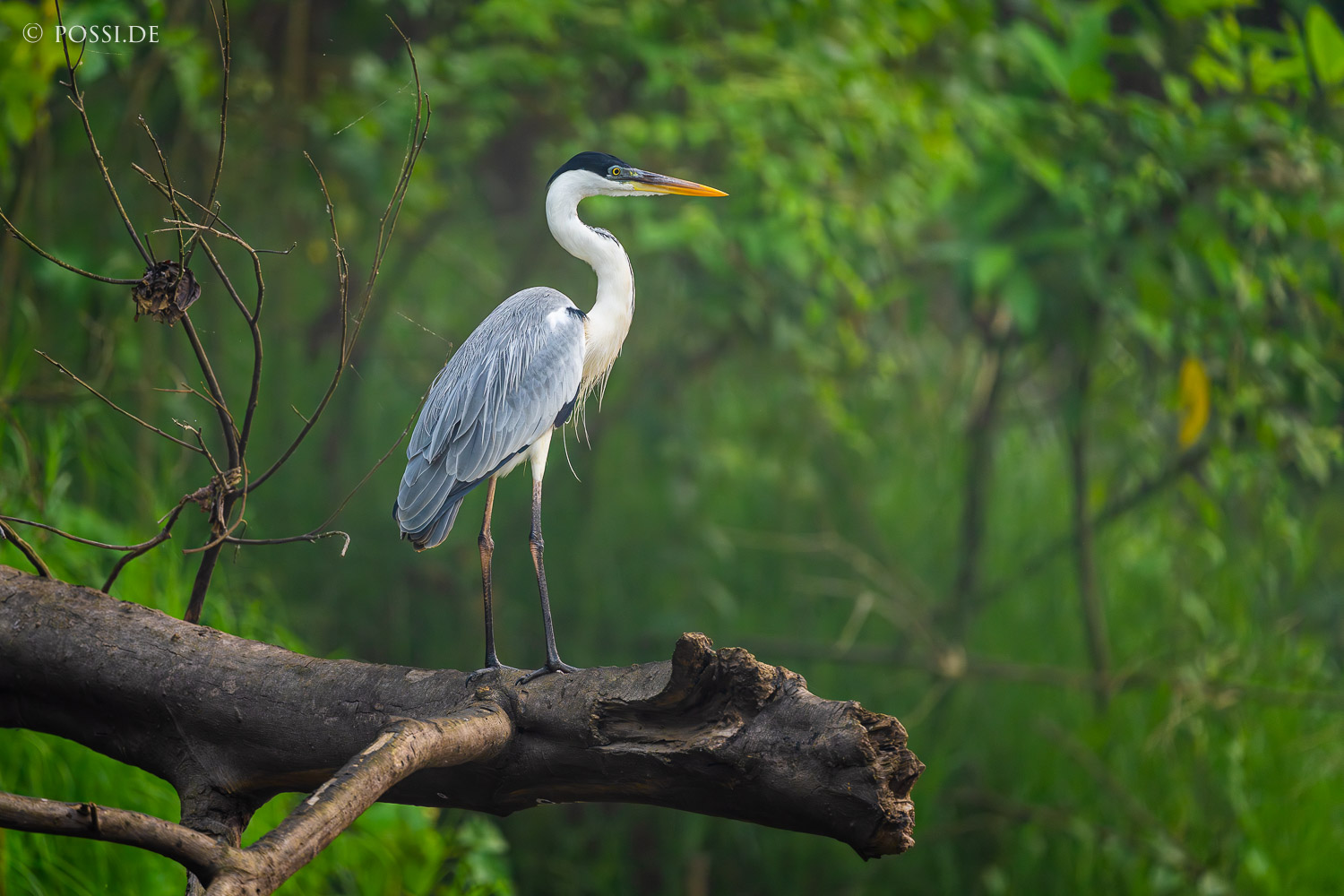
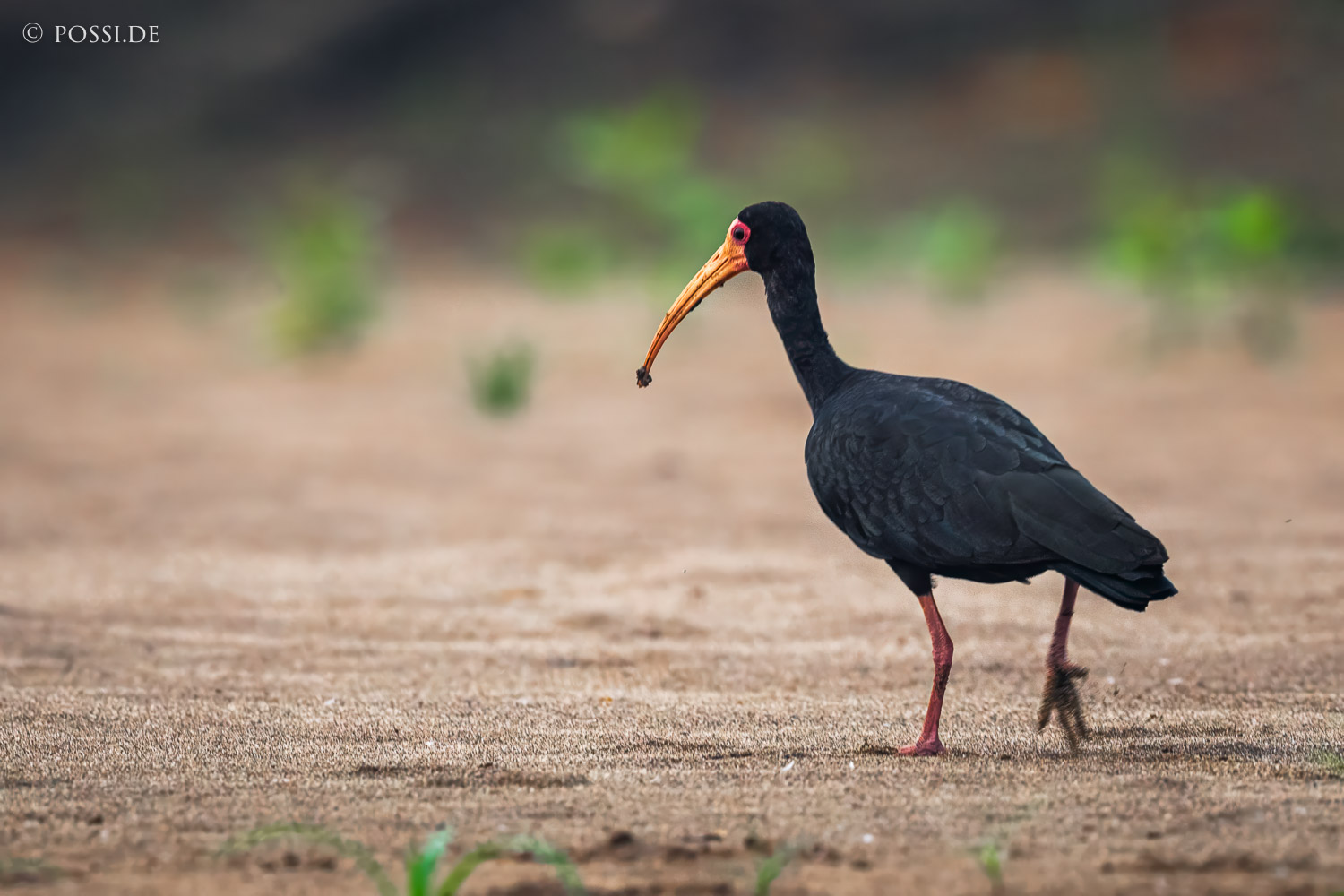
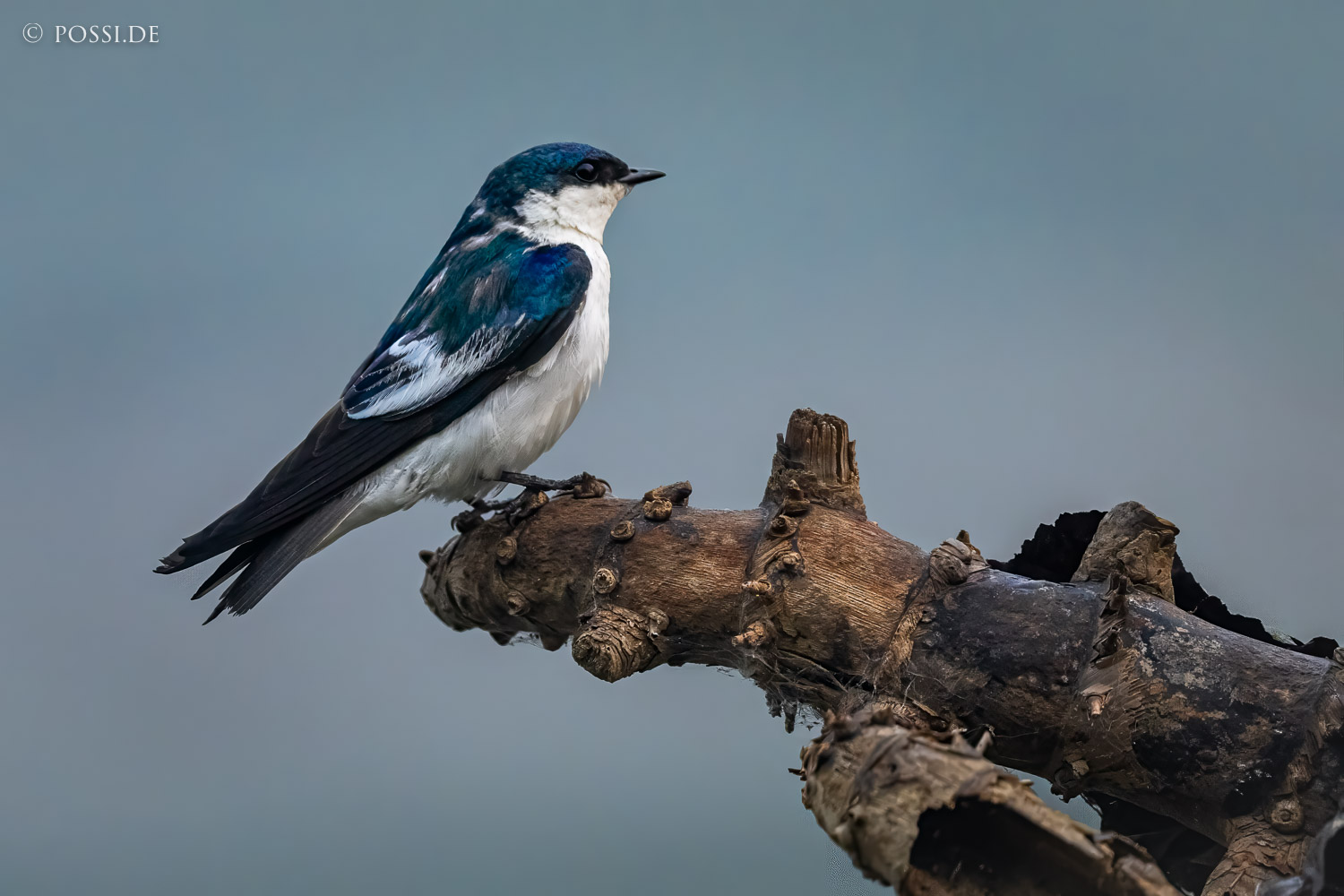
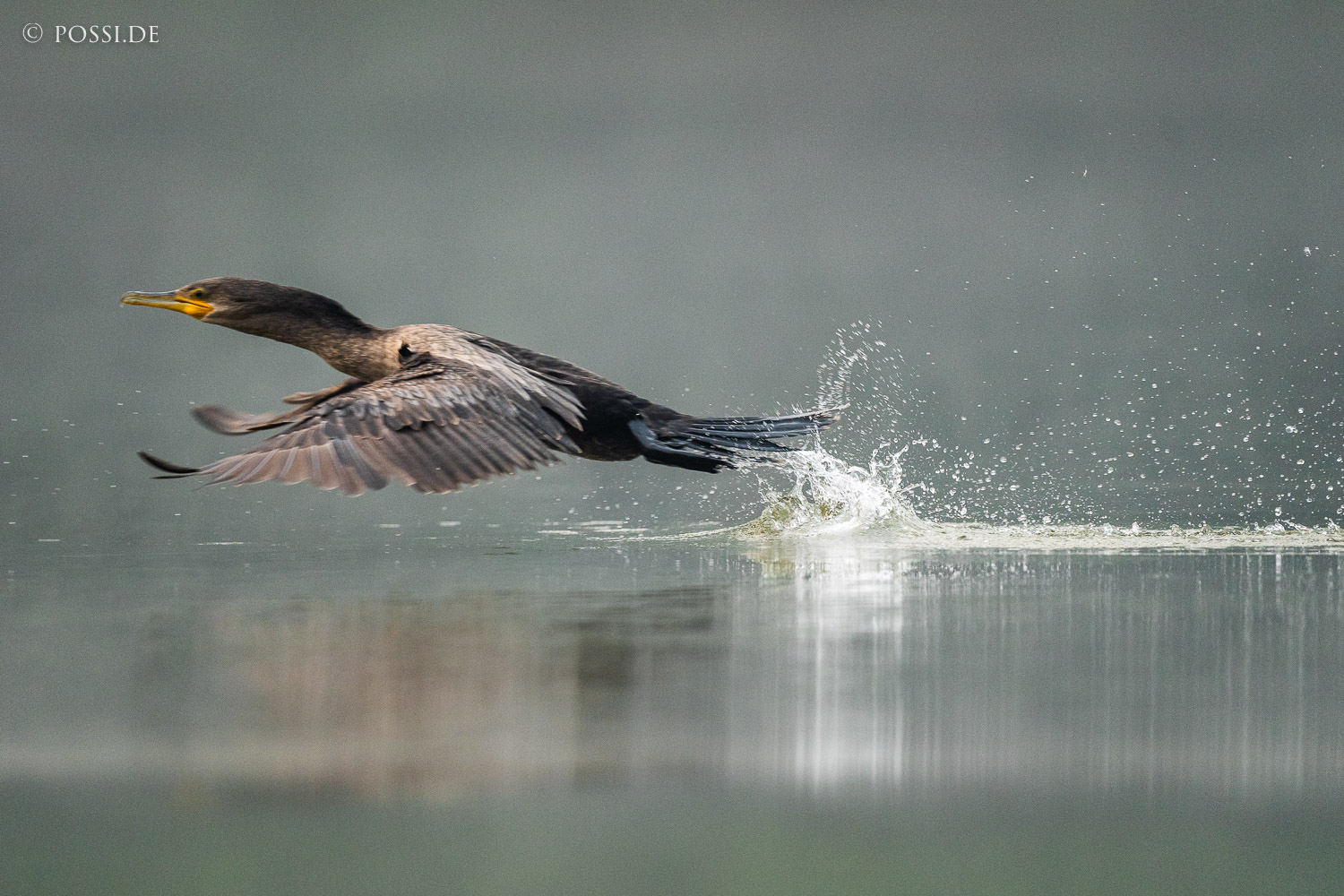
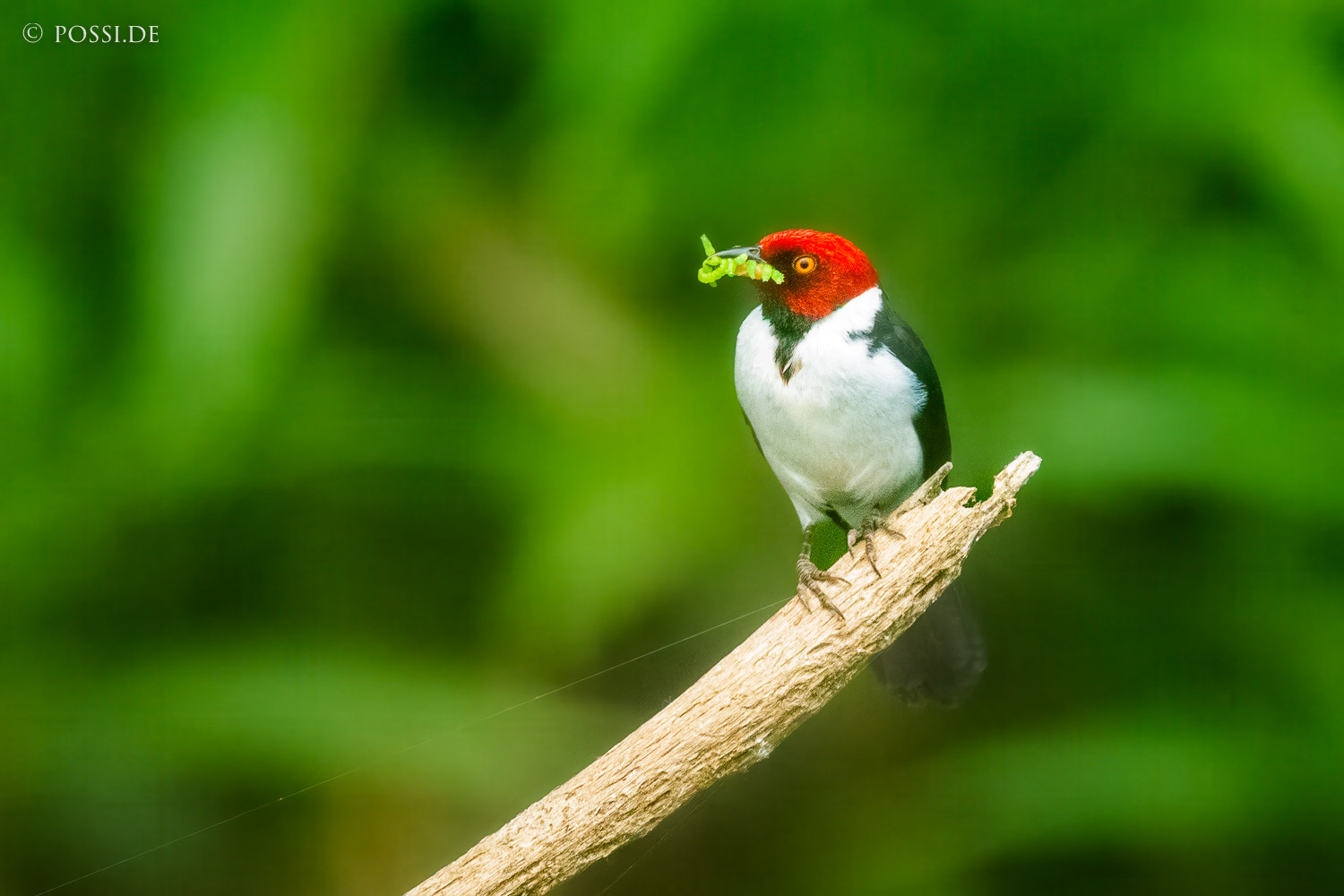
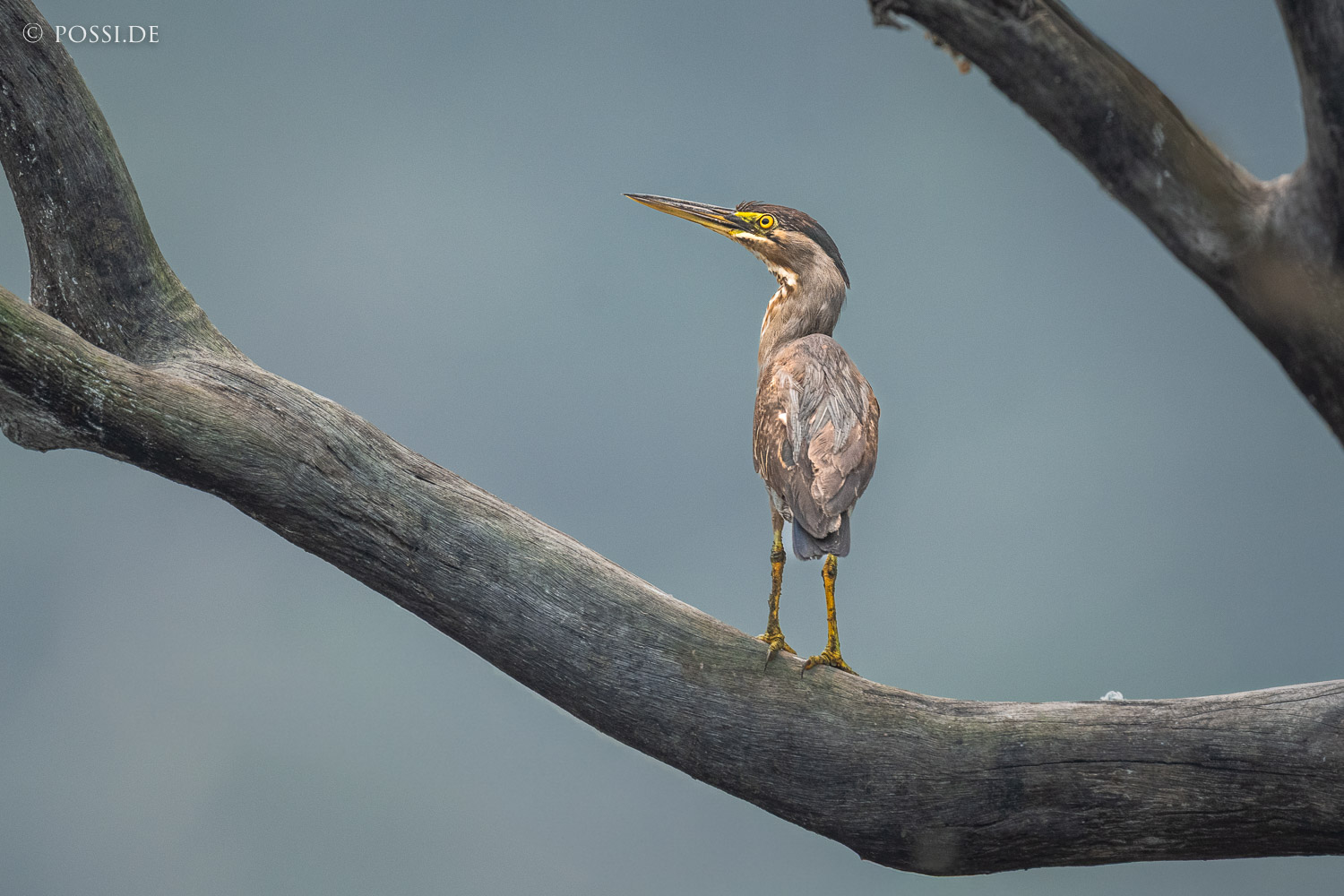
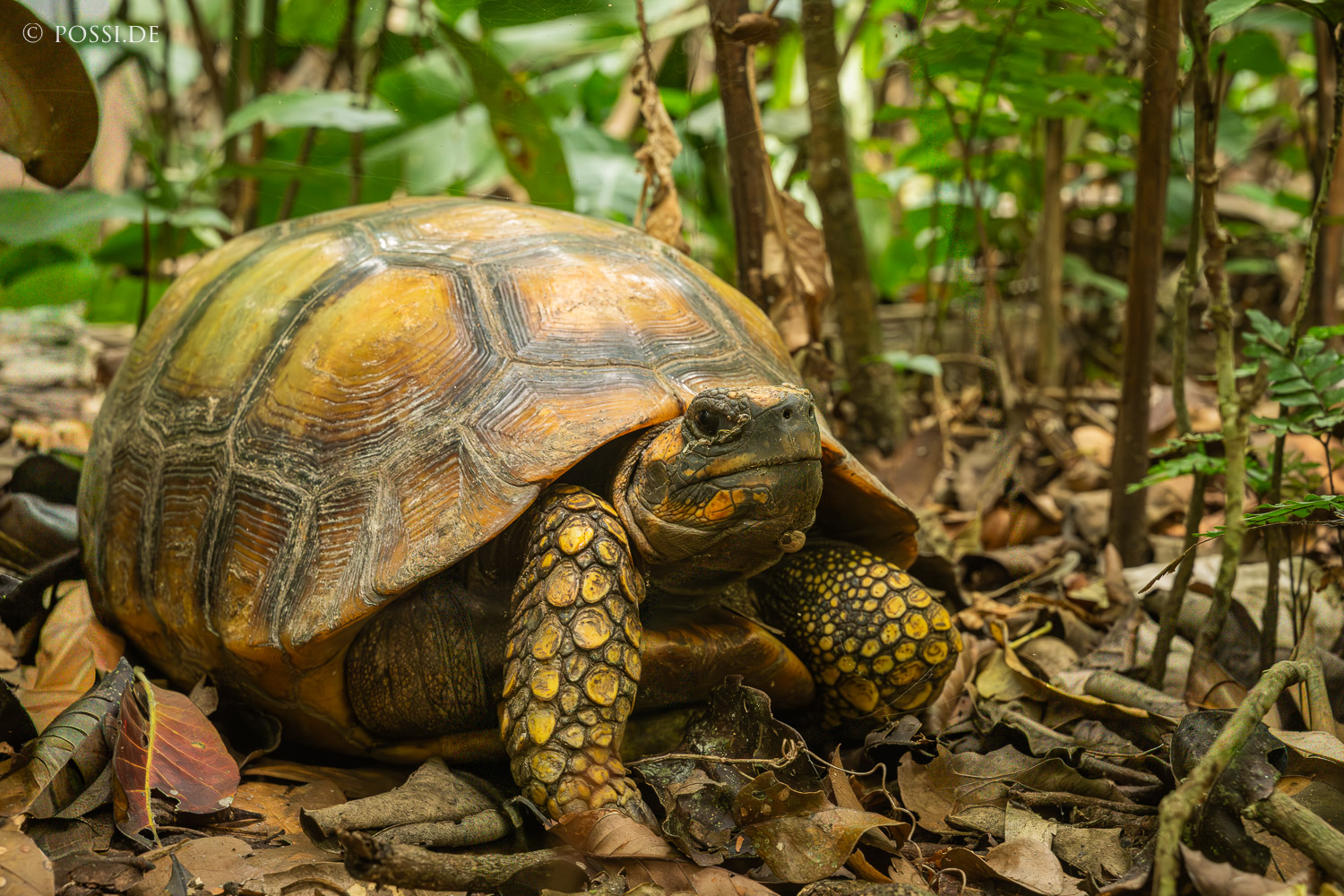
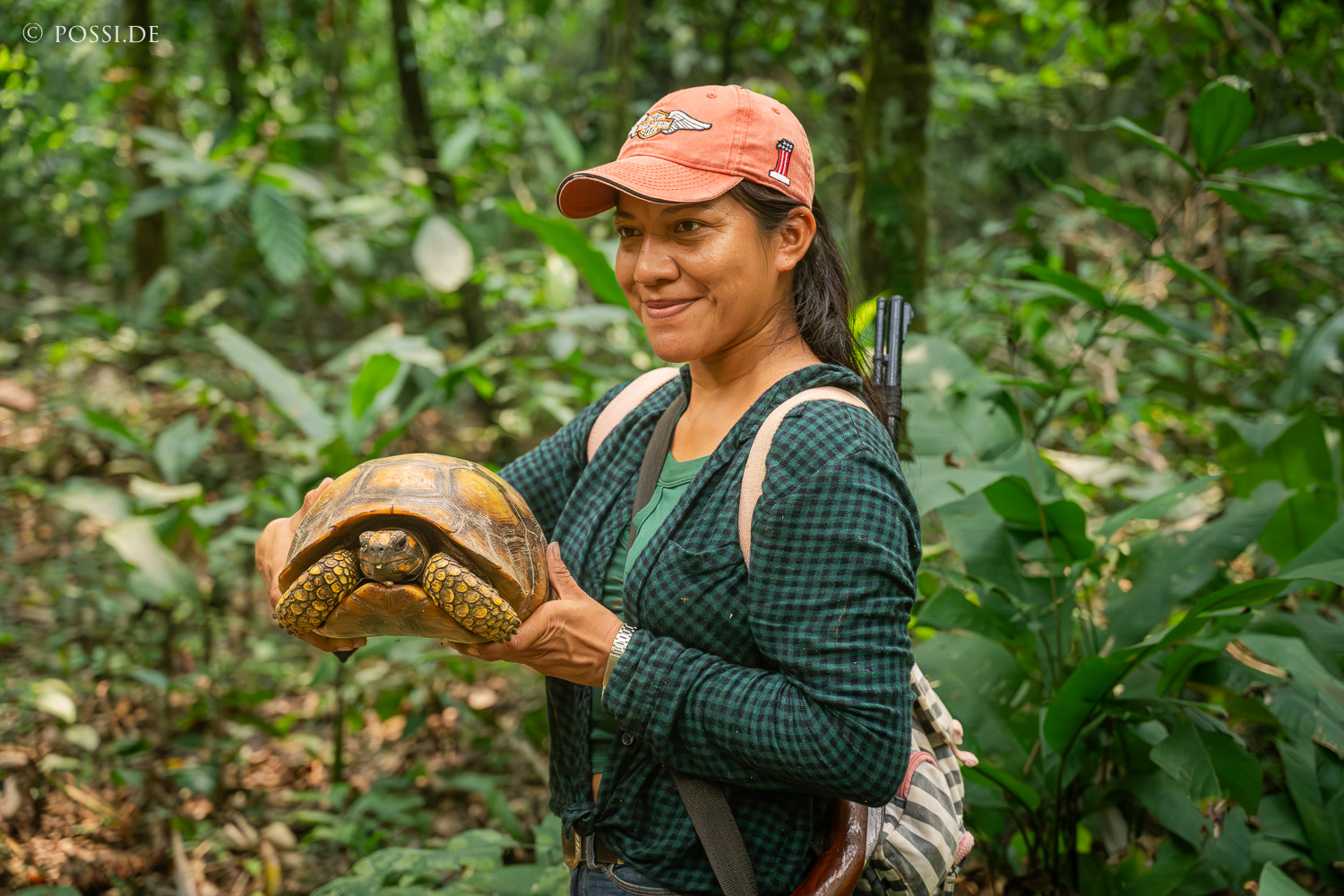
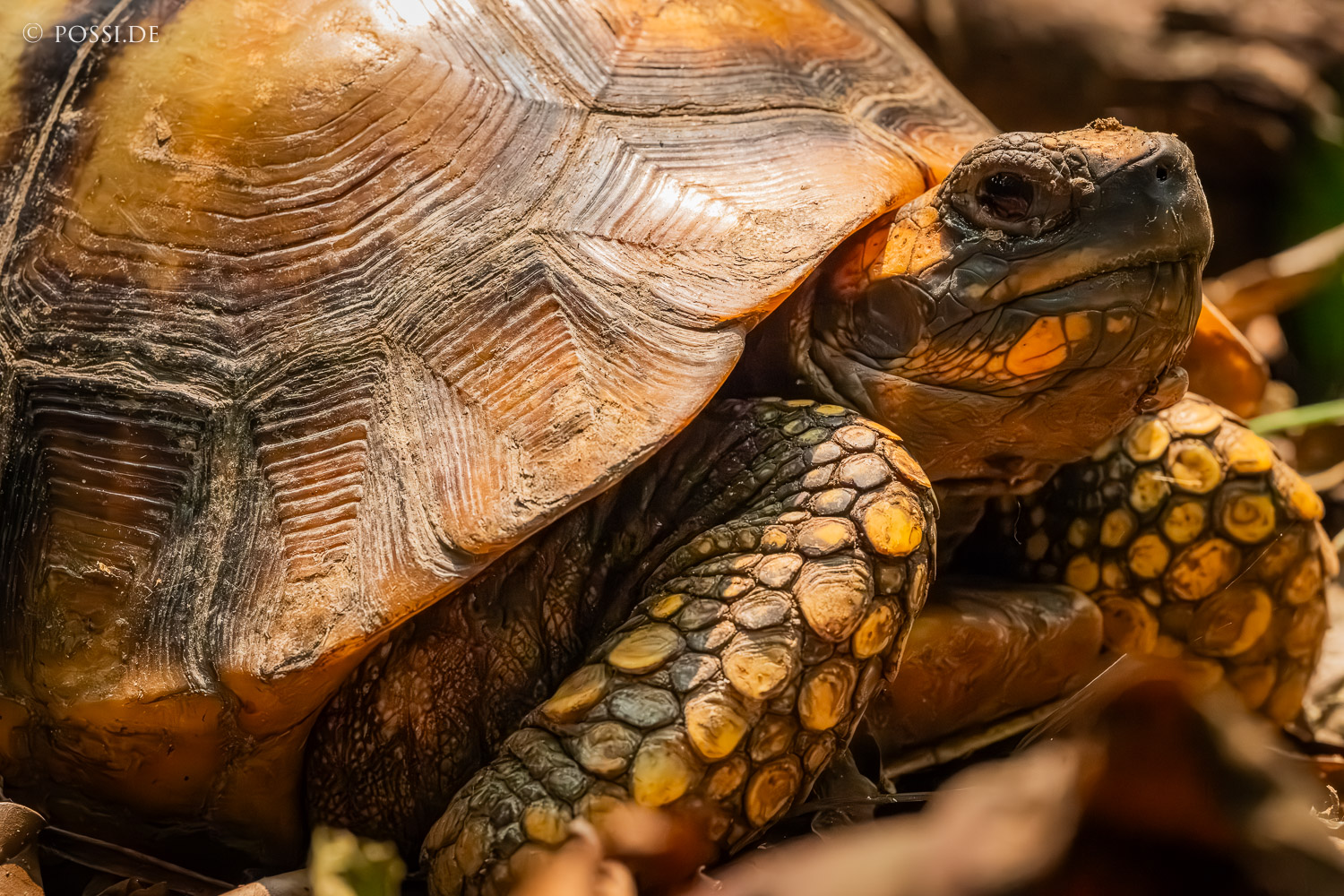
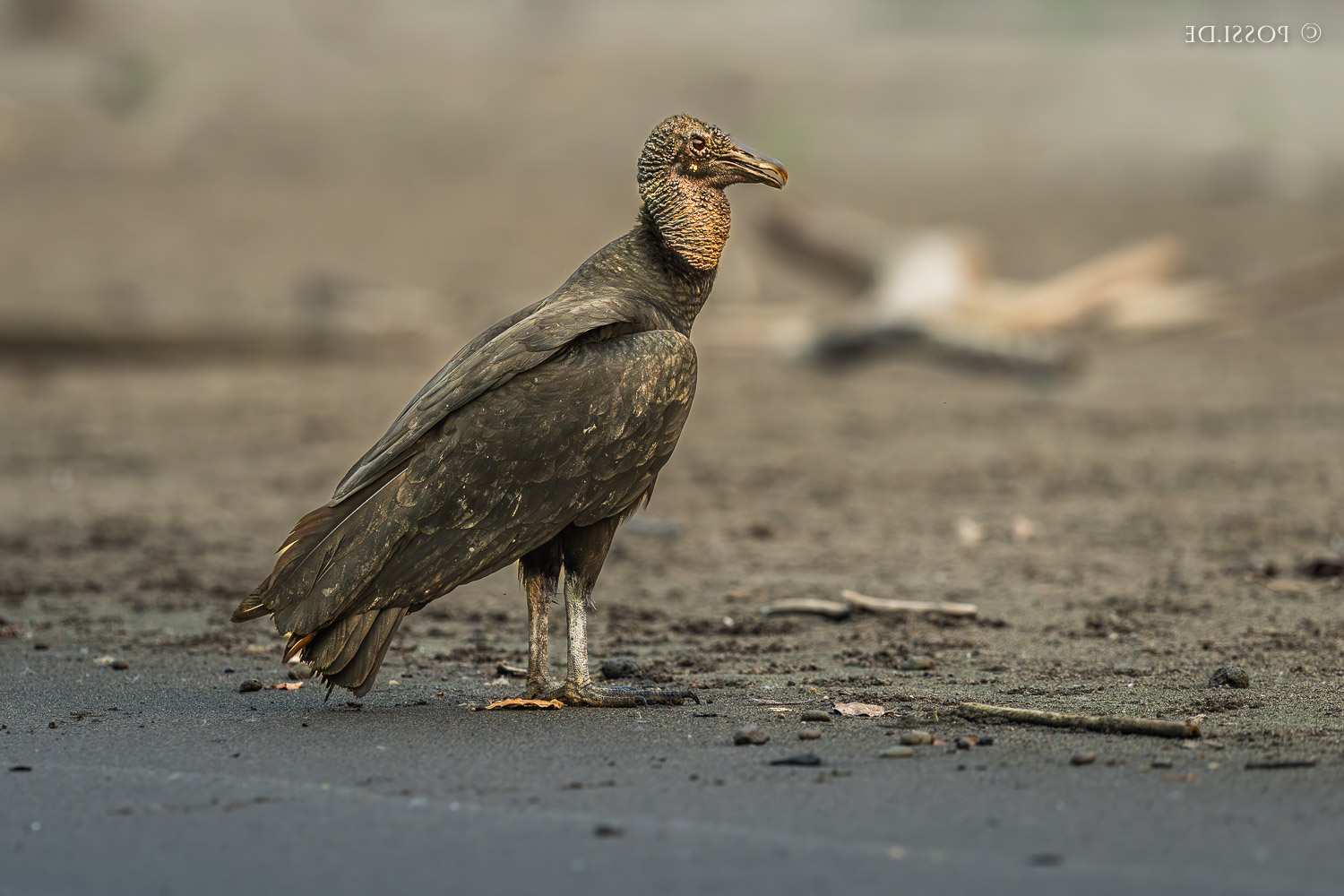
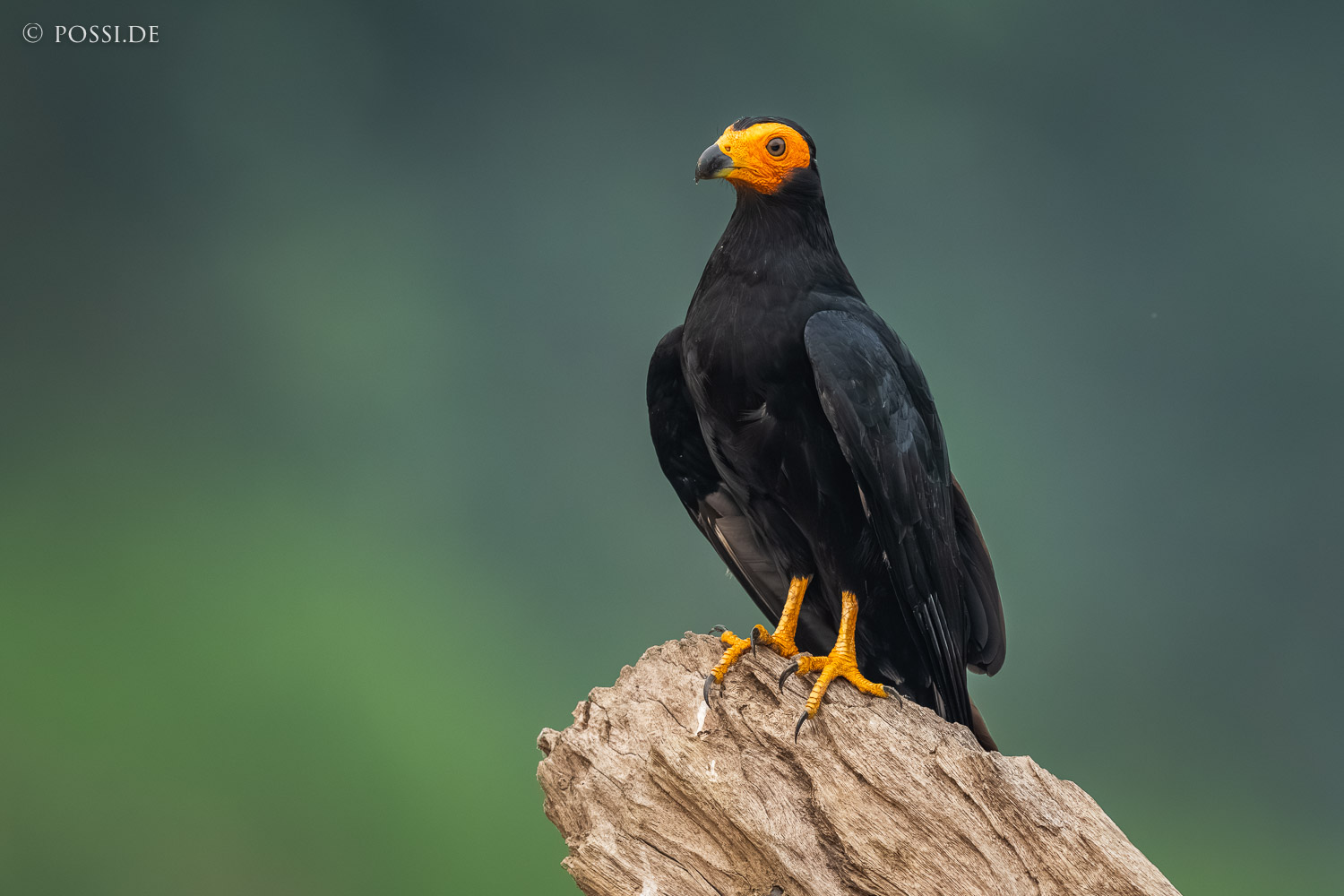
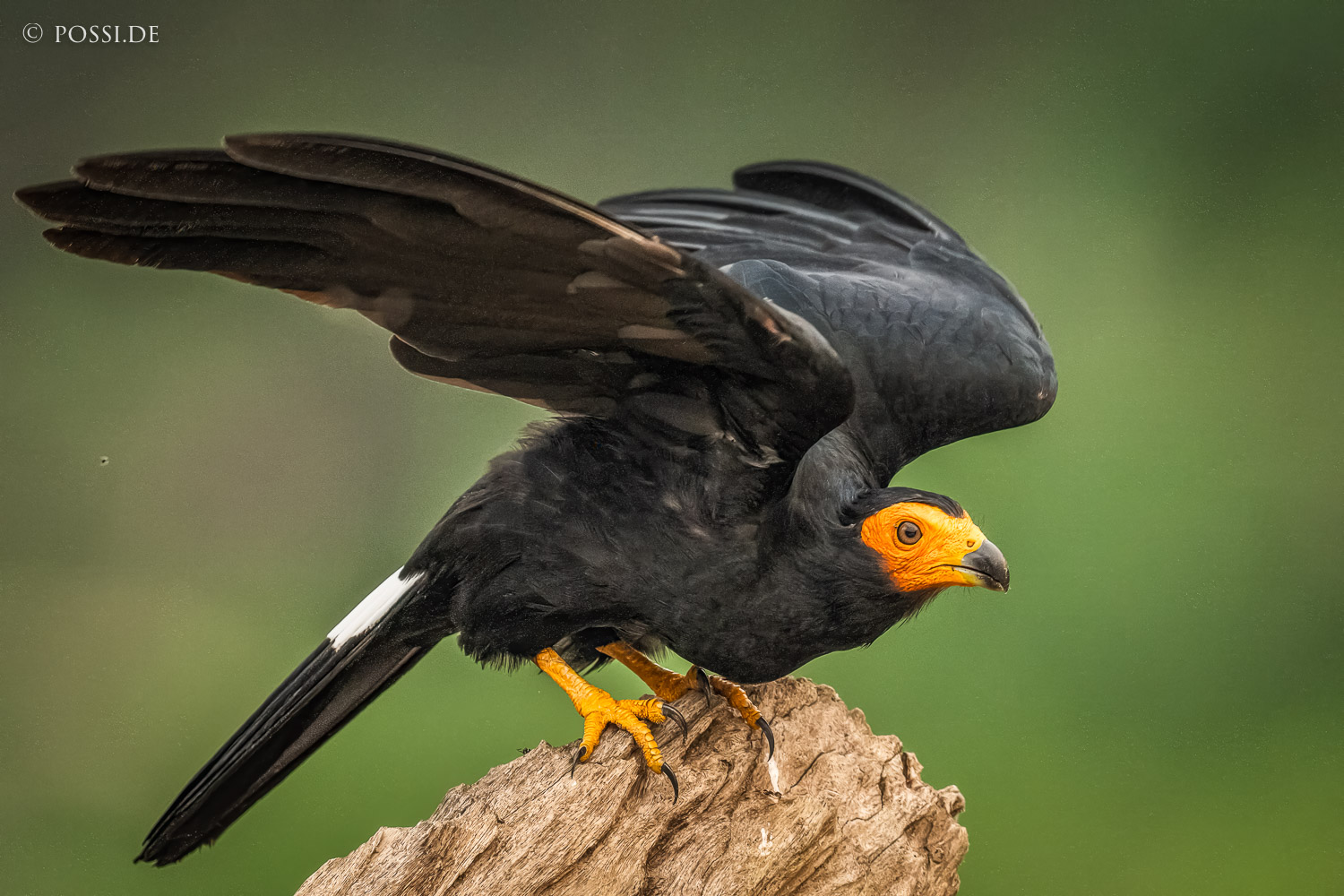
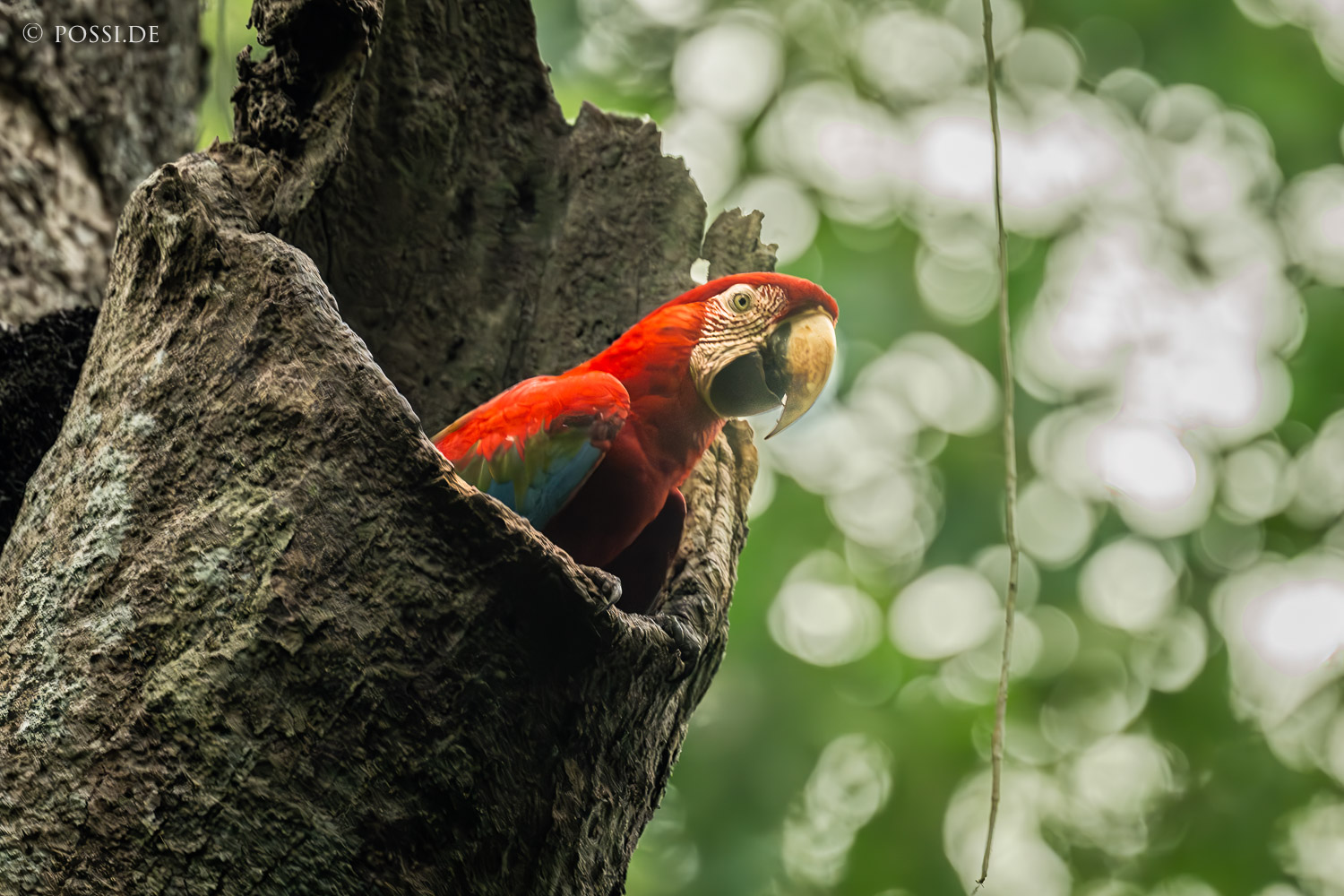
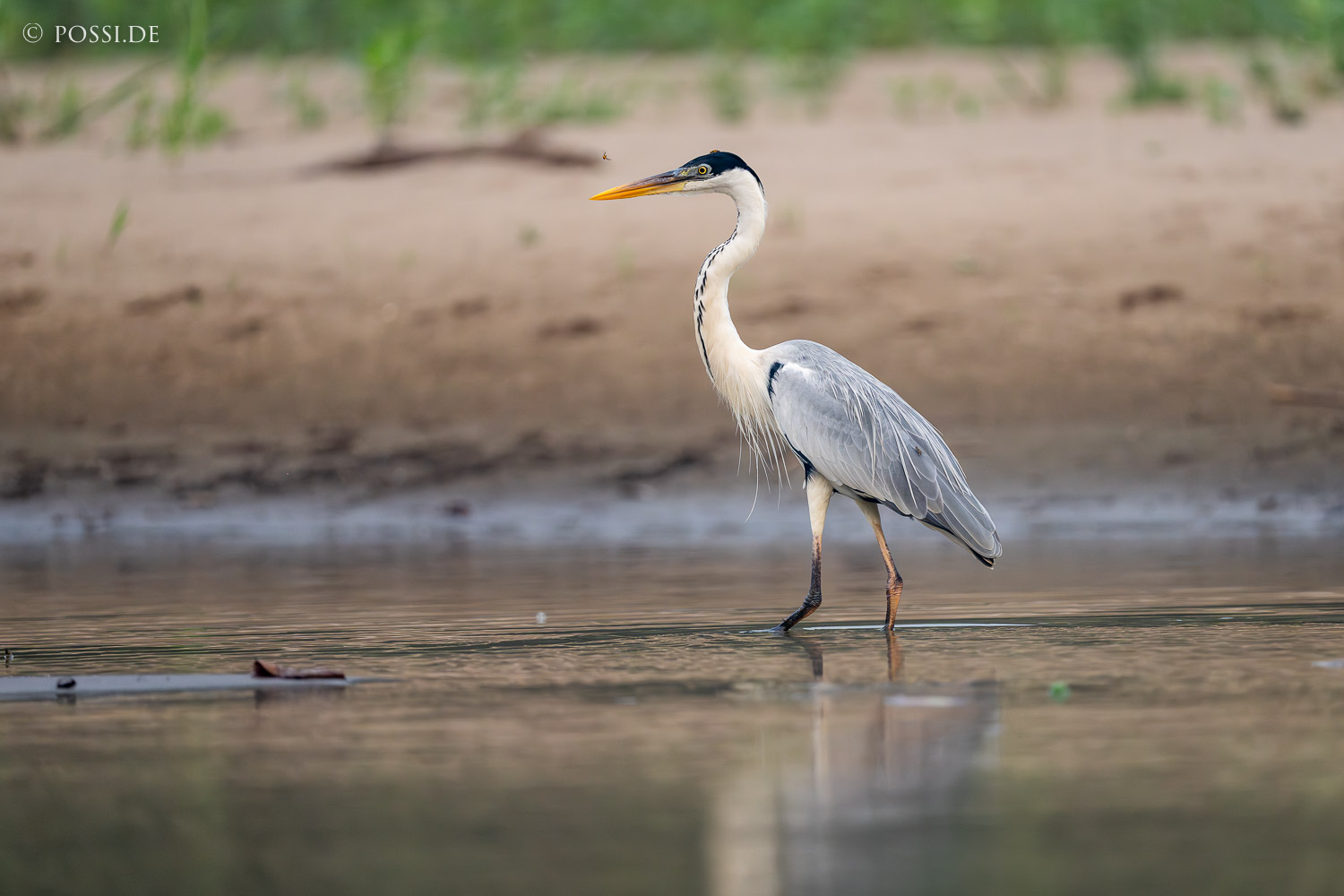
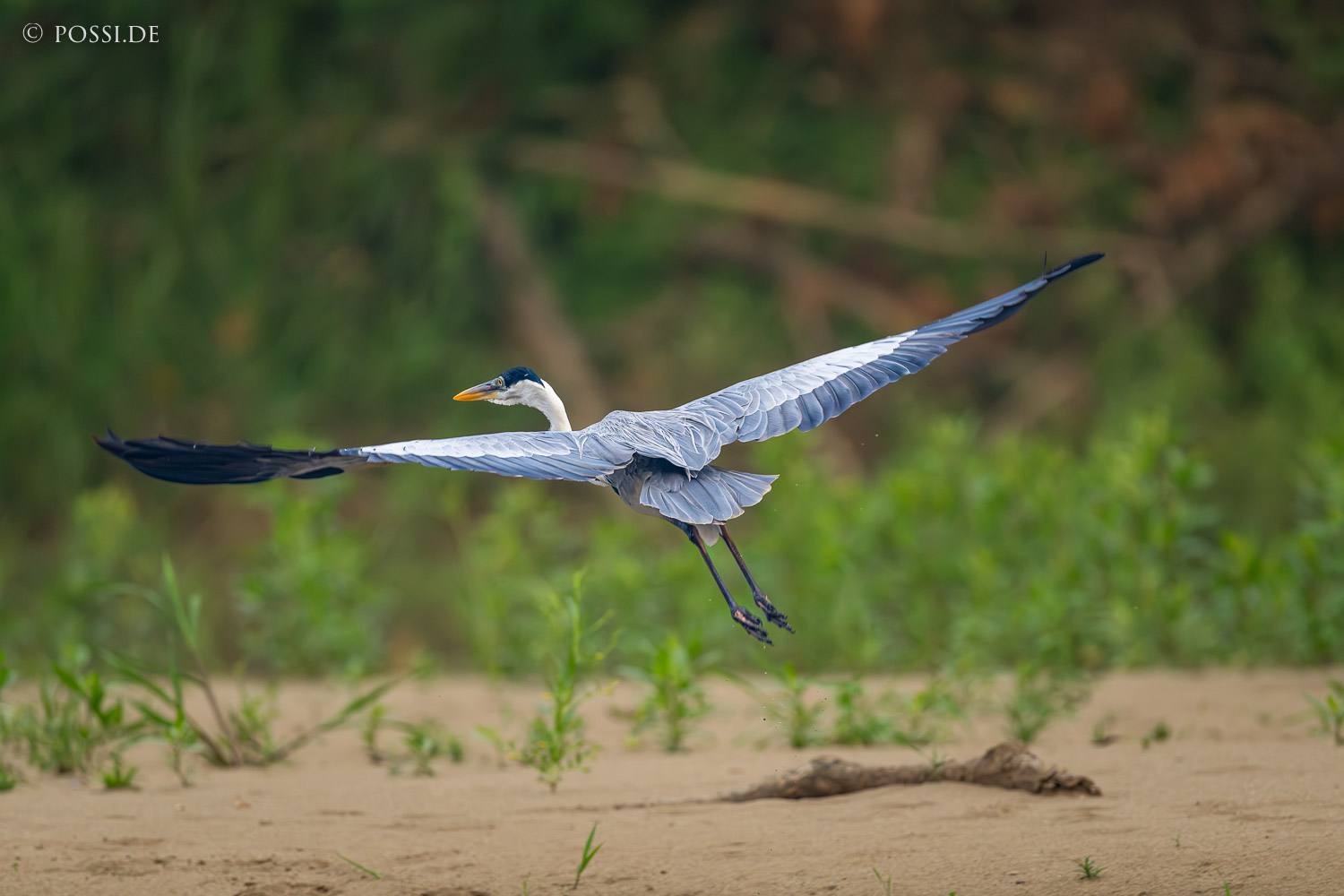
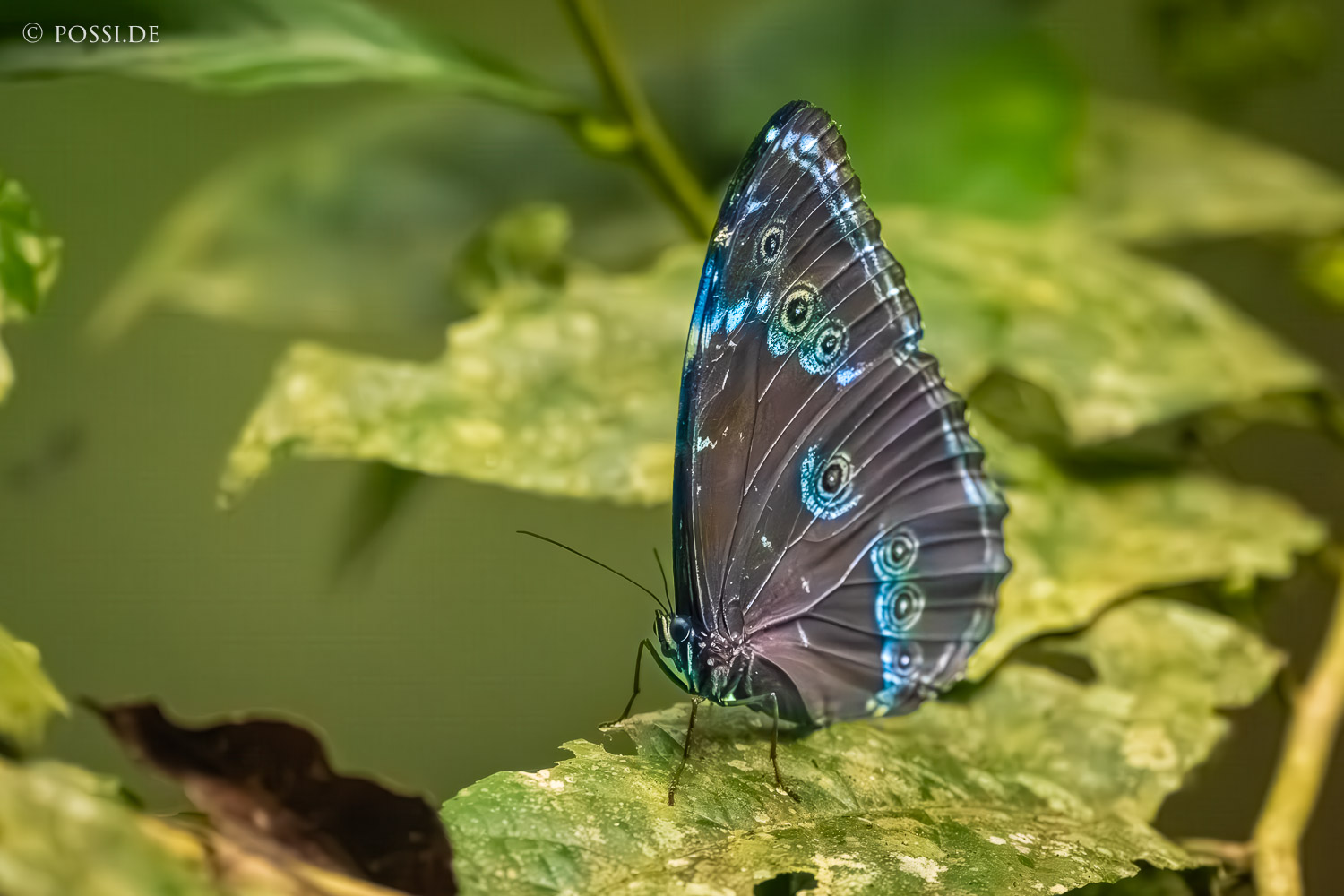
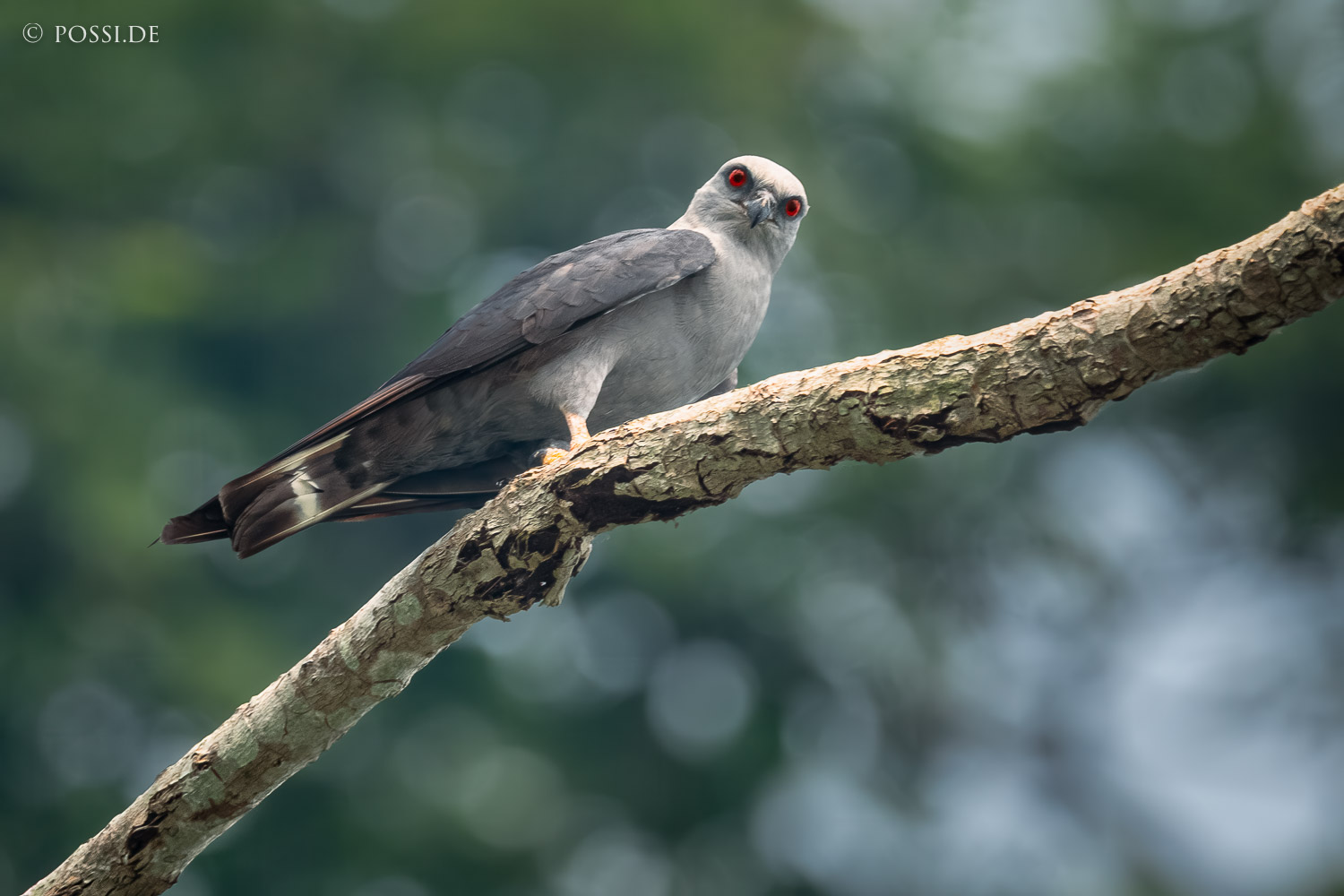
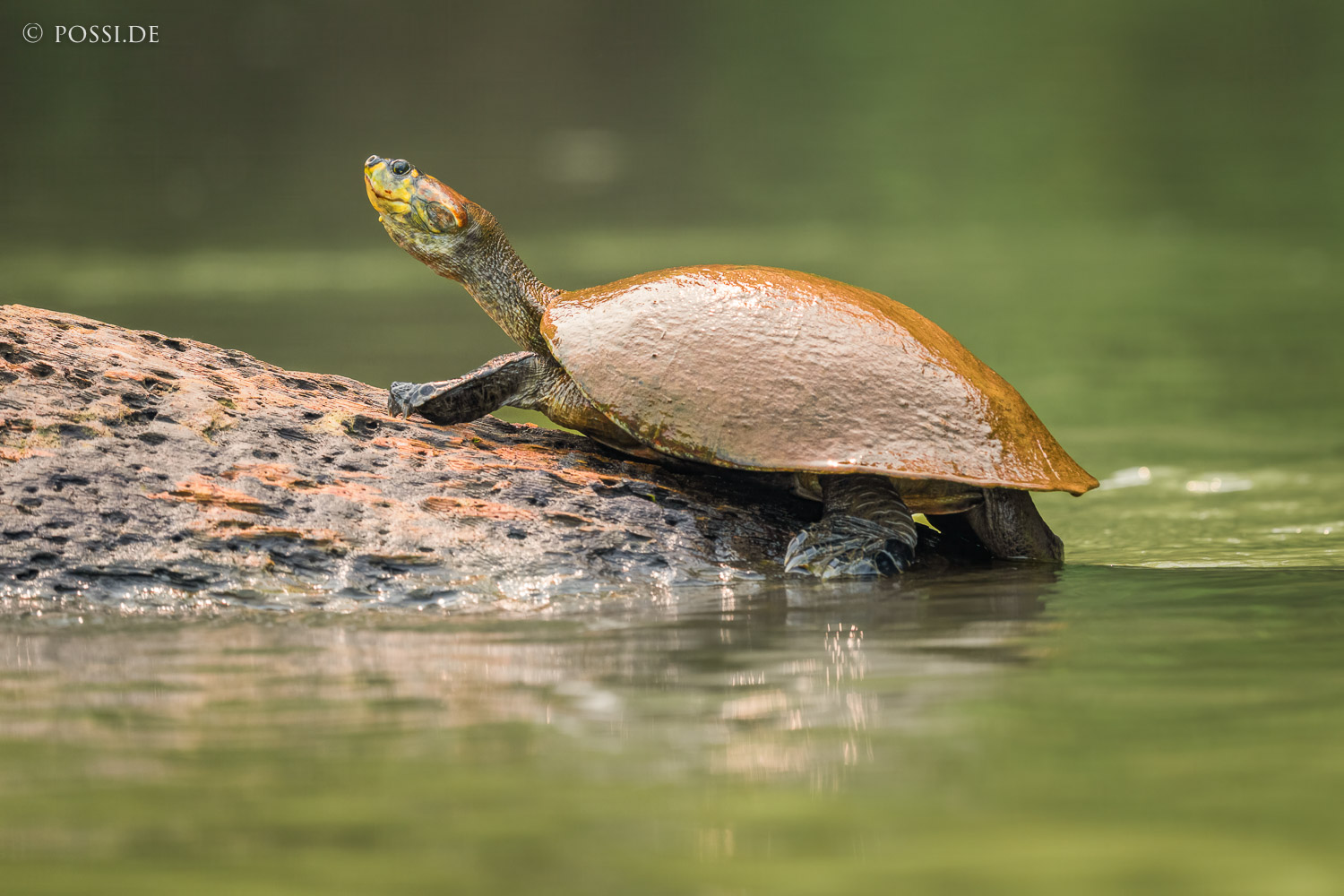
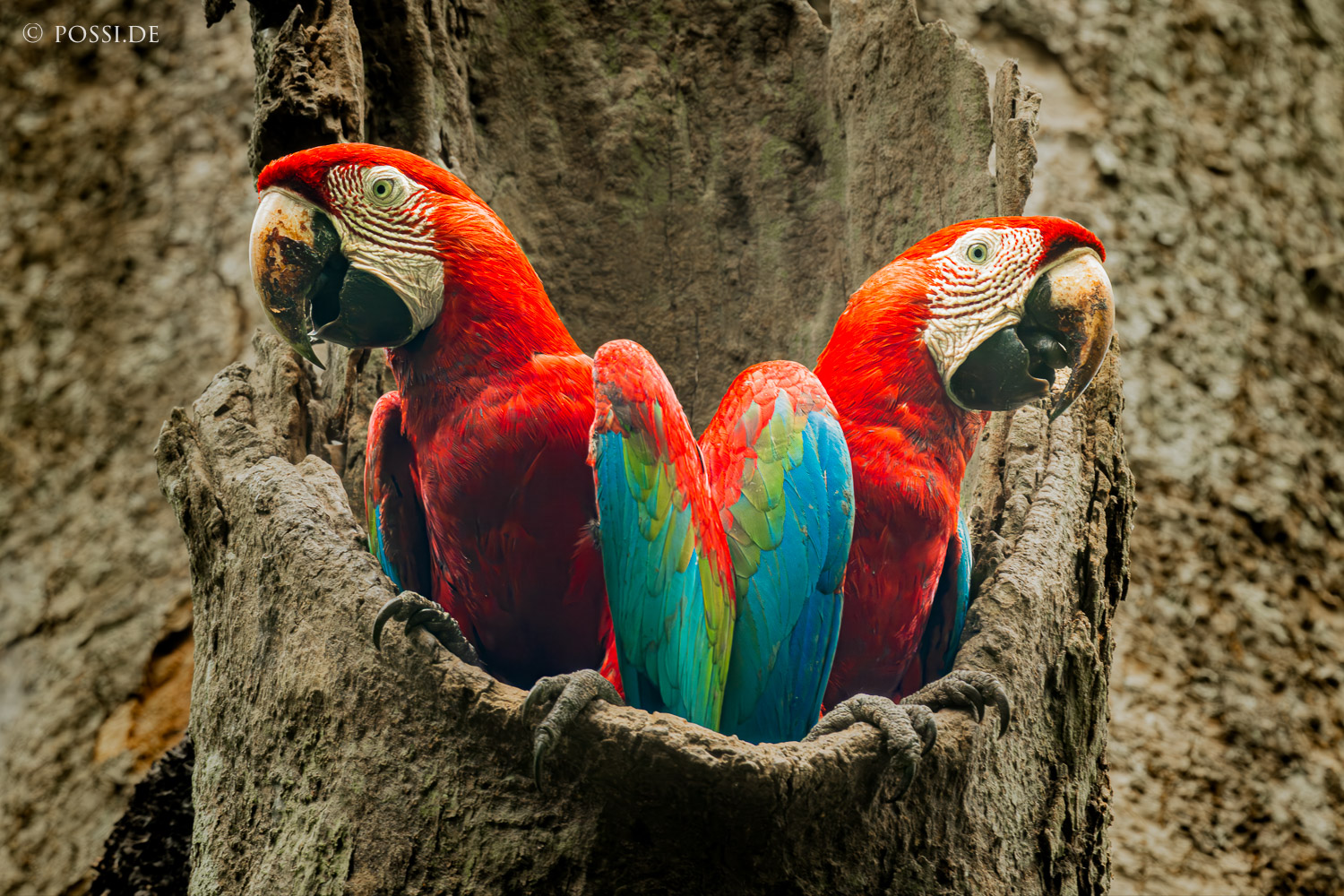
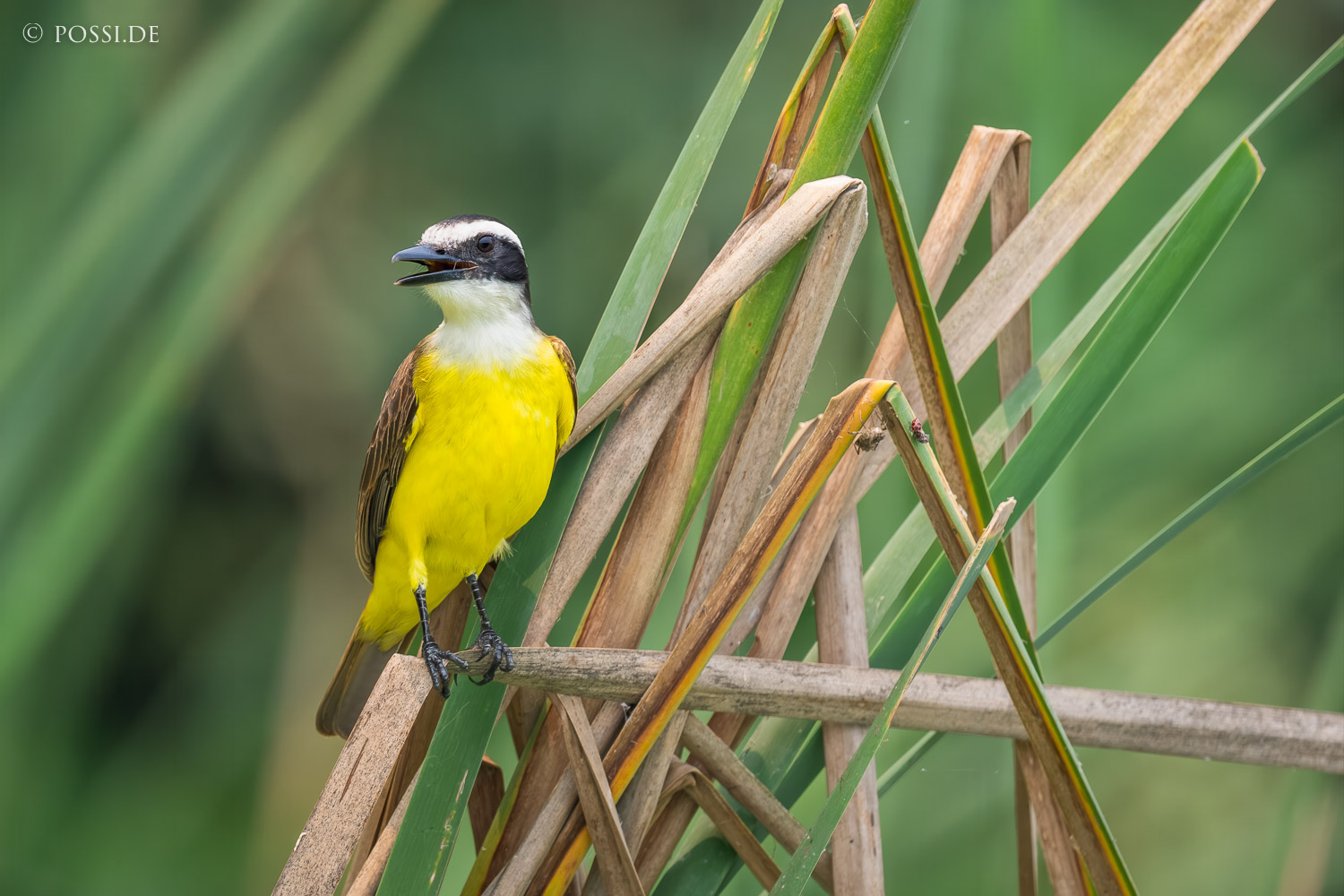
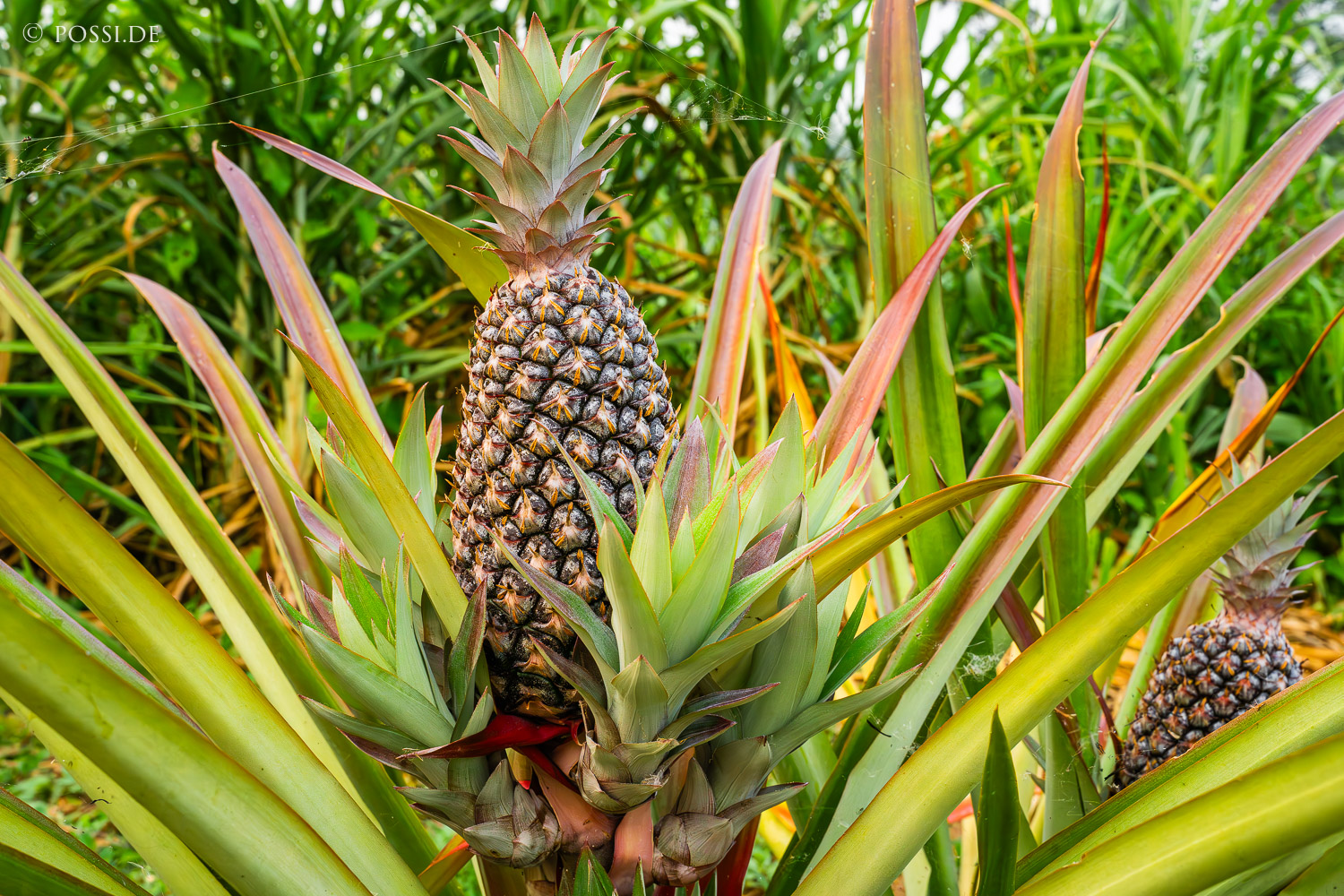
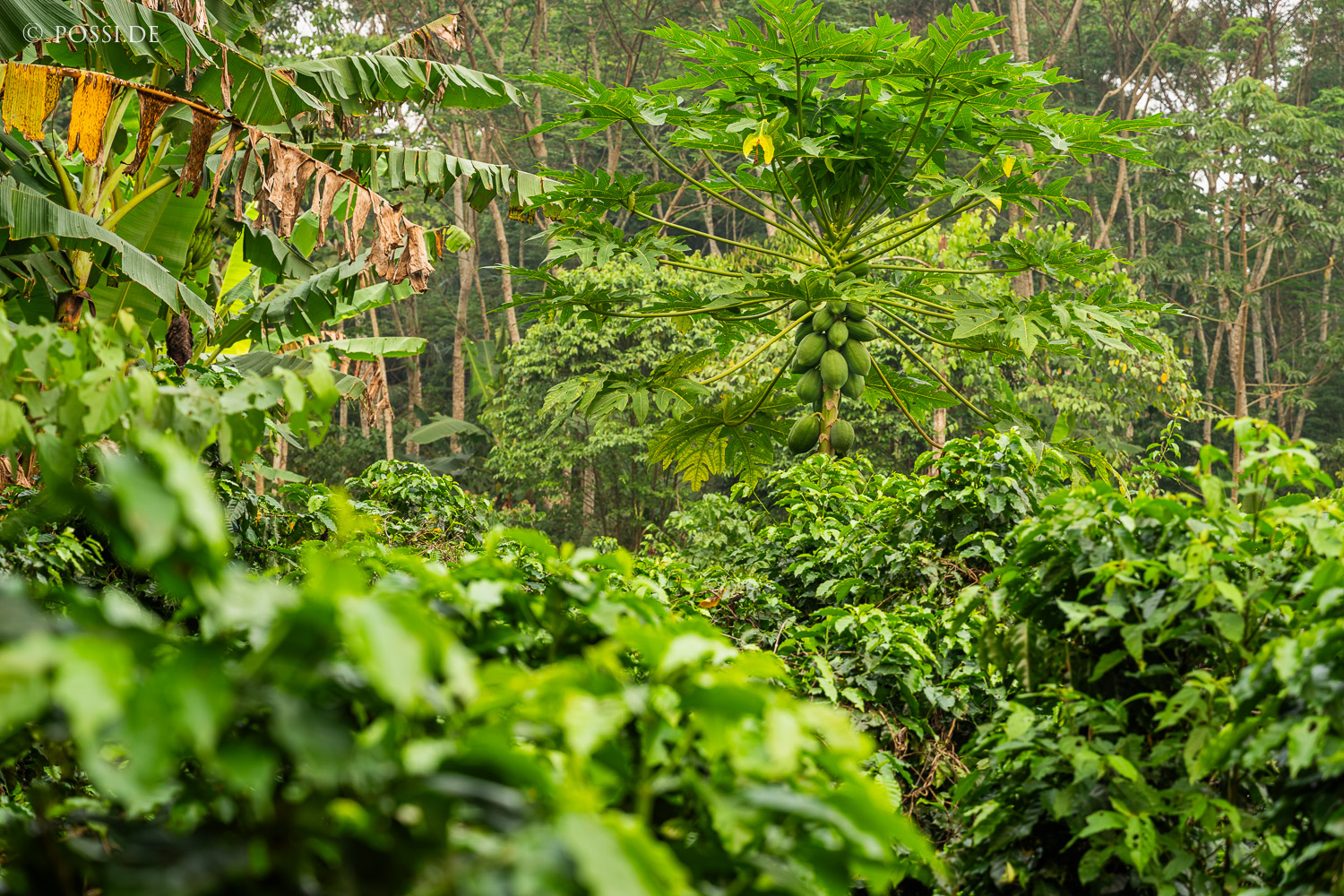
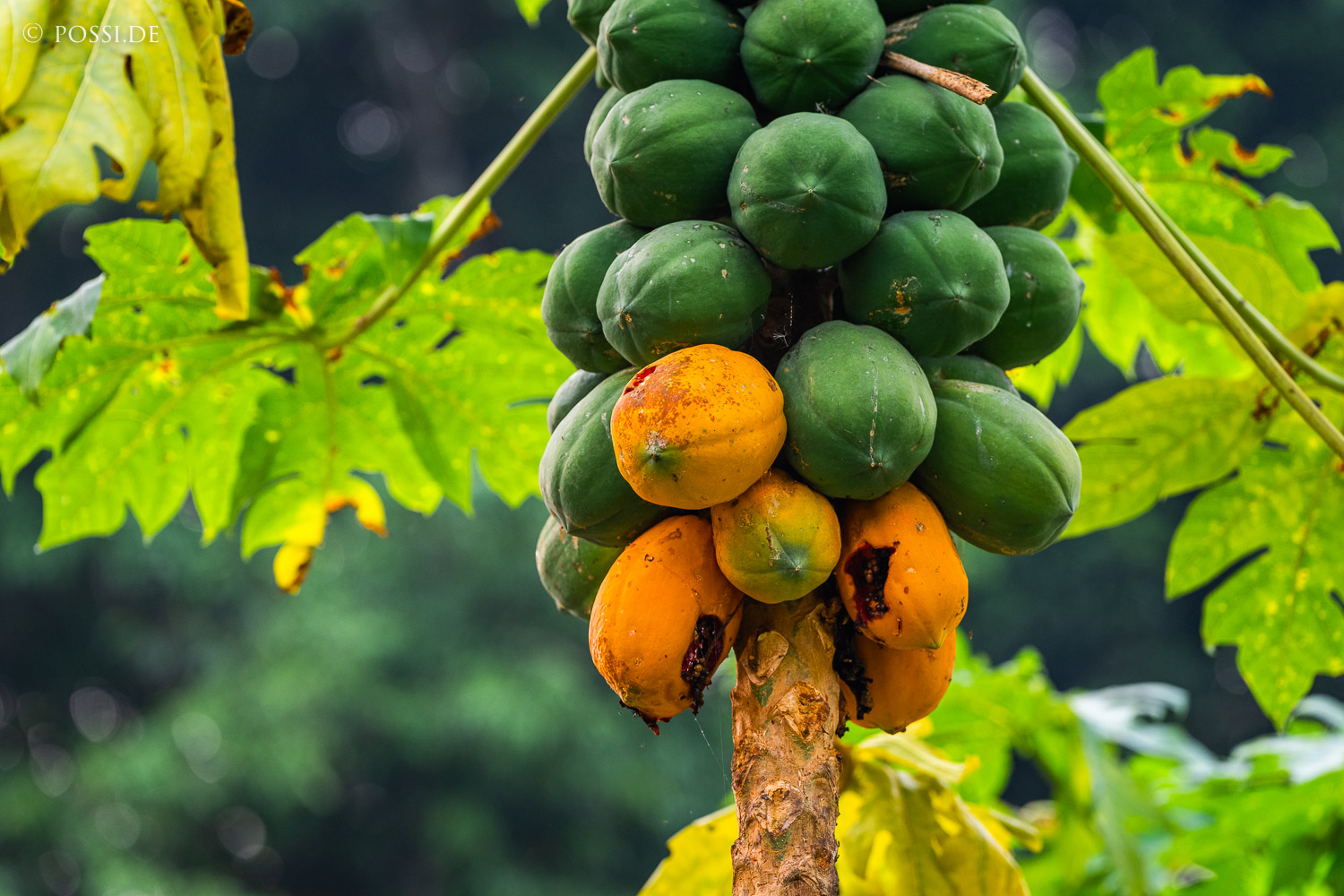
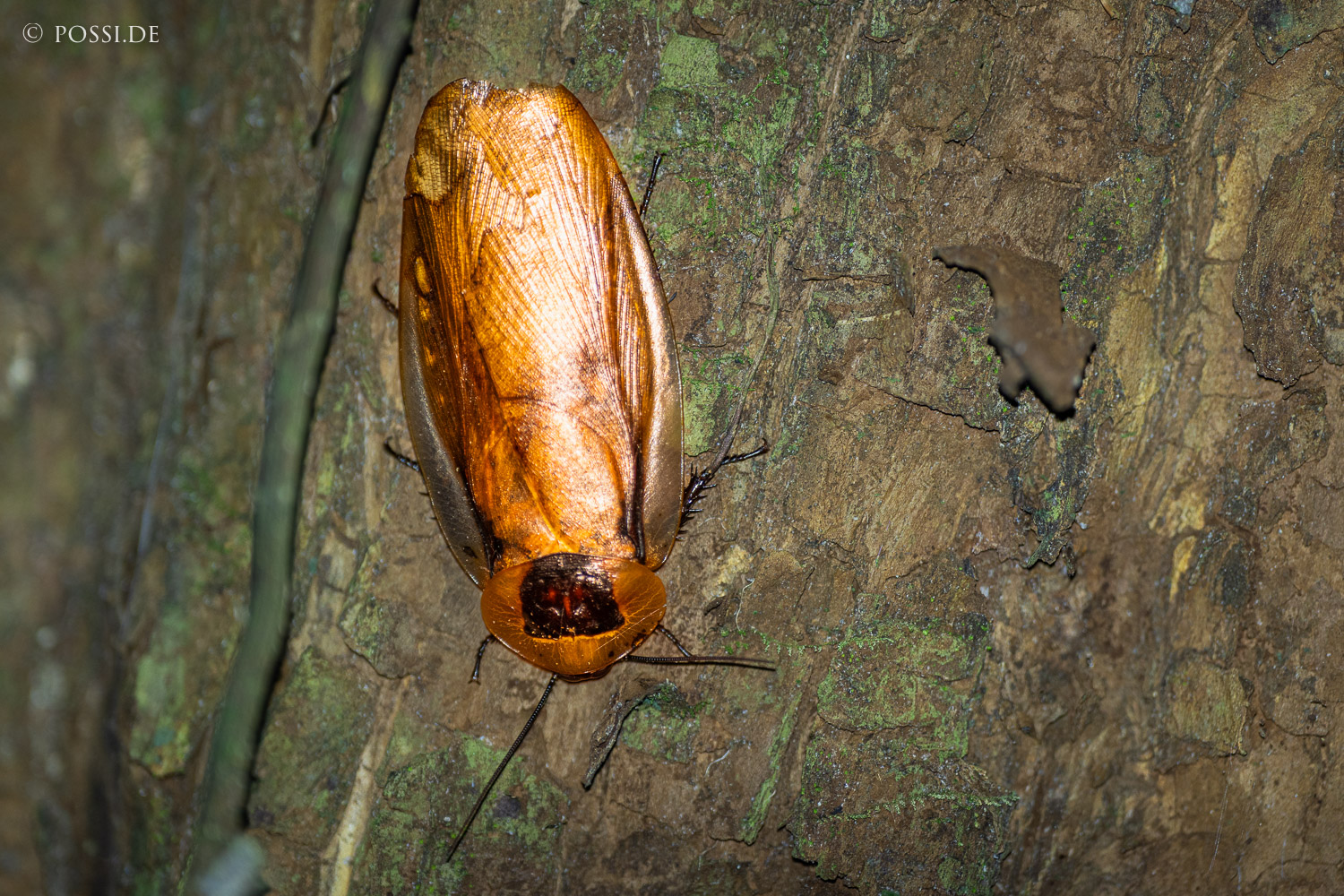
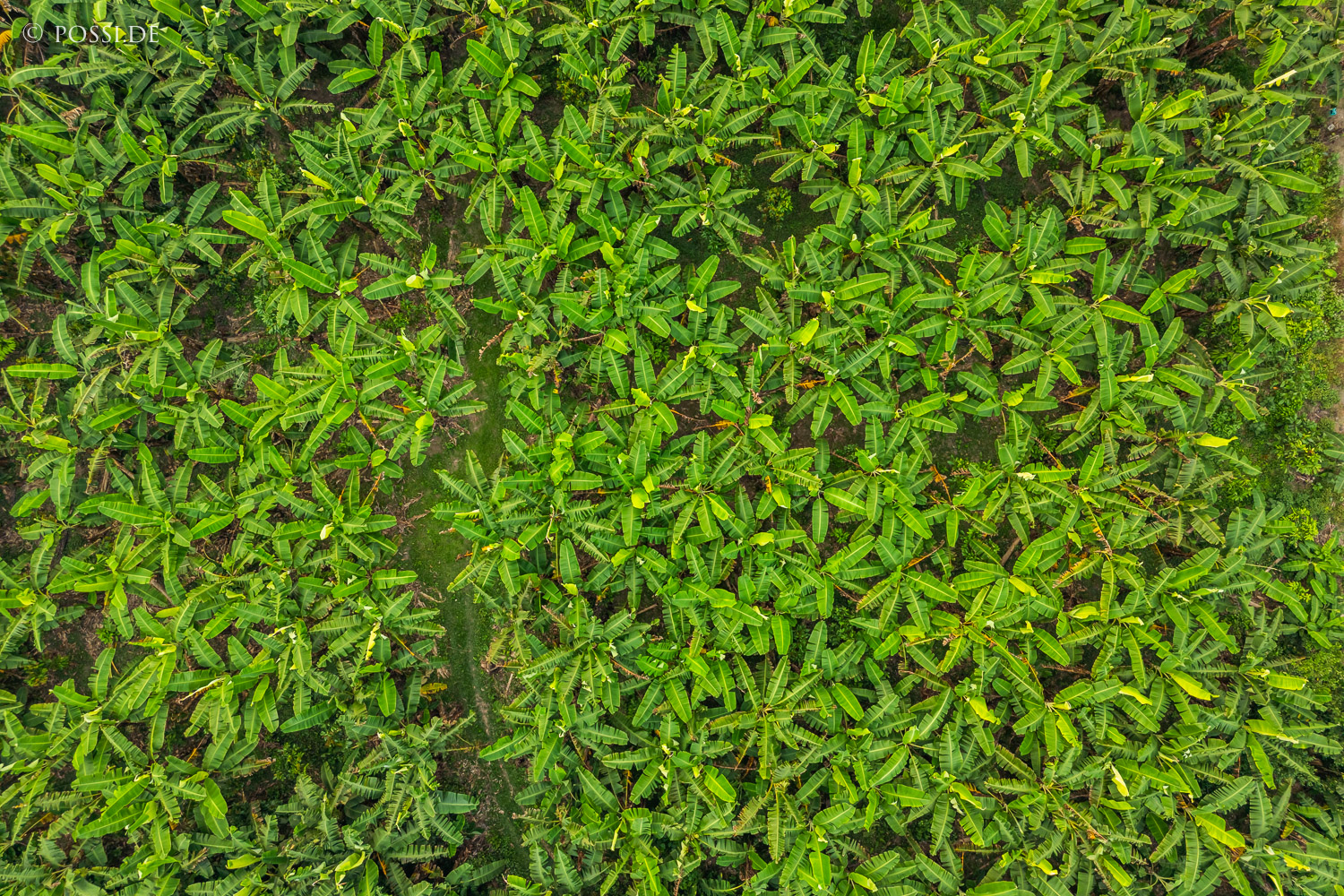
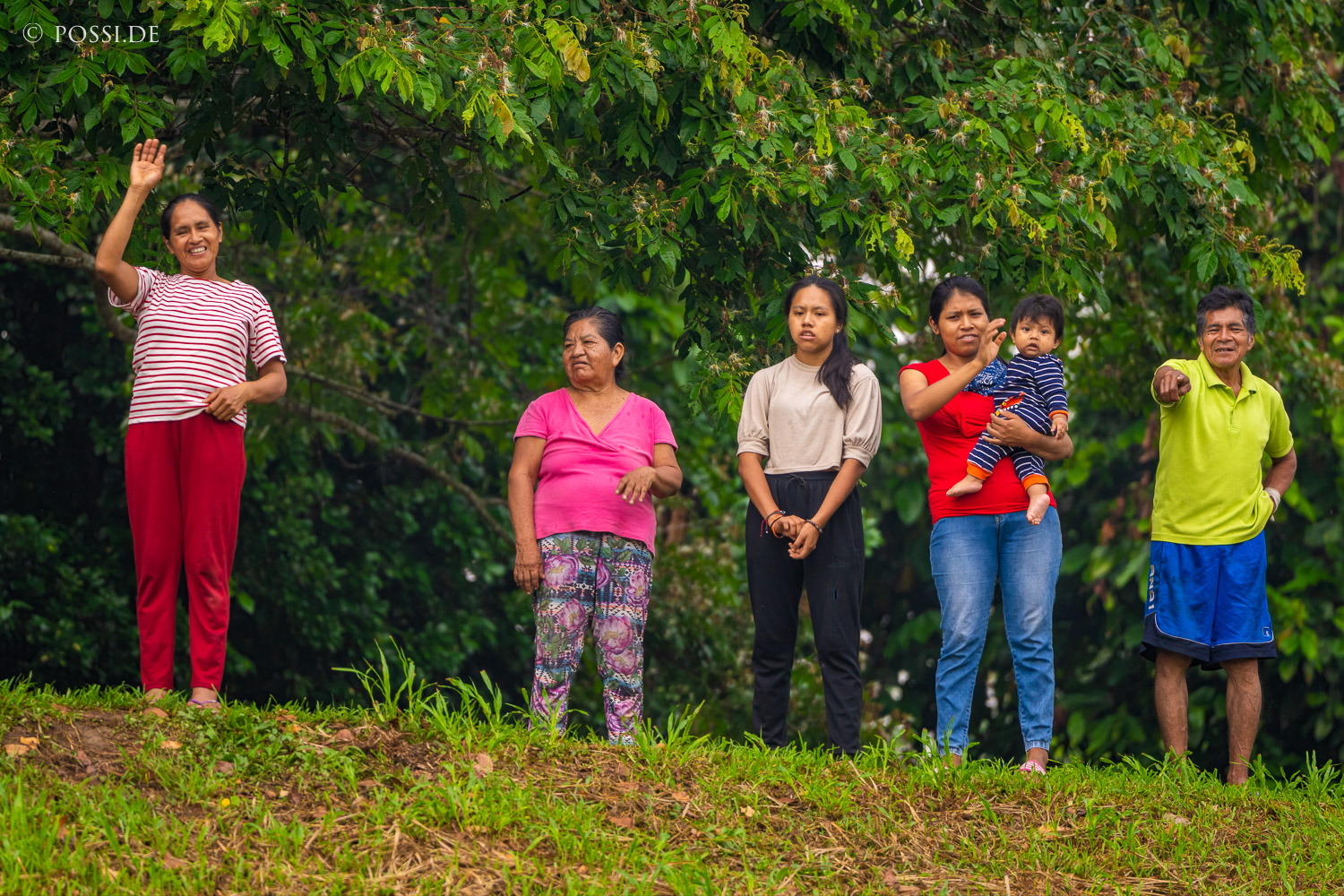
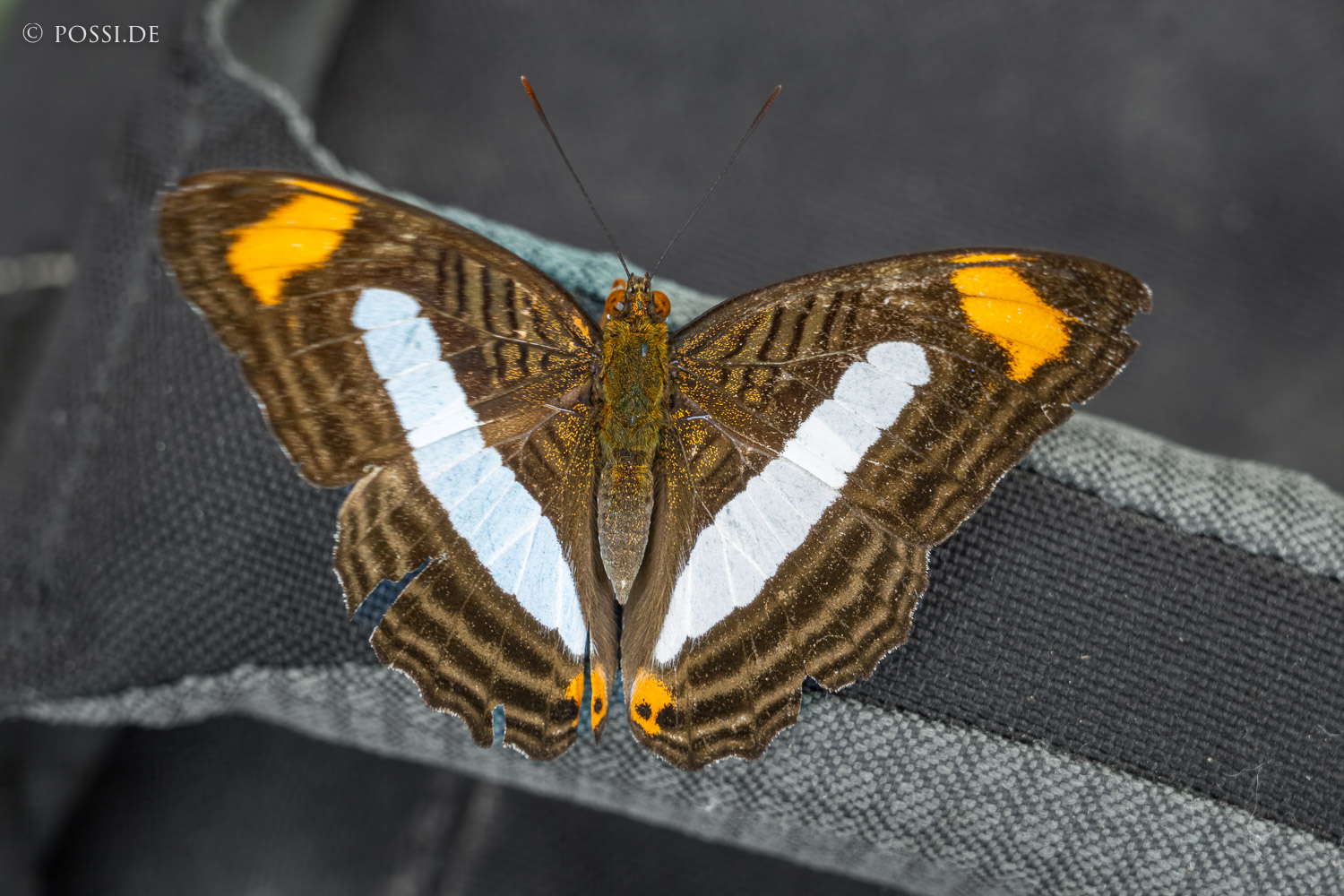
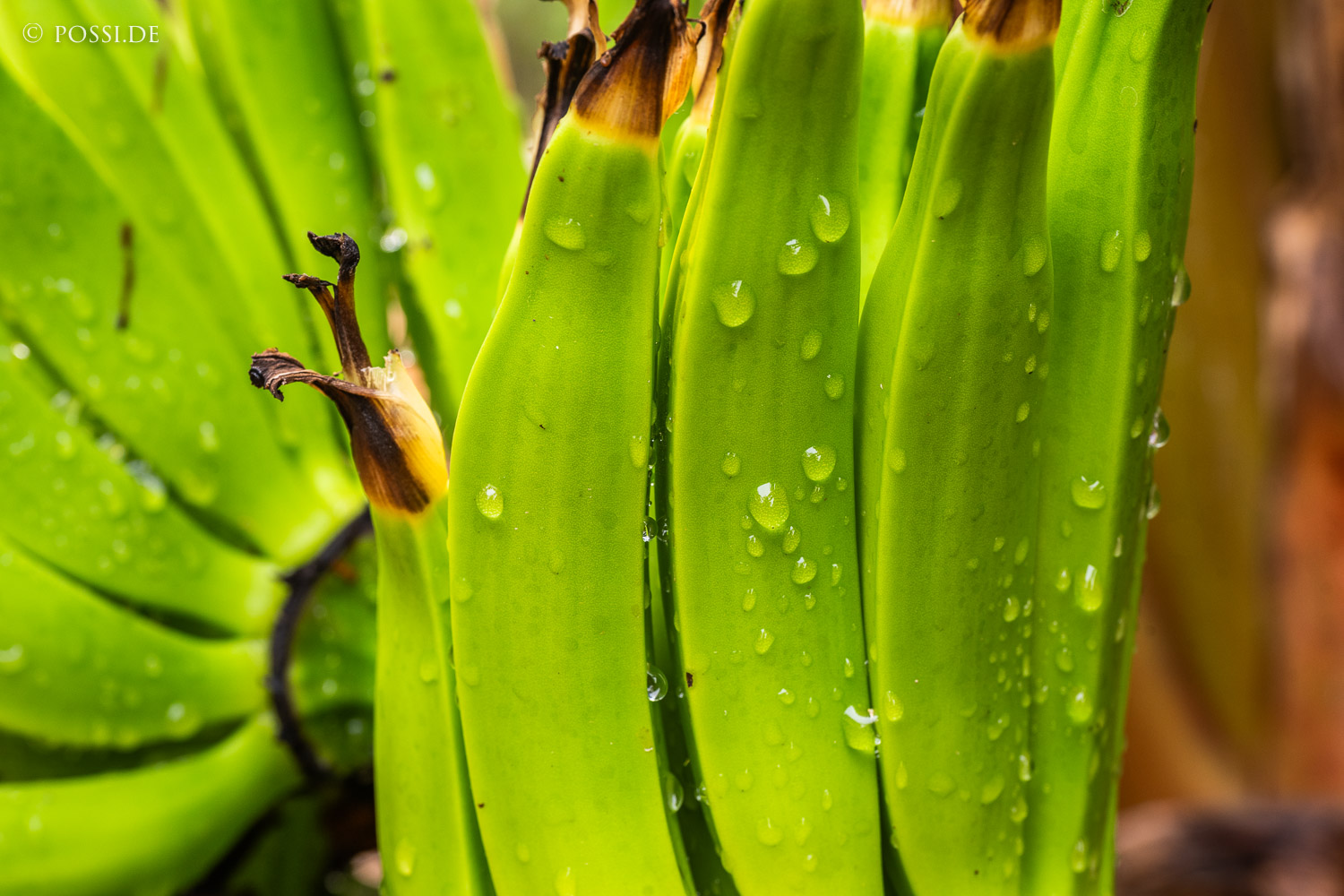
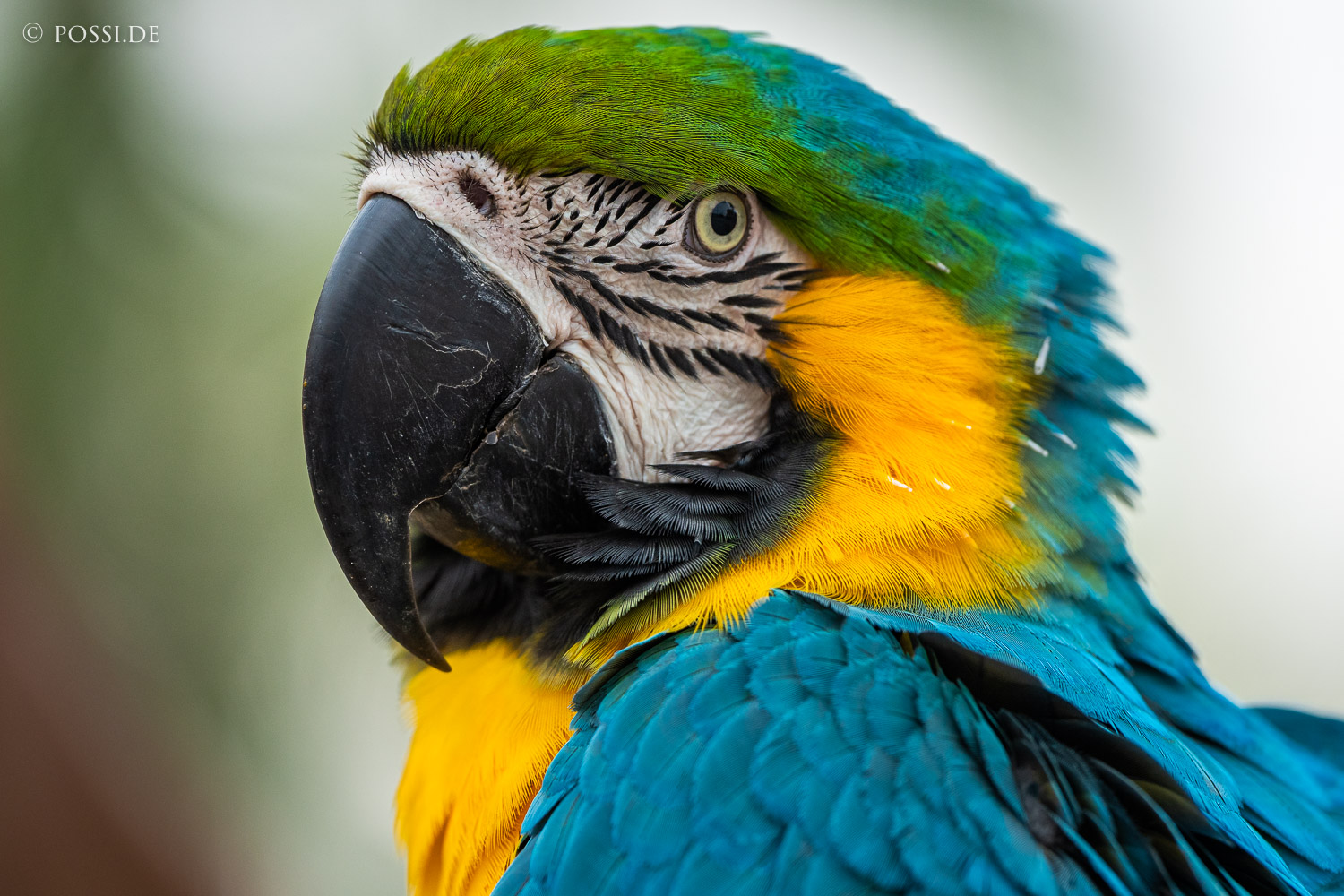
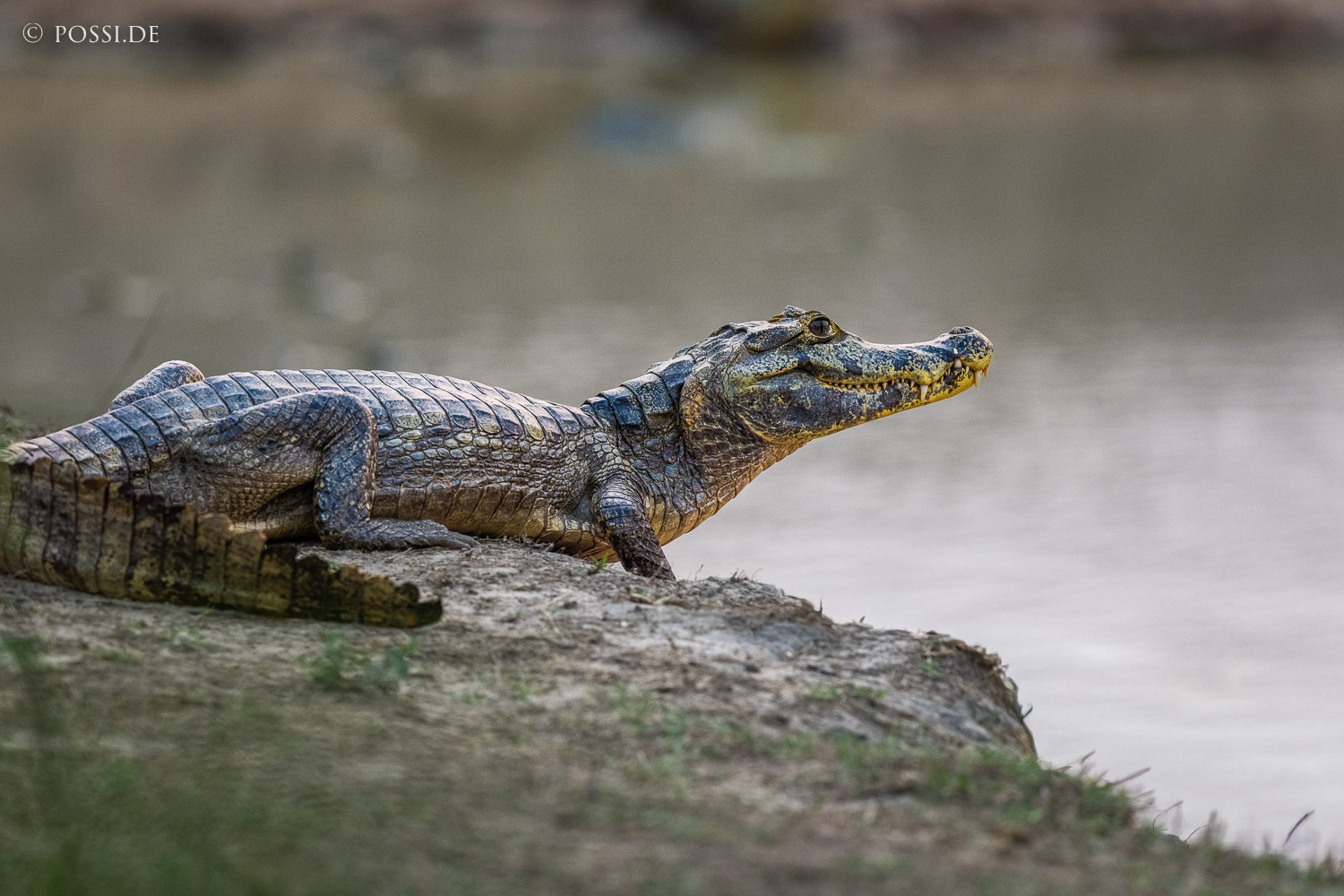
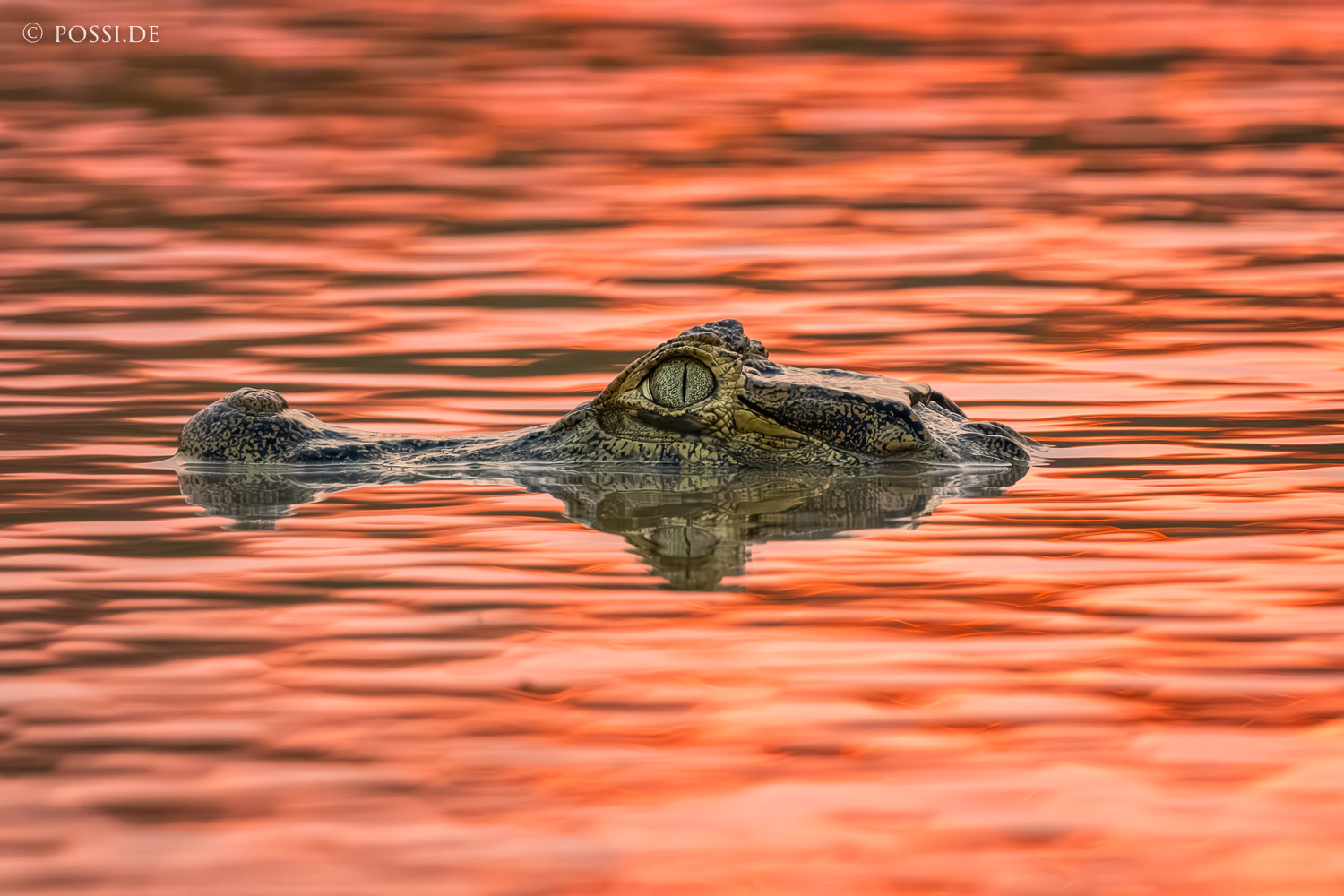
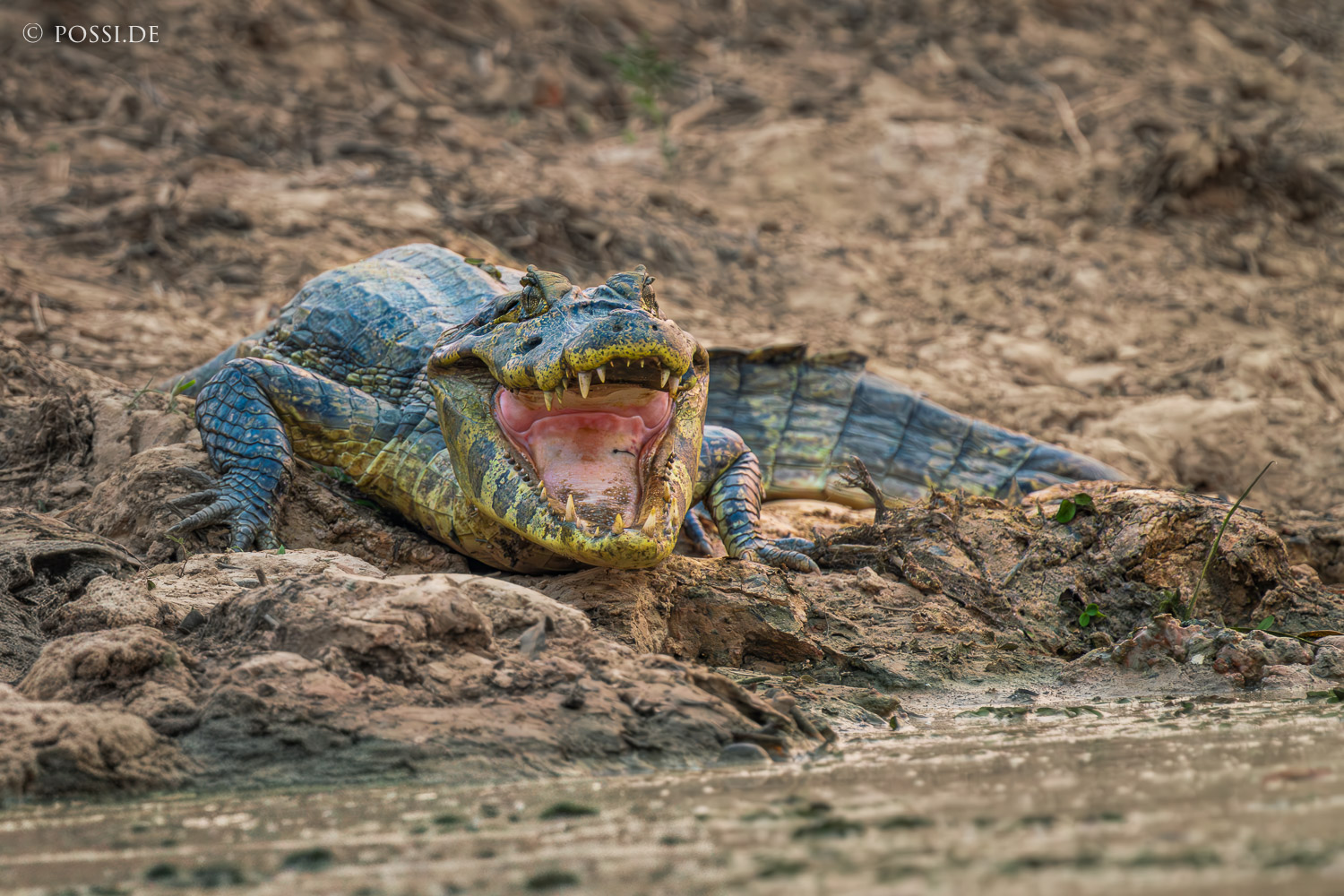
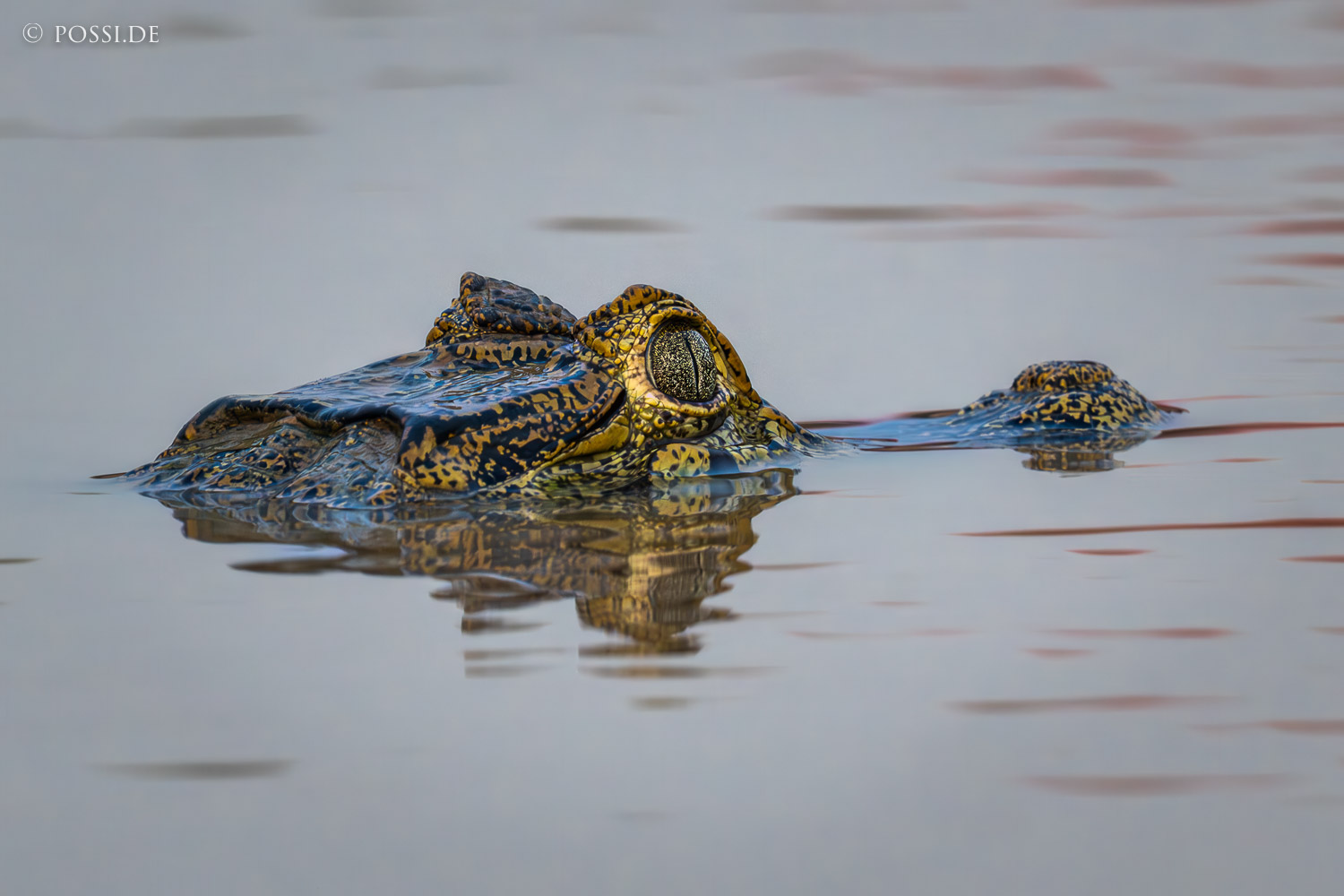
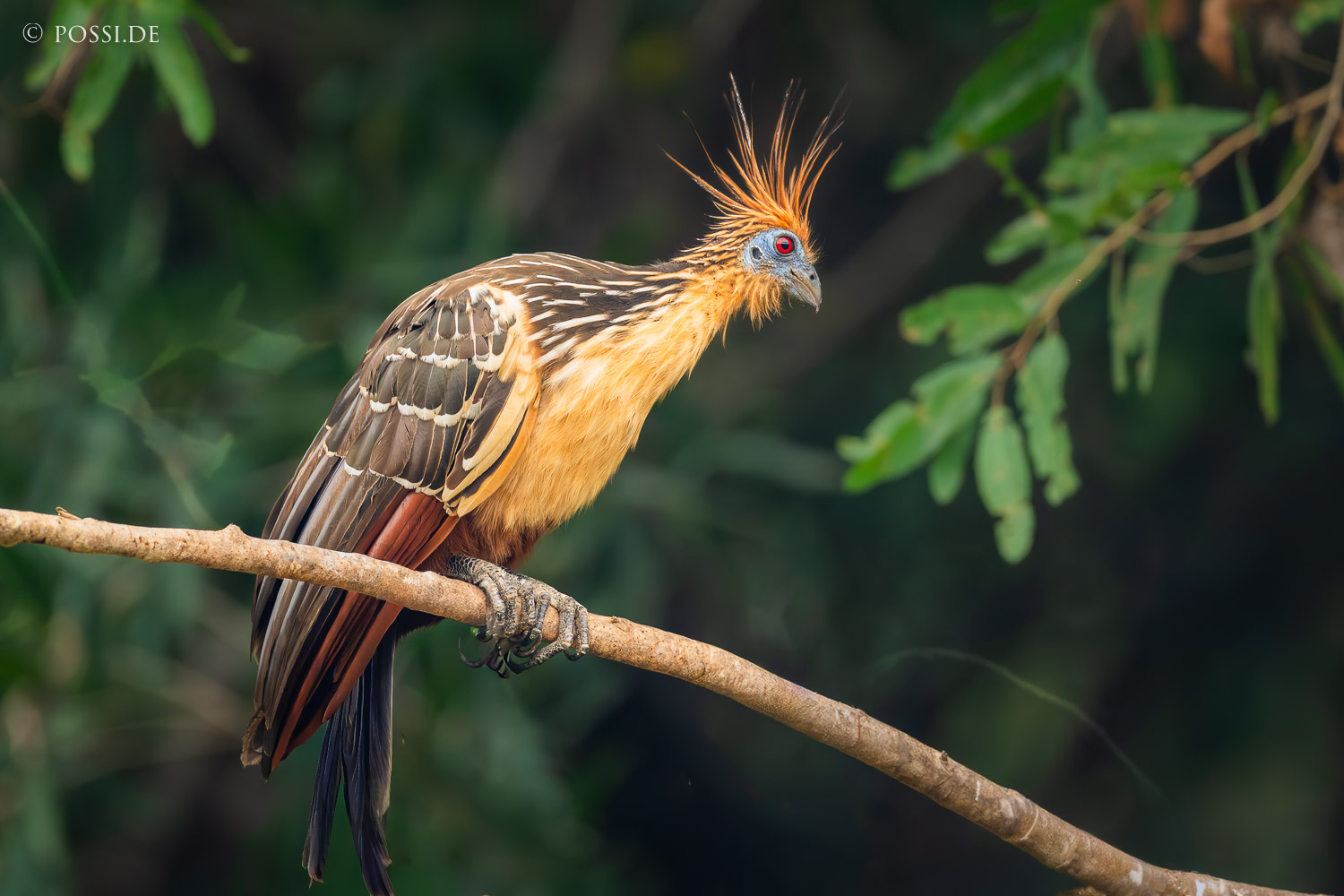
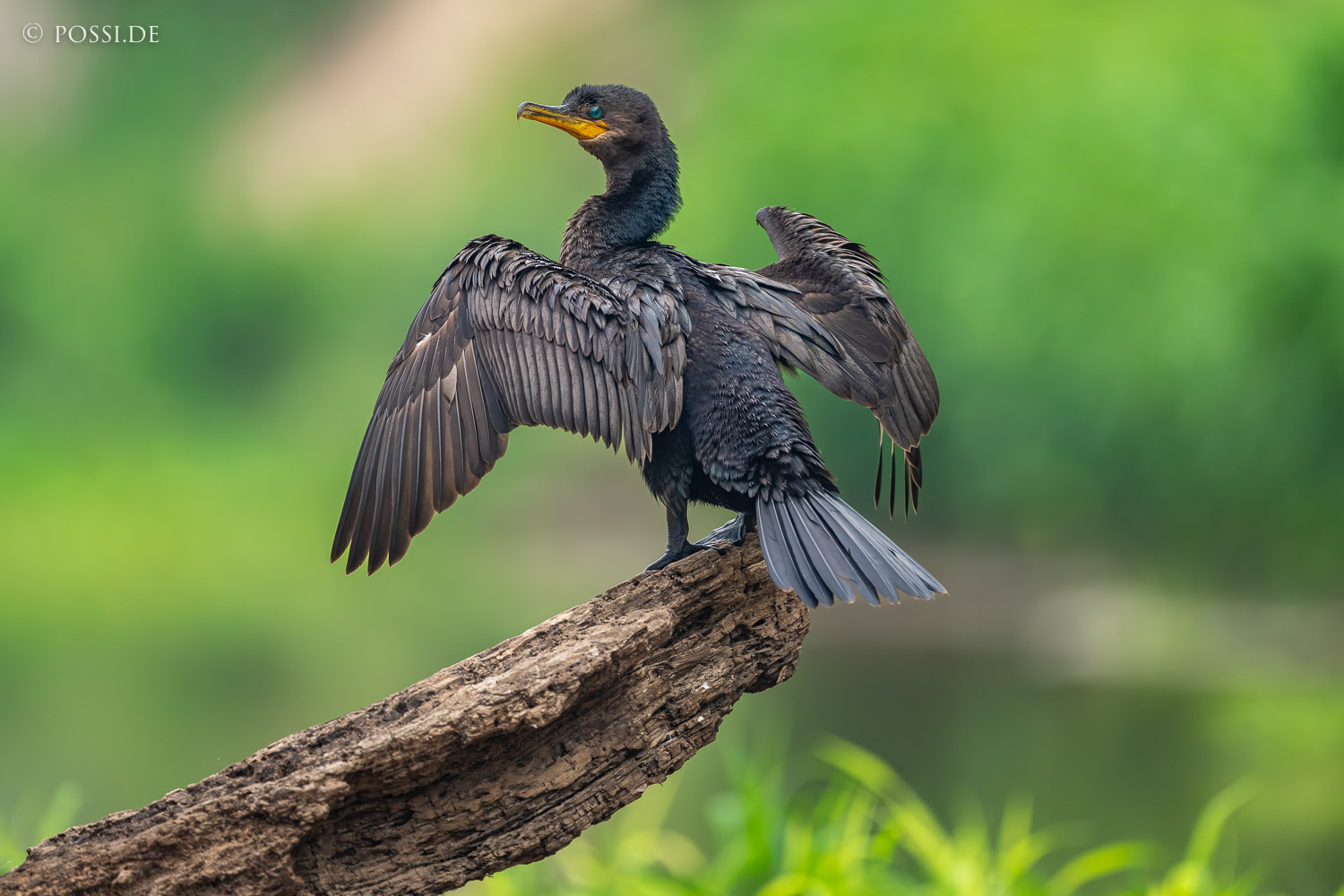
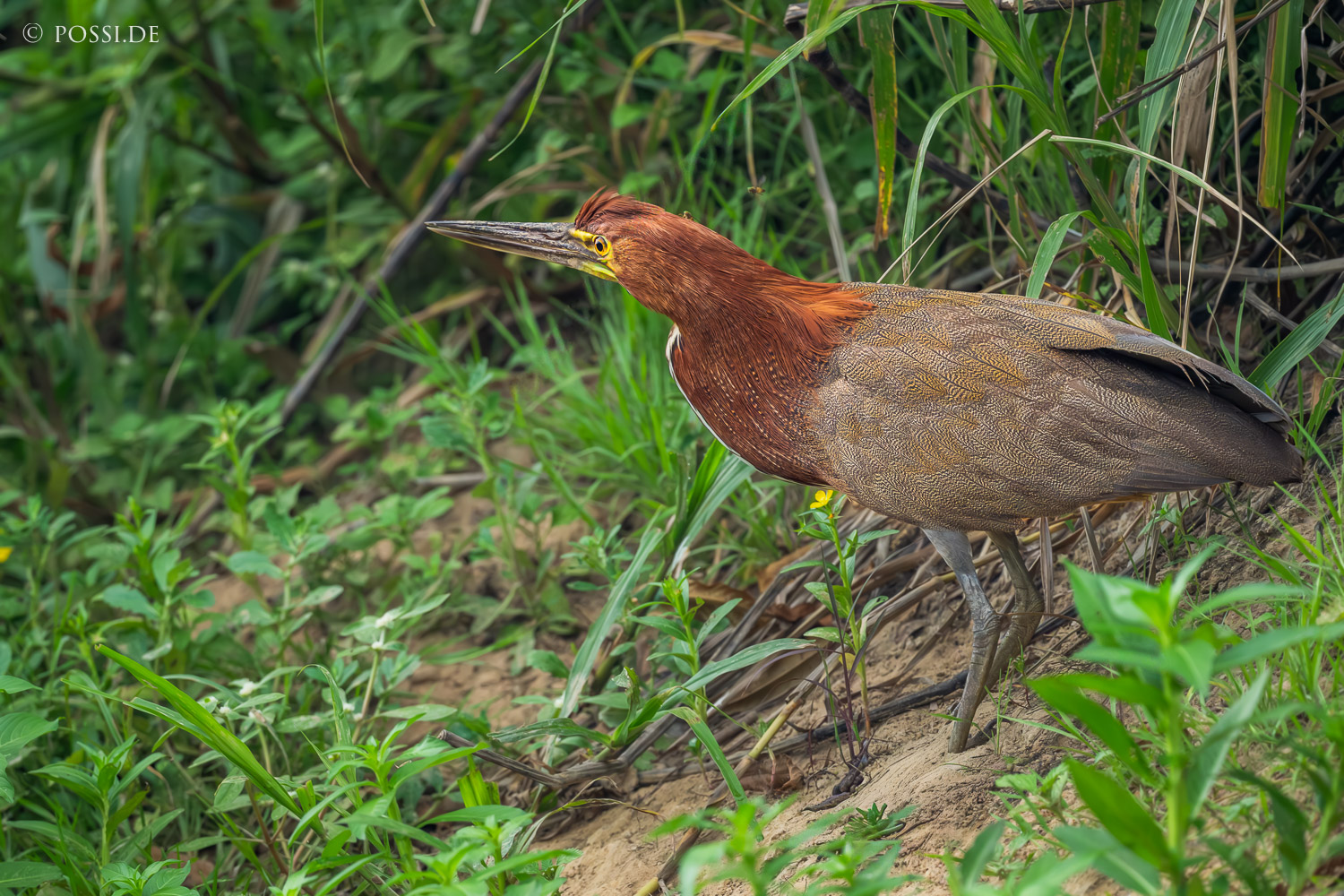
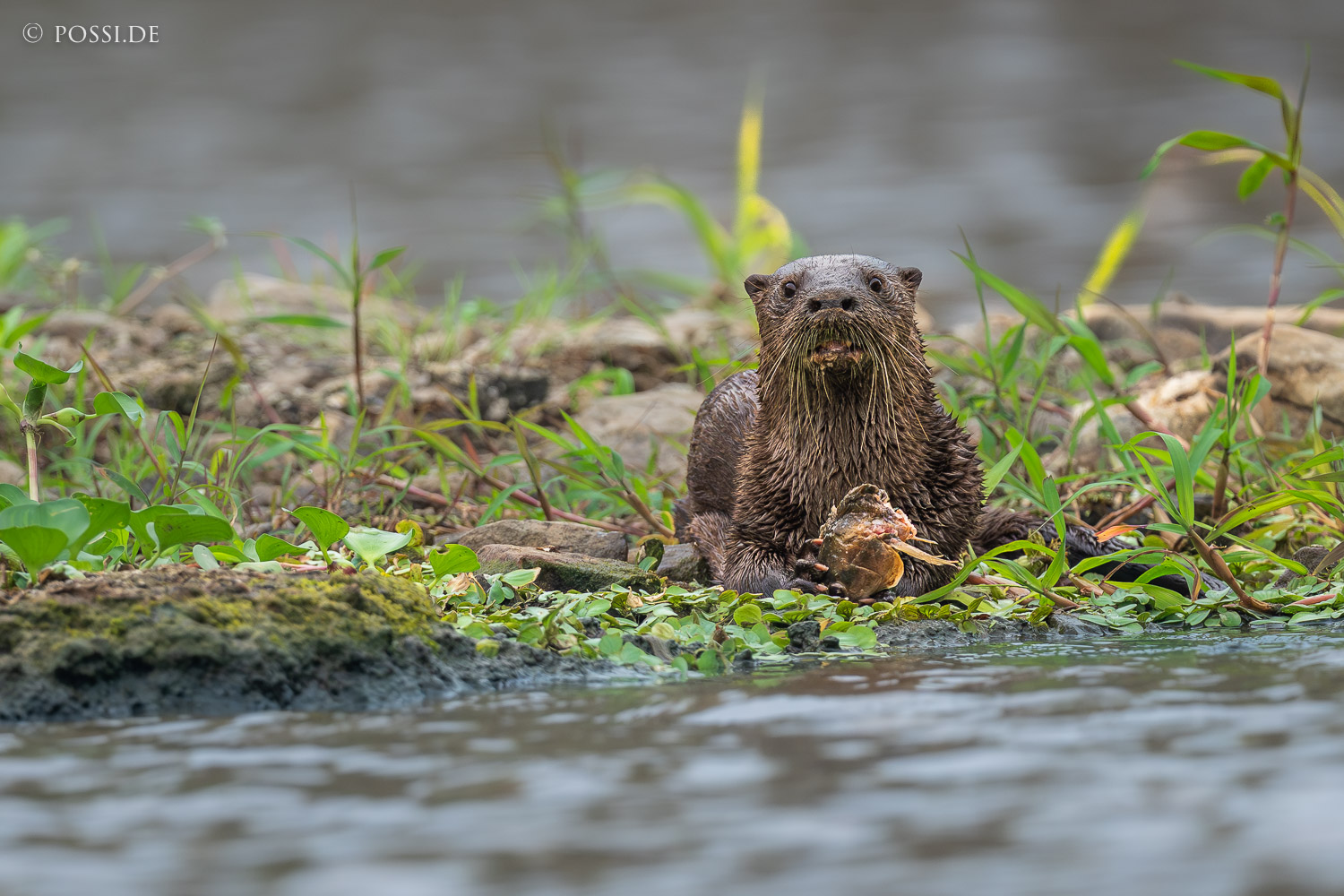
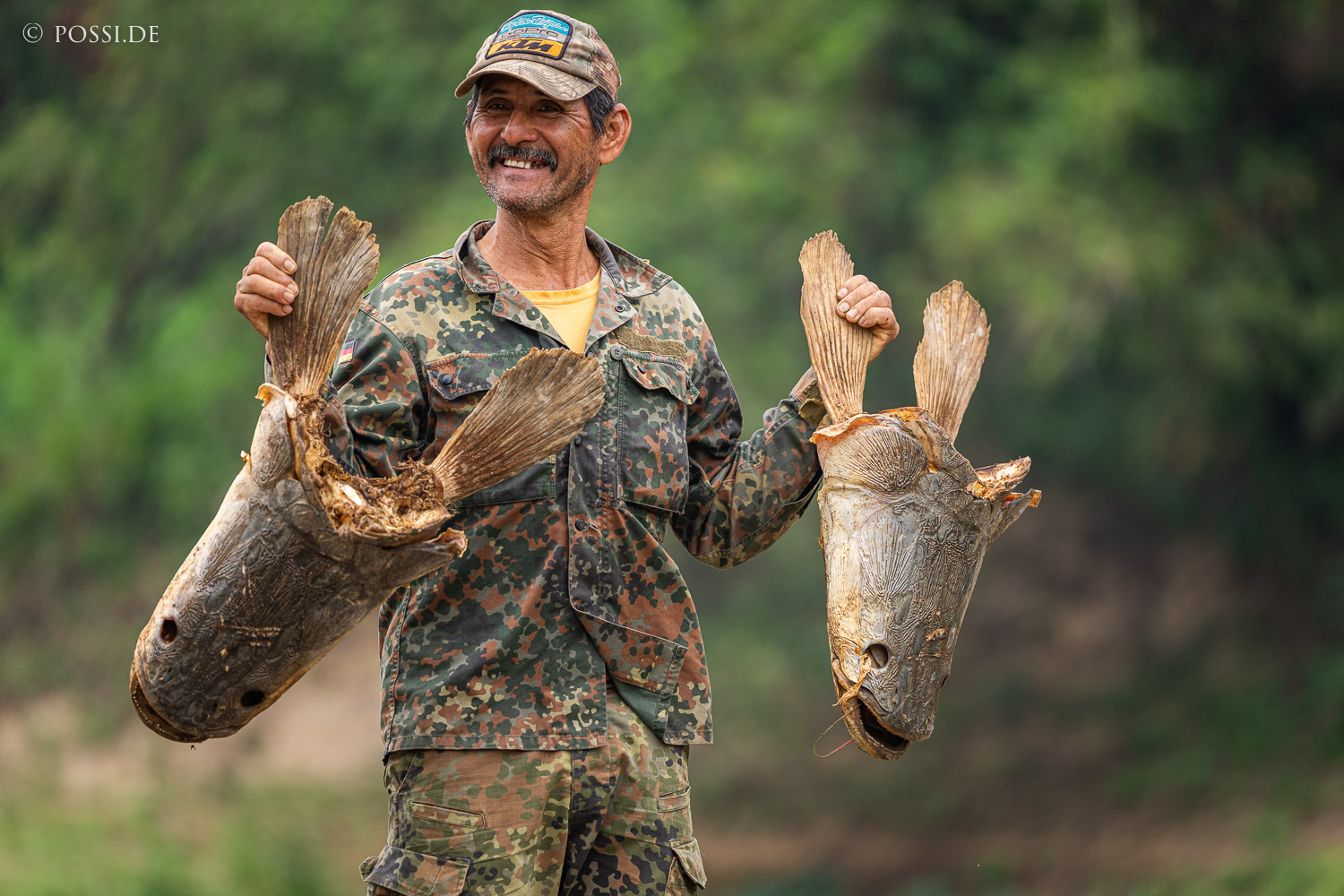
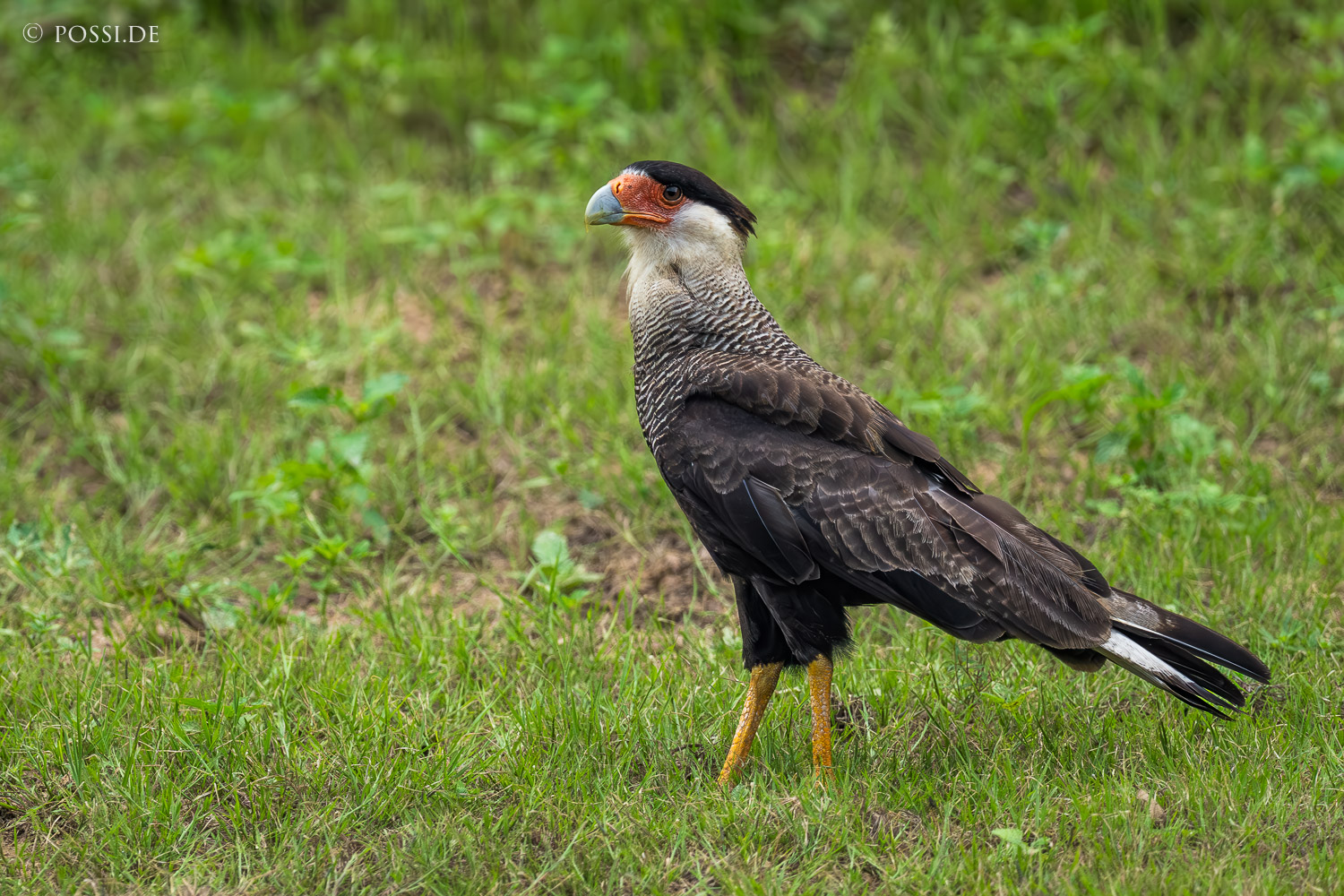
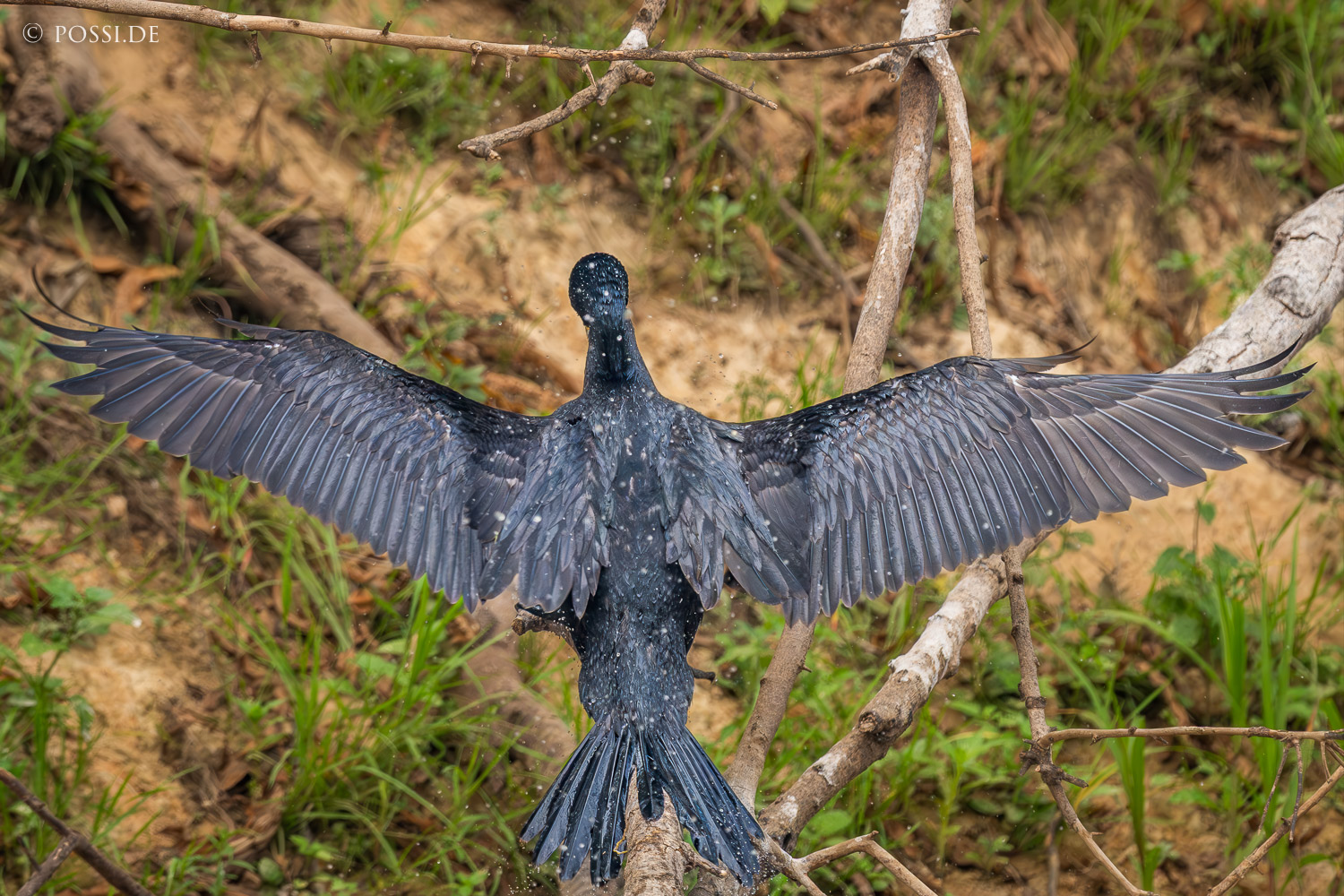
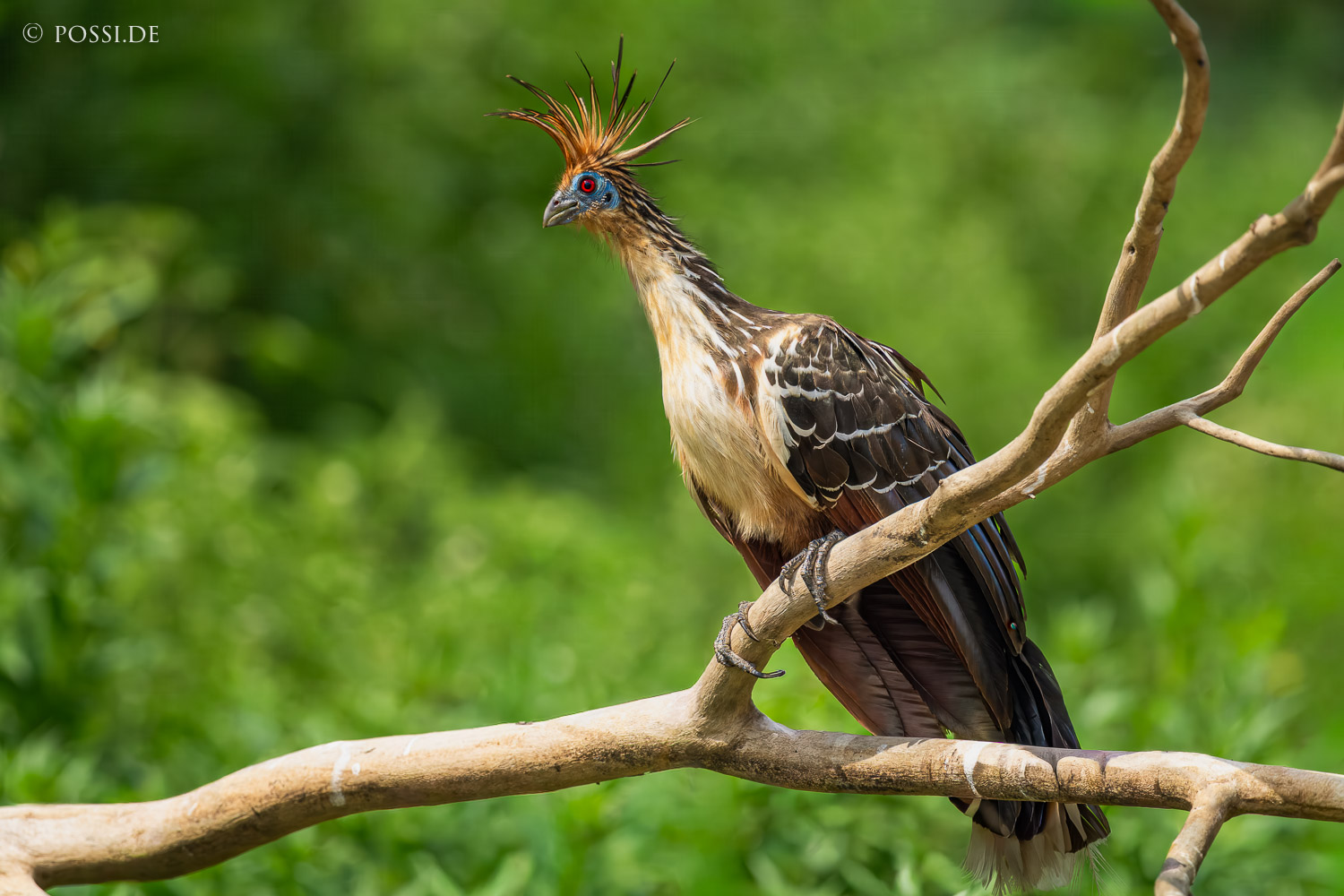
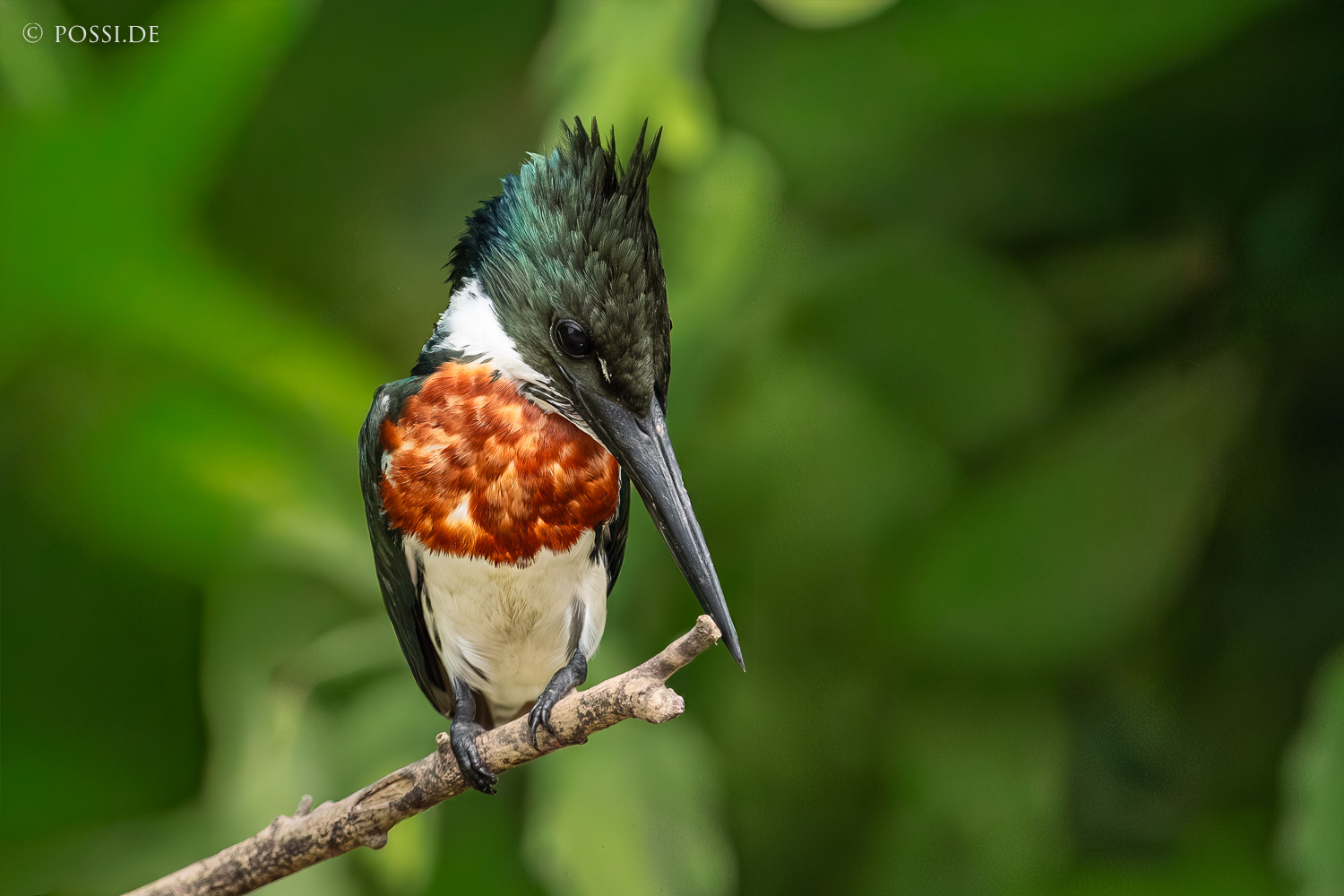
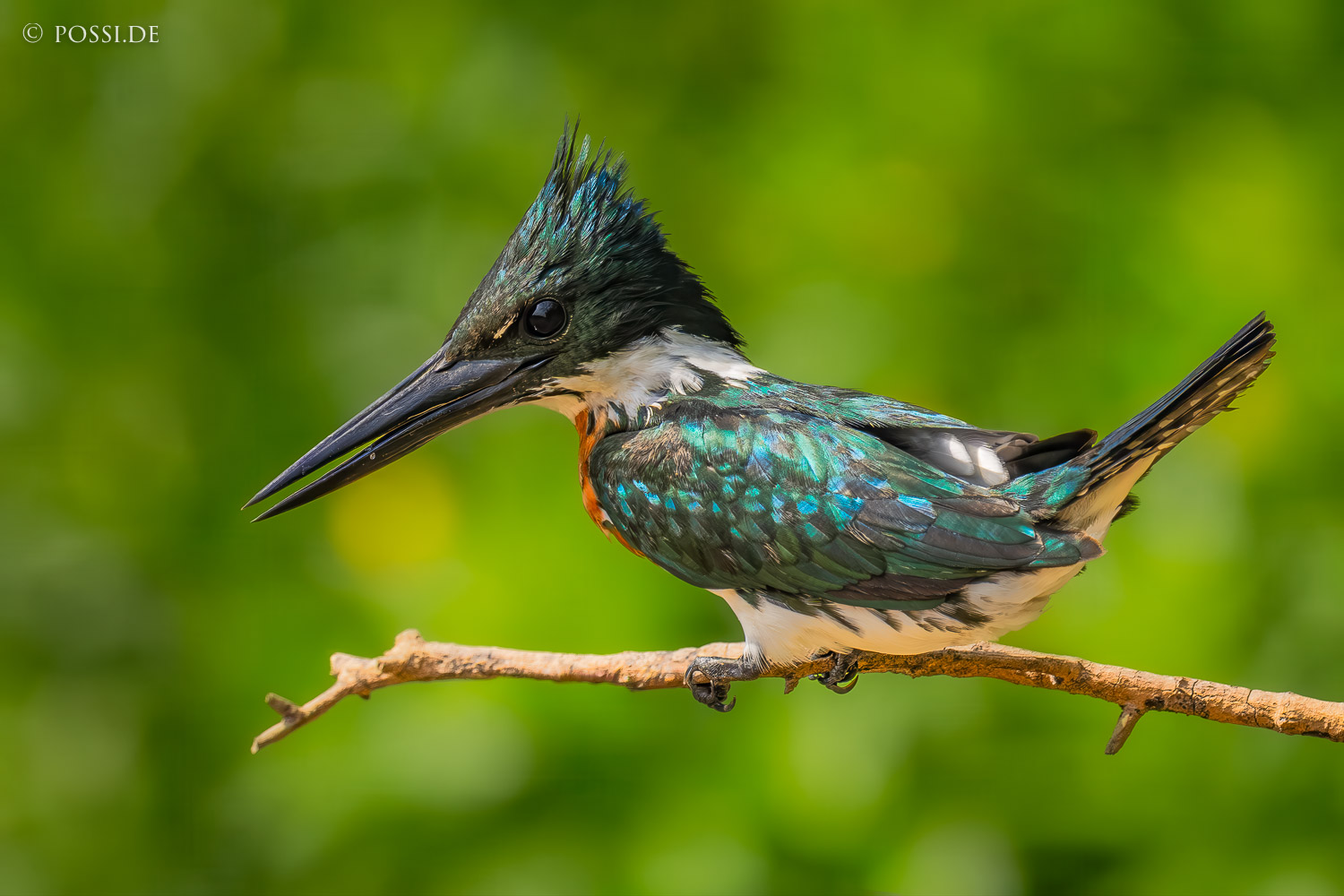
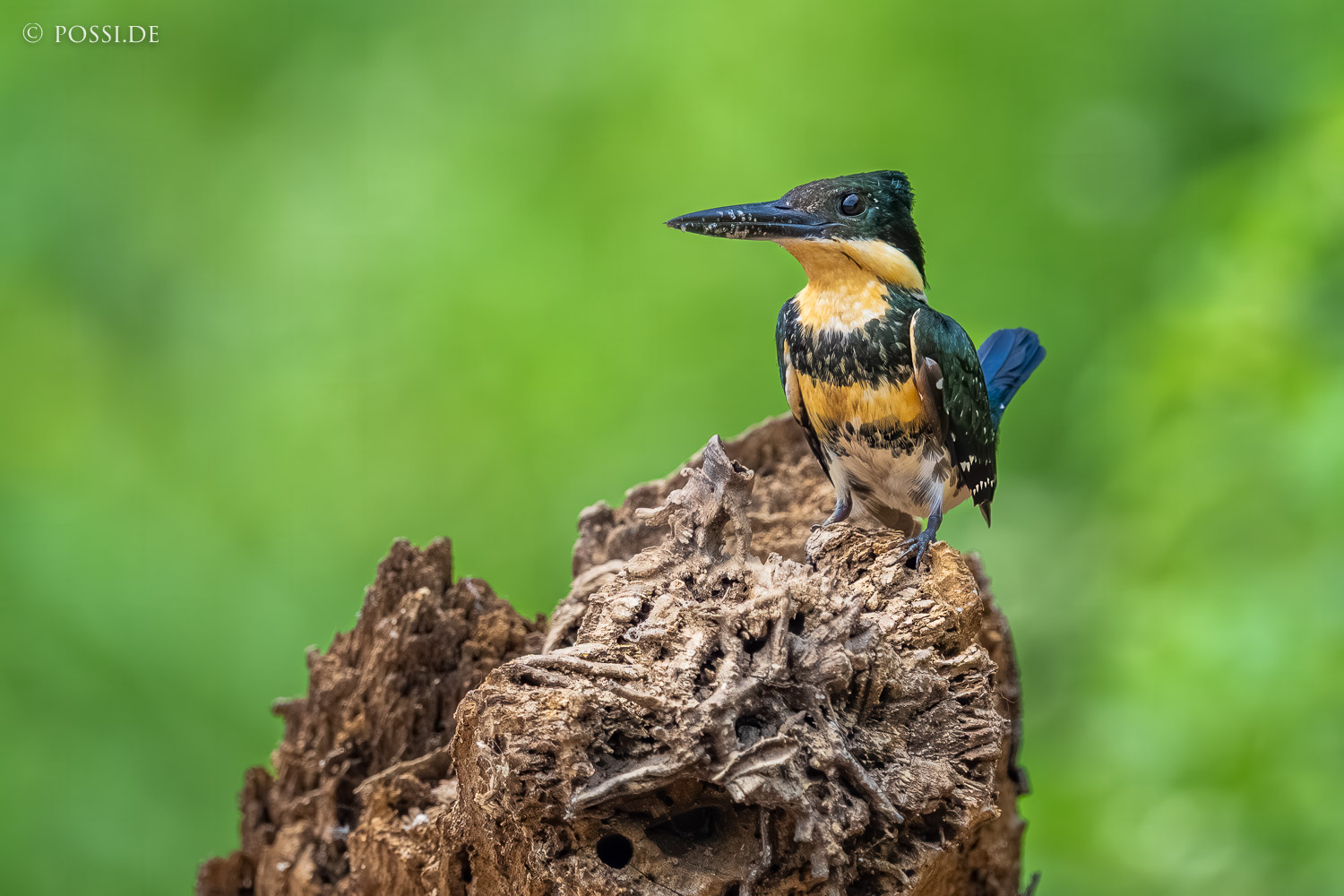
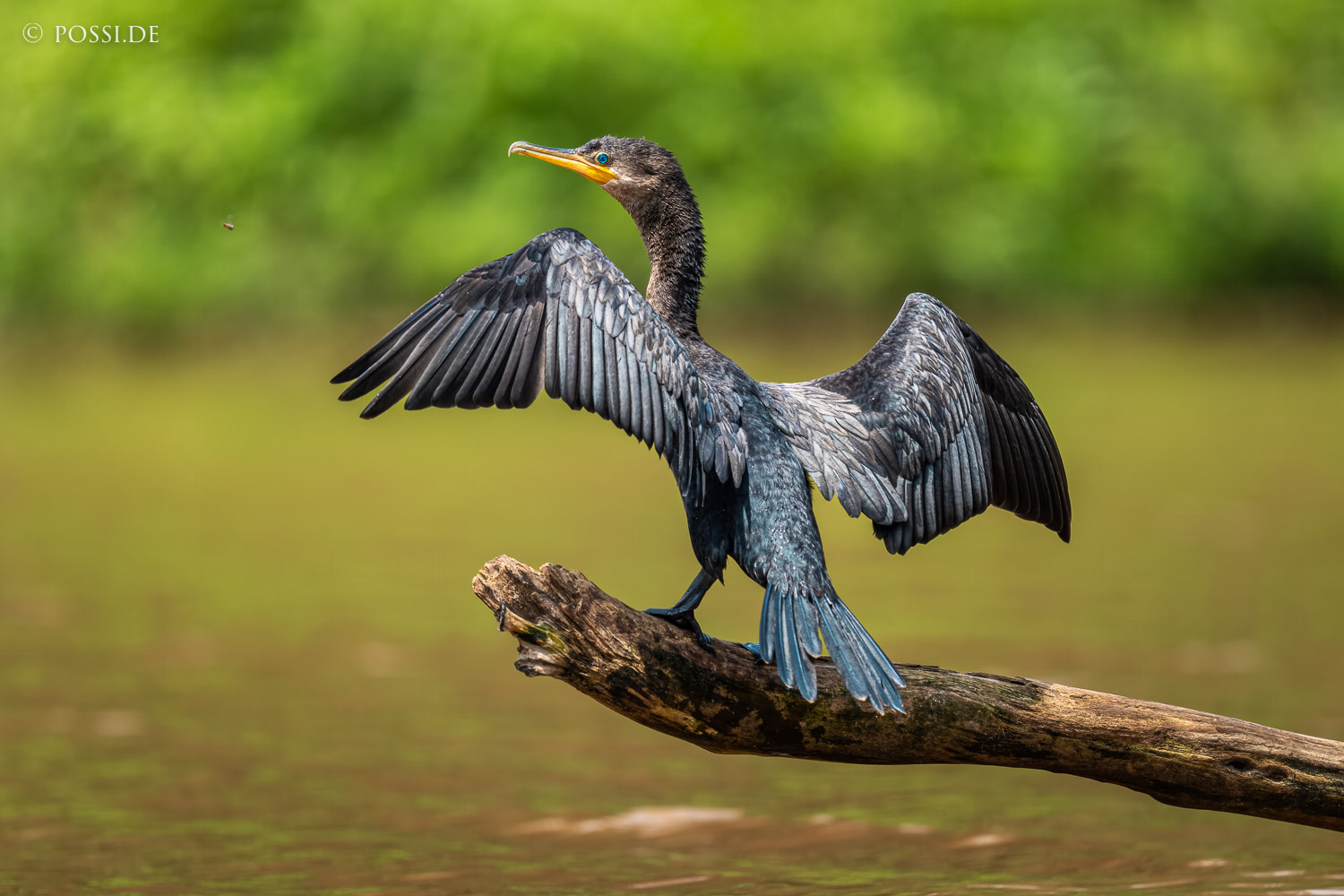
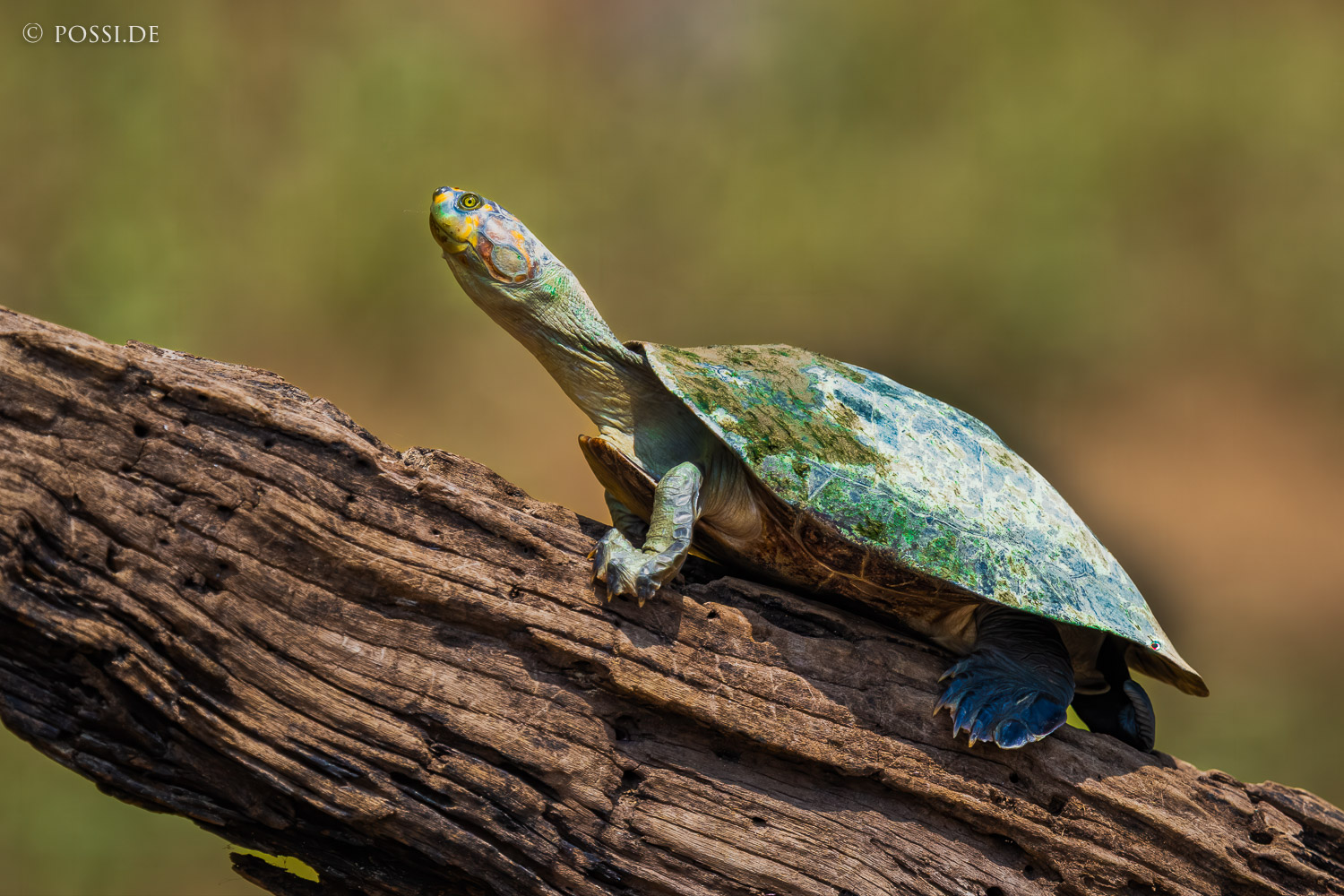
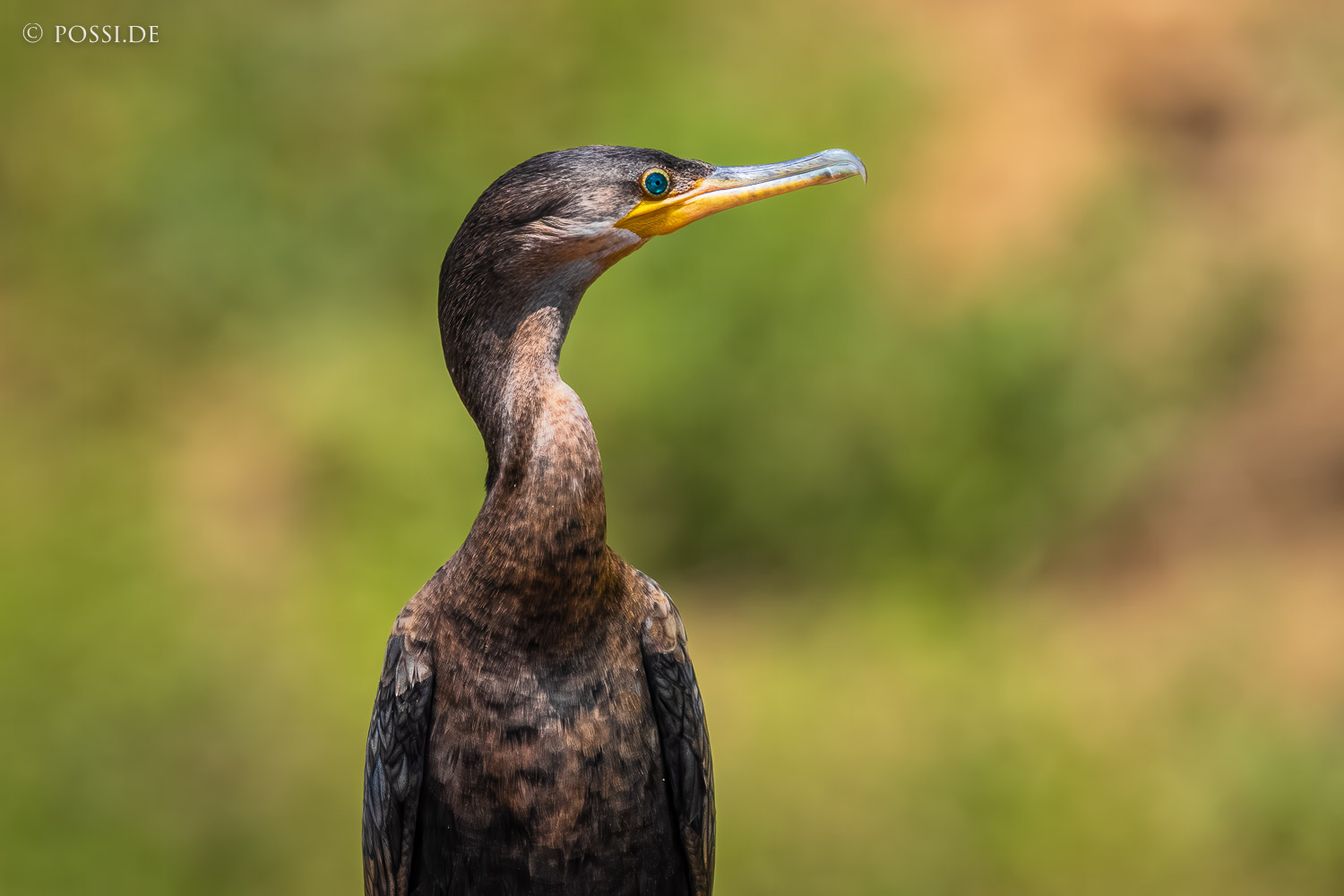
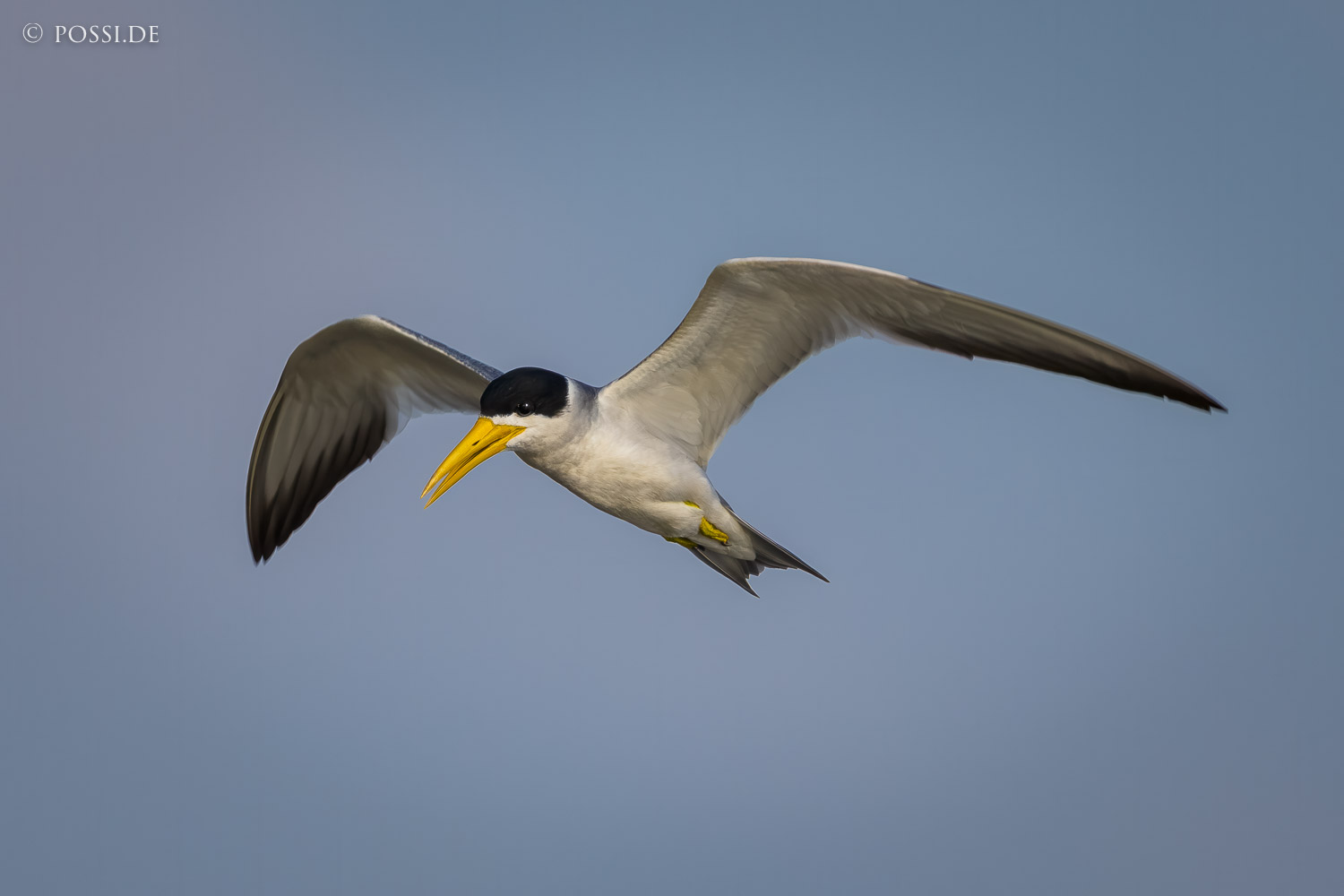
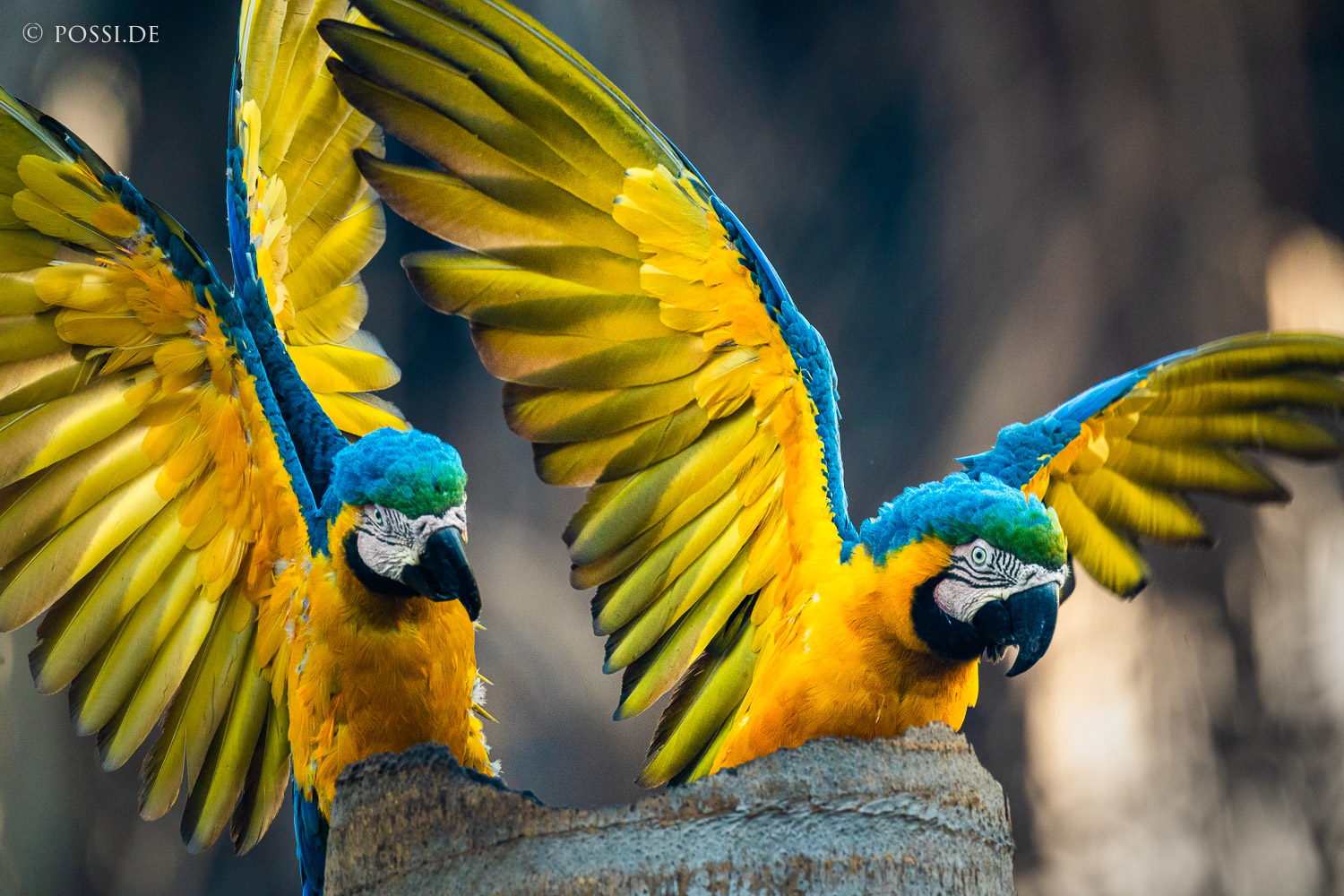
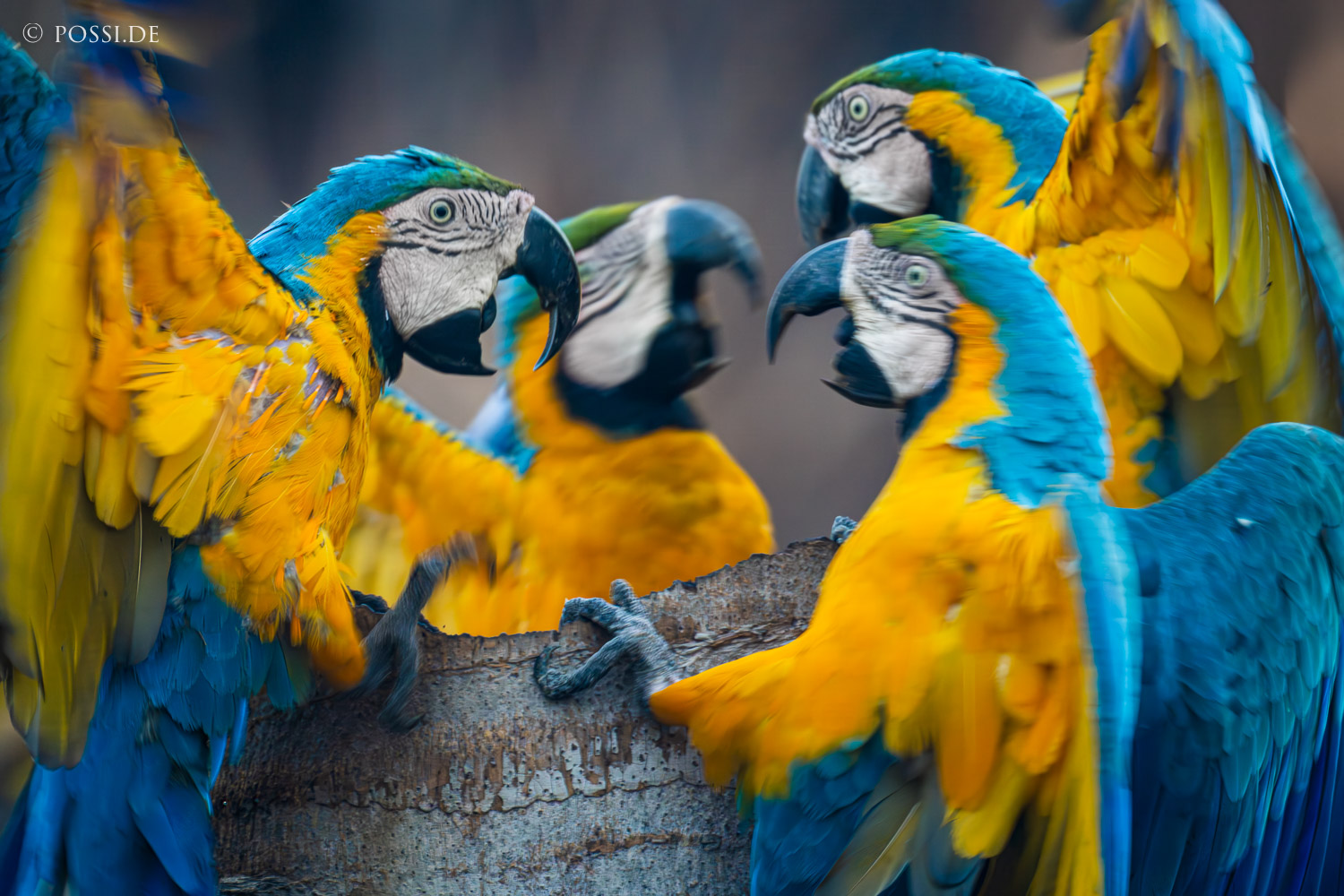
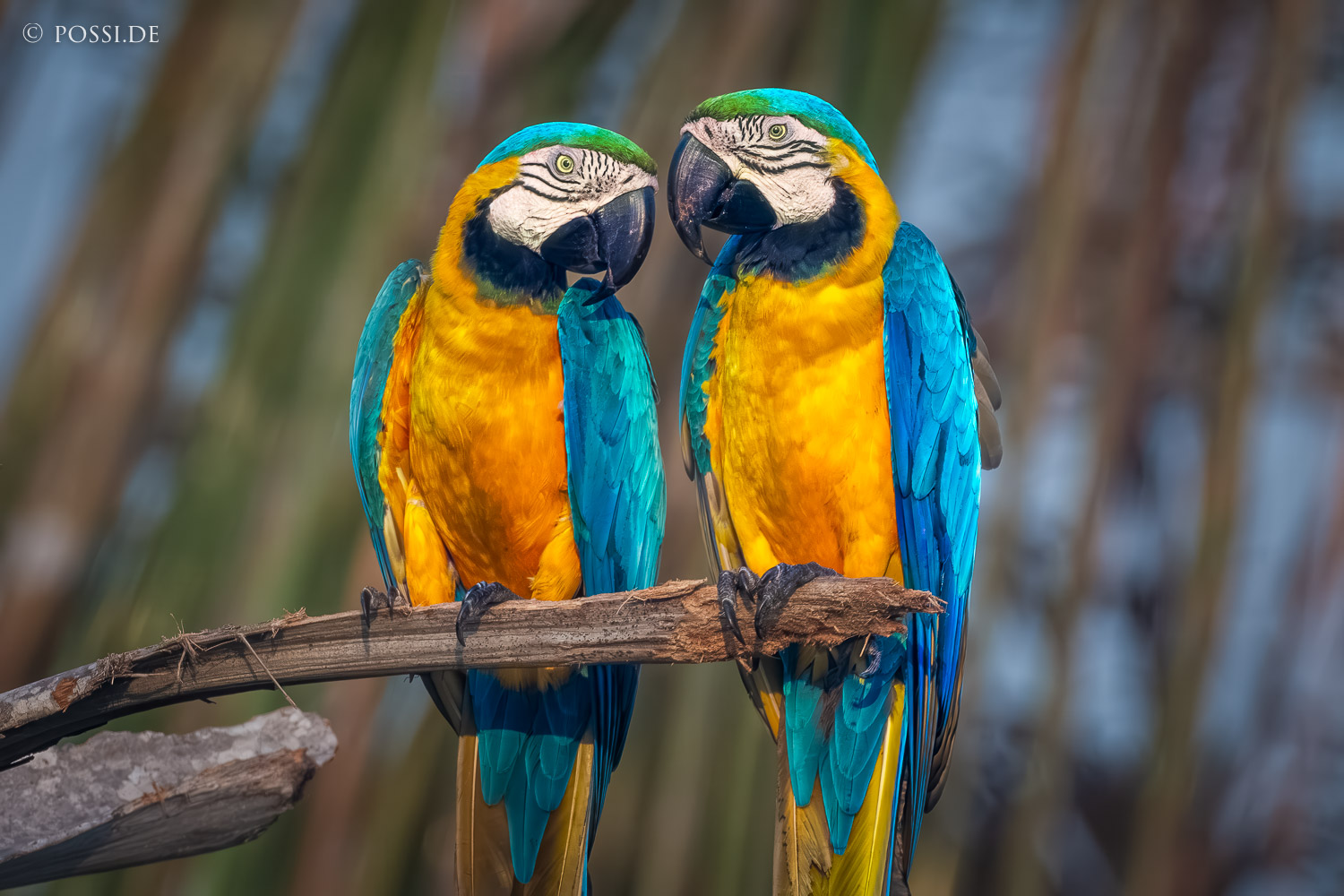
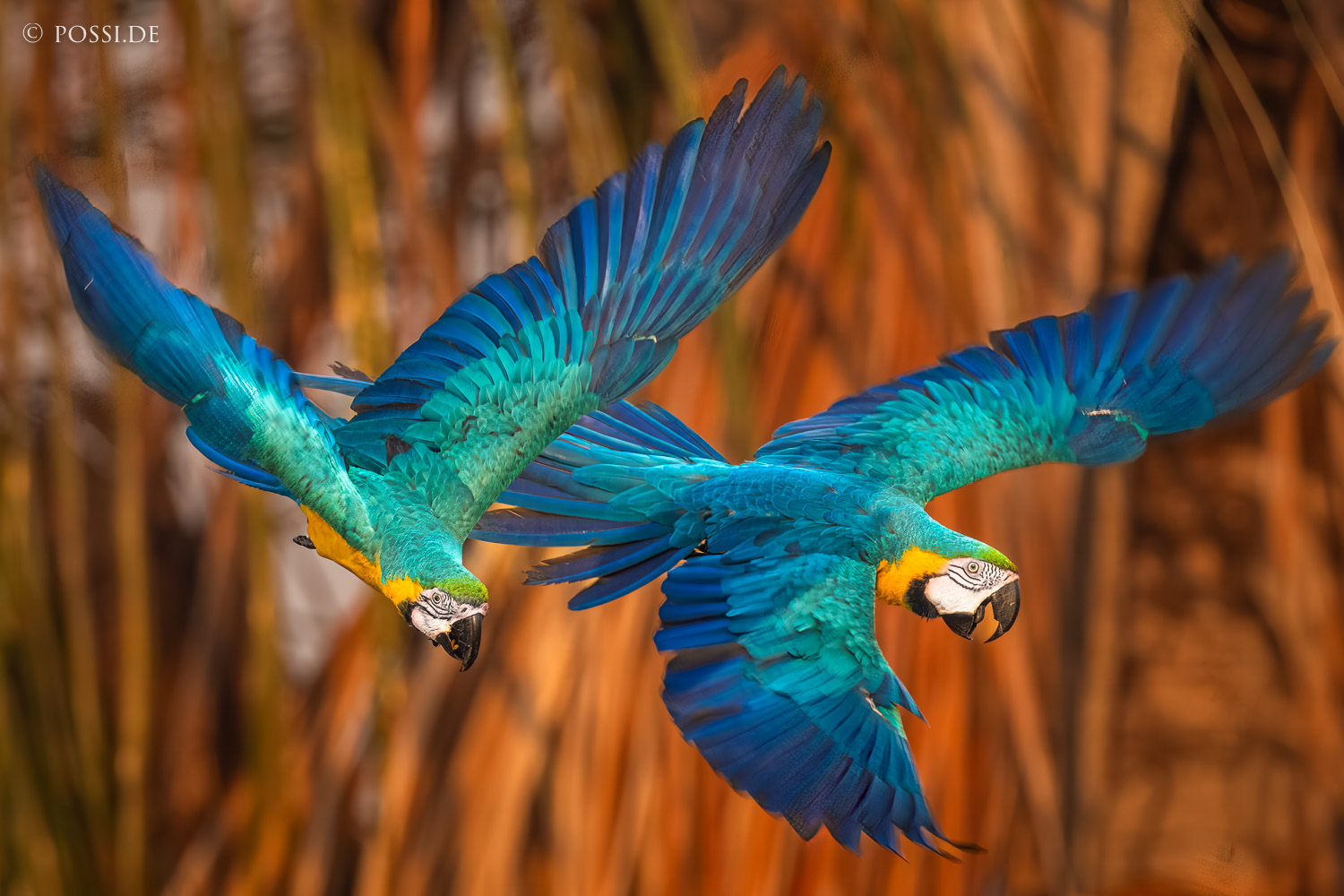
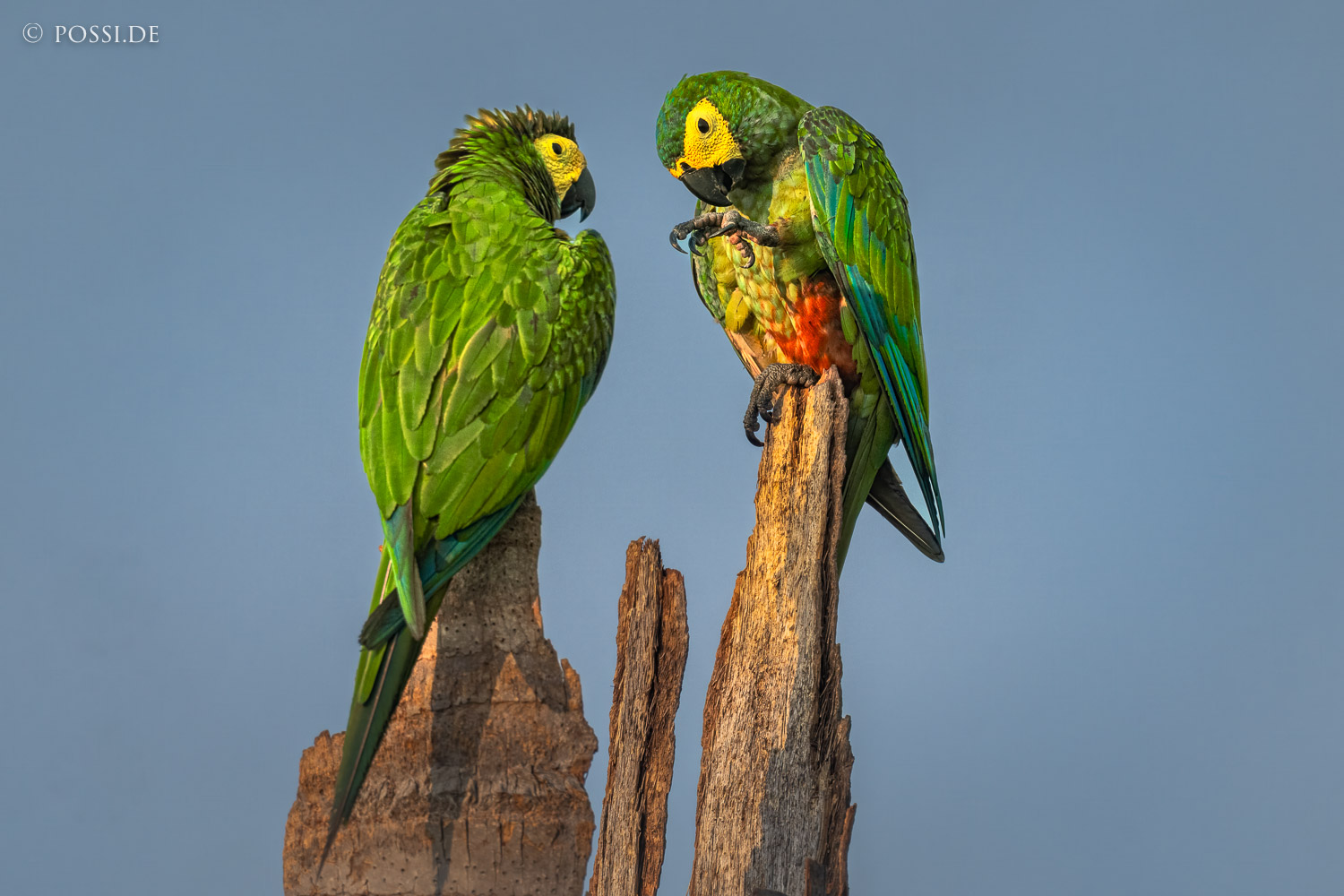
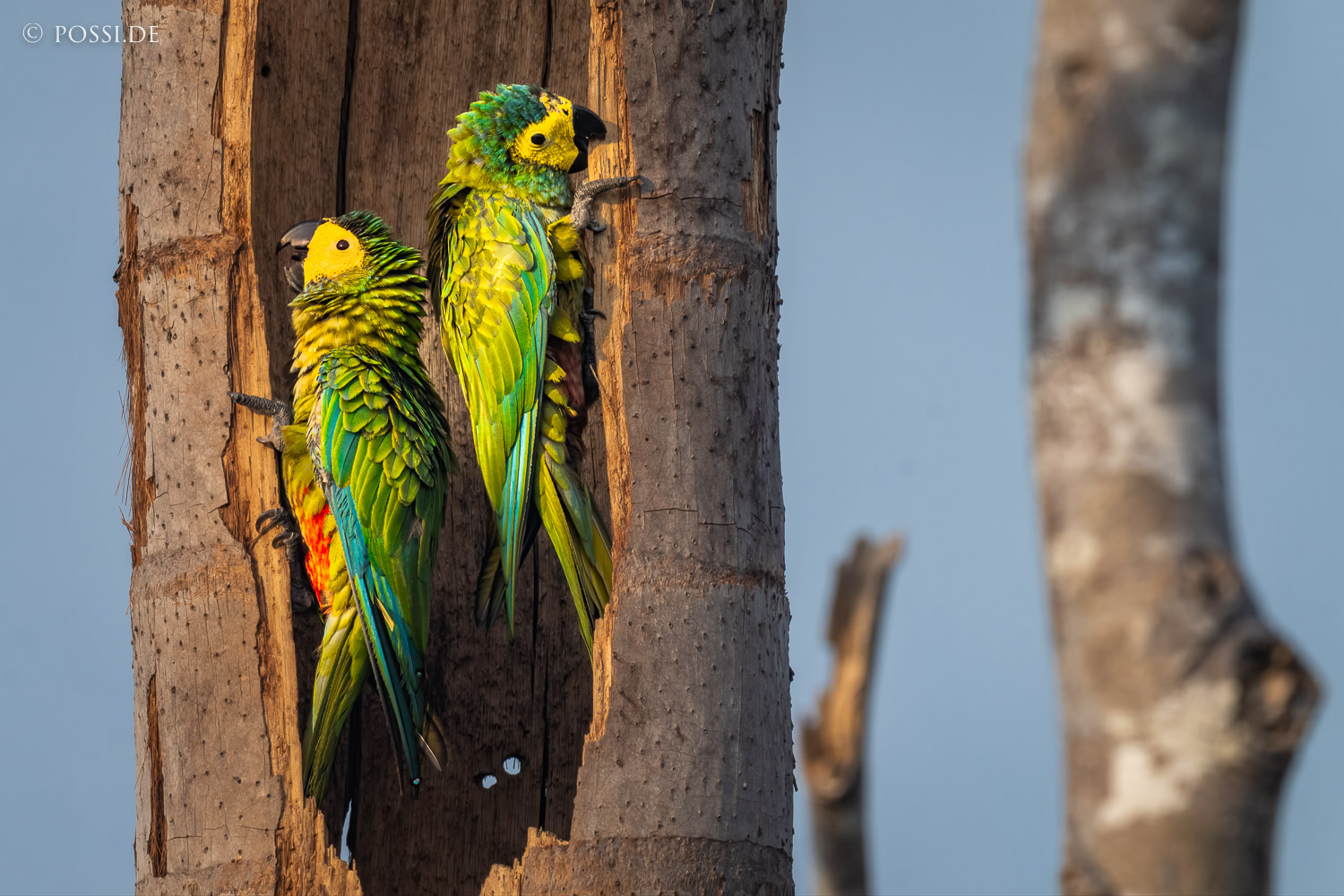
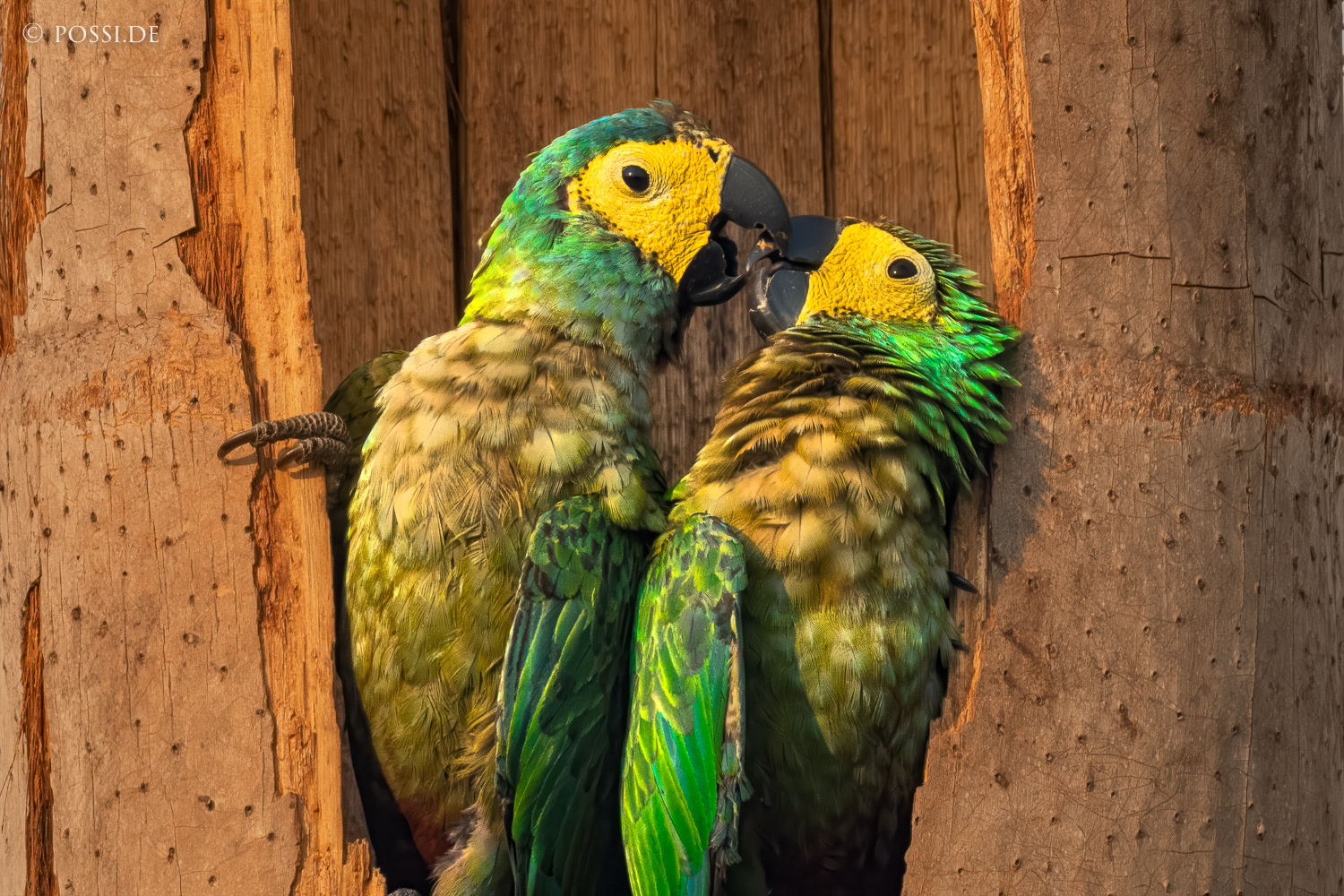
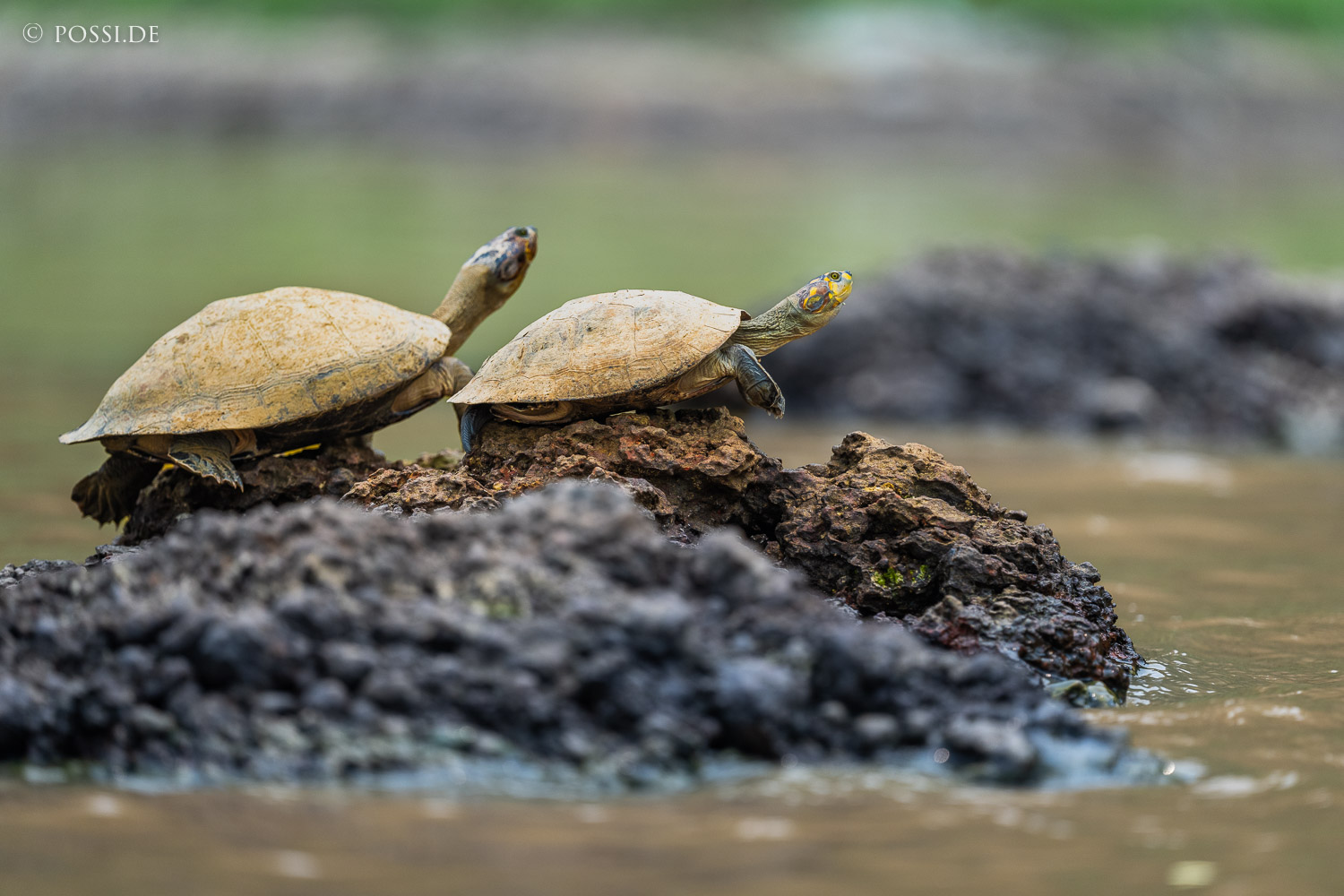
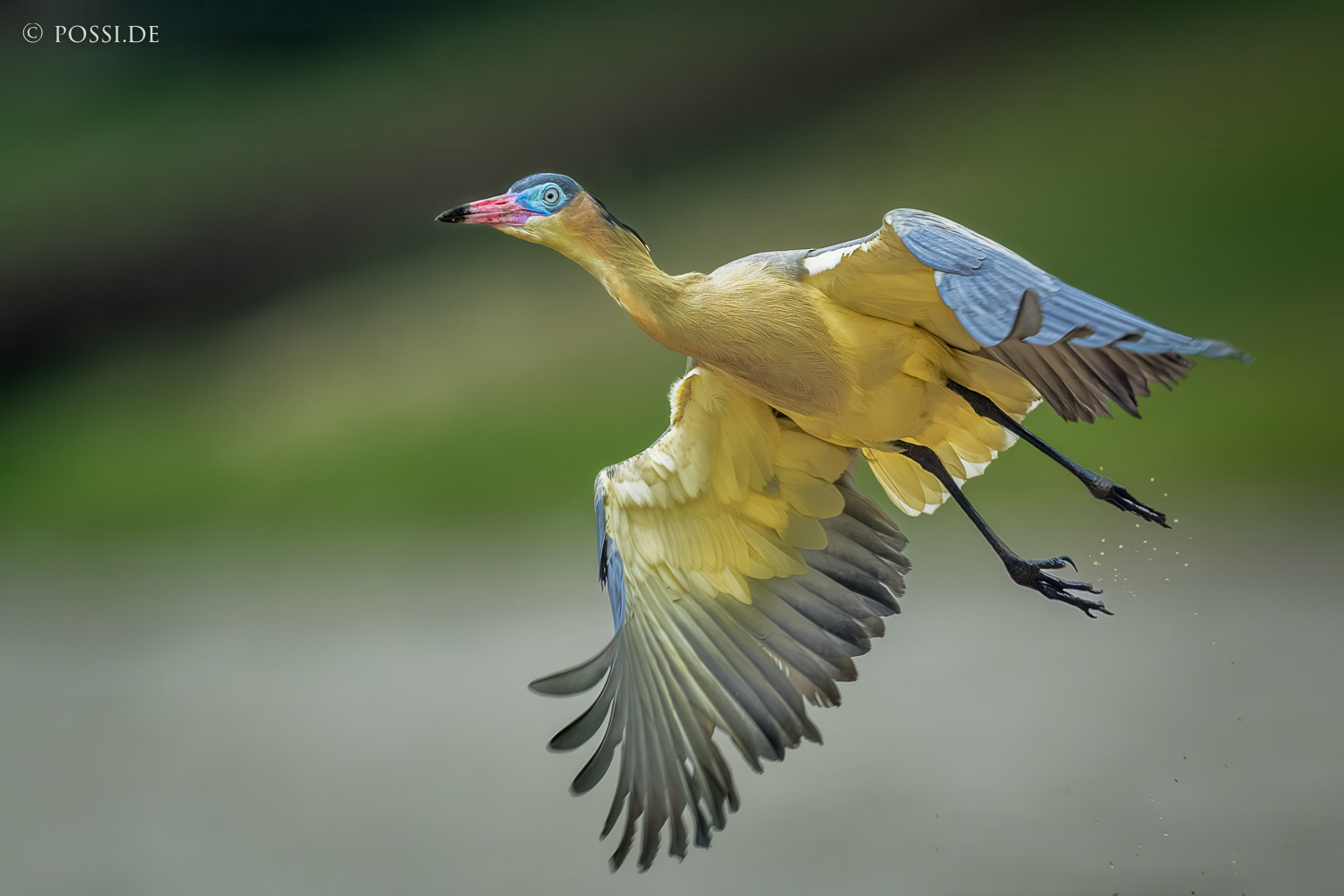
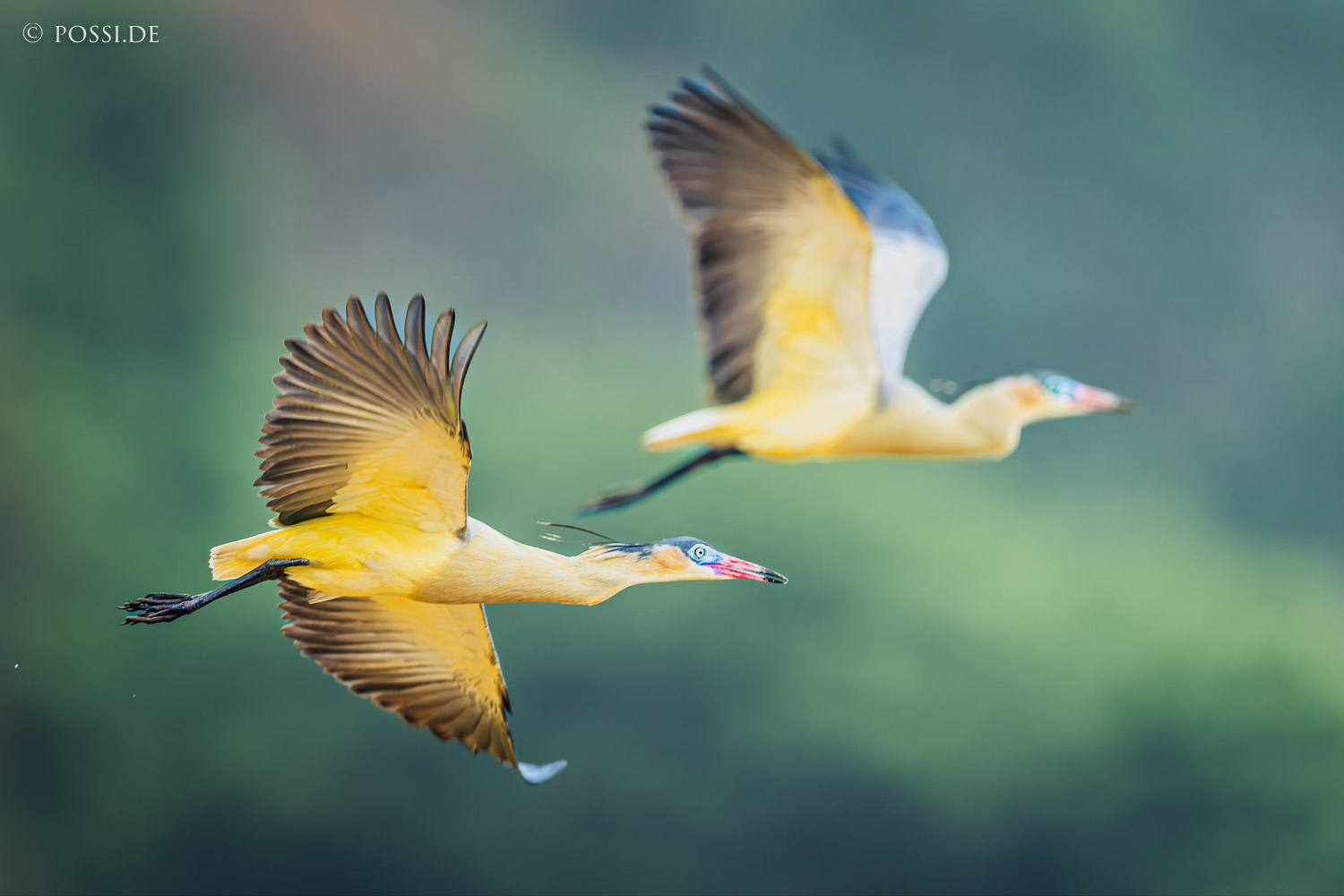
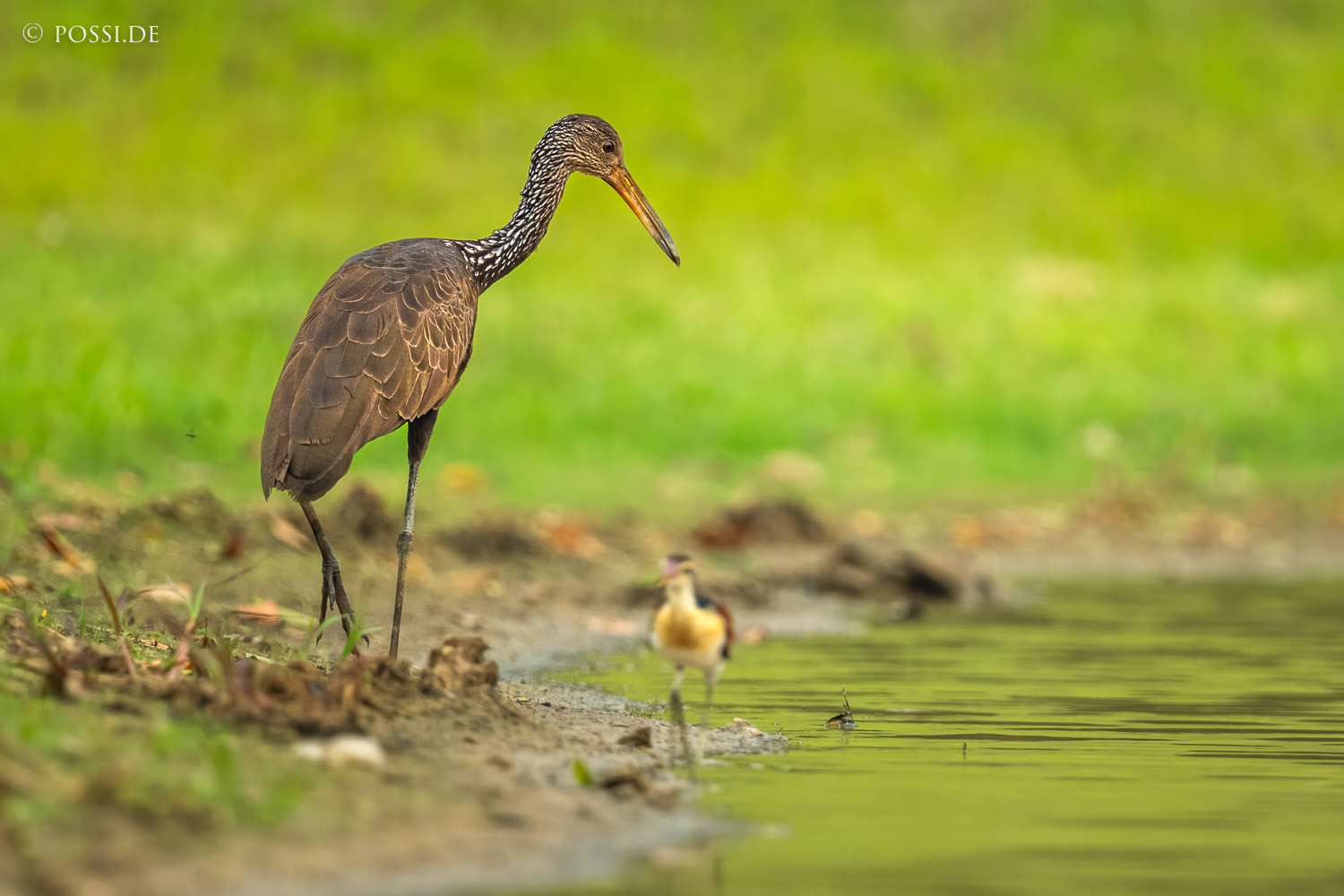
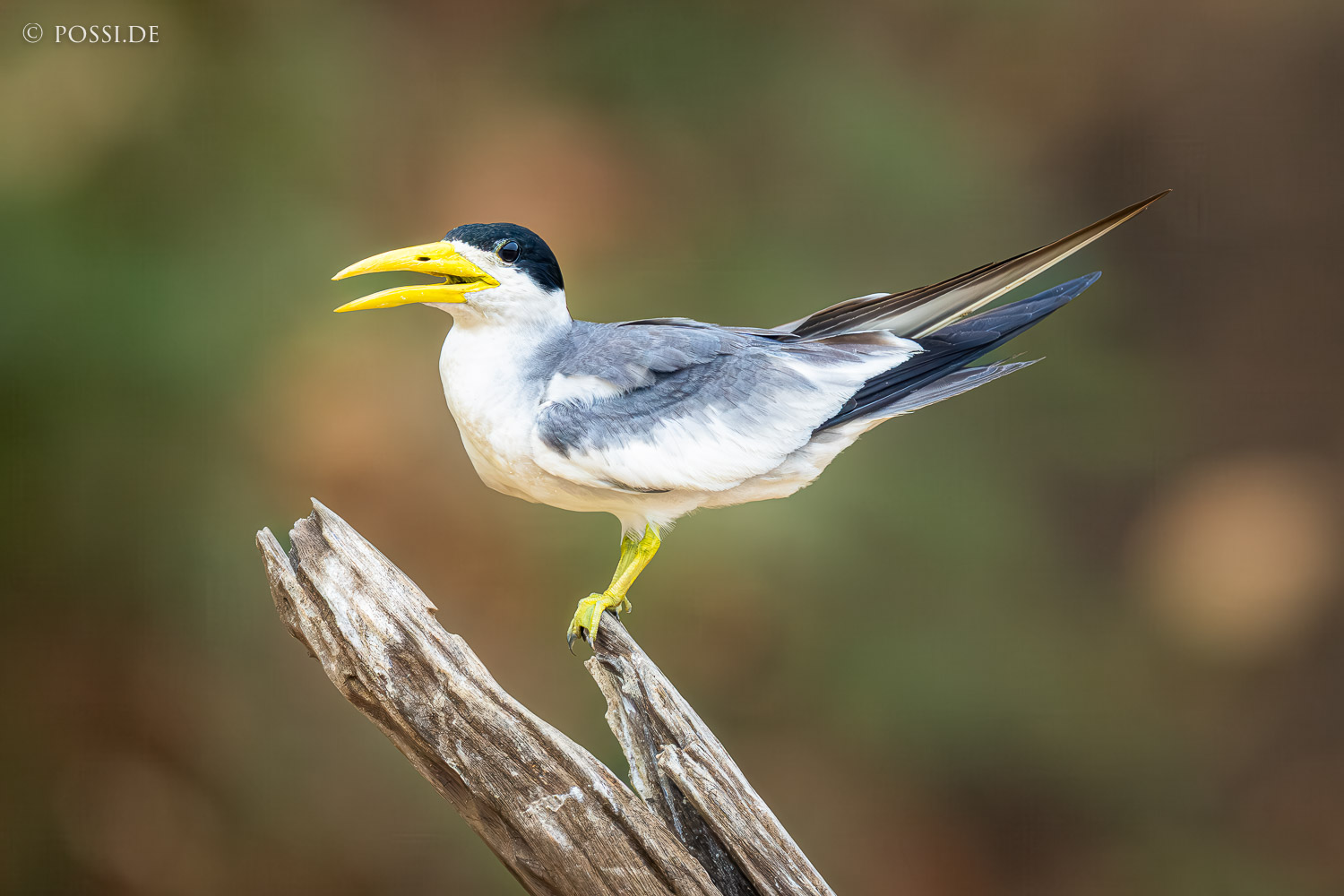
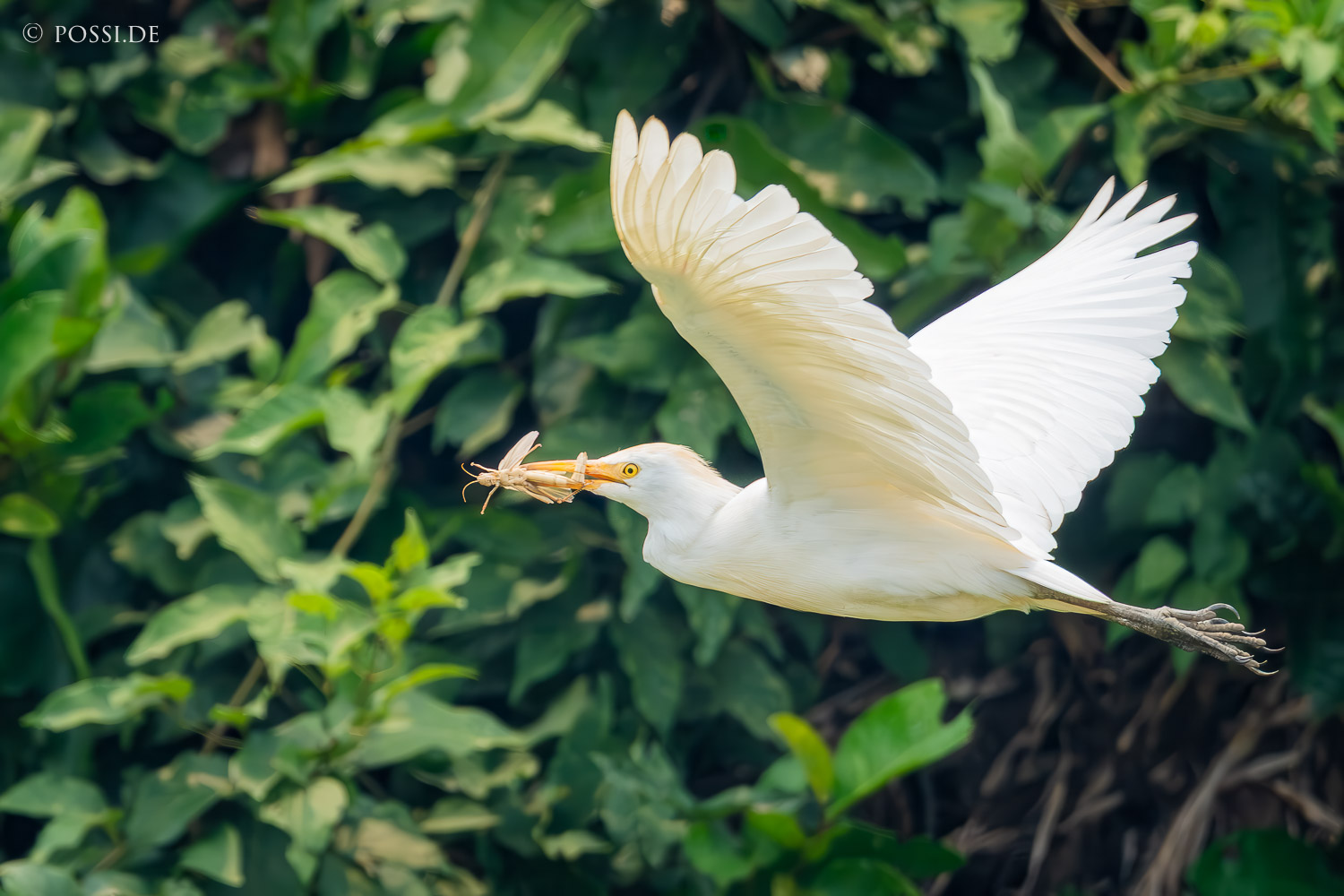
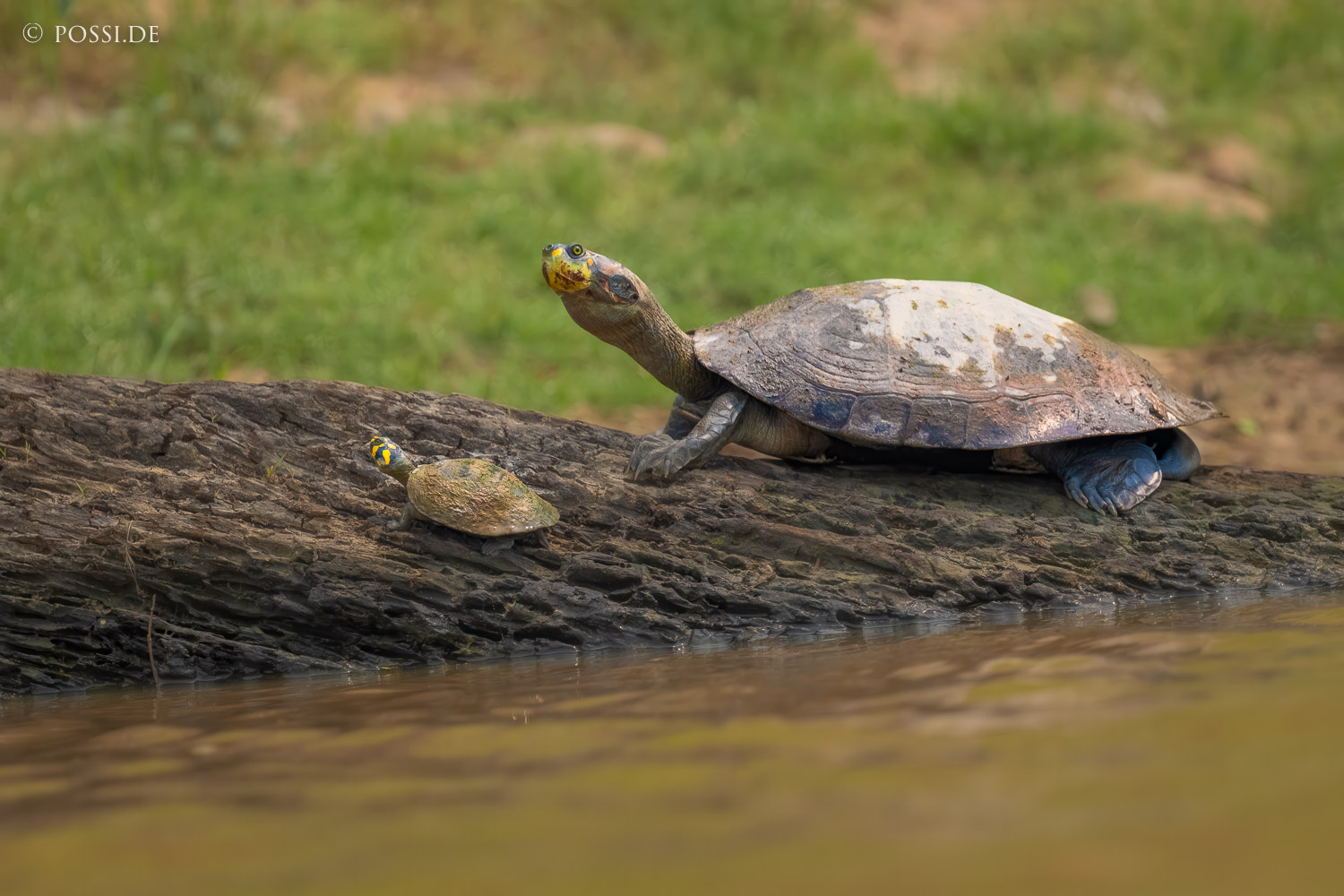
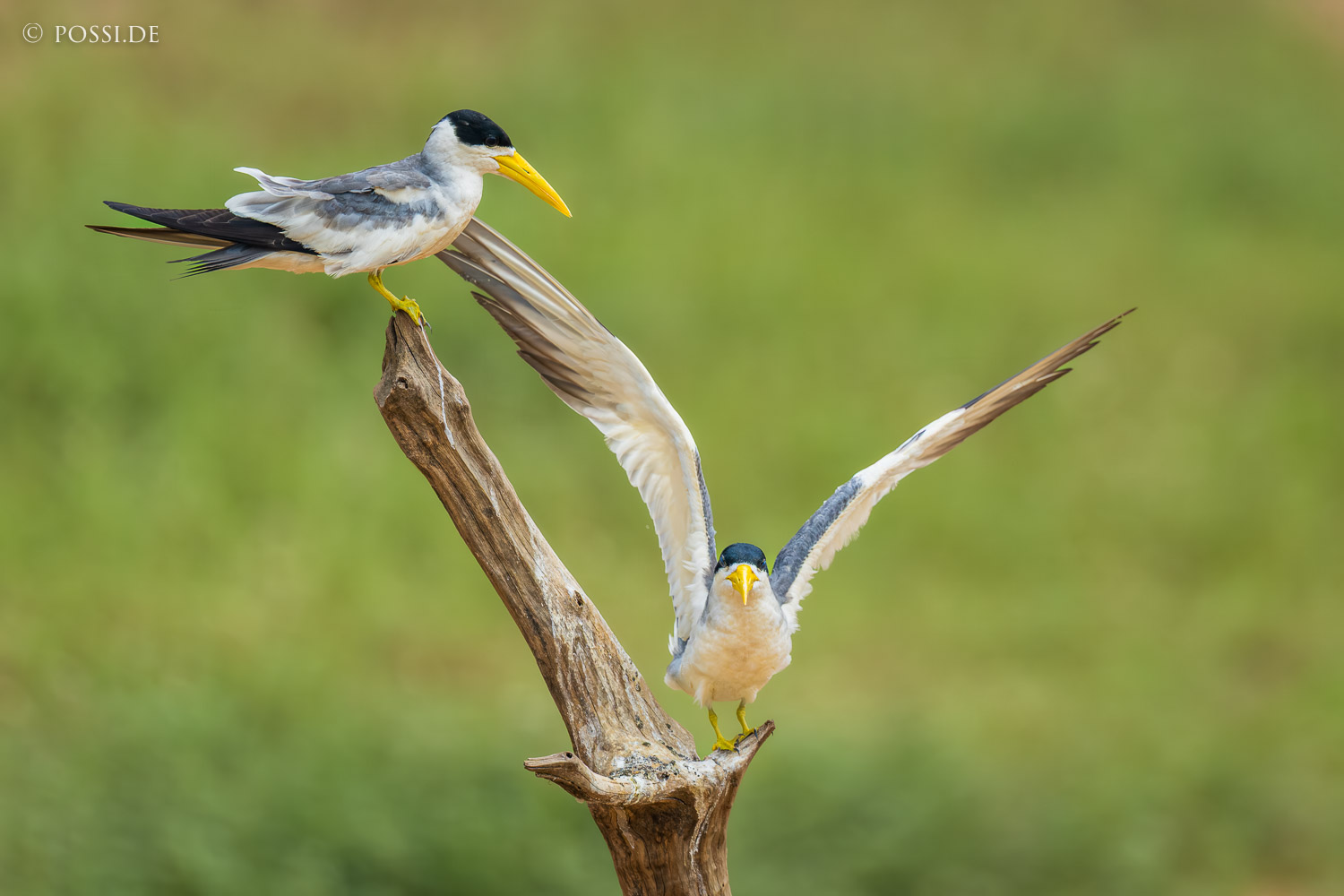
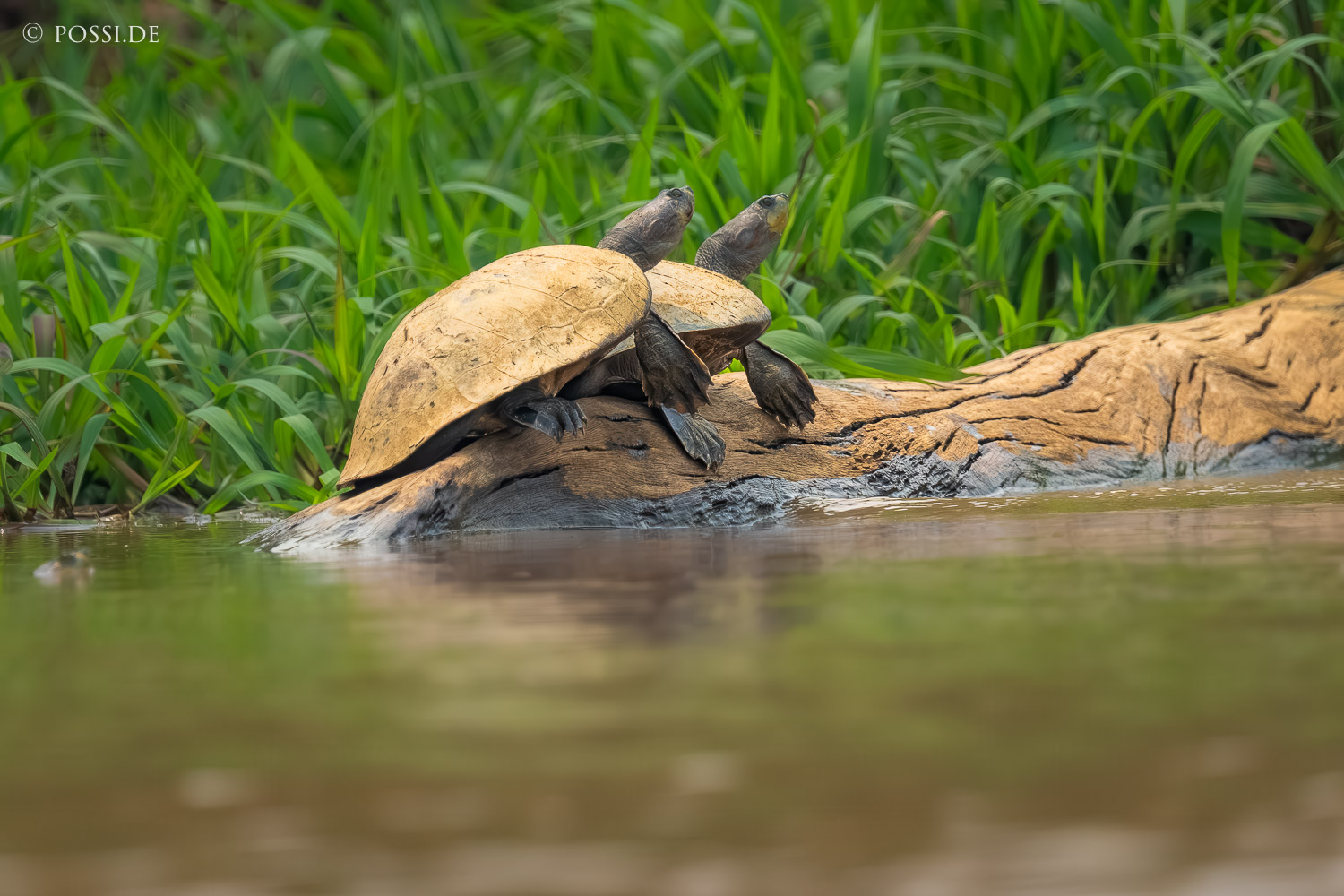
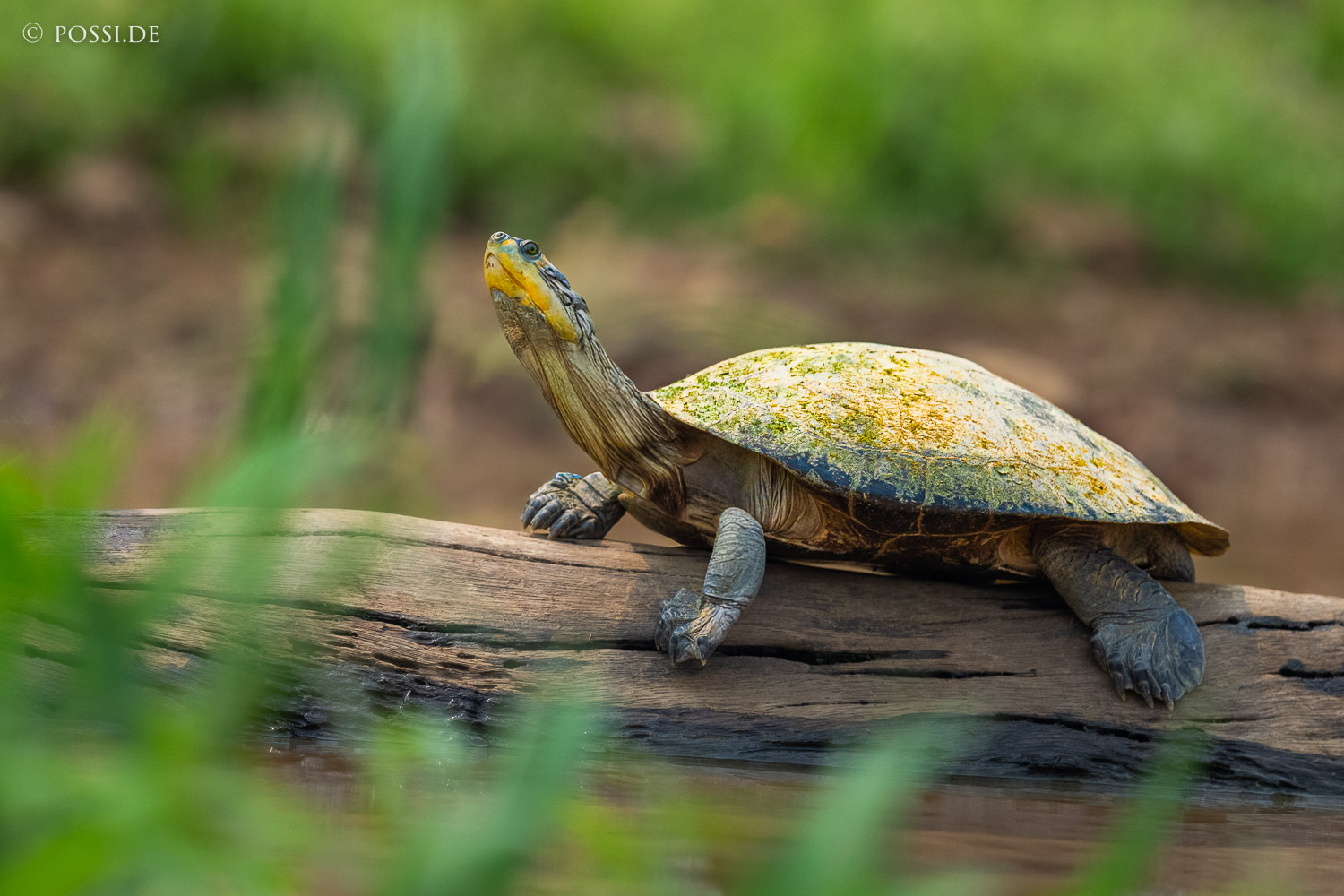
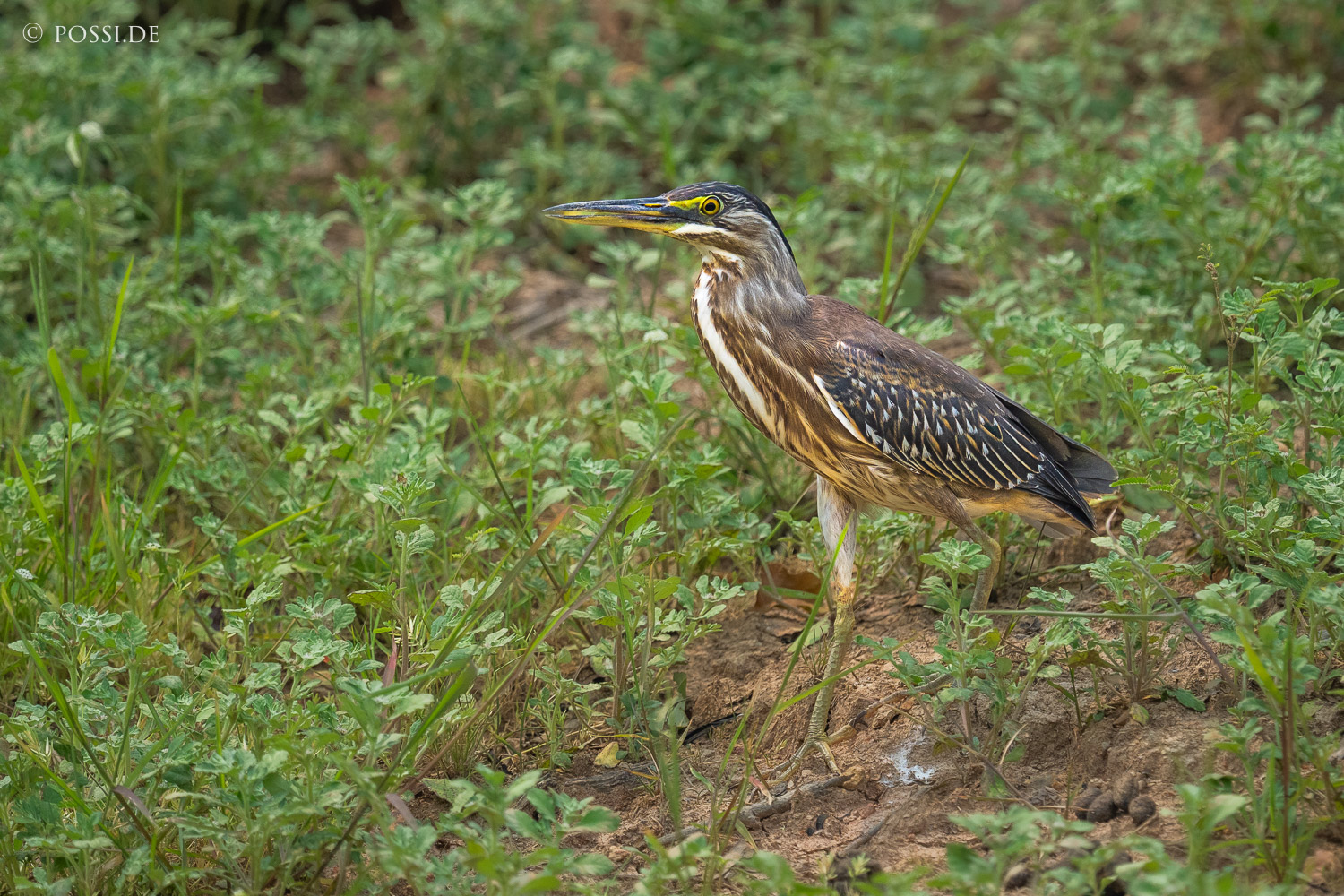
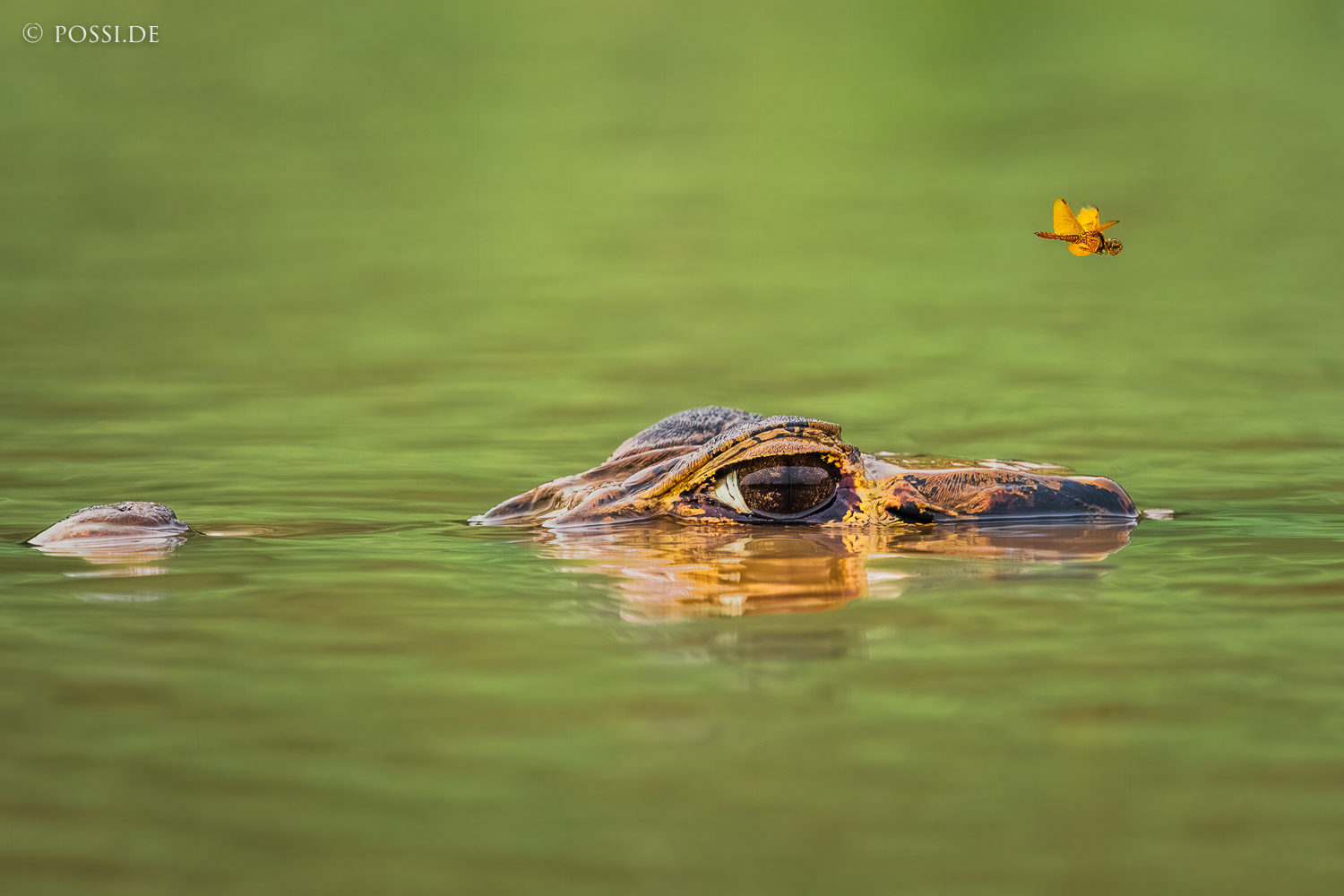
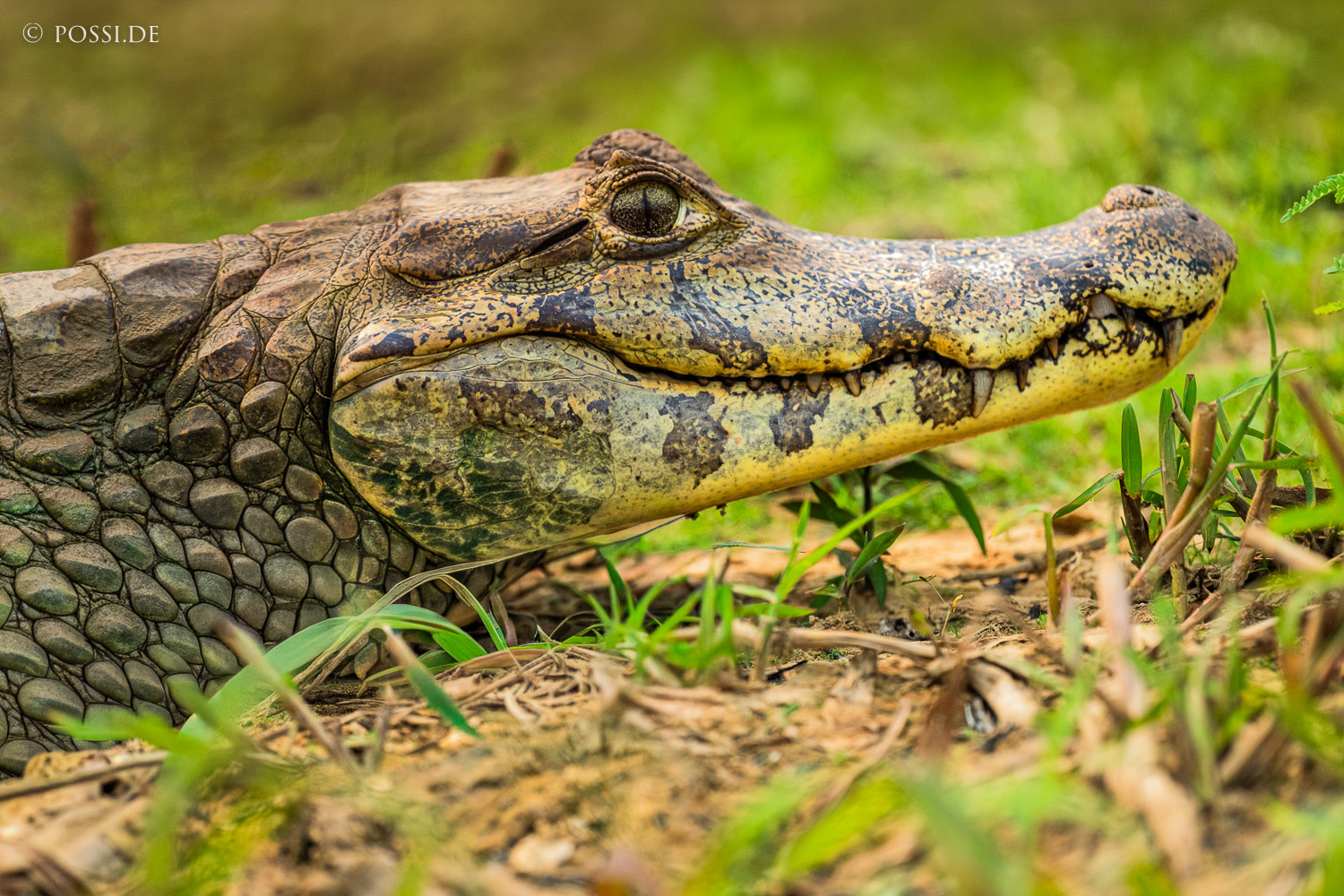
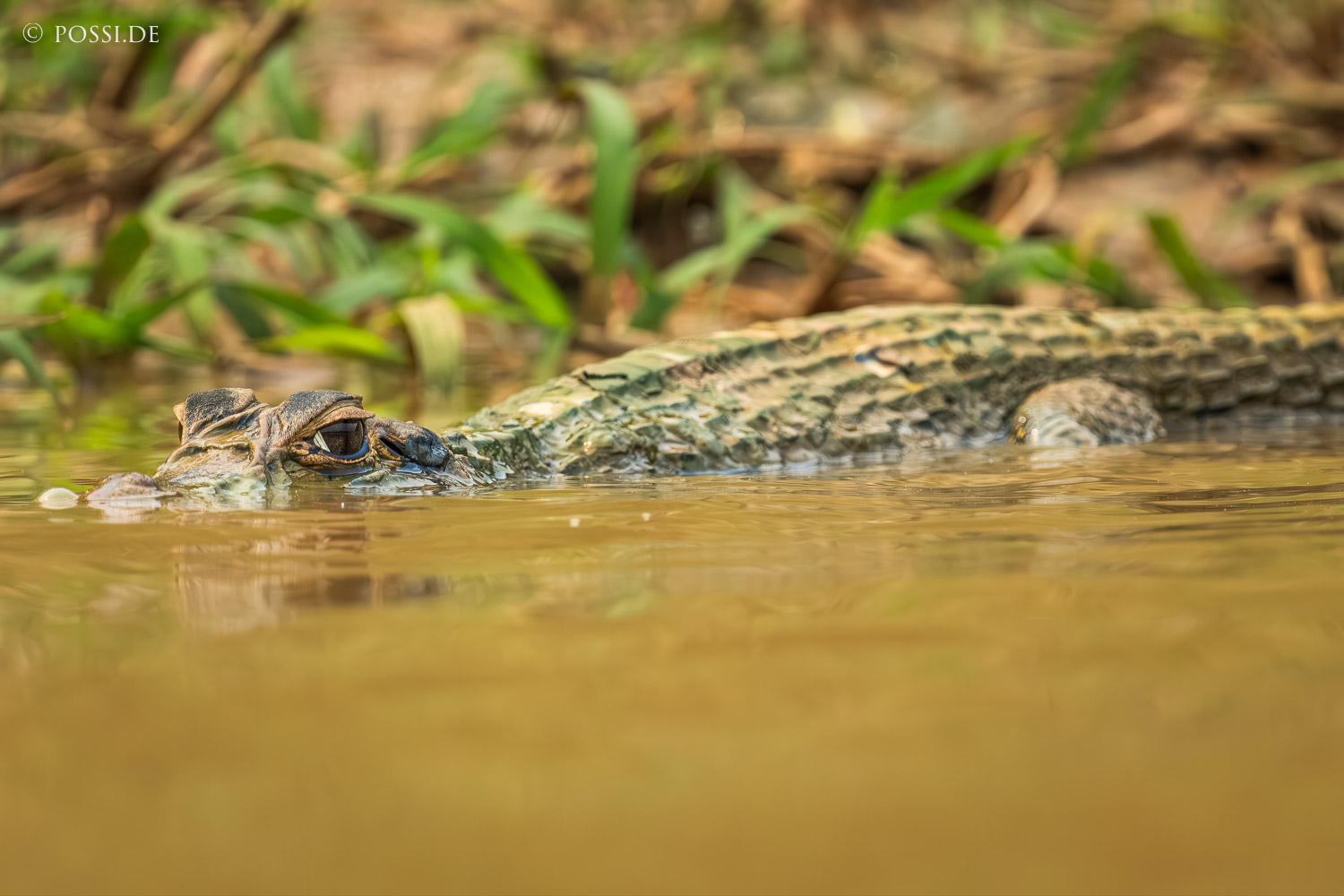
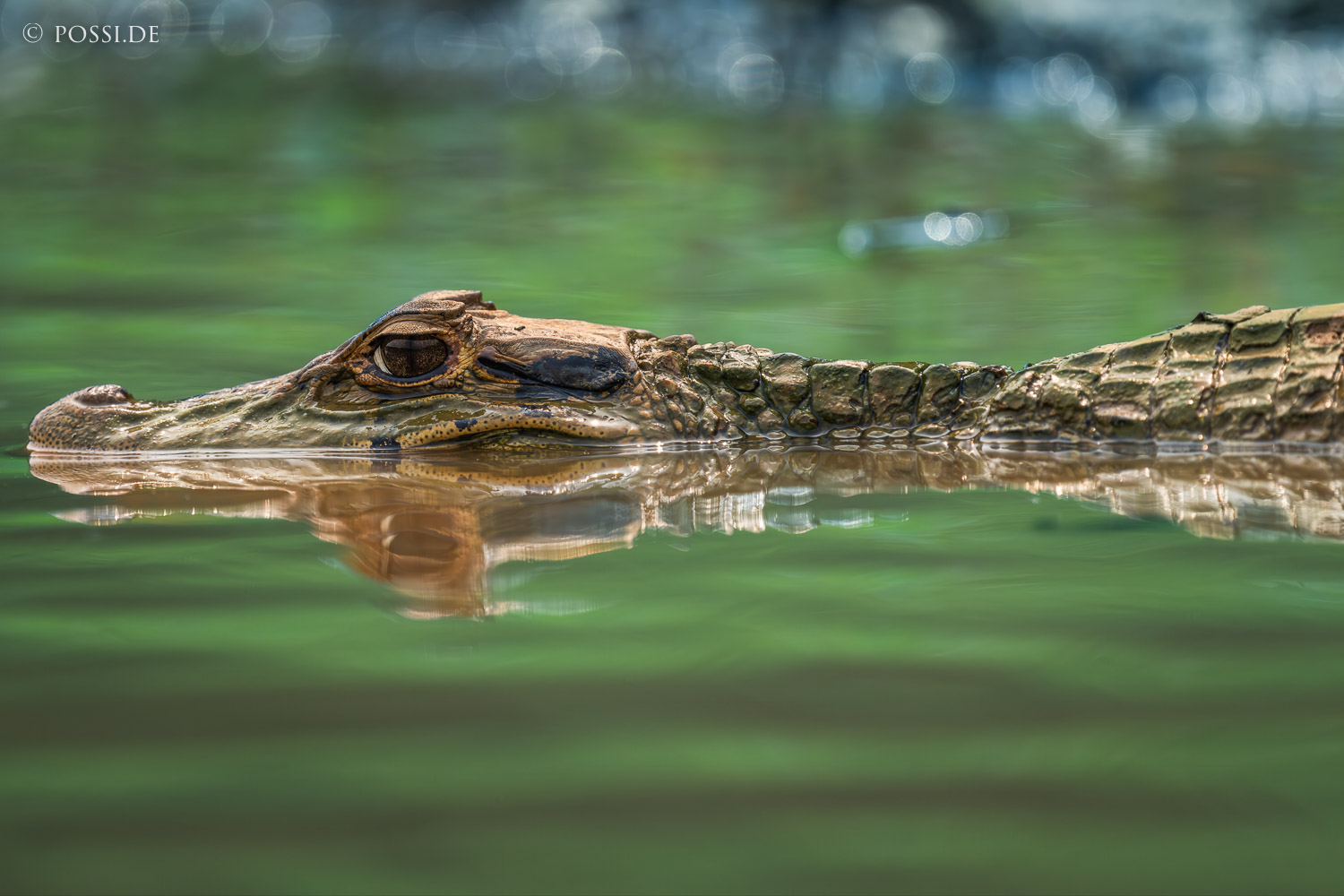
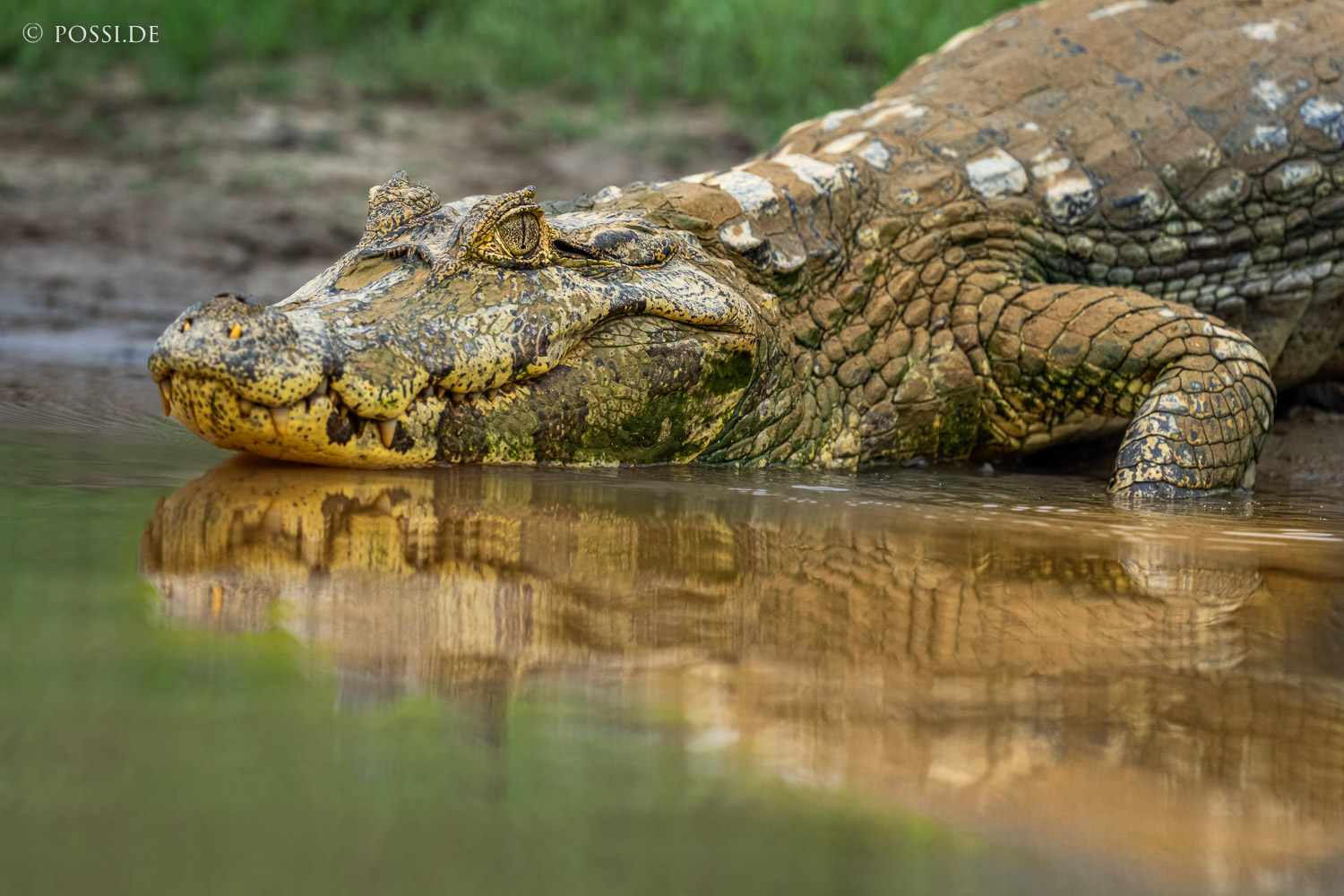
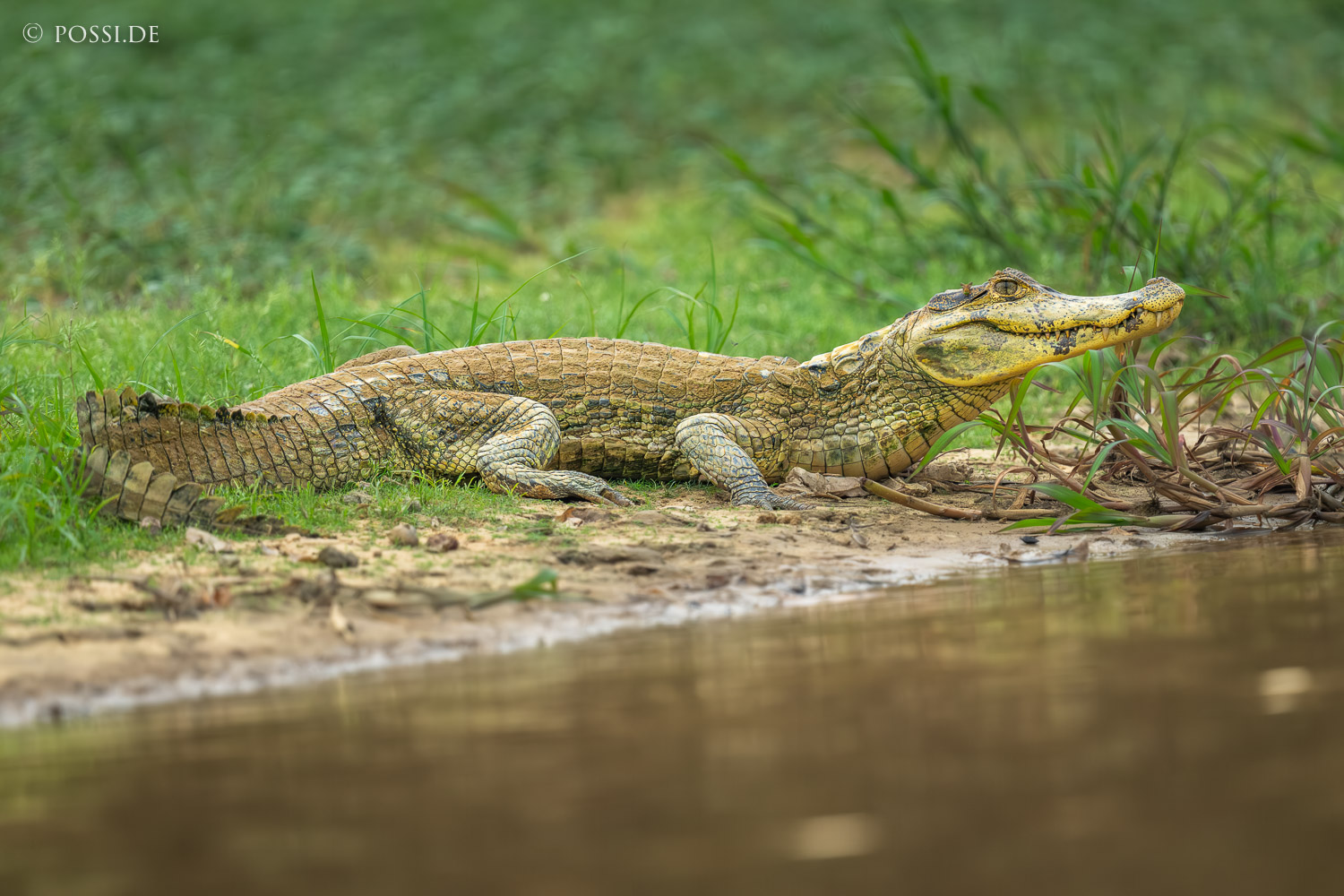
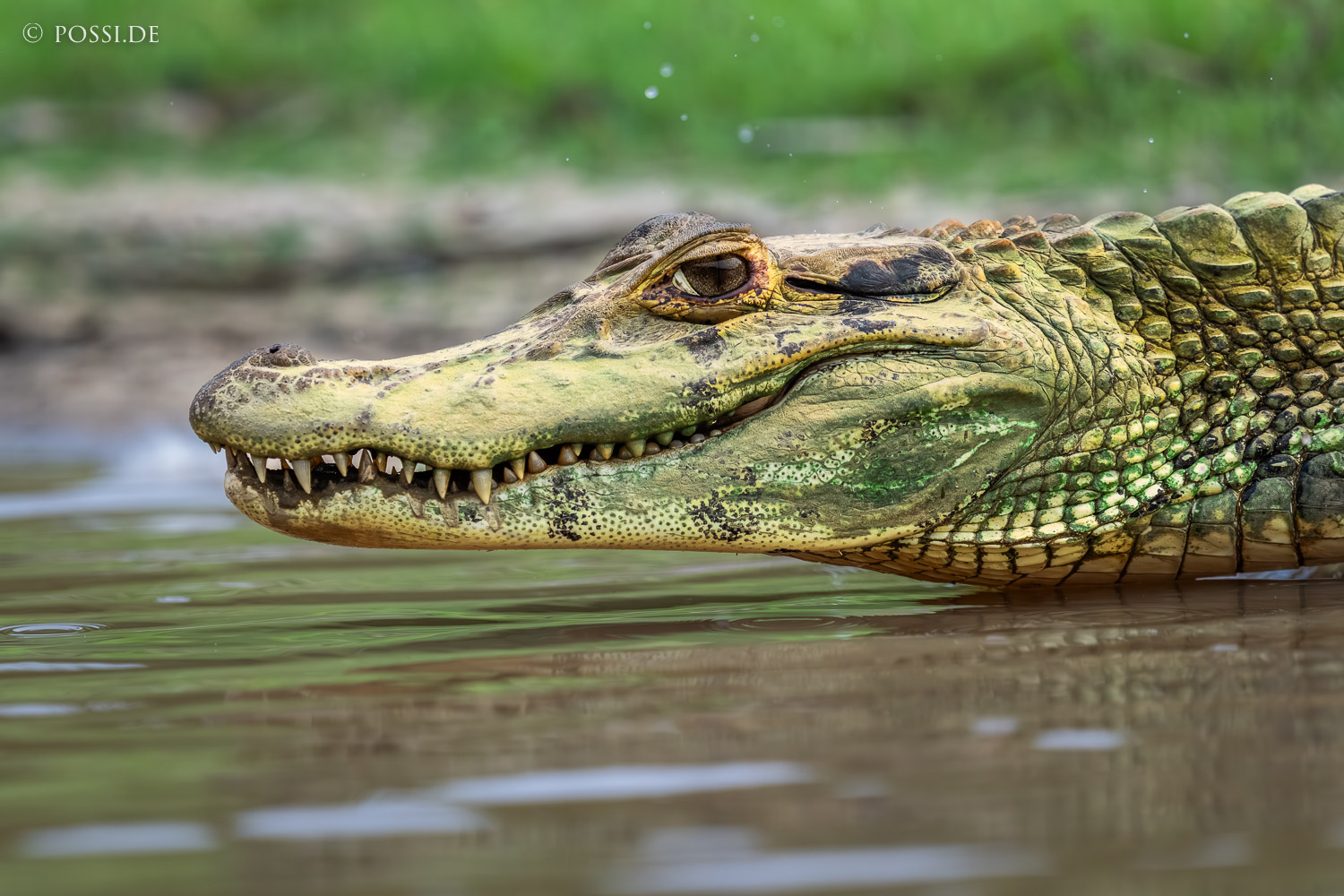
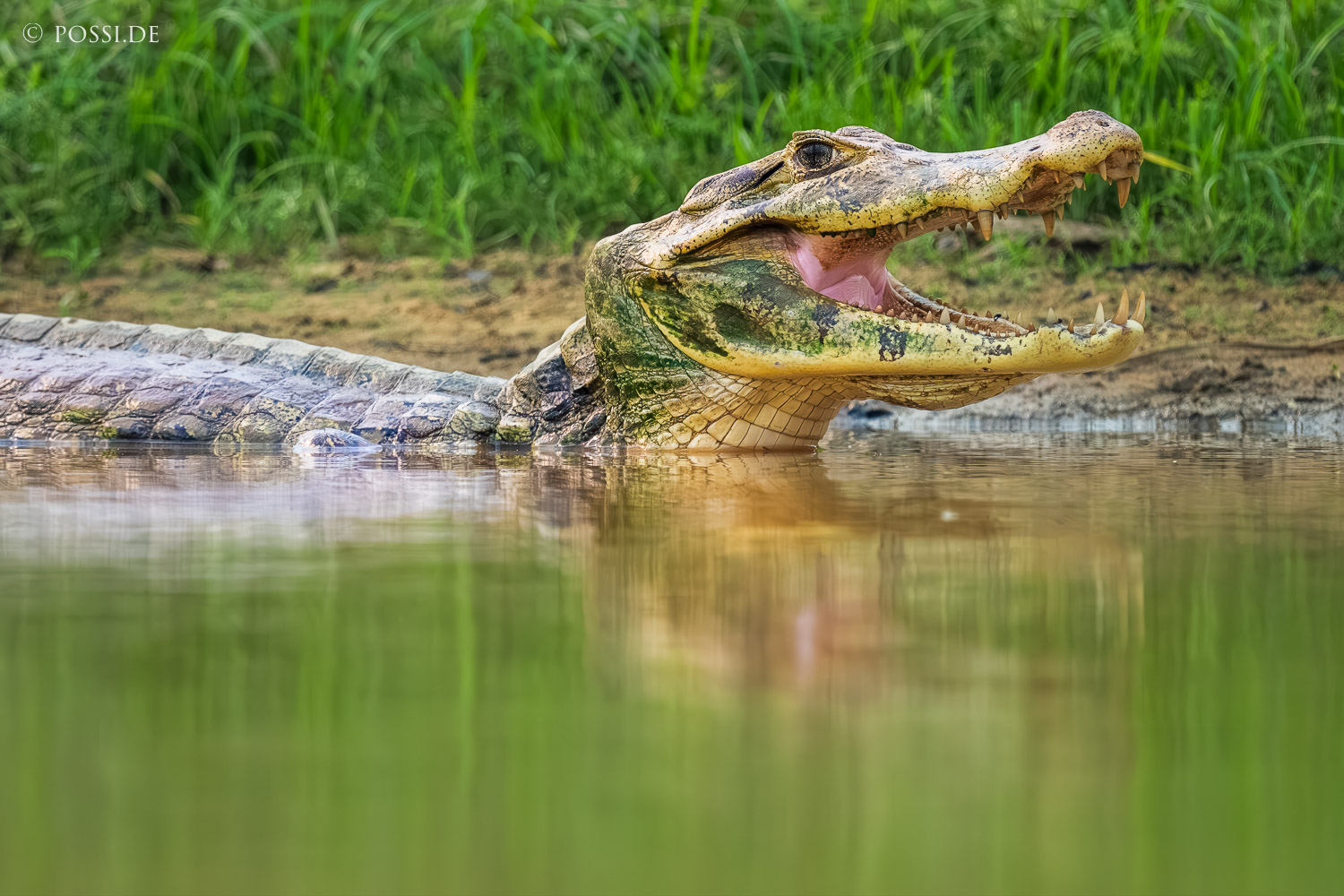
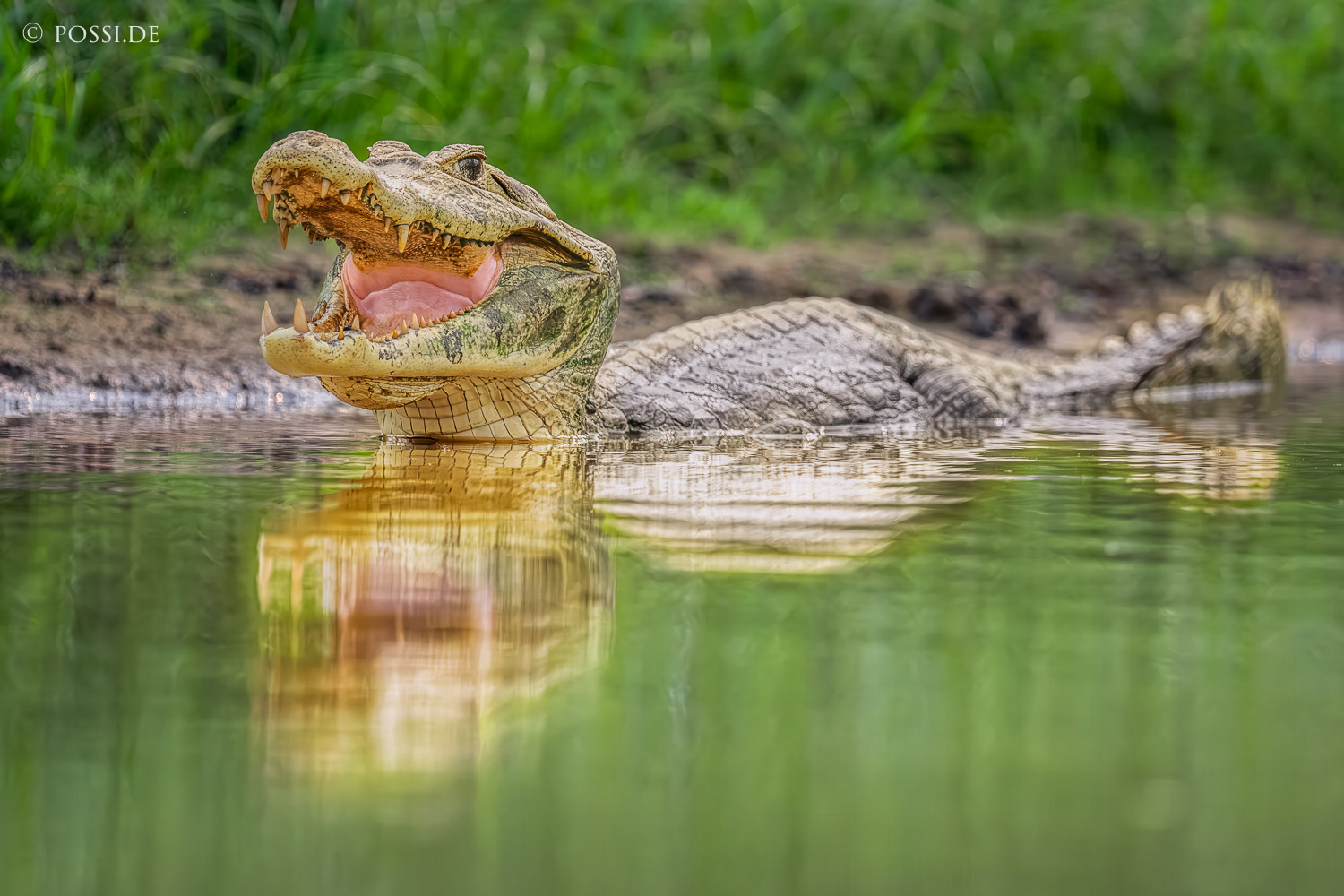
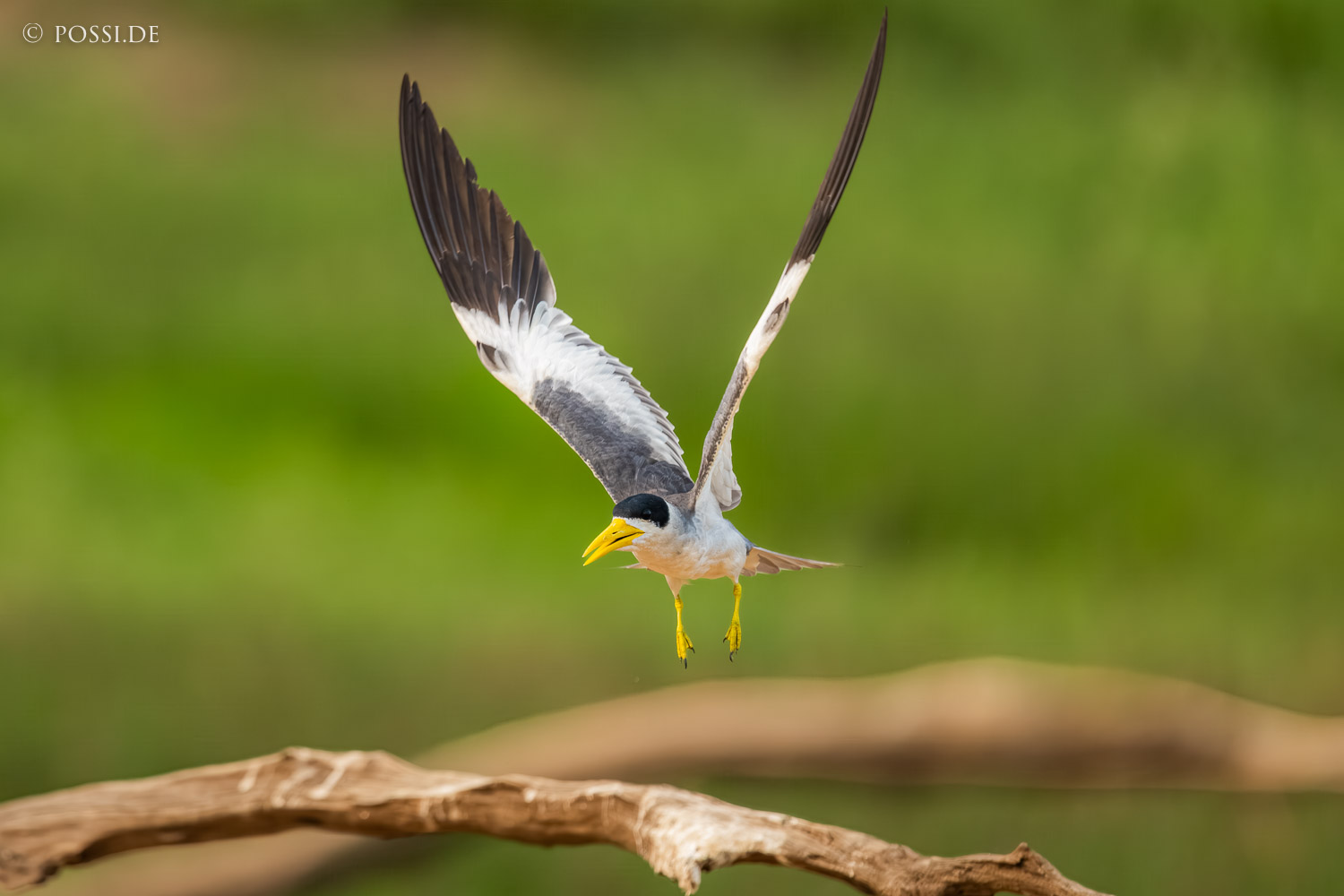
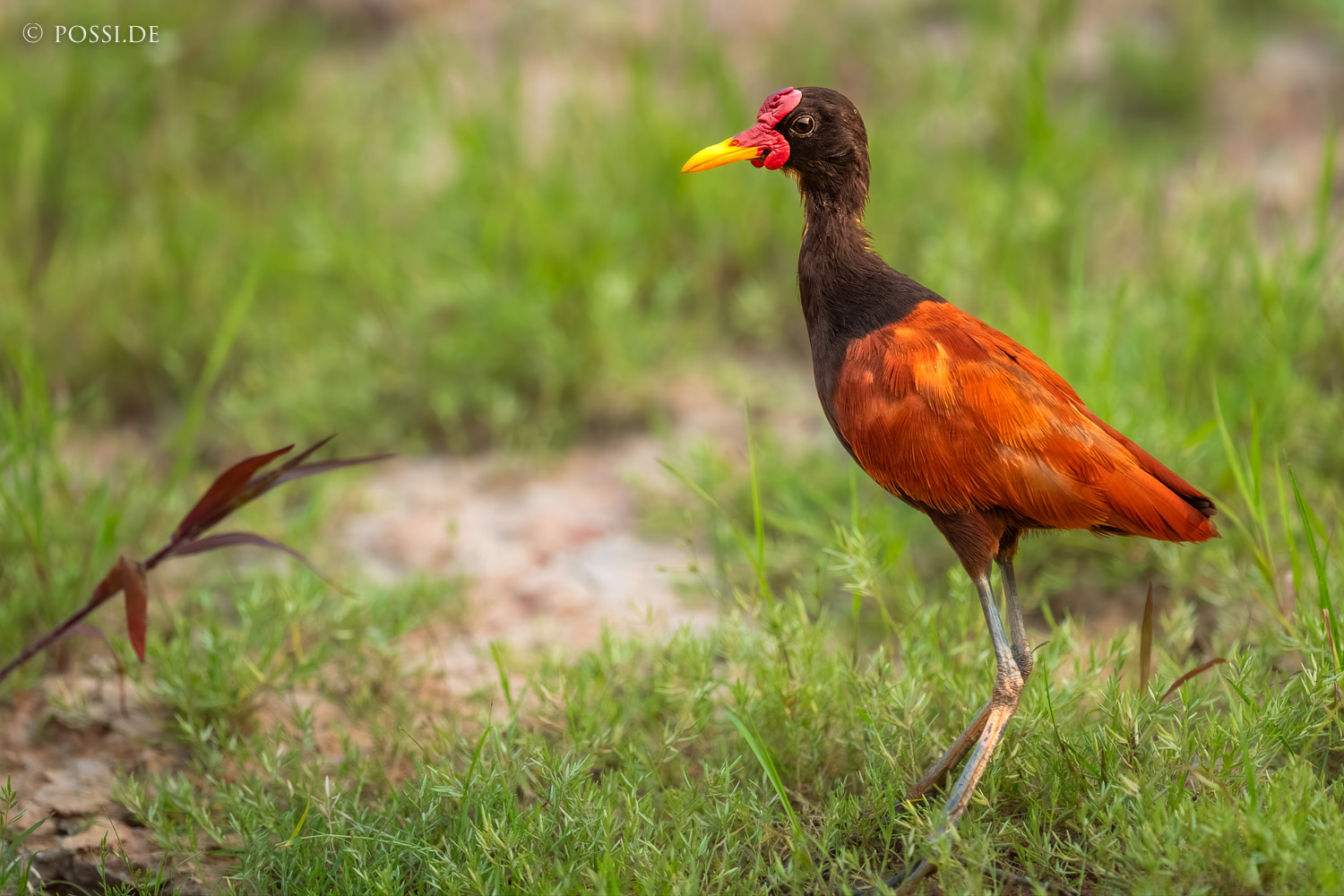
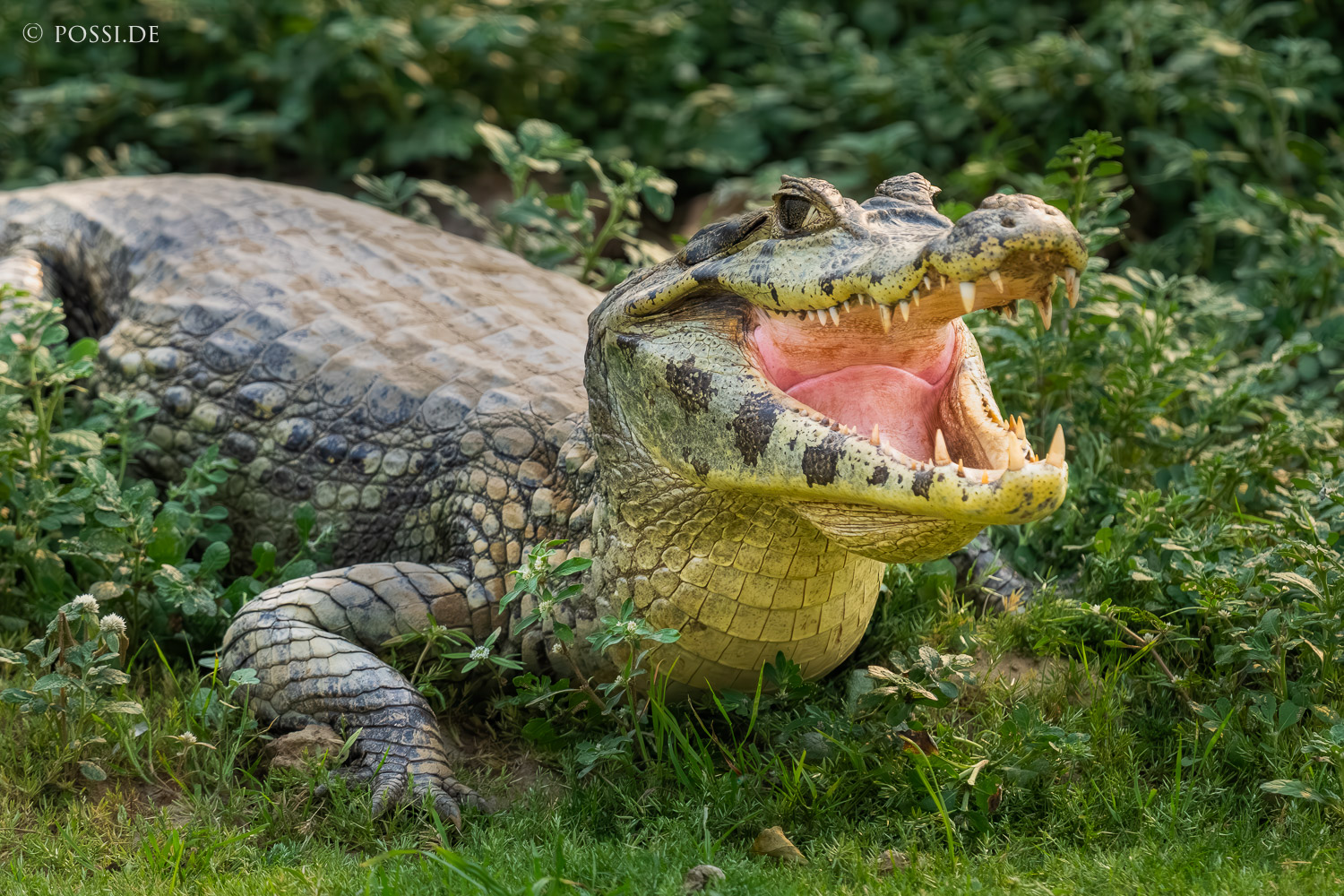
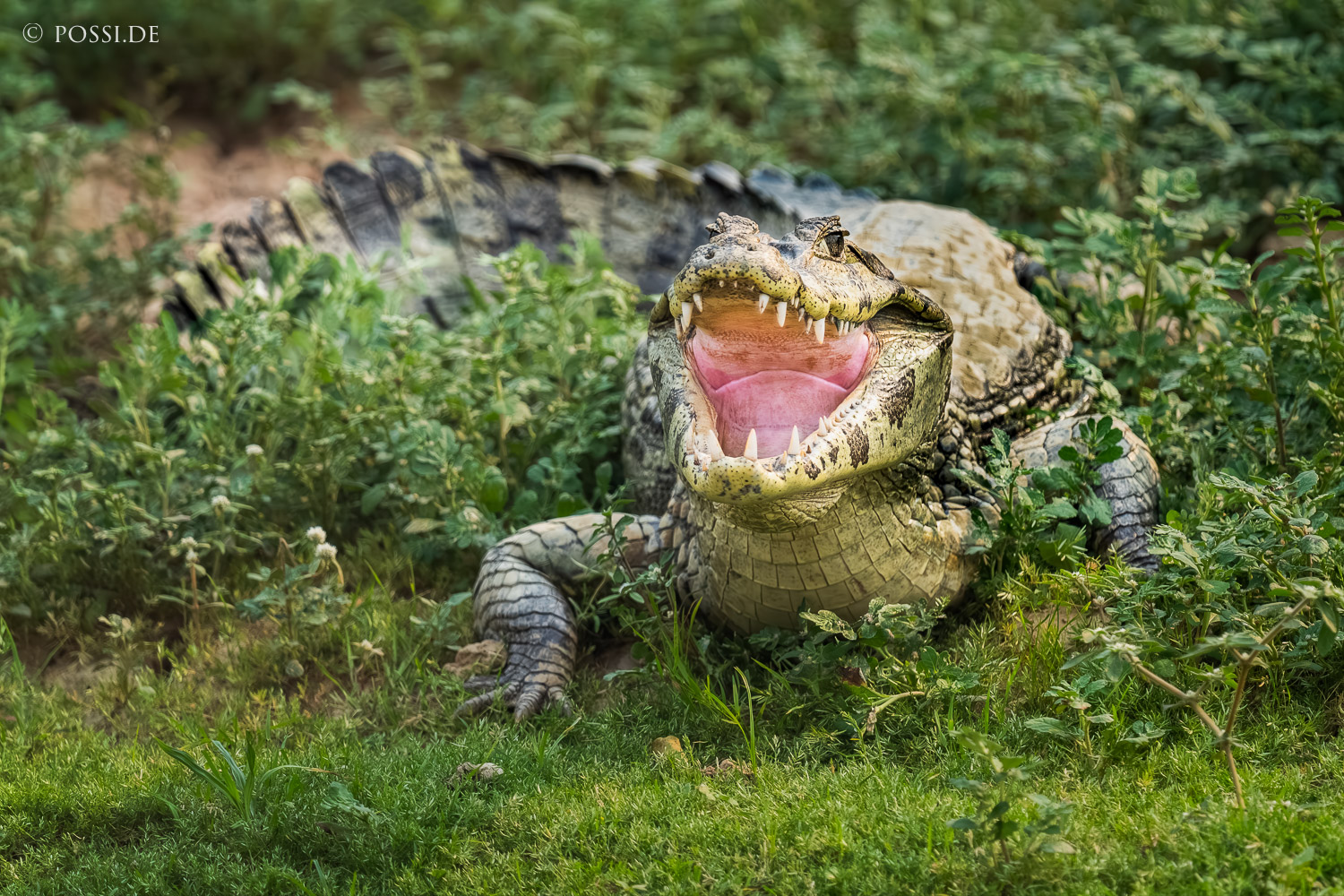
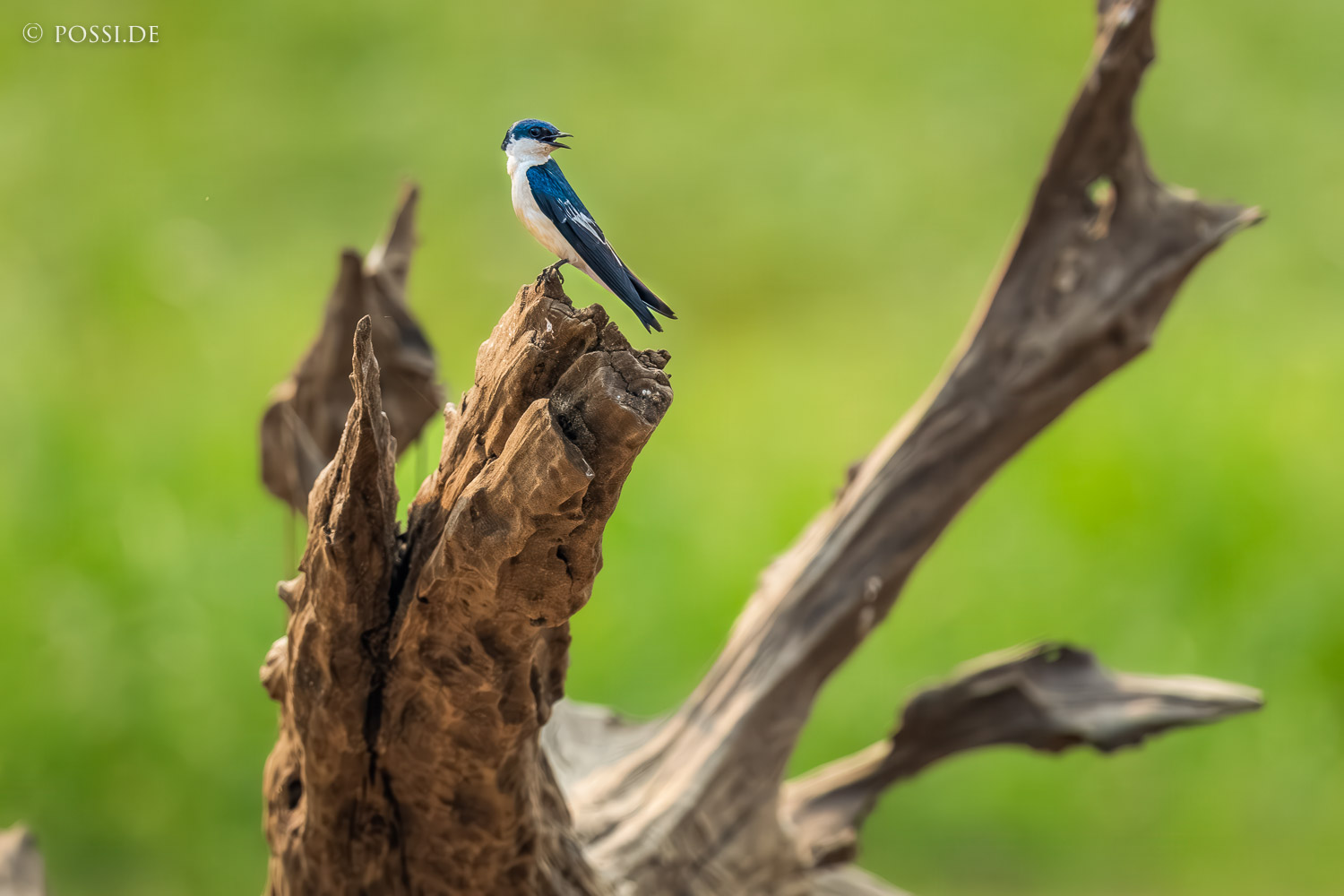
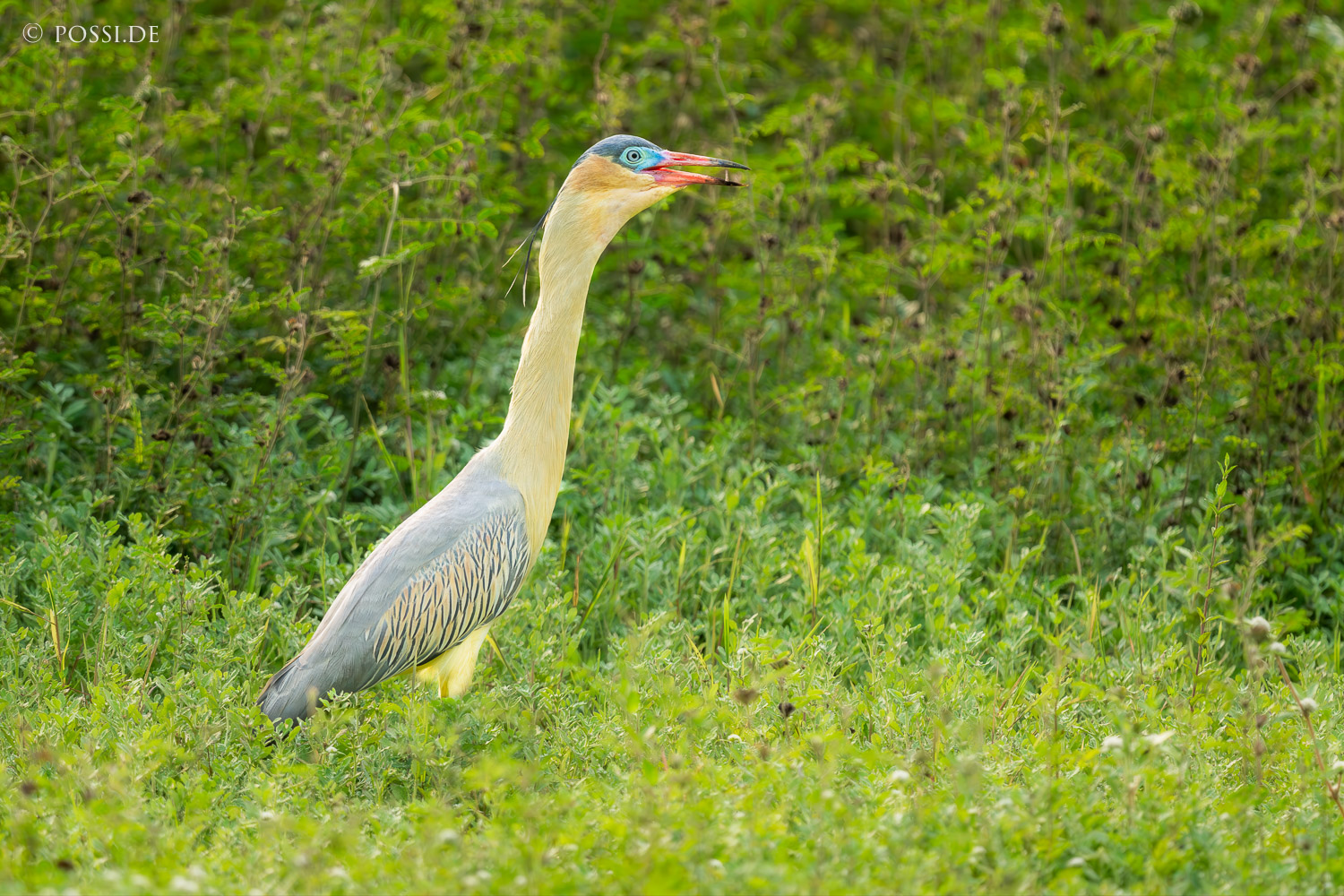
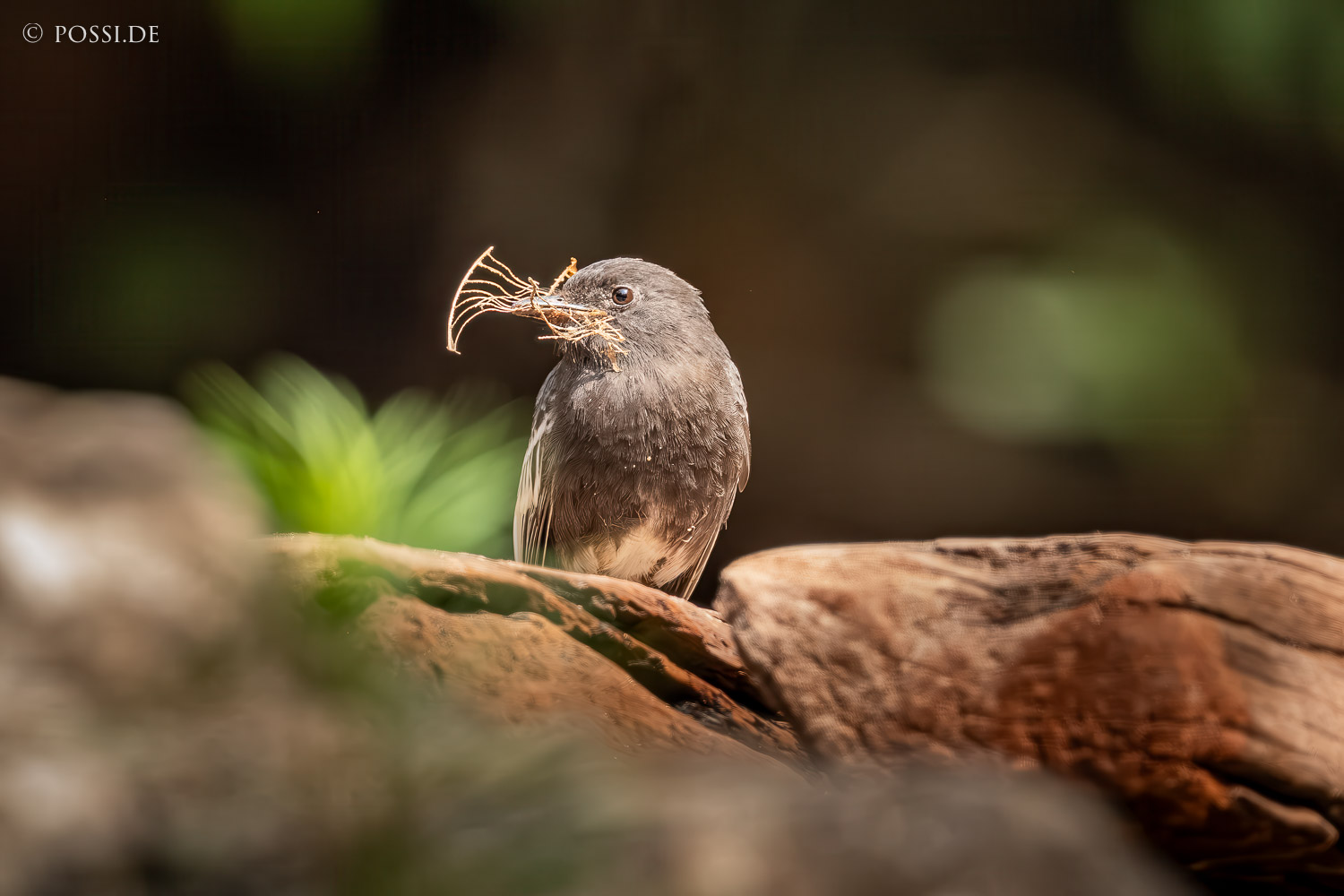
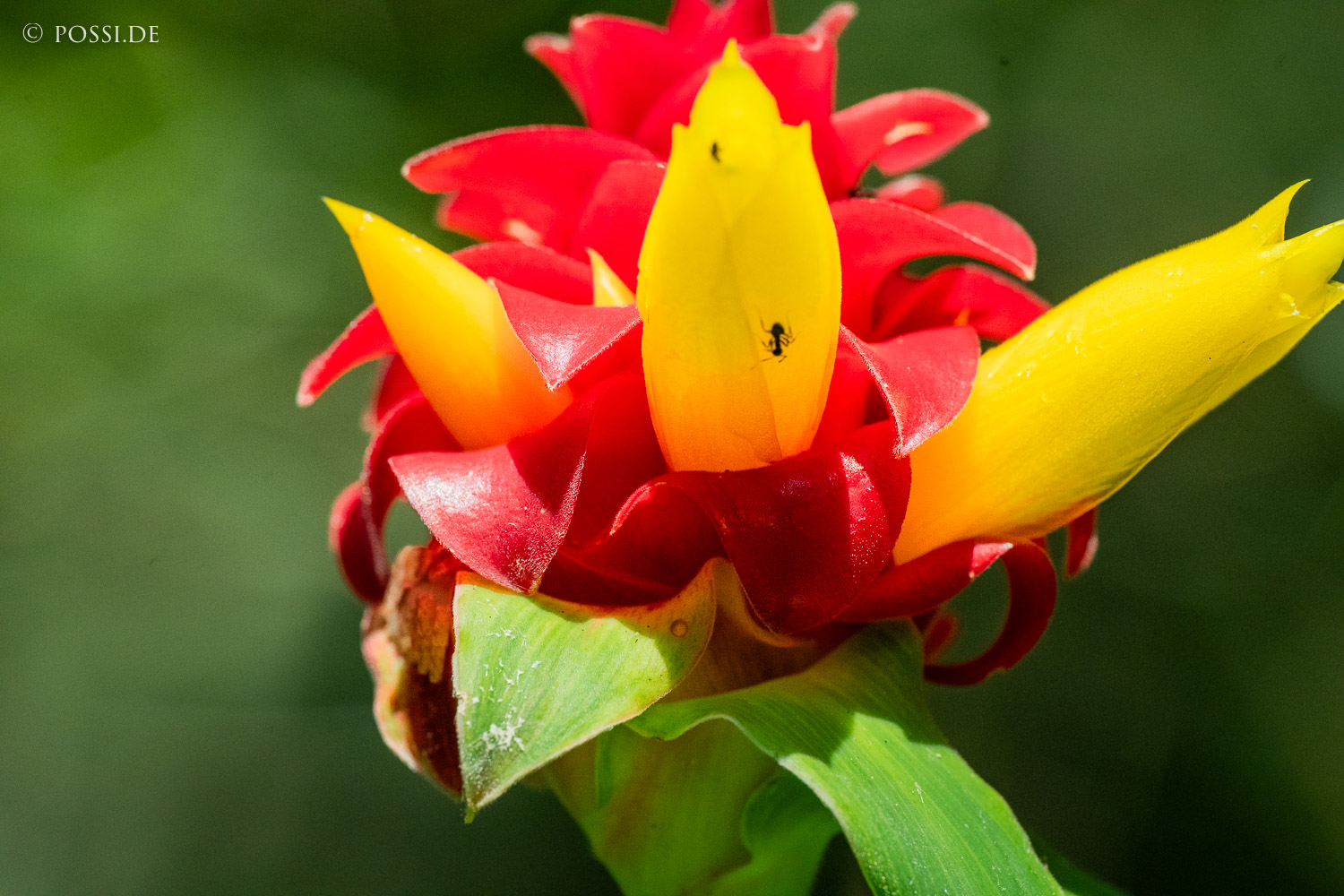
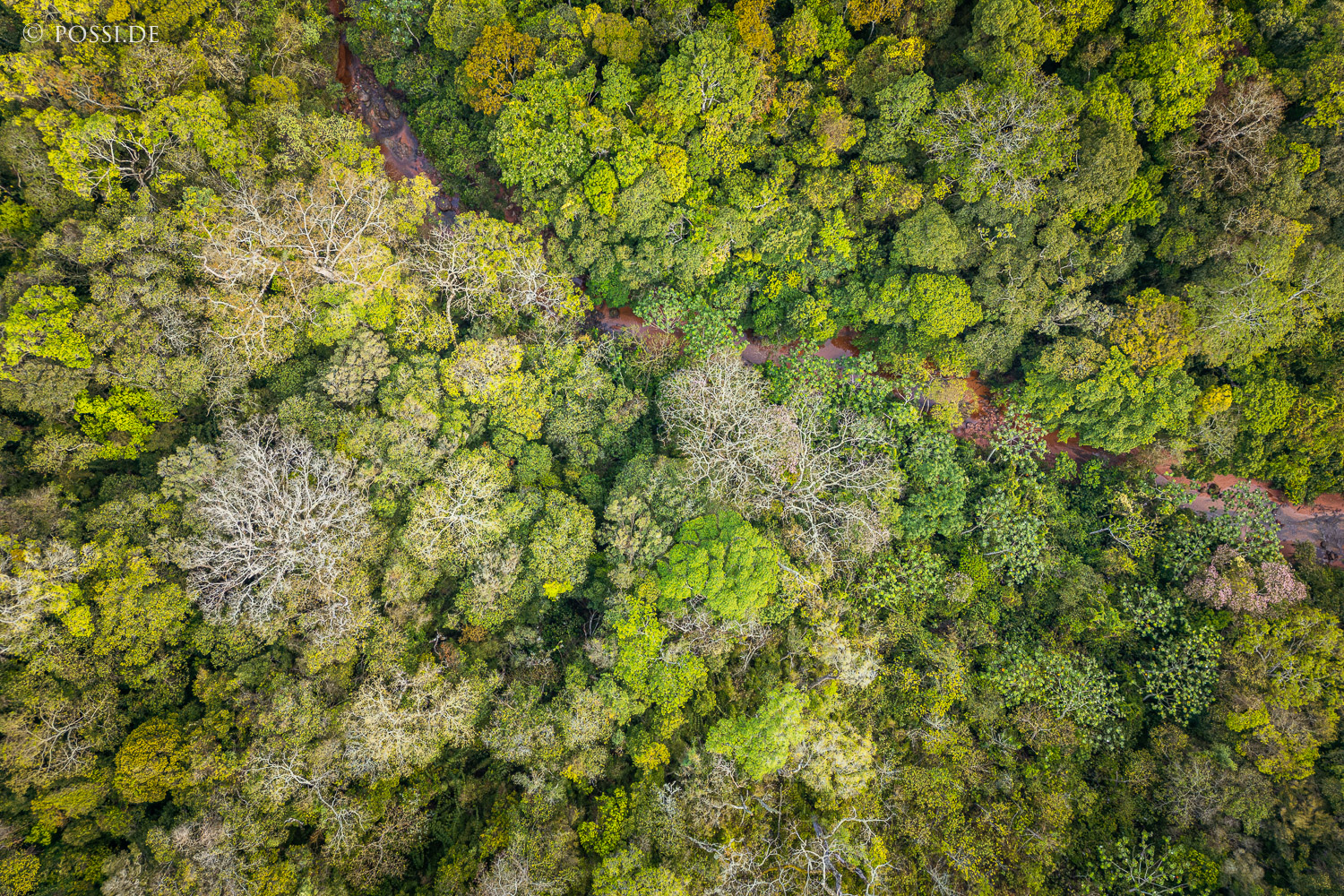
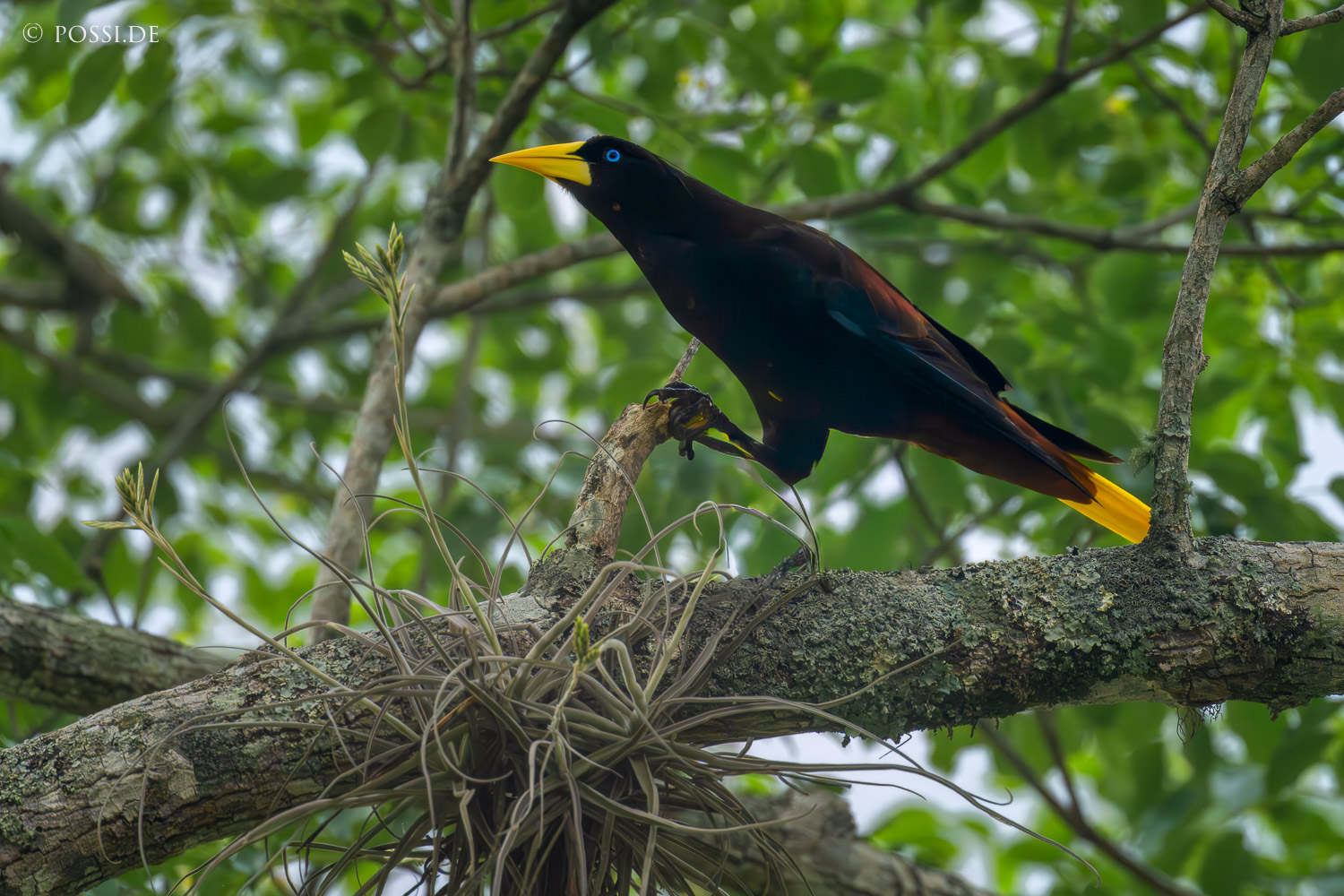
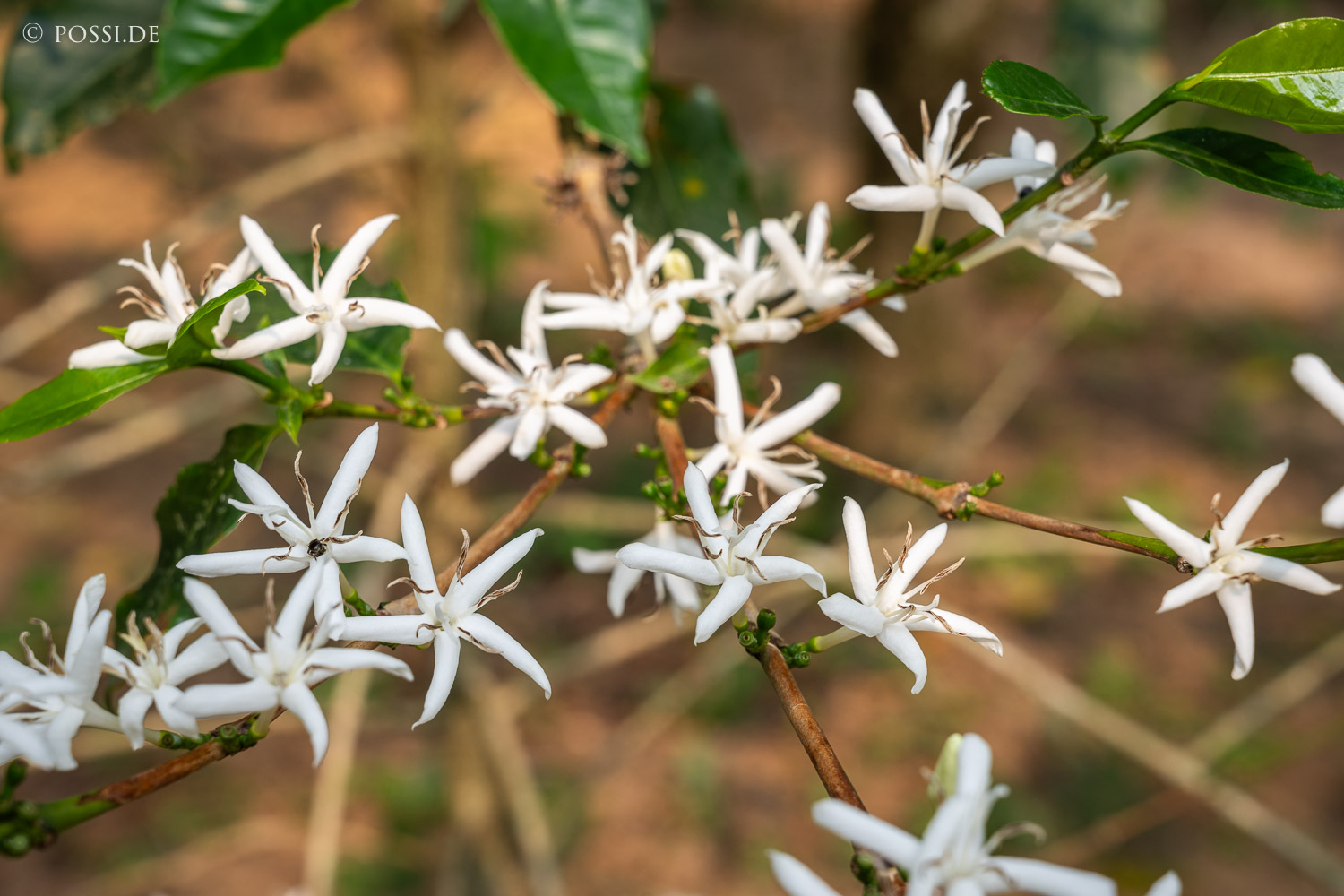
Bootsfahrten auf Flüssen und Lagunen sowie Wanderungen durch unberührte Vegetation ermöglichten vielfältige Fotomotive. Kaimane, verschiedene Affenarten, Tapire, Otter und mit etwas Glück sogar Jaguare gehörten zu den möglichen Begegnungen, ebenso zahlreiche bunte Vogelarten und Aras. Die Begegnung mit den Yuracaré ermöglichte Einblicke in ein Leben zwischen Tradition und Moderne, einschließlich der Bananen-, Kakao- und Kaffeeproduktion.
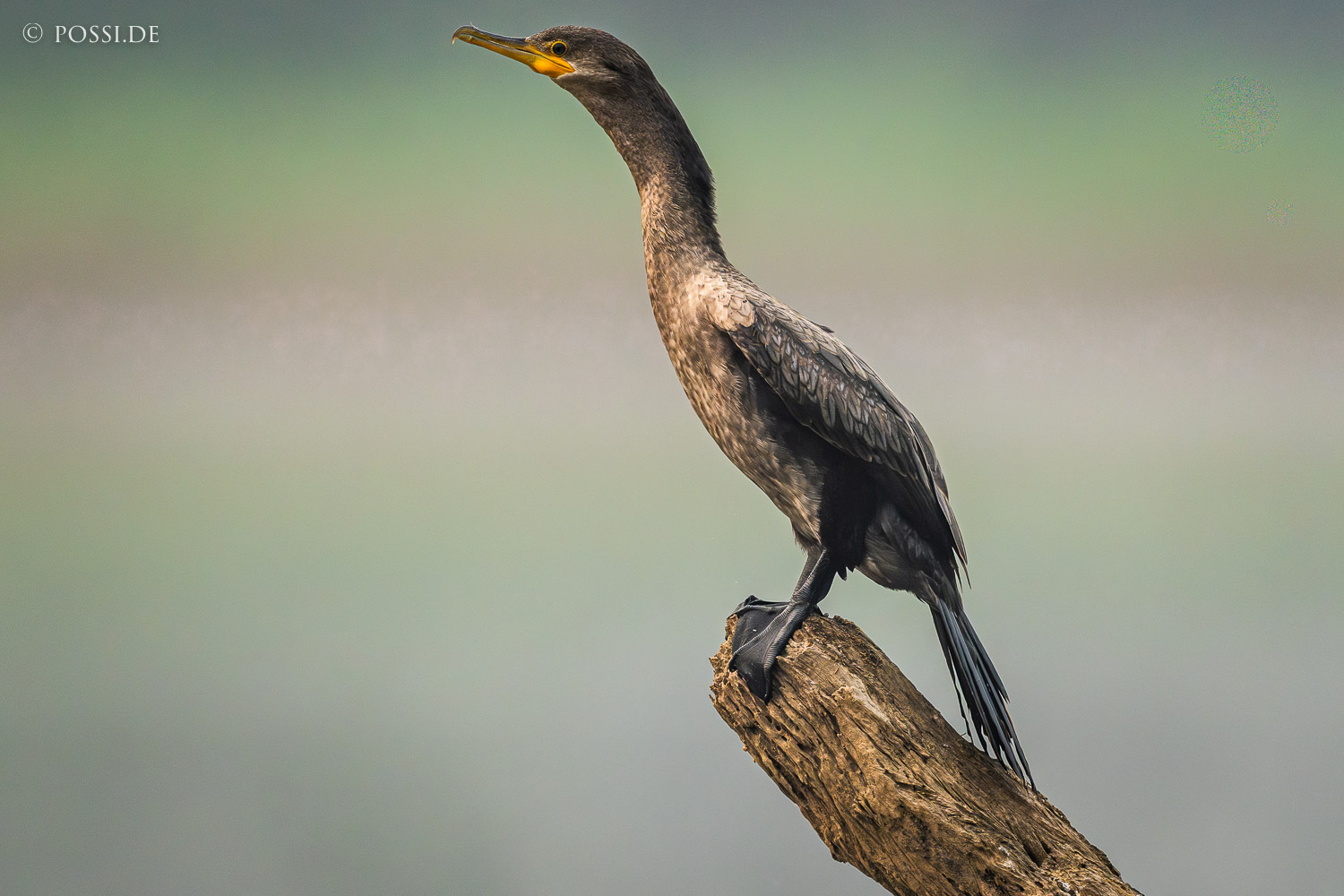
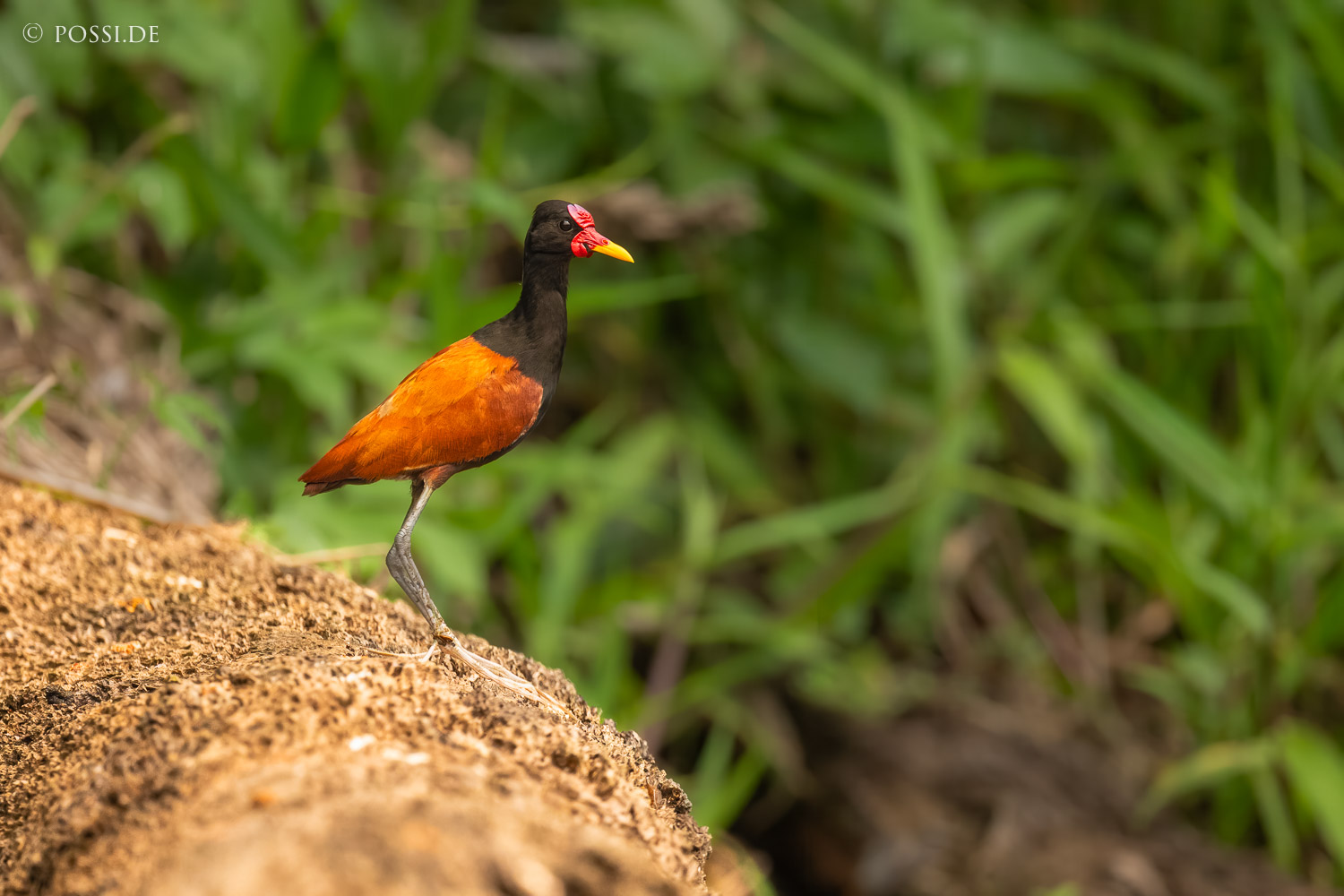
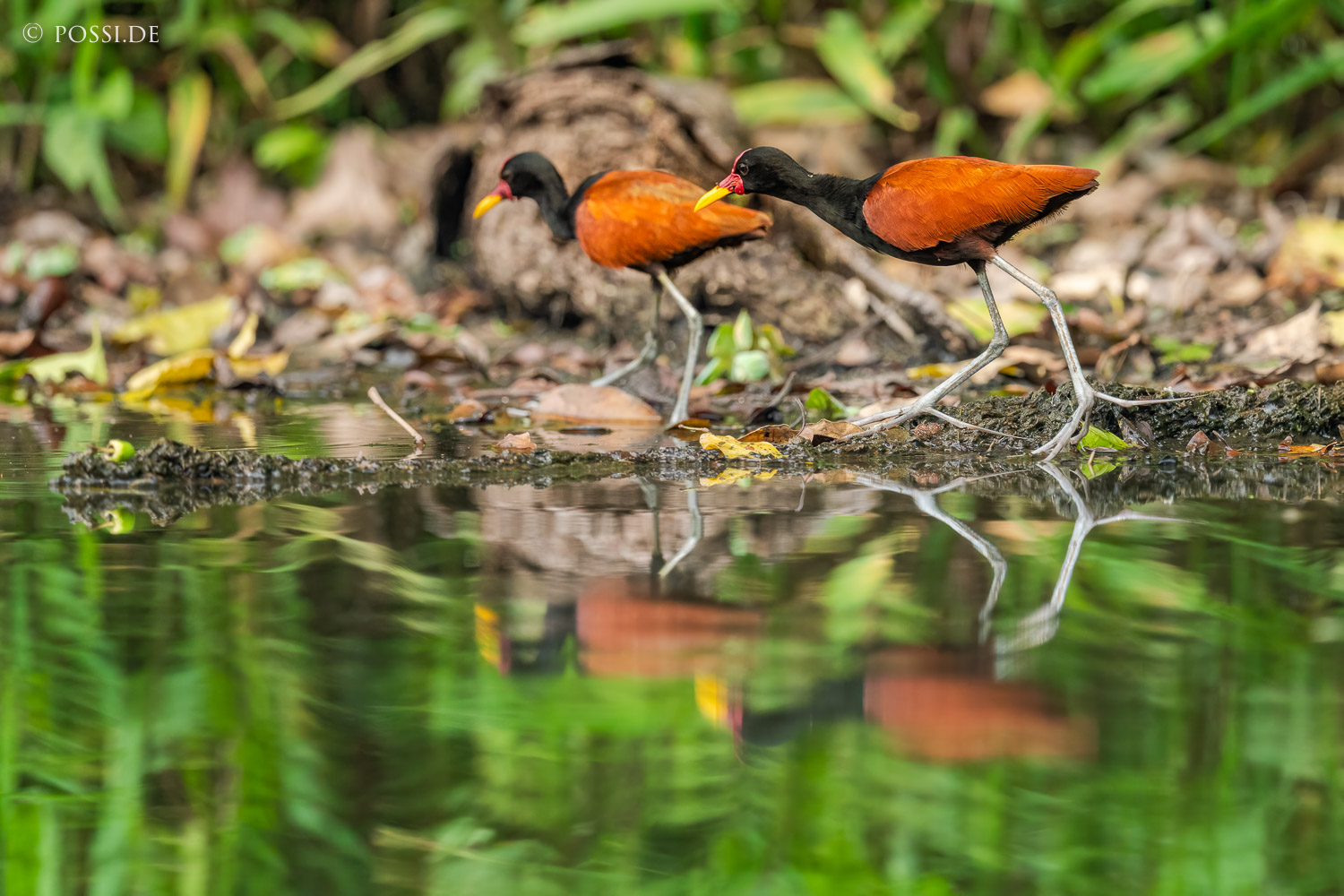
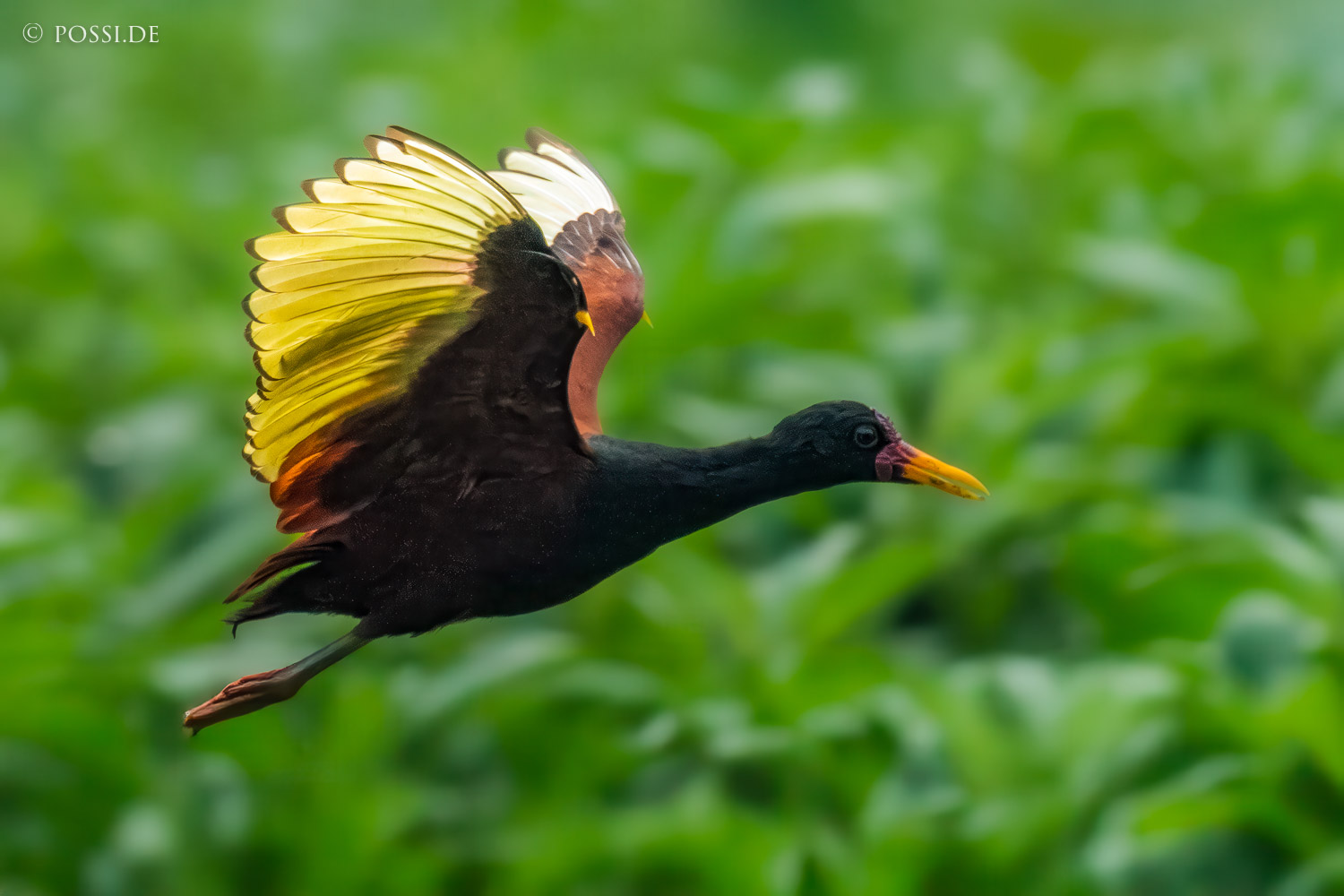
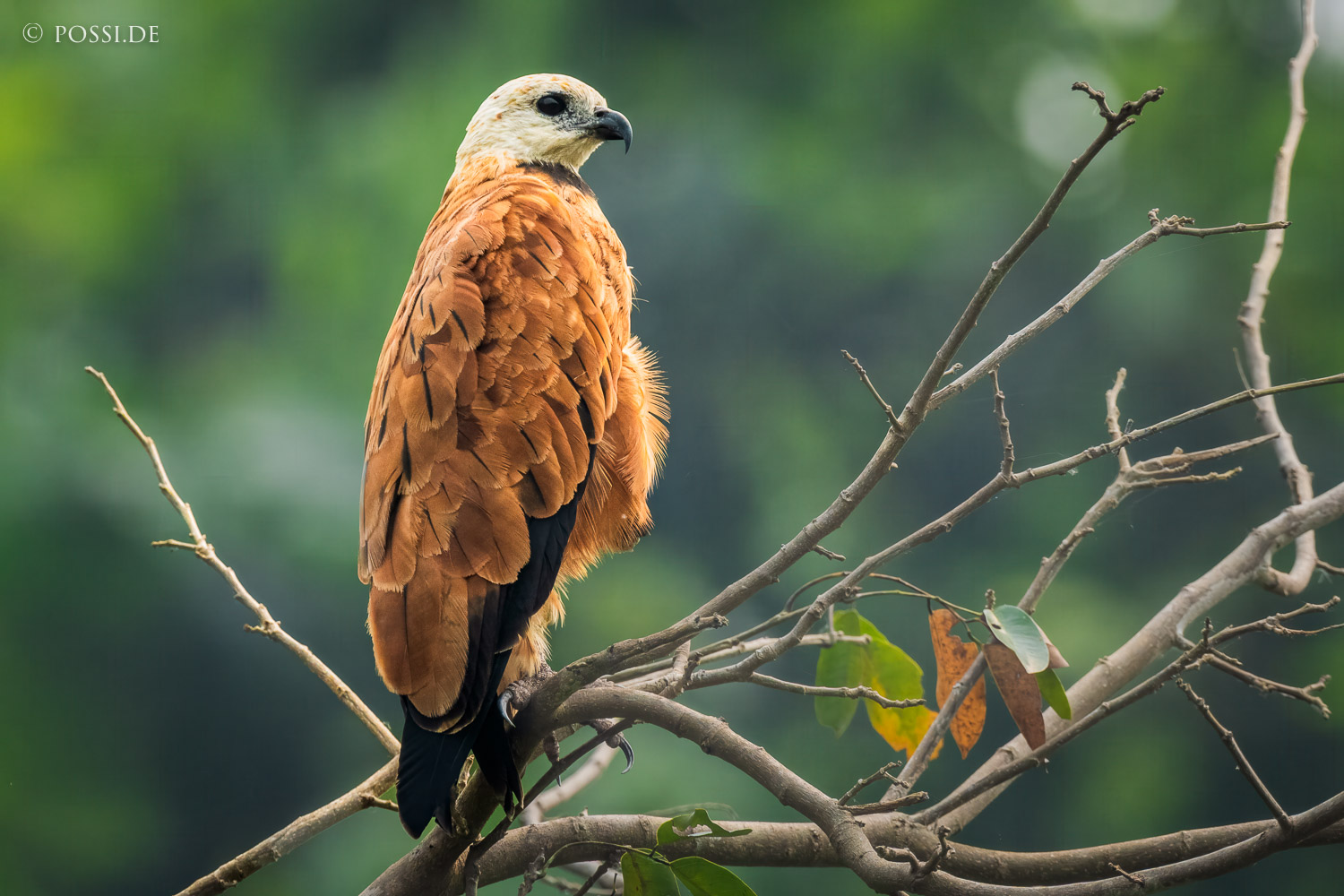
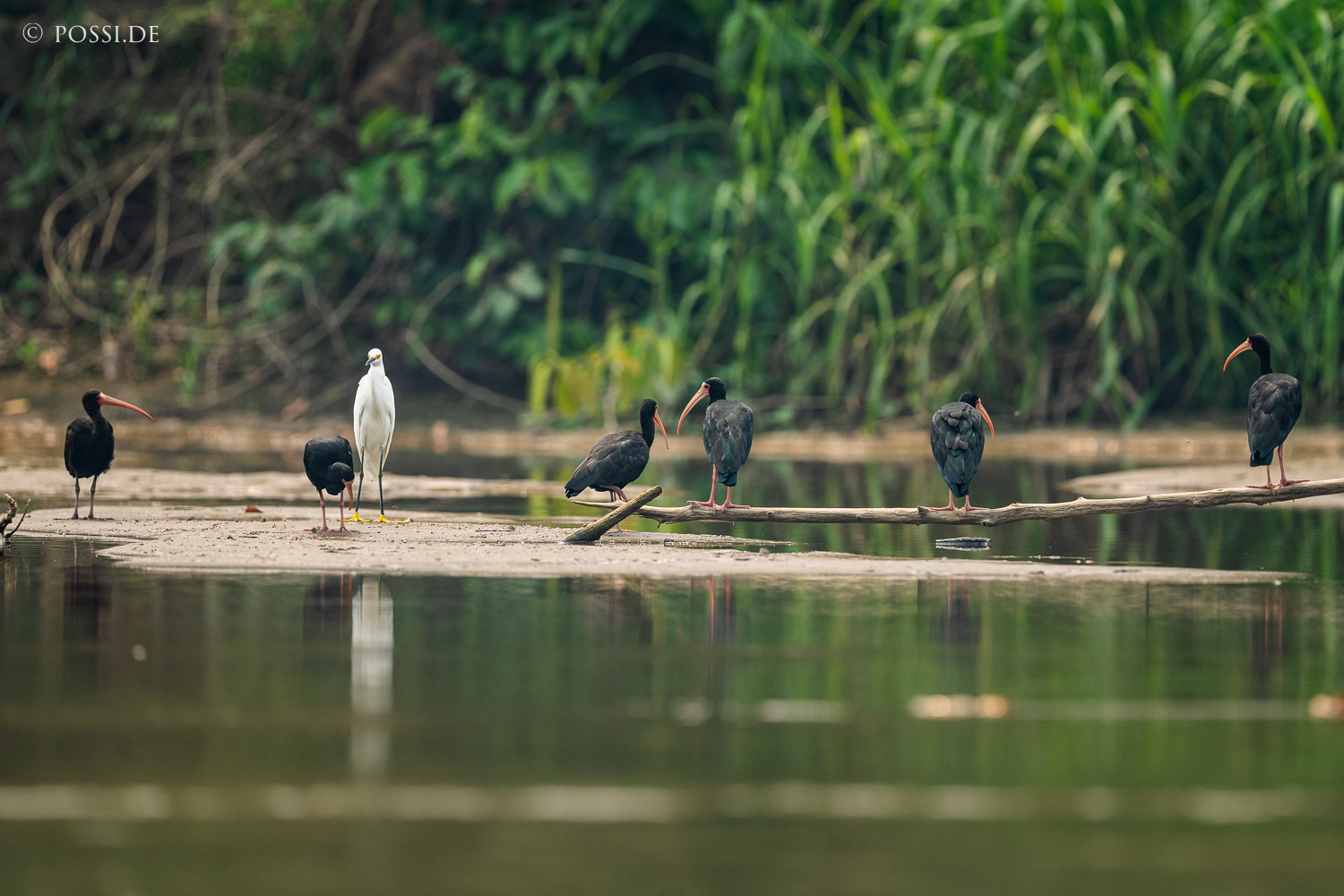
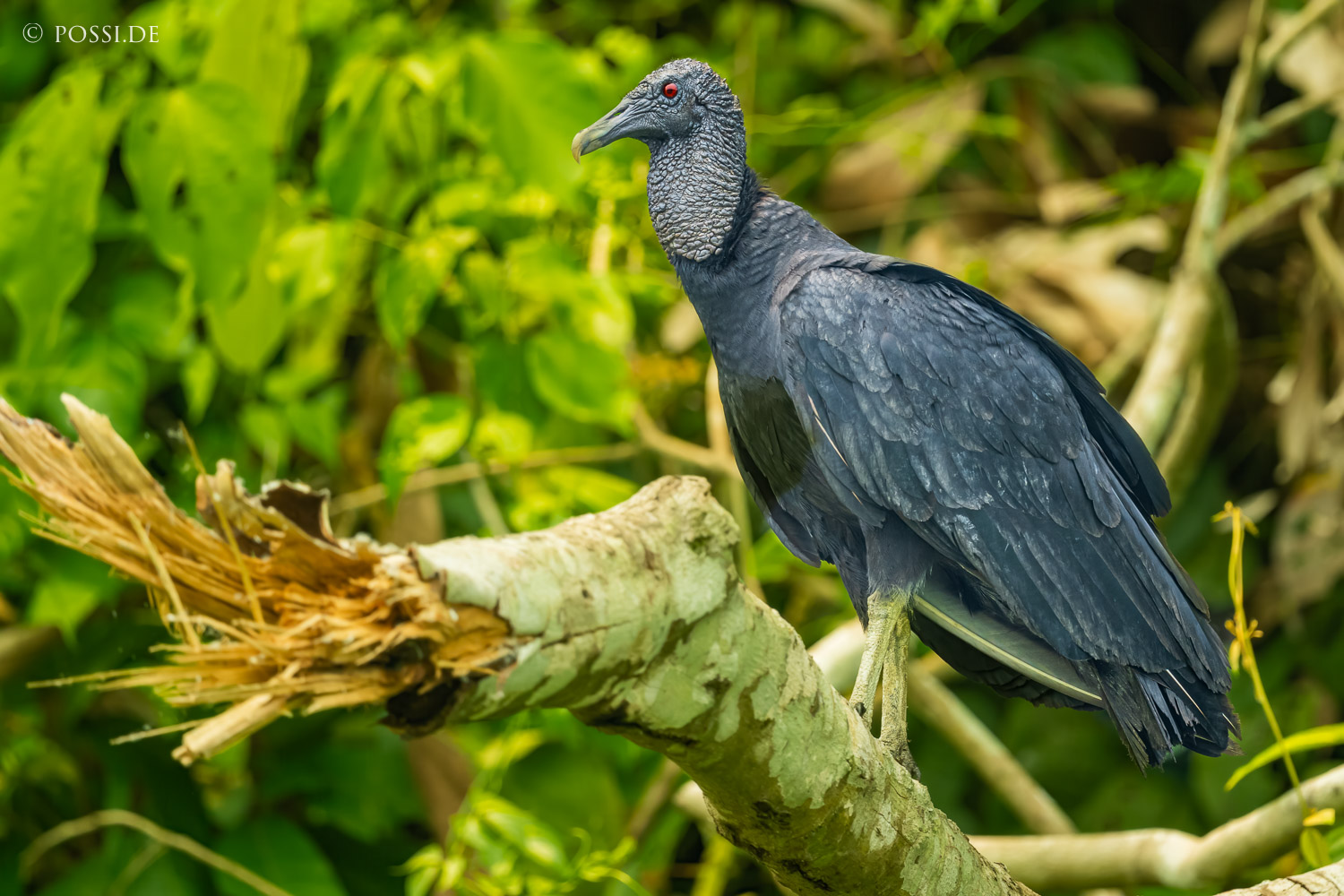
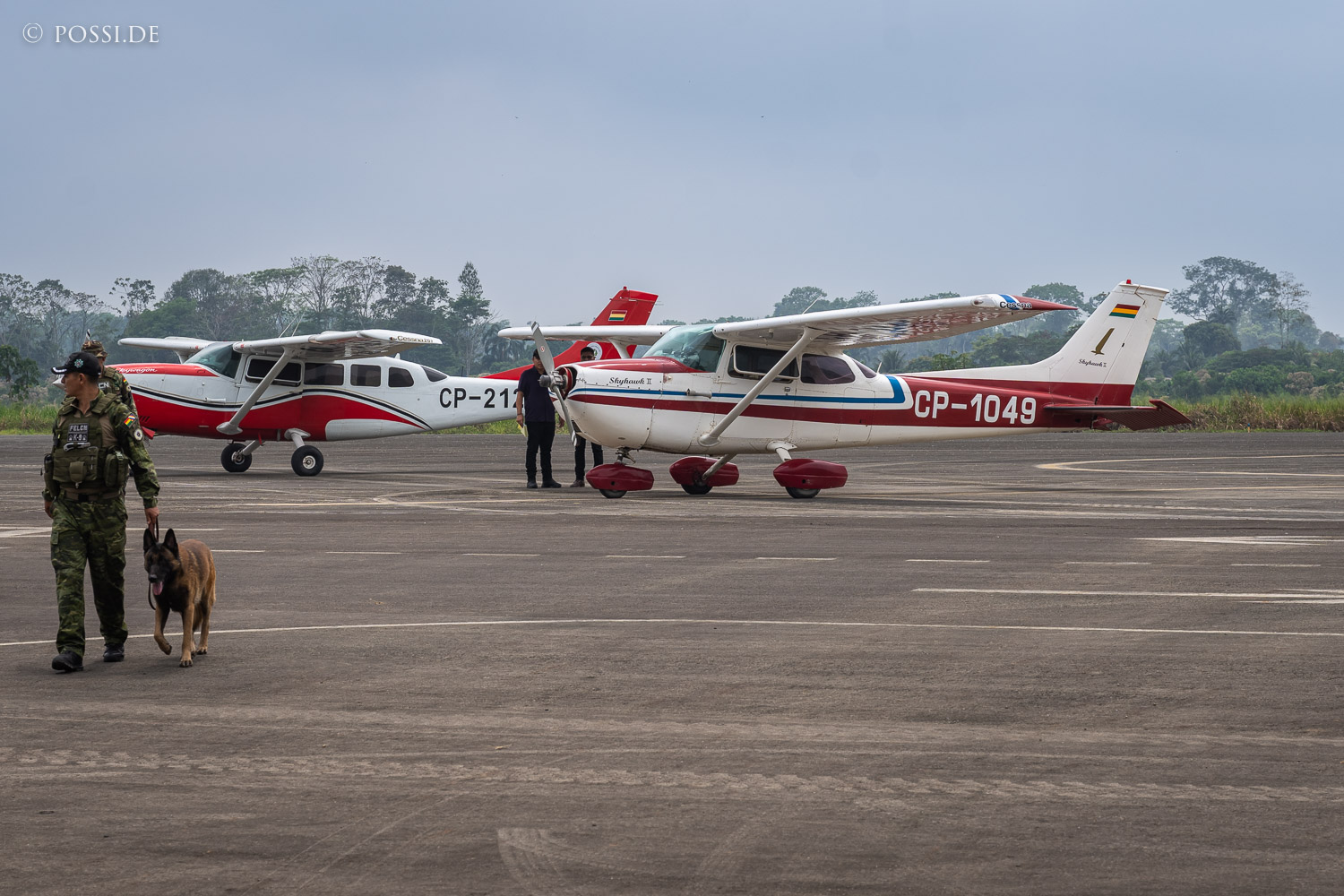
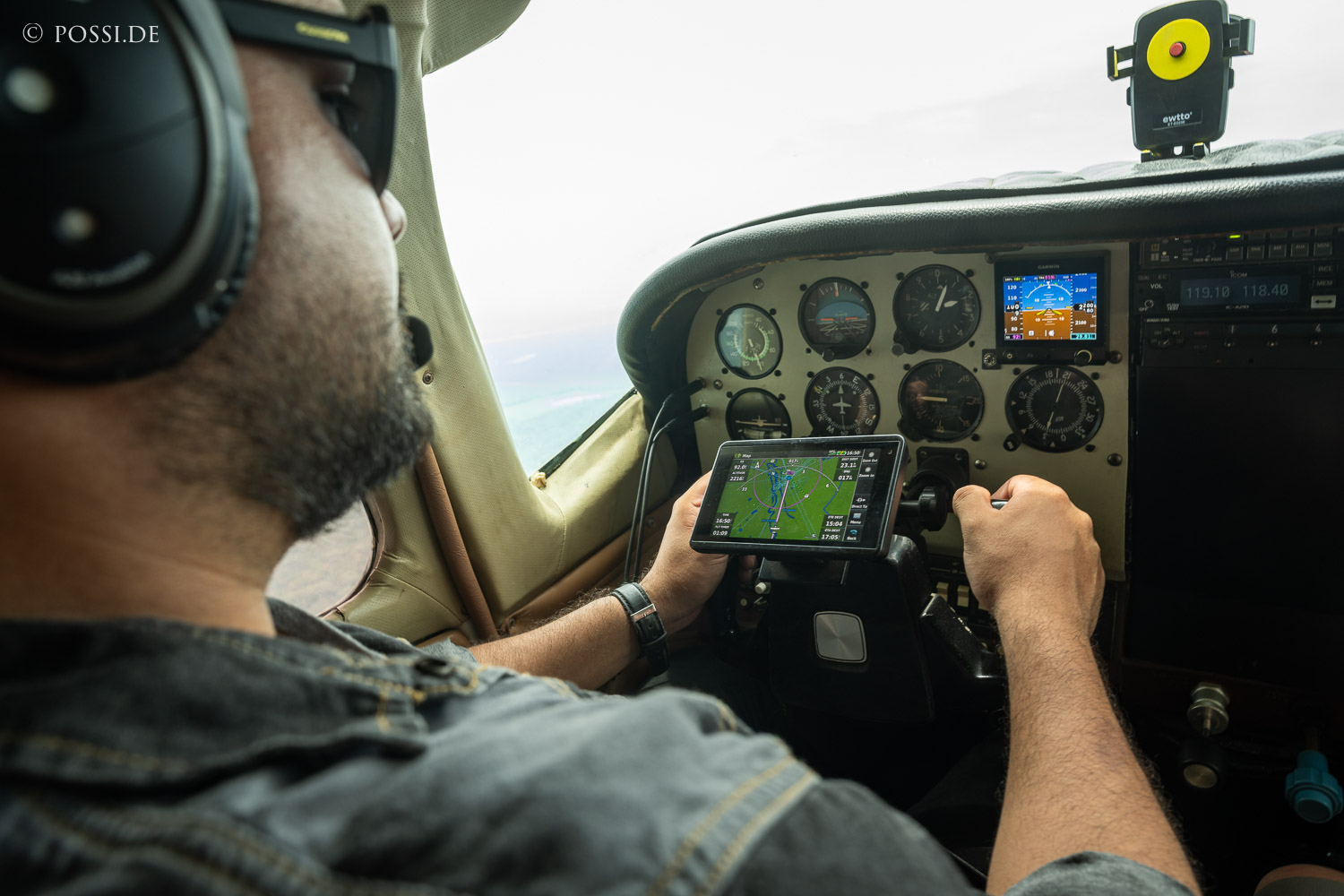
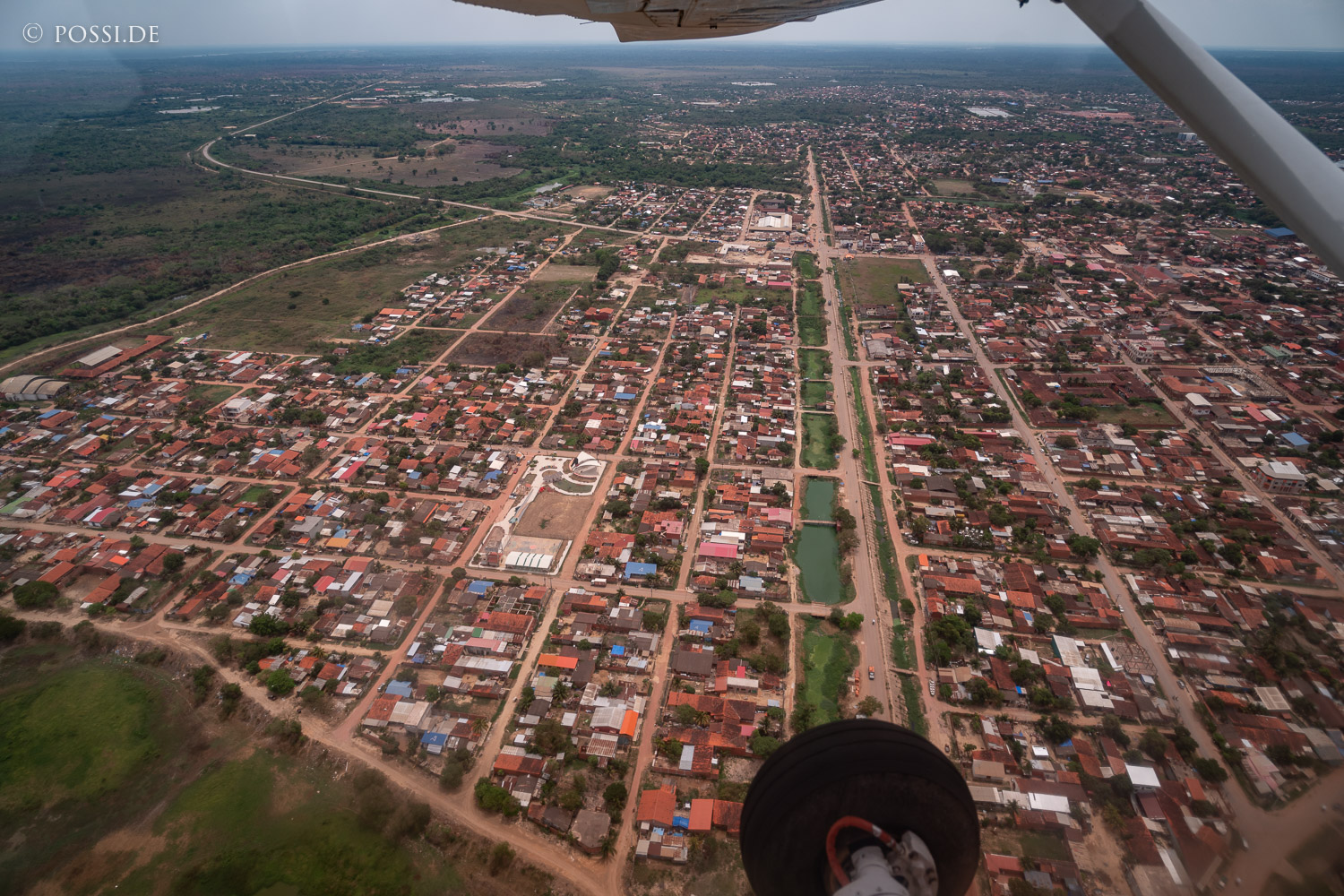
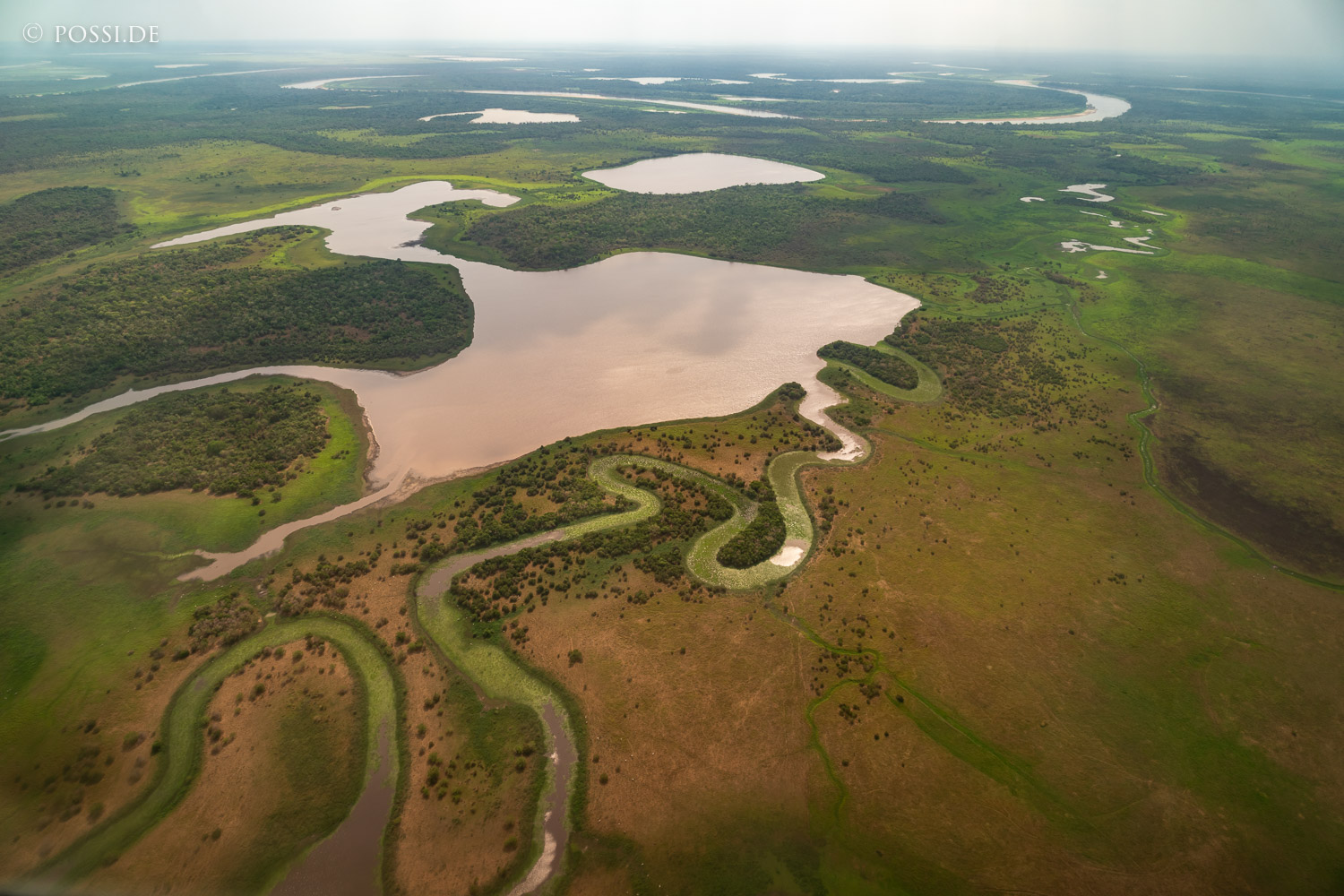
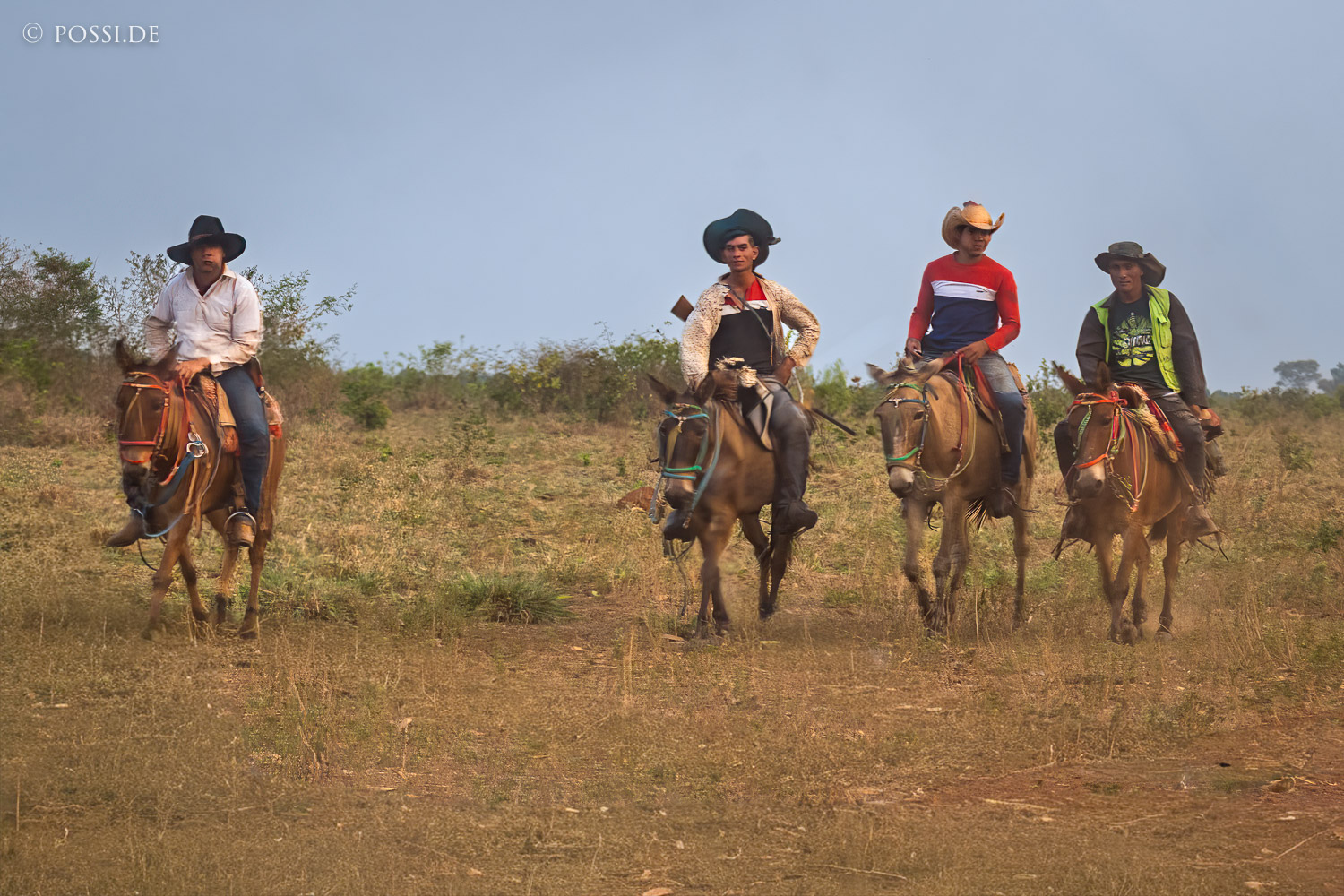
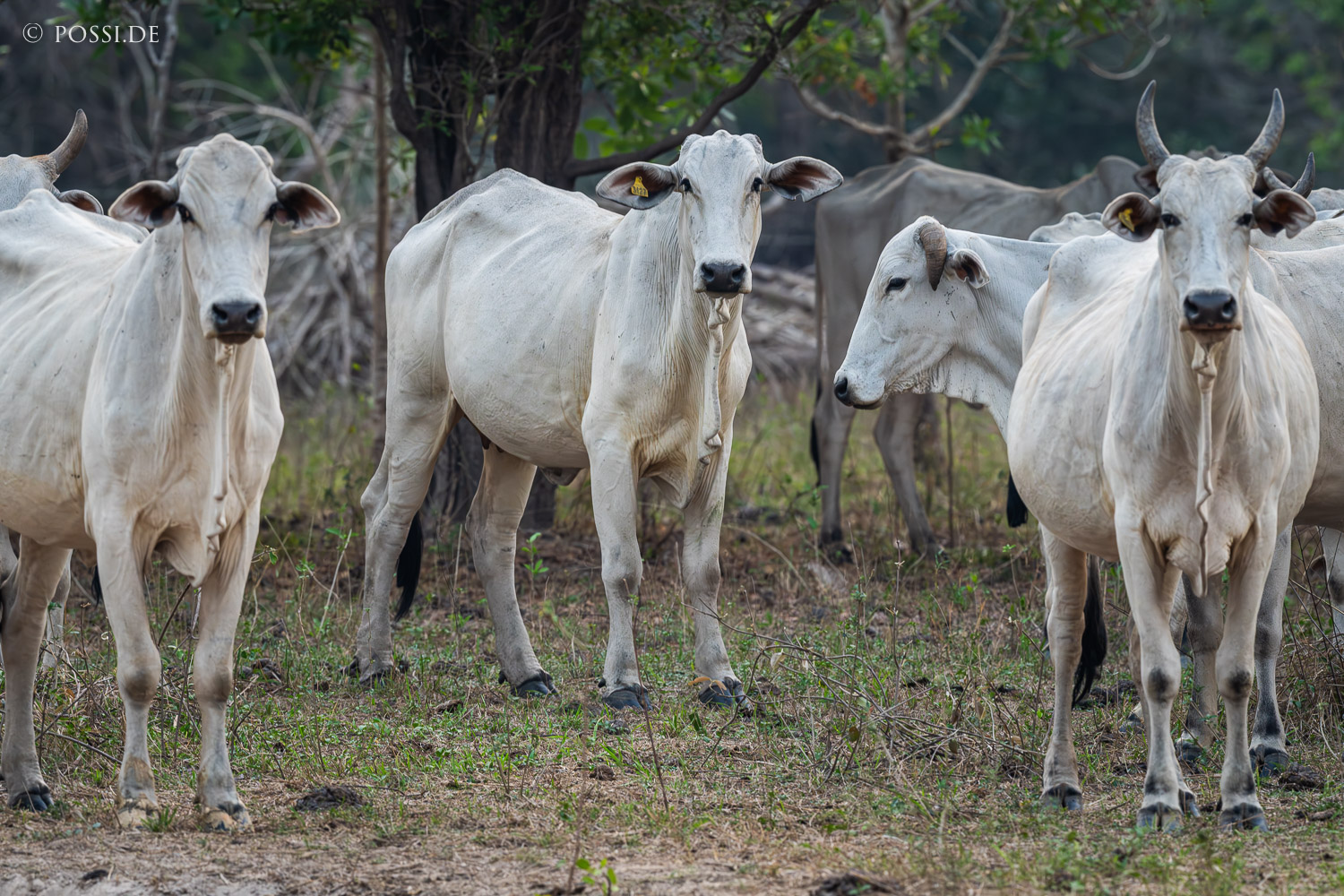
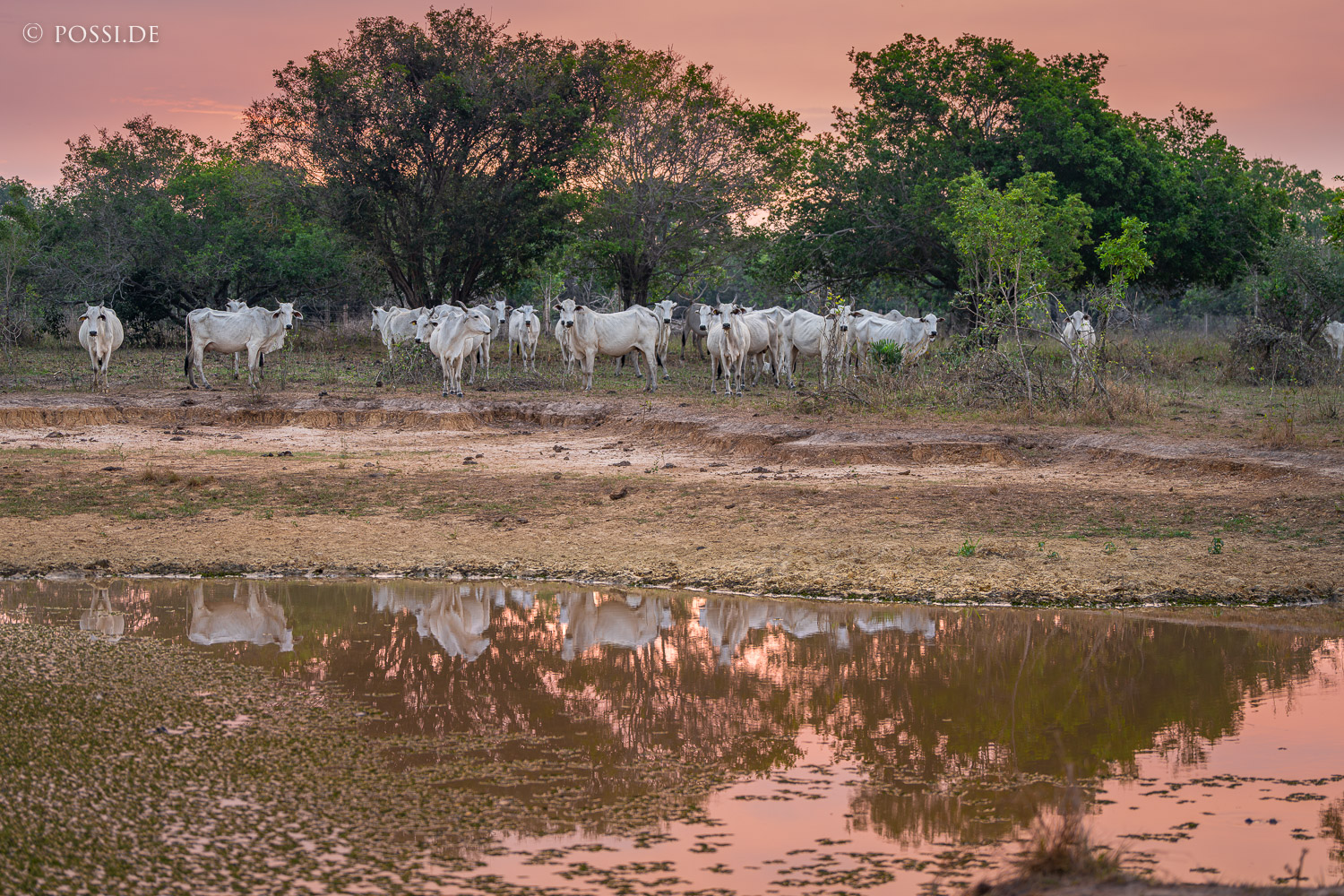
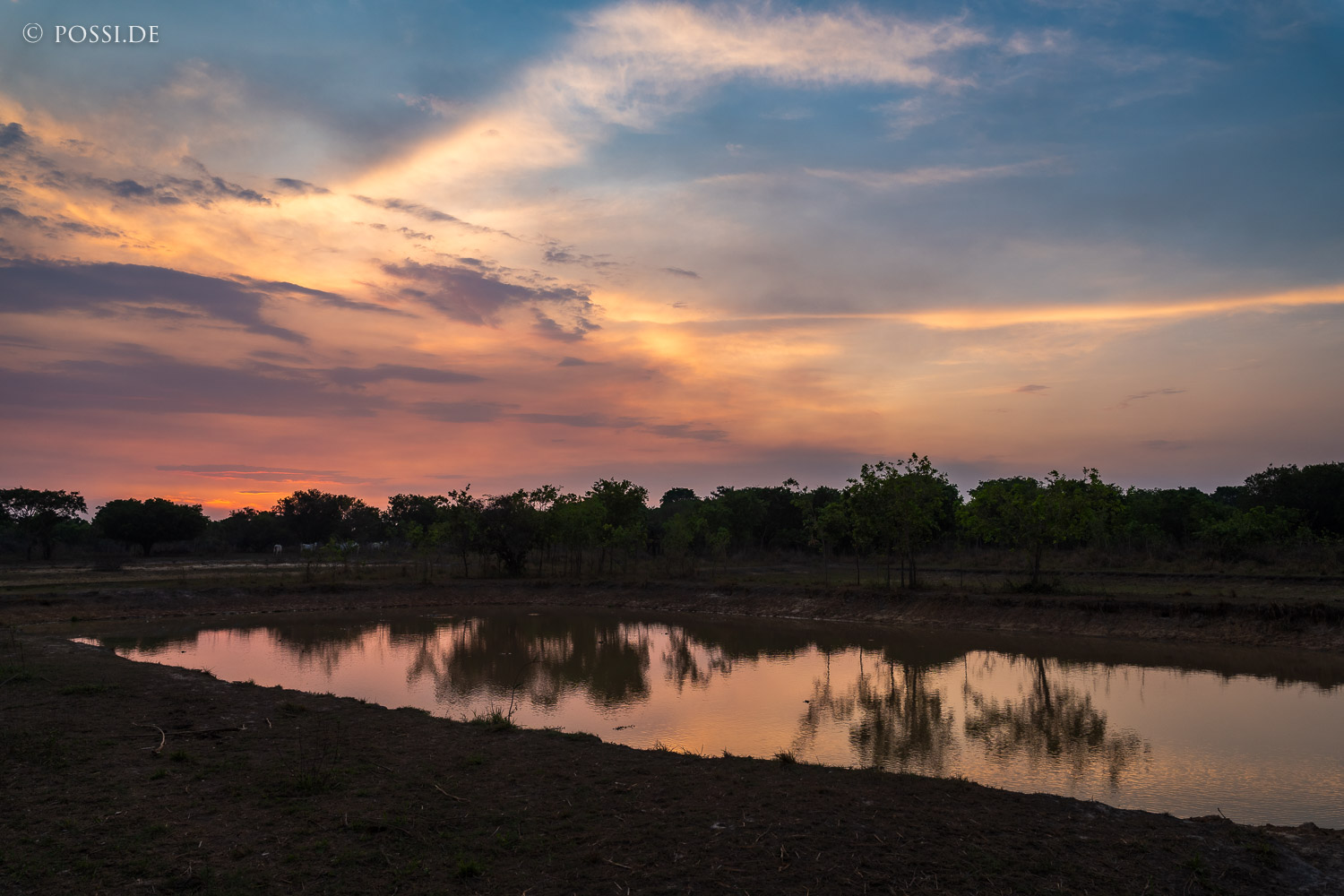
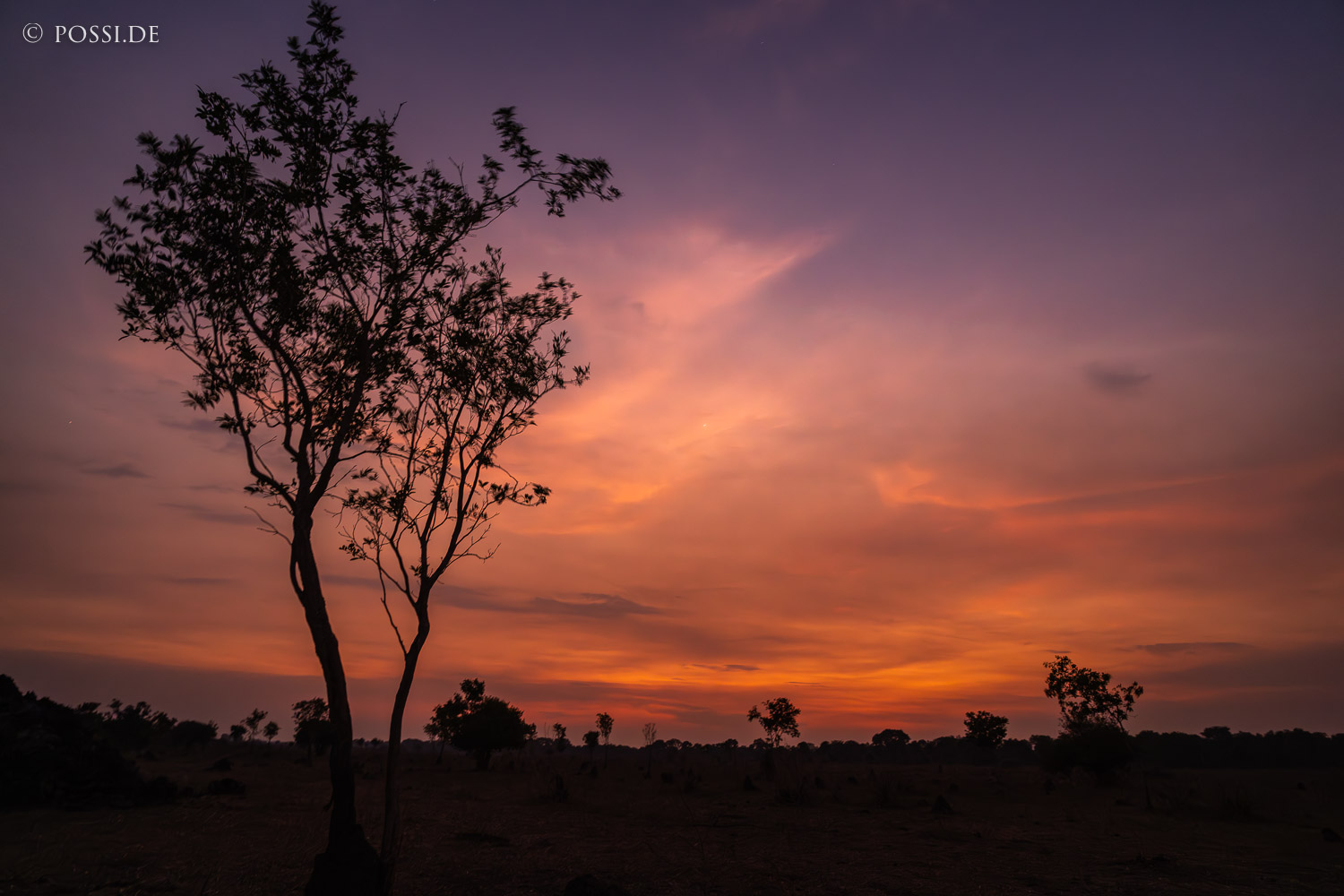
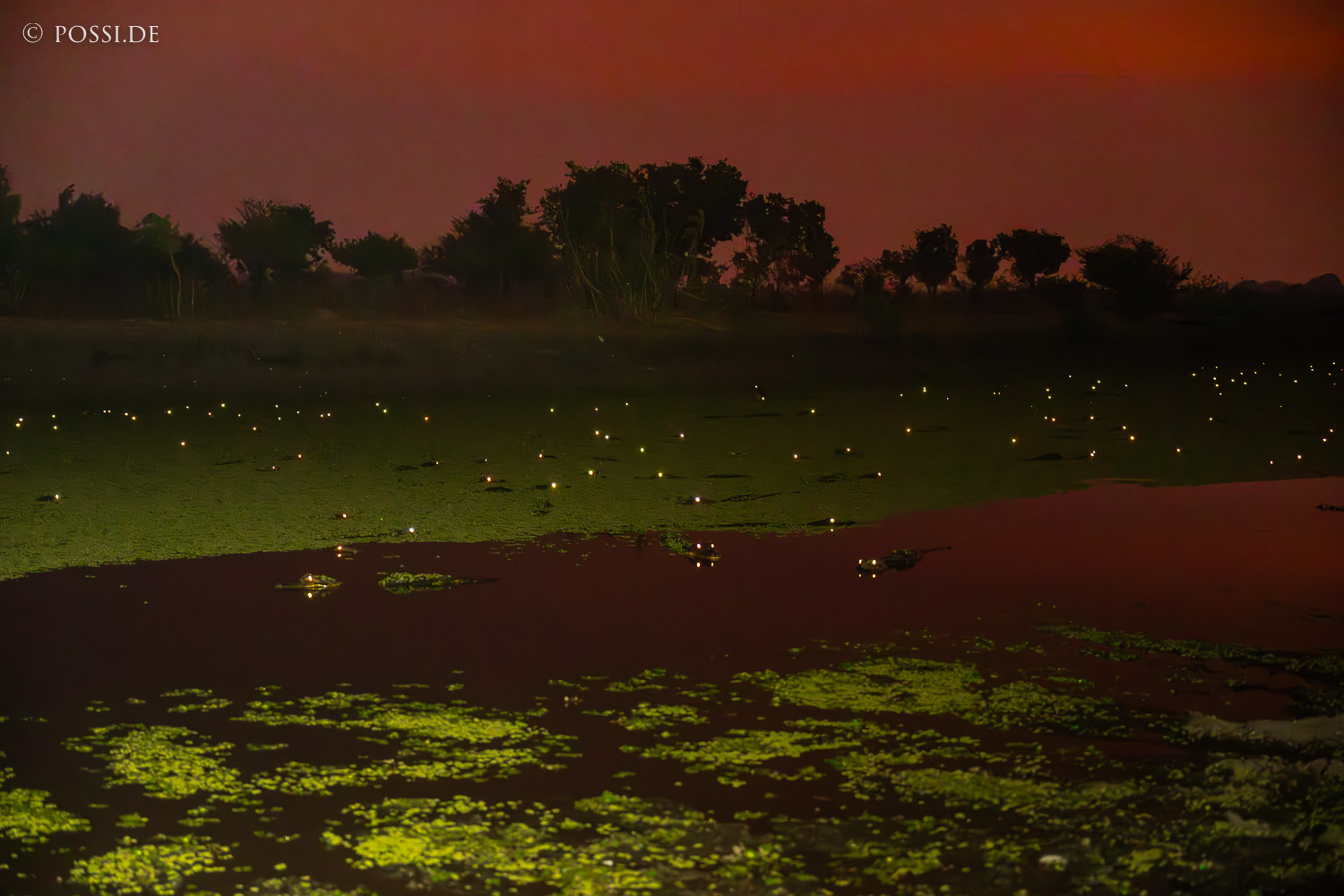
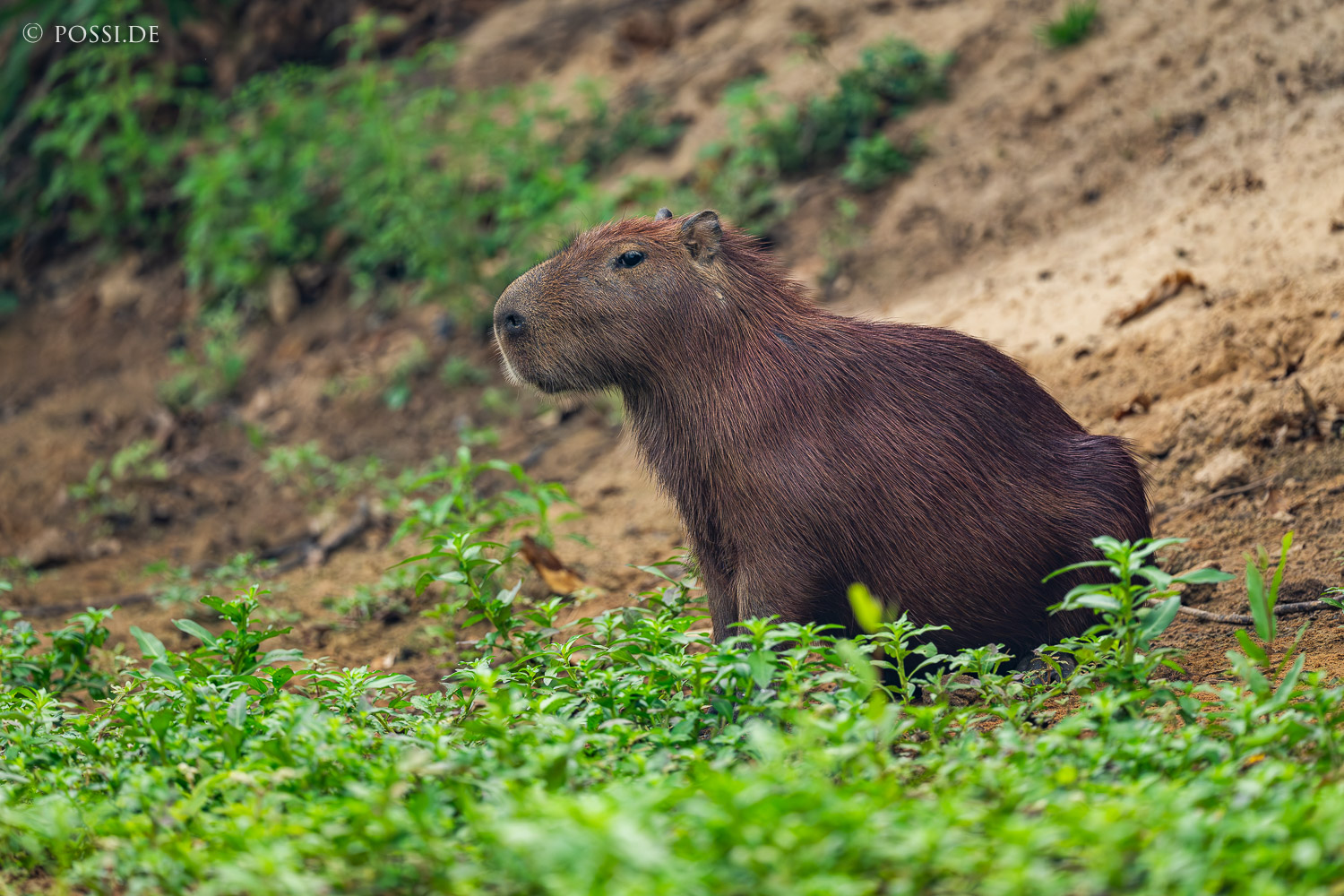
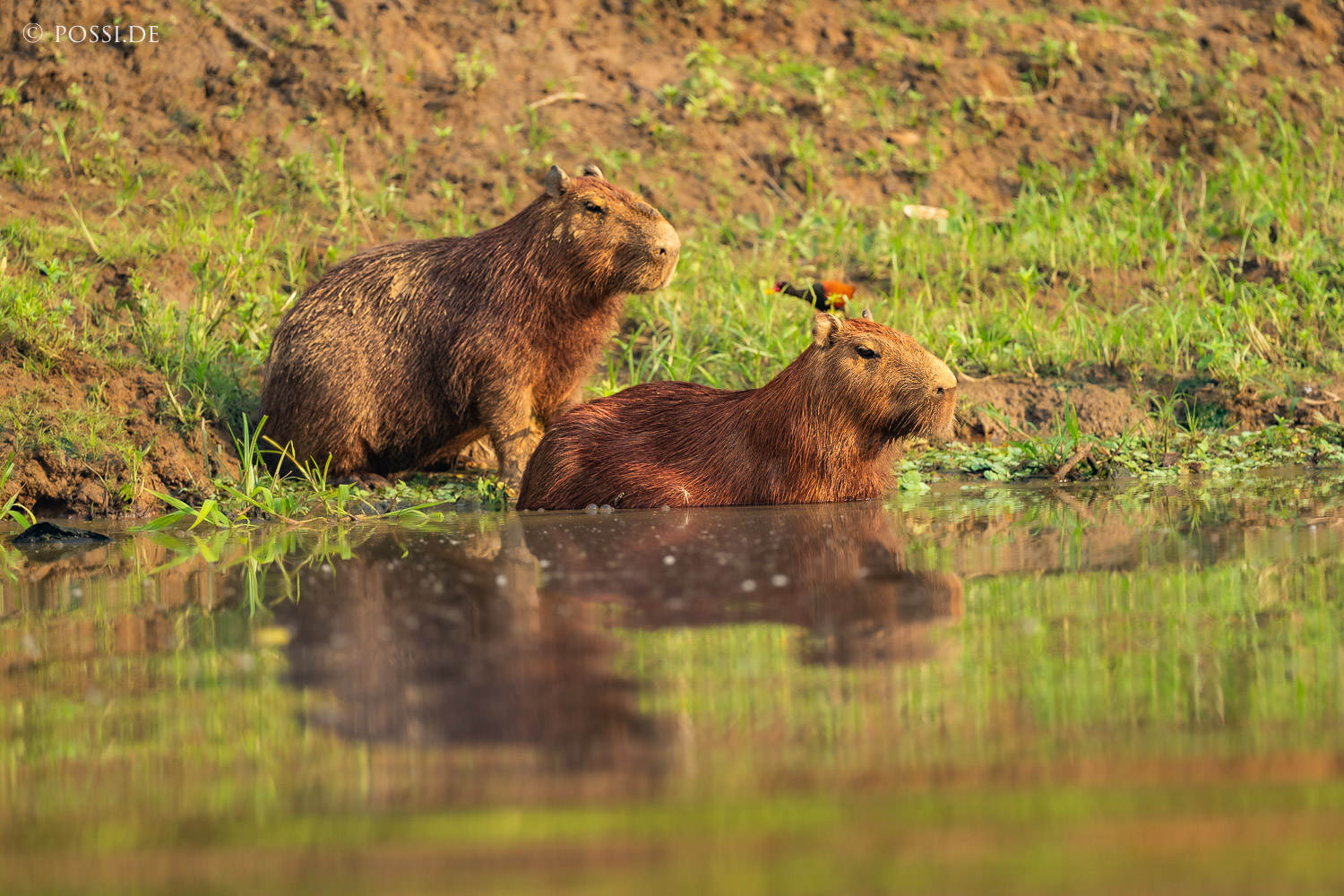
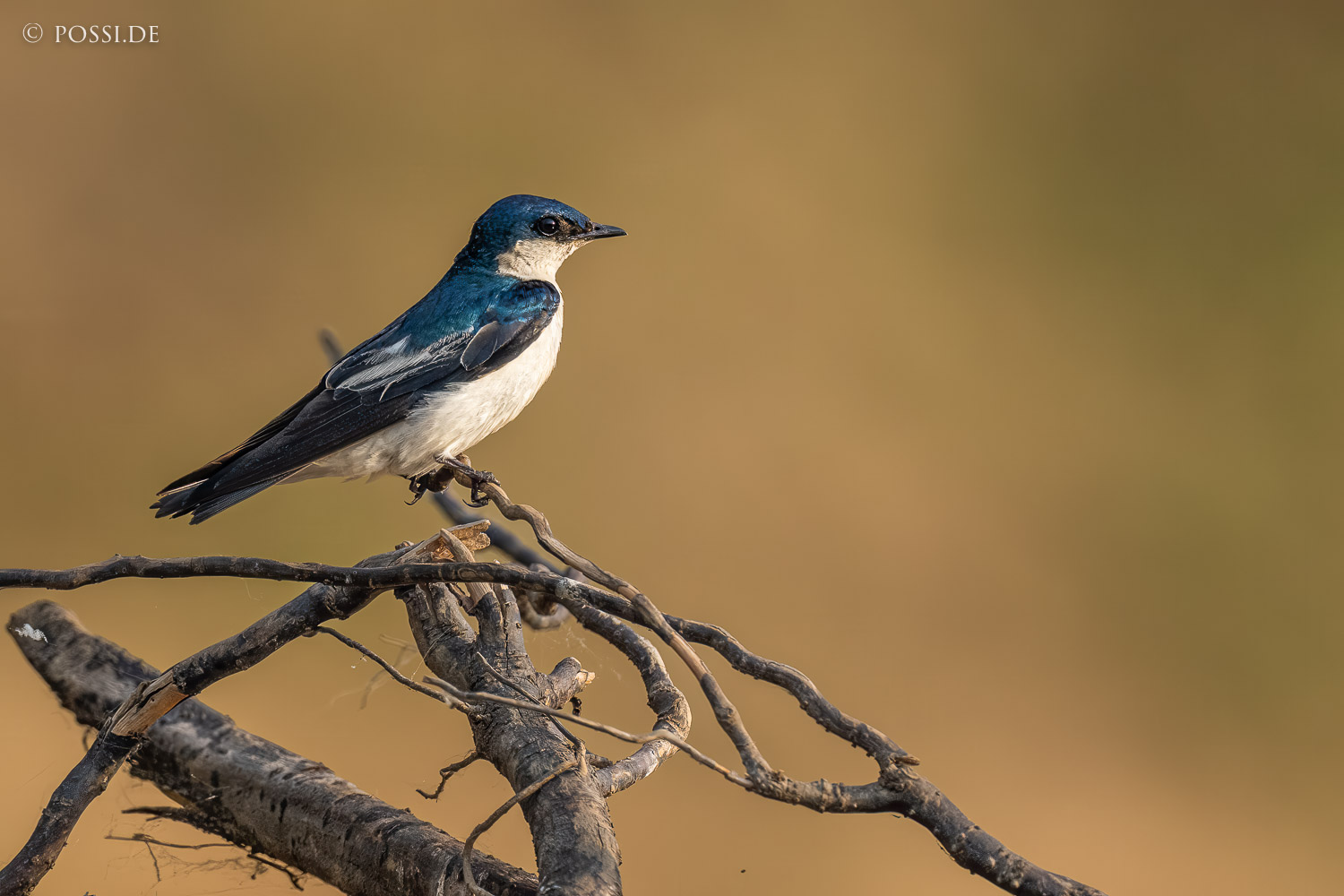
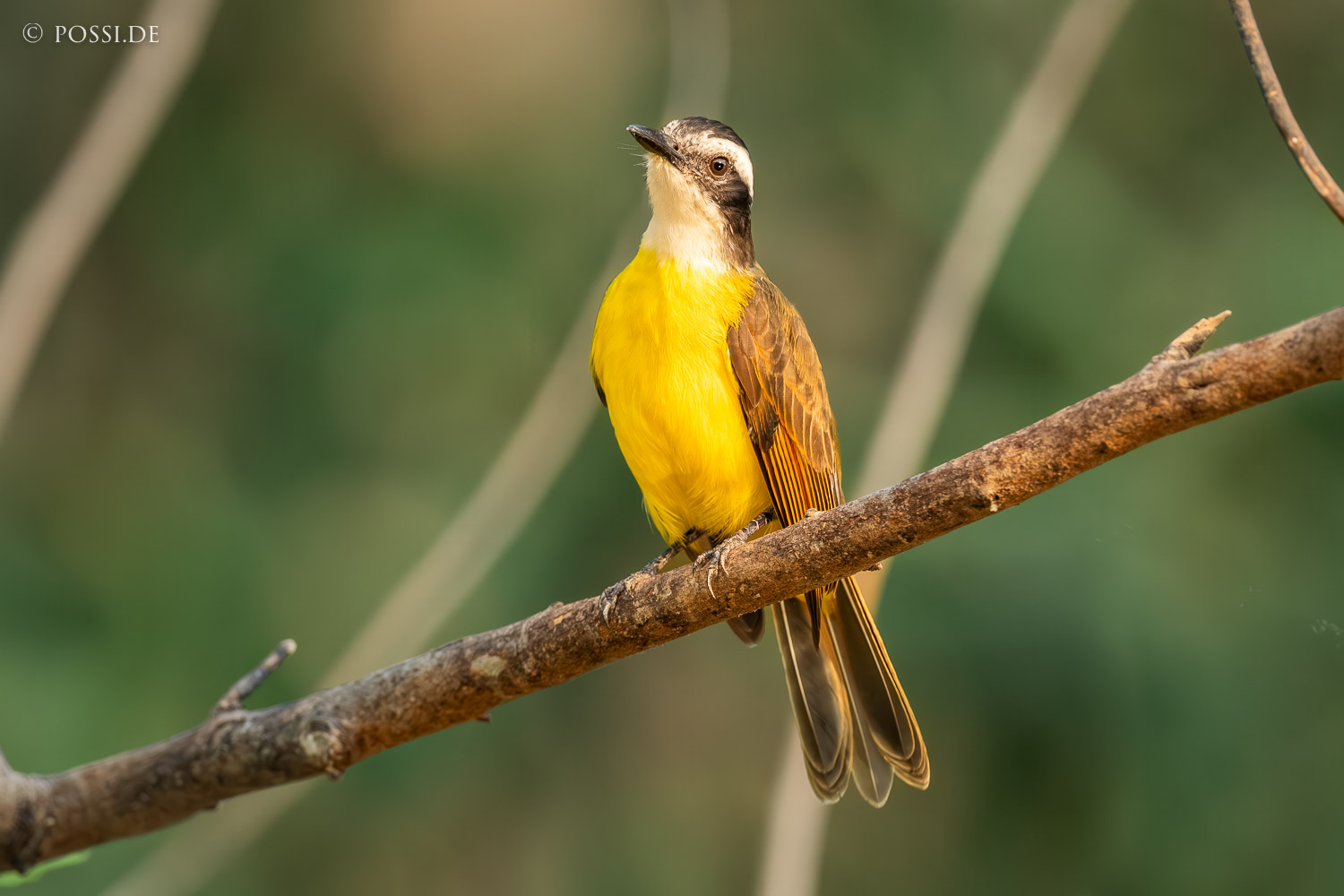
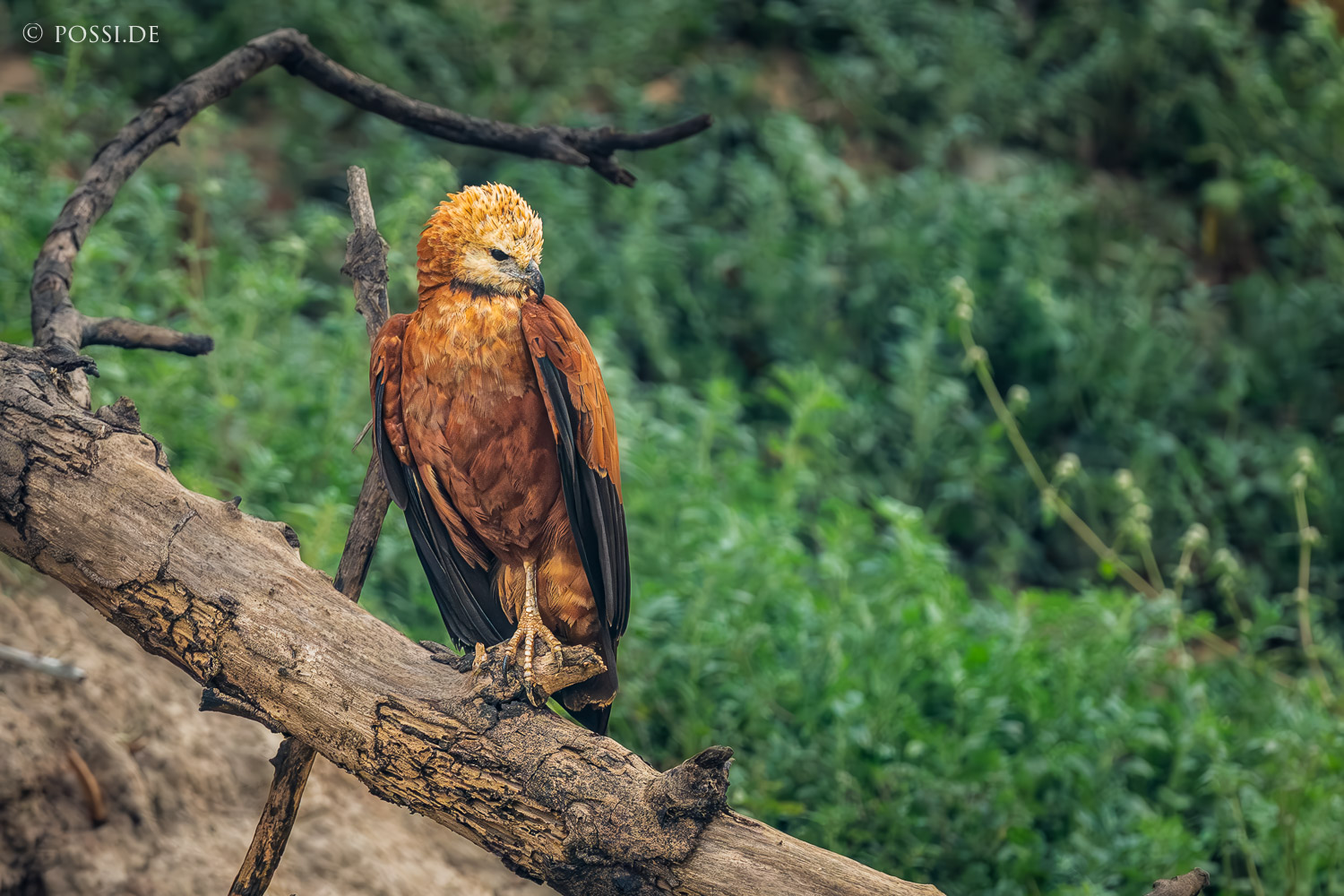
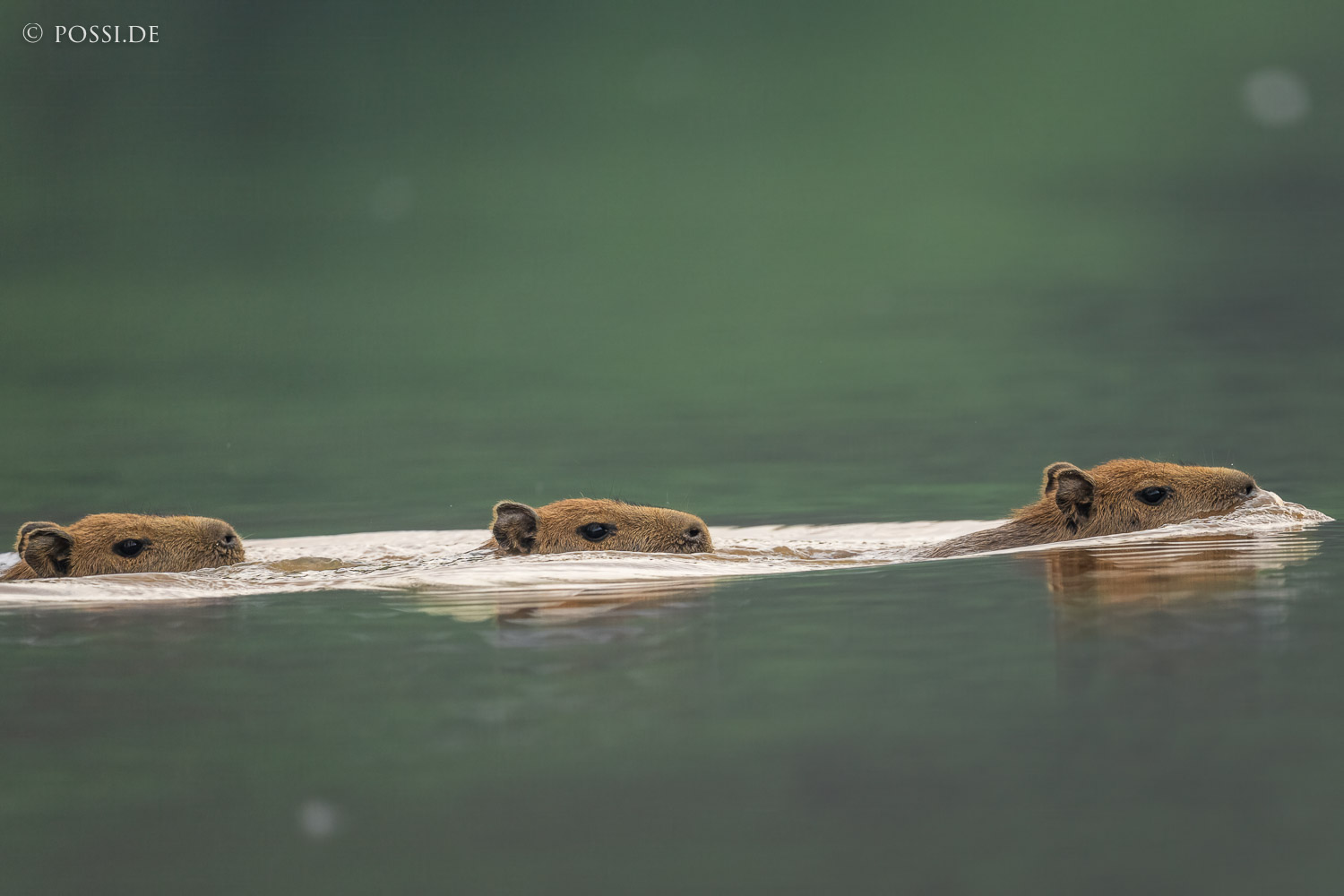
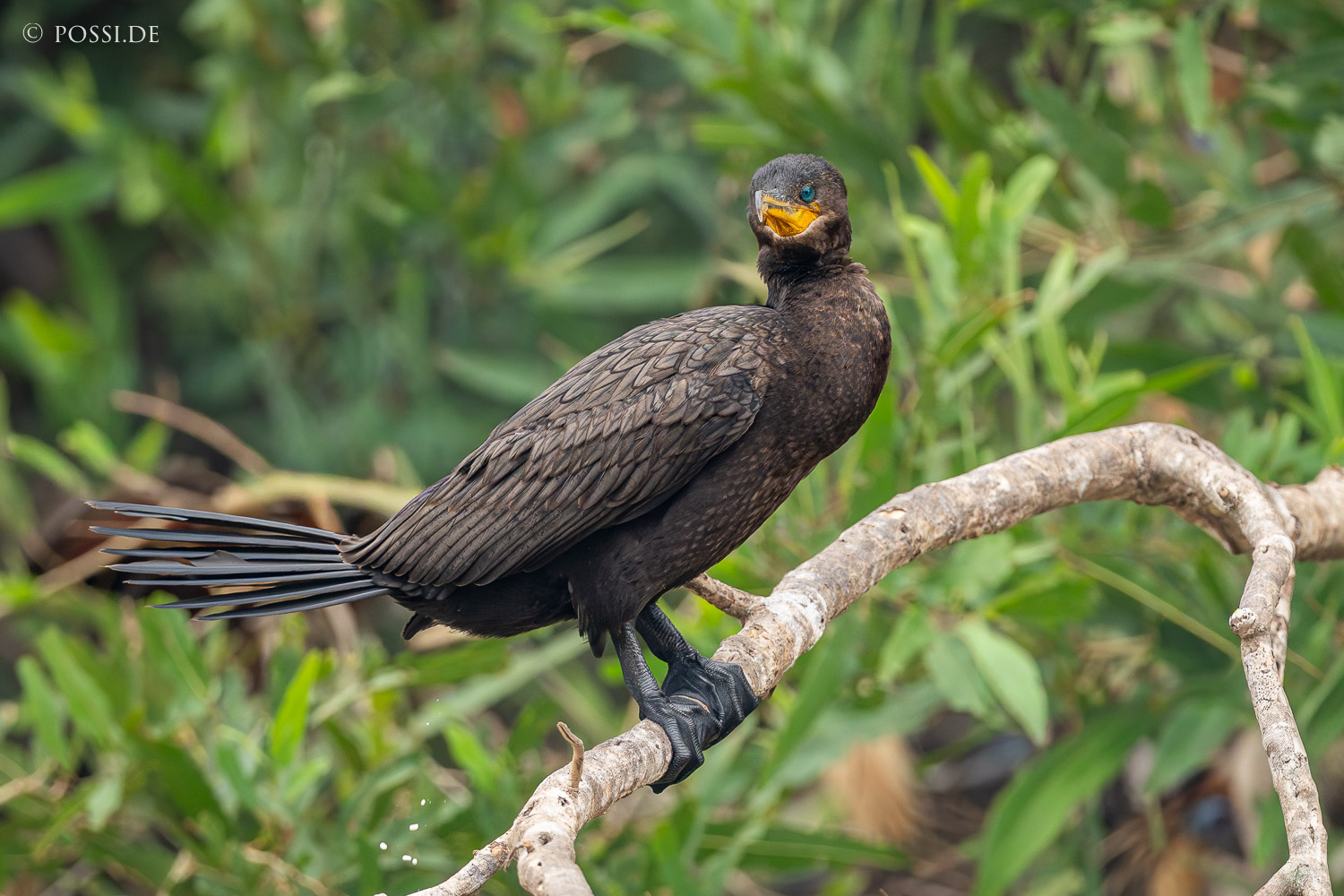
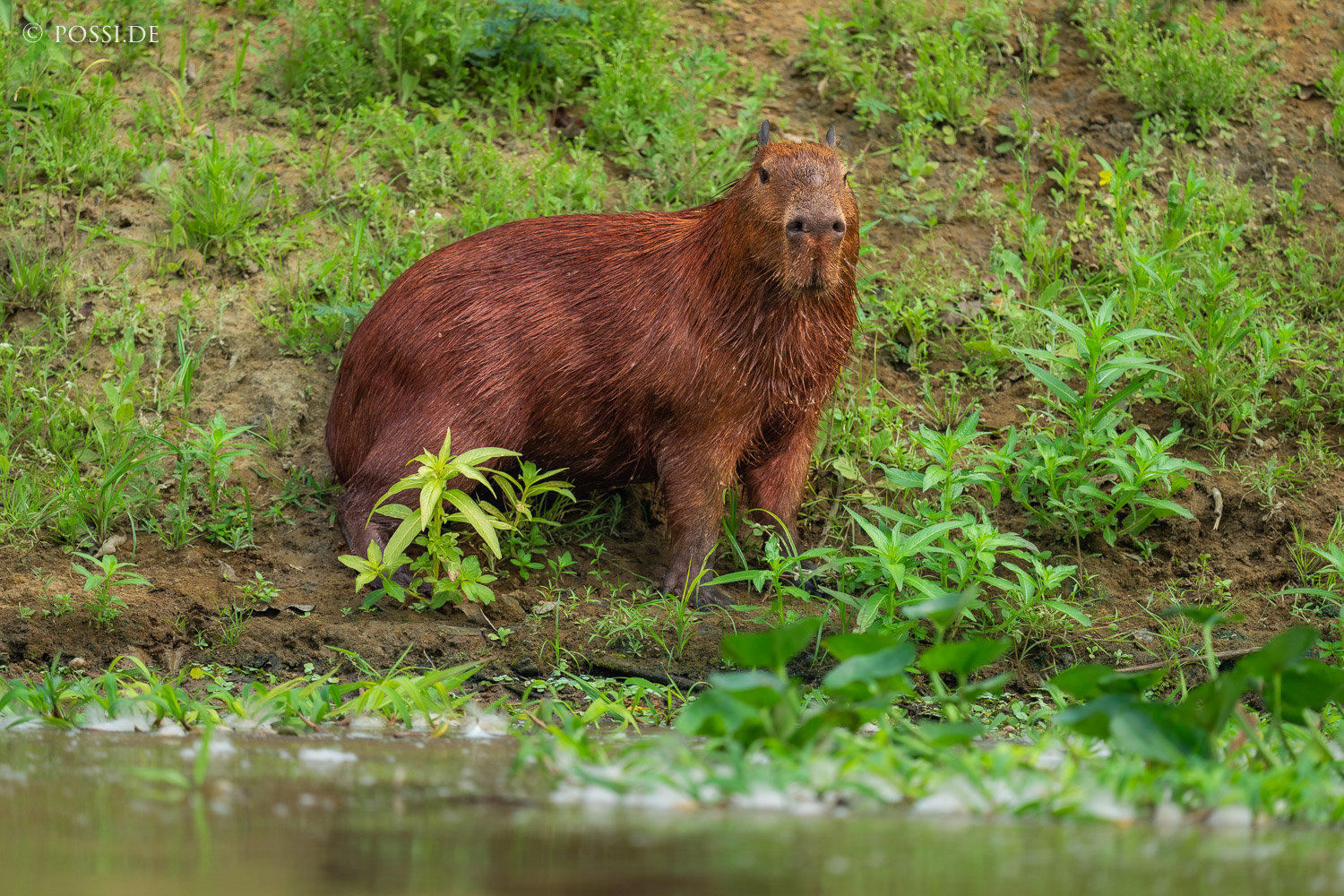
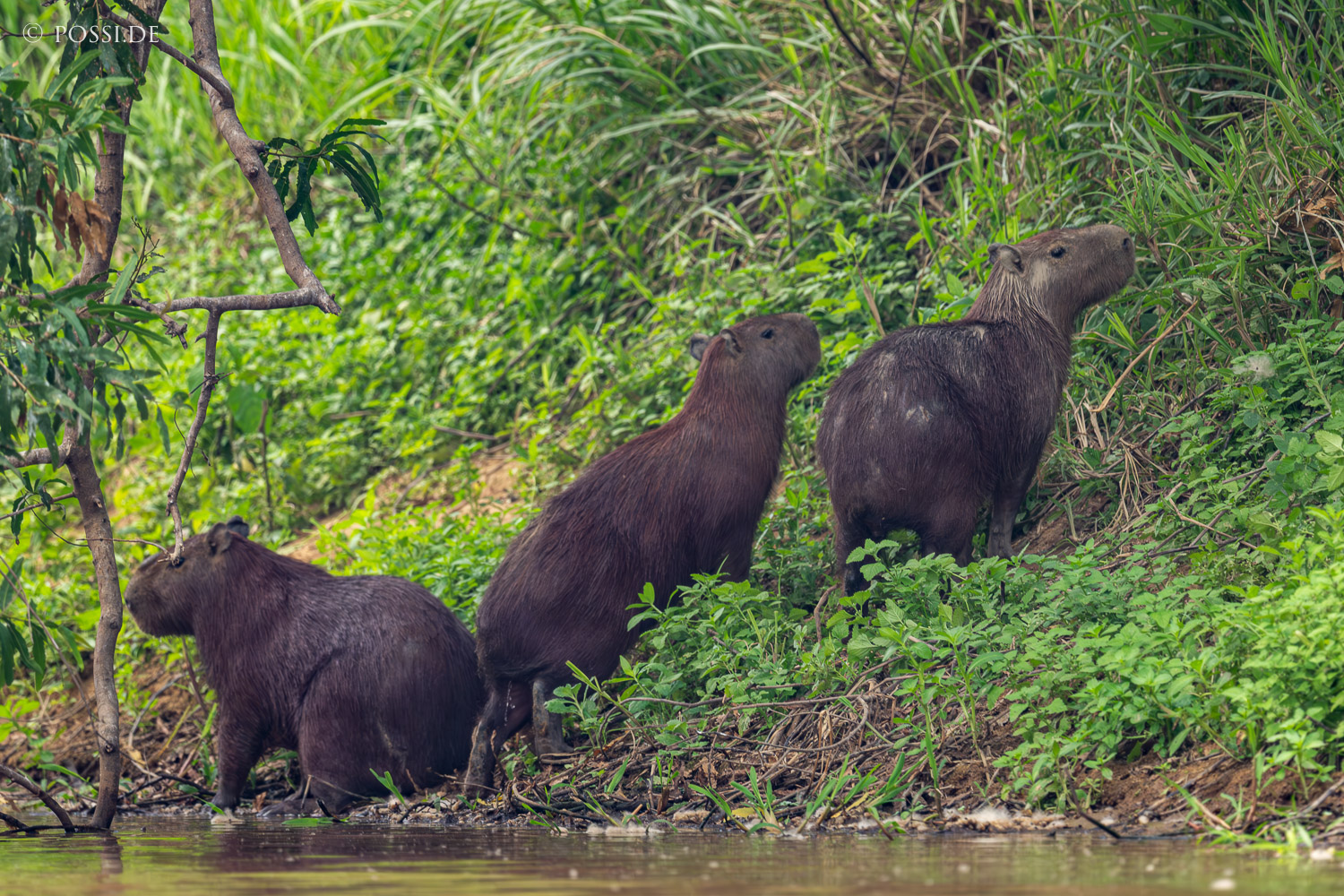
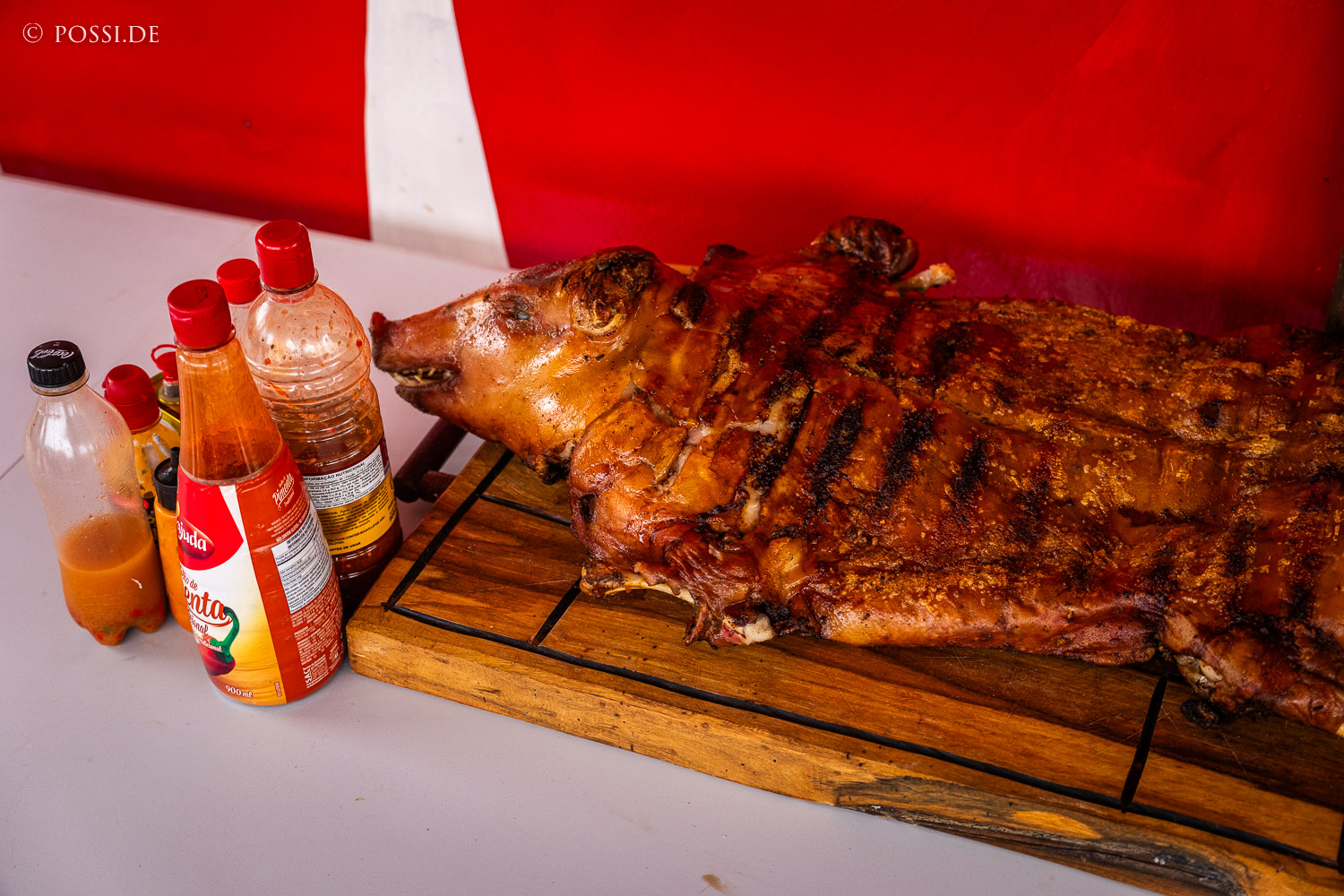
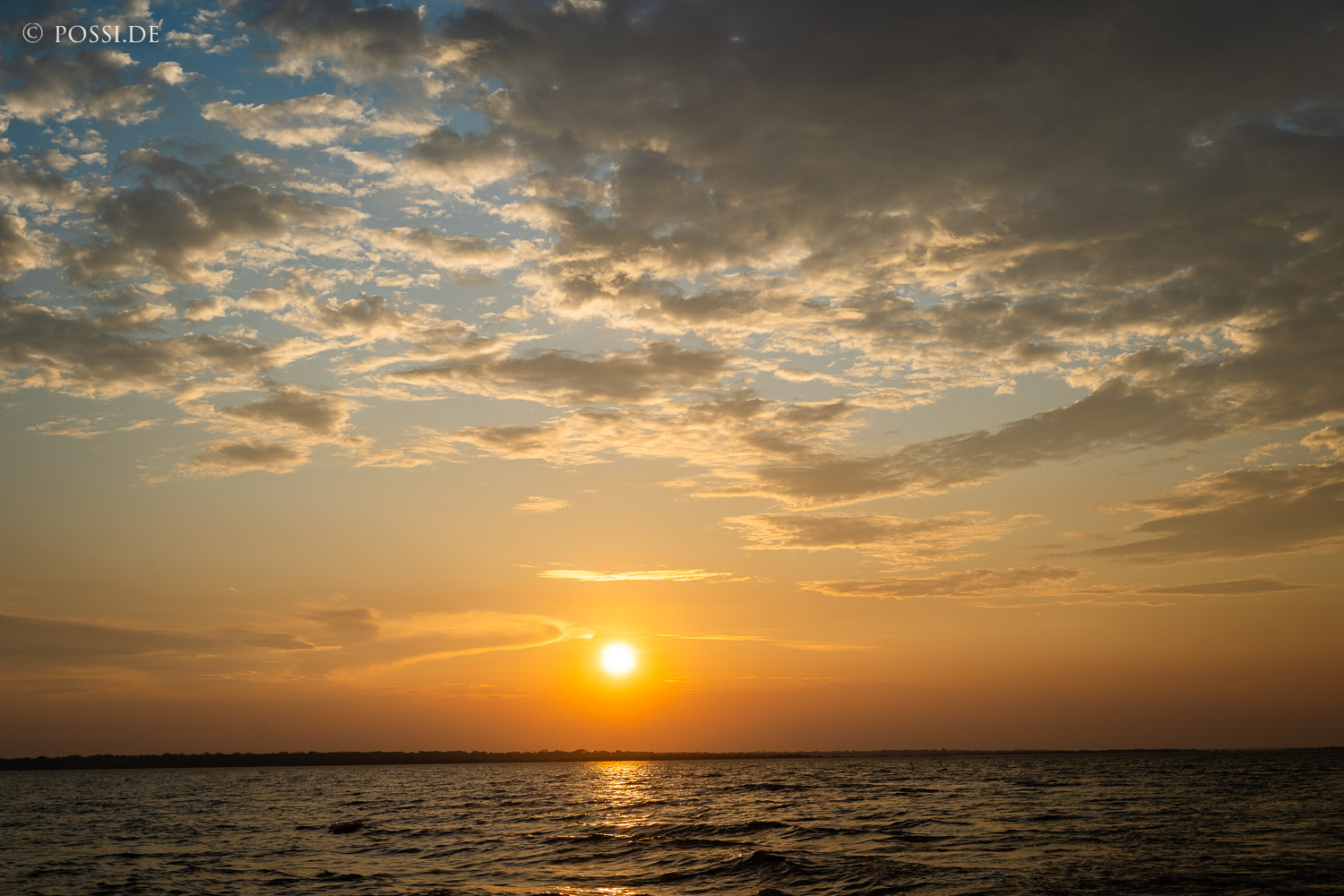
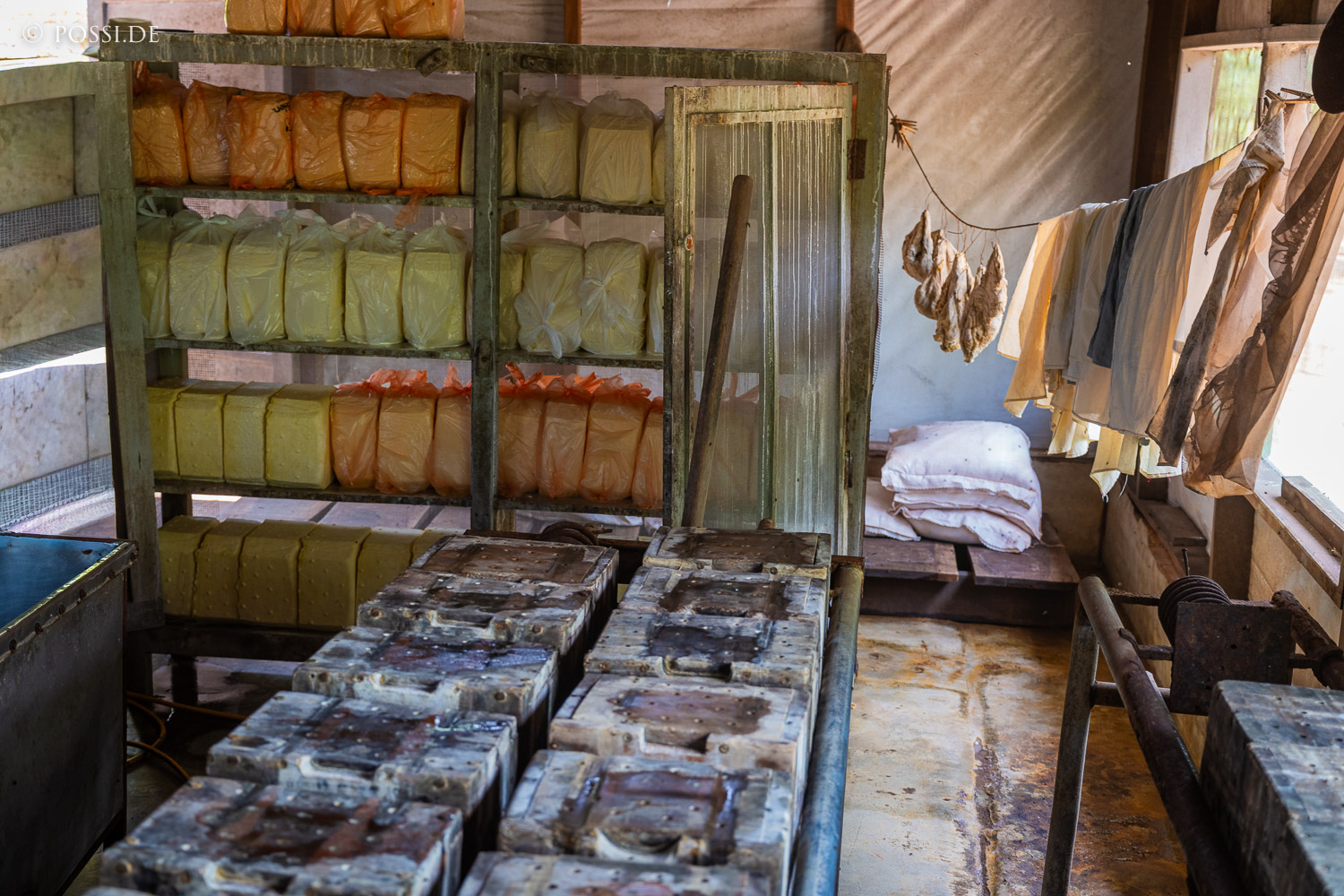
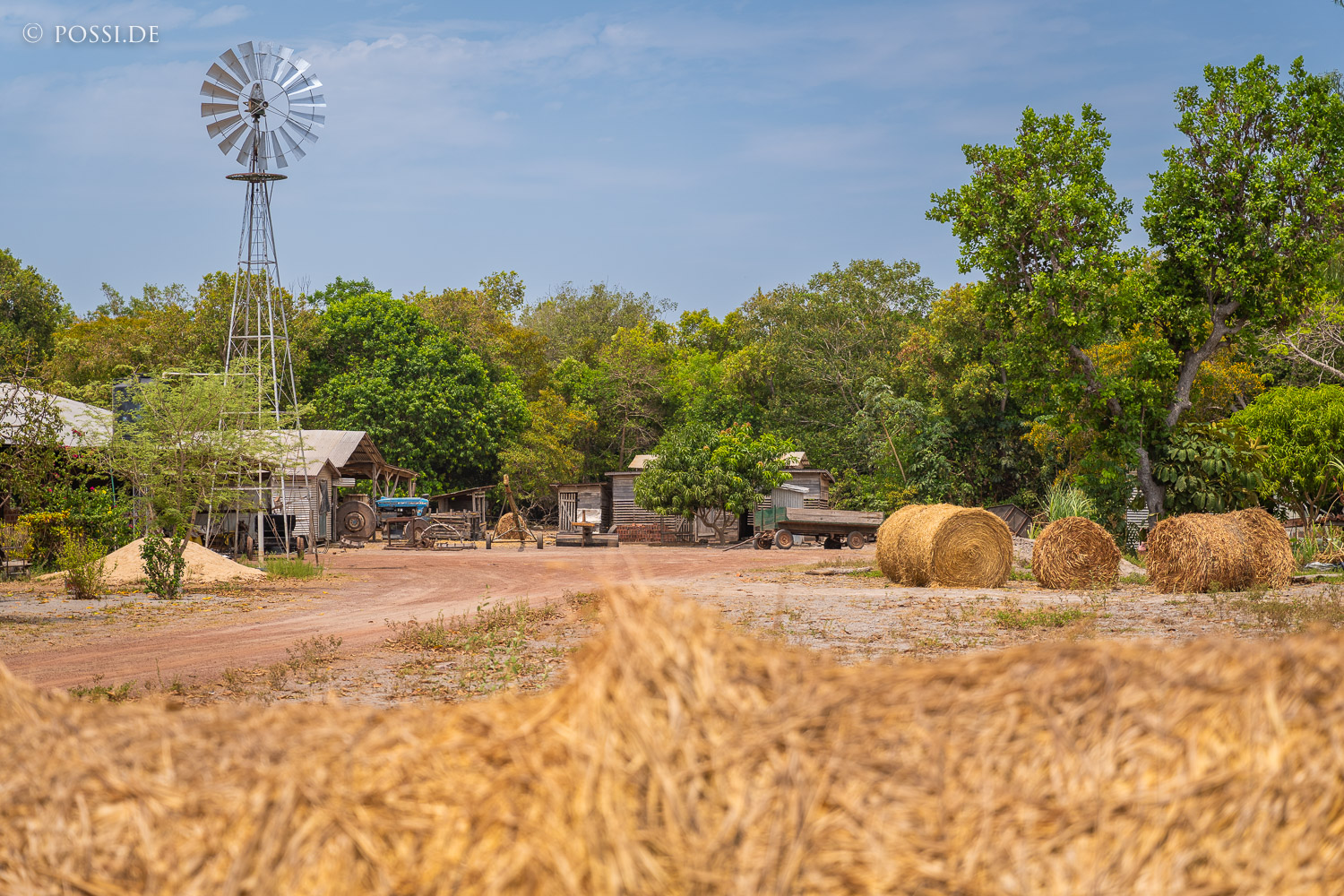
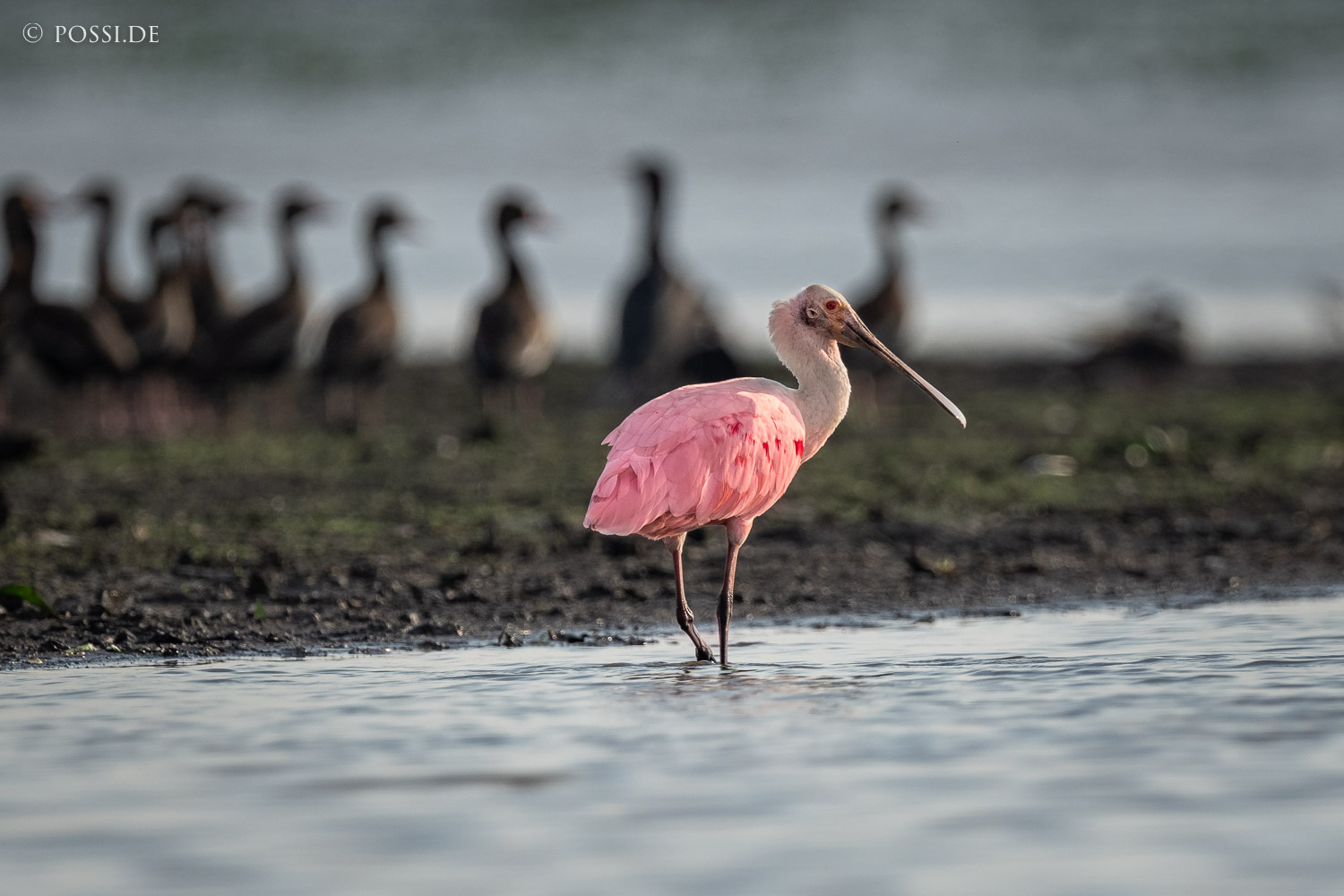
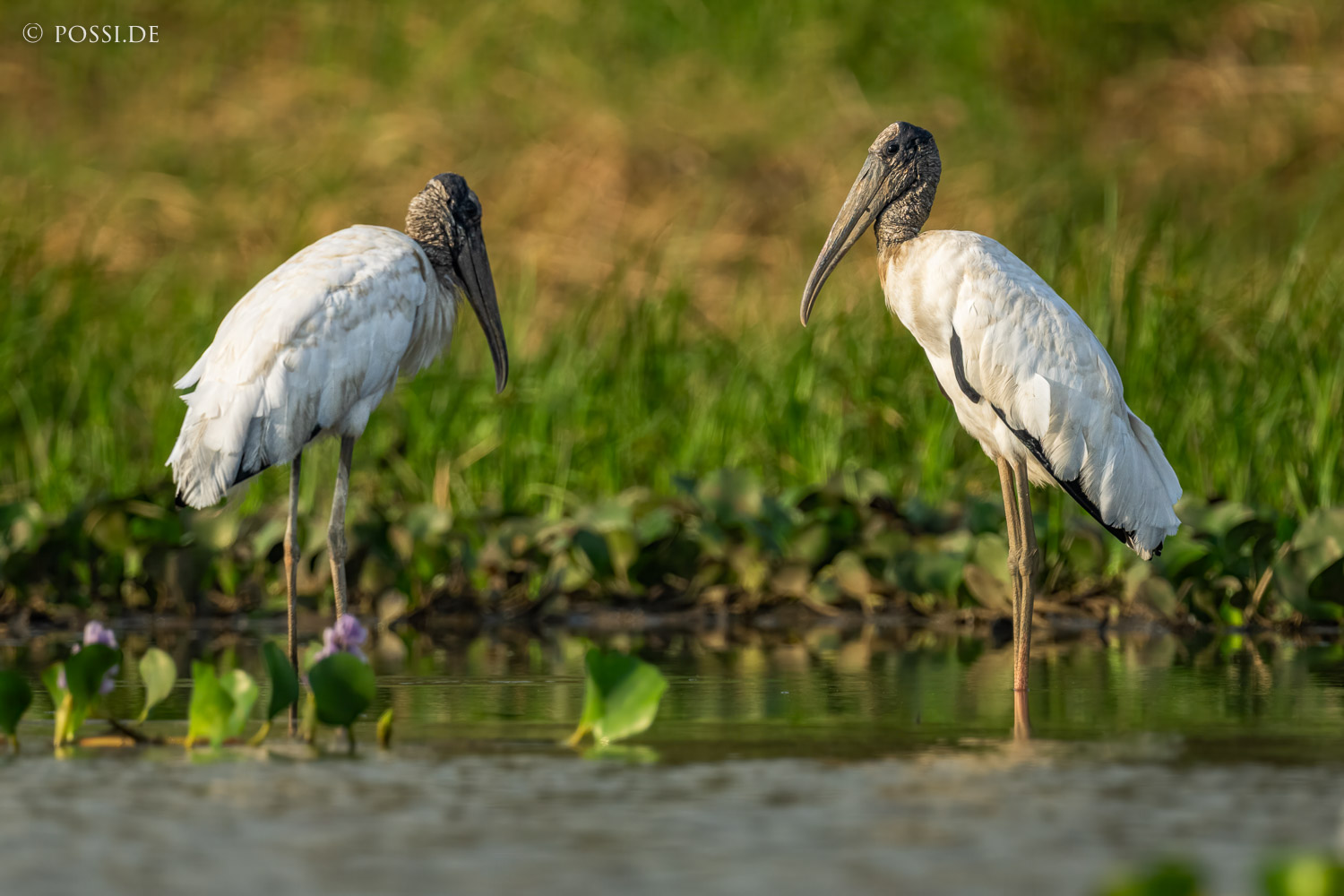
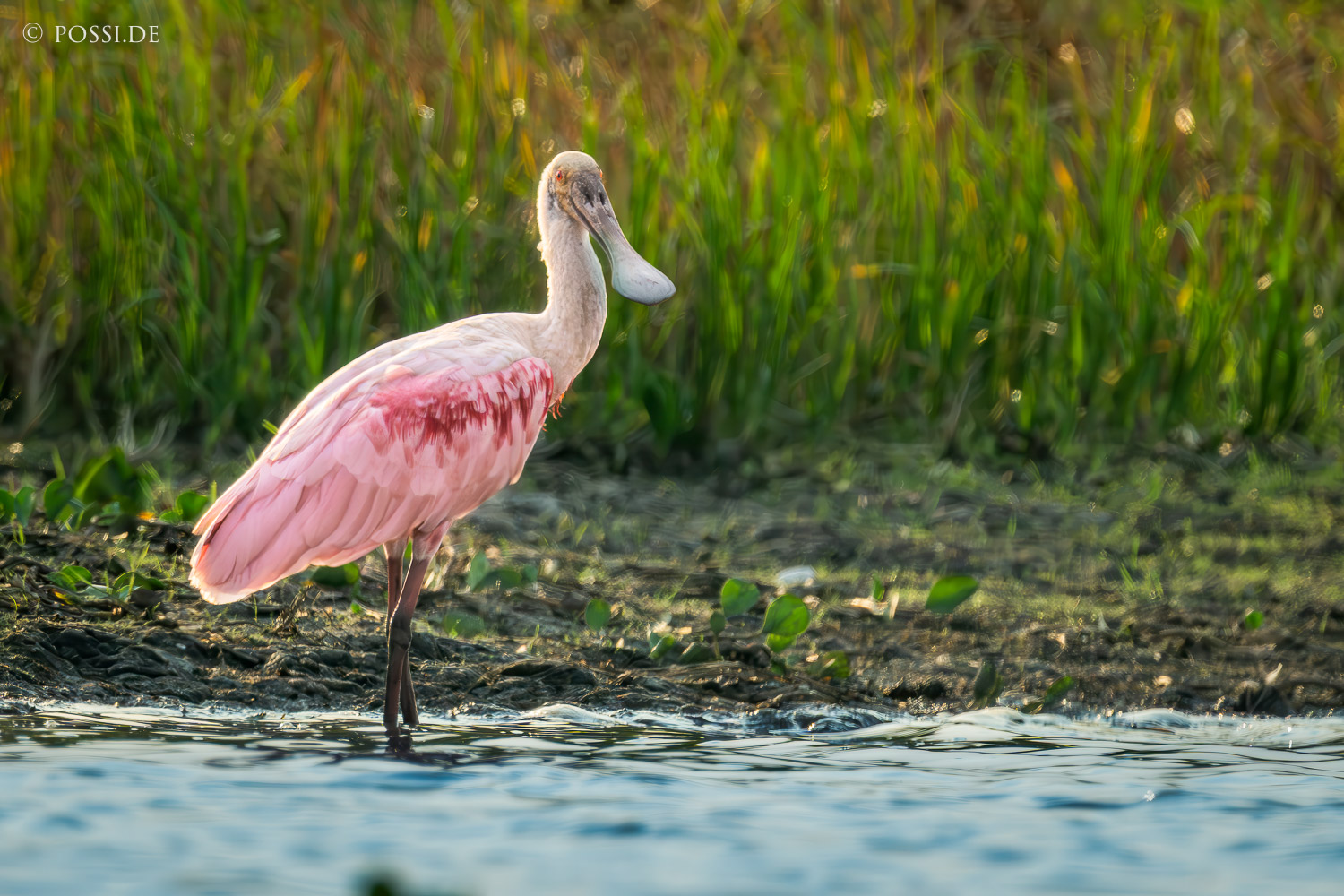
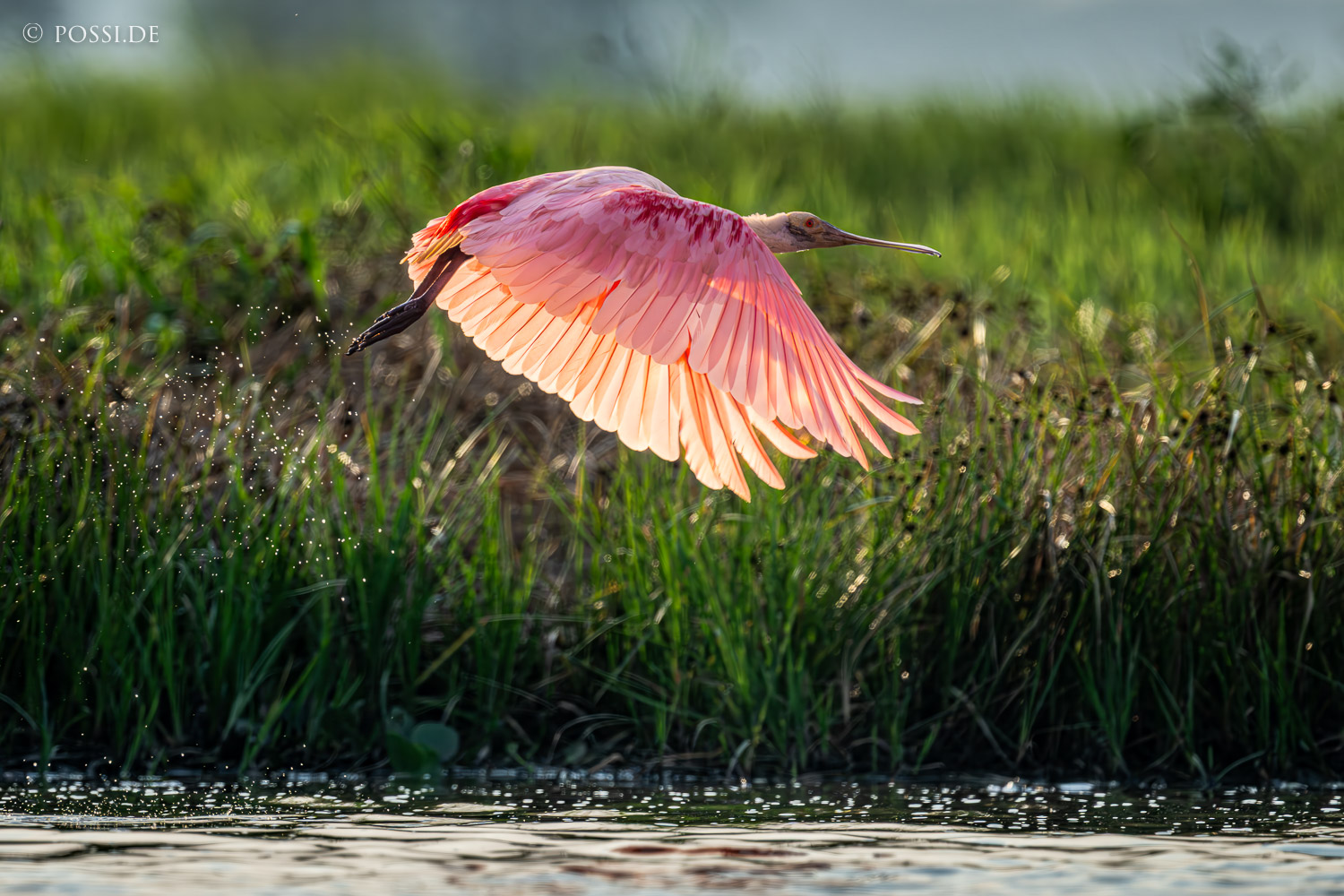
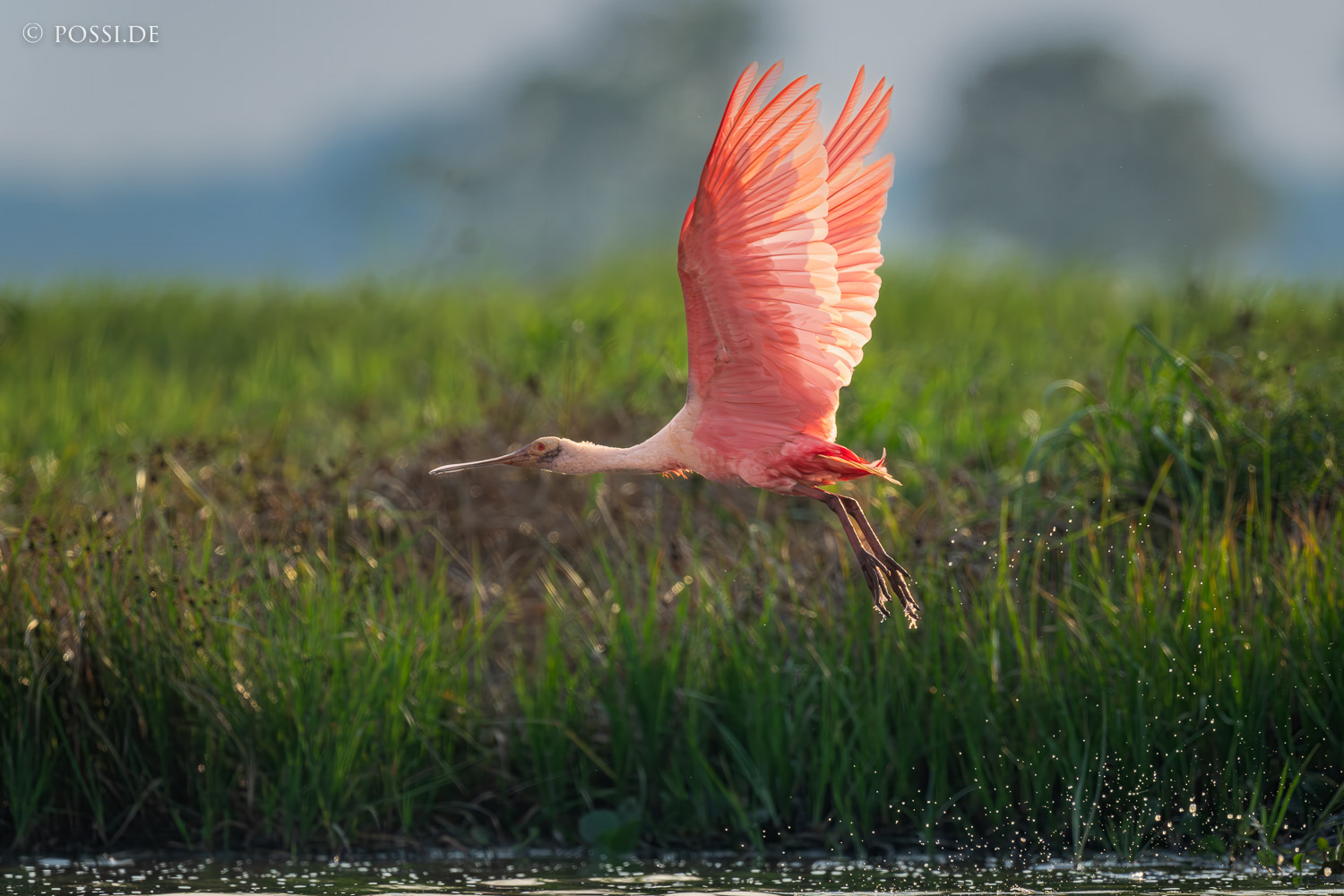
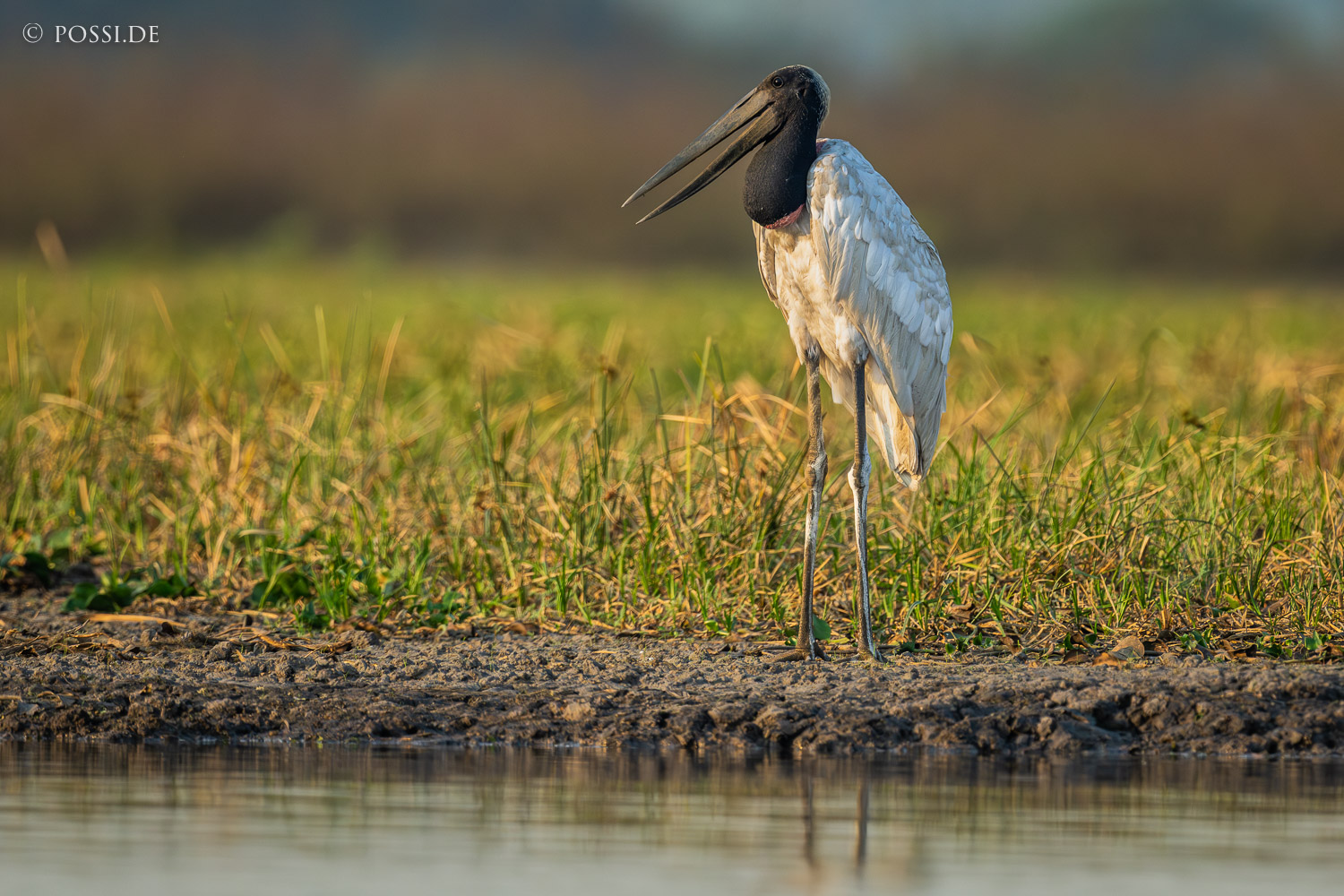
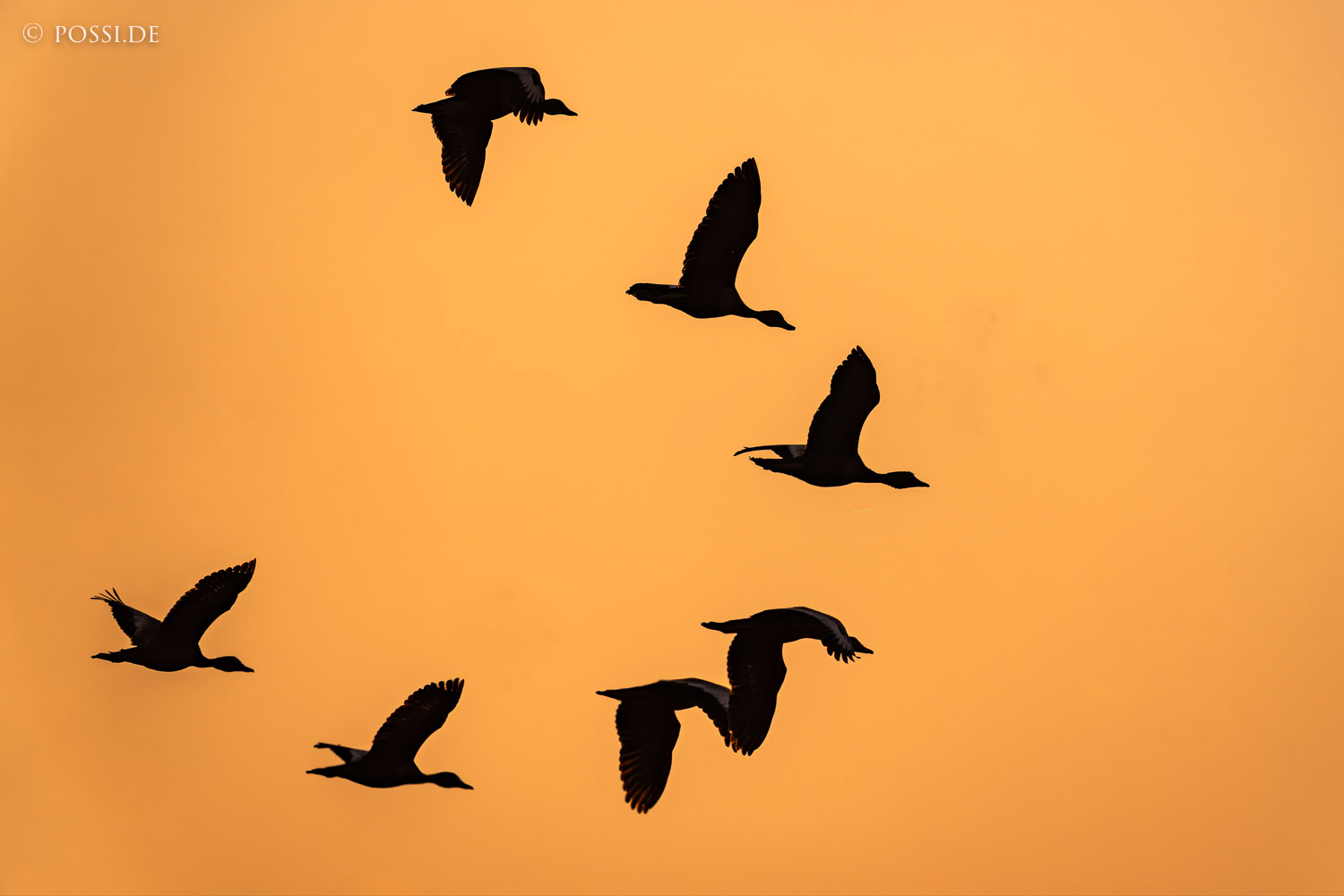
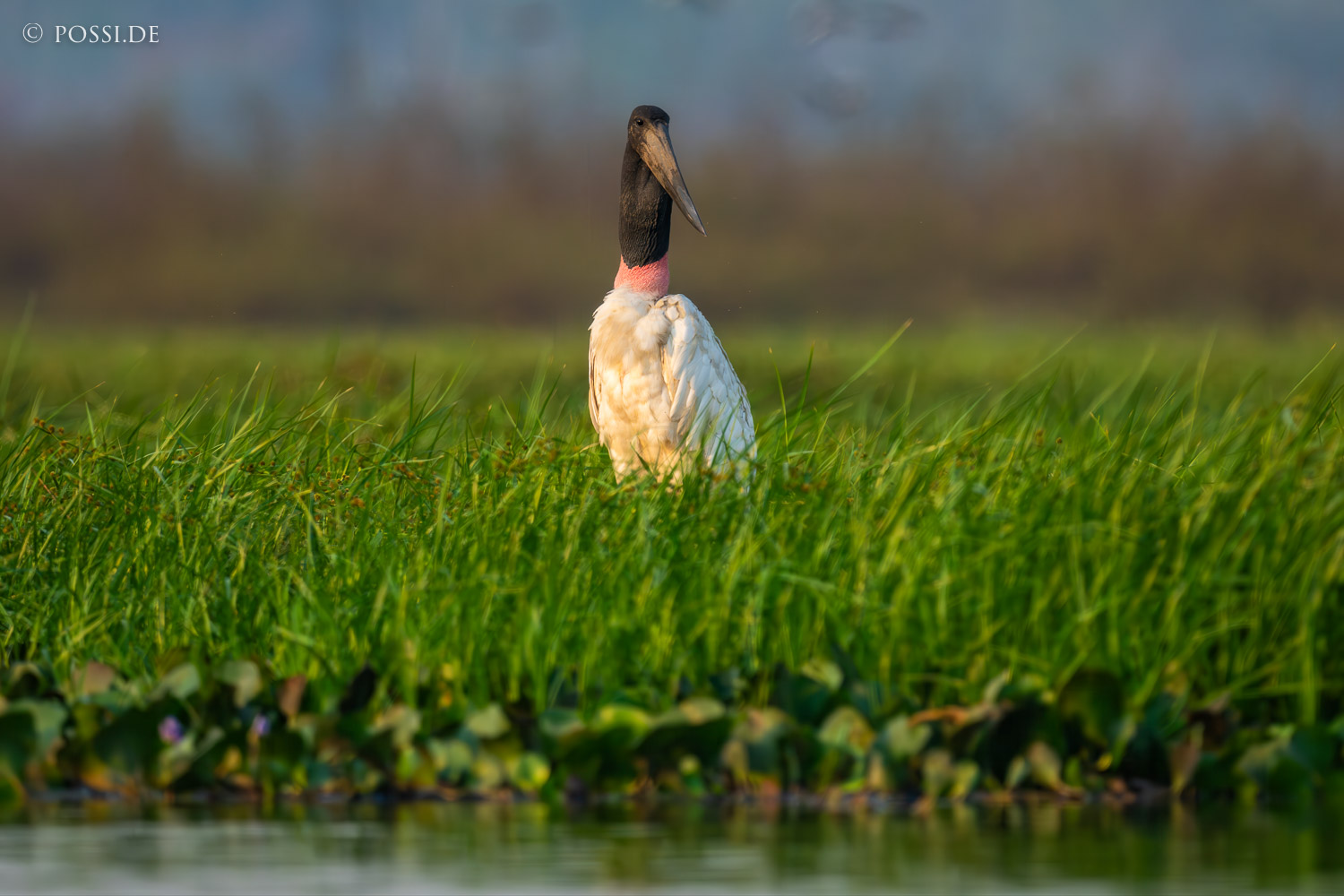
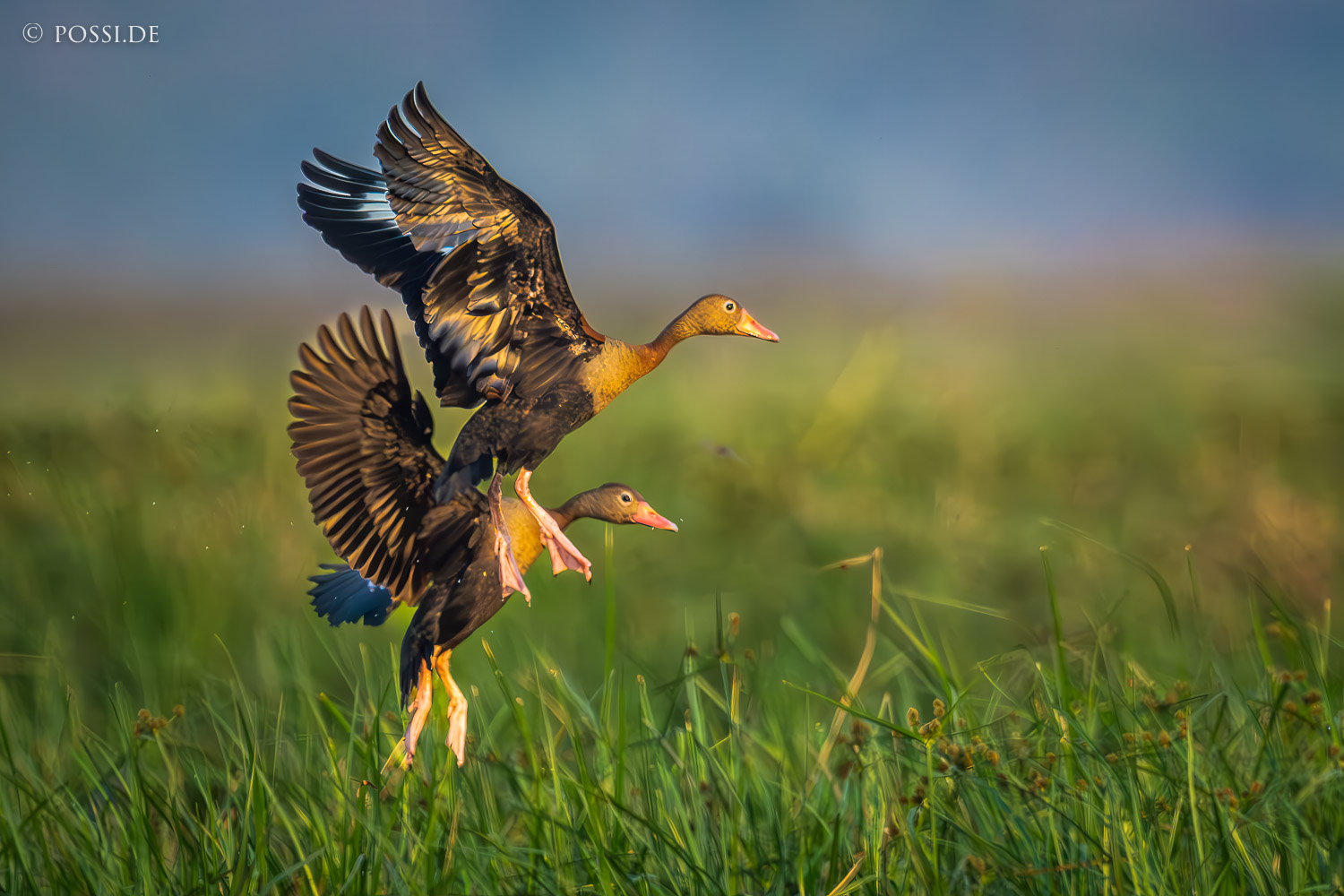
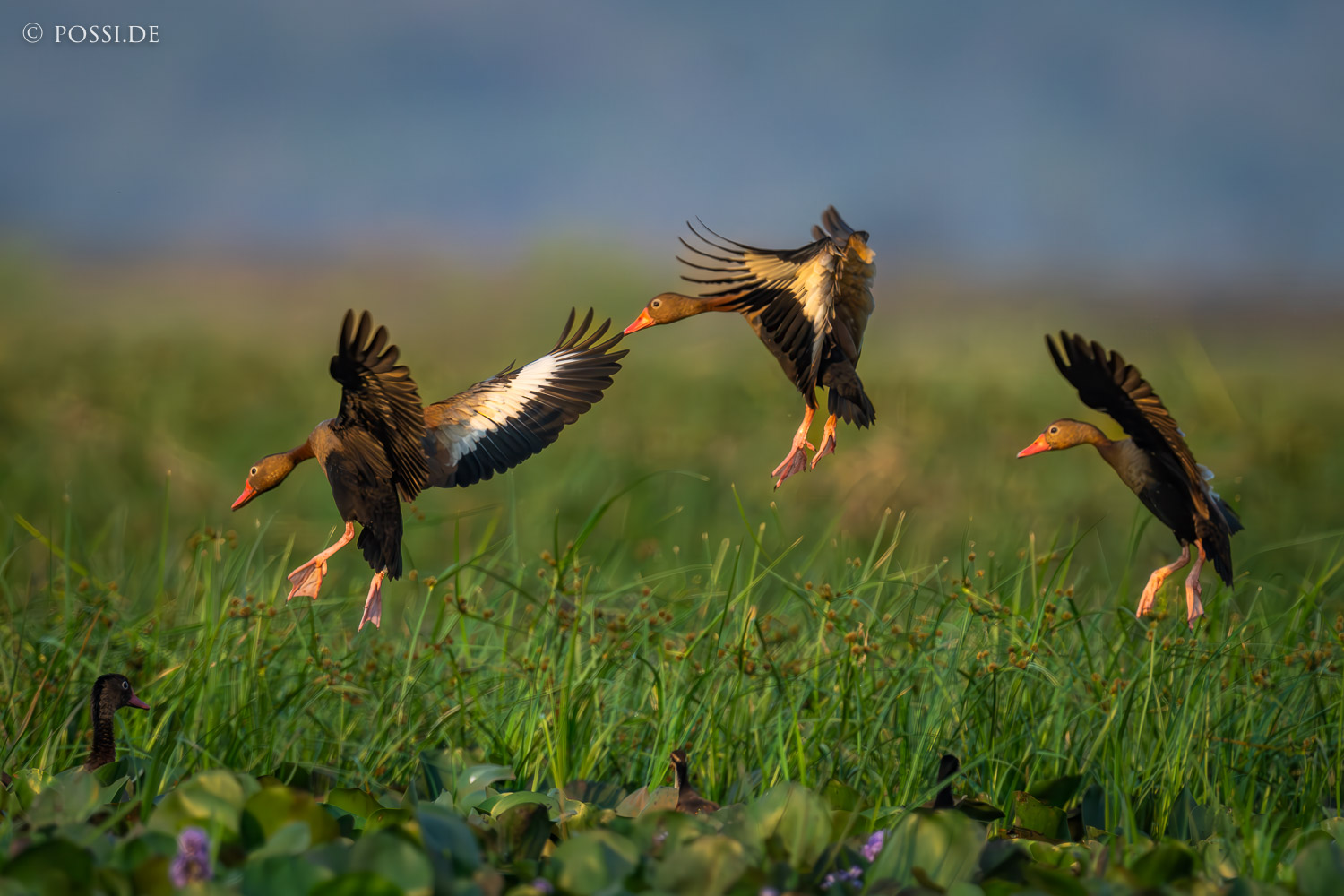
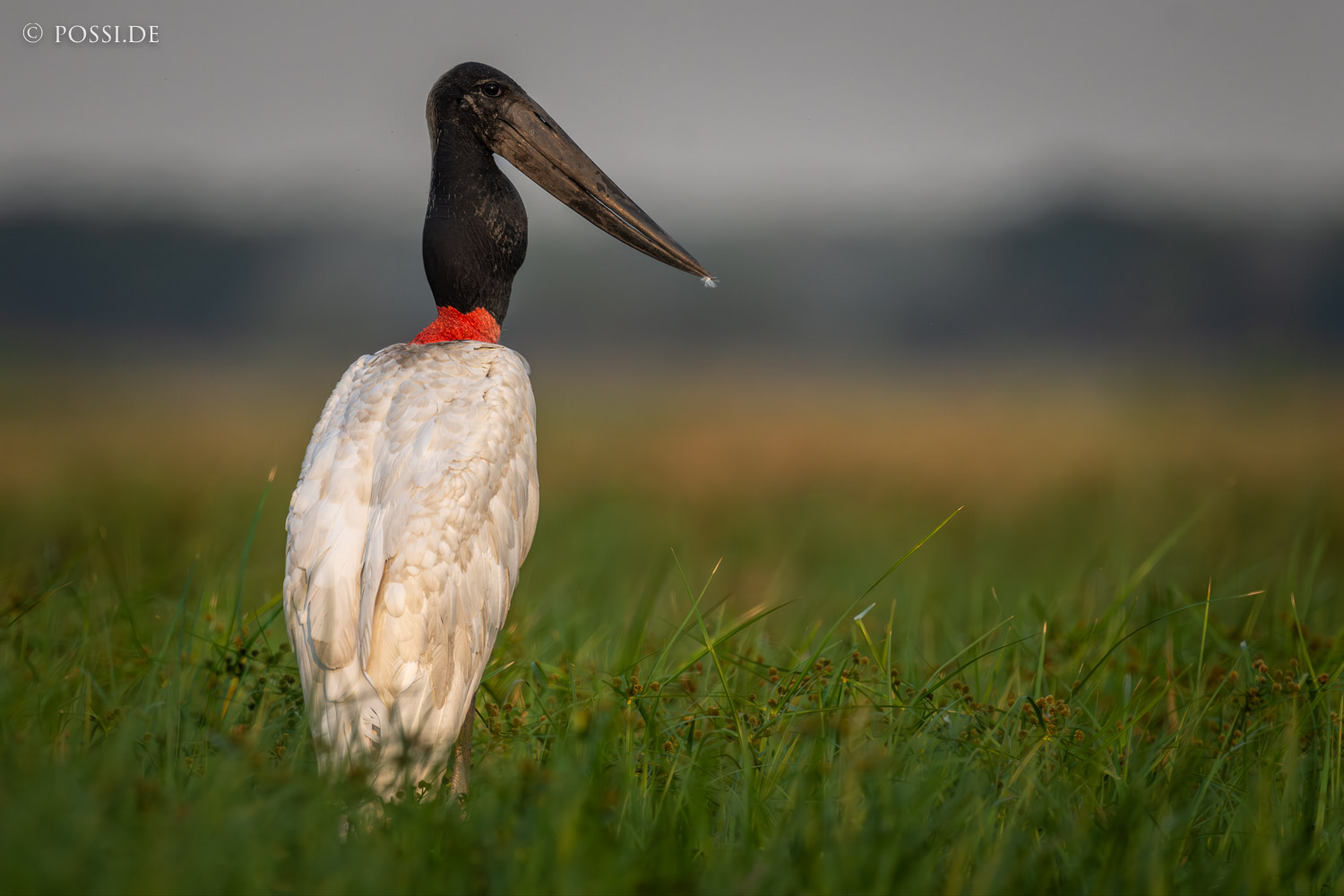
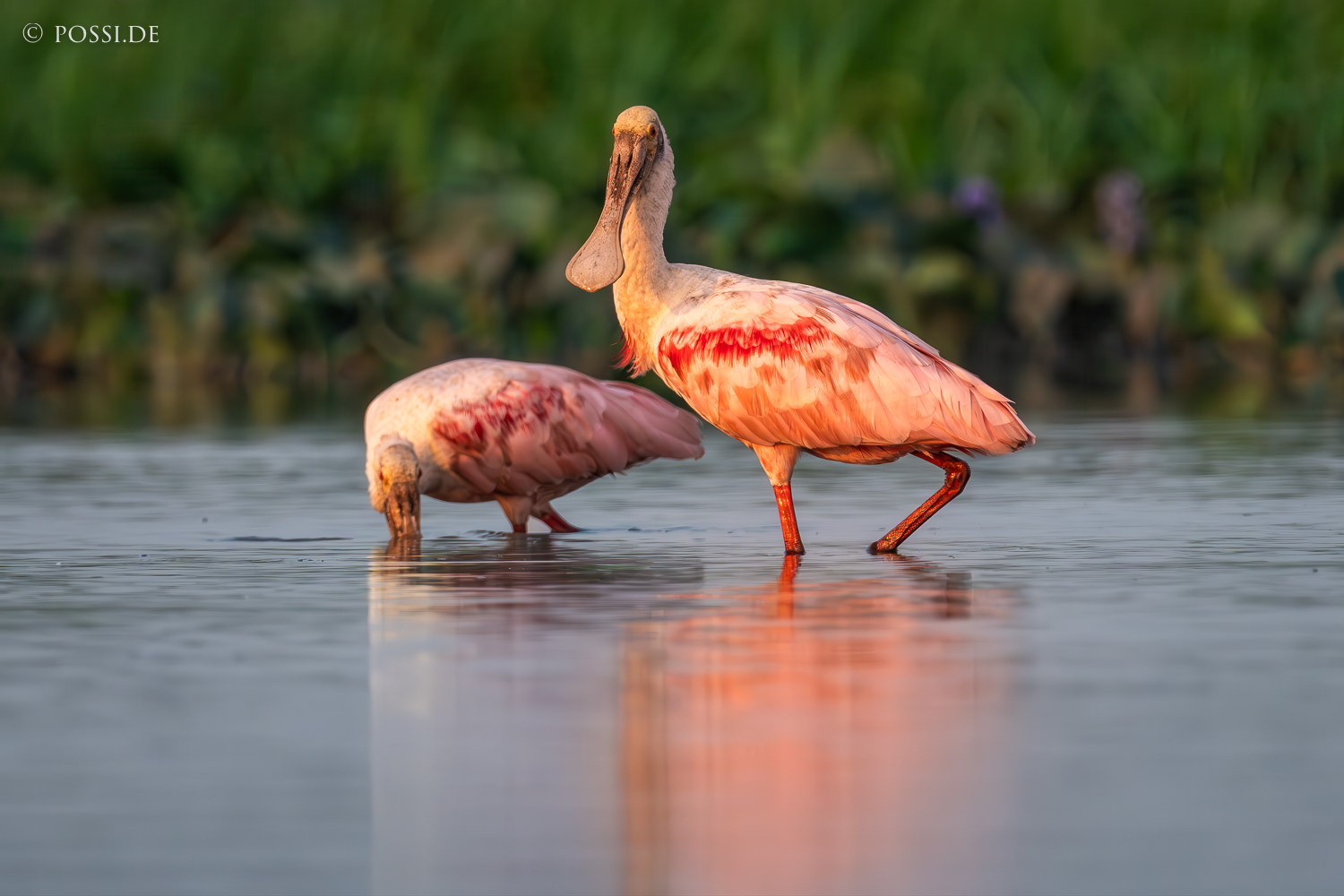
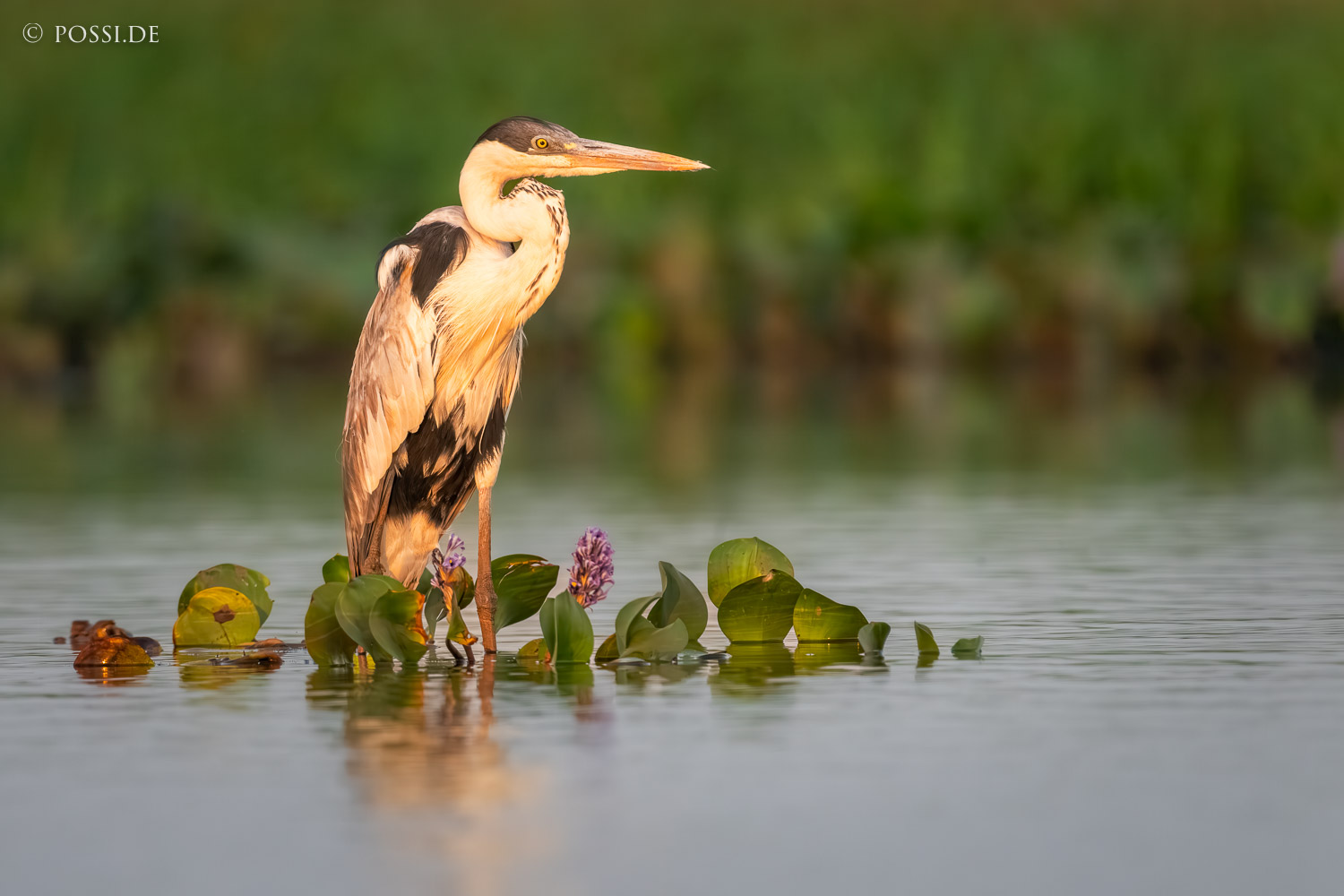
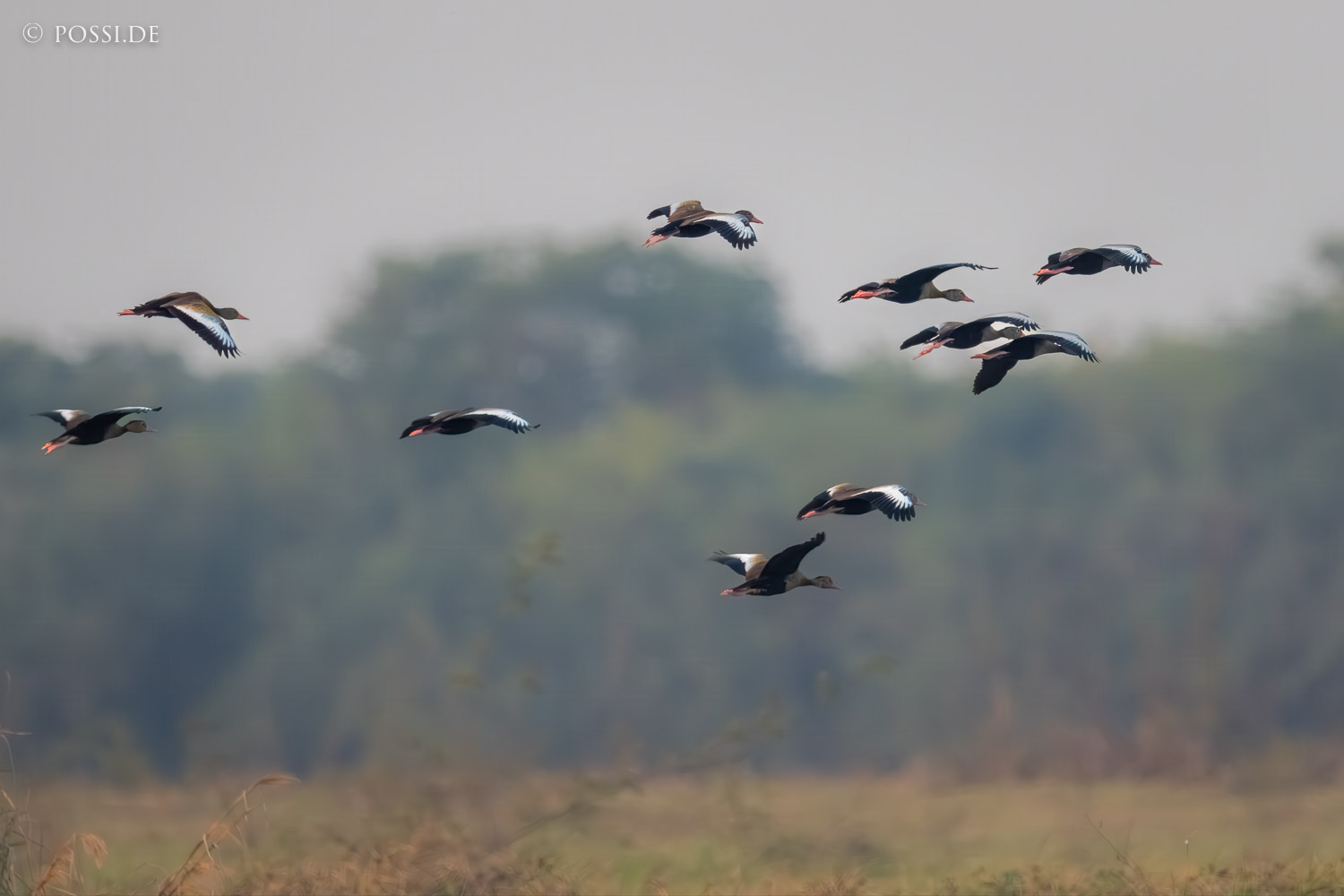
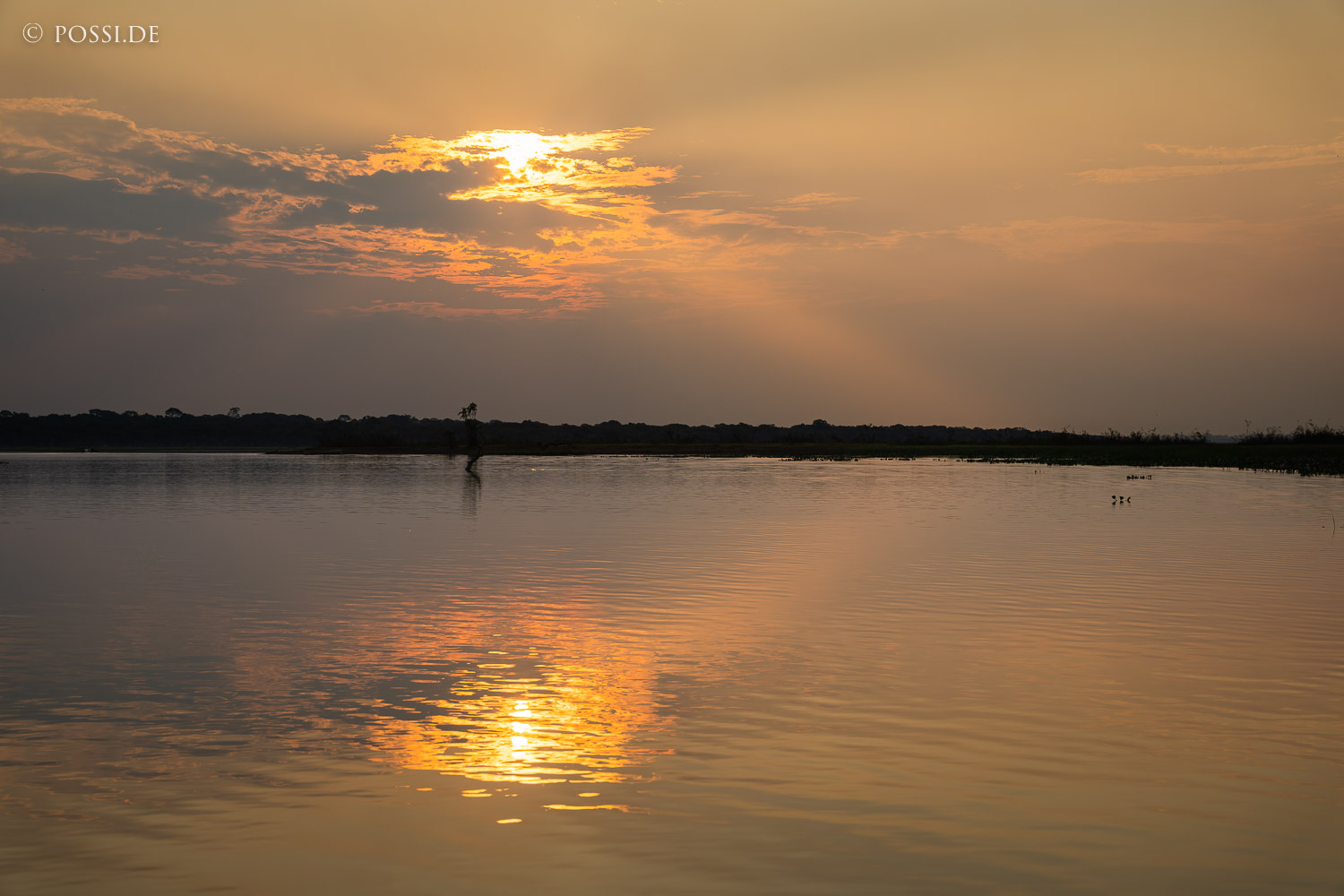
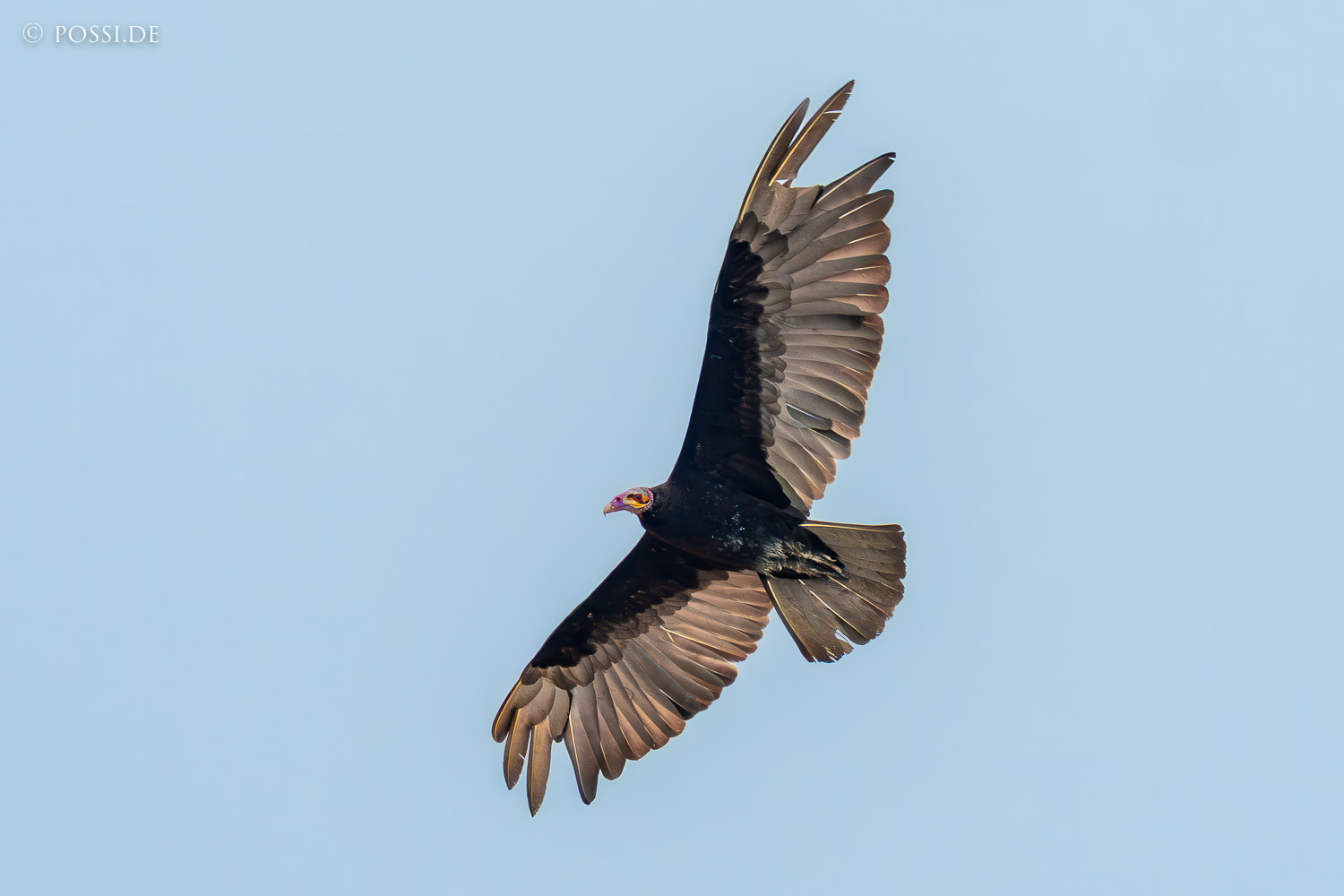
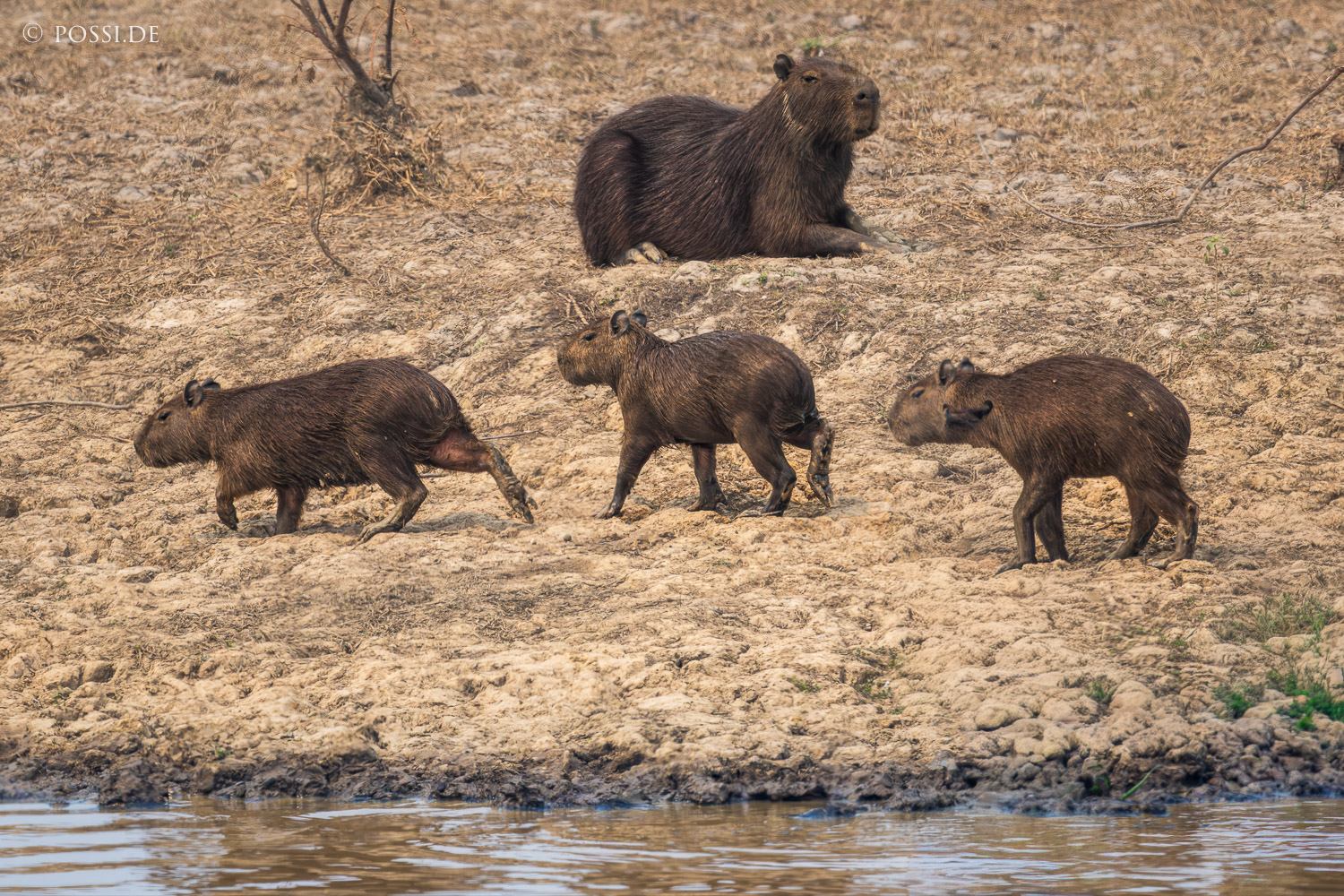
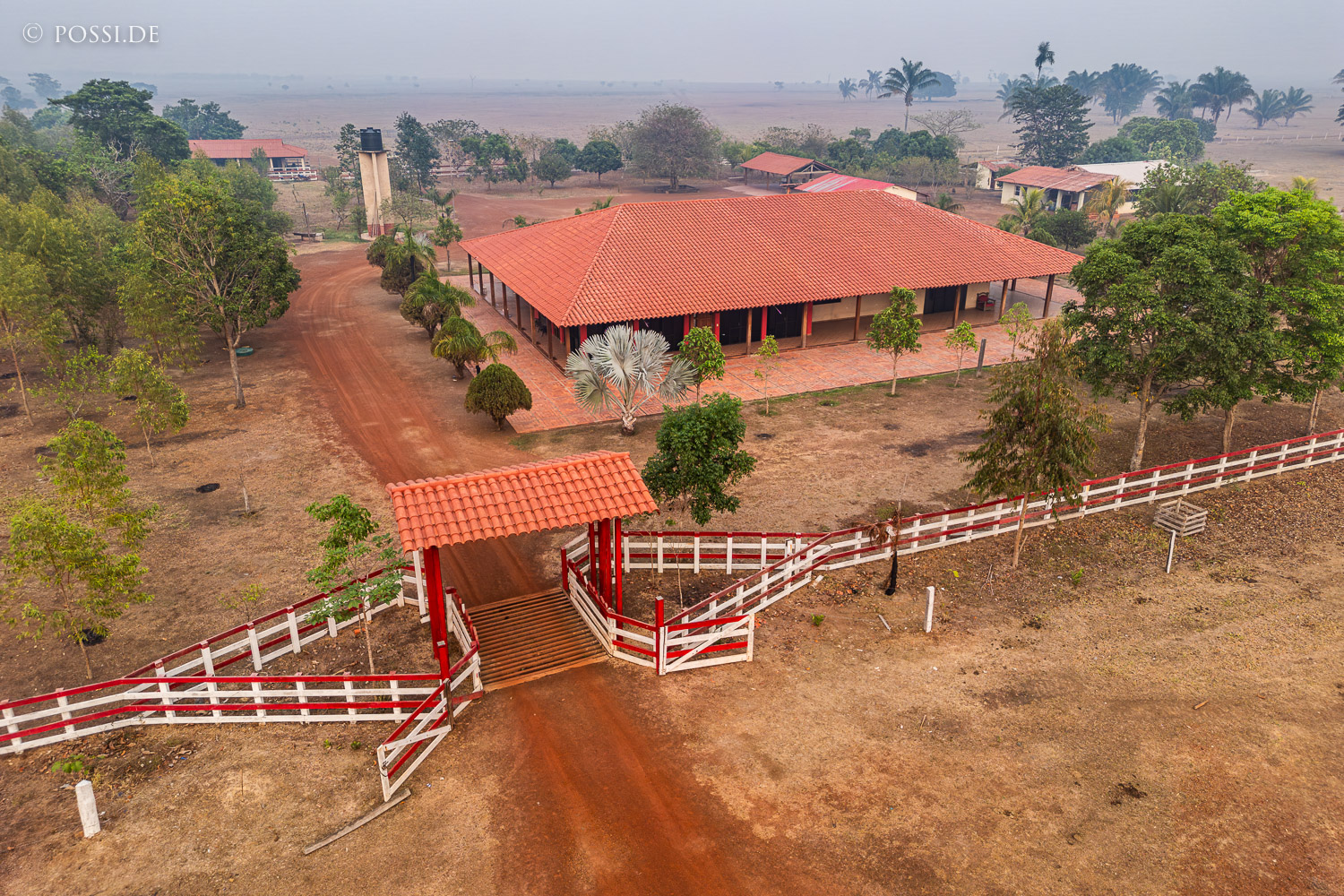
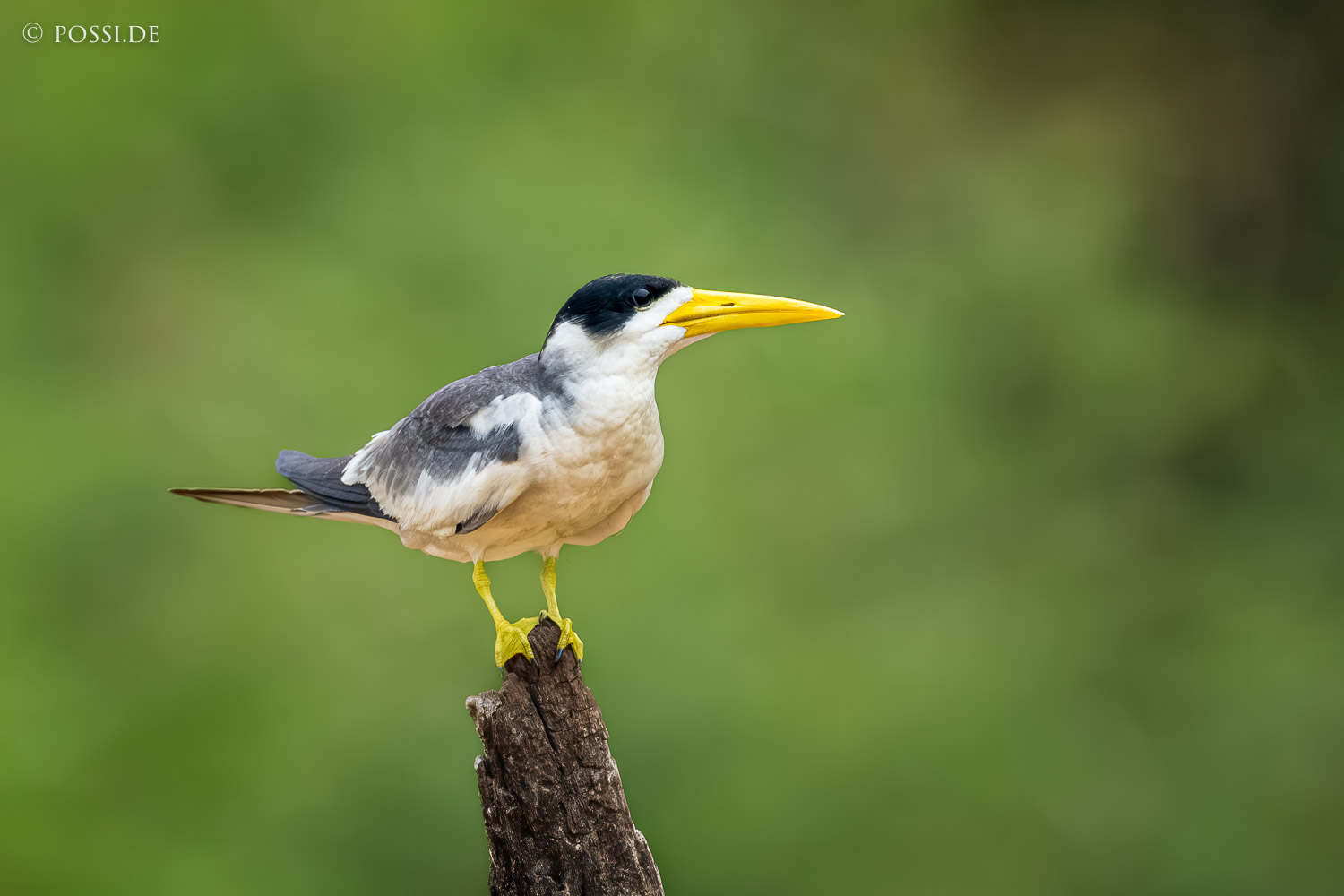
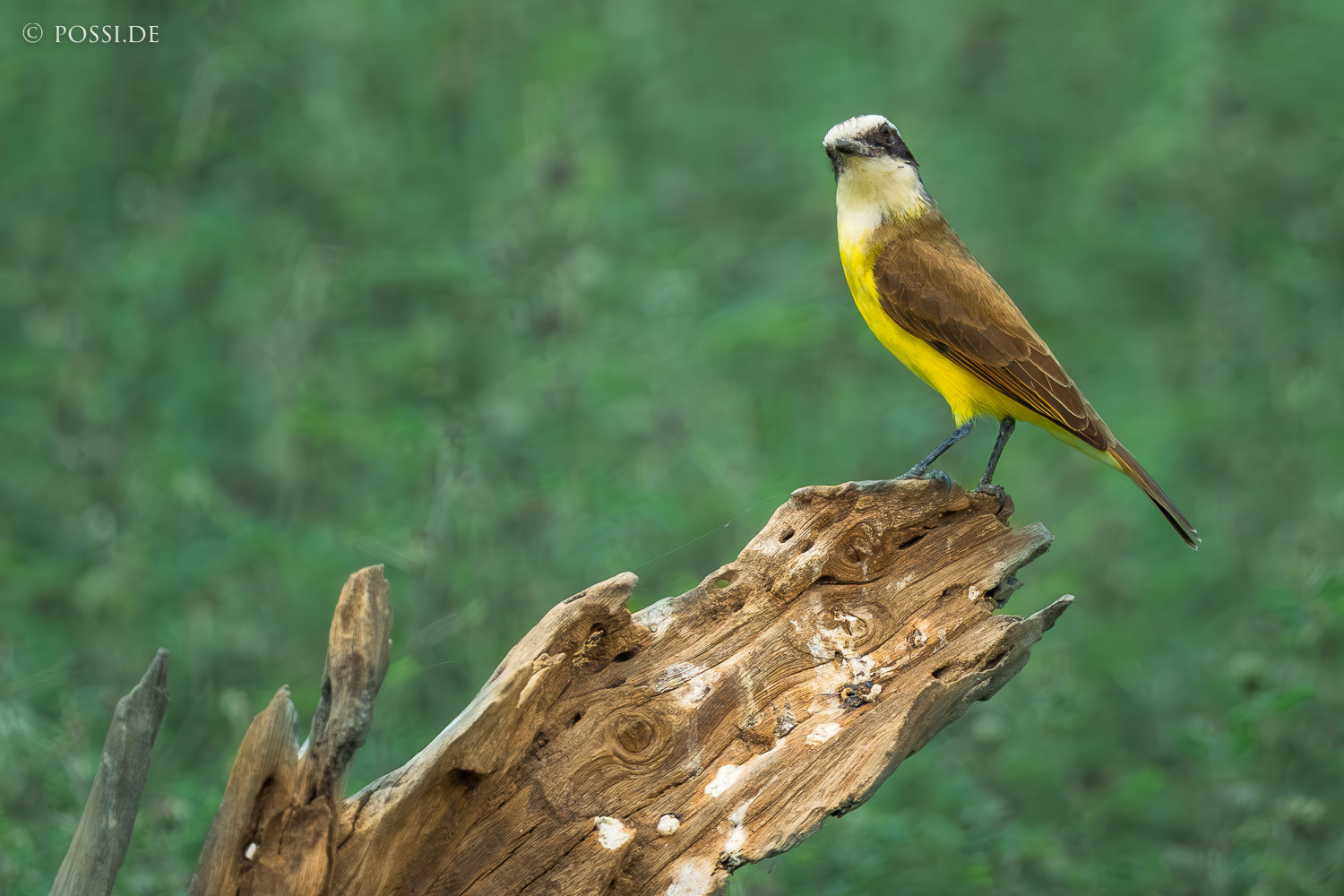
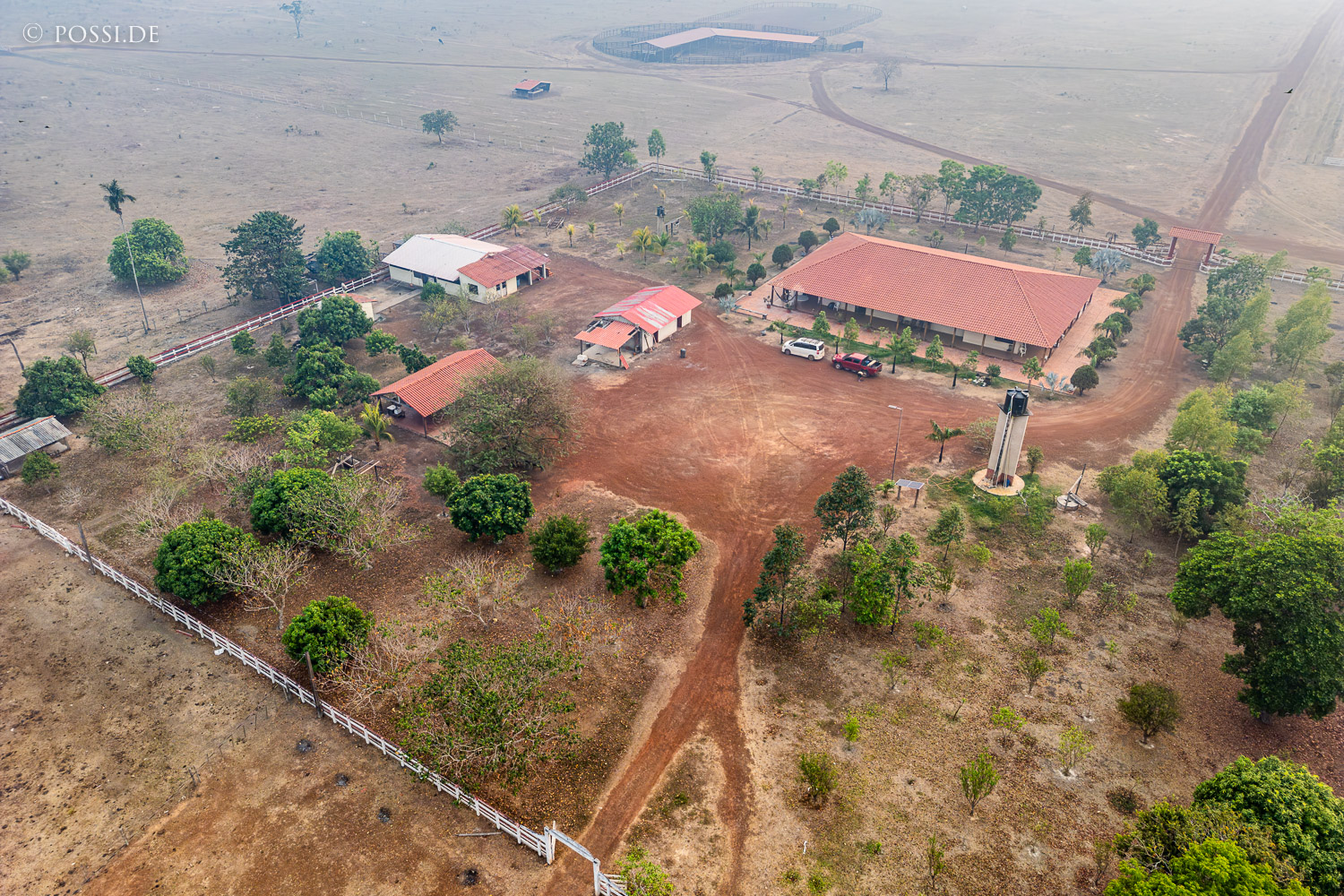
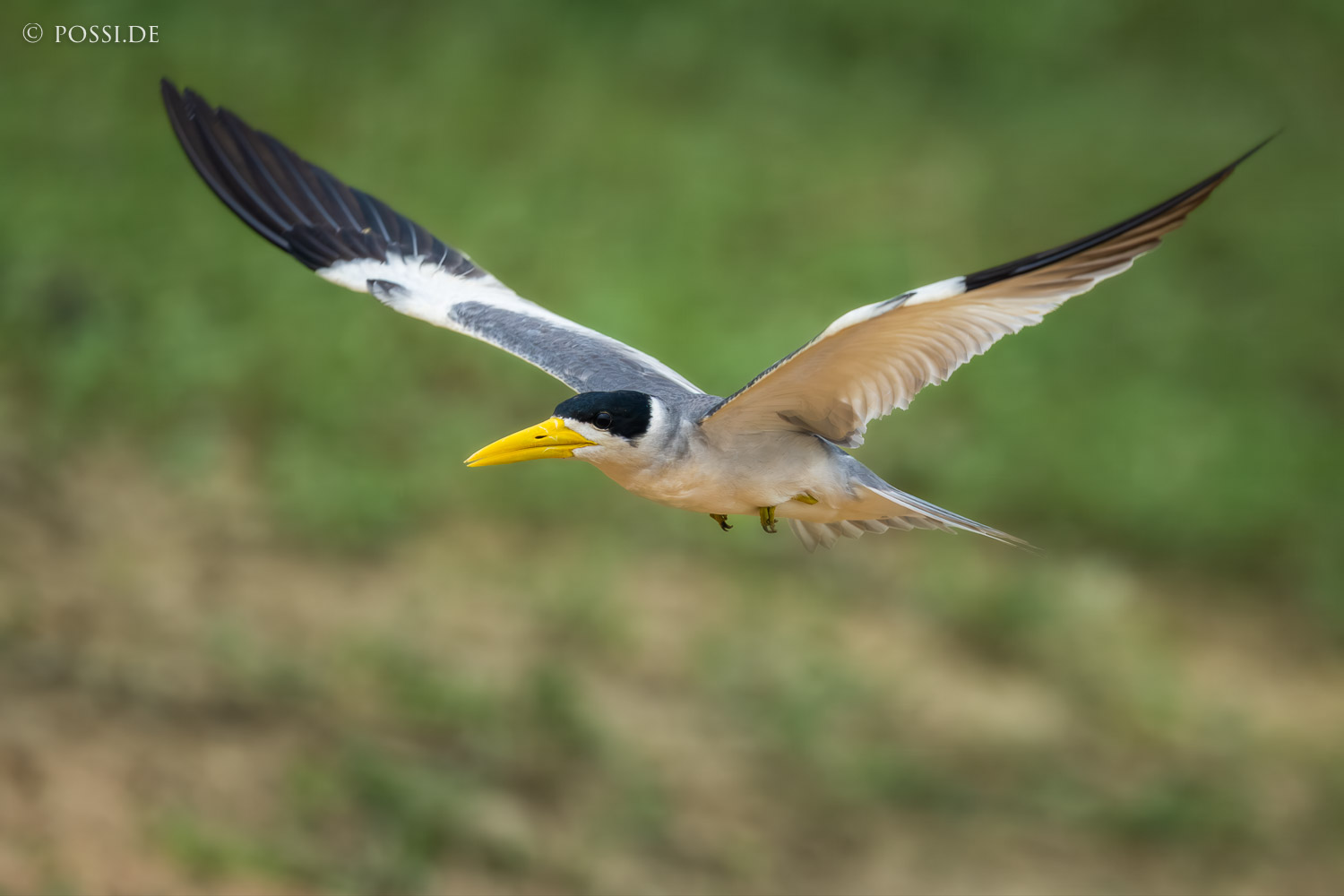
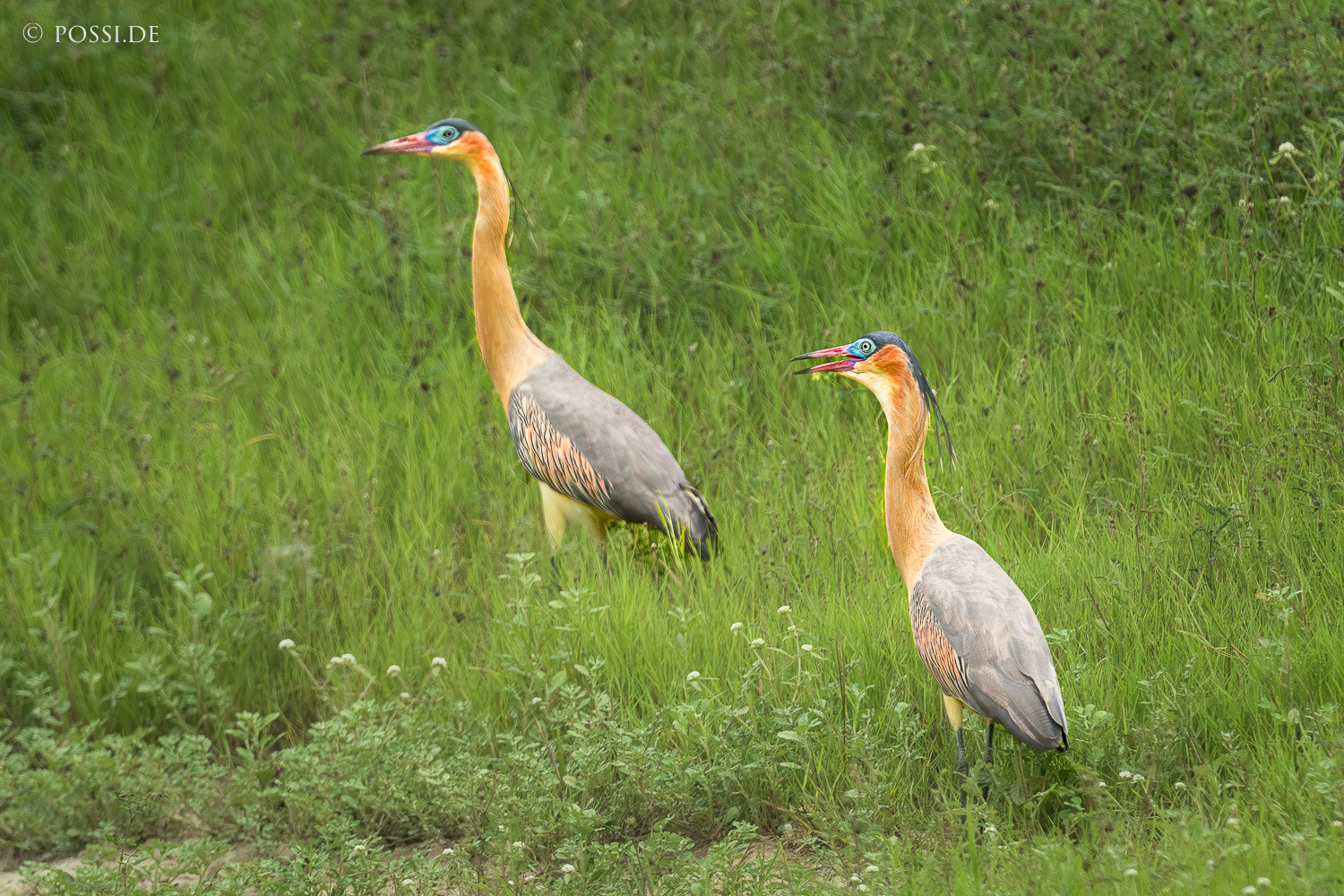
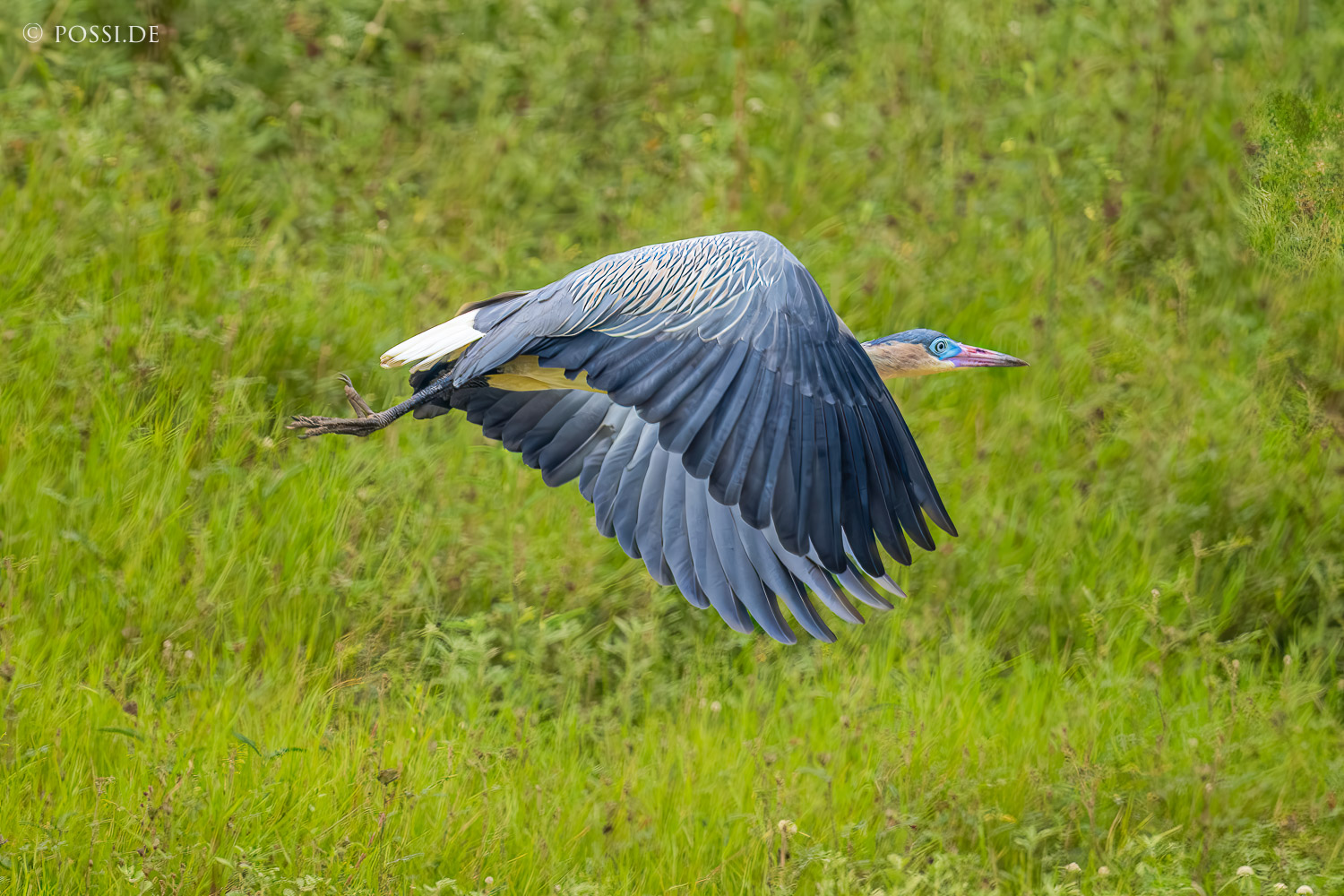
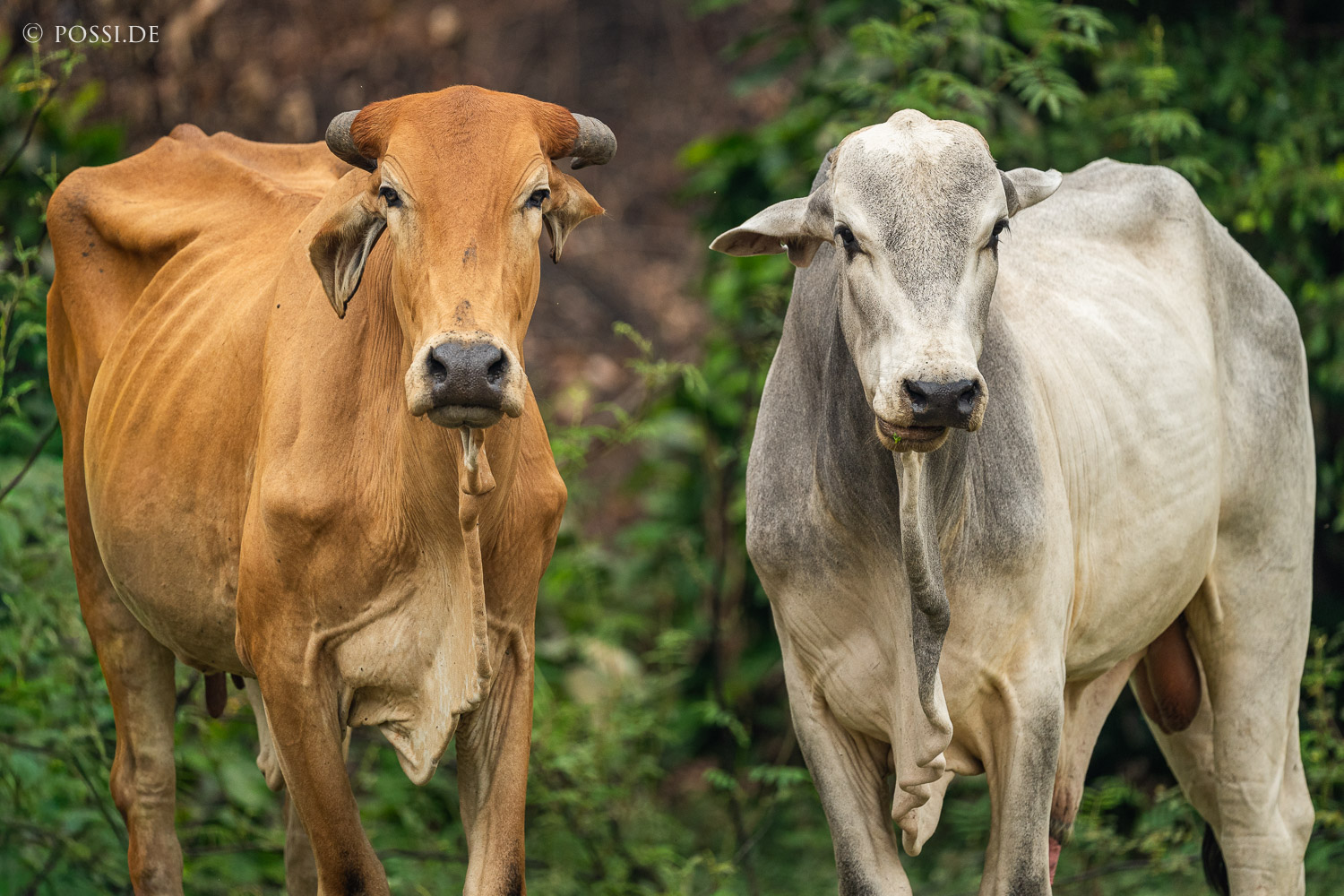
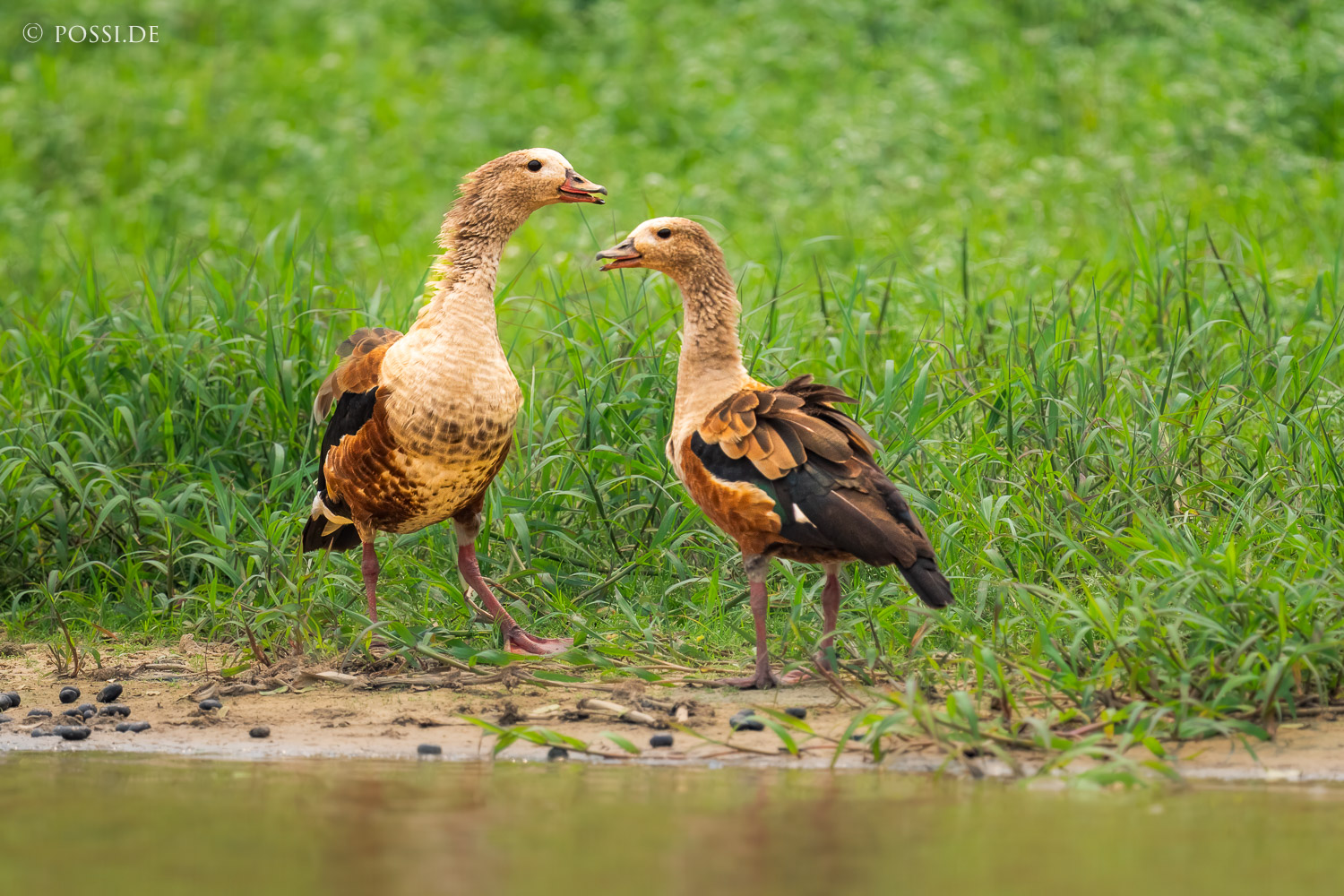
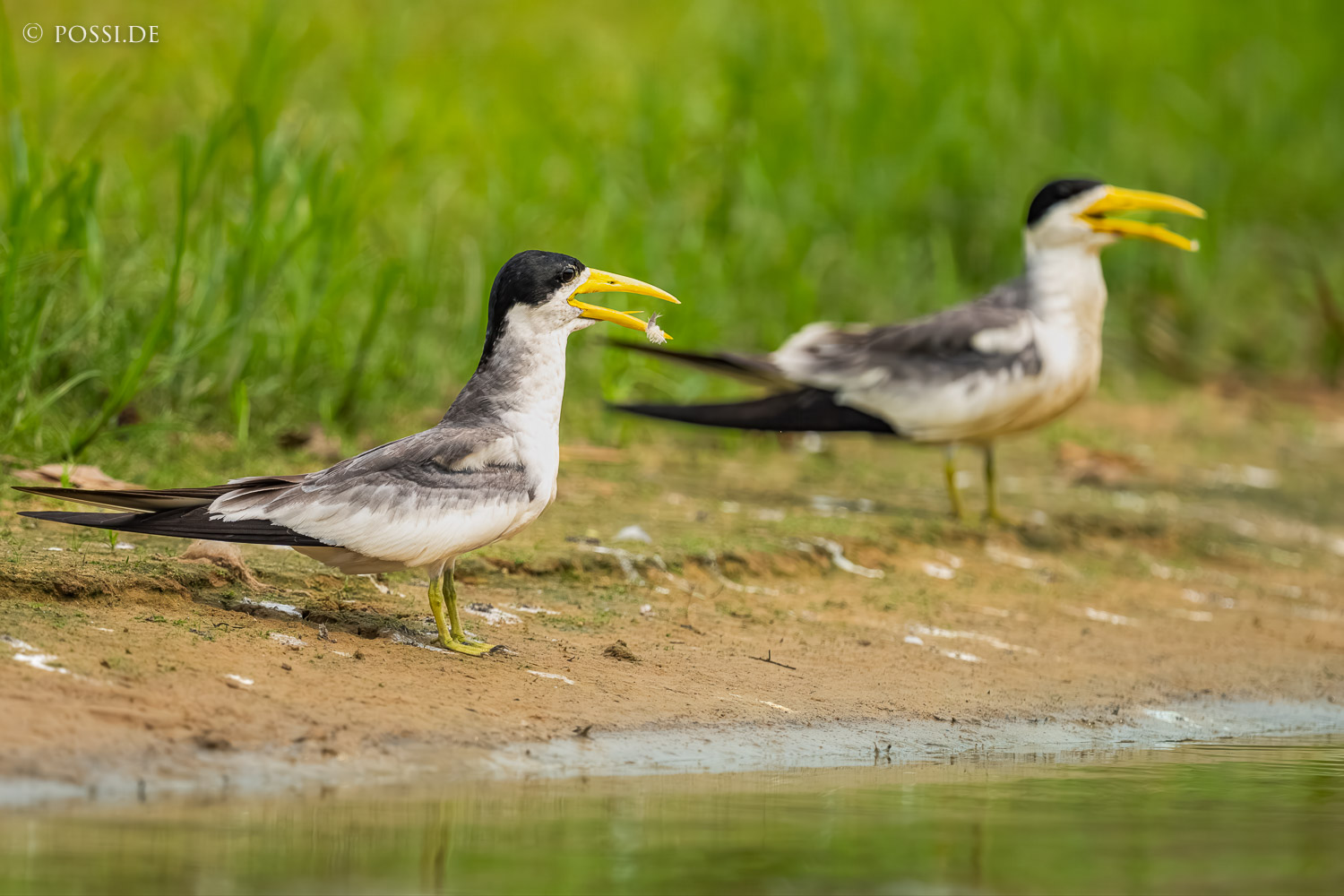
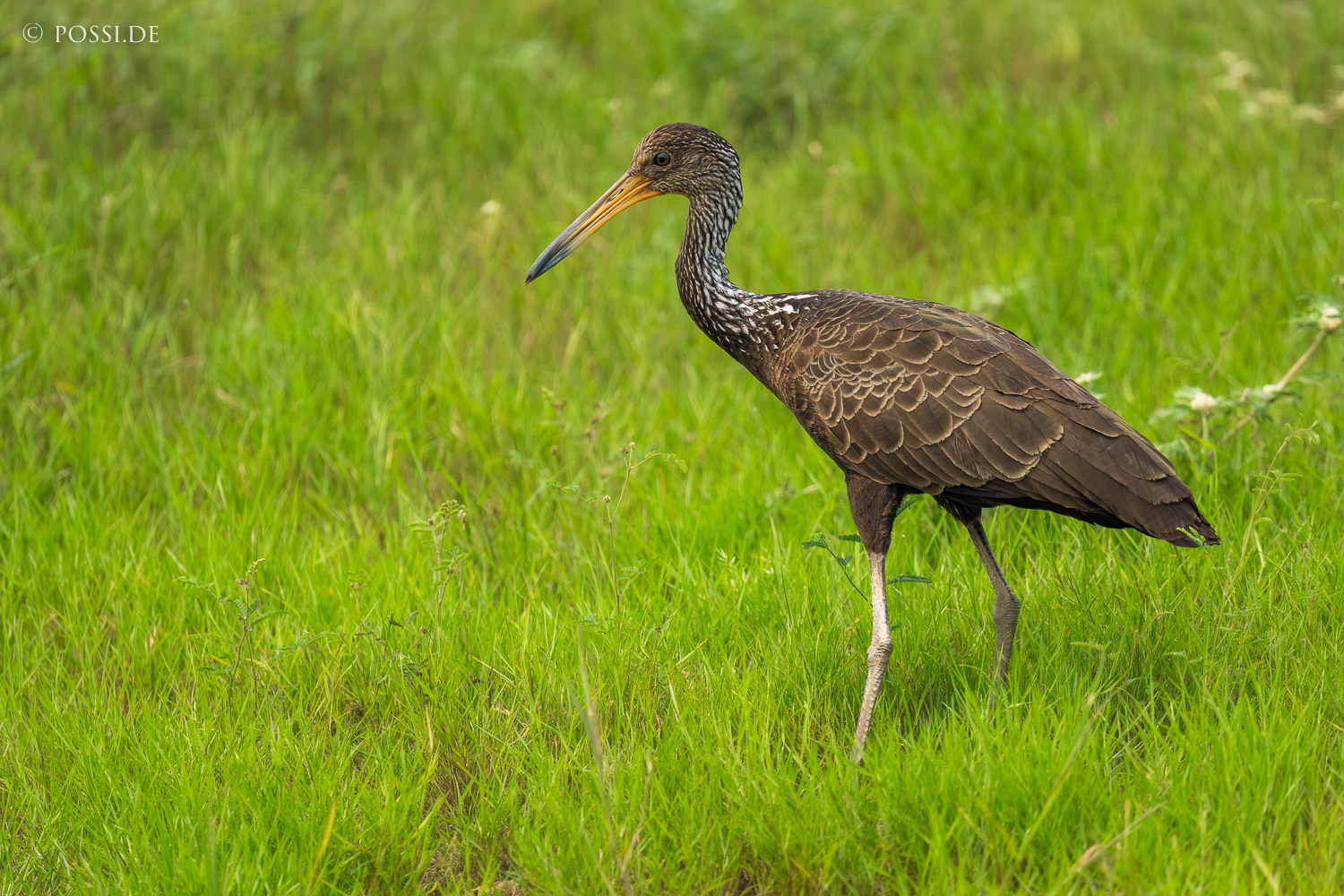
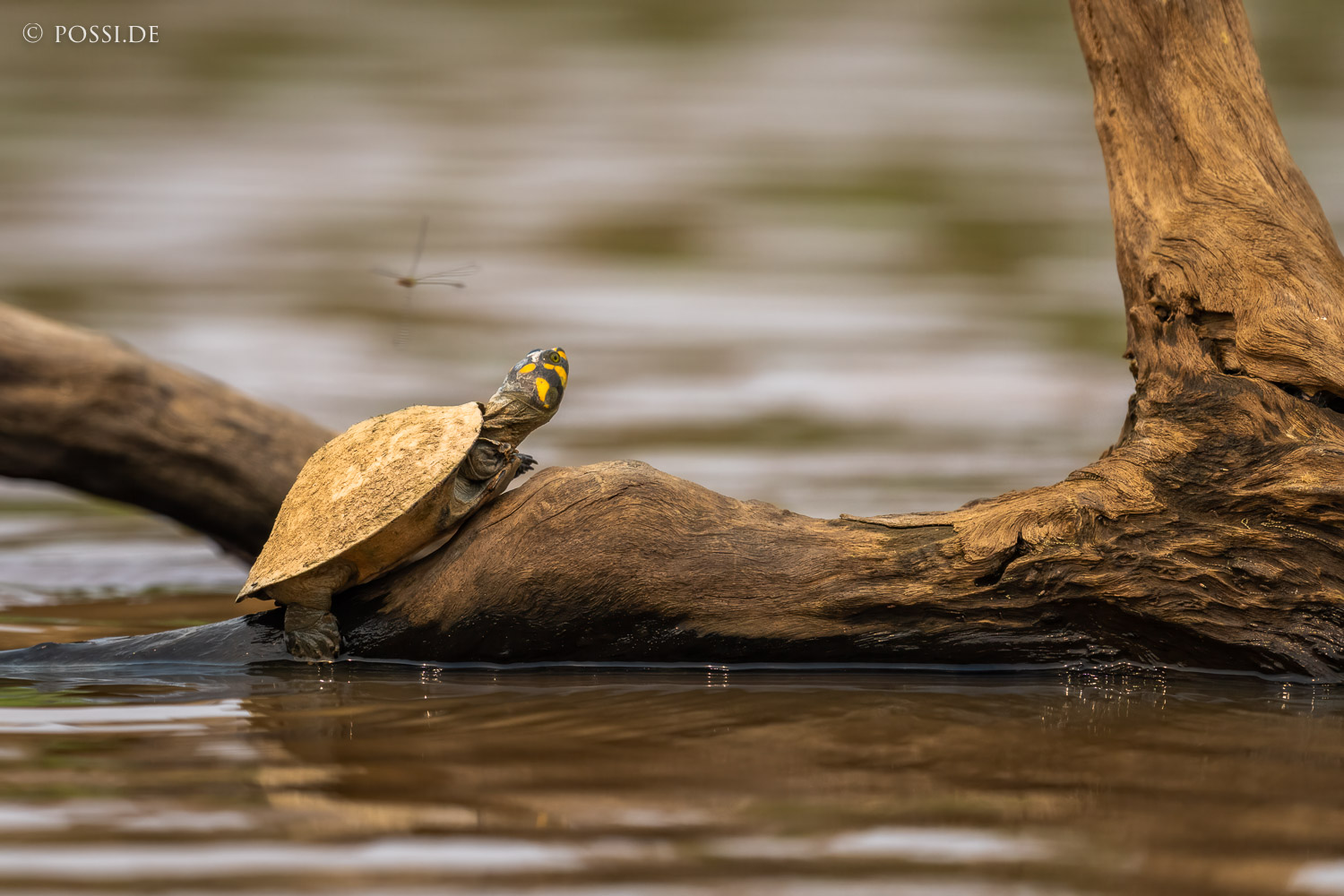
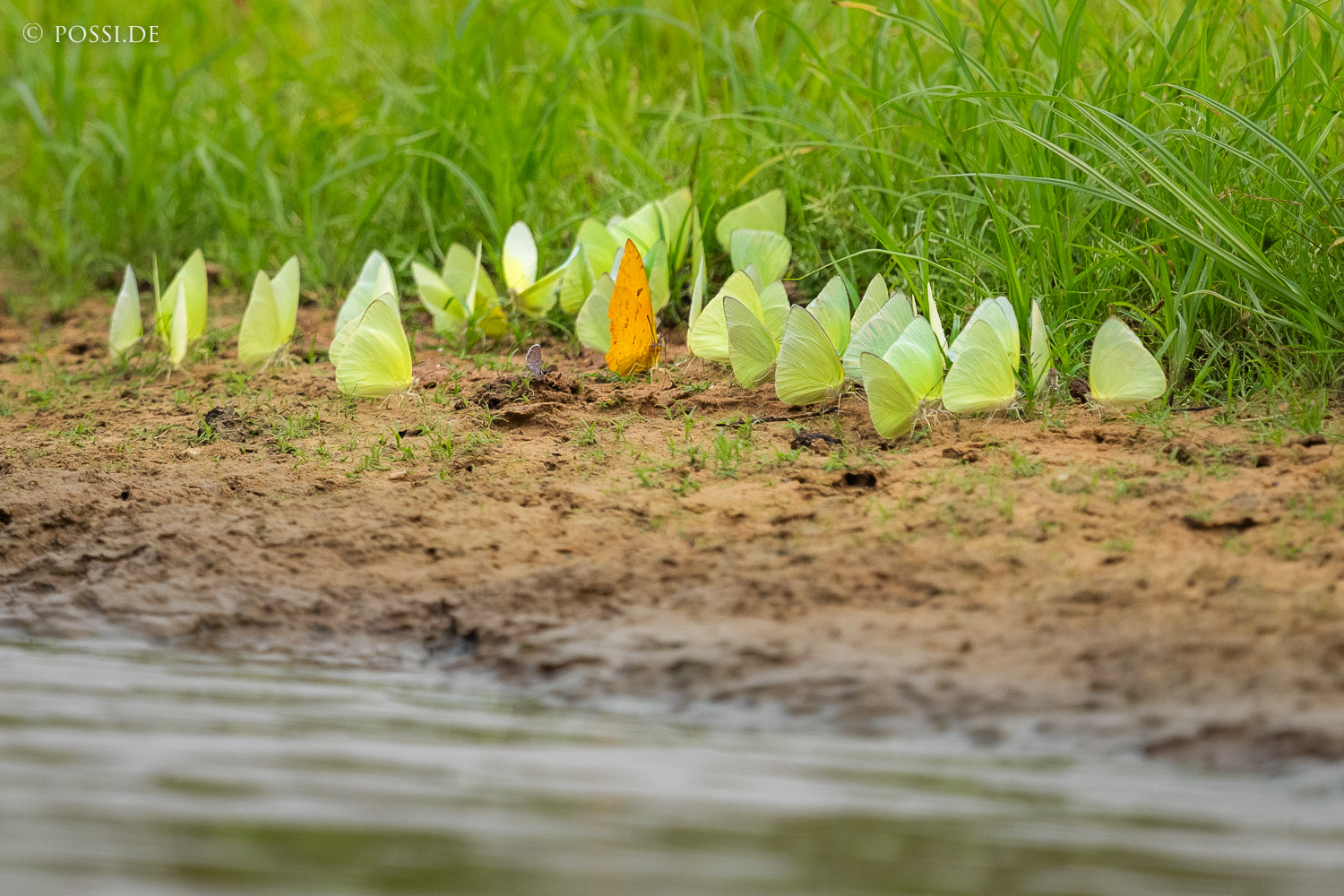
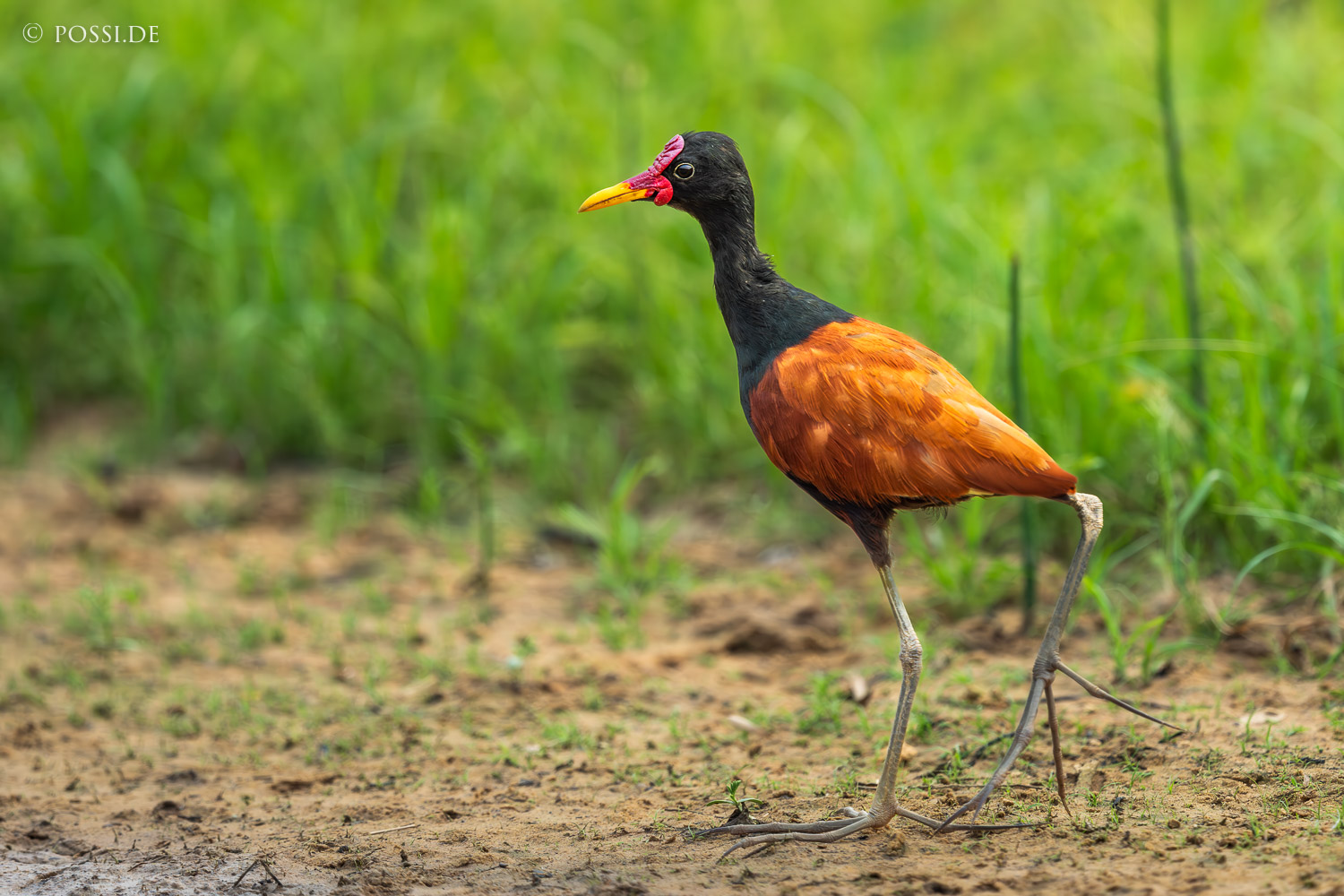
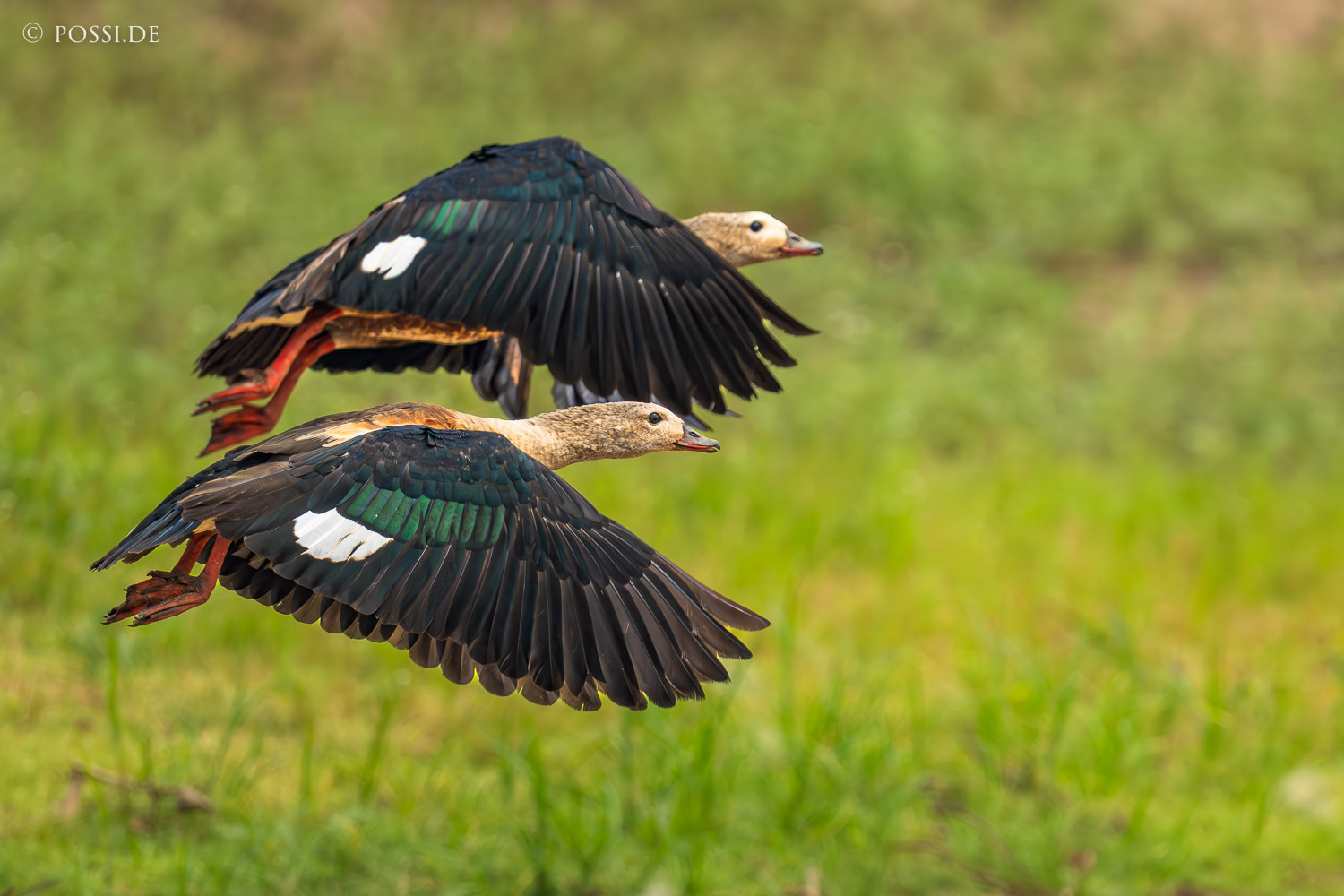
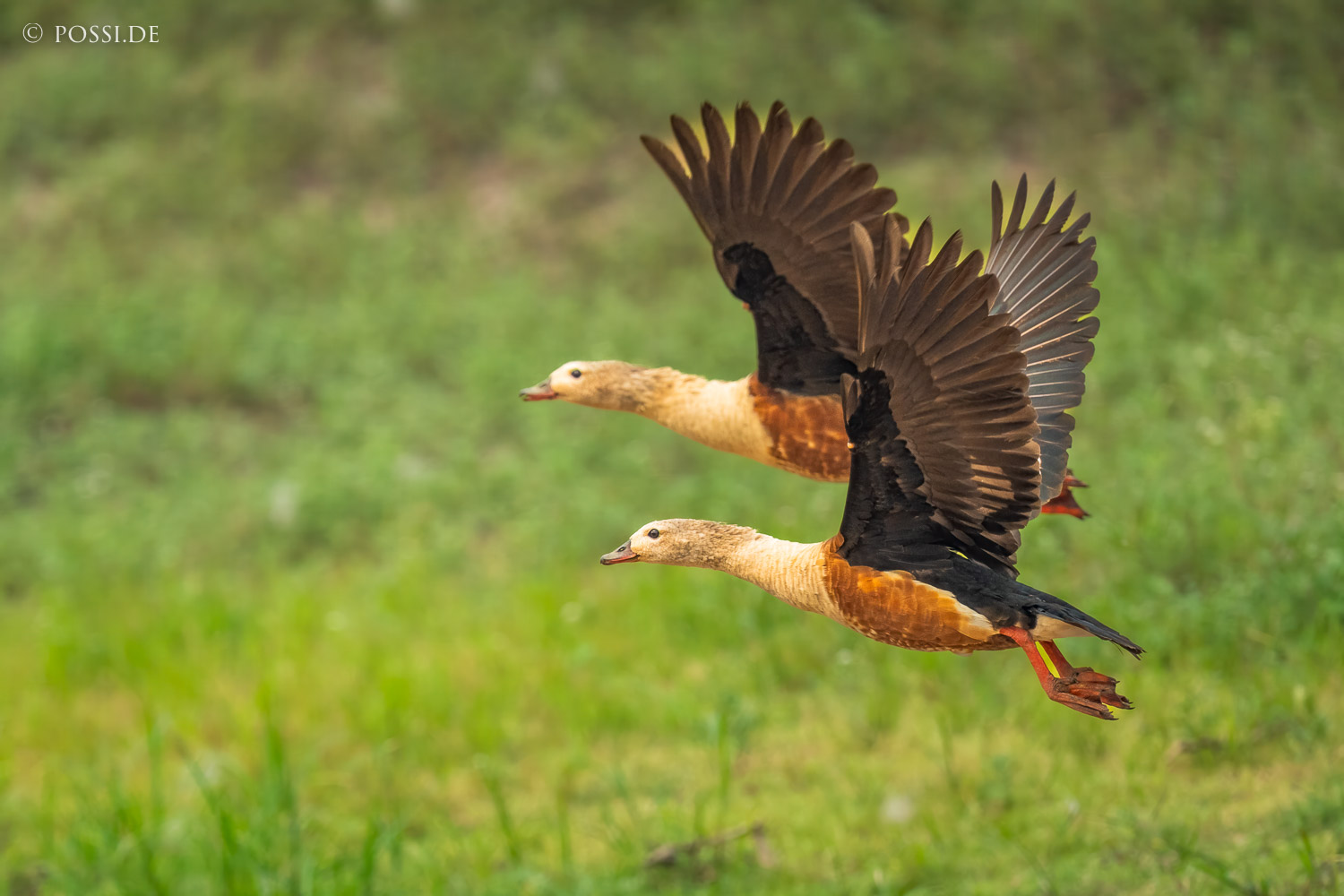
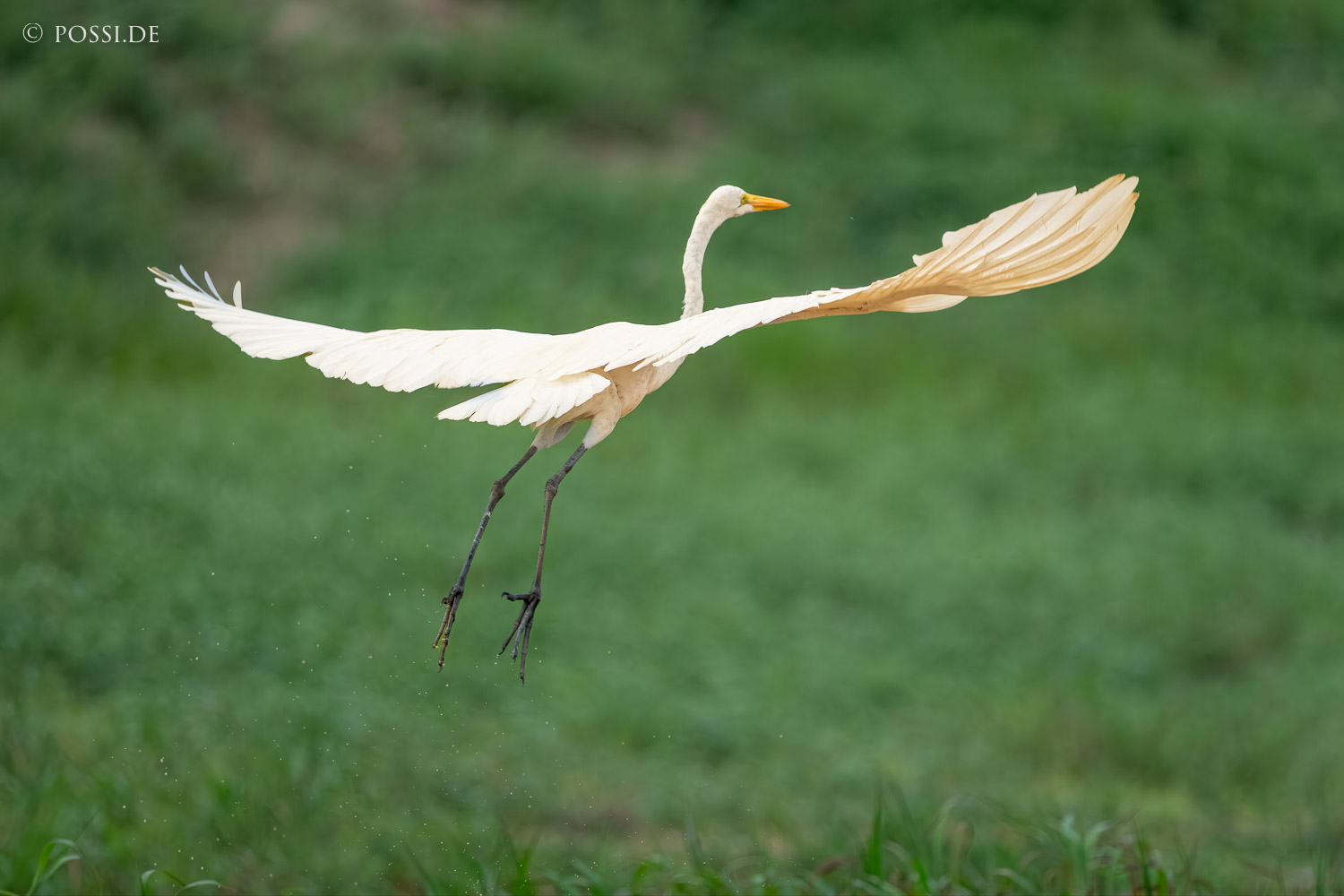
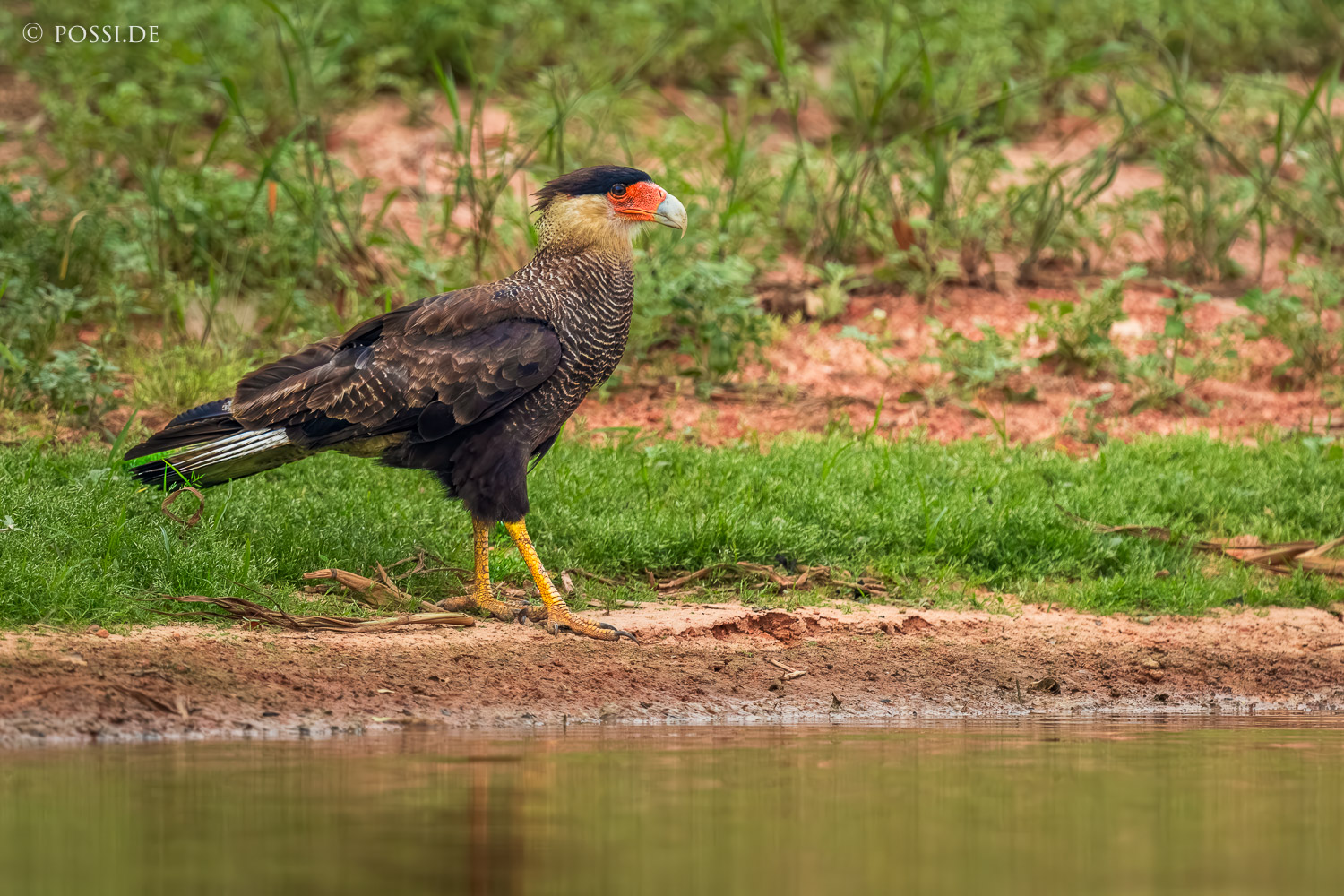
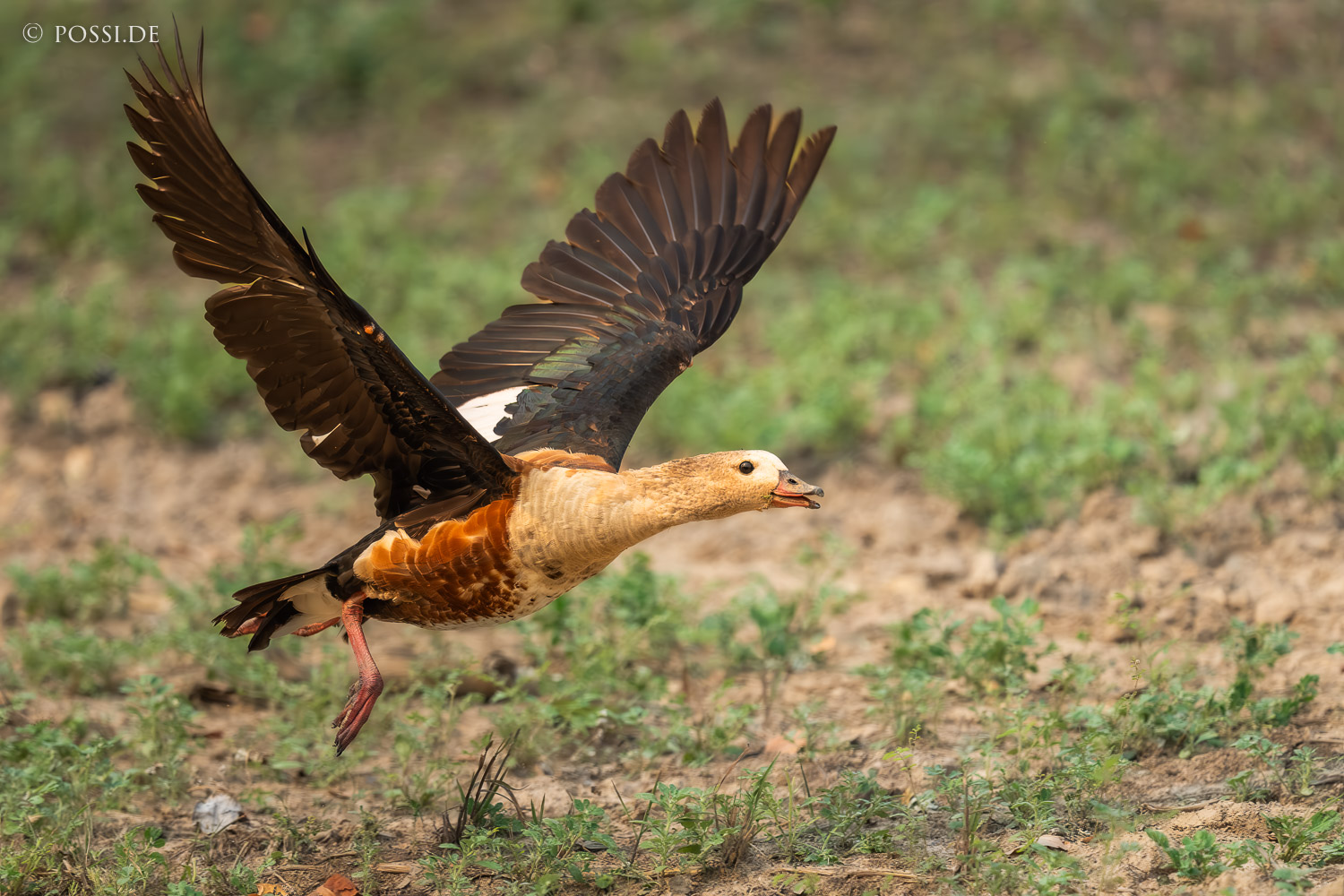
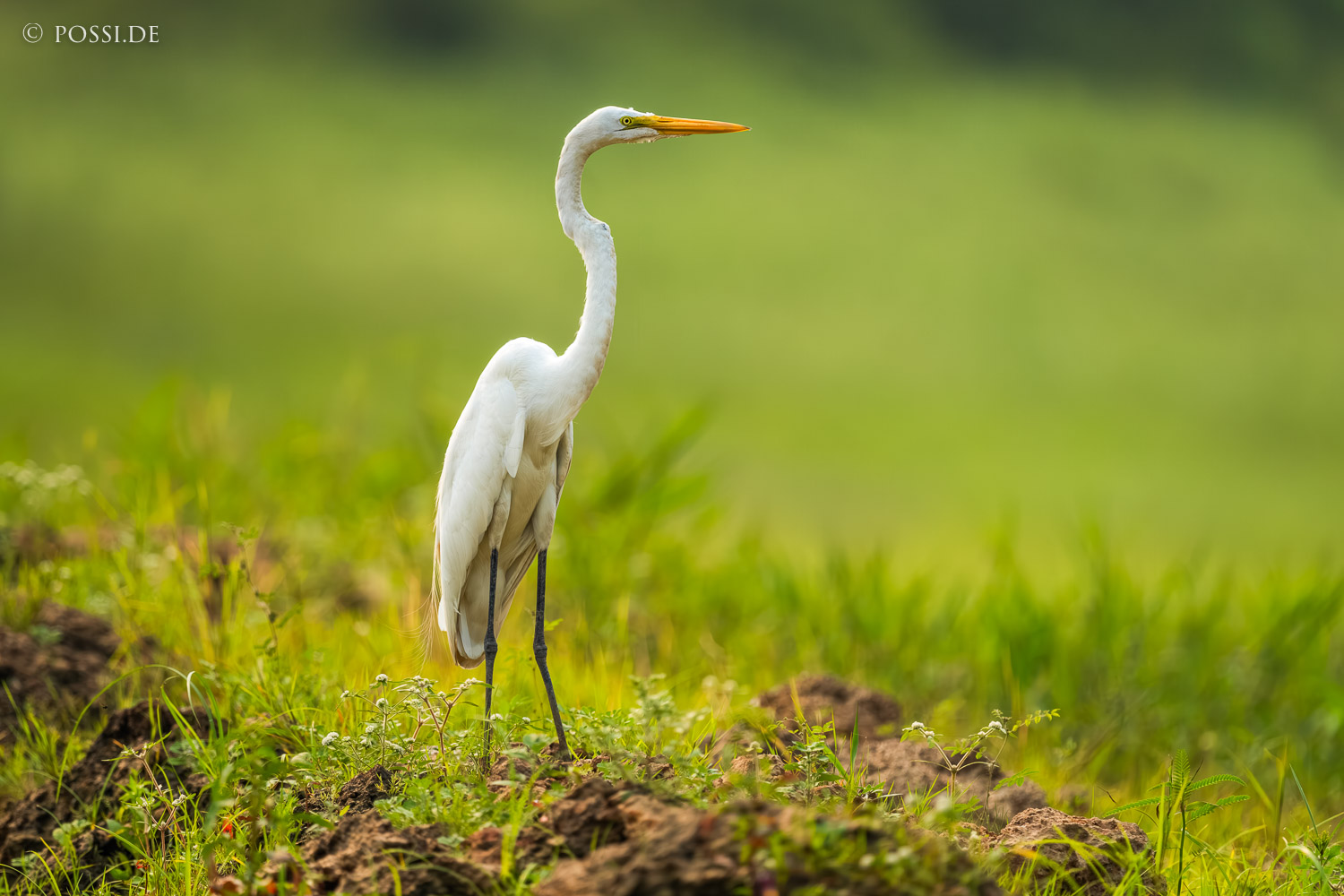
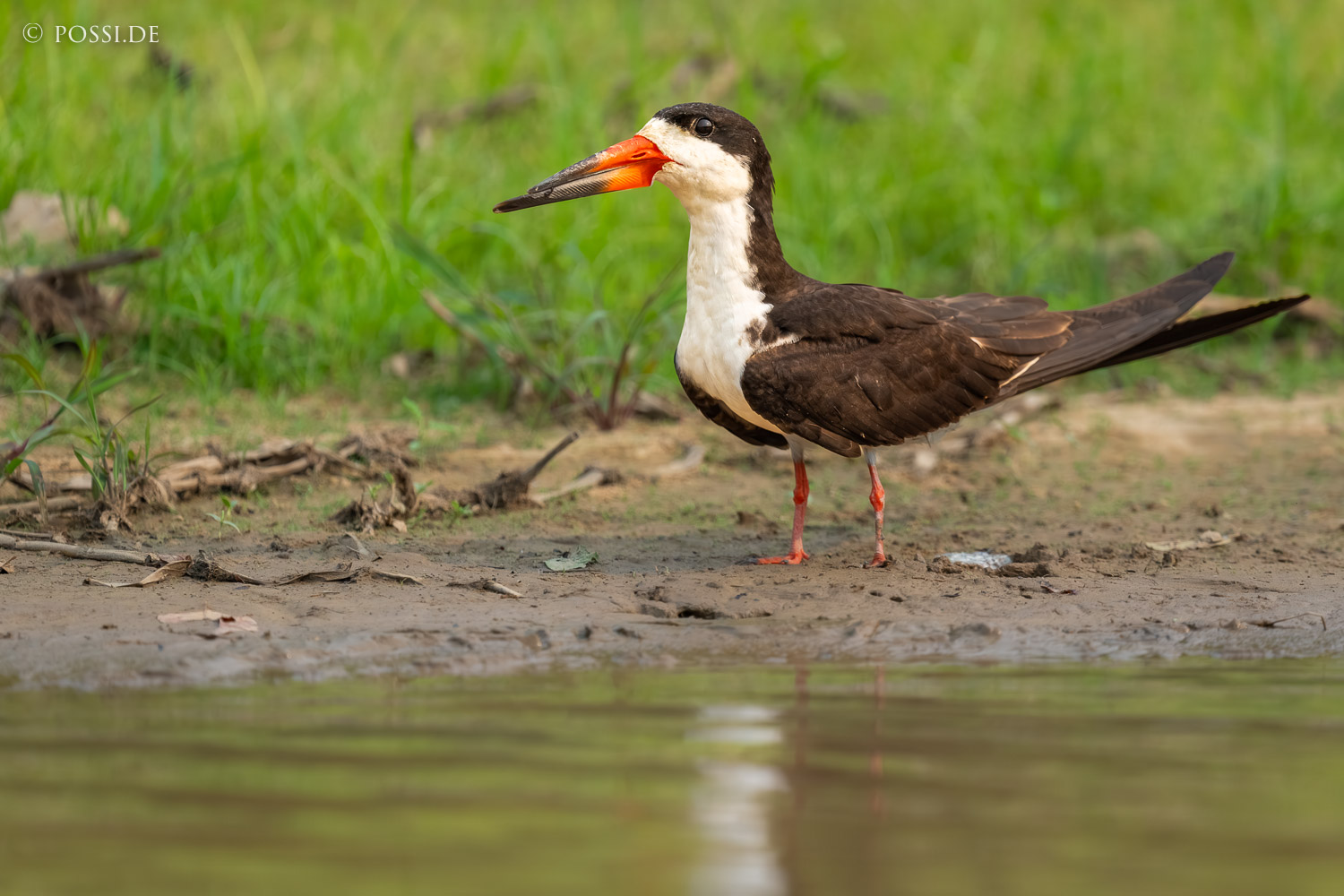
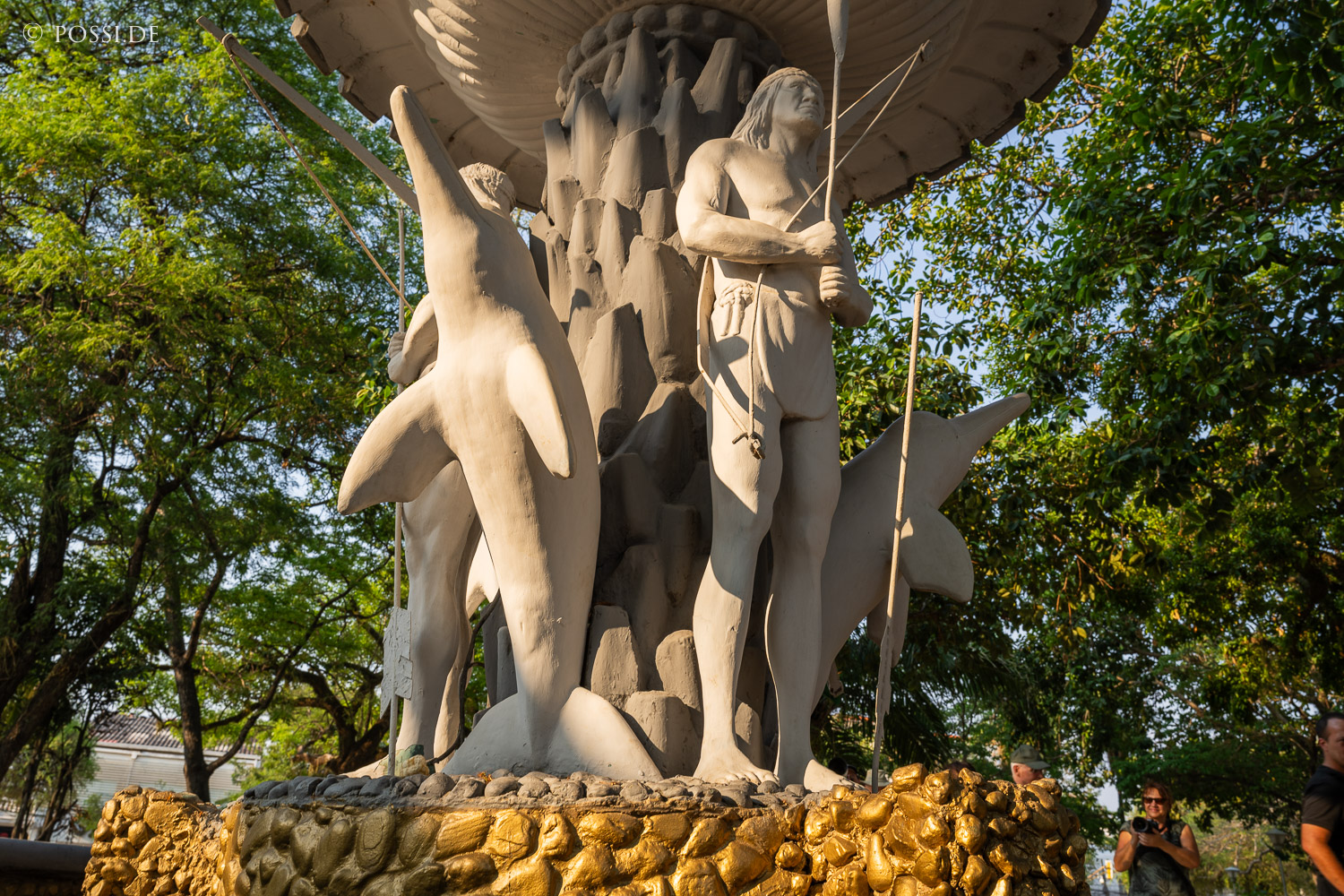
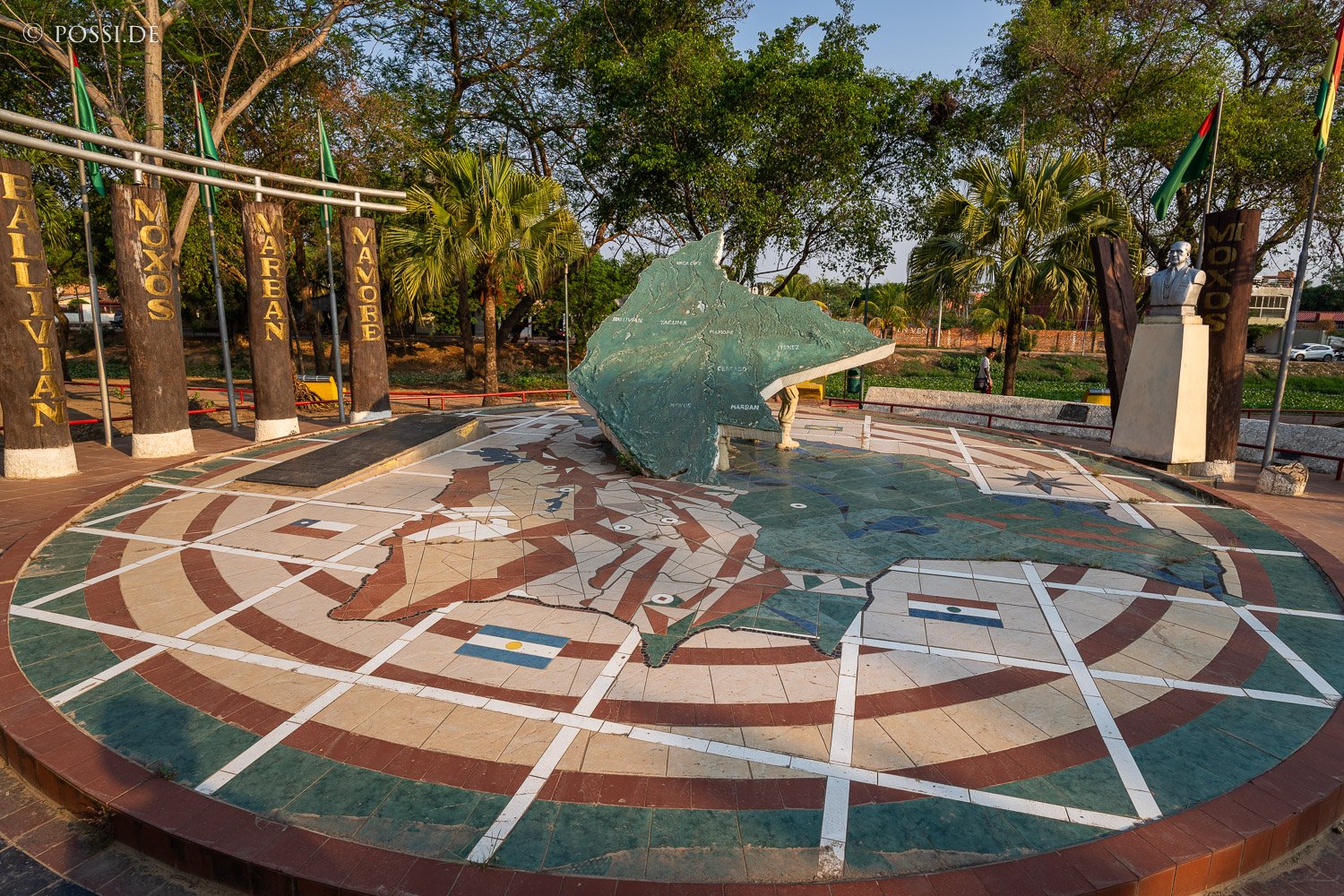
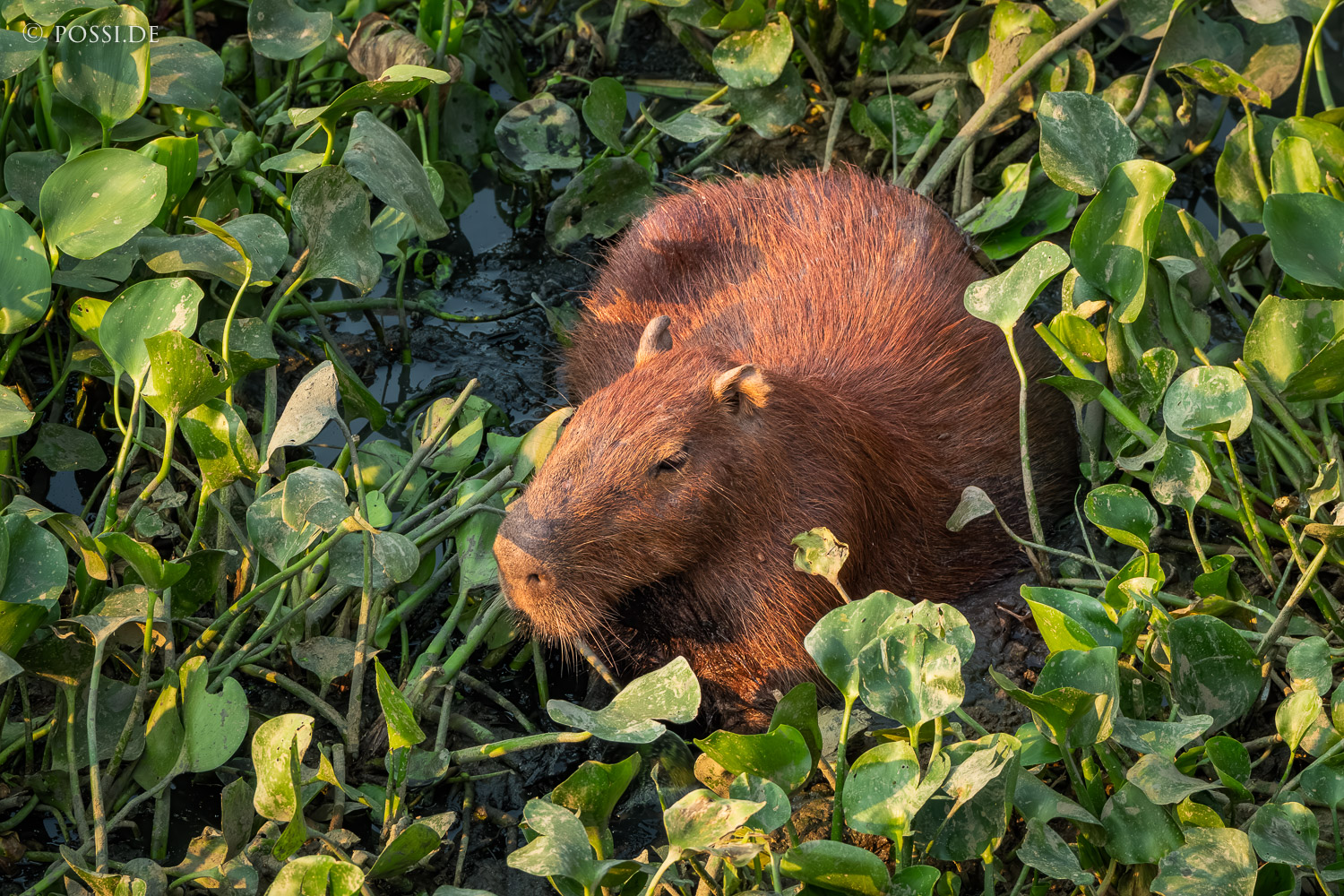
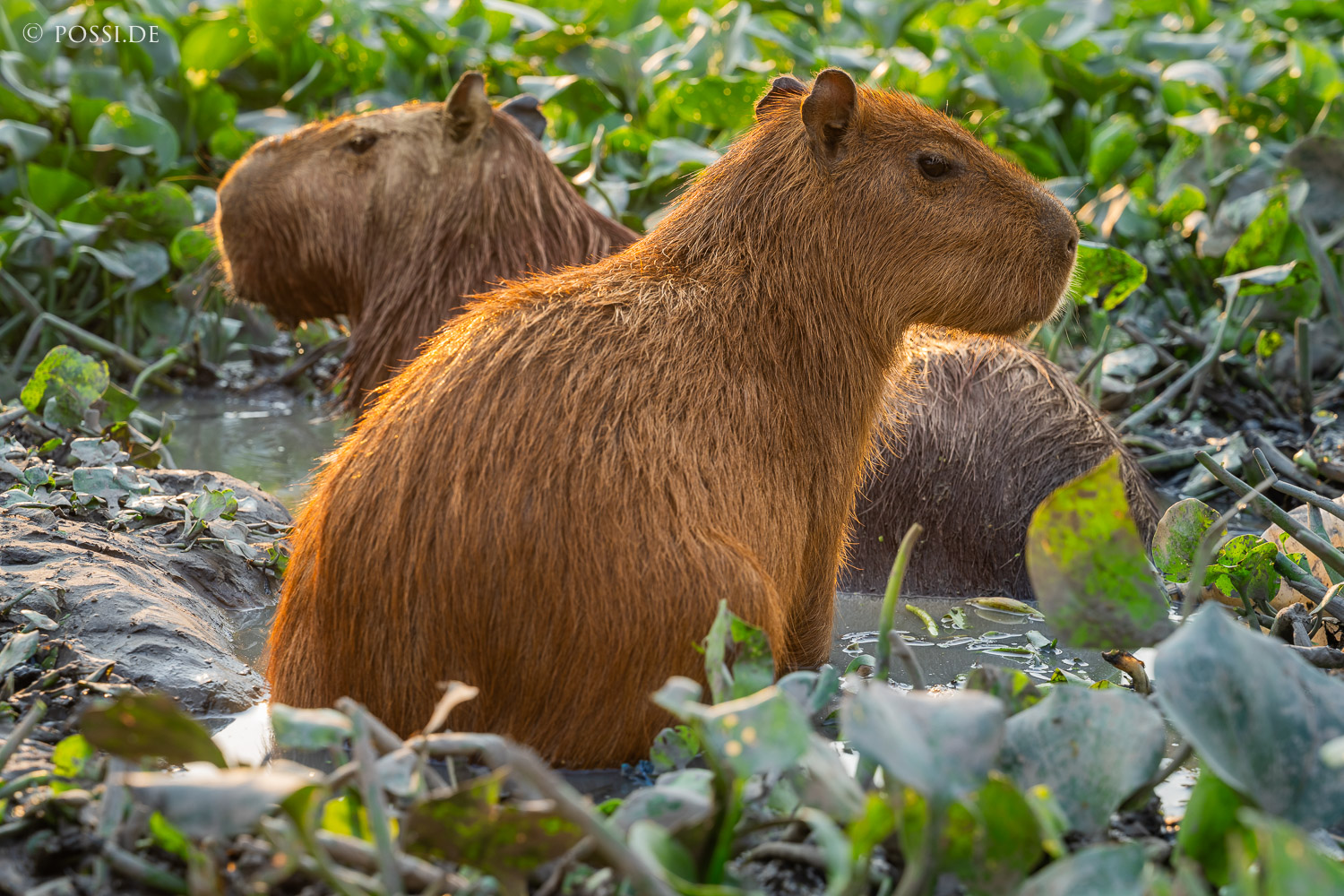
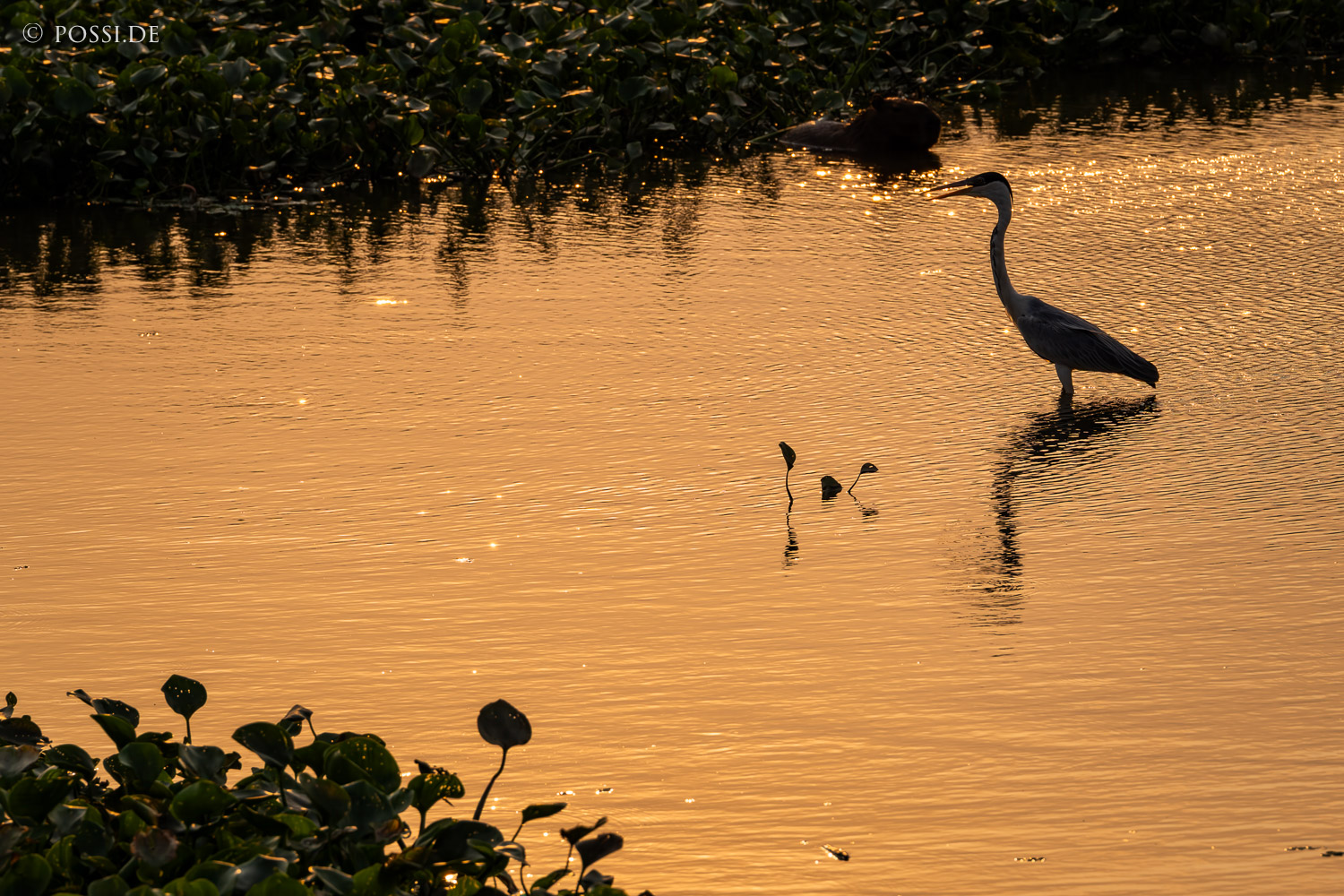
Nach der Rückfahrt und einem Weiterflug im Kleinflugzeug führte die Route nach San Joaquin in die tropische Savannenlandschaft. Weiter zur Estancia Vainilla nahe der Laguna Oceano: In den Llanos de Moxo standen ausgedehnte Exkursionen per Boot, zu Fuß und im Geländewagen auf dem Programm. Capybaras, Flussdelphine, Ameisenbären, Gürteltiere, Anakondas und zahlreiche Vogelarten prägten die Szenerie. Das Leben auf einer Rinderfarm mit Gauchos eröffnete zusätzliche fotografische Perspektiven.
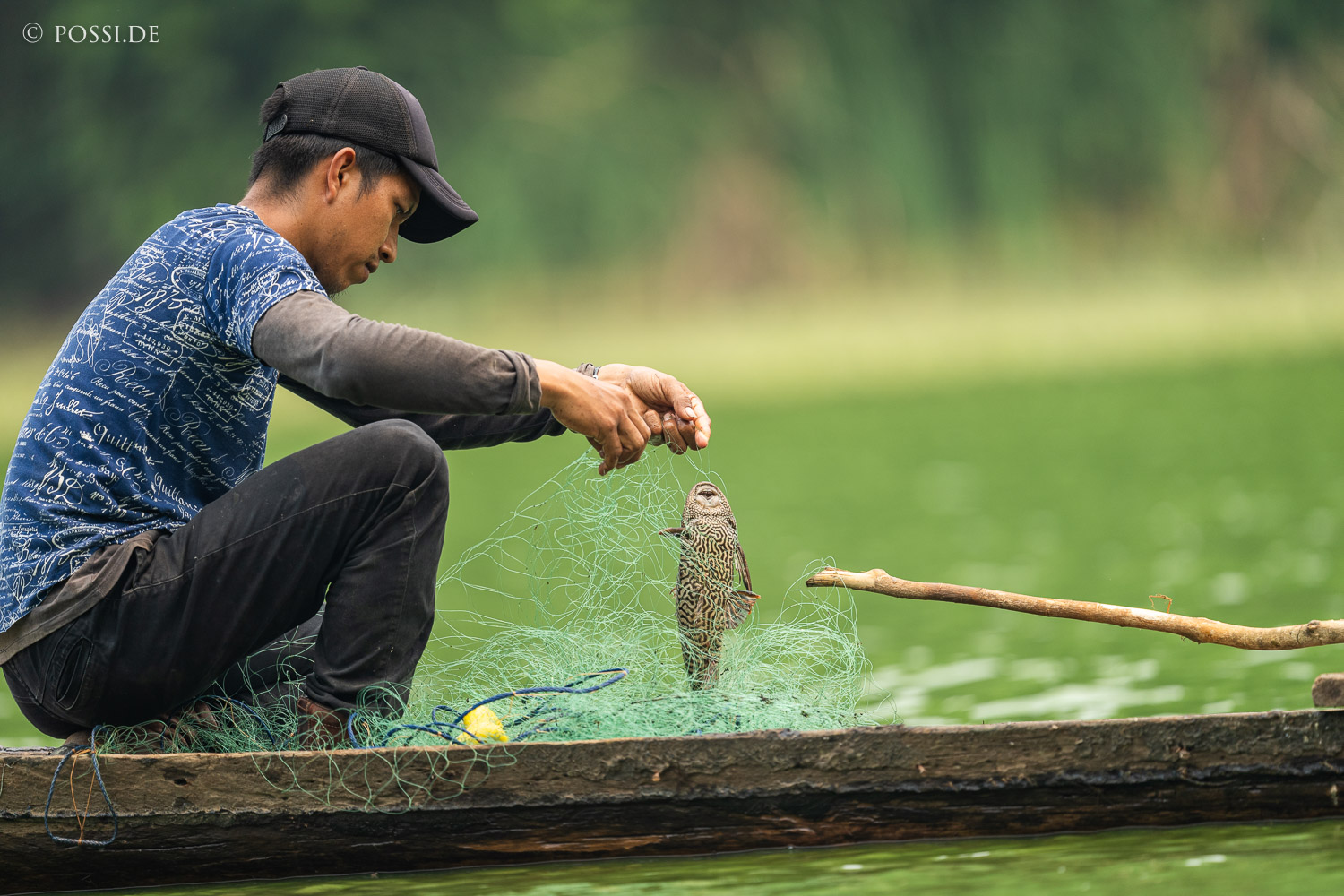
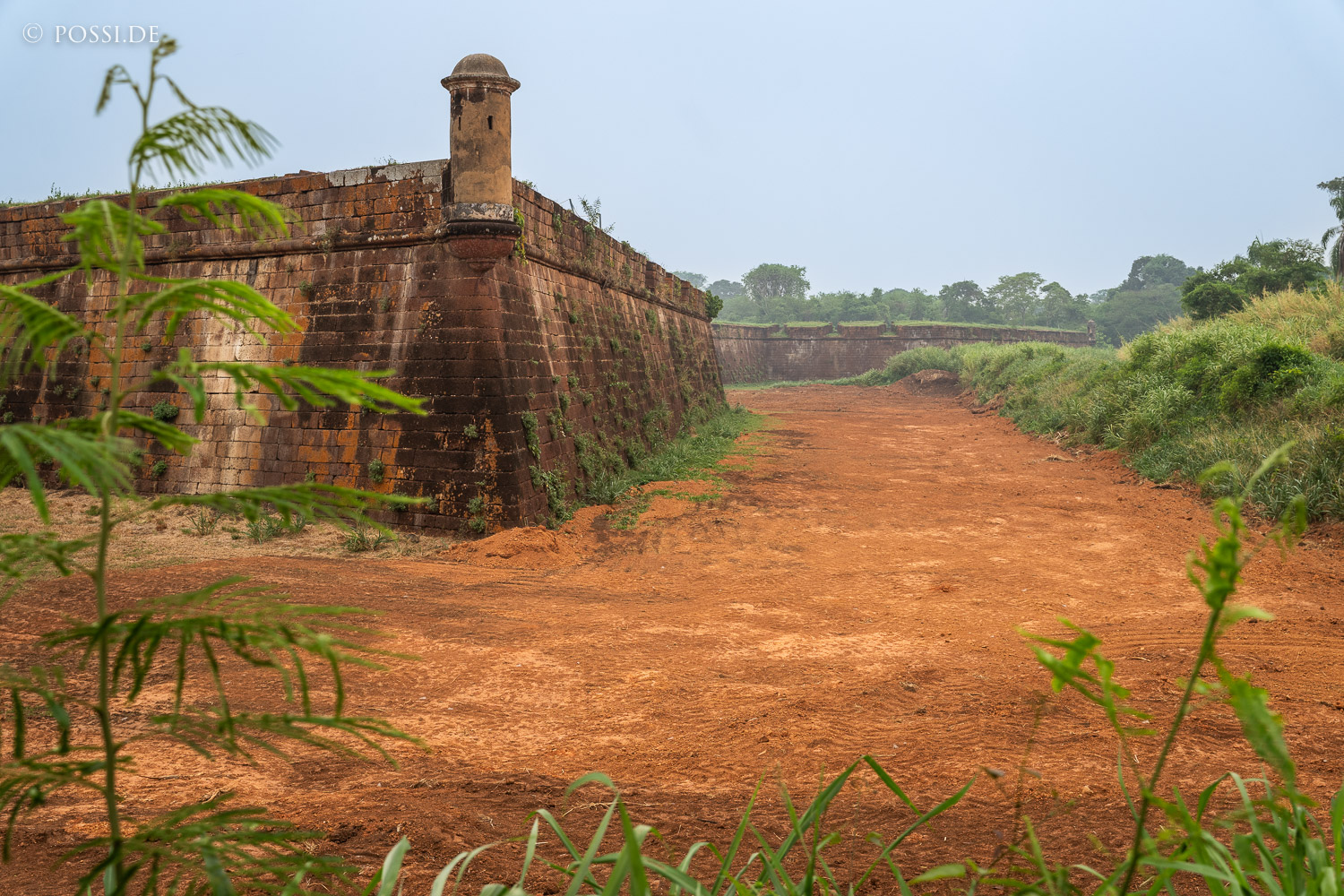
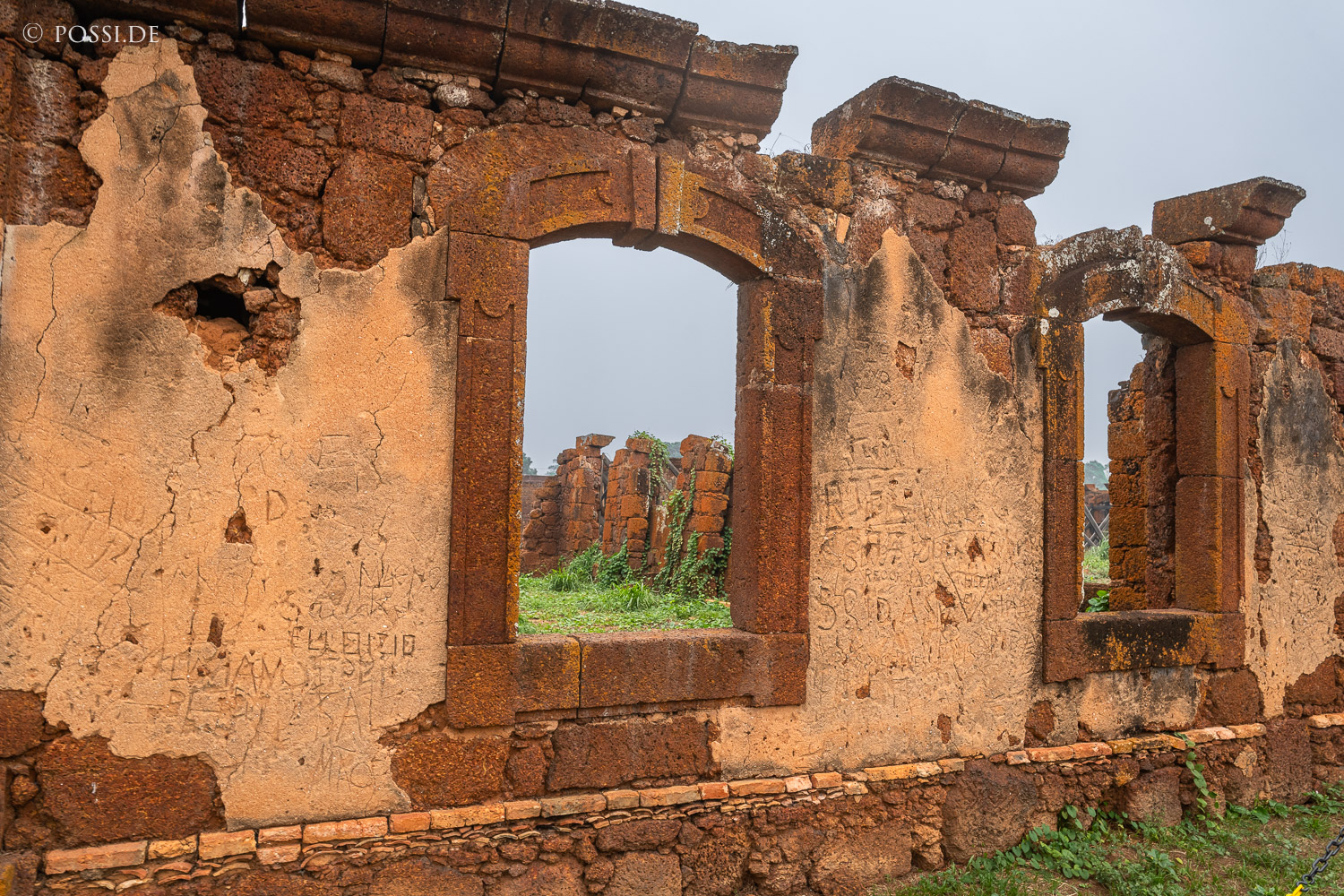
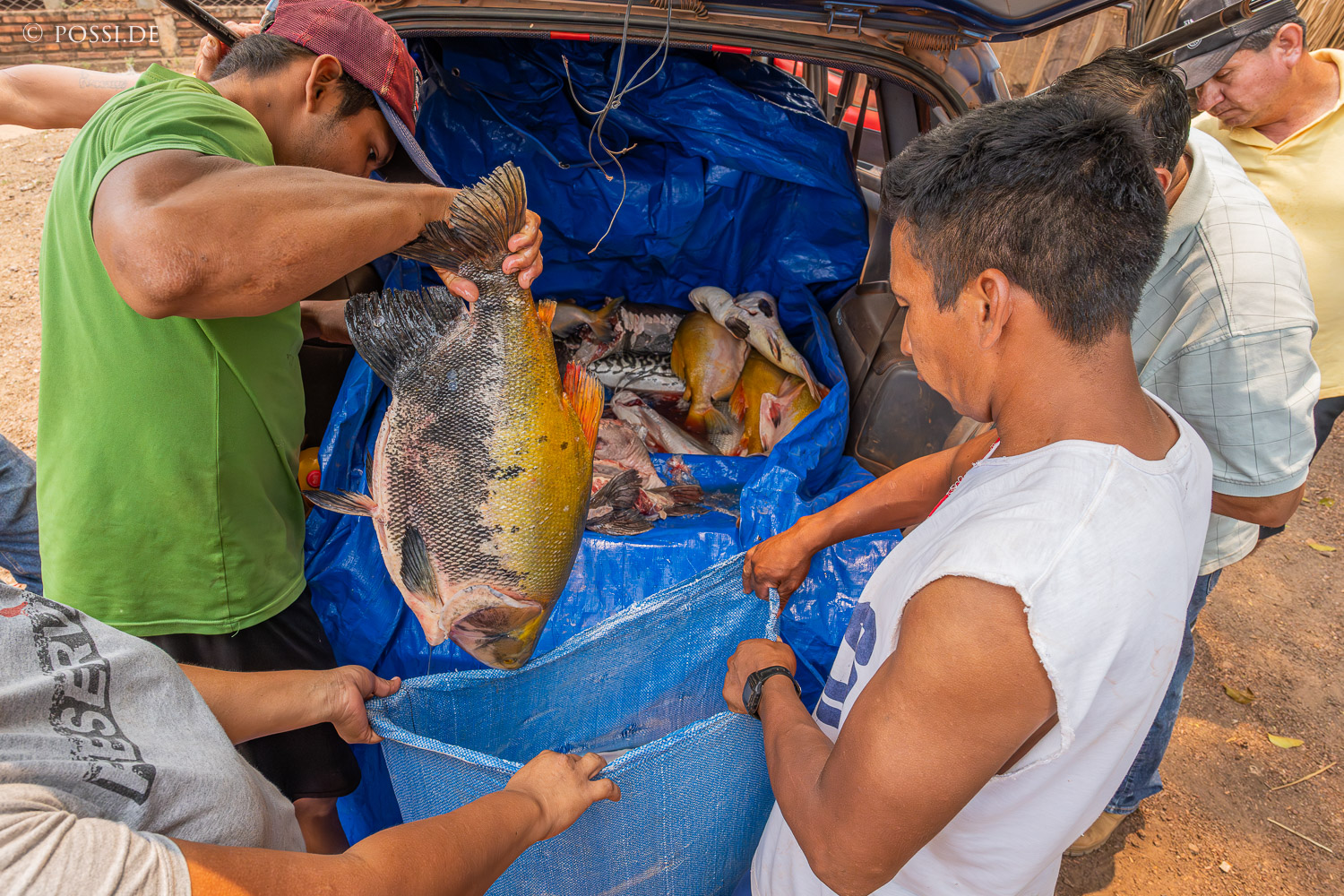
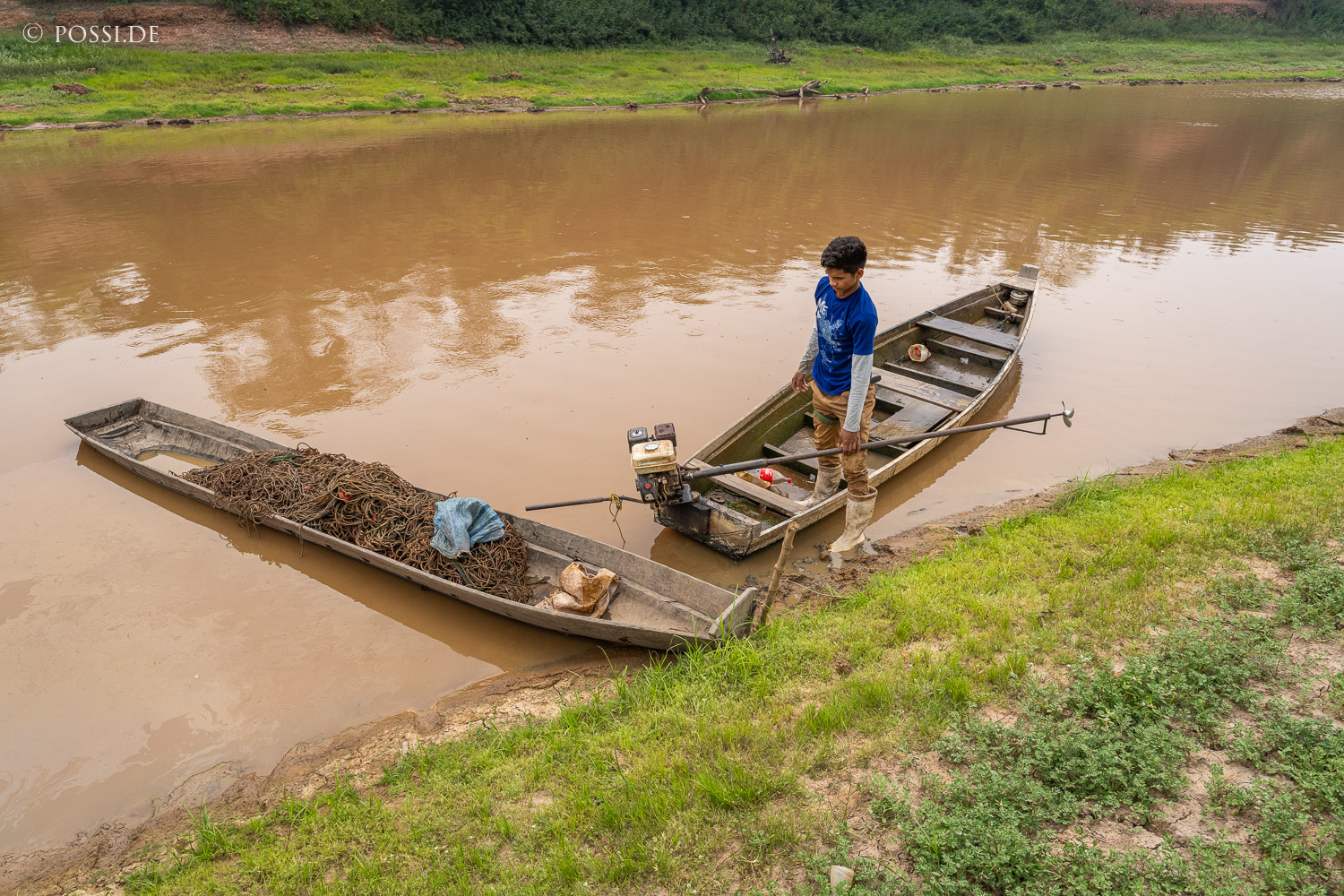
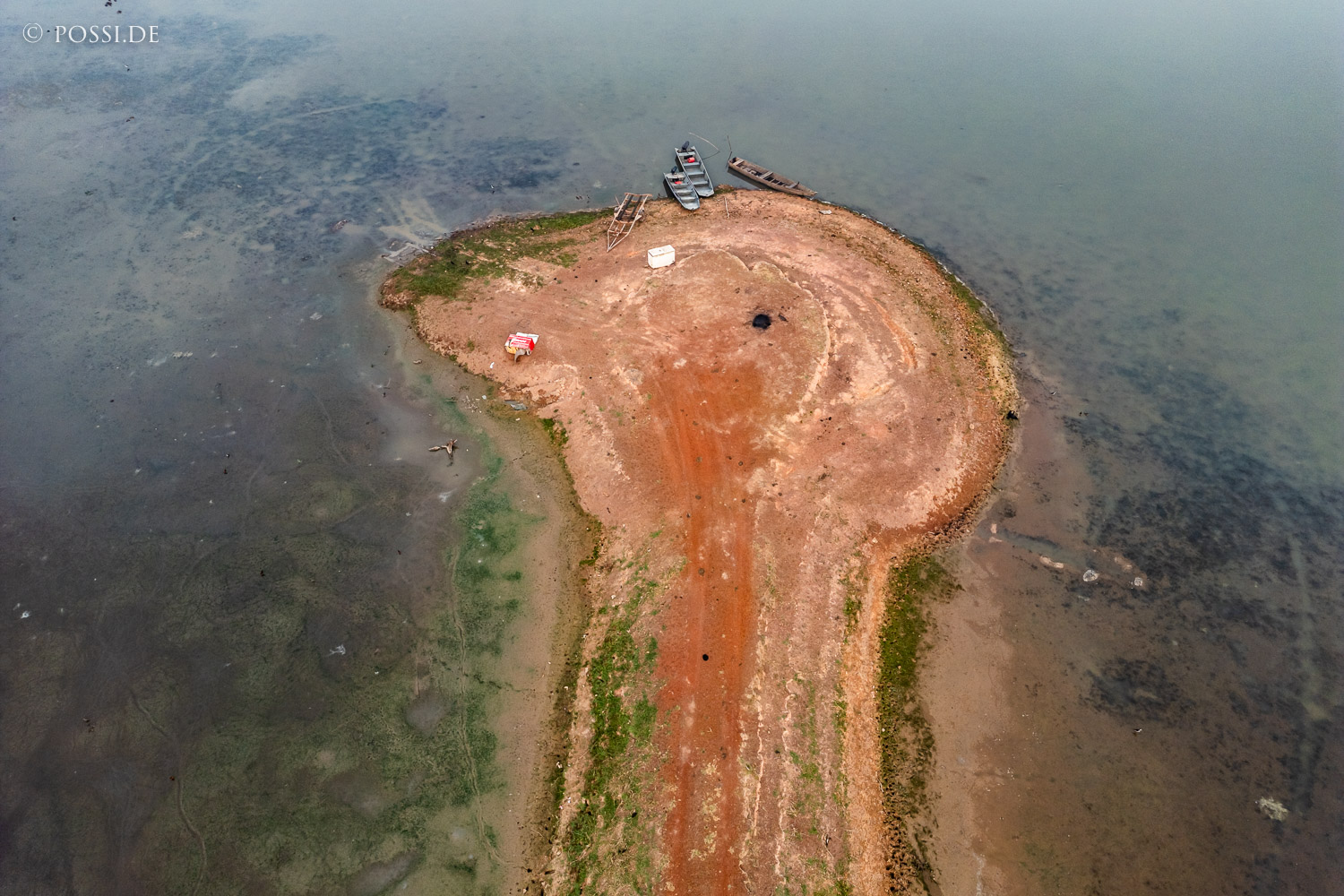
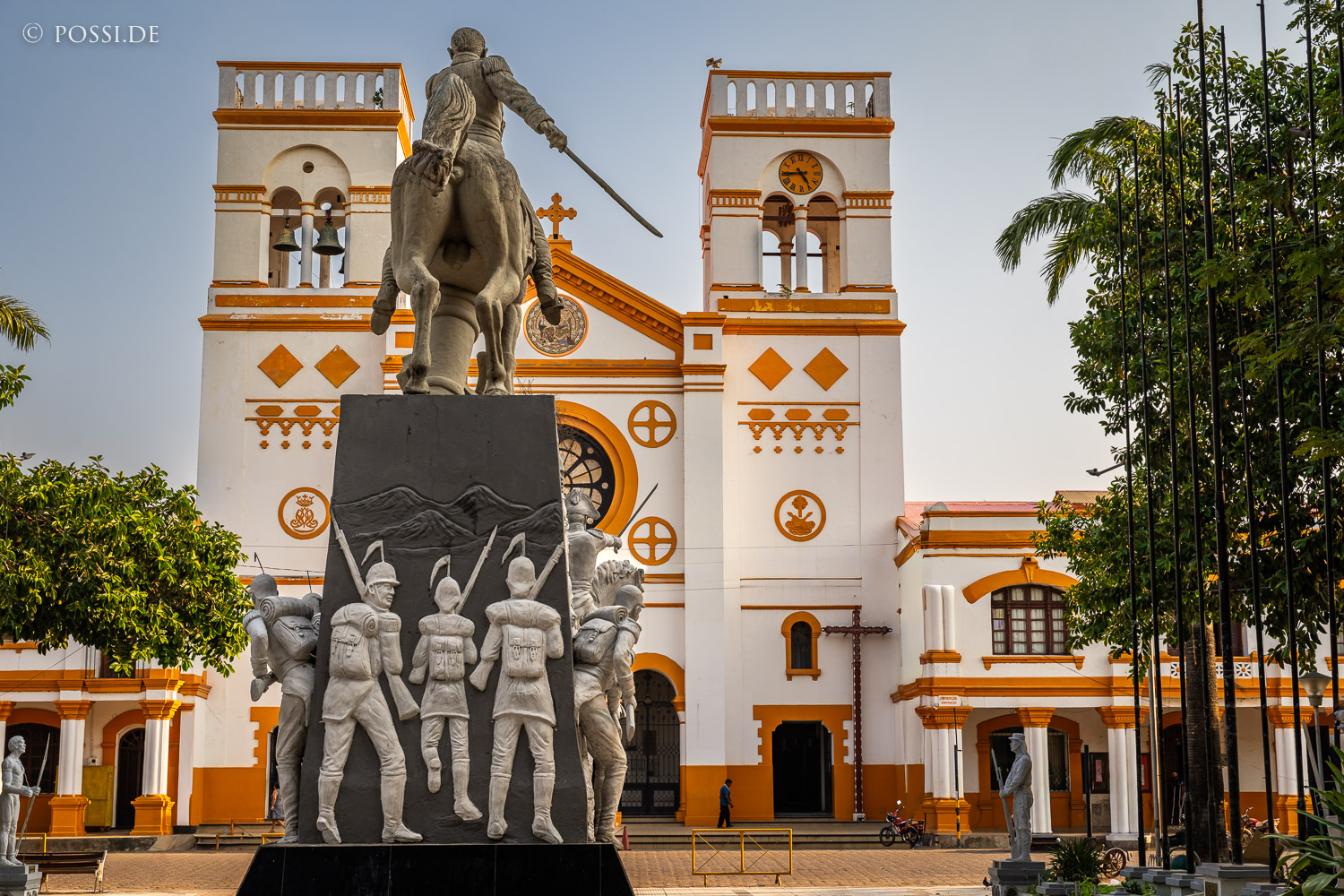
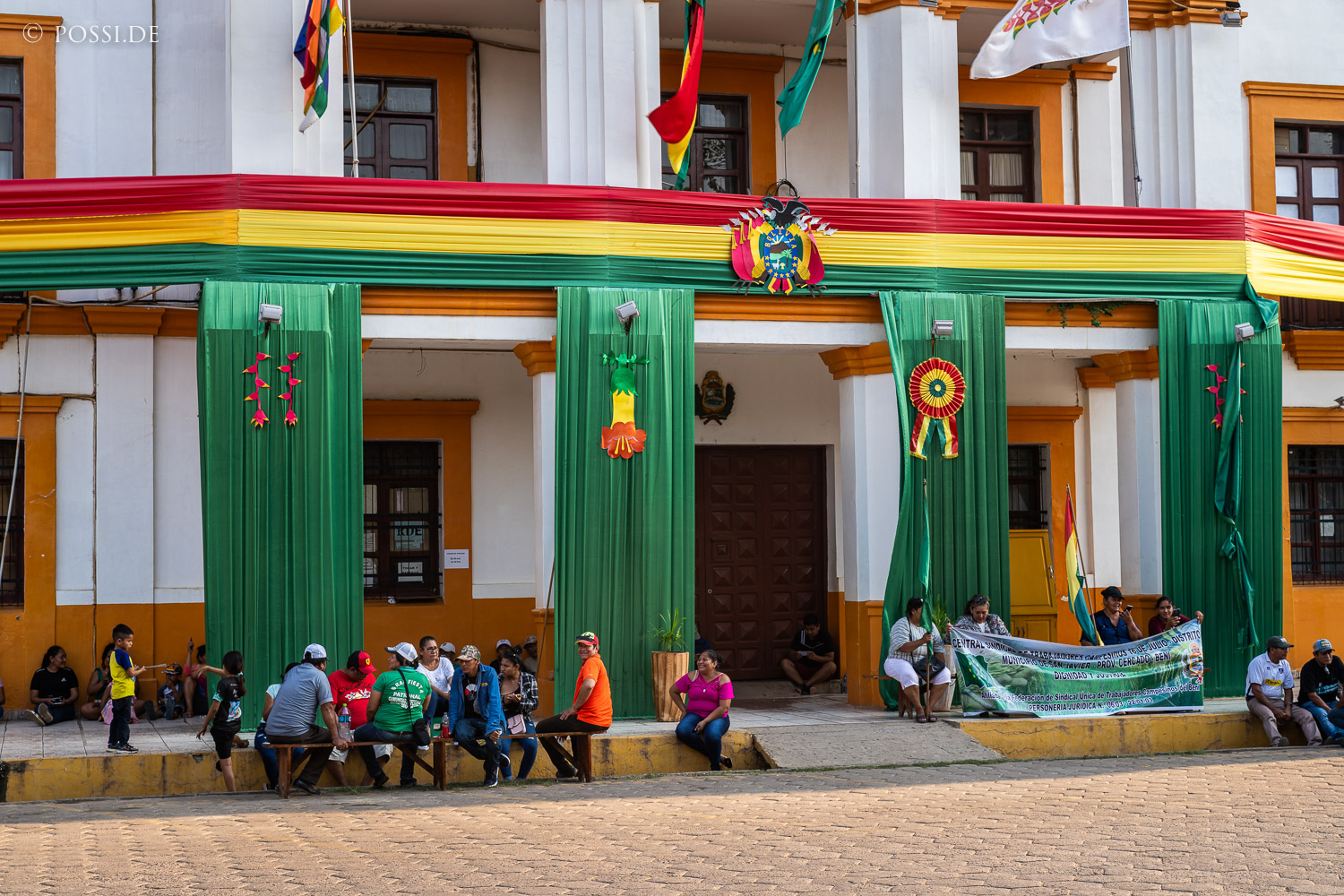
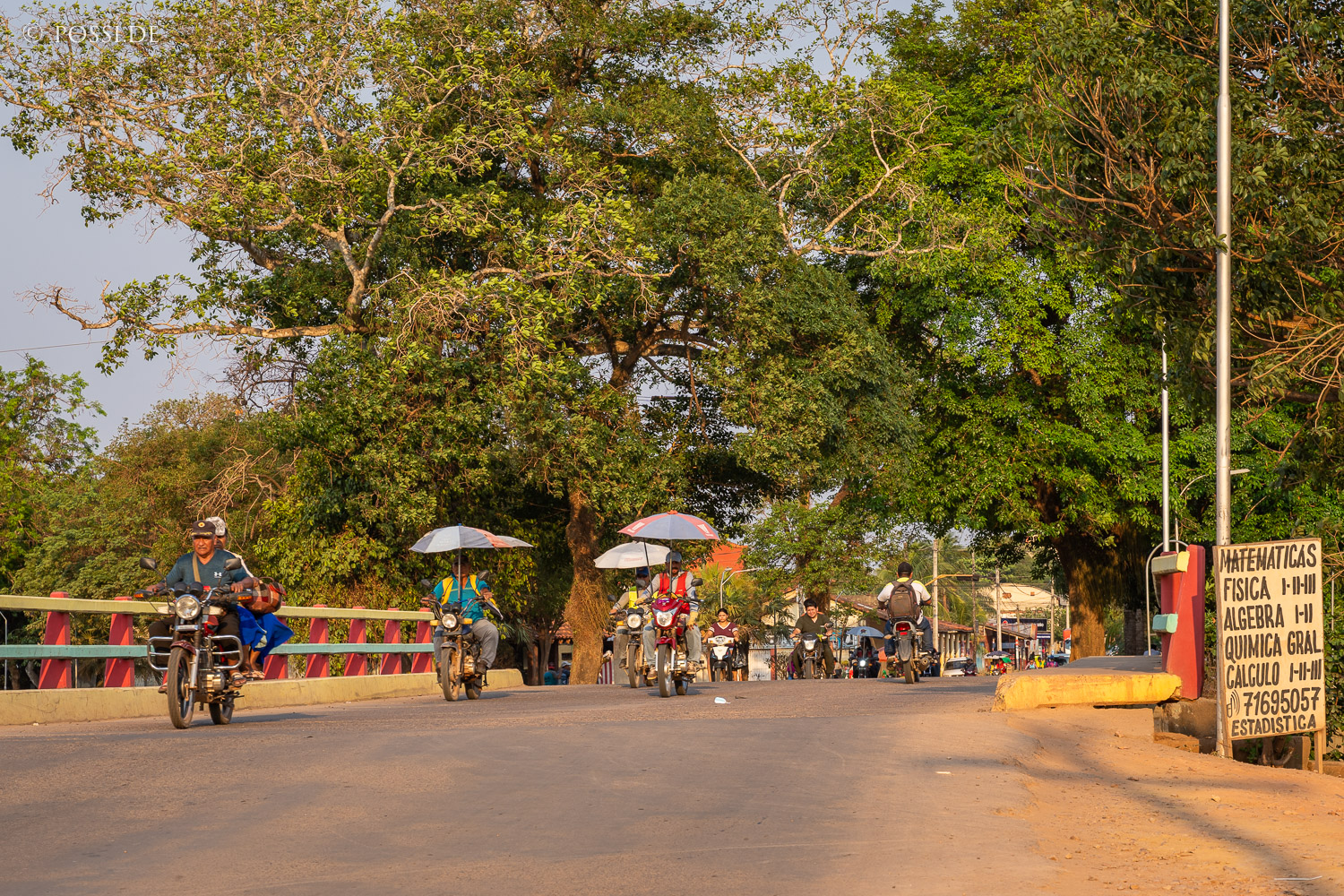
Ein Ausflug per Boot führte bis zur brasilianischen Grenze, wo eine historische Festungsanlage am Río Guaporé besichtigt wurde. Die Weiterreise nach Riberalta – Zentrum der Paranussproduktion – bot Einblicke in Erntemethoden und die Geschichte des Kautschukanbaus. Fahrten auf dem Río Madre de Dios mit traditionellen Booten sowie Spaziergänge durch Stadt und Hafen dokumentierten das Alltagsleben.
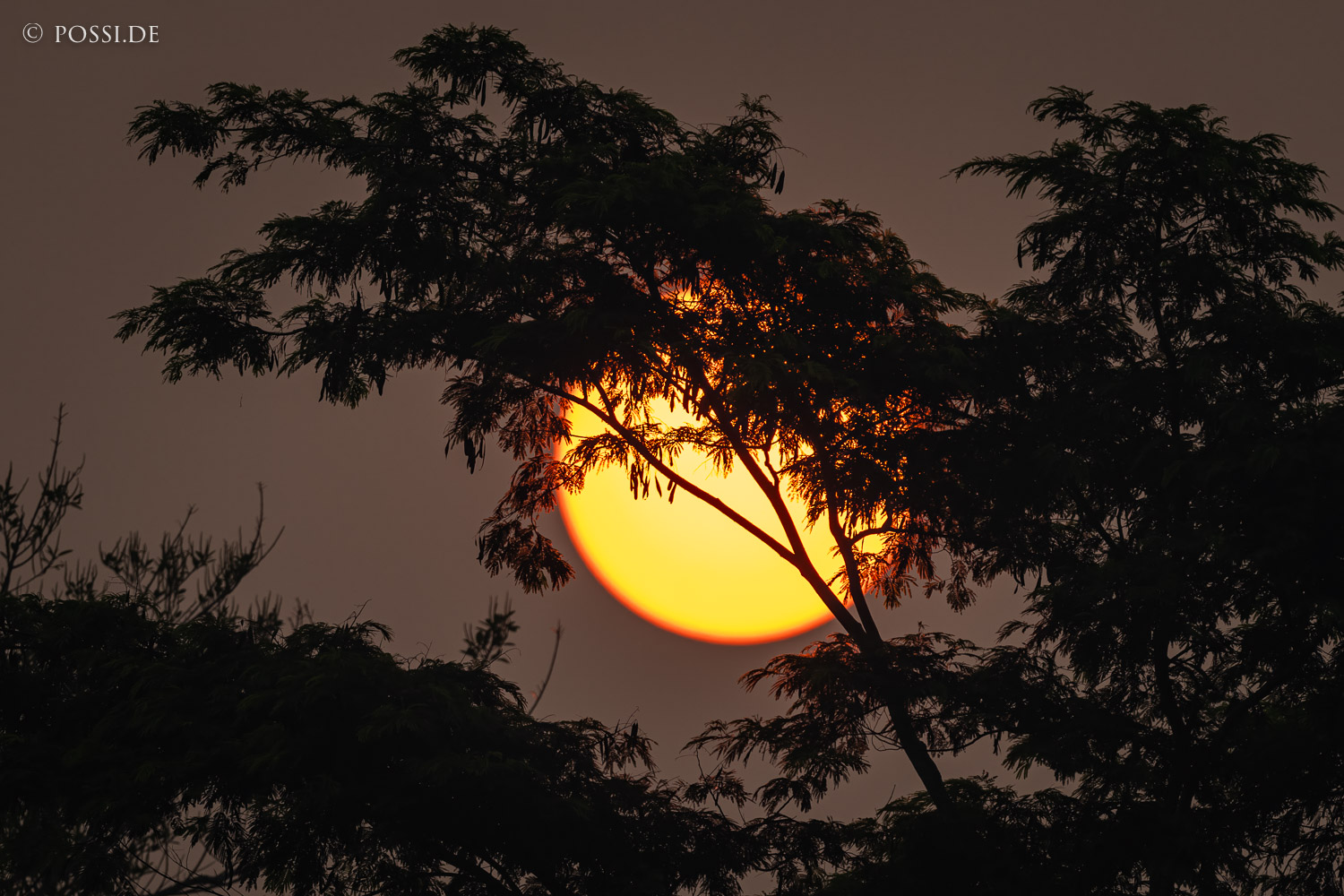
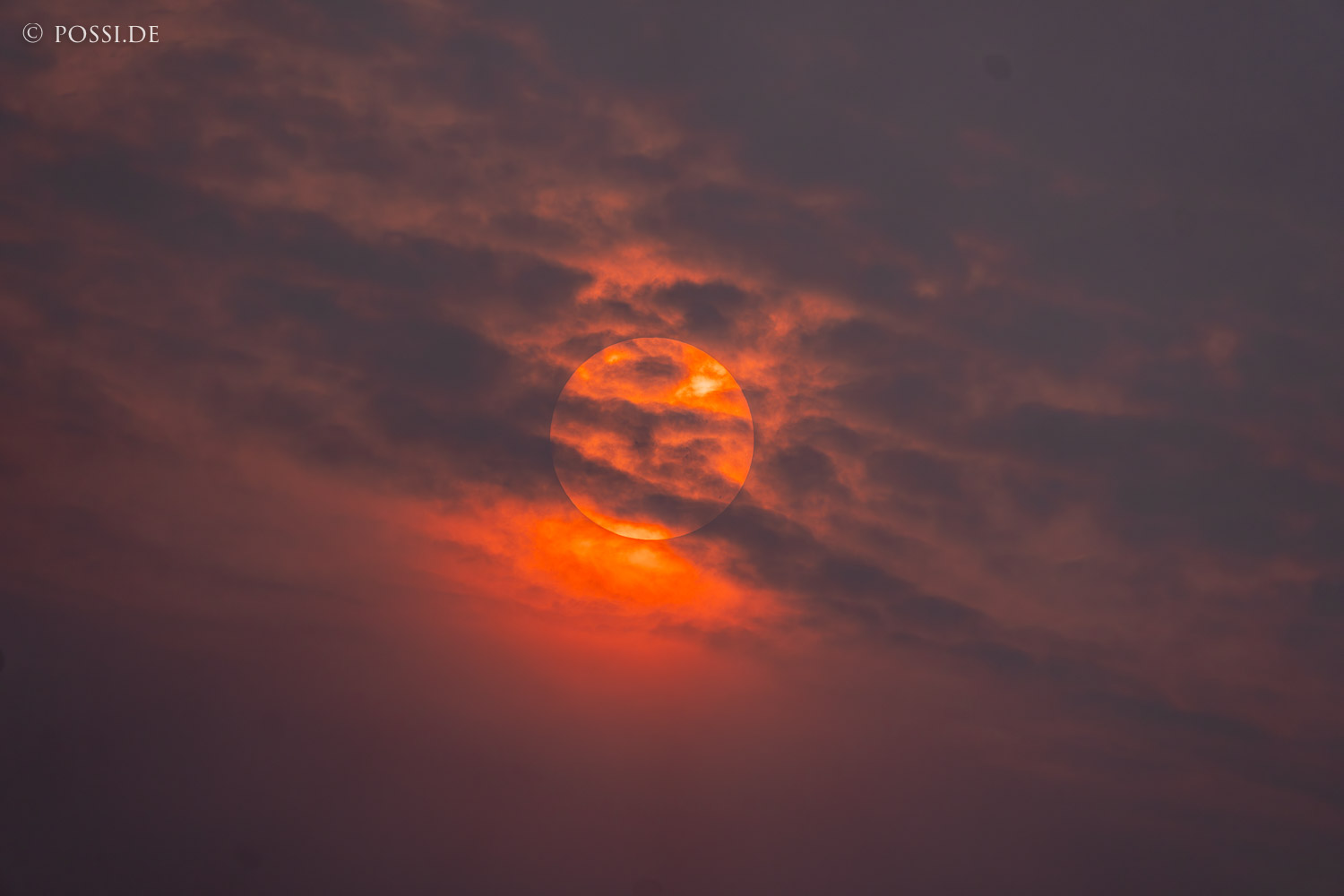
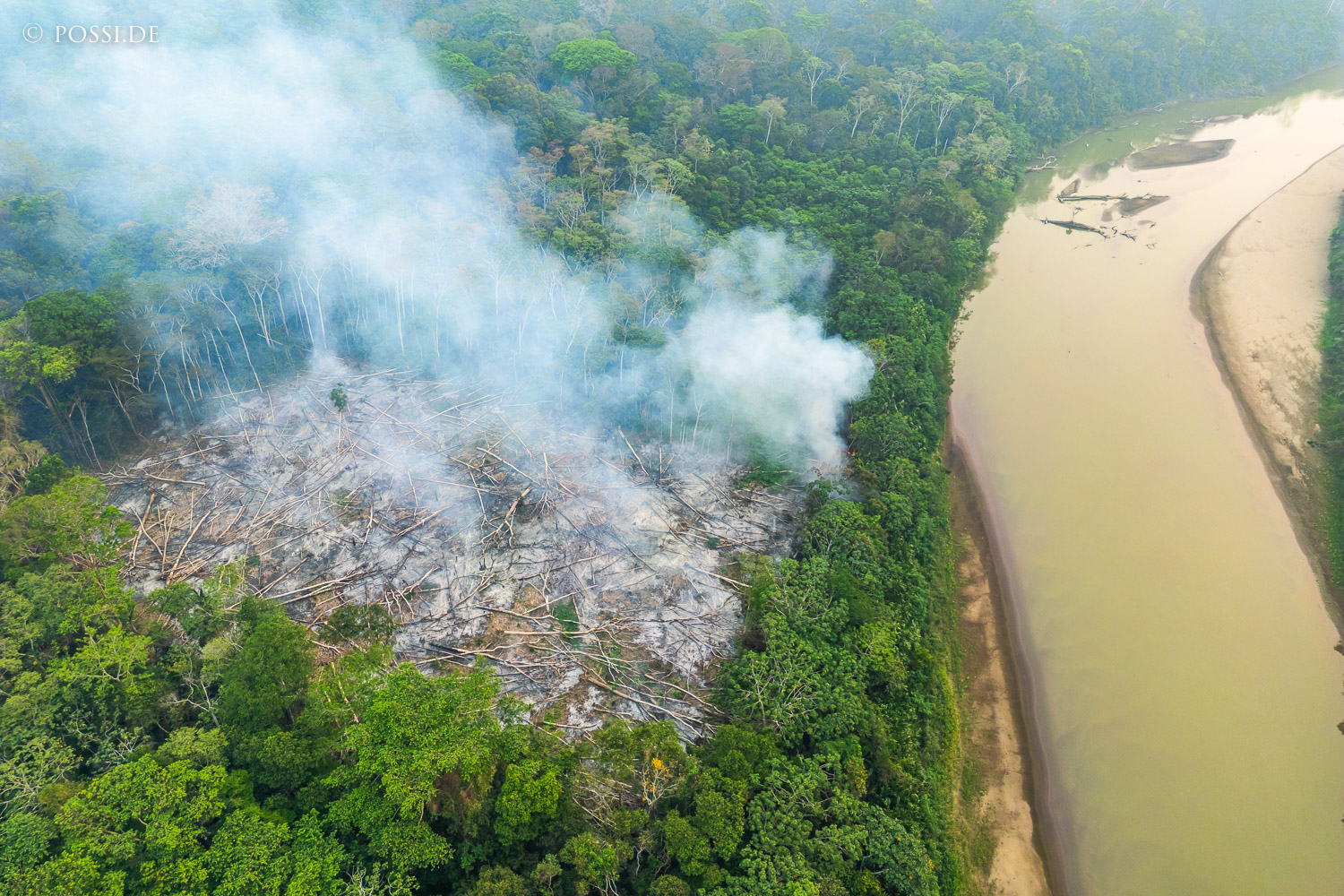
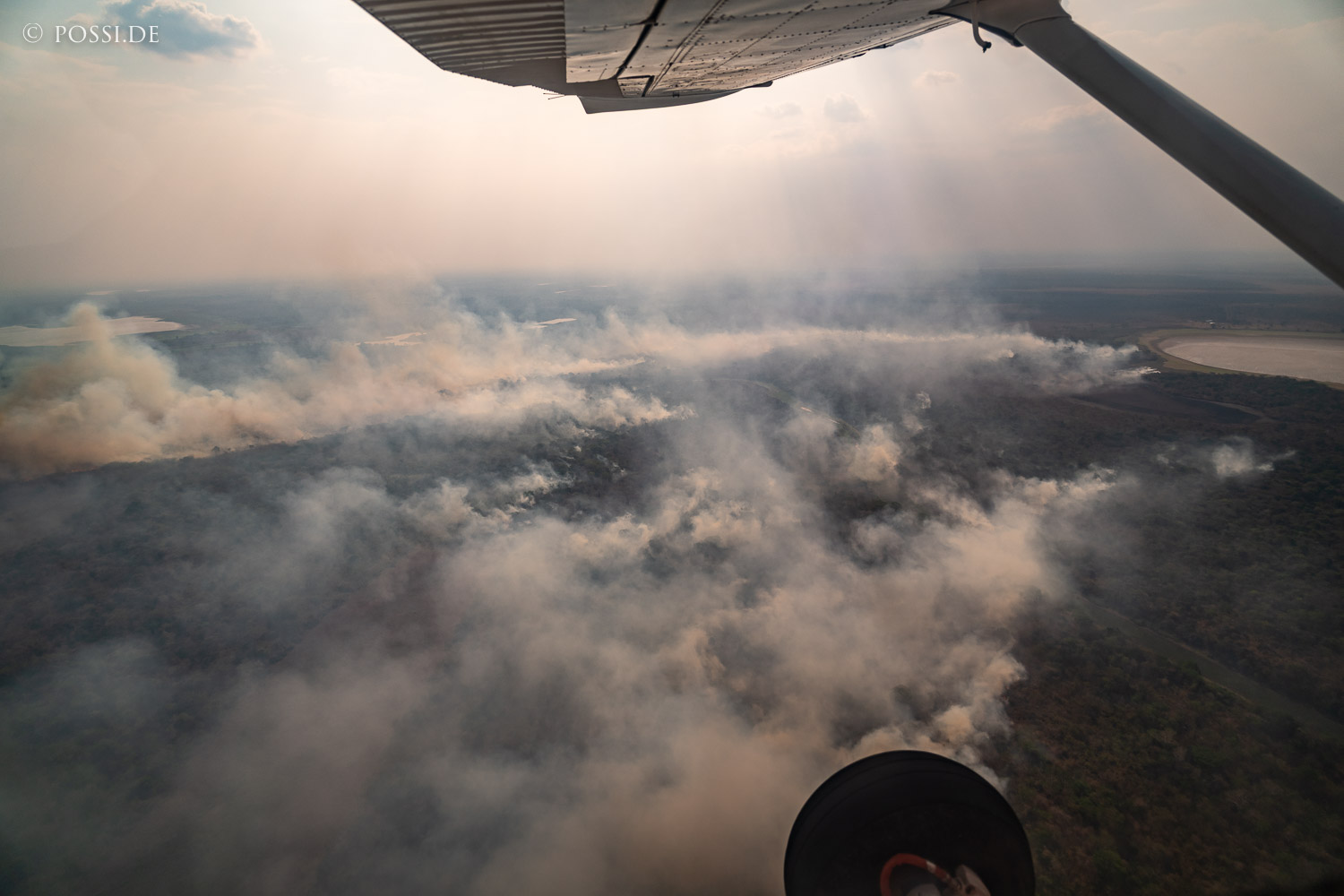
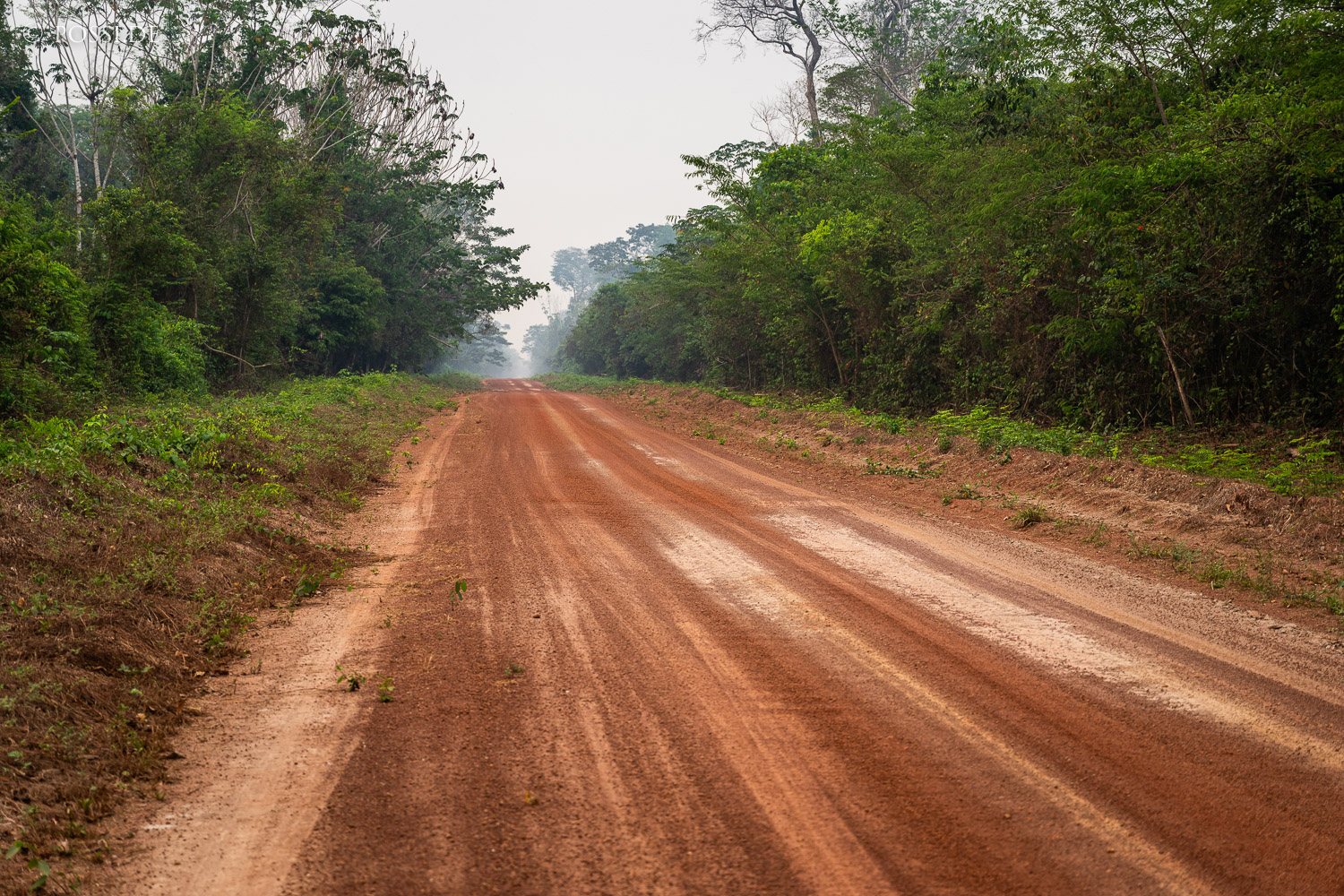
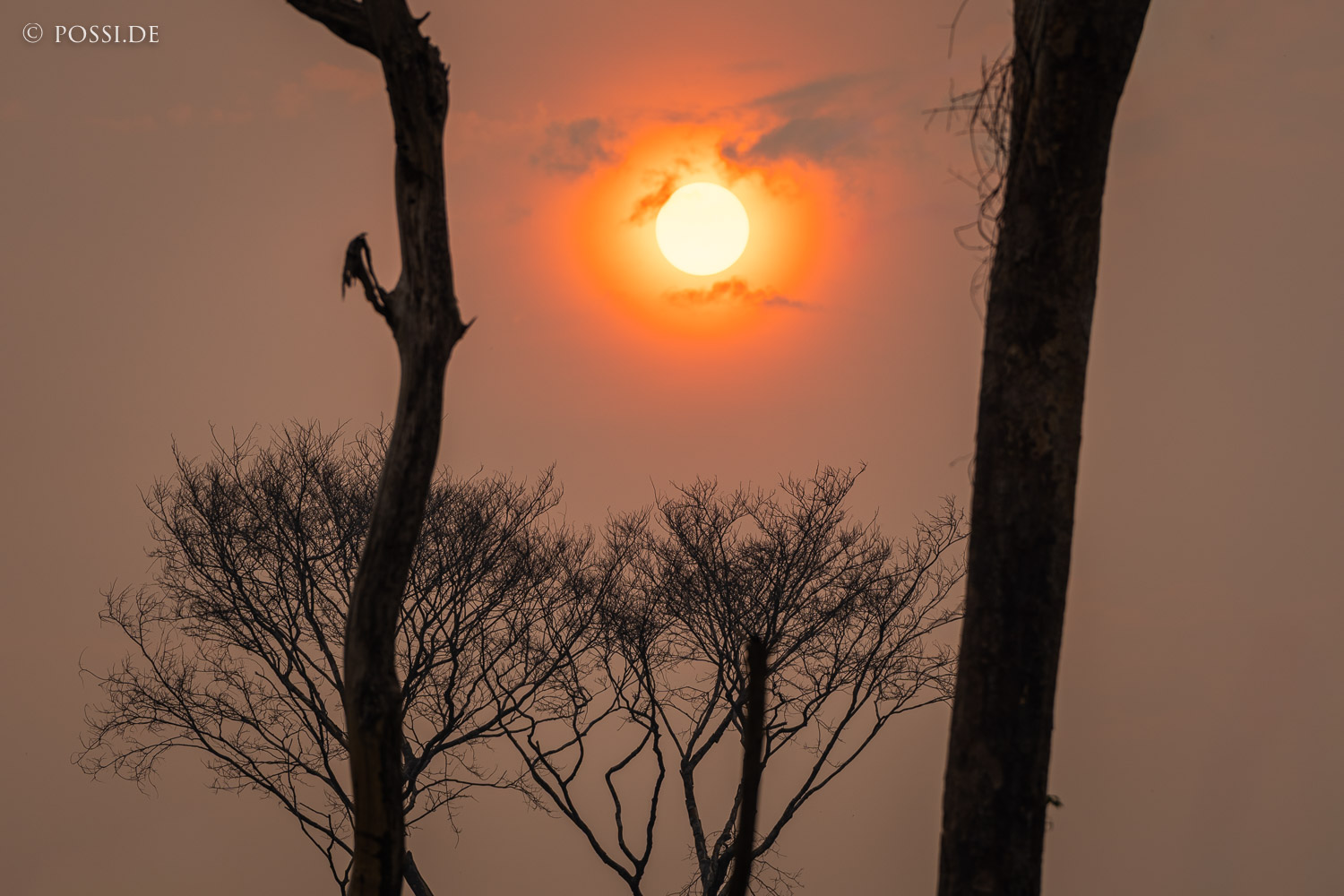
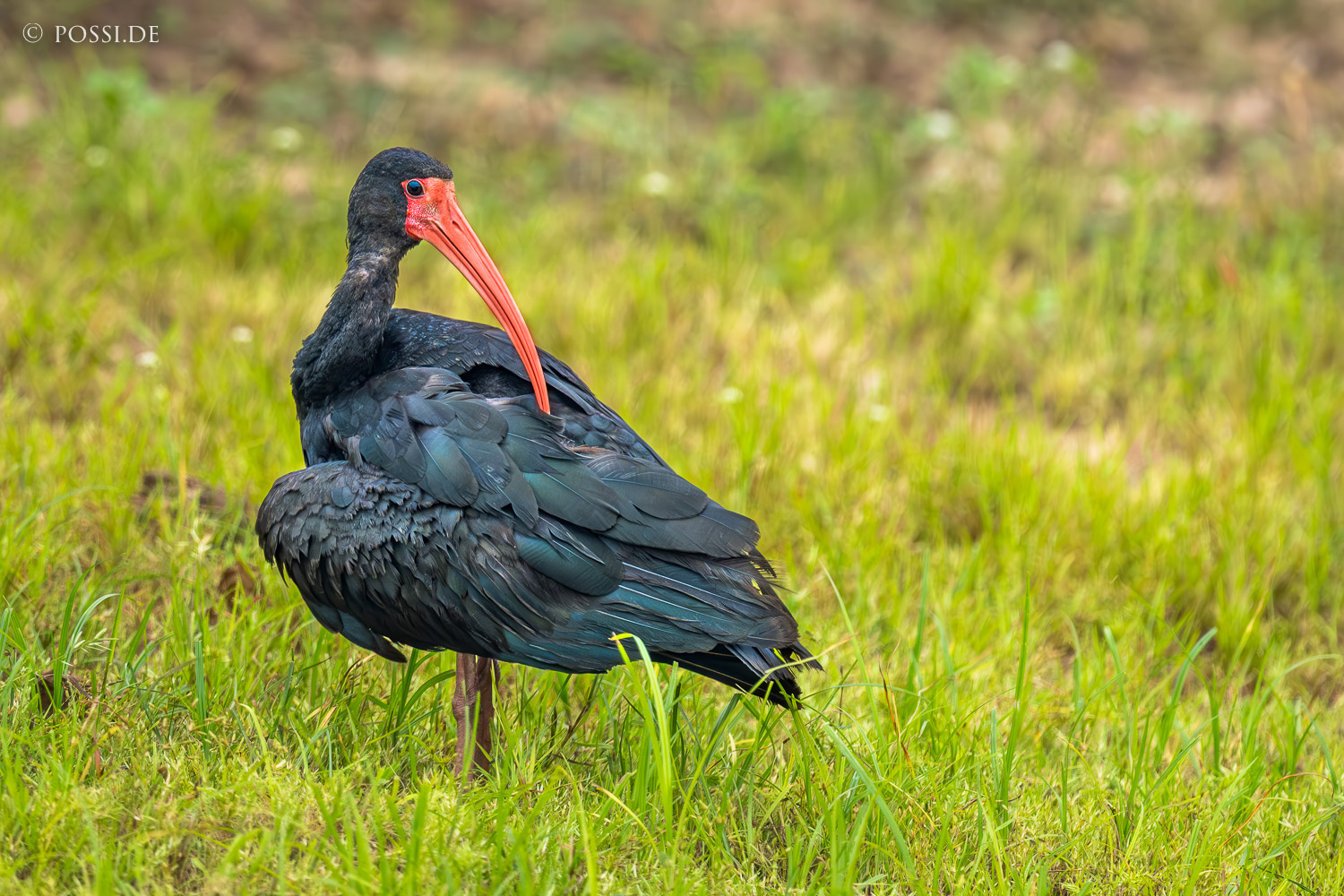
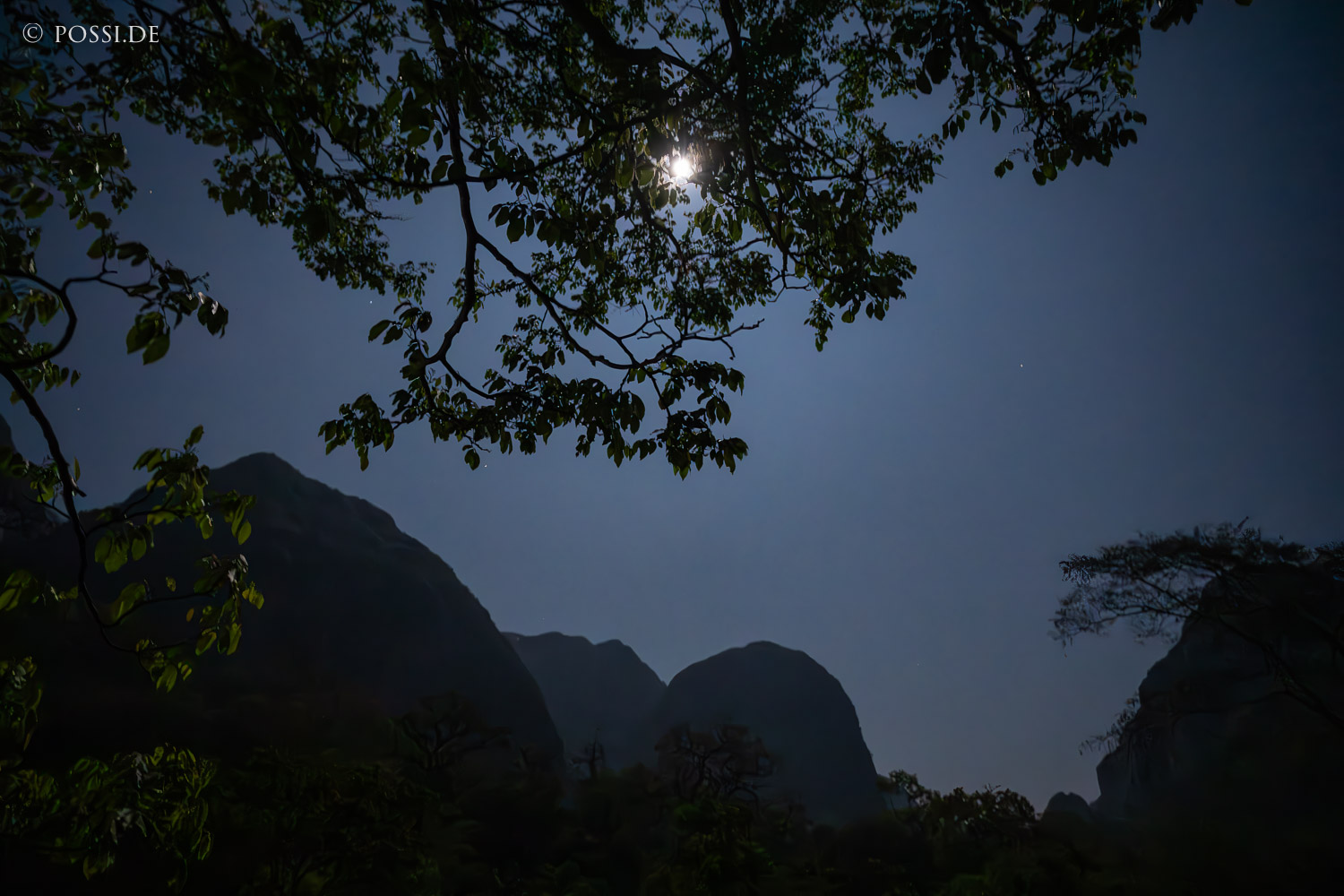
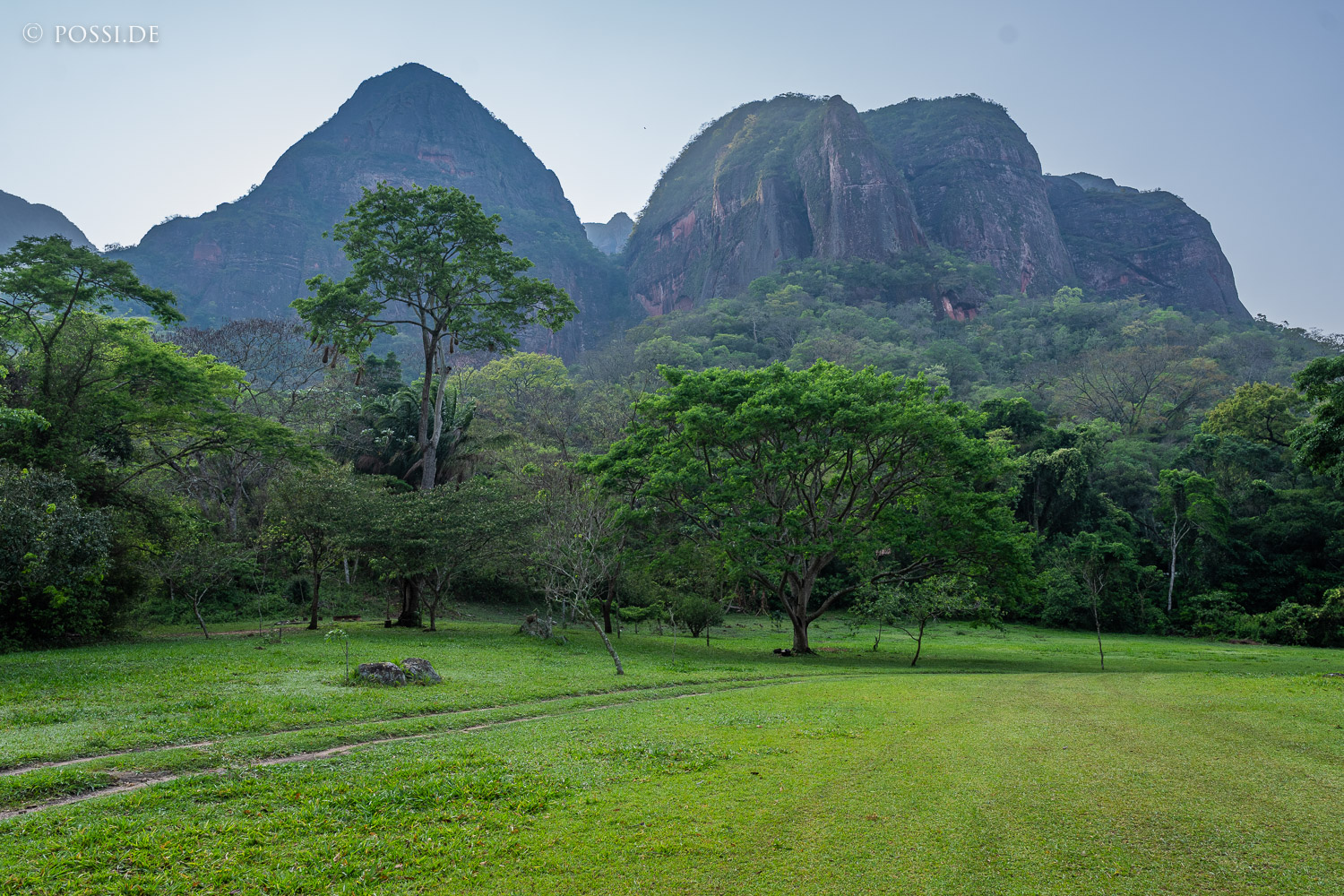
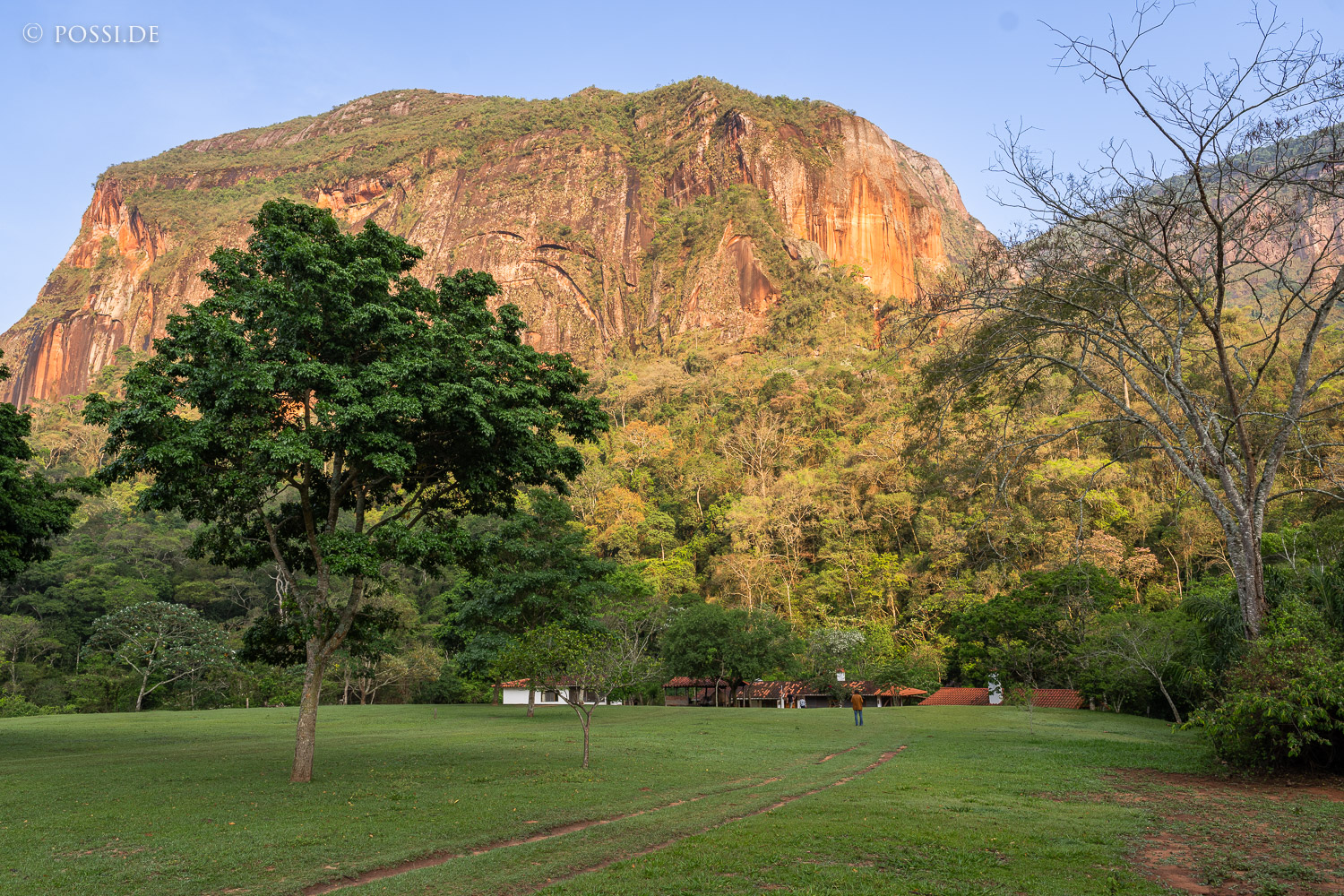
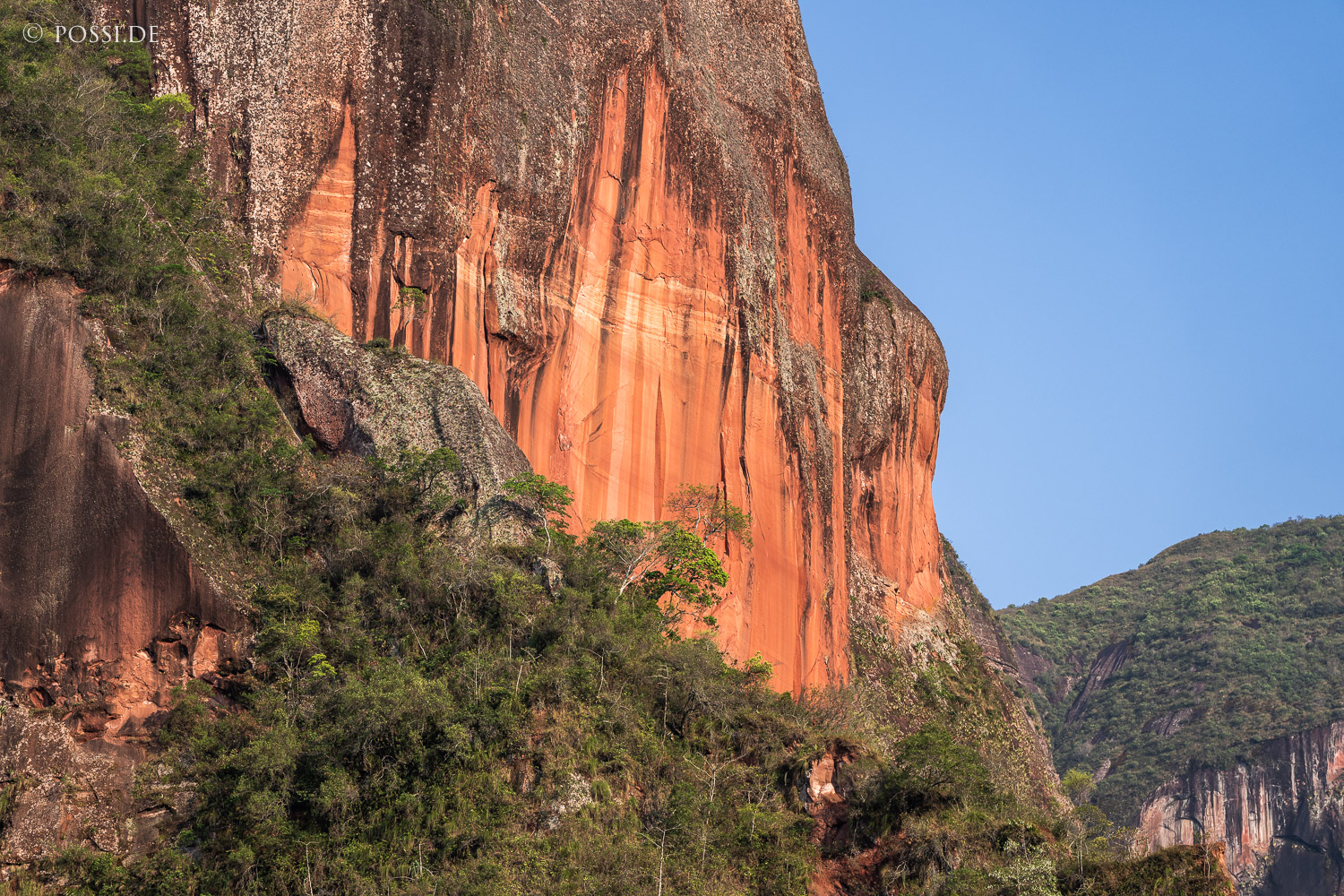
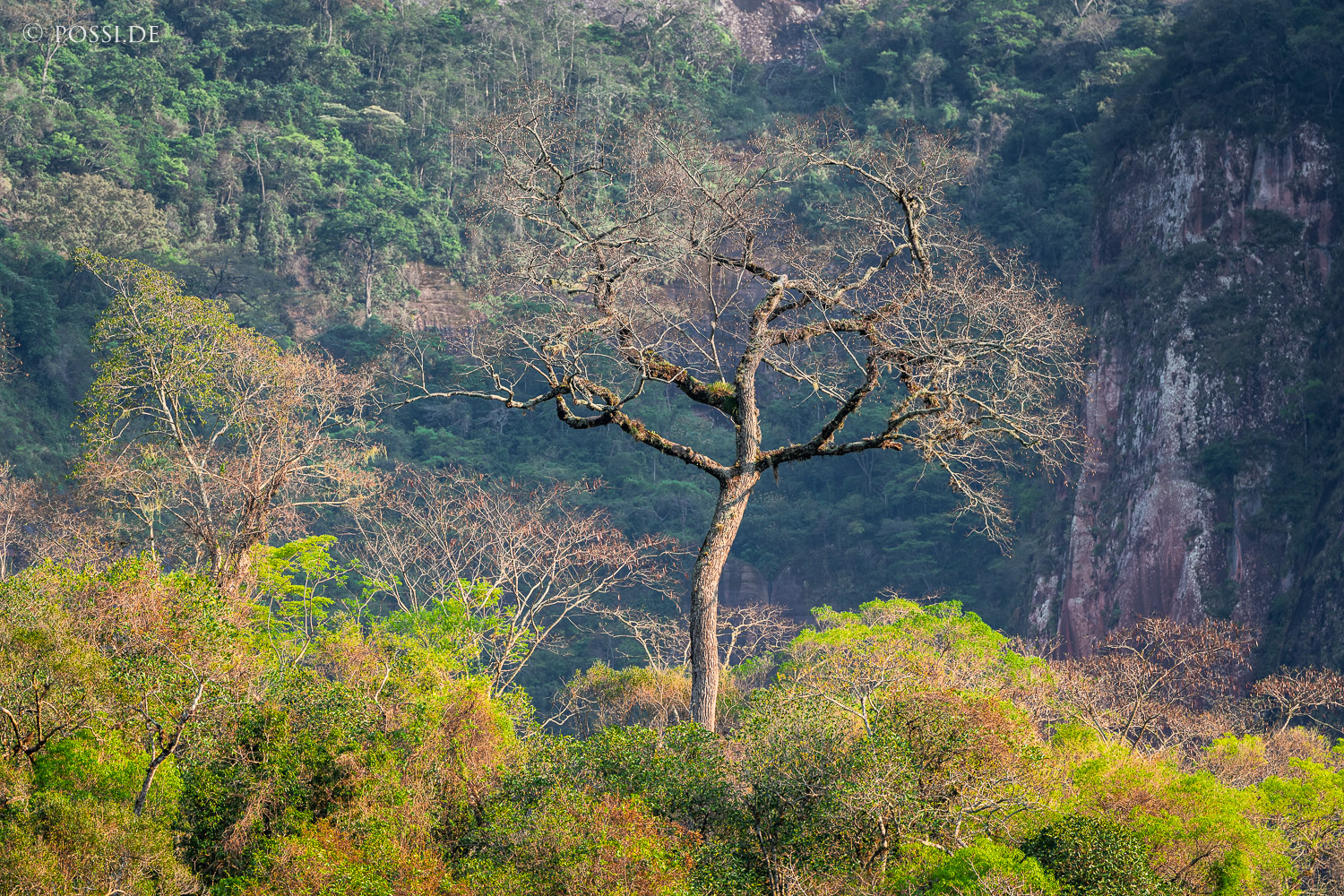
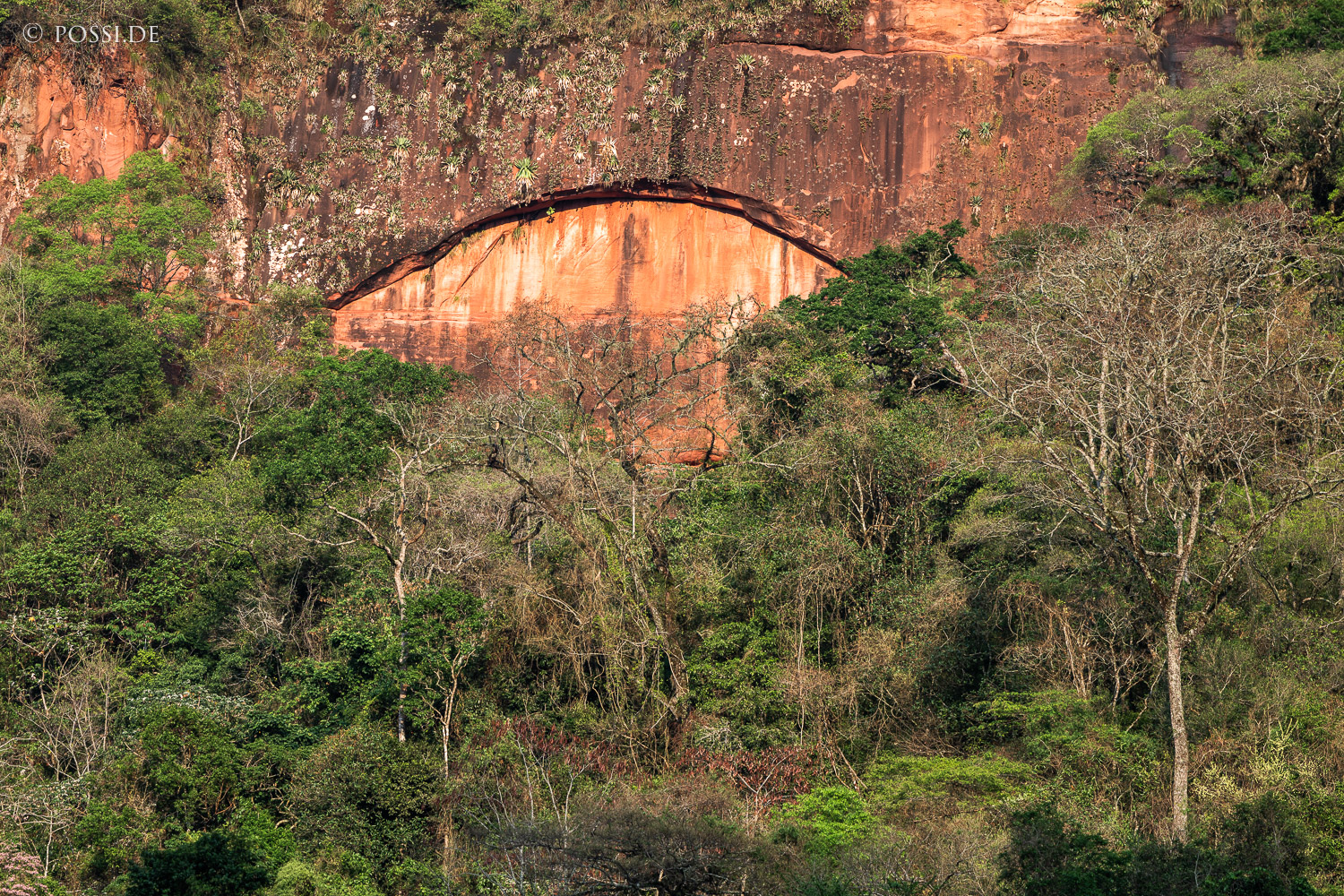
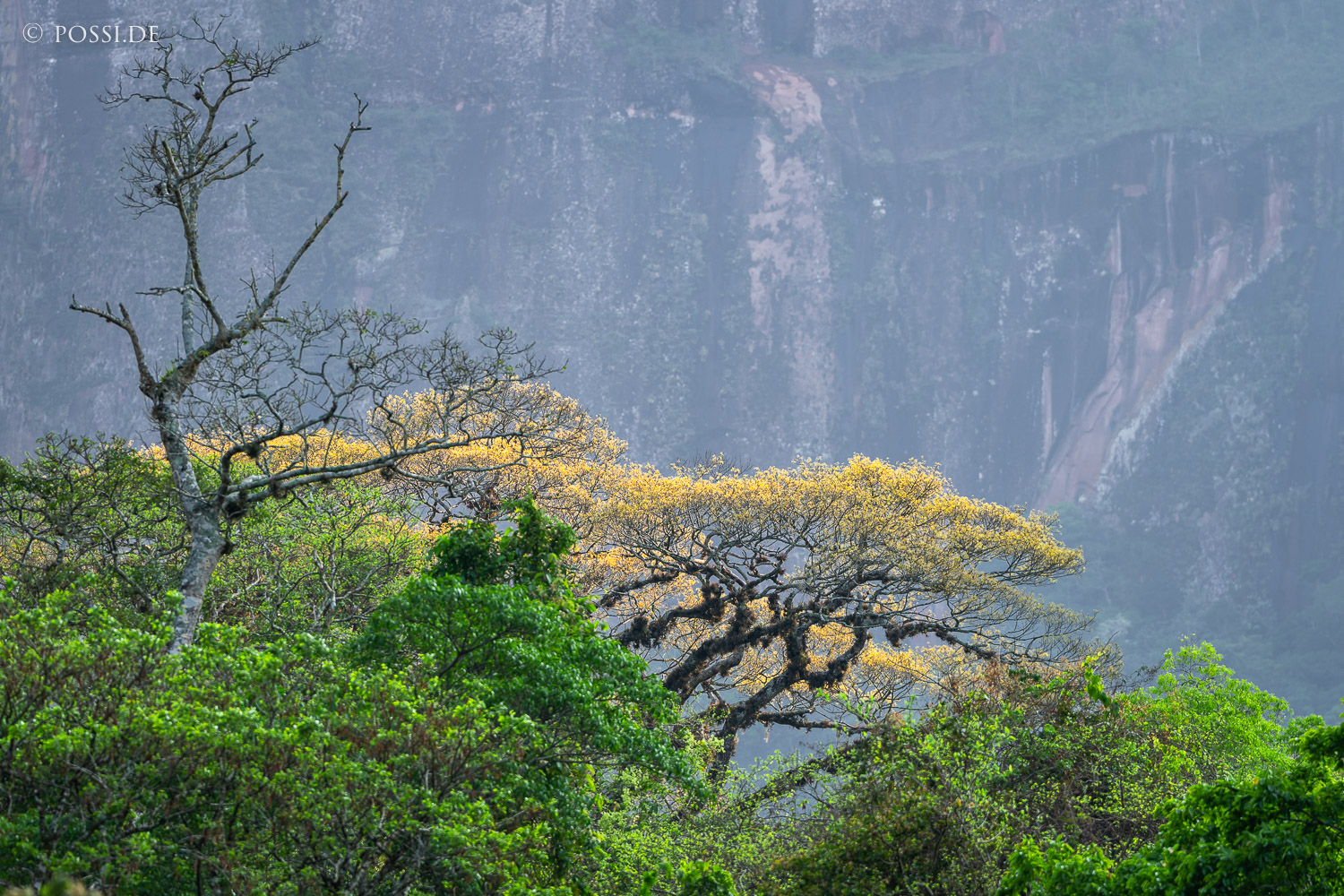
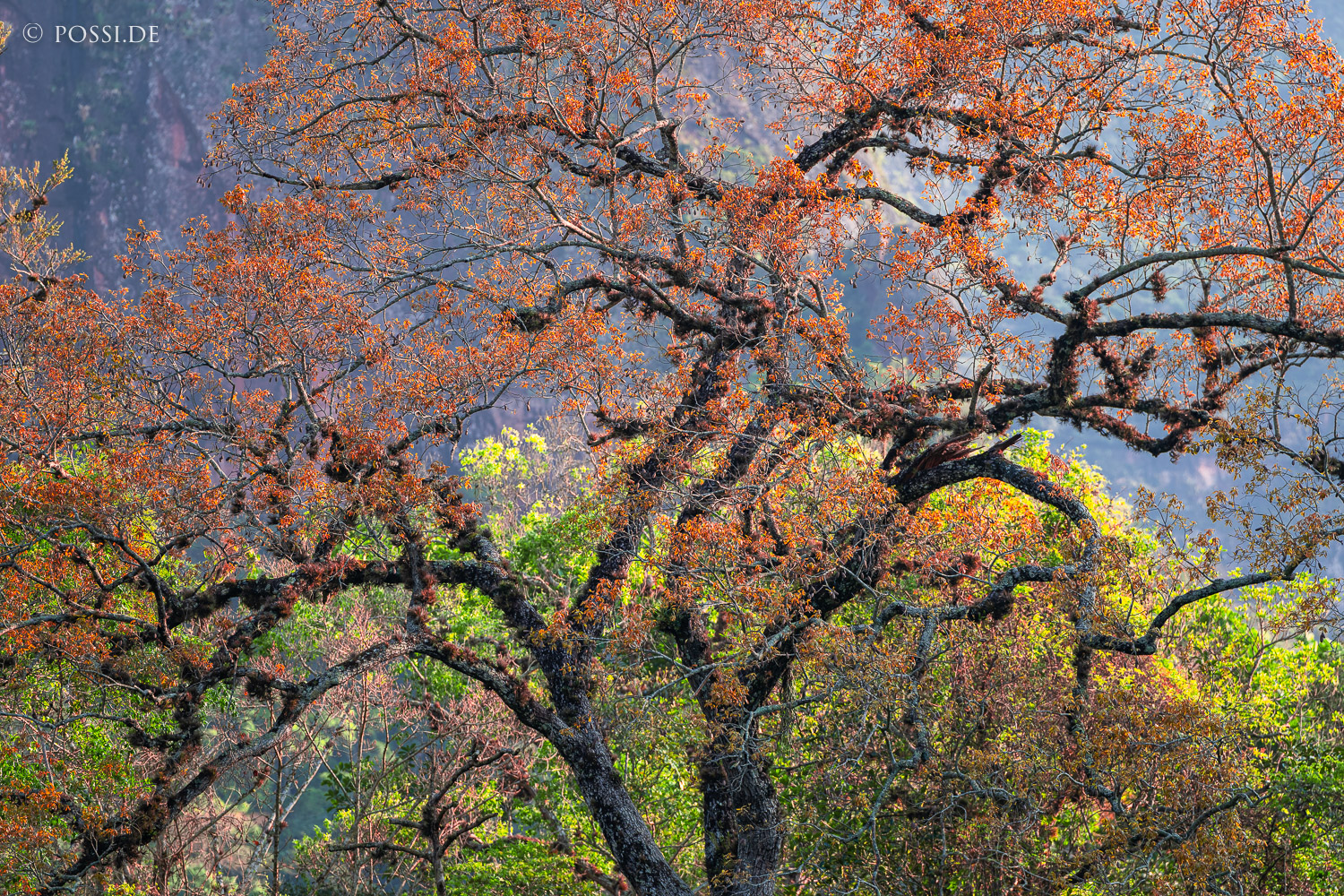
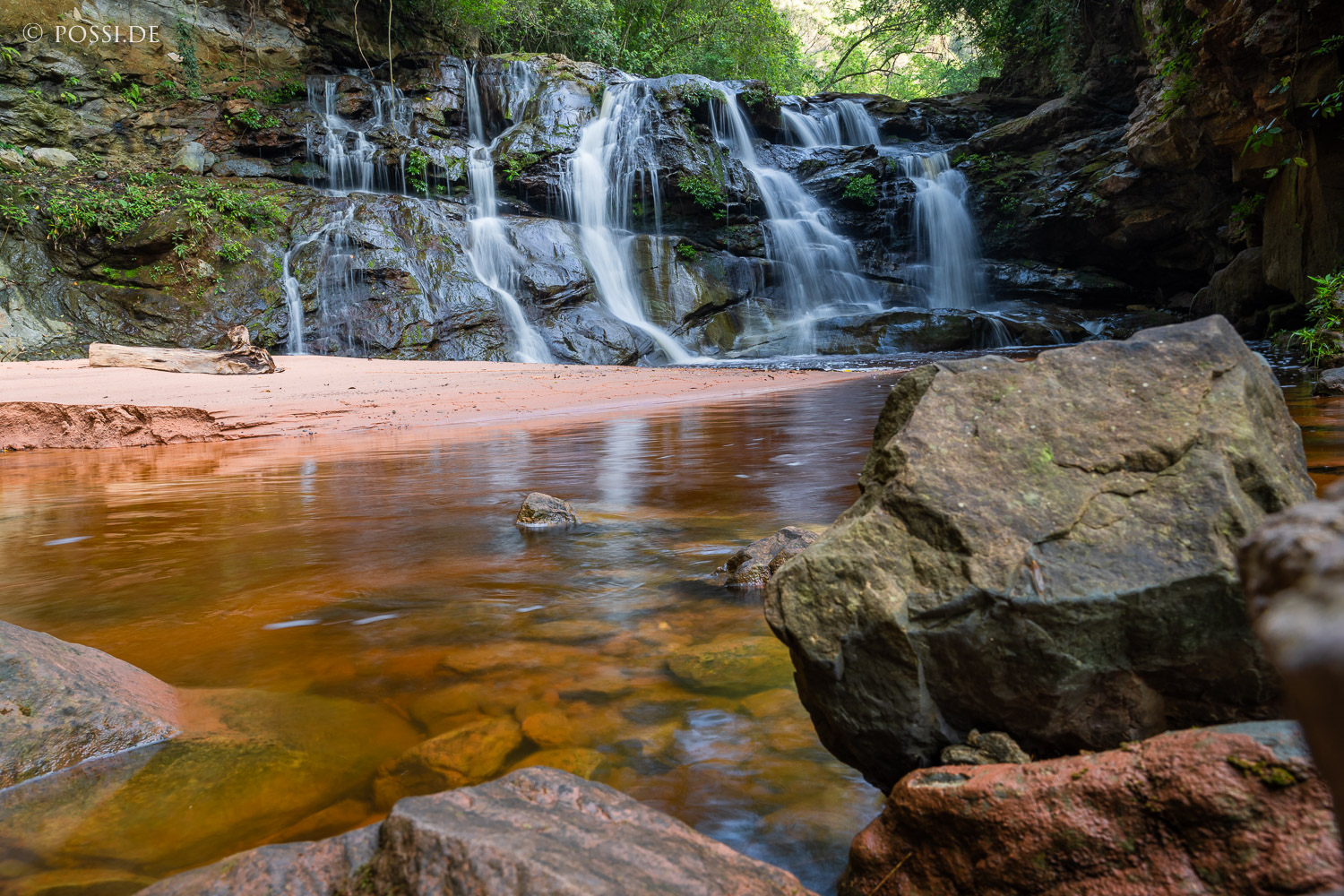
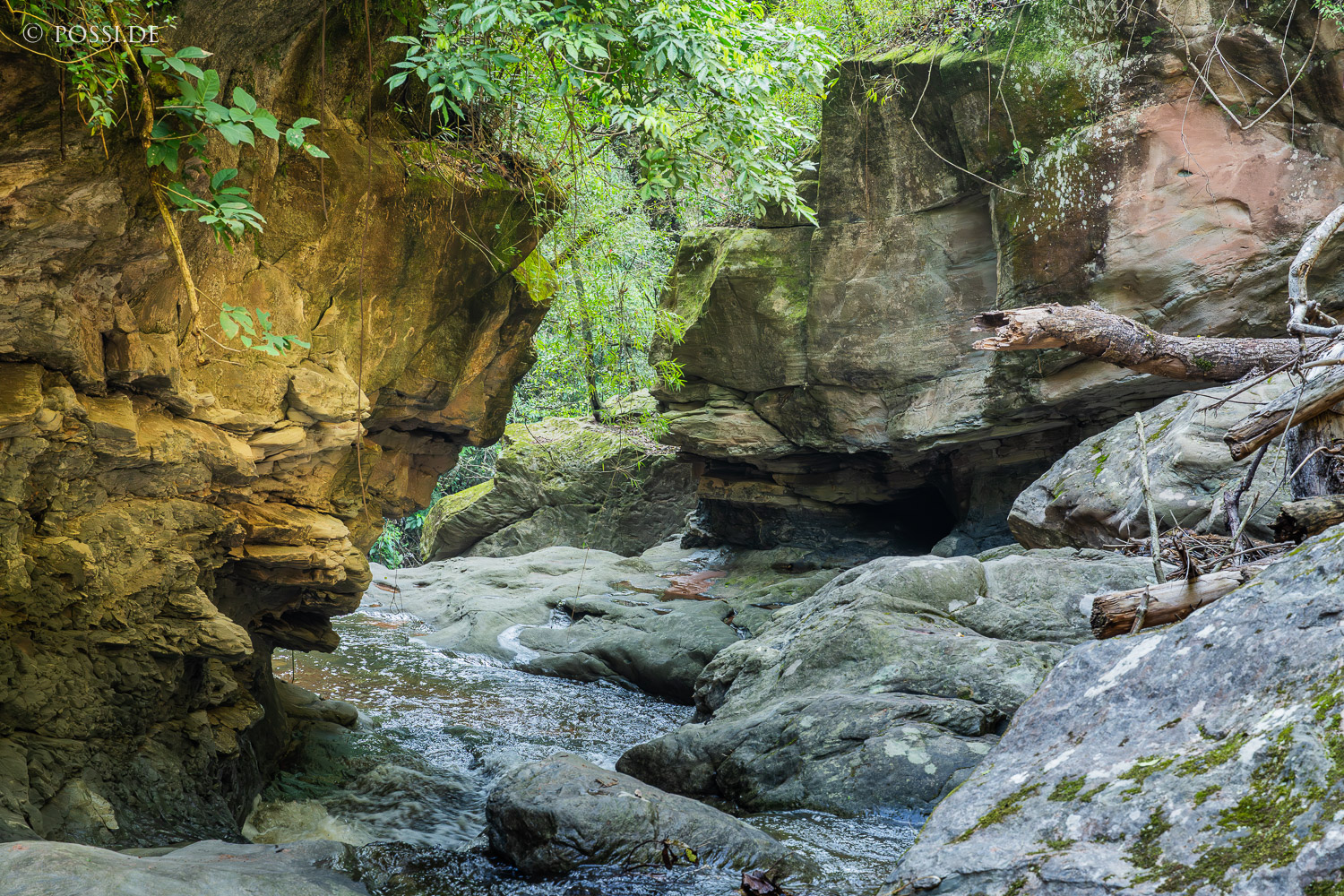
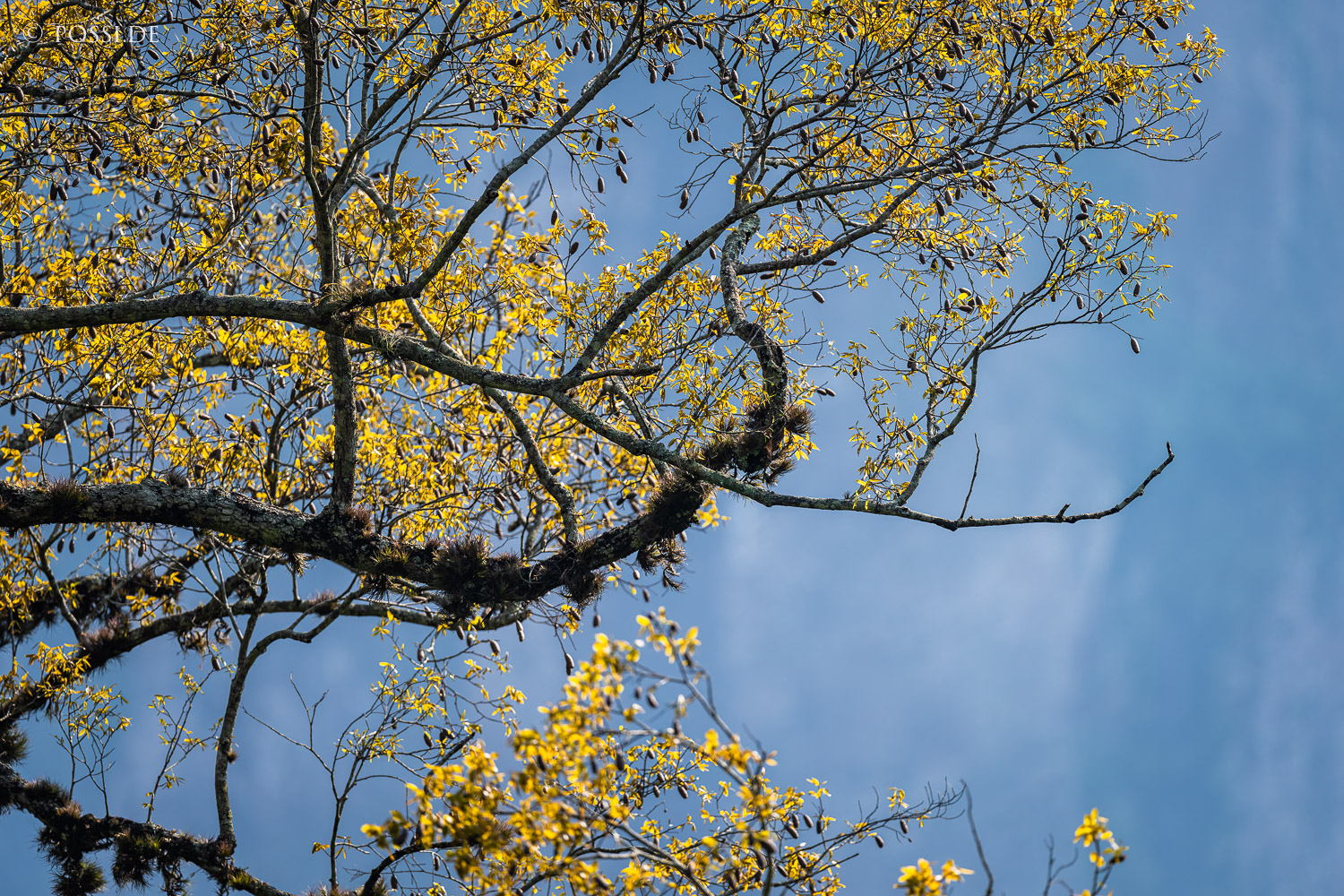
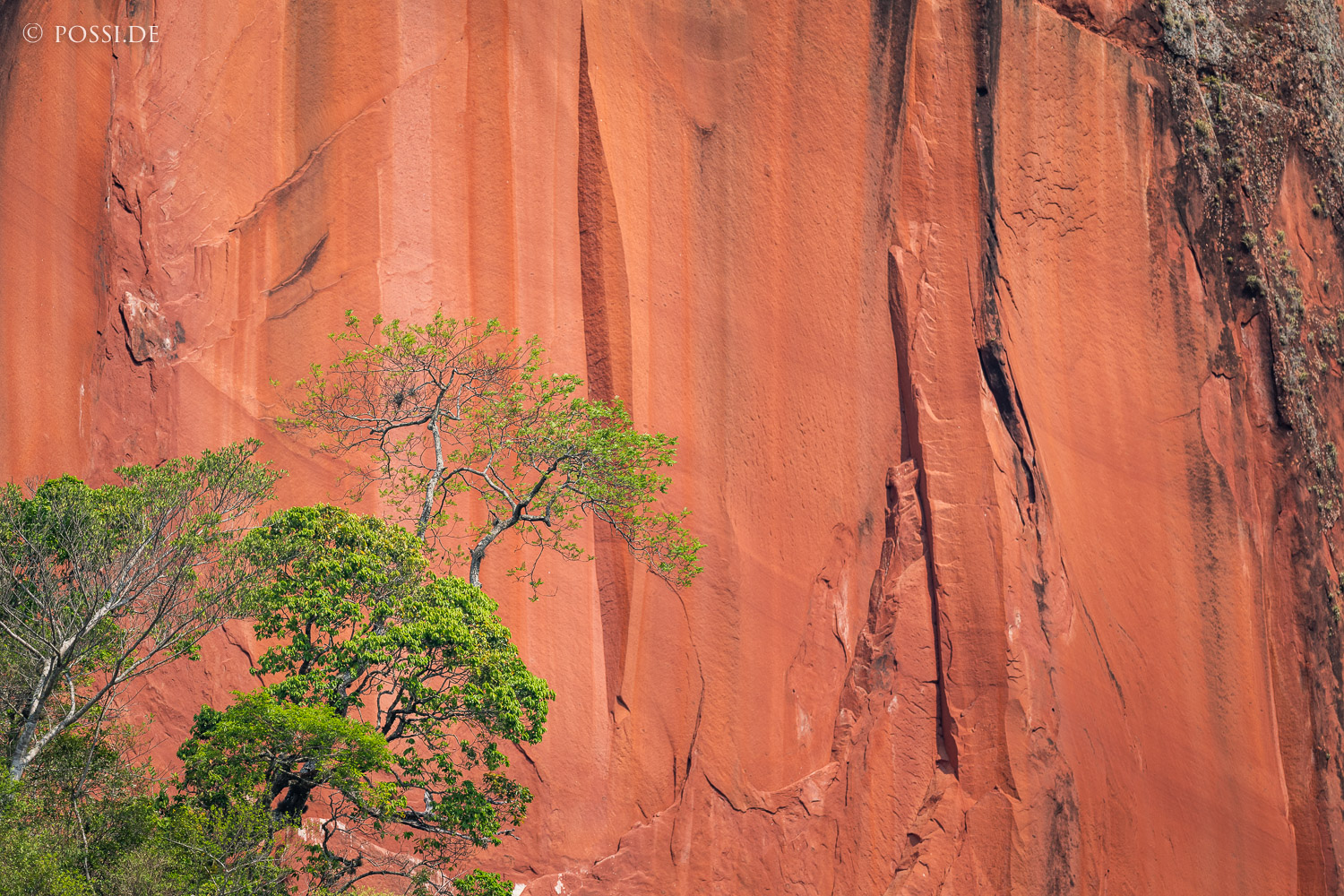
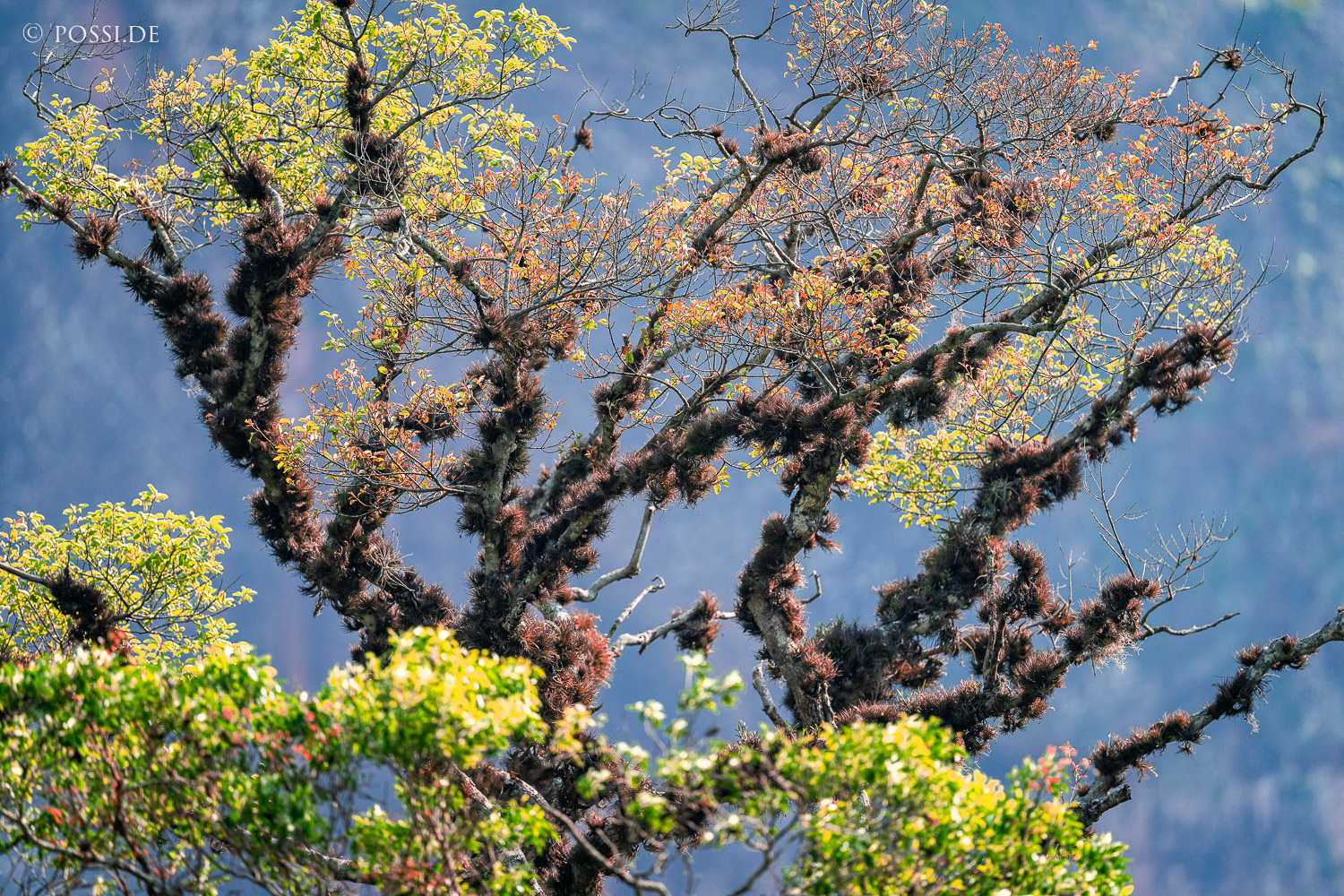
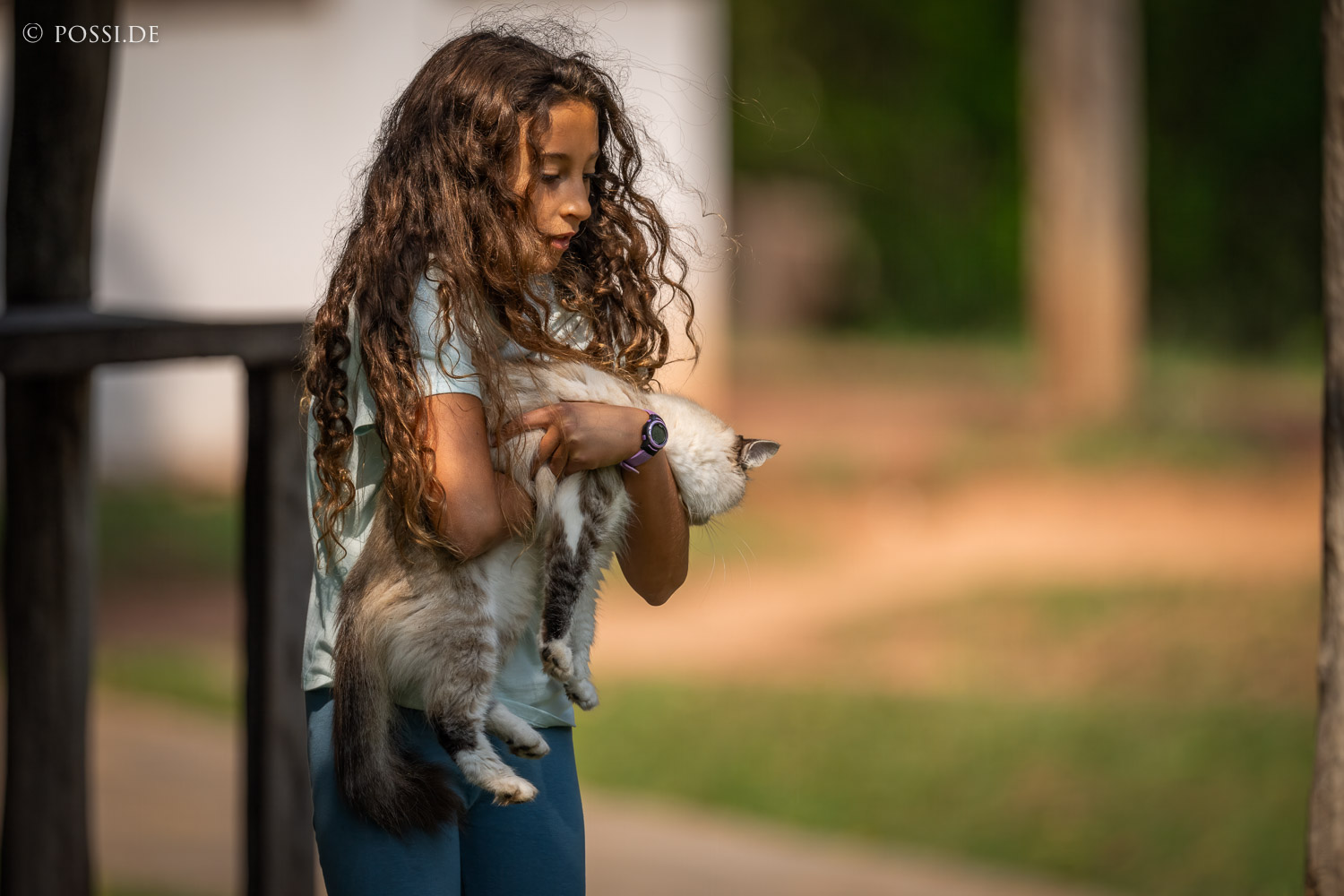
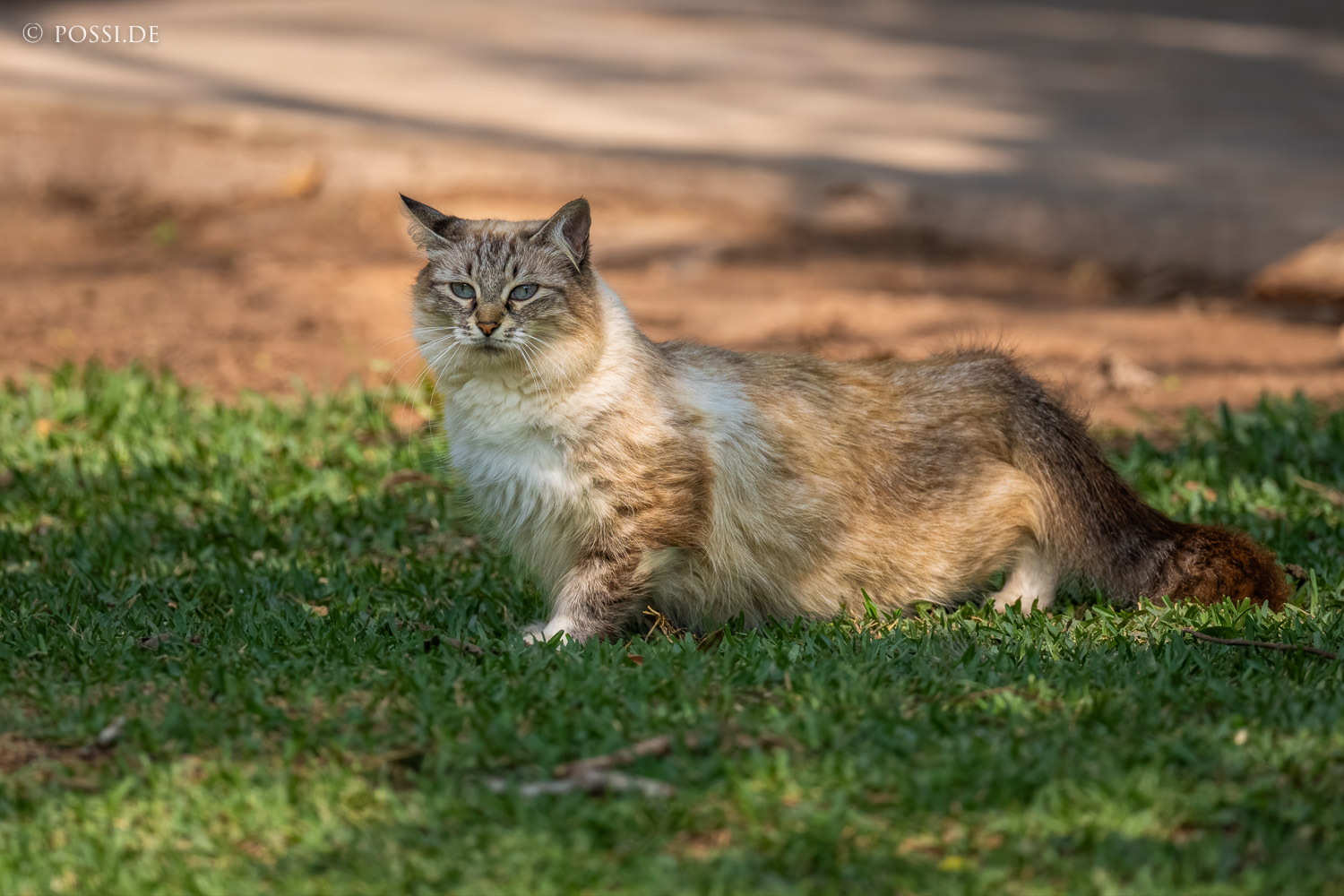
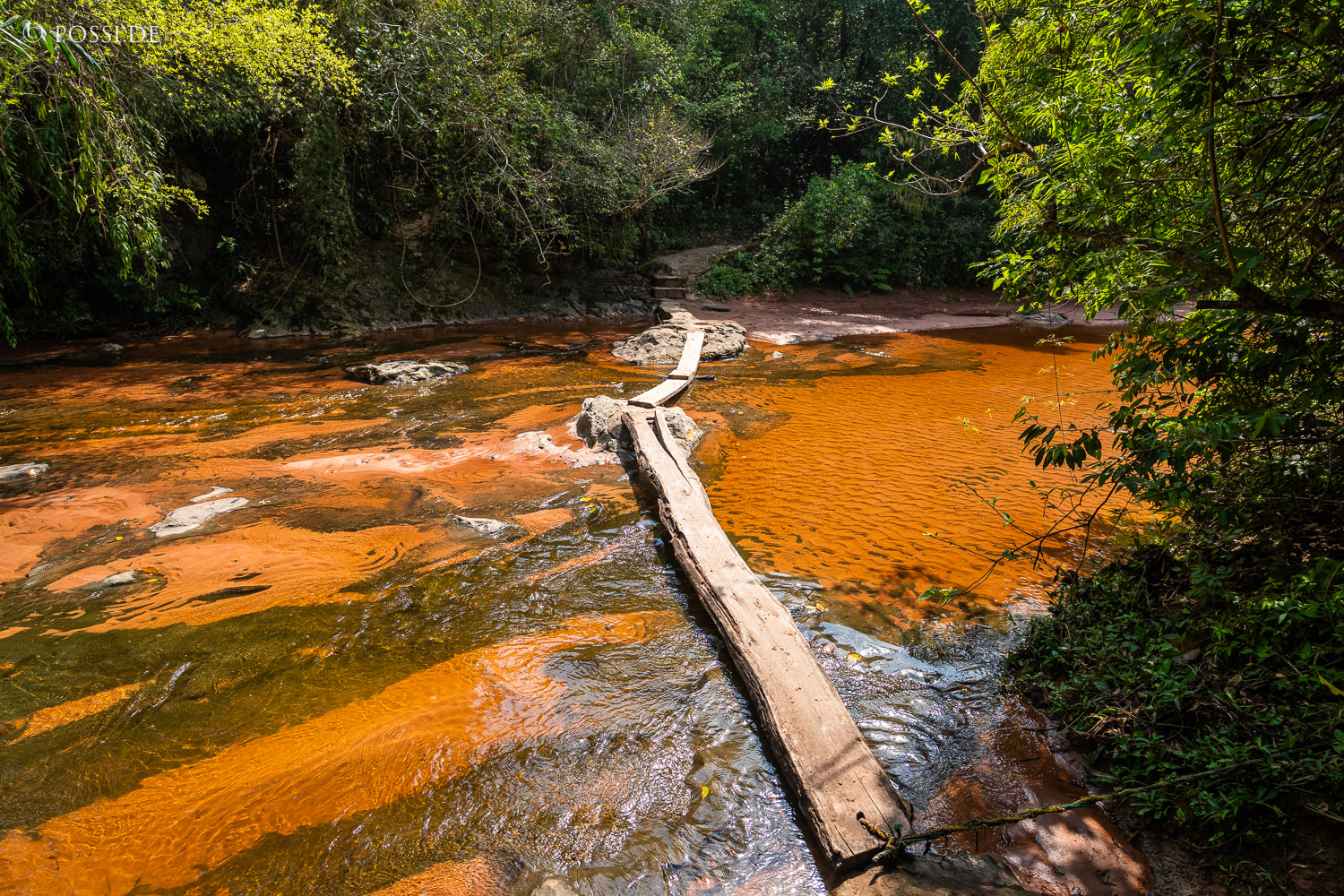
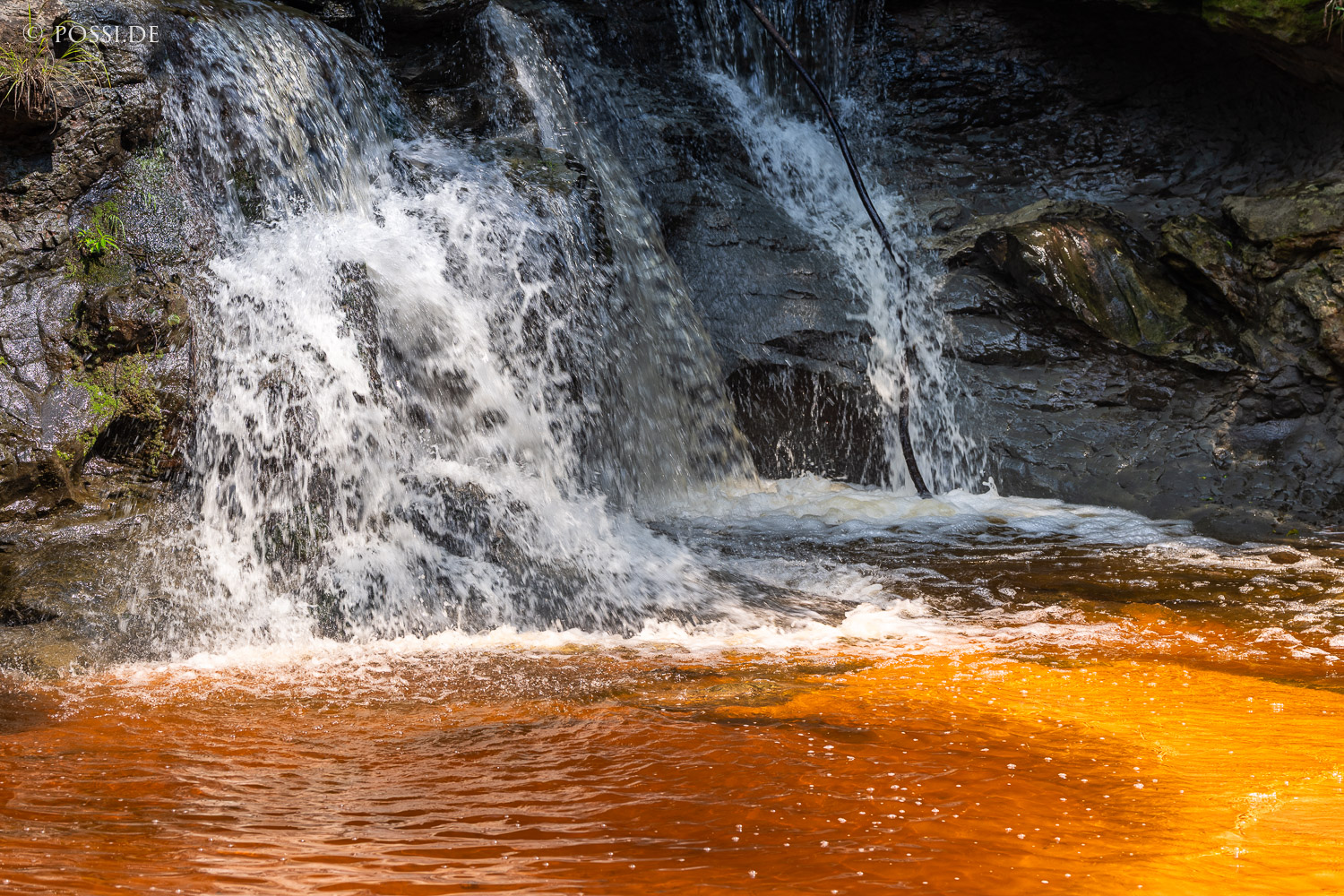
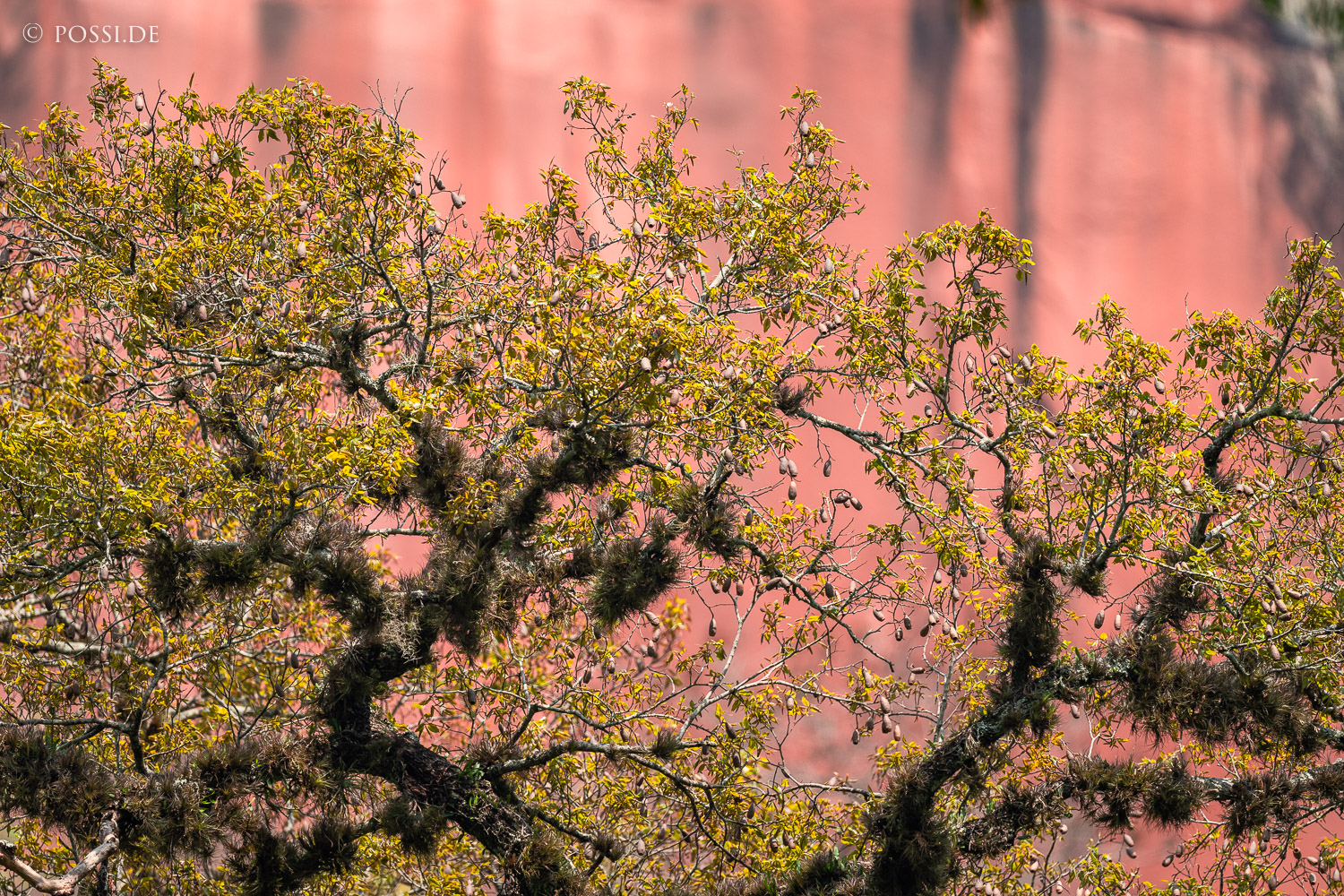
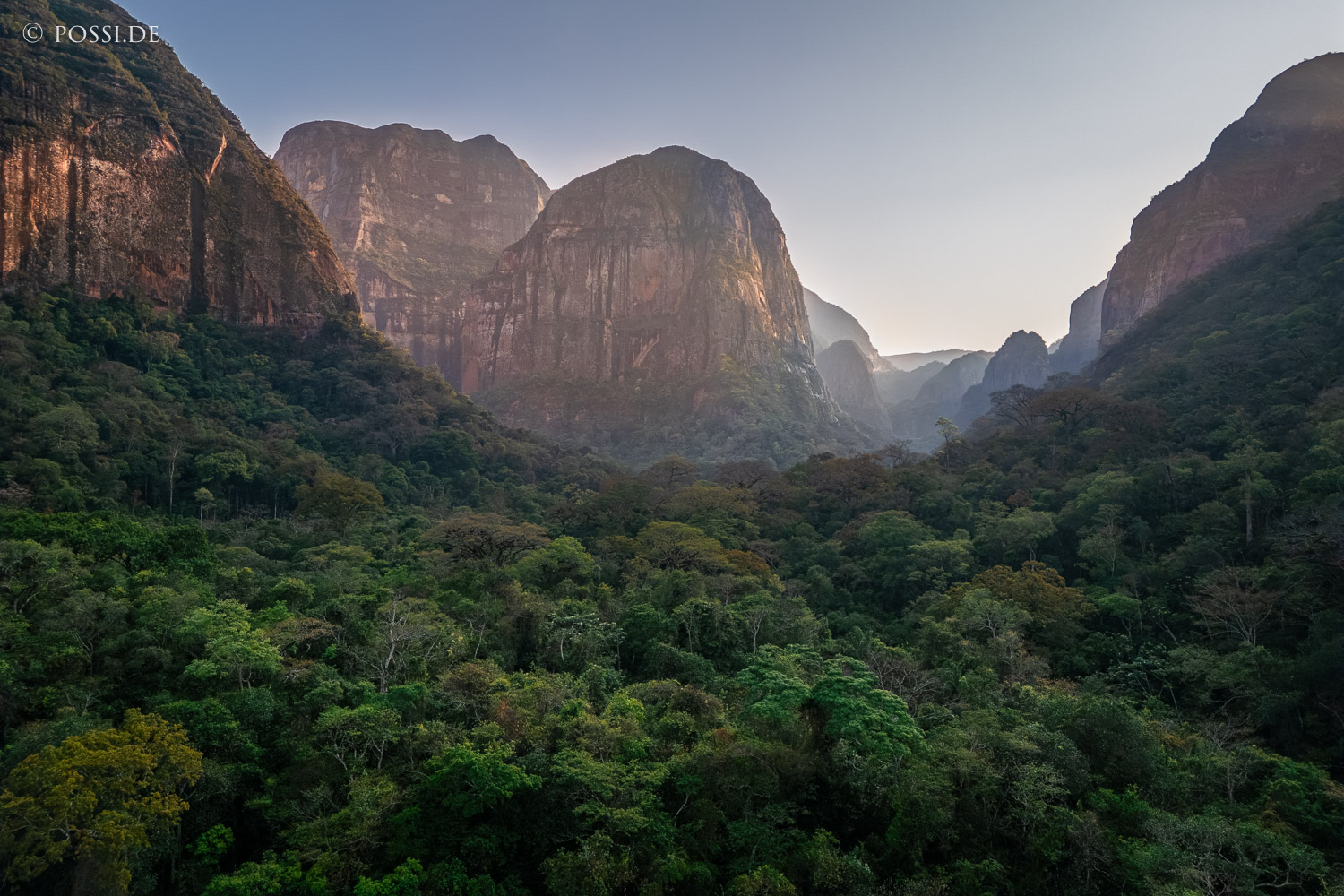
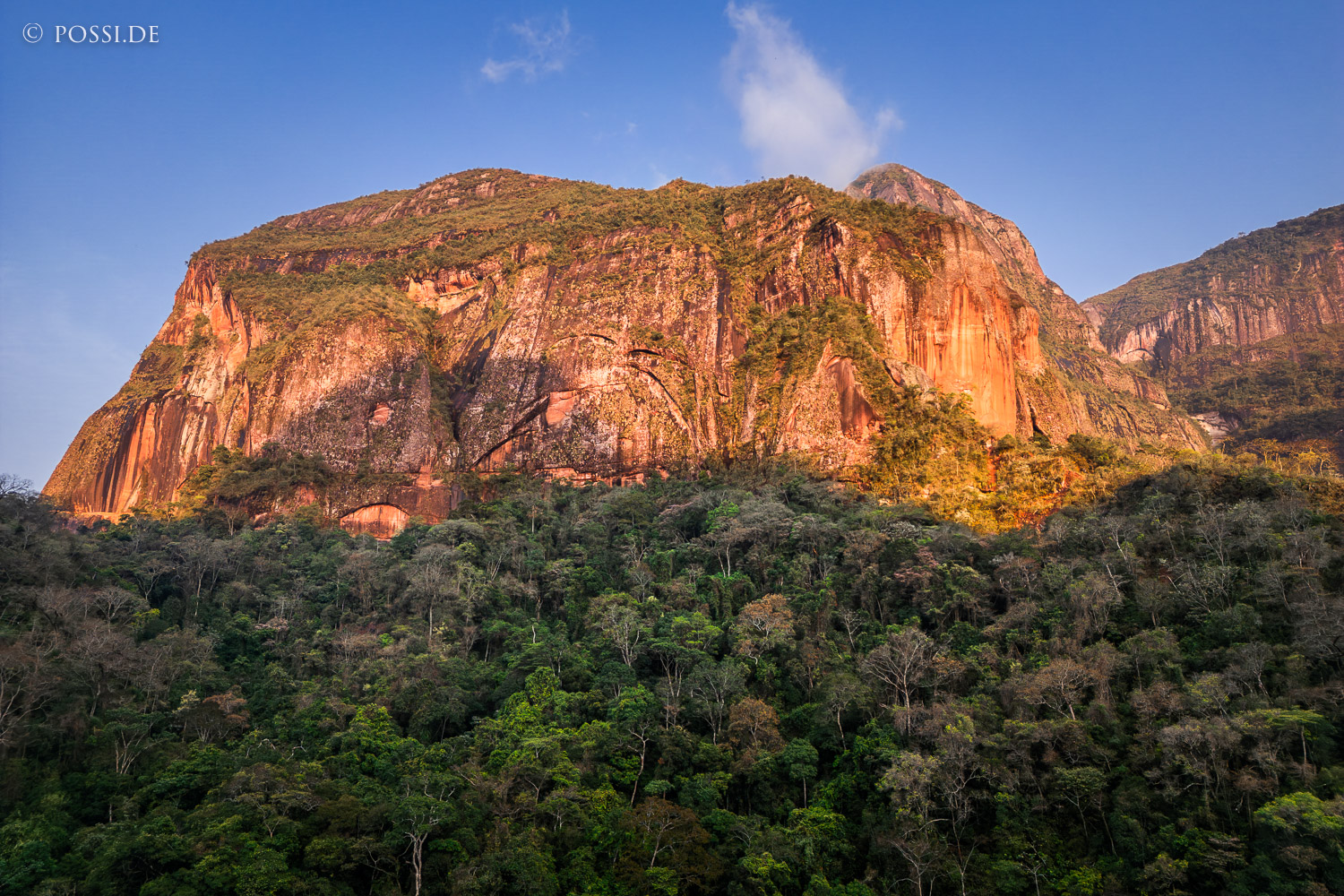
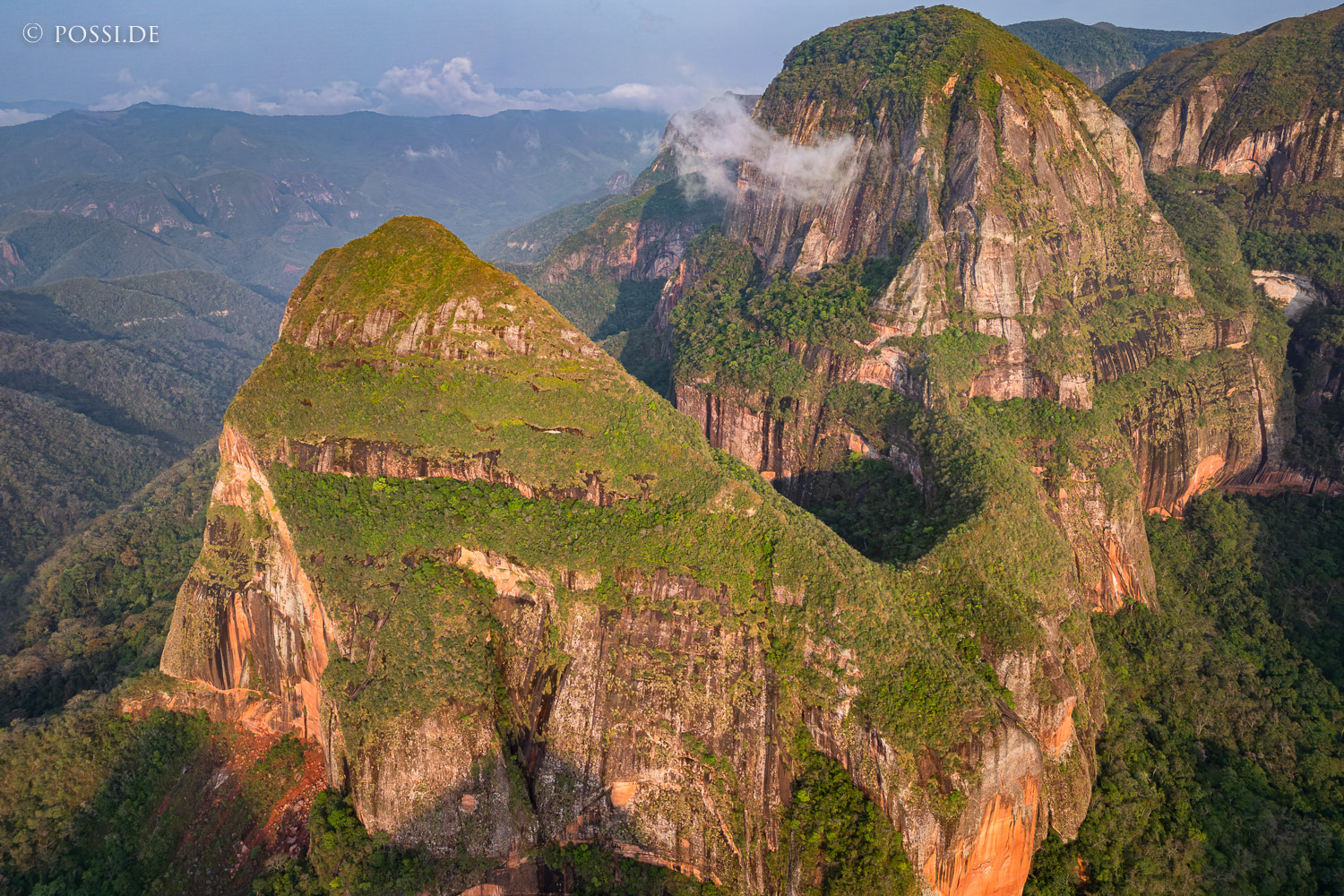
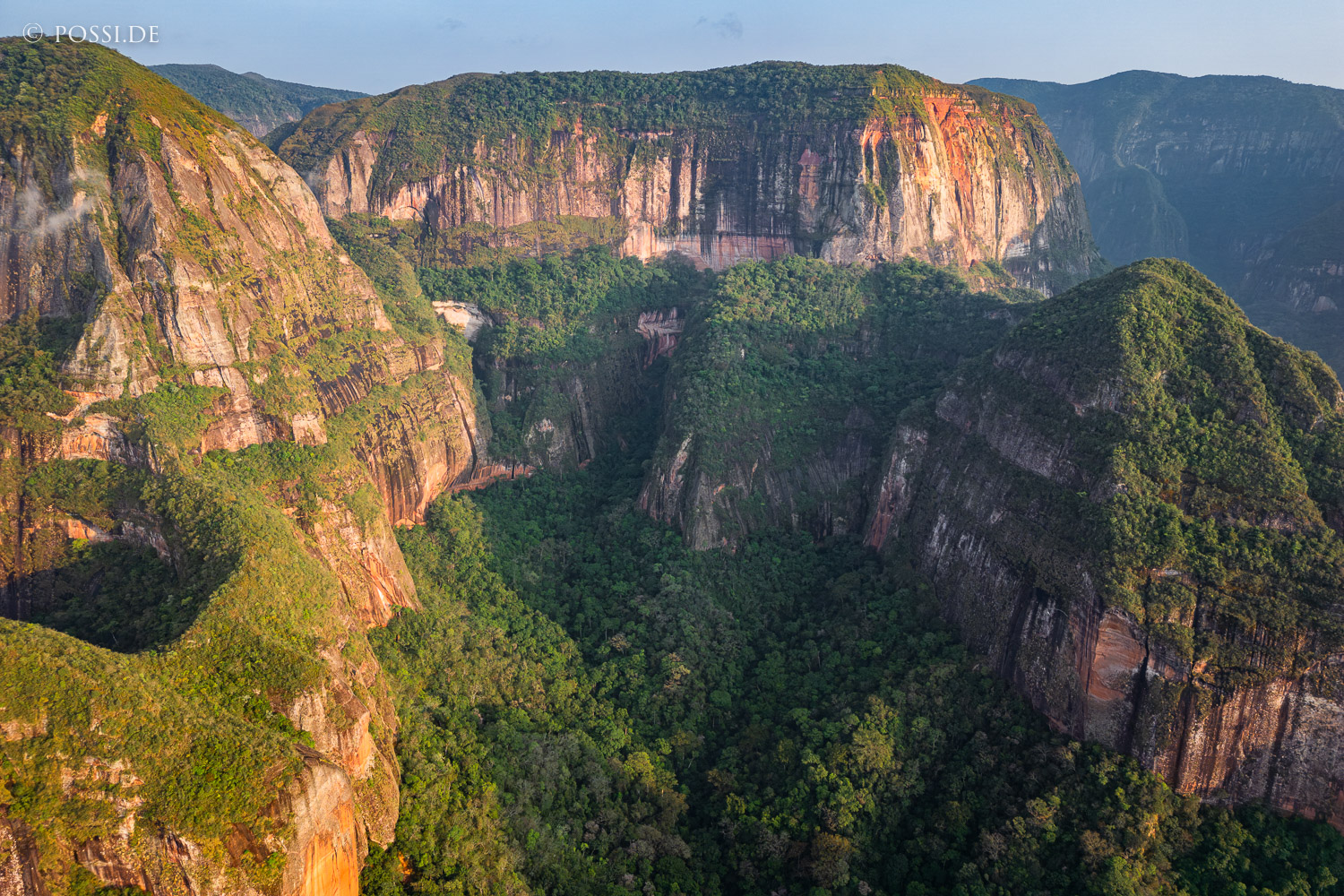
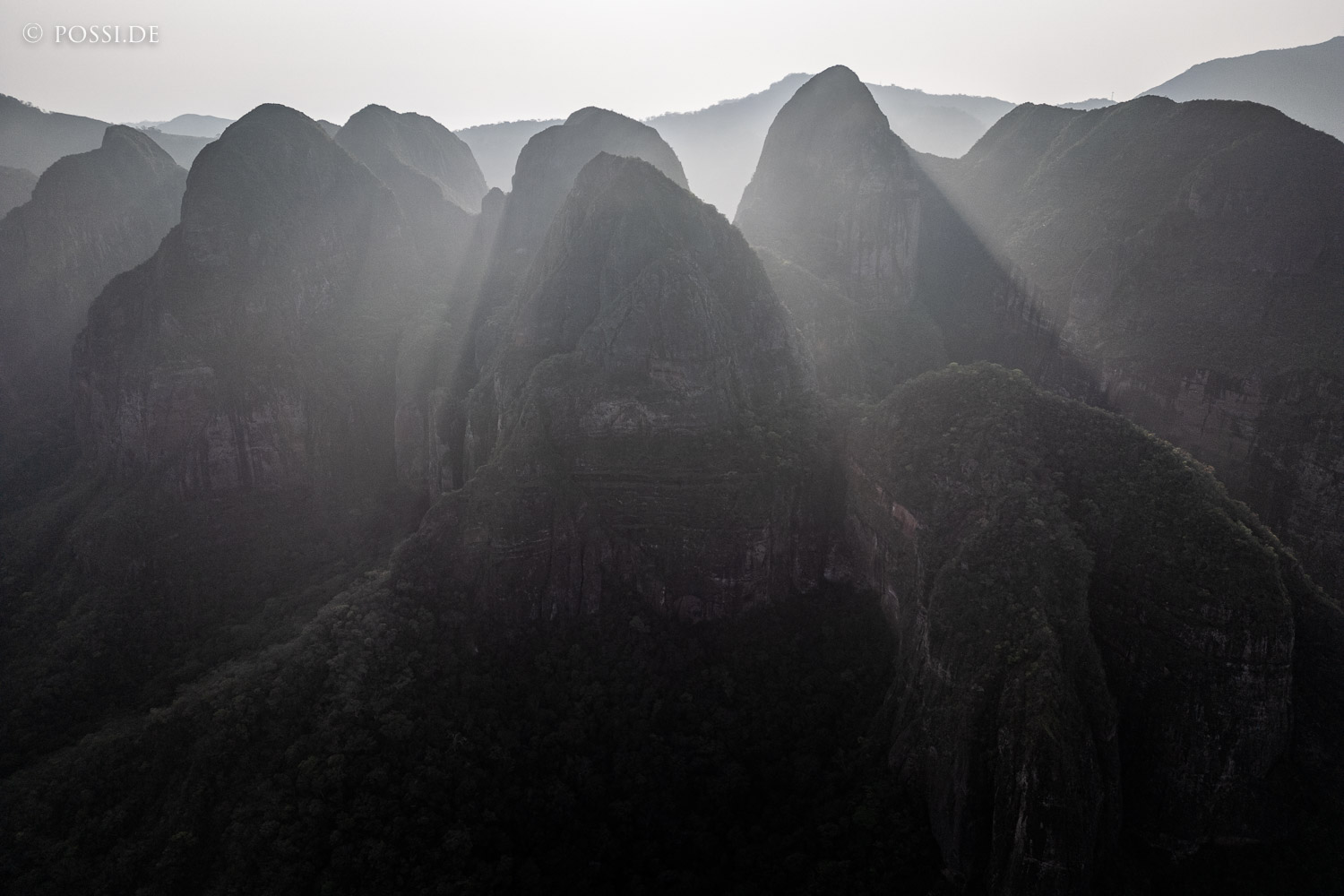
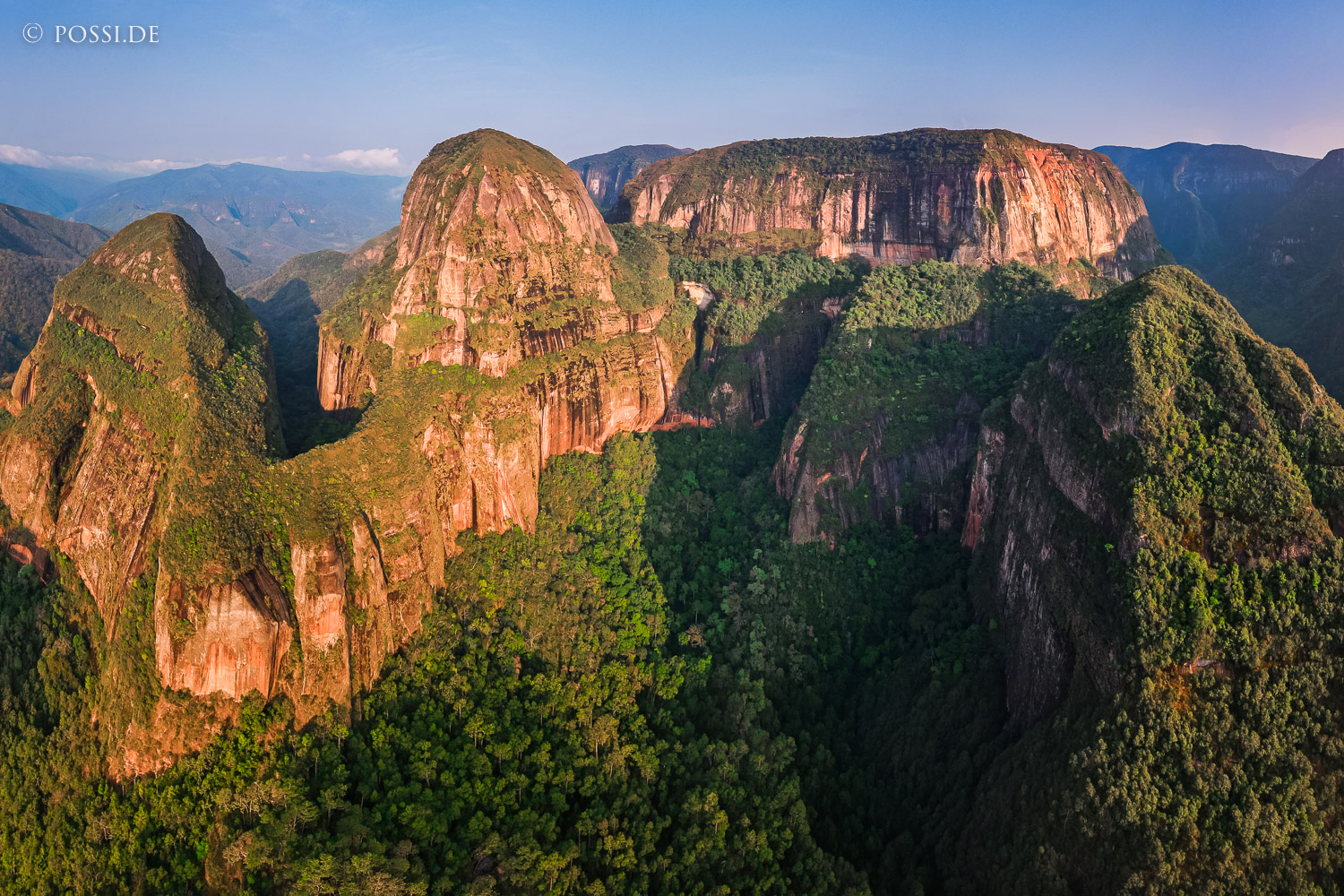
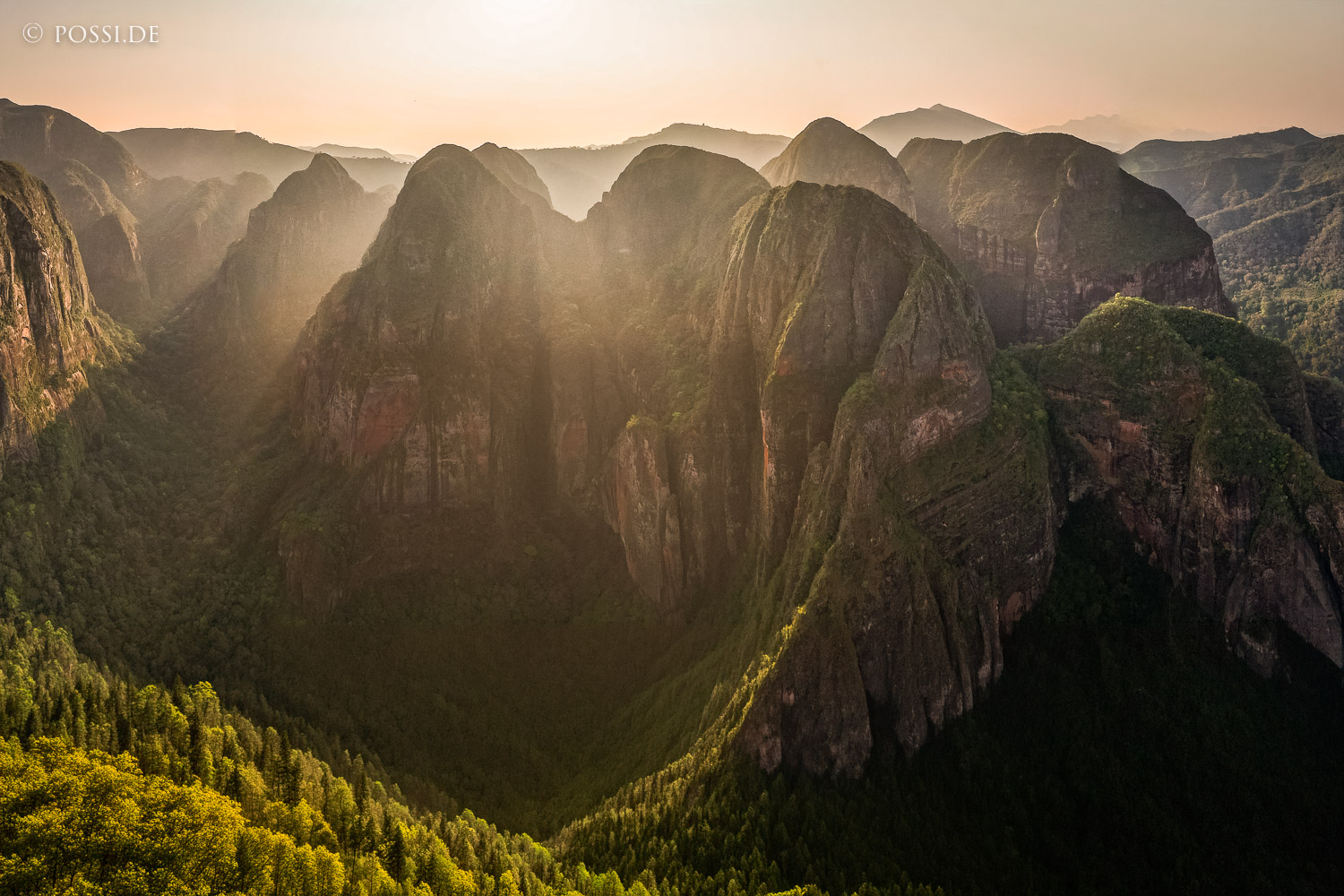
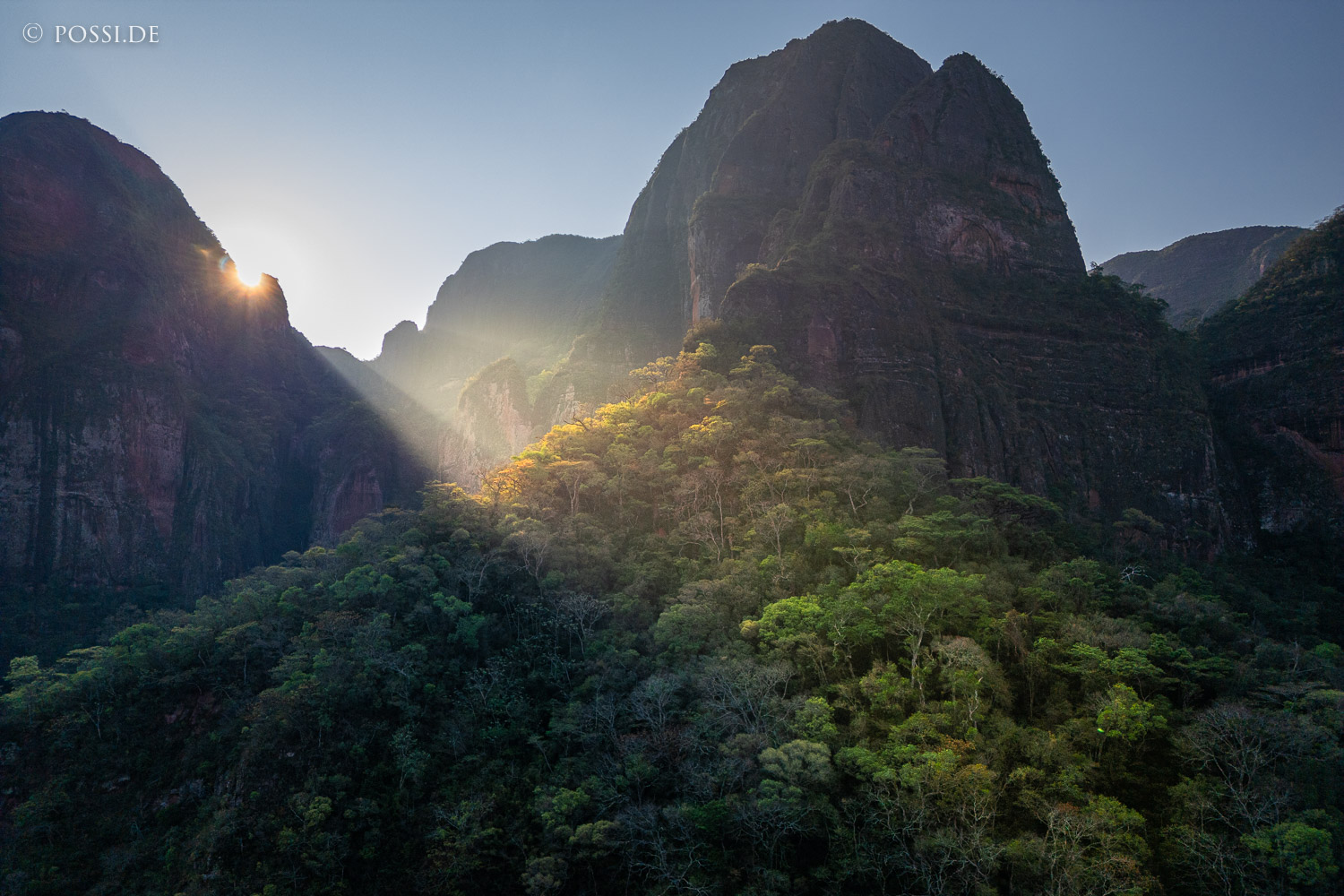
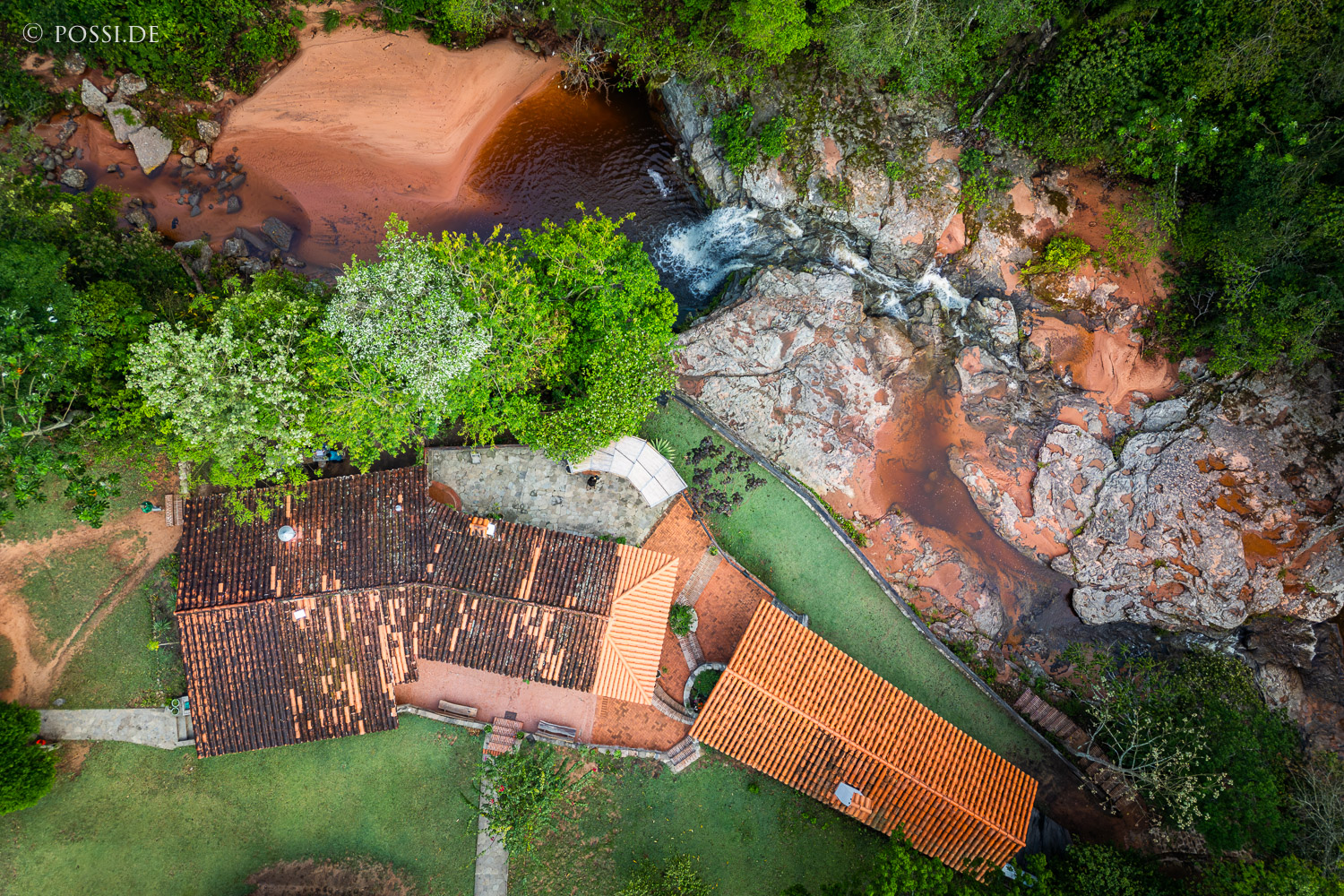
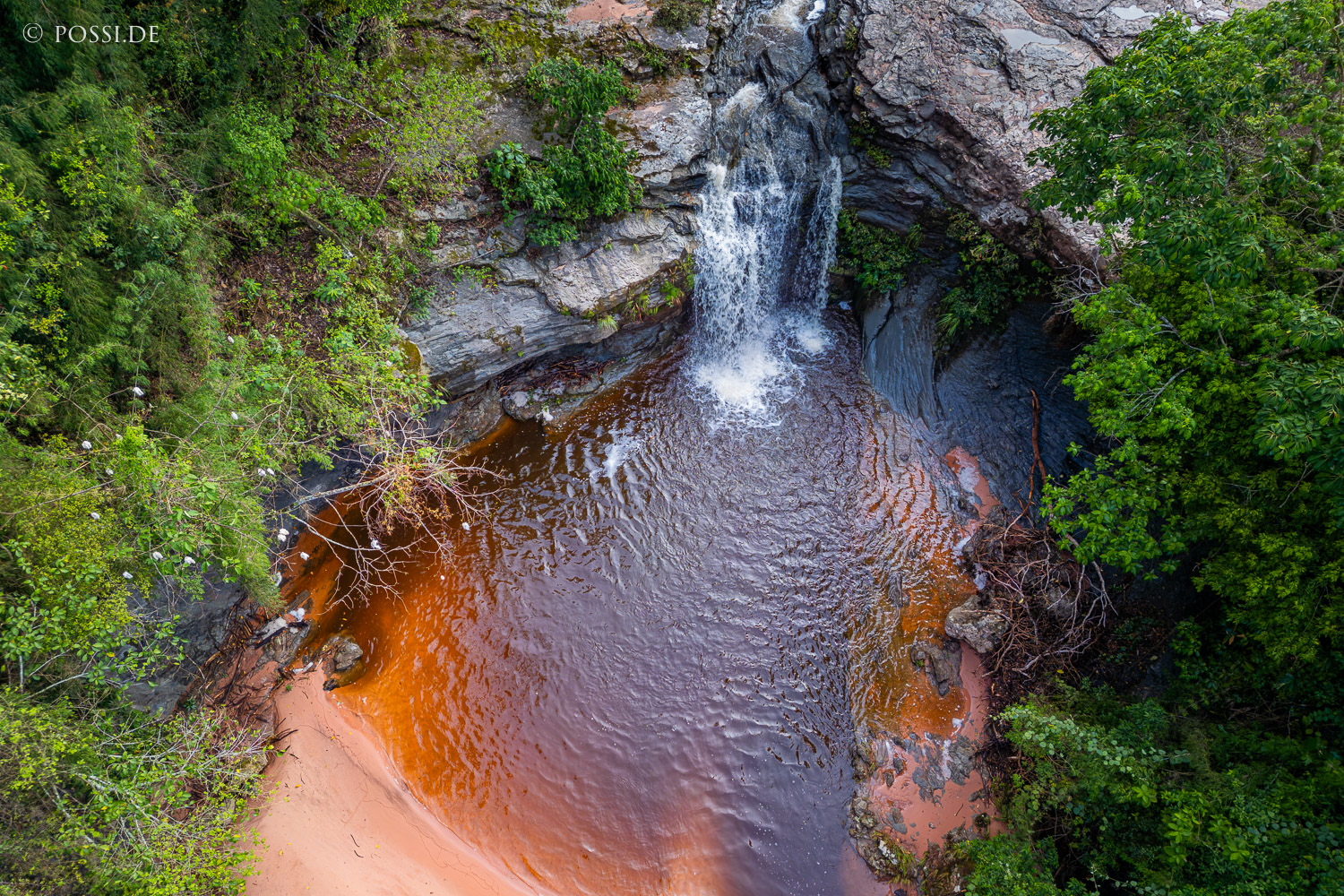
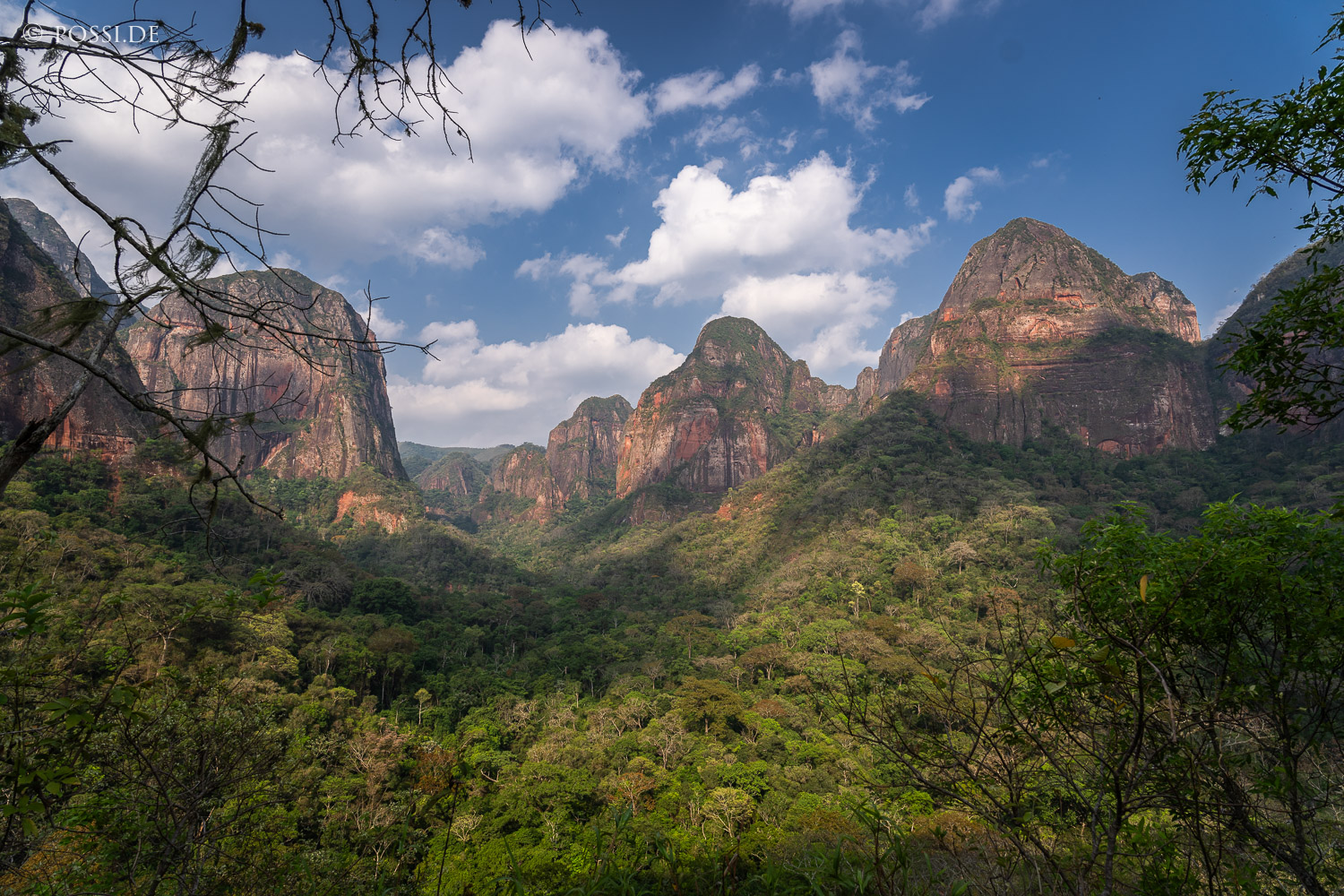
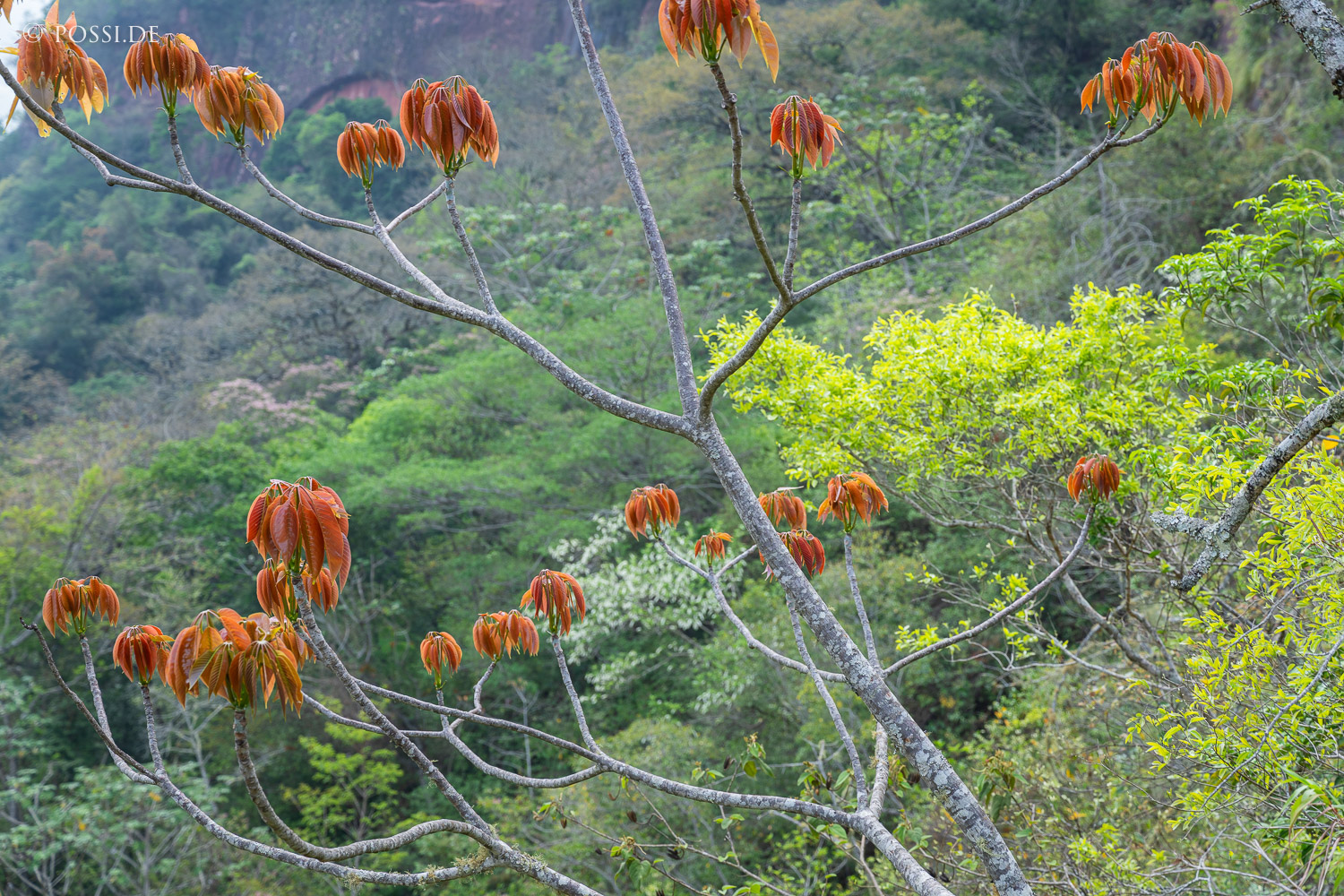
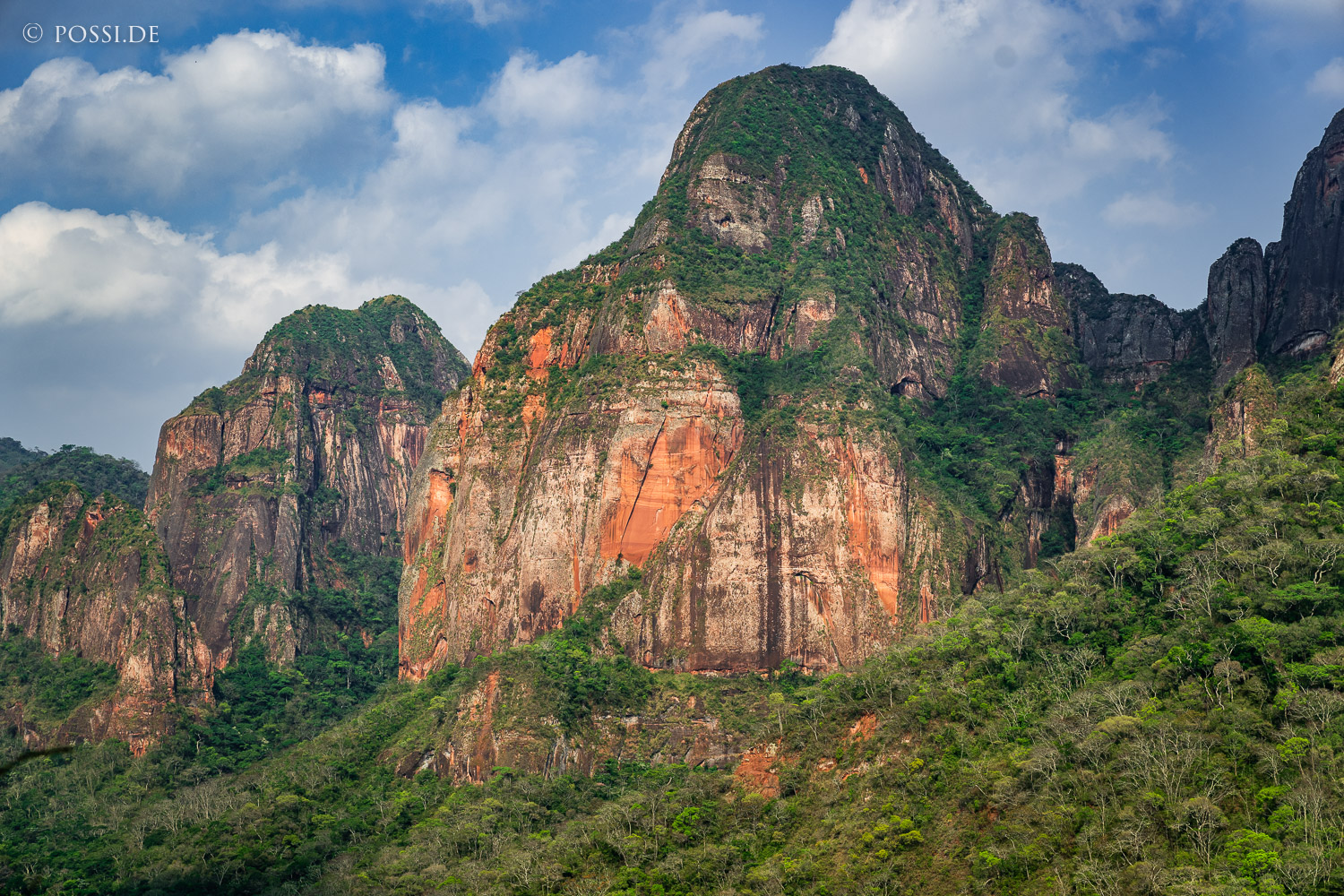
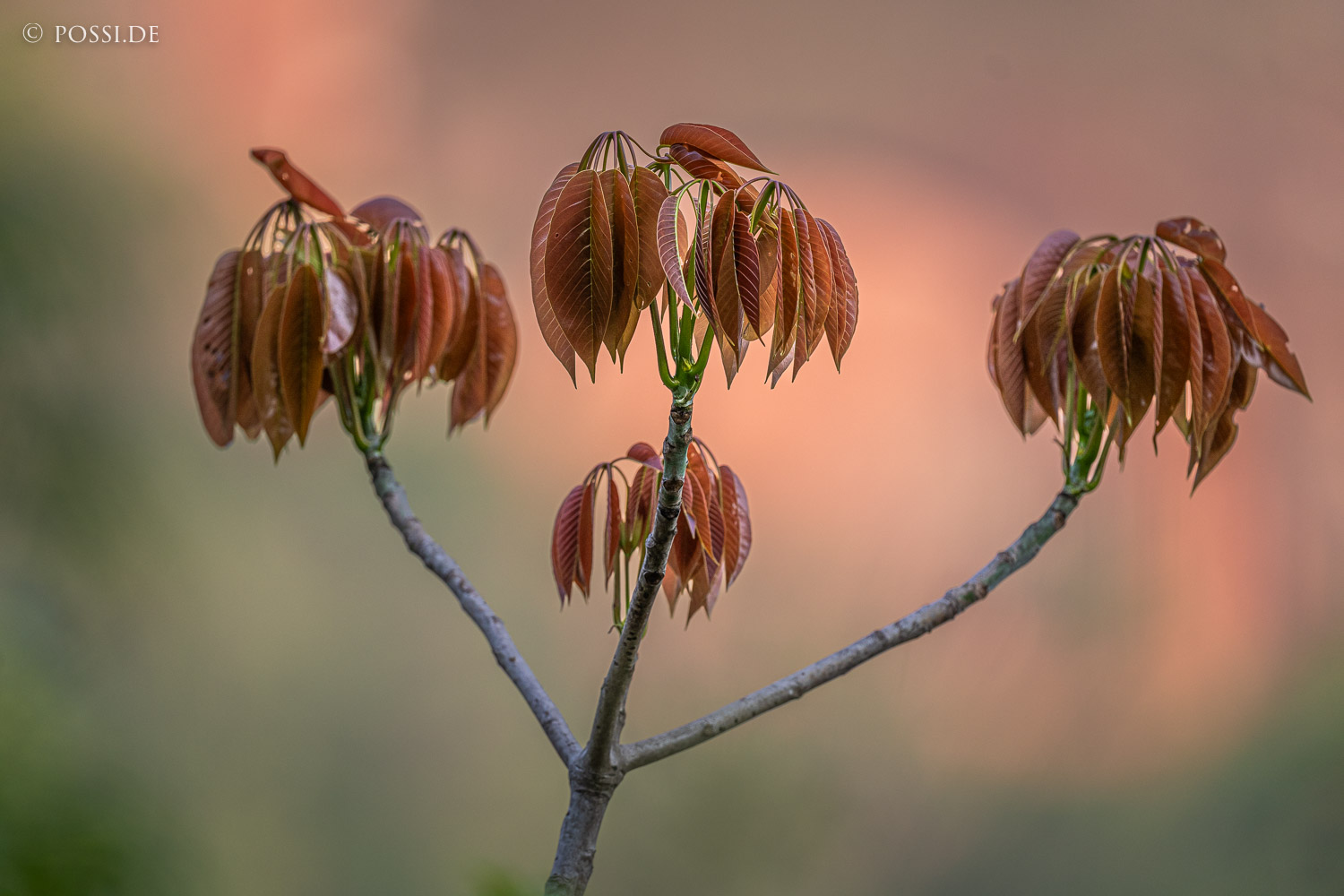
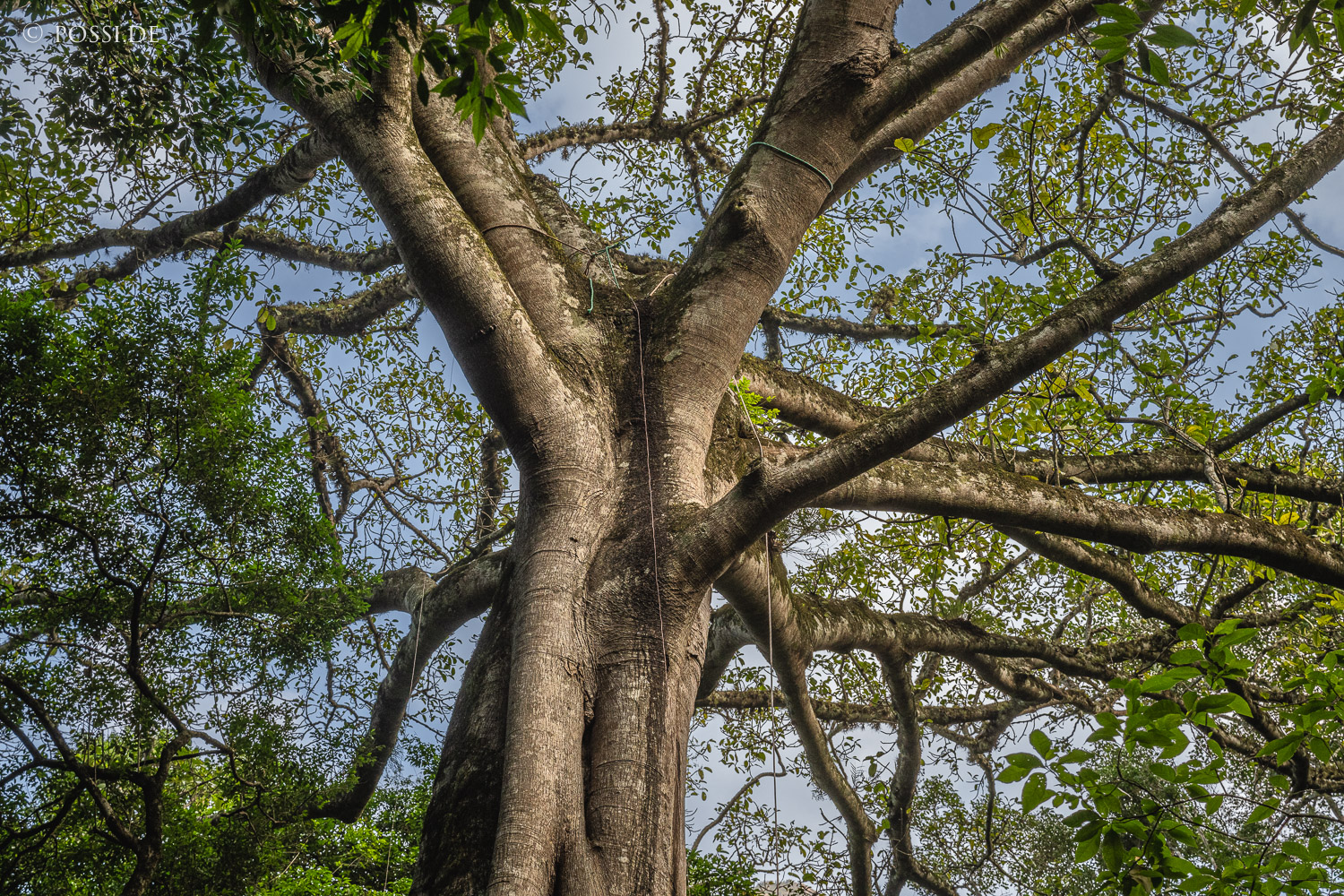
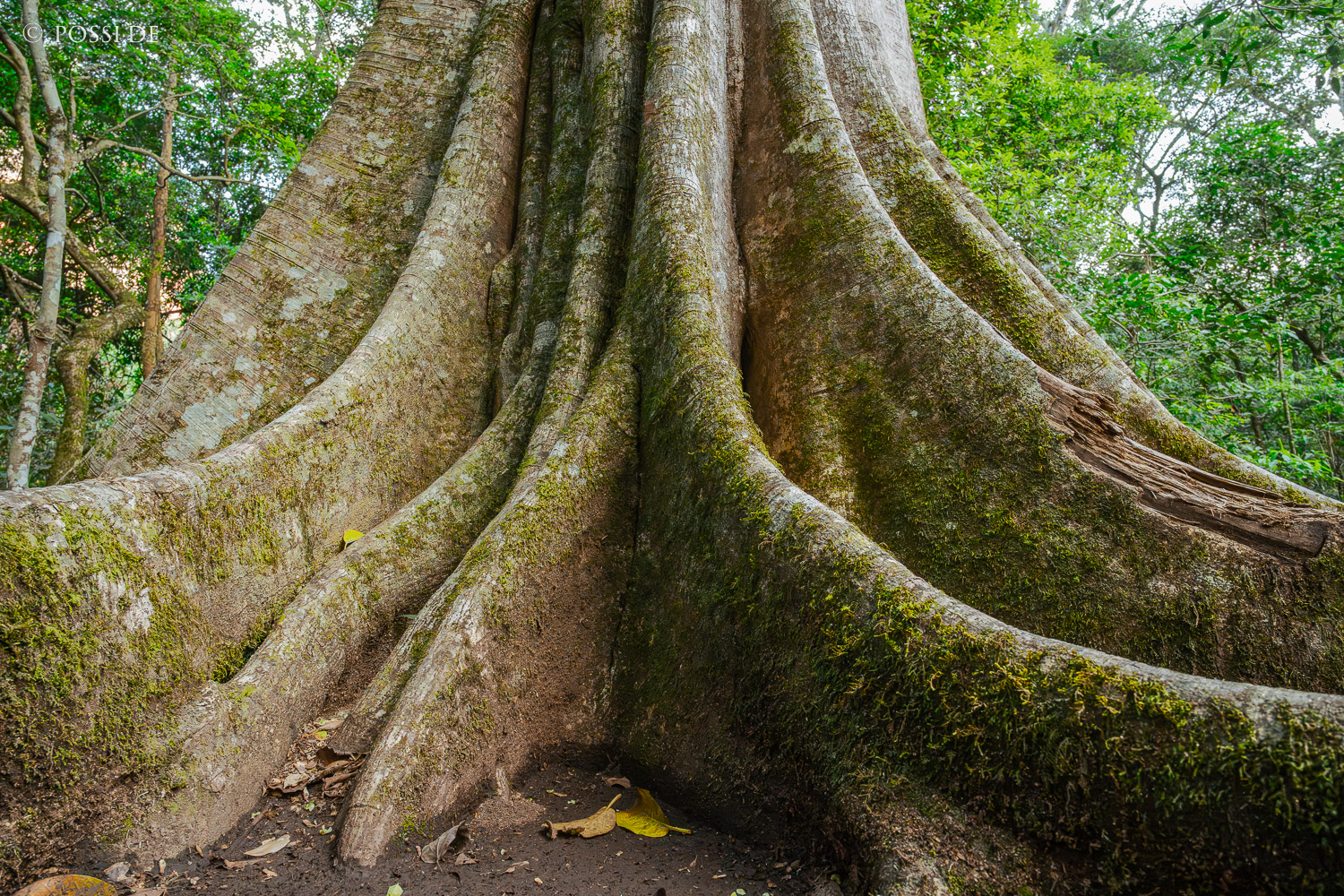
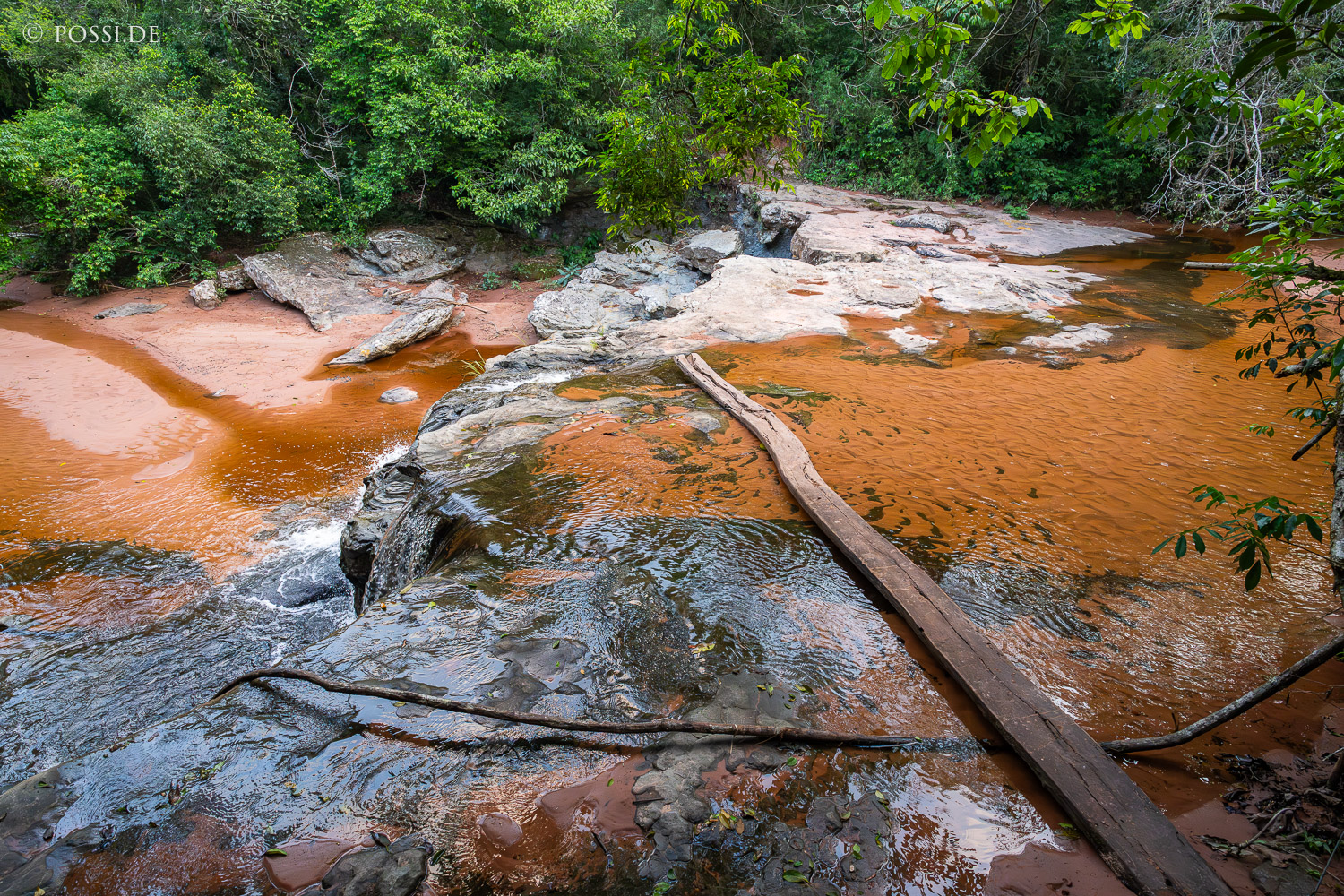
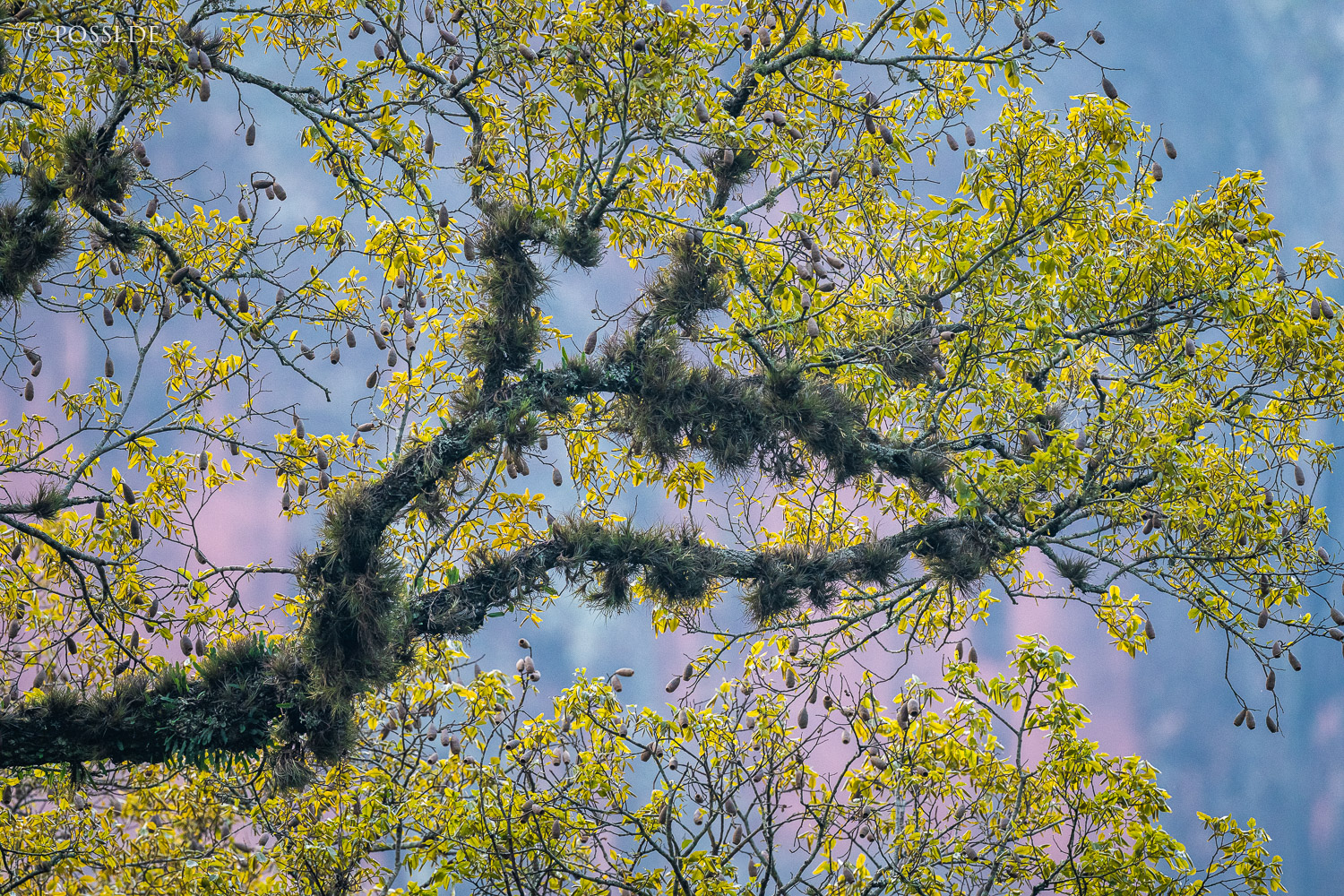
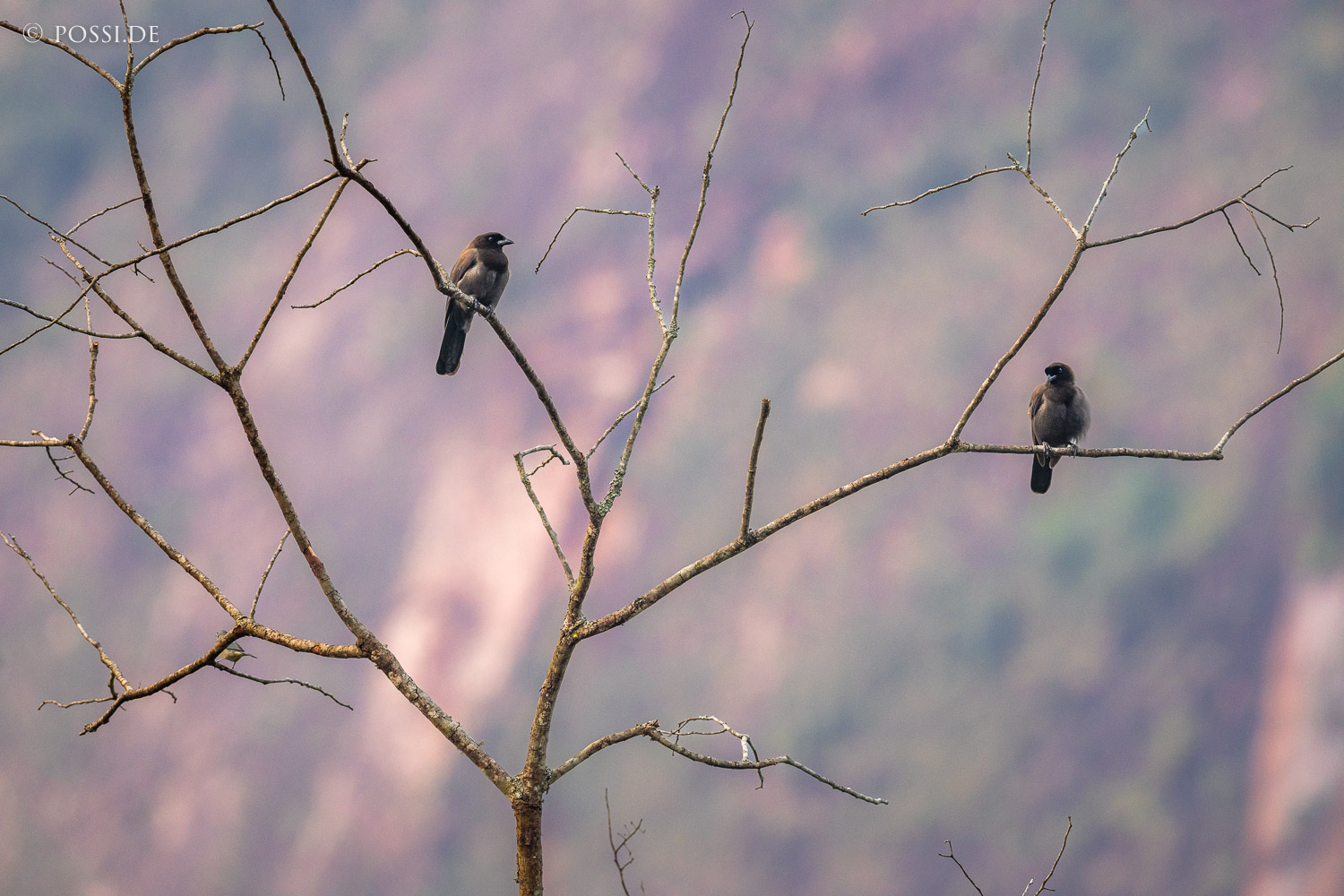
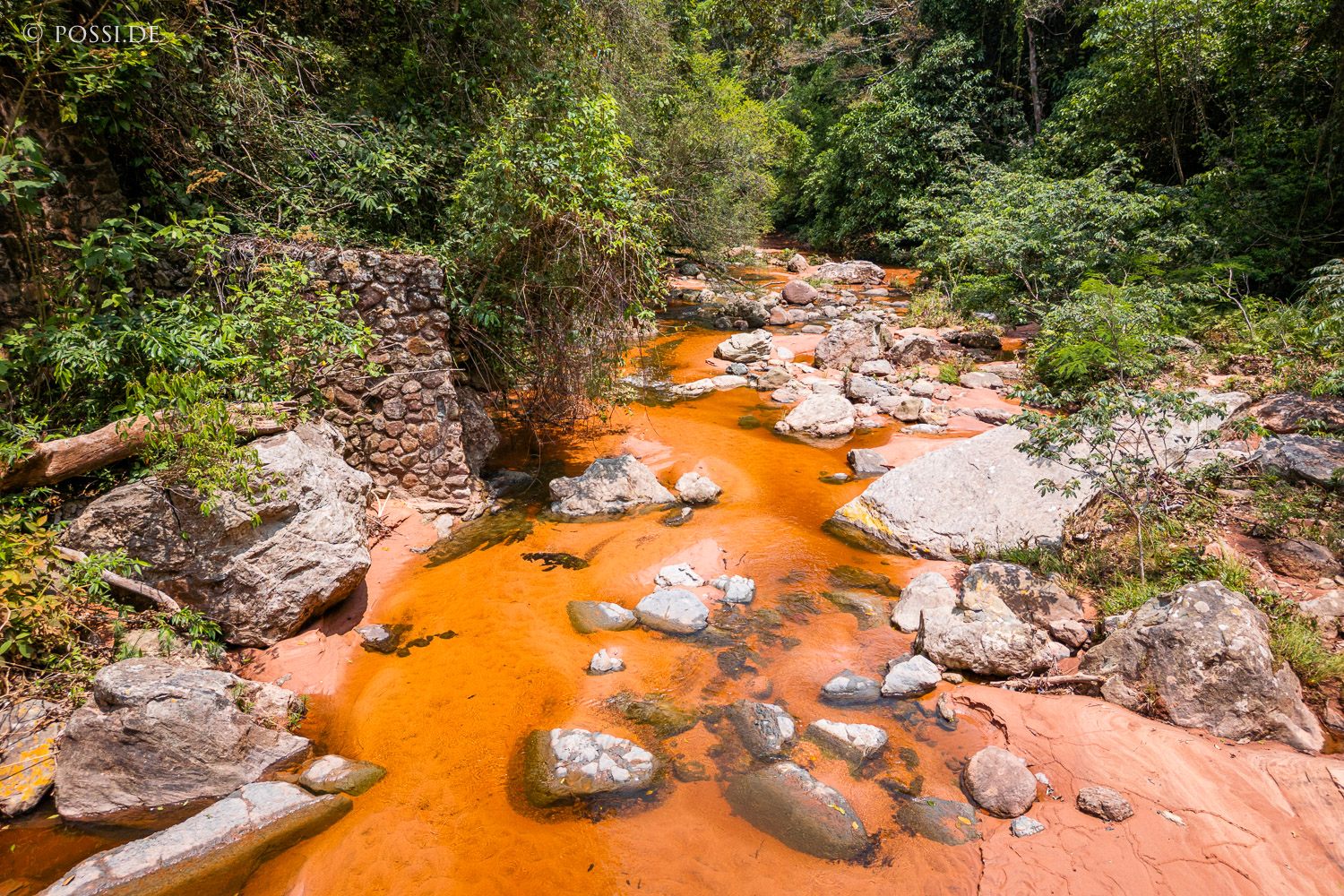
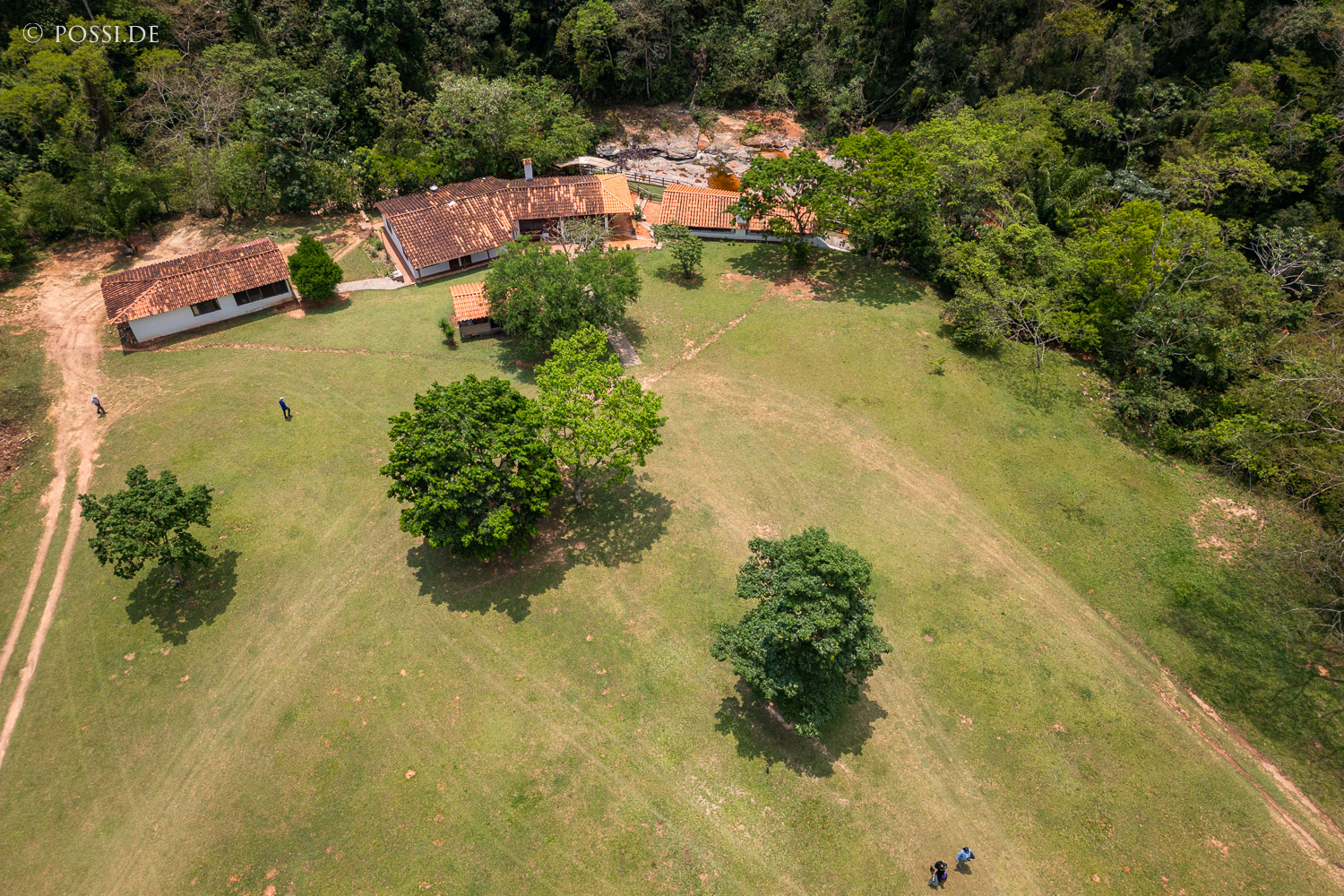
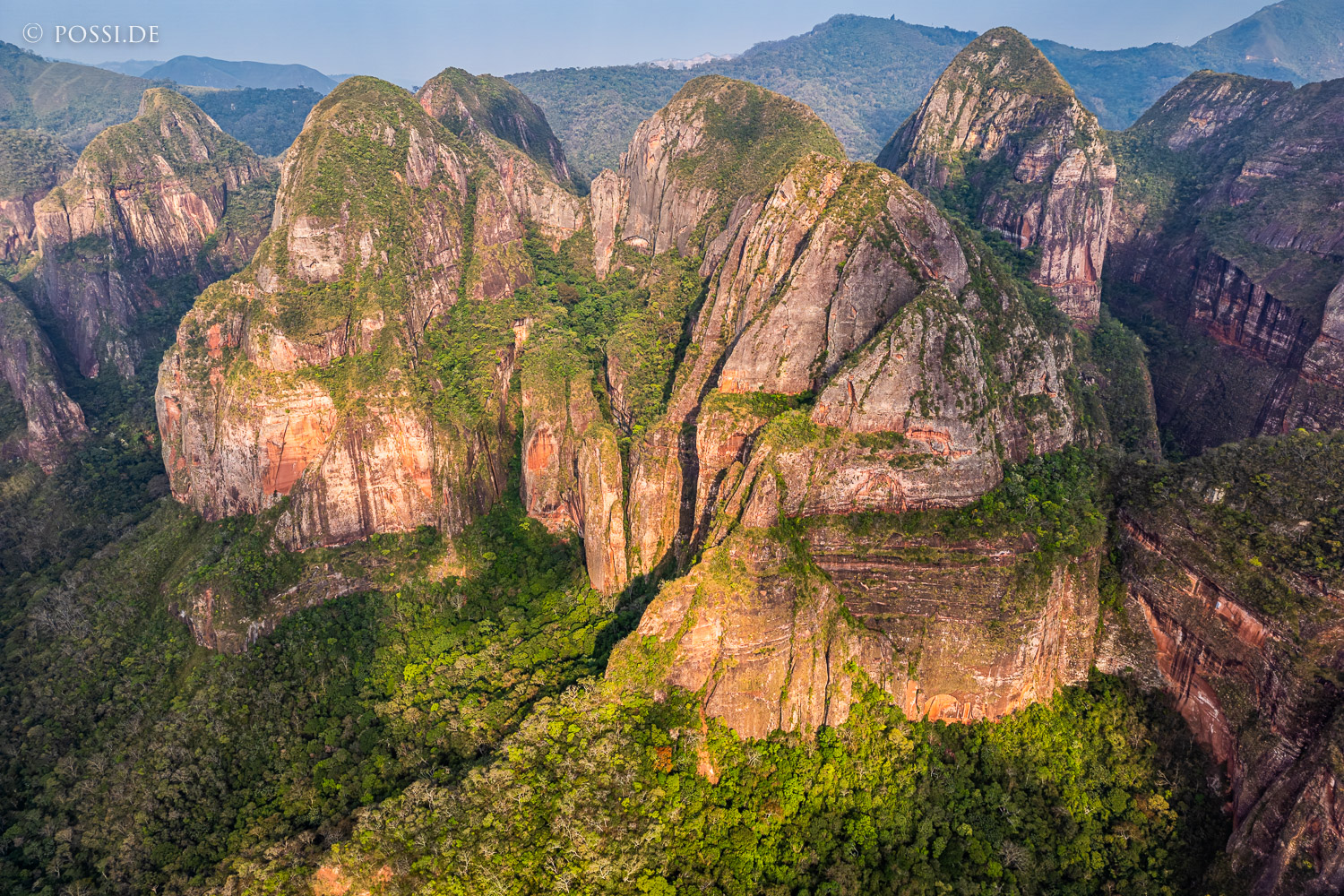
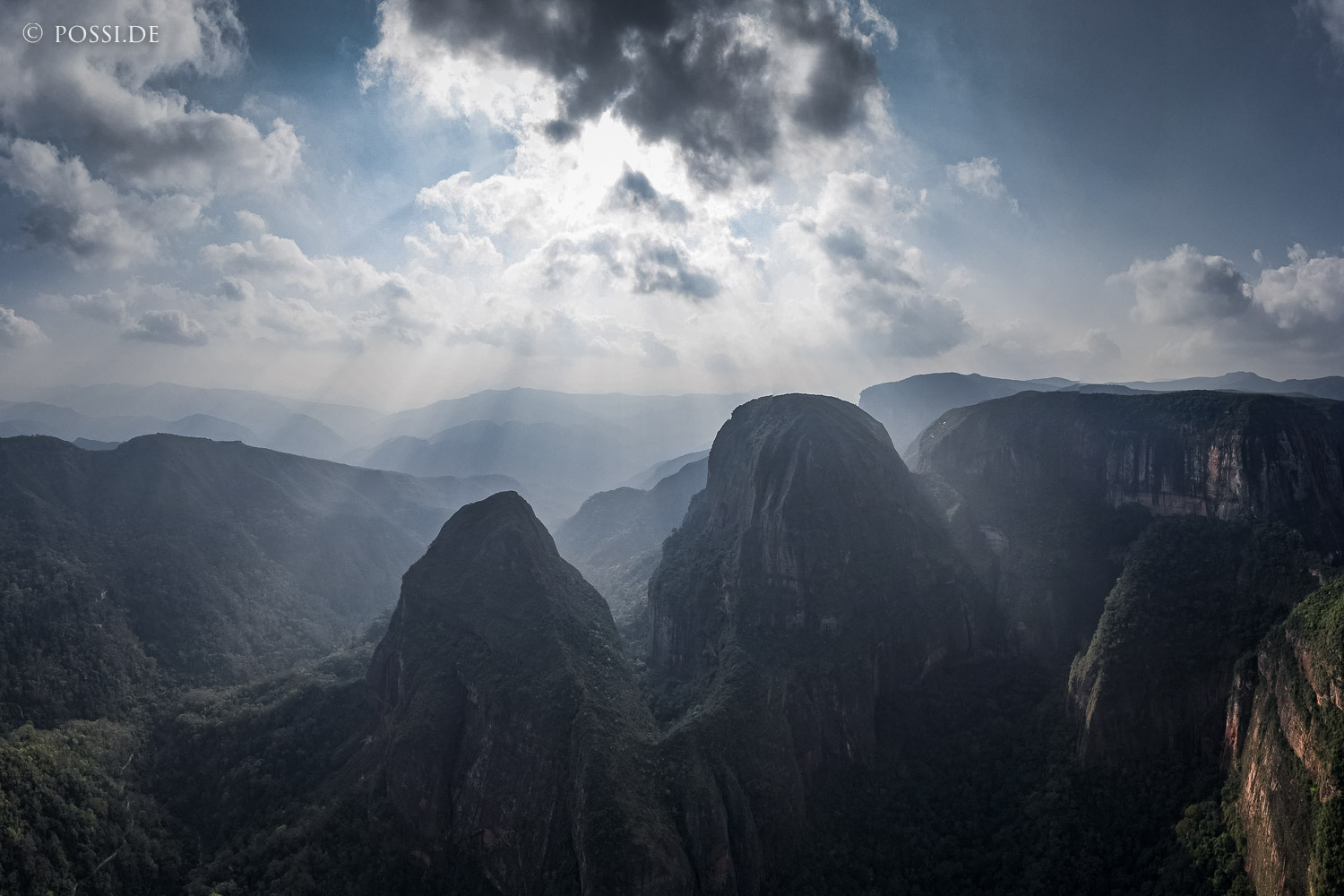
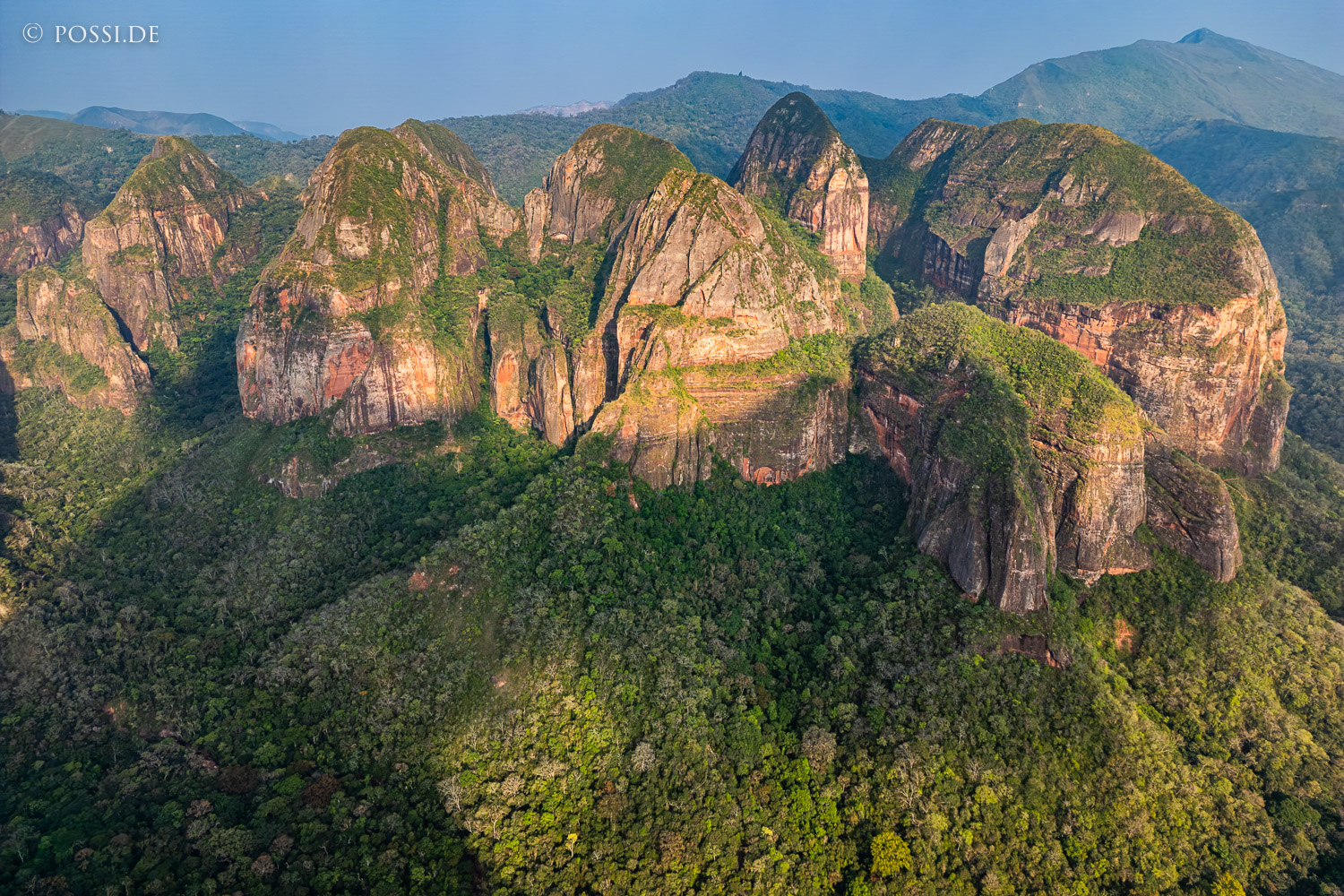
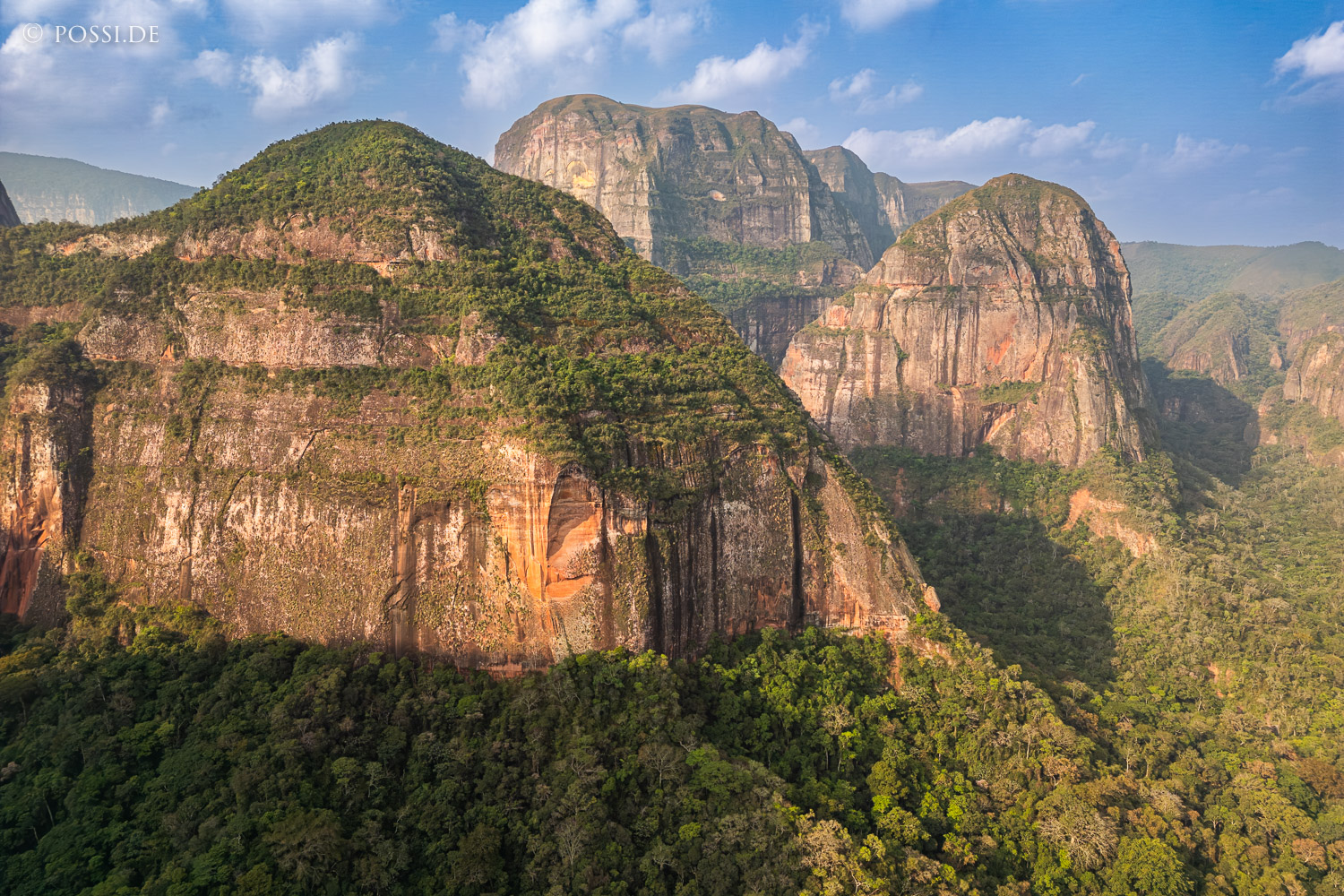
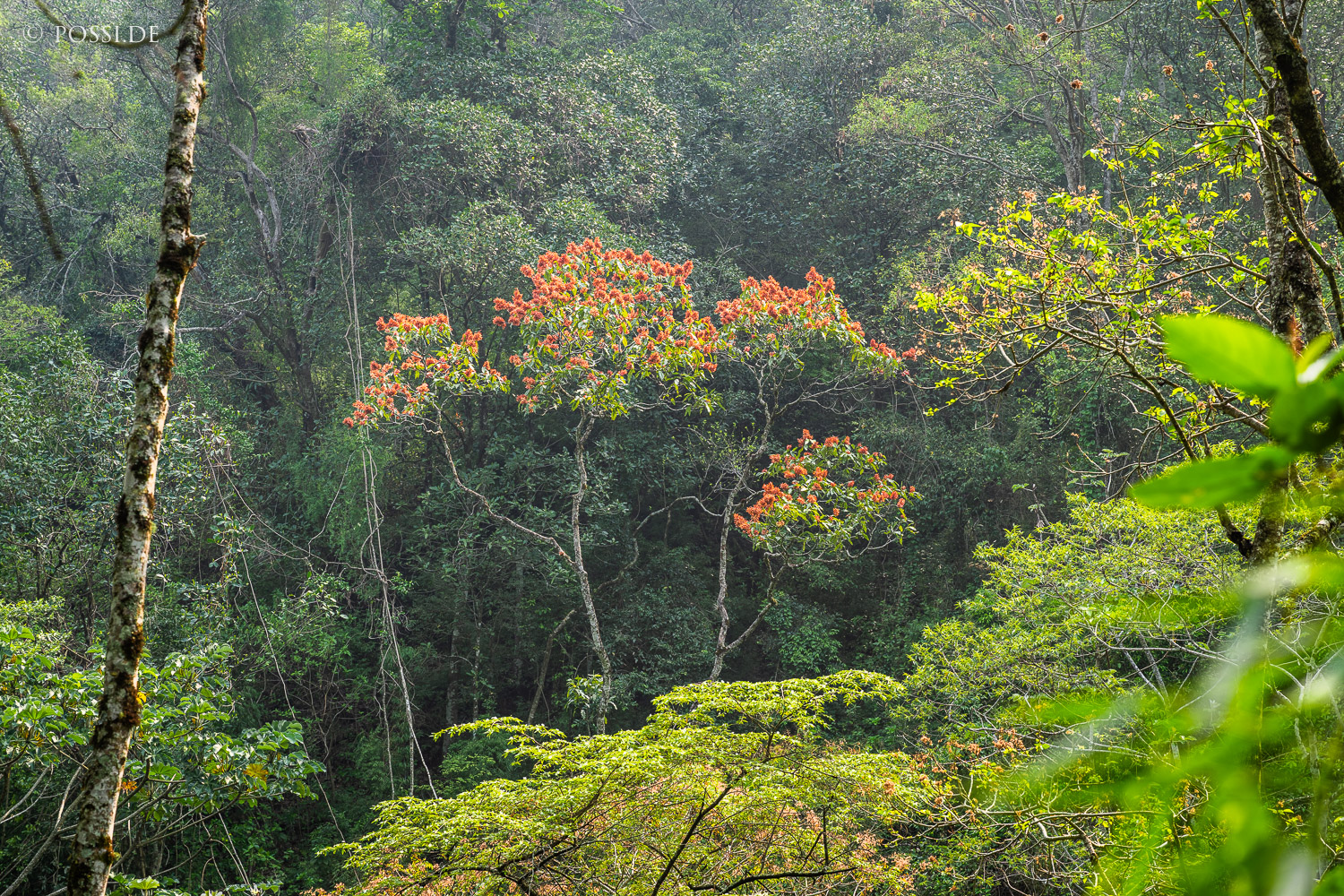
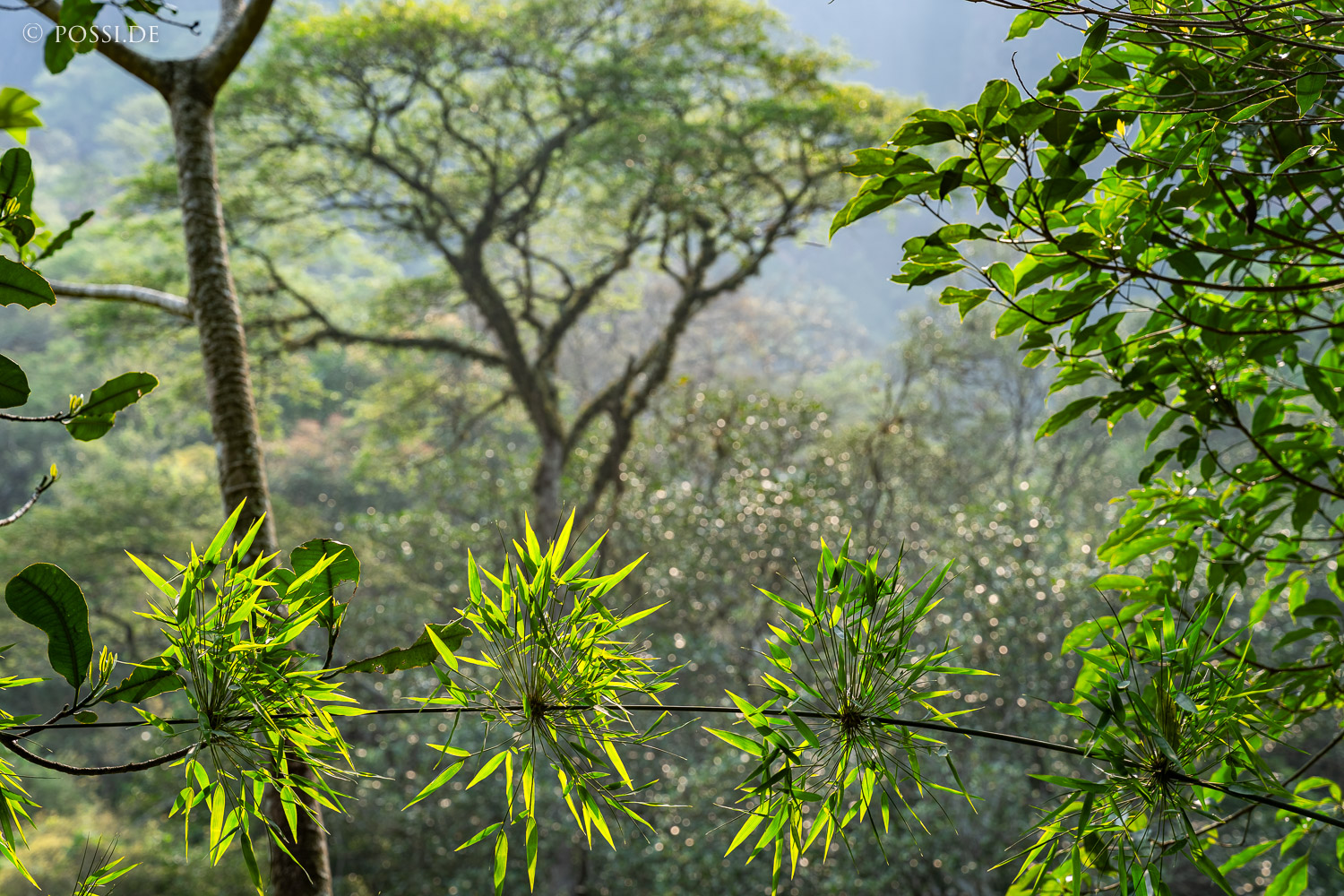
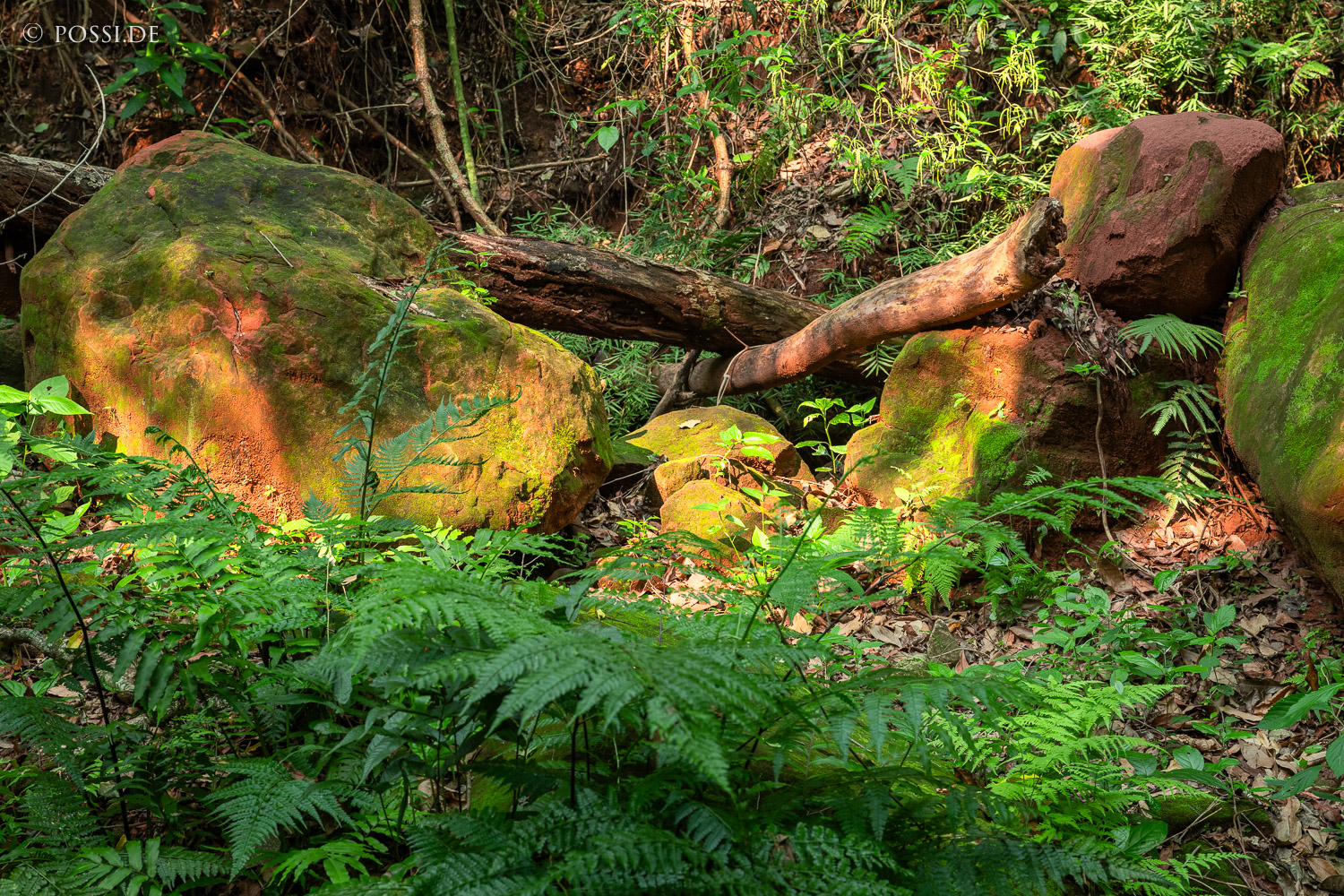
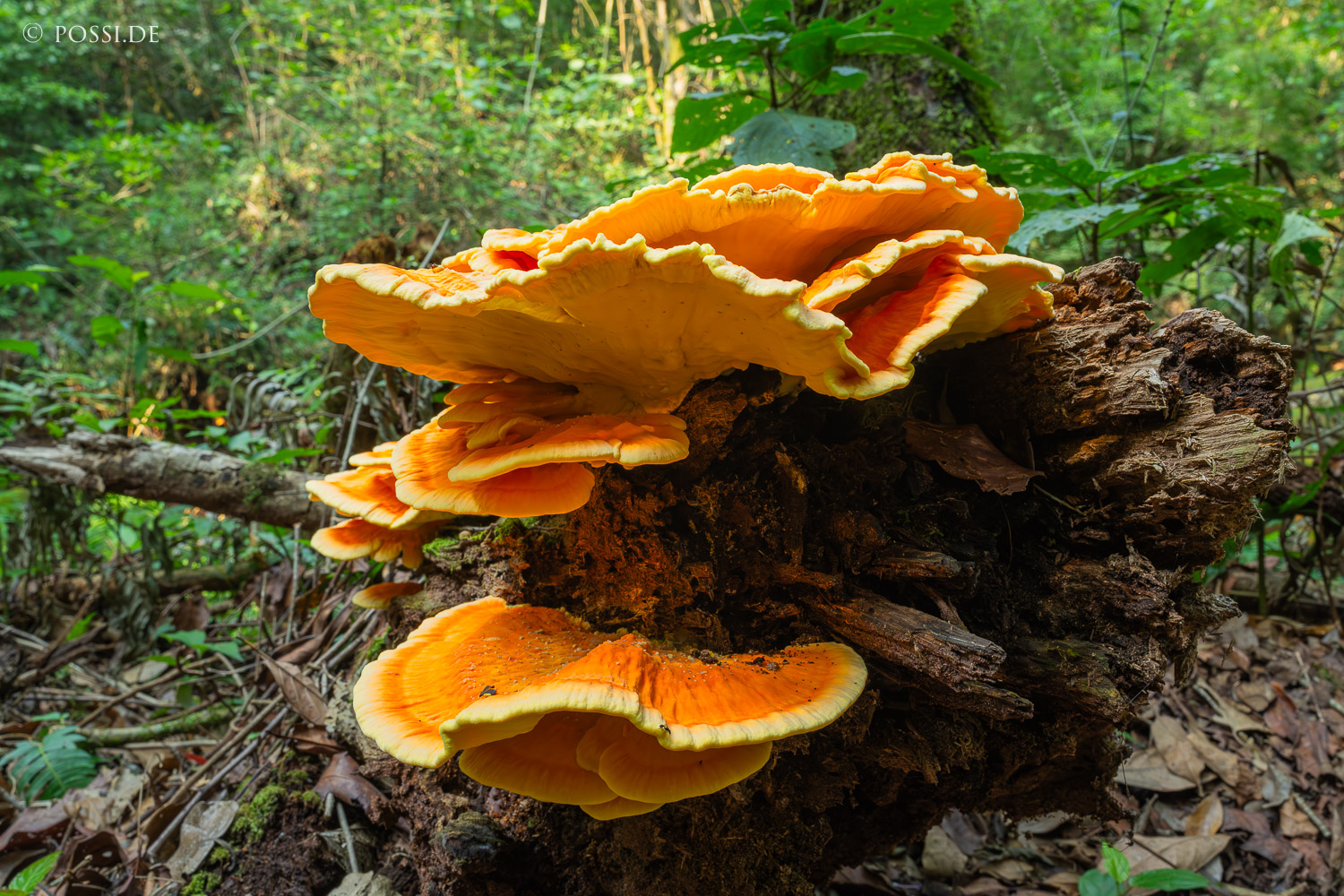
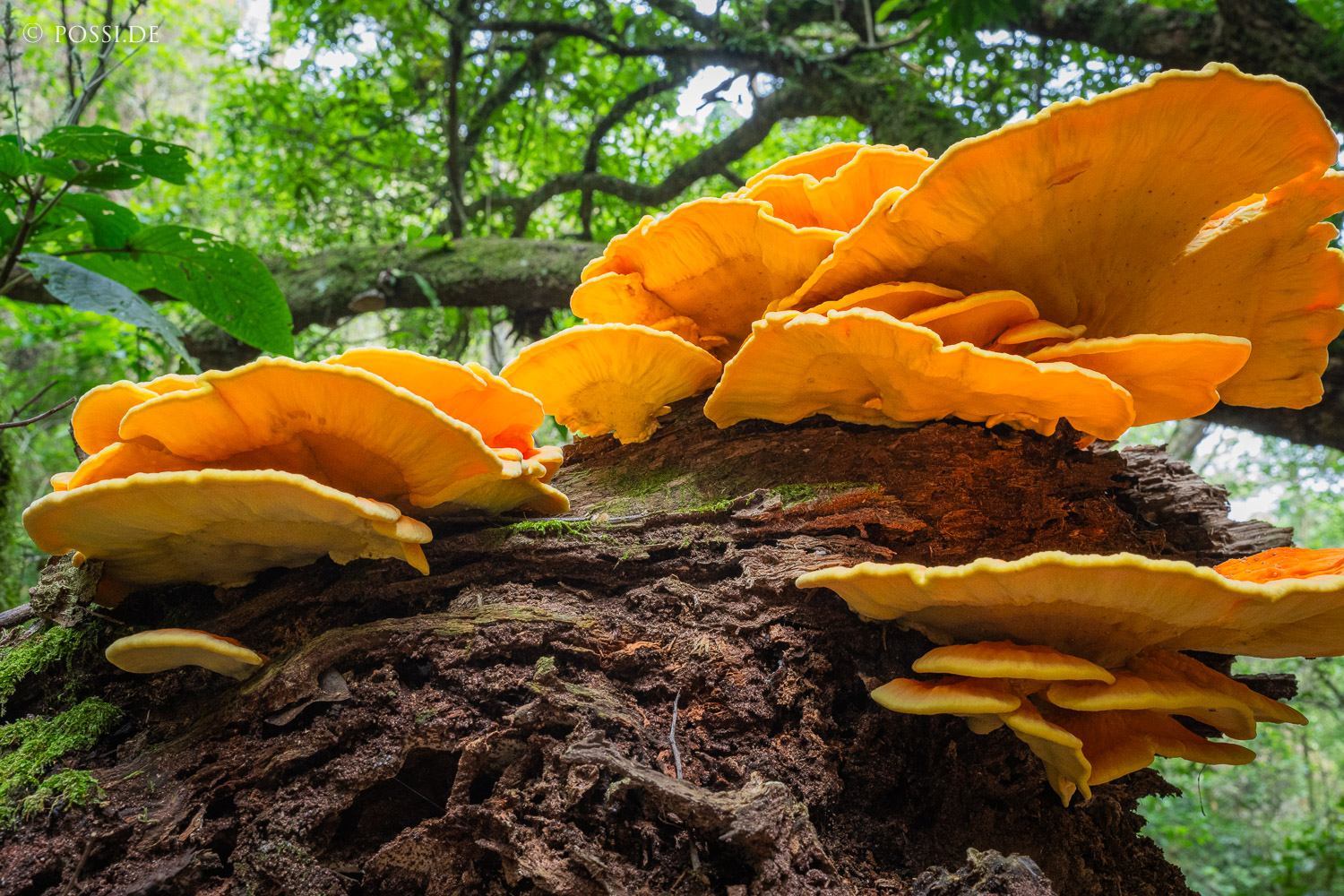
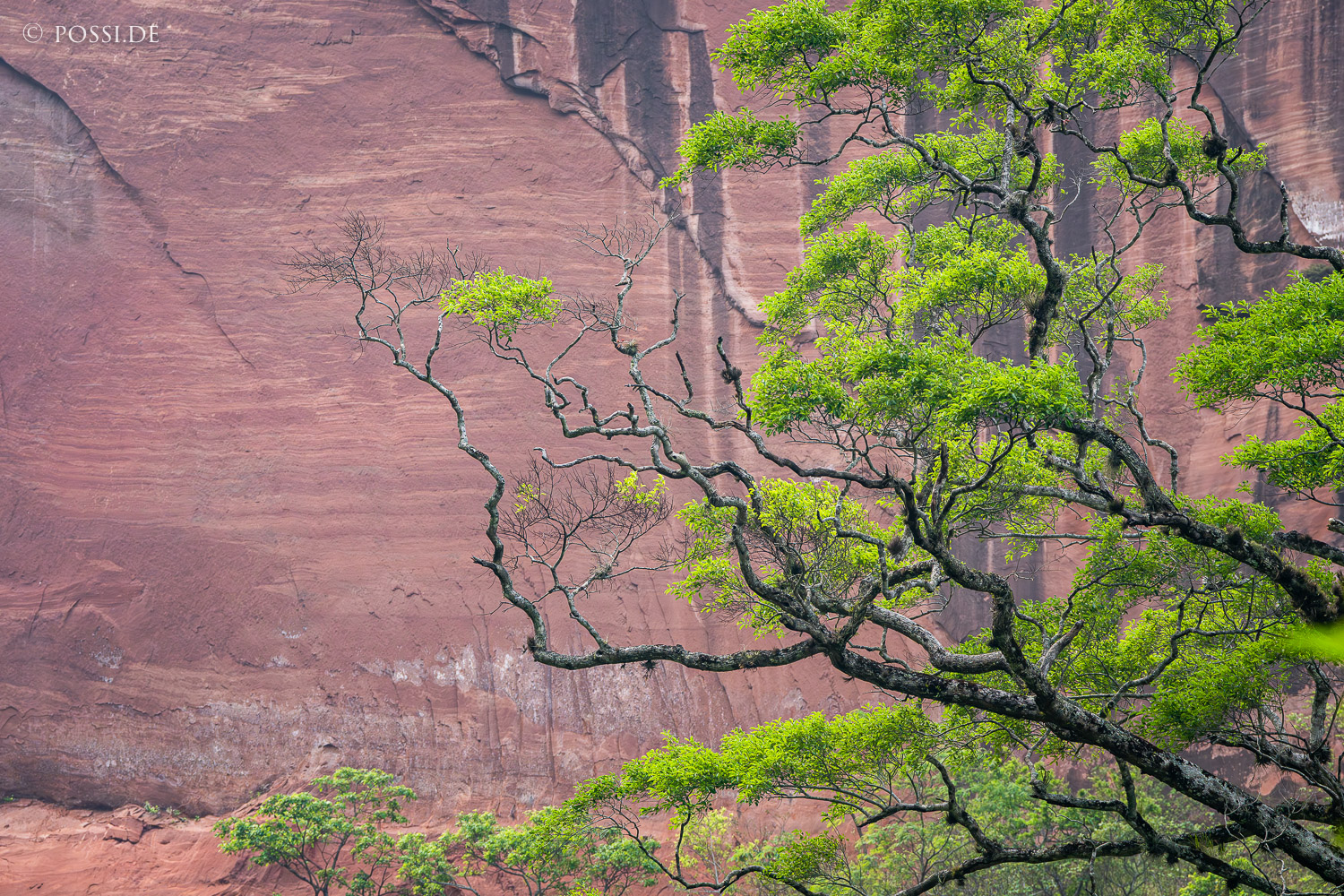
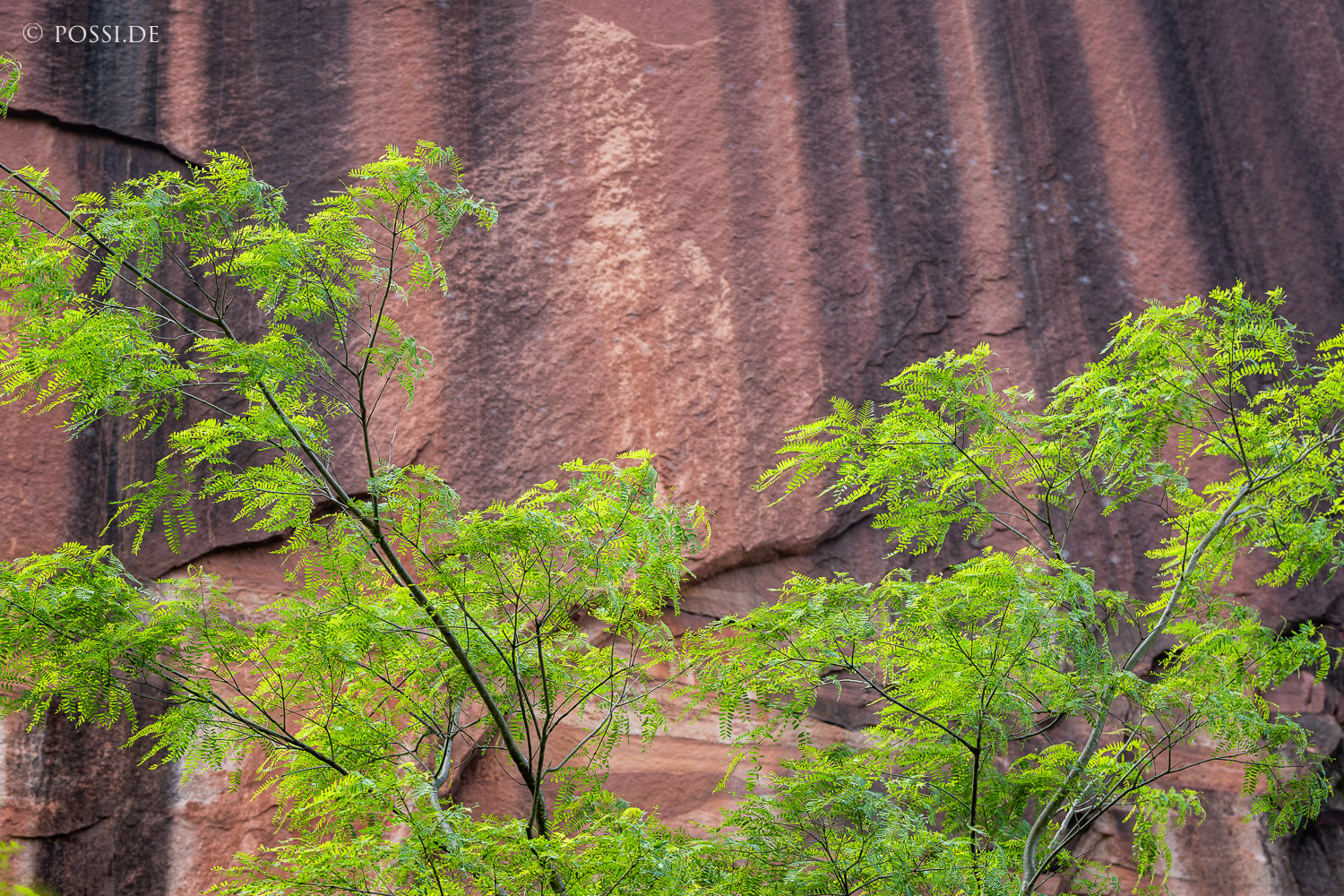
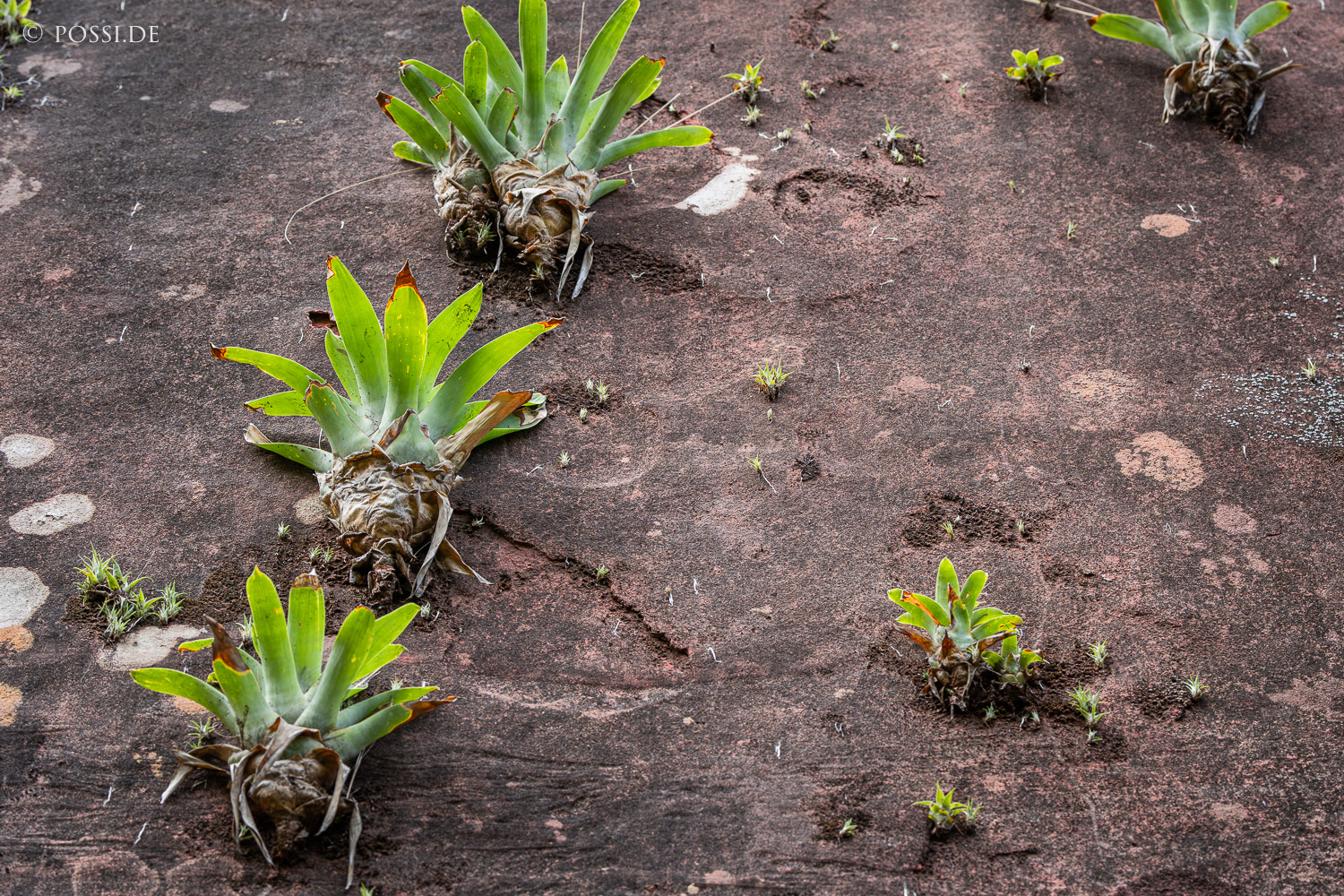
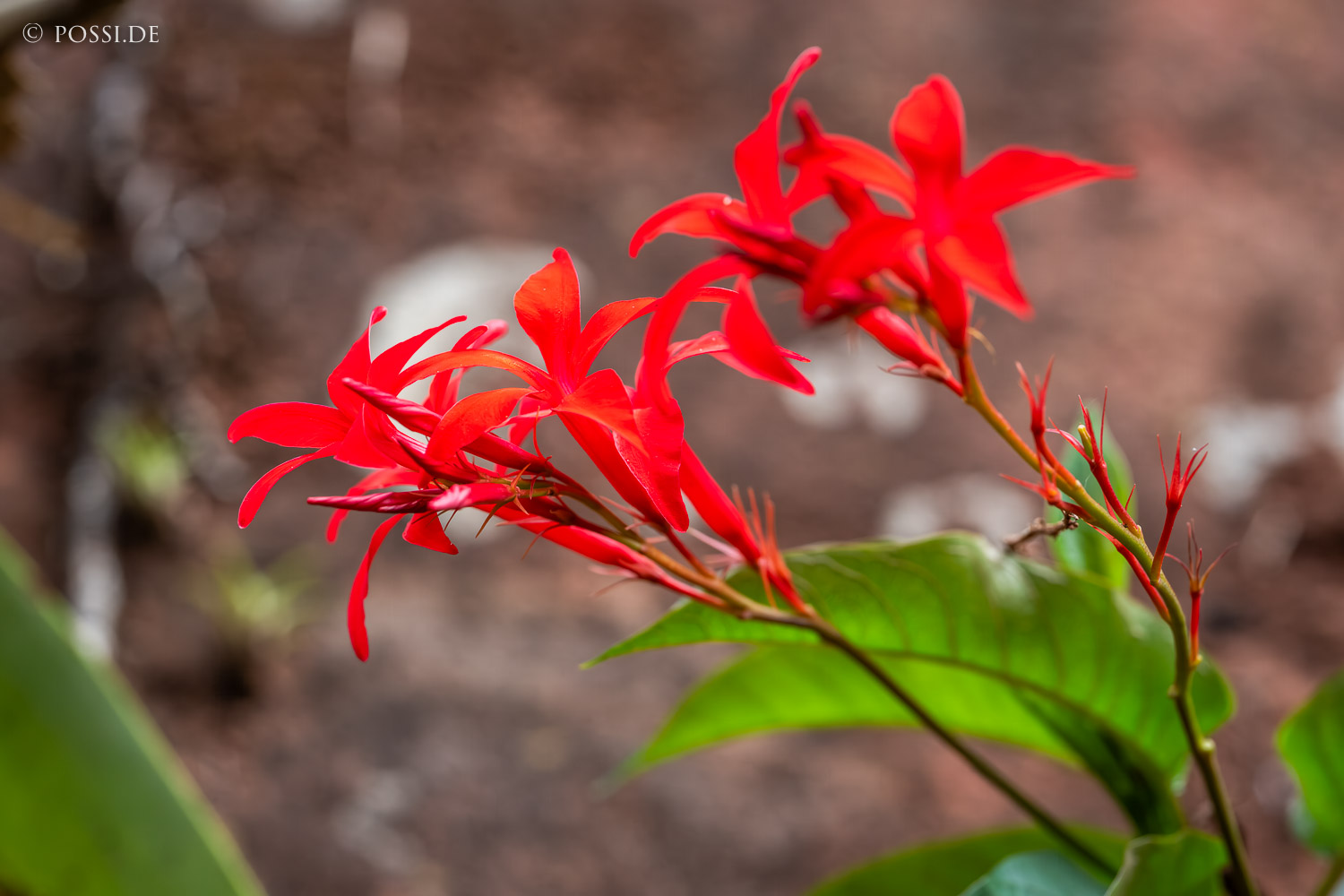
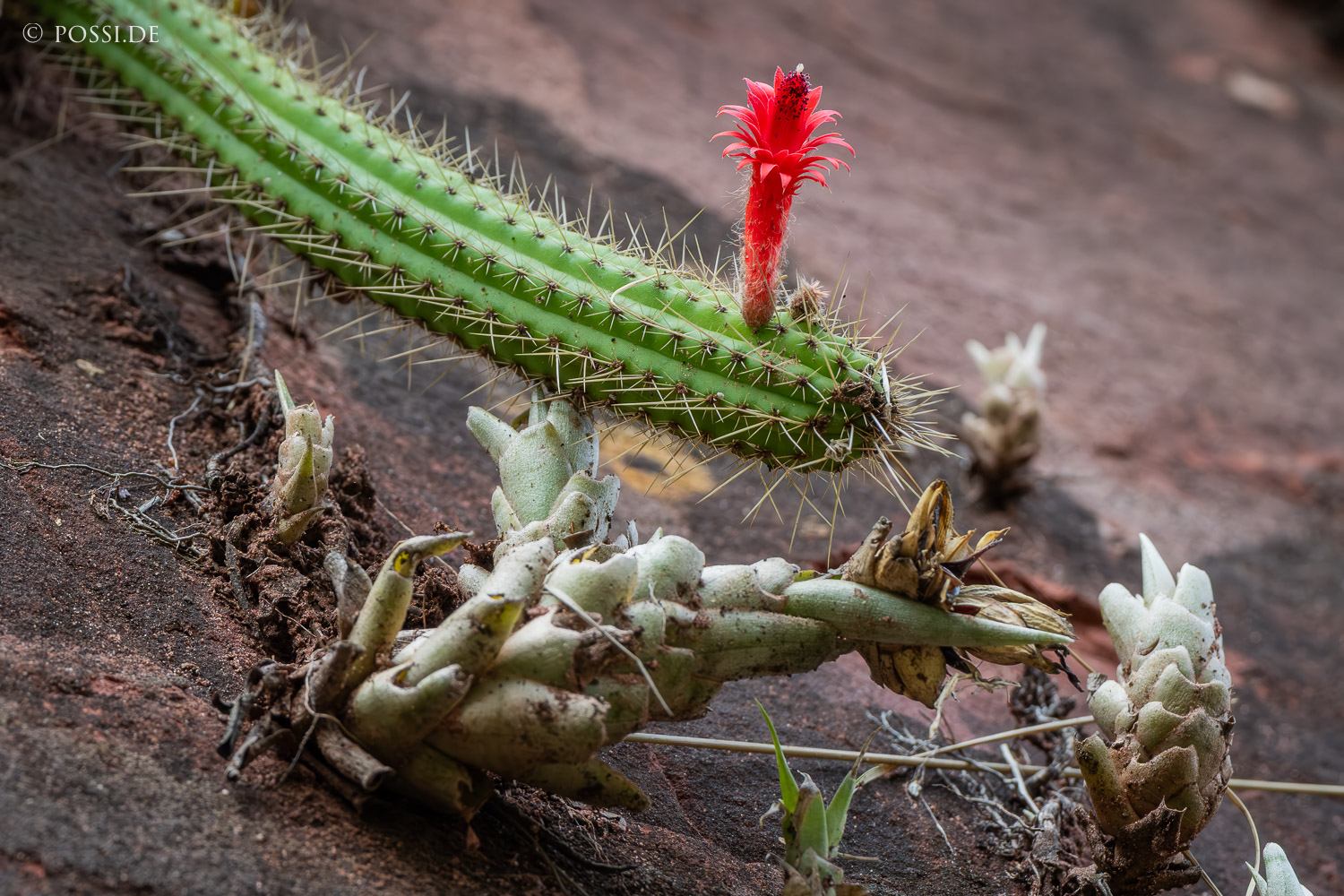
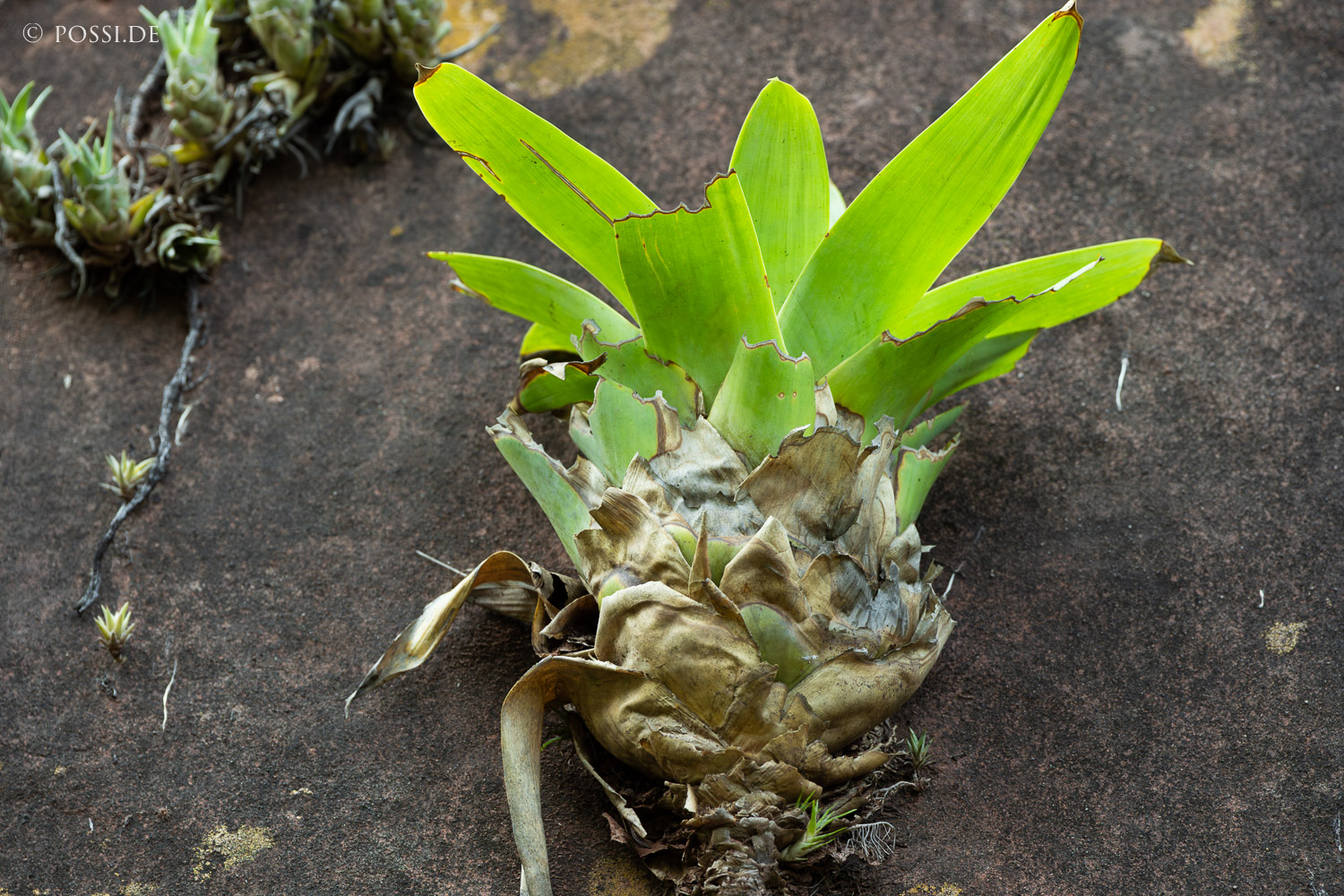
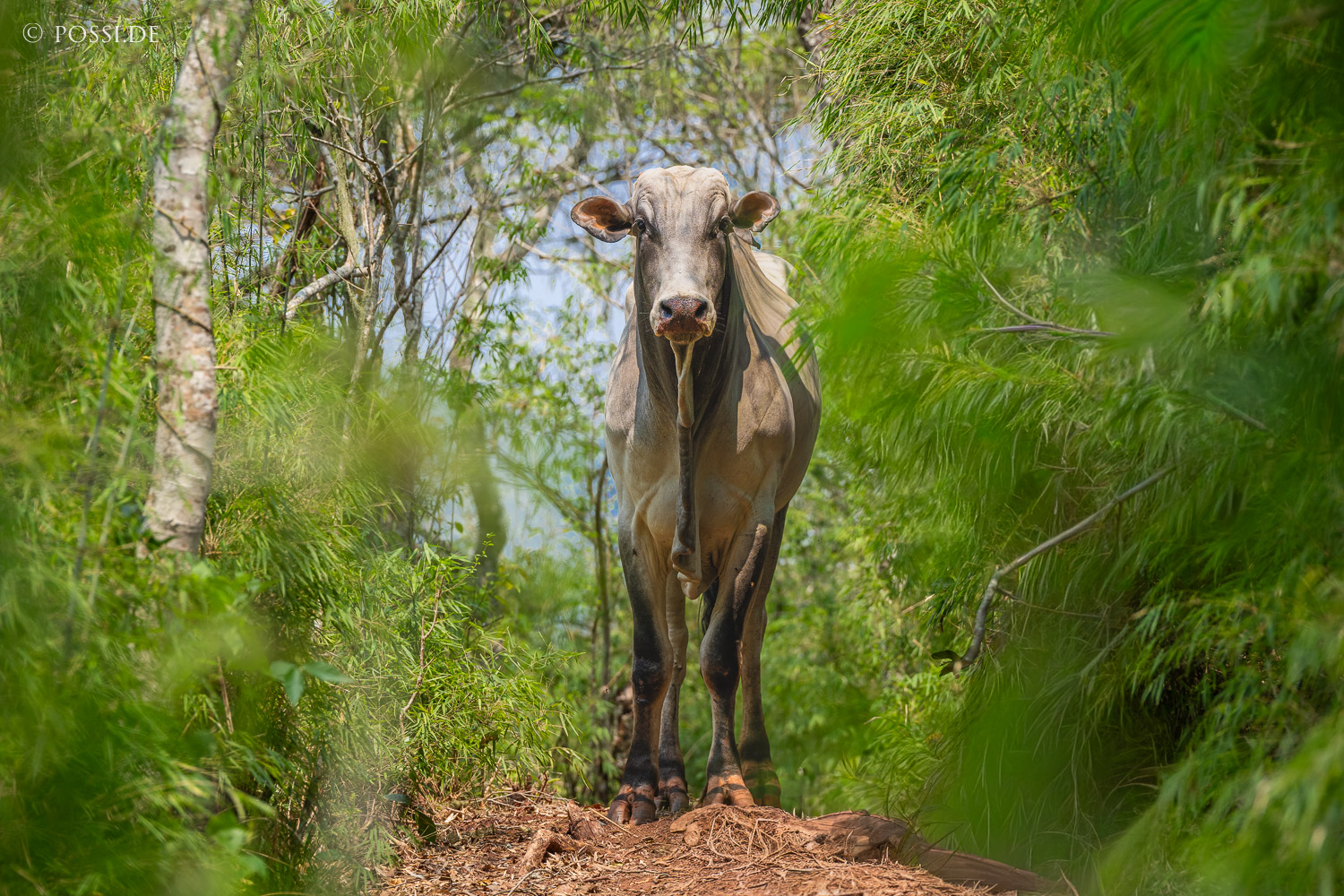
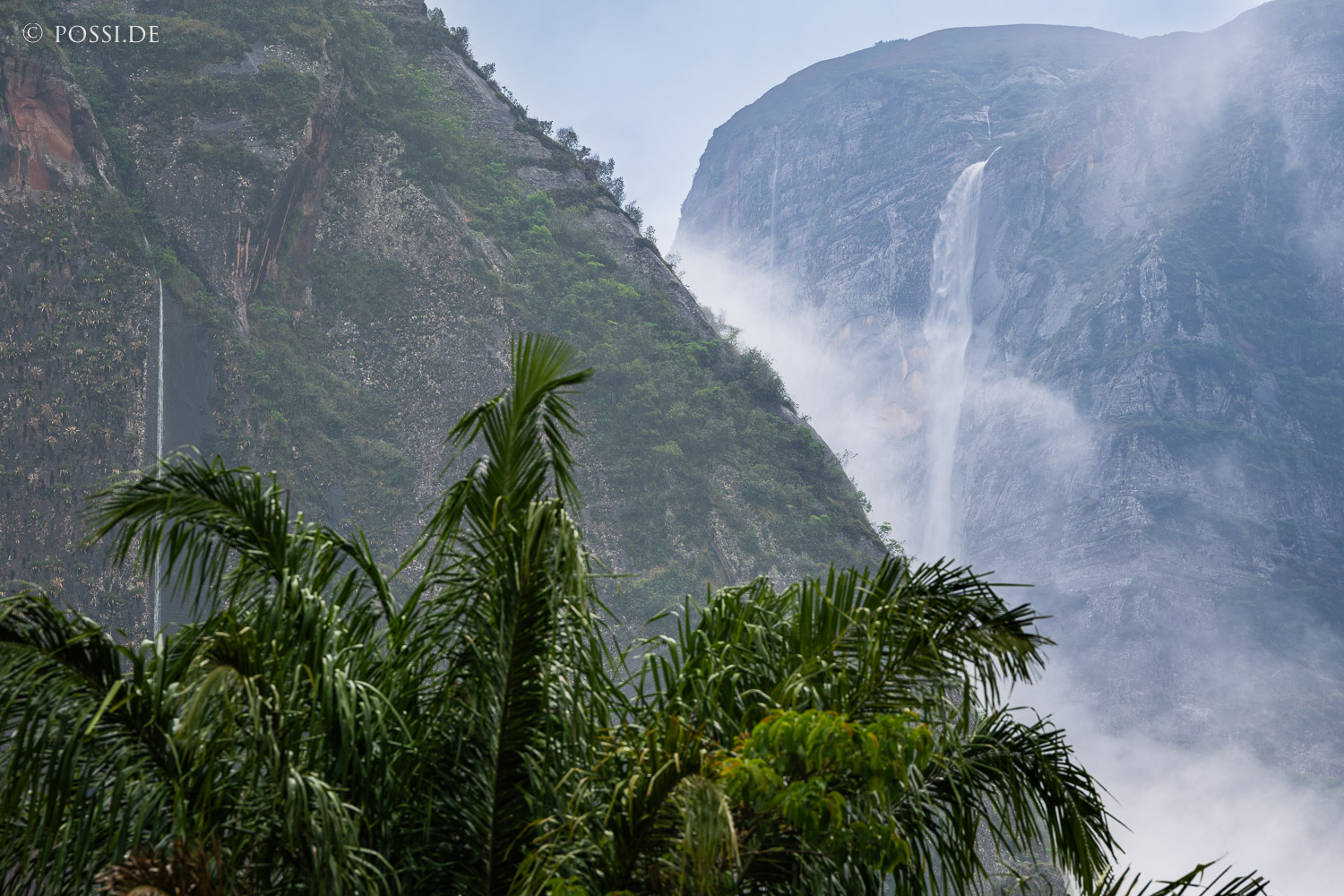
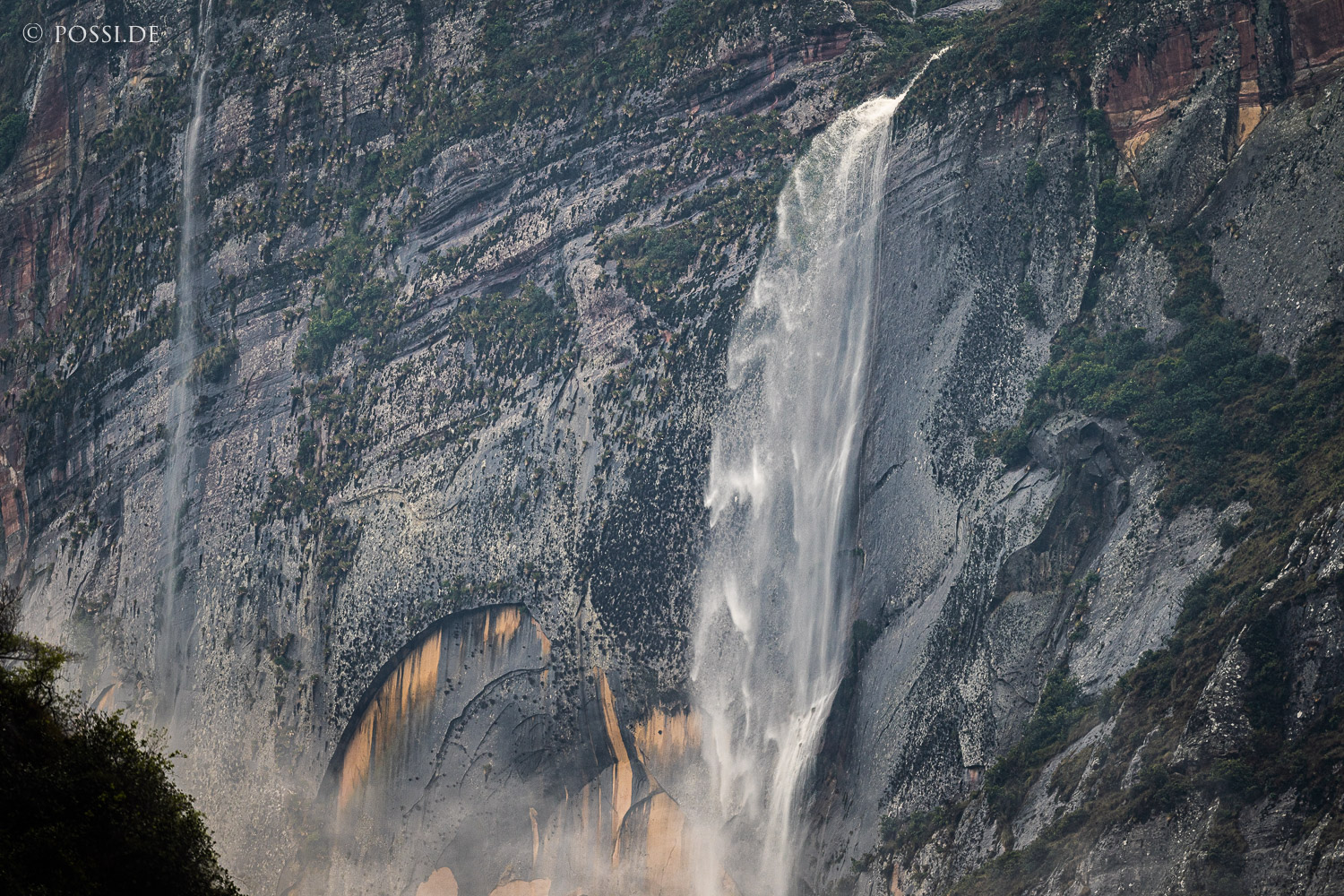
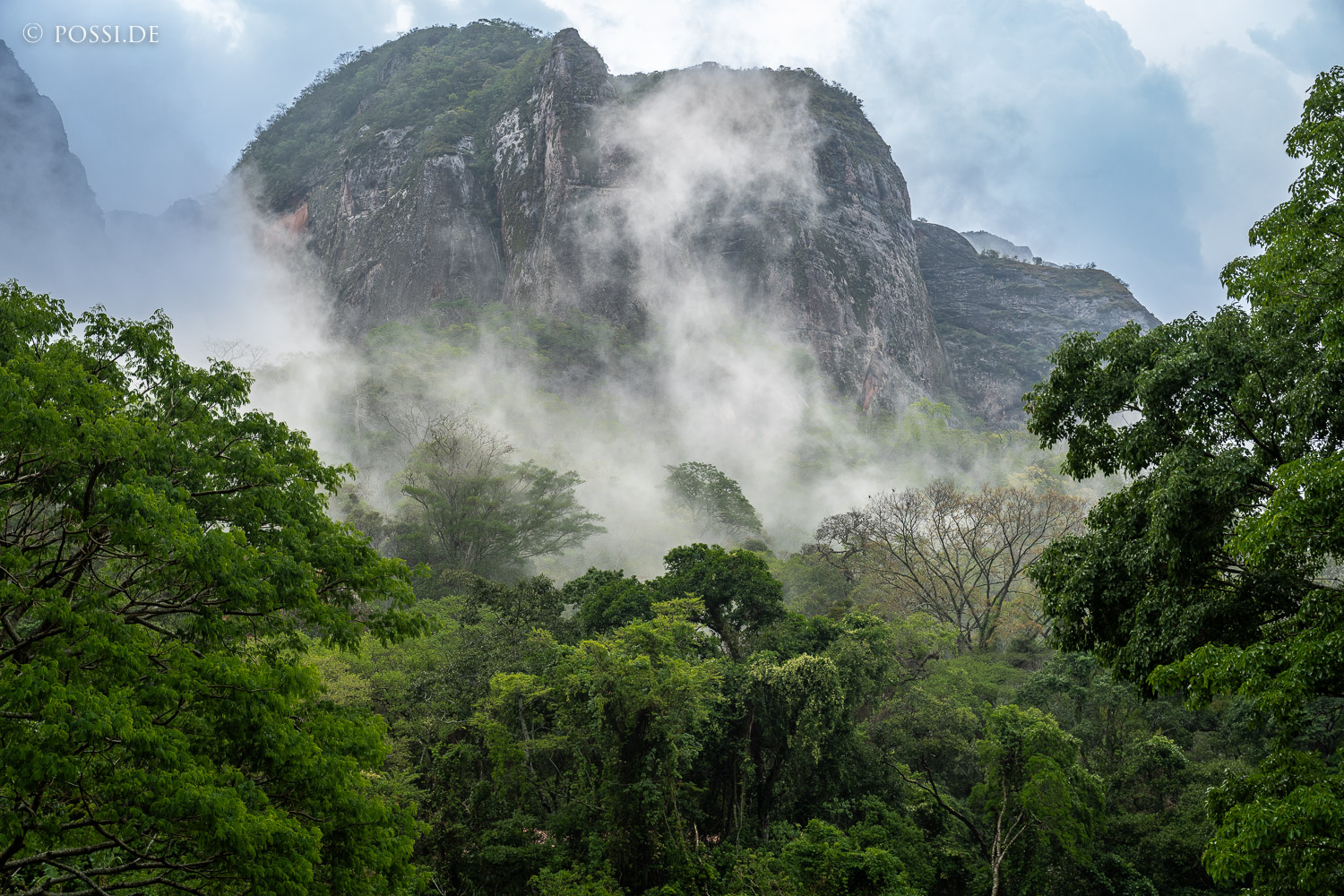
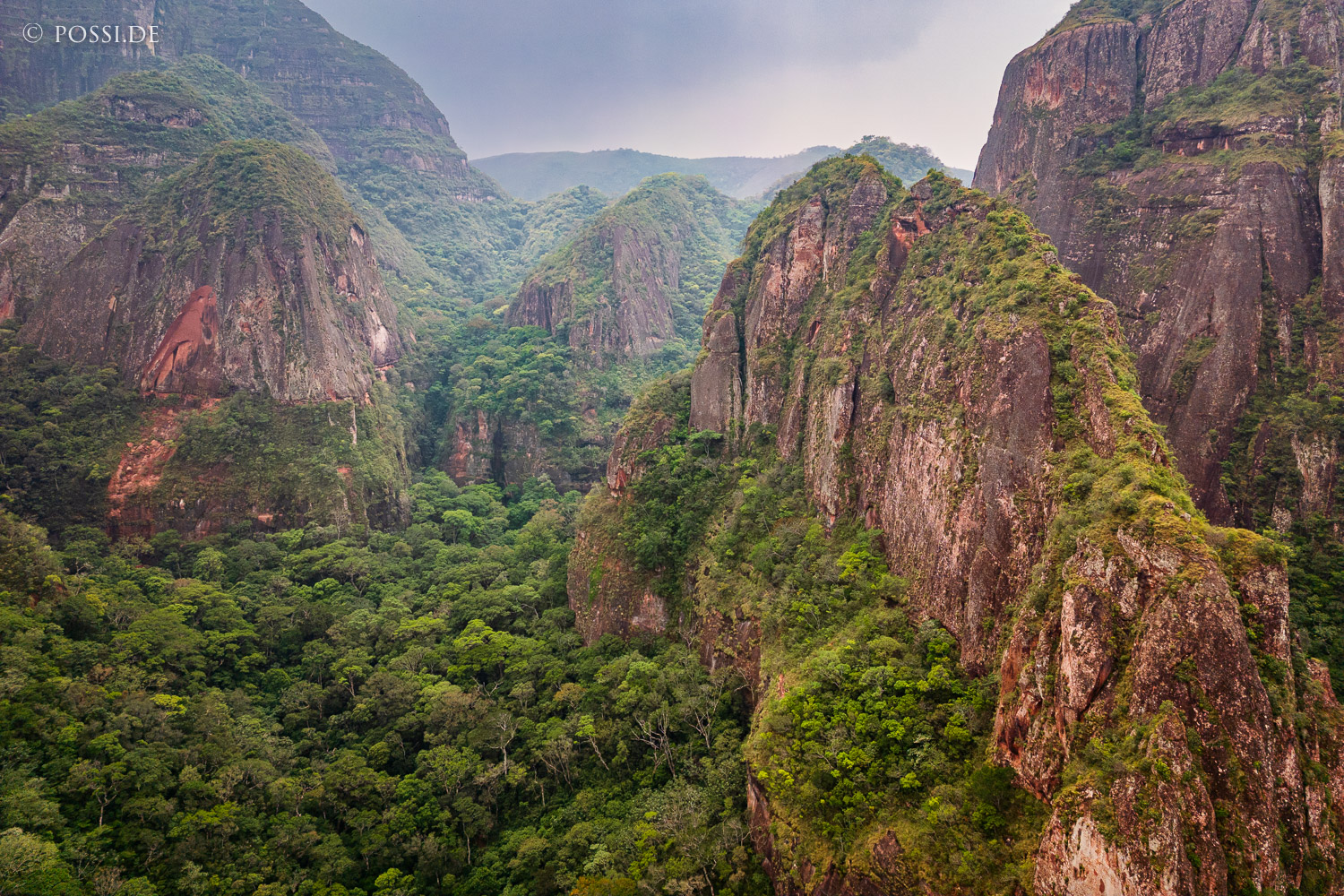
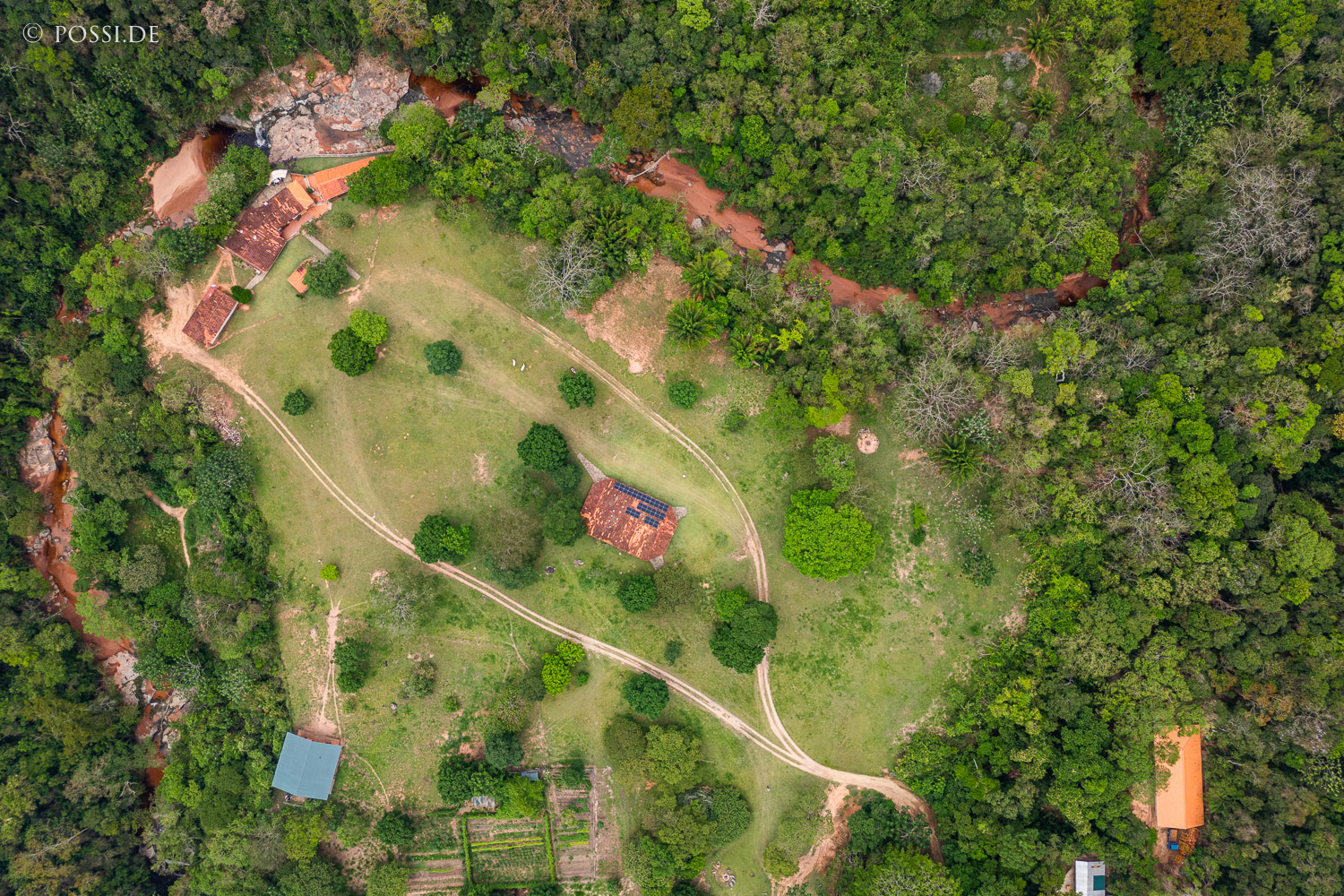
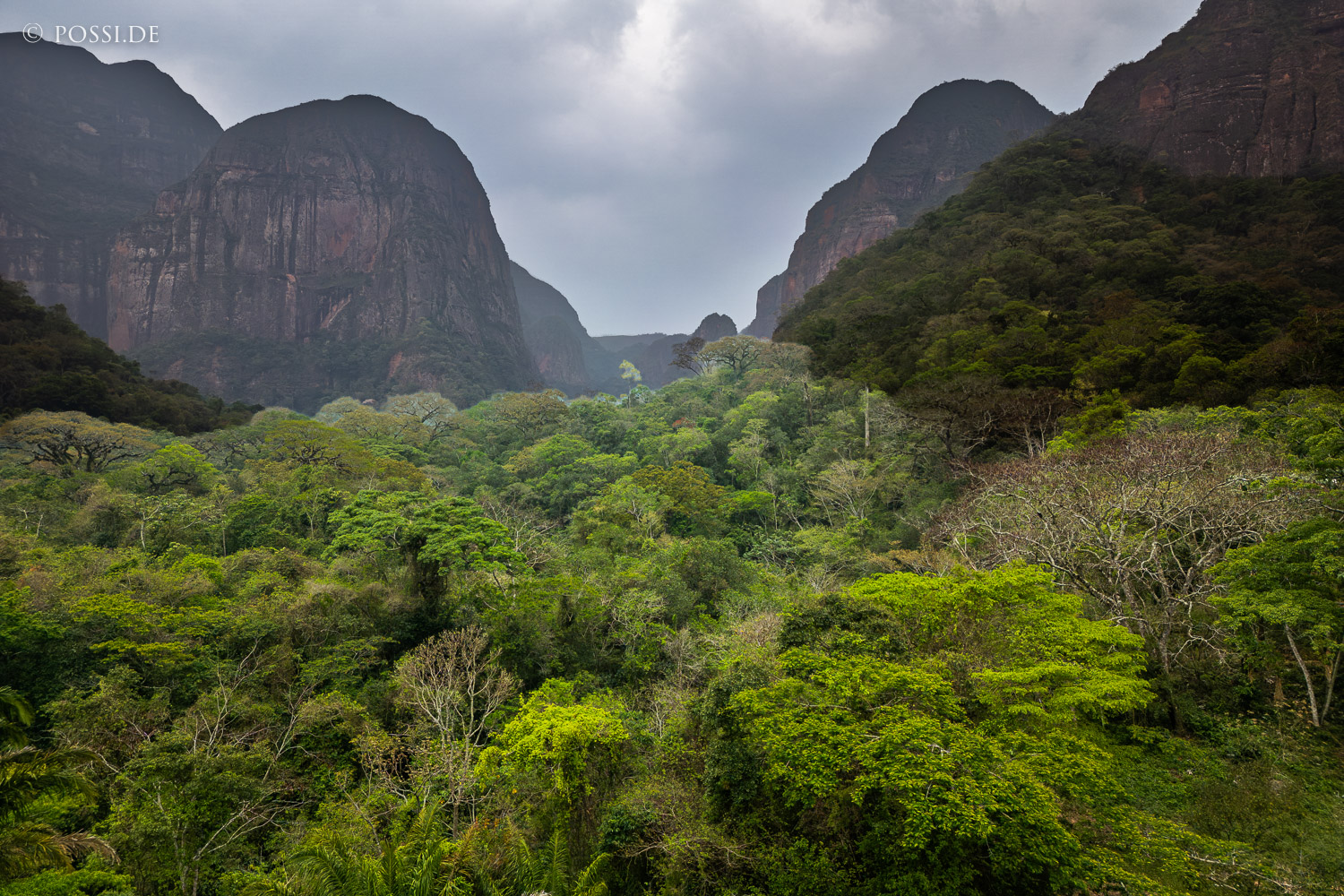
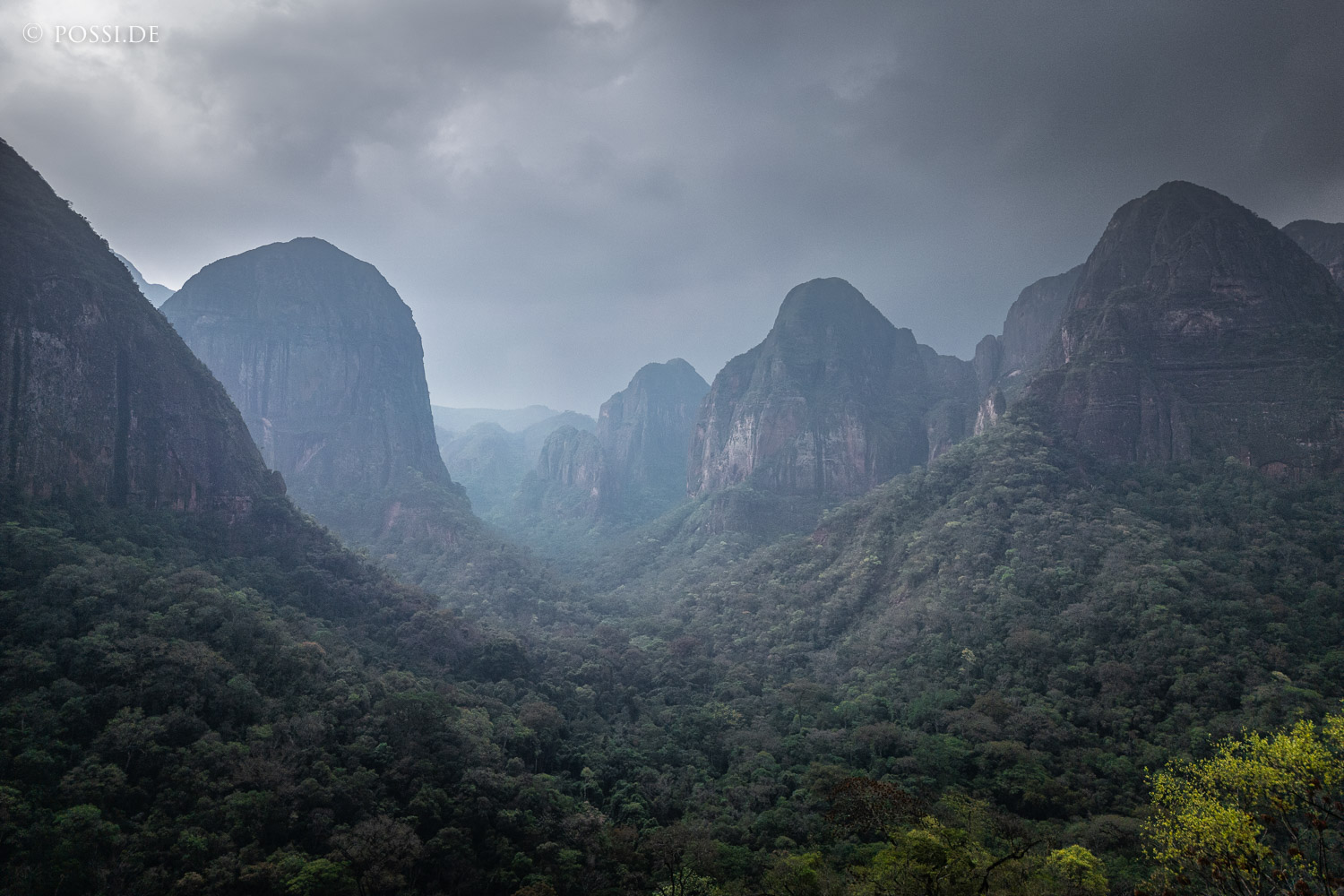
Die Rückfahrt im Bus nach Santa Cruz war nötig, da der Inlandsflug wegen zahlreicher Waldbrände abgesagt worden war. Zum Ausgleich besuchten wir noch das Bergland mit seinen Karstformationen und erlebten auf einer Ranch den Bergwald und weitere Wildtiere. Eine außergewöhnliche Expedition in eine der artenreichsten Regionen der Erde.
Our small group of photography enthusiasts started this expedition – organised by Martin Skjedal – in Santa Cruz. After a walk through the city, the adventure began towards the Bolivian rainforest region of Chapare. Via Buena Vista and Chimoré, a boat carried us along the Río Chapare to the remote Yuracaré community of Trinidadcito deep in the tropical rainforest – nights in simple tents, days devoted to intensive wildlife observation.
Boat trips on rivers and lagoons, and hikes through pristine vegetation, offered diverse photographic subjects. Caimans, various monkey species, tapirs, otters and – with luck – even jaguars were possible encounters, along with numerous colourful birds and macaws. Meeting the Yuracaré people offered insights into life between tradition and modernity, including banana, cacao and coffee production.
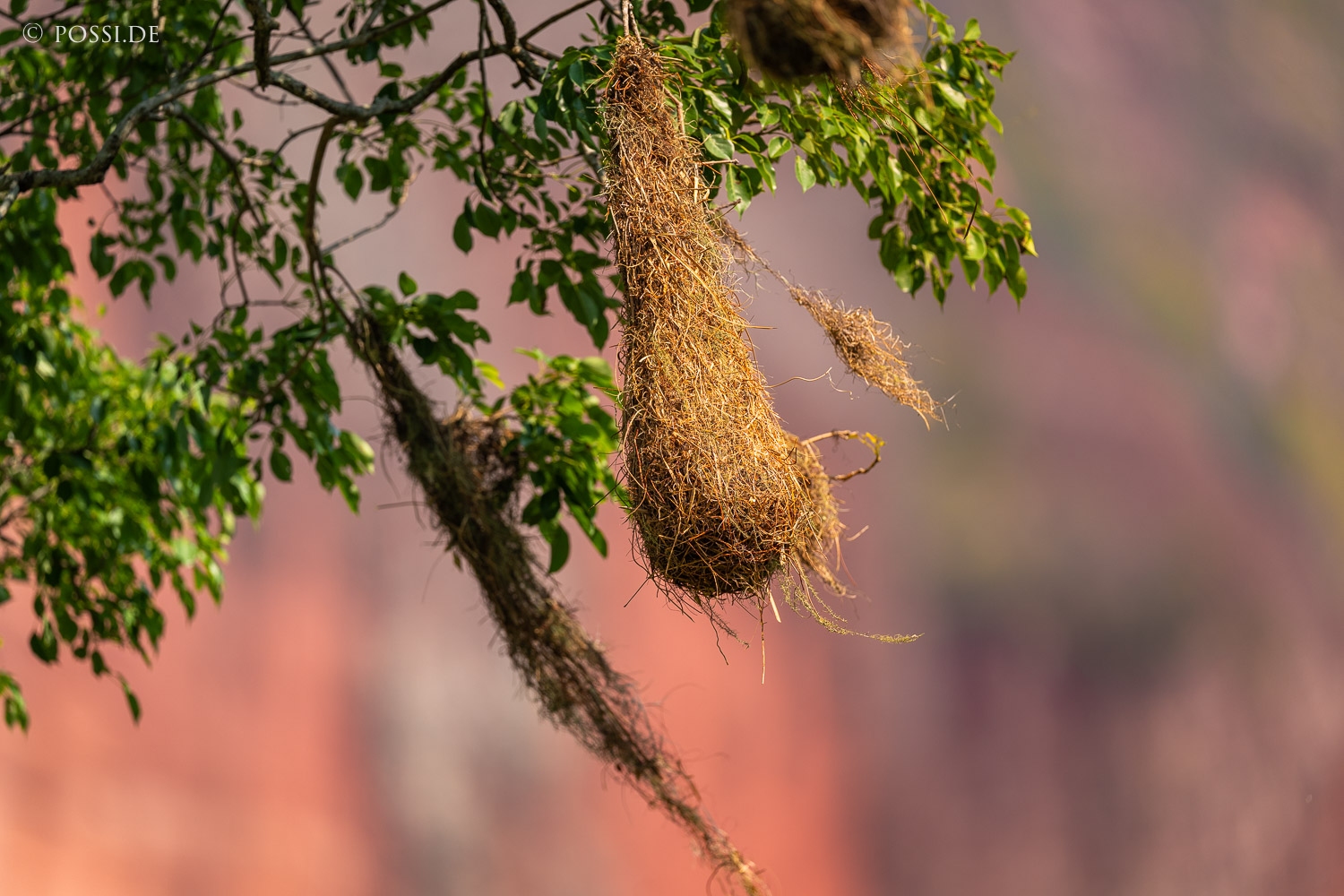
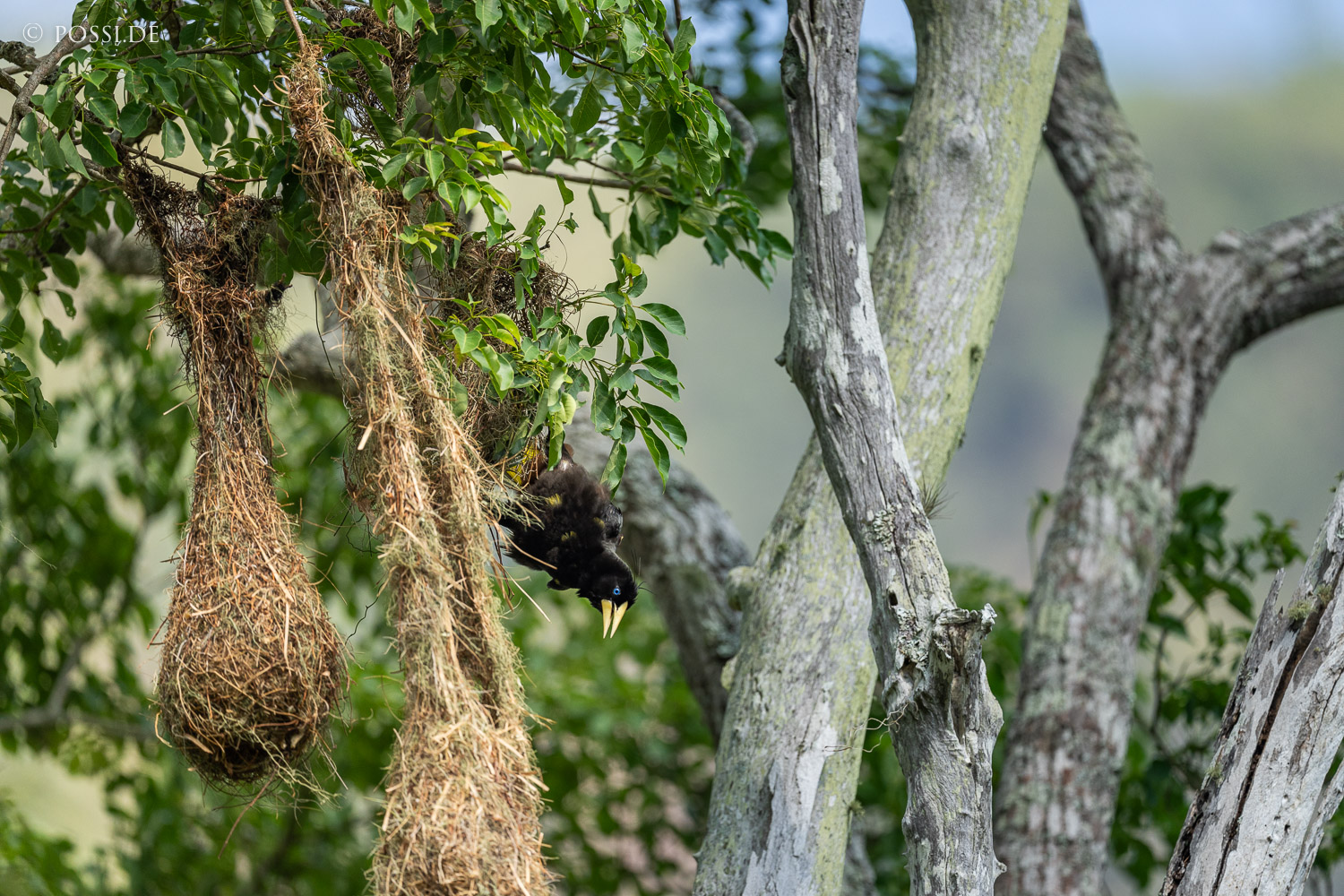
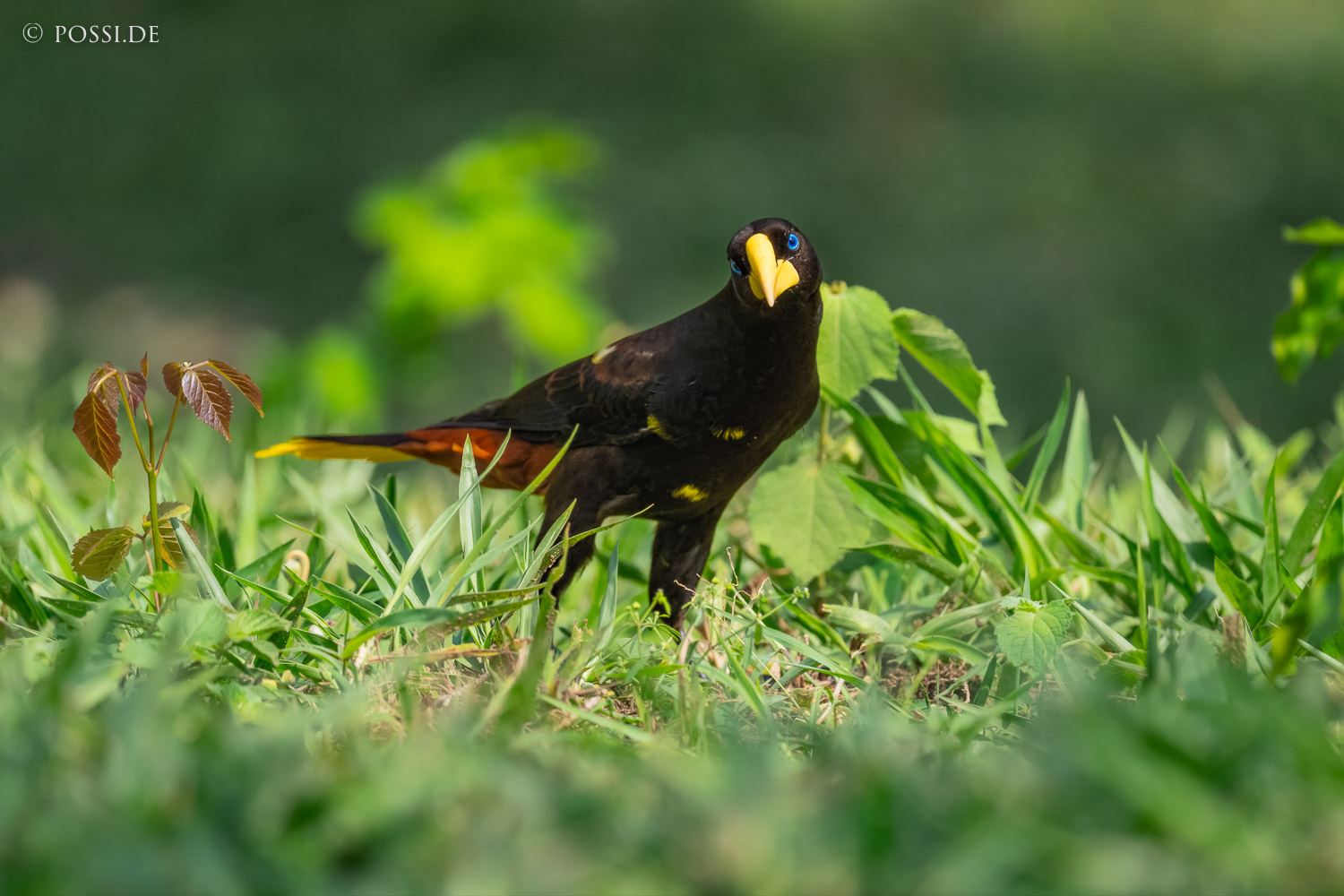
After returning and a short flight in a small plane, the route led to San Joaquin in the tropical savannah landscape, then on to Estancia Vainilla near Laguna Oceano. In the Llanos de Moxo, extensive excursions by boat, on foot and by 4×4 were on the programme. Capybaras, river dolphins, anteaters, armadillos, anacondas and numerous bird species shaped the scenery. Life on a cattle ranch with gauchos offered additional photographic perspectives.
A boat trip to the Brazilian border allowed a visit to a historic fortress on the Río Guaporé. The onward journey to Riberalta – centre of Brazil-nut production – provided insights into harvesting methods and the history of rubber cultivation. Trips on the Río Madre de Dios in traditional boats and walks through town and harbour documented everyday life.
The return by bus to Santa Cruz was necessary after the domestic flight was cancelled due to widespread forest fires. As compensation, we visited the highland karst formations and experienced the cloud forest and more wildlife on a ranch. An extraordinary expedition into one of the most biodiverse regions on Earth.
Alle Fotos entstanden mit der Sony α1 (50 Mpix Stacked Sensor, AI-Autofokus) und den Objektiven Sony FE 20–70 mm f/4 G, FE 70–200 mm f/2.8 GM und FE 600 mm f/4 GM (teils mit 1,4× und 2× Konverter). Drohnenaufnahmen mit DJI Mini 3 Pro. Entwicklung in Lightroom V15.1.1, teilweise Adobe Photoshop Firefly und Topaz Gigapixel Studio.
Ich habe 408 Fotos ausgewählt. Klicken Sie auf ein Foto um das Vollbild zu öffnen – mit den Pfeilen oder Pfeiltasten weiterblättern, ESC zum Schließen.
All photos were taken with the Sony α1 (50 MP stacked sensor, AI autofocus) using Sony FE 20–70 mm f/4 G, FE 70–200 mm f/2.8 GM and FE 600 mm f/4 GM lenses (sometimes with 1.4× and 2× converters). Drone shots with DJI Mini 3 Pro. Processing in Lightroom V15.1.1, with Adobe Photoshop Firefly and Topaz Gigapixel Studio.
I have selected 408 photos. Click any image to open full-size – navigate with arrows or keyboard, ESC to close.