Sizilien Reise 2026
Diese kurze Reise habe ich mit meinen Freunden gemacht. Es ging nach Memmingen zum Airport und dann mit dem Flugzeug nach Palermo, mit dem Mietwagen nach Agrigent und Syrakus. Wir haben uns eine Reihe von klassischen Sehenswürdigkeiten angesehen und das italienische Flair im Winter (Anfang März zwischen 15 und 20 Grad) genossen. Fotografisch hatte ich mich auf eine wertige Minimalausrüstung mit leichtem Weitwinkel und leichtem Tele konzentriert, Wildlife stand diesmal nicht auf dem Programm.
Sizilien ist die größte Insel des Mittelmeers und eine der kulturhistorisch reichsten Regionen Europas. Seit Jahrtausenden ist sie ein Knotenpunkt zwischen Afrika, Europa und dem Nahen Osten. Phönizier, Griechen, Römer, Araber, Normannen und Spanier hinterließen hier ihre Spuren. Diese außergewöhnliche Mischung macht die Insel zu einem einzigartigen kulturellen Mosaik. Neben spektakulären Landschaften prägen vor allem historische Städte das Bild Siziliens. Zu den bedeutendsten besuchten gehören Palermo, Agrigent und Syrakus. Auch archäologische Stätten wie die berühmte Villa Romana del Casale oder die Tempel Agrigents gehören zu den Höhepunkten.
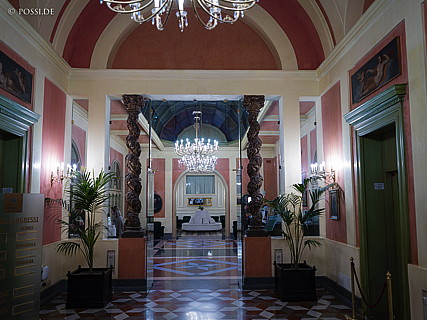
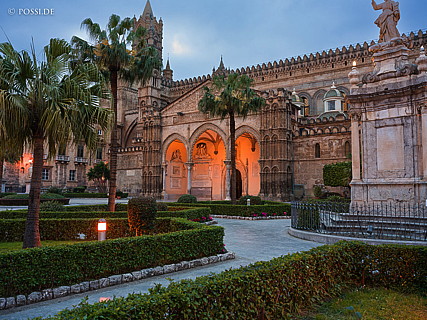
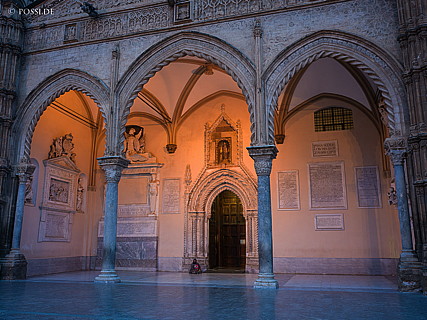
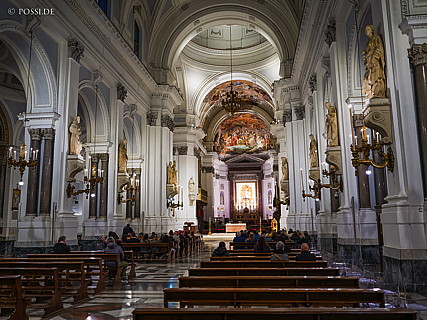
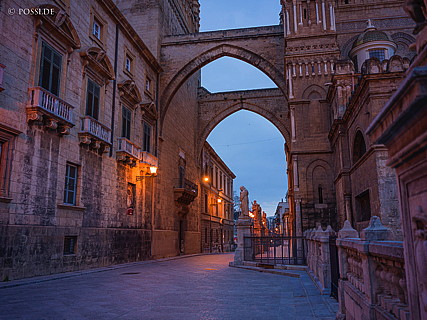
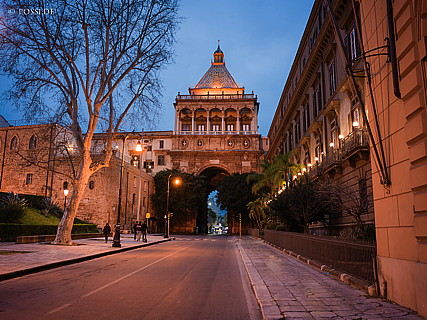
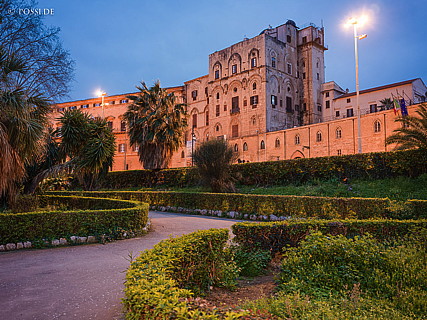
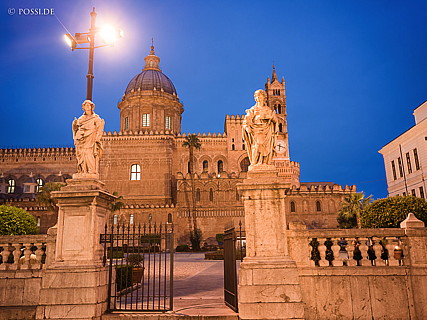
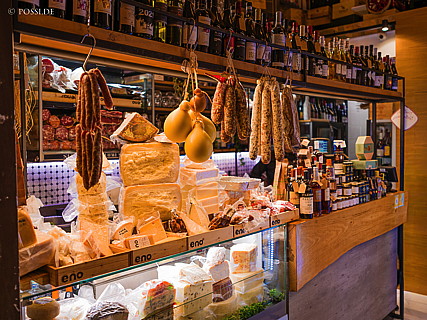
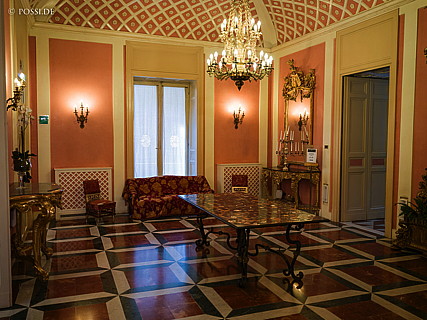
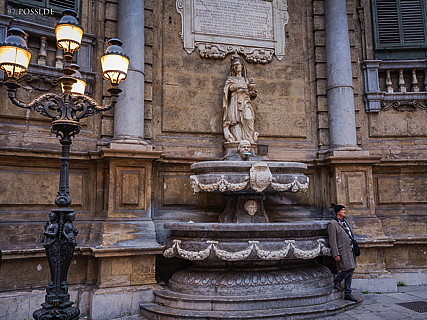
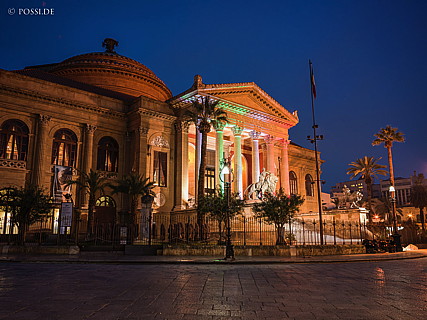
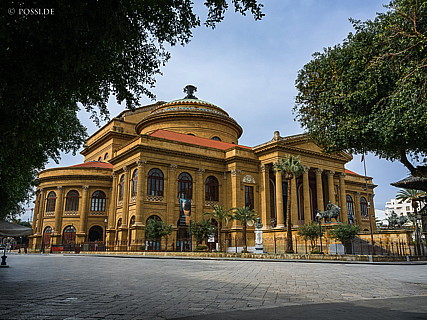
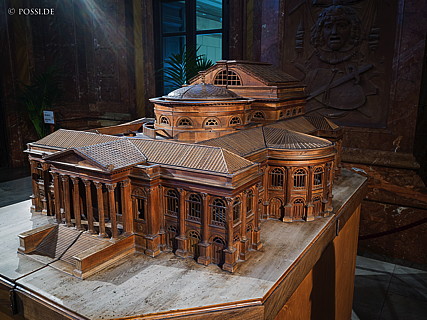
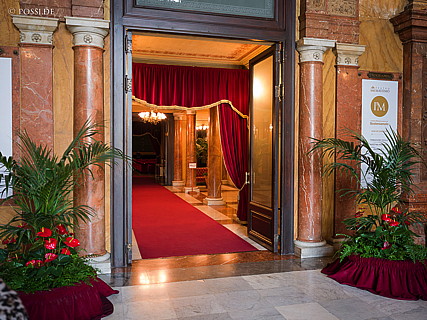
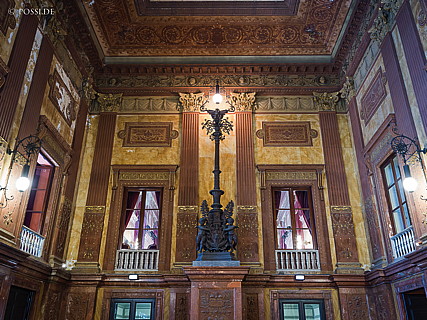
Palermo ist die lebendige Hauptstadt Siziliens und ein faszinierender kultureller Schmelztiegel. Die Stadt vereint arabische, normannische und barocke Architektur in ungewöhnlicher Harmonie. Besonders beeindruckend ist das famose Openhaus oder die Cappella Palatina im Normannenpalast mit ihren goldenen Mosaiken. Auch die Kathedrale von Palermo zeigt eindrucksvoll die wechselvolle Geschichte der Stadt. Märkte wie Ballarò oder Vucciria spiegeln bis heute die arabischen Wurzeln Palermos wider. Zwischen Palmen, Kirchen und Palästen entfaltet sich hier ein unverwechselbares mediterranes Flair.
Etwa eine Stunde südlich von Palermo liegt Corleone im bergigen Hinterland. Der Ort wurde international durch Filme "Der Pate" und Geschichten über die Mafia bekannt. Tatsächlich hat Corleone jedoch eine viel ältere Geschichte. Die Gegend war bereits in der Antike besiedelt und lag an wichtigen Handelsrouten. Heute bemüht sich die Stadt aktiv um eine neue Identität. Museen und Initiativen erinnern an den Kampf gegen die organisierte Kriminalität.
Weiter südlich befindet sich Agrigent, eine der bedeutendsten antiken Stätten des Mittelmeerraums. Die Stadt war in der griechischen Antike als Akragas bekannt. Sie gehörte zu den wohlhabendsten Städten der Magna Graecia. Berühmt ist vor allem das Tal der Tempel. Hier stehen mehrere außergewöhnlich gut erhaltene griechische Tempel. Der Concordia-Tempel zählt zu den am besten erhaltenen Tempeln der Antike. Bei Sonnenuntergang entsteht hier eine besonders eindrucksvolle Atmosphäre.
Ein weiteres archäologisches Highlight Siziliens ist die Villa Romana del Casale. Sie liegt im Landesinneren nahe der Stadt Piazza Armerina. Die spätantike Villa stammt aus dem 4. Jahrhundert nach Christus. Berühmt ist sie für ihre außergewöhnlich gut erhaltenen Bodenmosaiken. Über 3.000 Quadratmeter Mosaikflächen zeigen Jagdszenen, Mythen und Alltagsszenen. Besonders bekannt ist das sogenannte „Bikini-Mädchen“-Mosaik, das sogar in meinem Latein-Buch abgebildet war (das ist über 50 Jahre her). Es gehört zu den berühmtesten Darstellungen der römischen Kunst.
An der Südostküste der Insel liegt schließlich Syrakus. In der Antike war Syrakus eine der mächtigsten Städte der griechischen Welt. Der Philosoph Archimedes lebte und arbeitete hier. Das historische Zentrum befindet sich auf der Insel Ortigia. Dort stehen barocke Paläste, antike Tempel und enge Gassen dicht beieinander. Die Kathedrale von Syrakus wurde auf den Fundamenten eines griechischen Tempels errichtet. Im archäologischen Park befindet sich außerdem das berühmte „Ohr des Dionysios“.
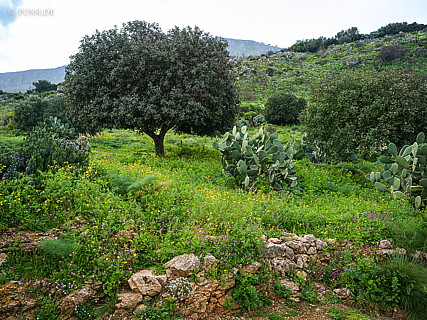
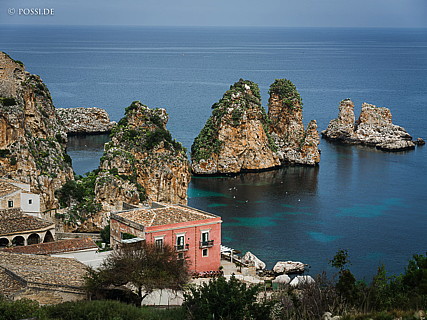
Sizilien verbindet auf einzigartige Weise Natur, Geschichte und Kultur. Die Vielfalt der Landschaften reicht von Vulkanen bis zu goldenen Küsten. Gleichzeitig erzählen Städte und Ruinen von mehr als zweitausend Jahren Geschichte. Wer Palermo, Agrigent, Corleone, Syrakus und die Villa Romana besucht, erhält einen tiefen Einblick in diese faszinierende Insel. Sizilien bleibt deshalb für viele Reisende eine der eindrucksvollsten Regionen Europas. Schließlich erfolgte die Rückreise vom Flughafen Messina nach Memmingen und dann mit dem Auto zurück nach Freyung.
Als Kamera hatte ich, wie auf meiner Motorradreise in Buthan, diesmal die Hasselblad X2DII dabei. Diese edle Mittelformat-Kamera hat den fantastischen Sony 100 Mpix Sensor und einen schnellen Autofokus. Dazu als Optiken das kompakte 38mm f2.5 V und das 90mm f2.5 V. Entwickelt wurden die Aufnahmen in Lightroom V15.2 mit vereinzelter Unterstützung der generativen AI "Firefly".
Es folgen die 120 Aufnahmen, die ich ausgewählt habe. Die Mosaiken der Villa Romana habe ich stark nachbearbeiten müssen. Das schlechte Licht und starke staubige Ablagerungen haben im Original die Bilder massiv verblasst und verfärbt. Mit einem Click auf das Bild öffnet sich eine 1500 Pixel breite Aufnahme mit den technischen Daten. Mit den Pfeilen unten kann man auf die nächste Seite blättern. D
|
|
|
|
|
|
|
|
|
|
|
|
|
|
|
|
|
|
|
|
|
|
|
|

